
Juan Ponce Enrile, a pivotal figure in Philippine history and a key architect of the martial law imposed during the regime of dictator Ferdinand Marcos Sr., has died at the age of 101. His daughter, Katrina Ponce Enrile, confirmed his passing on Thursday, November 13, 2025. Enrile, who had been receiving treatment for pneumonia, died peacefully at his home at 4:21 PM local time, surrounded by his family. A public viewing has been announced to honor his memory. Enrile’s legacy is deeply intertwined with the Philippines’ tumultuous political history, particularly during the Marcos era, where he played a significant role in shaping the nation’s trajectory. His death marks the end of an era for a man who was both celebrated and criticized for his contributions to Philippine politics.
标签: Asia
亚洲
-
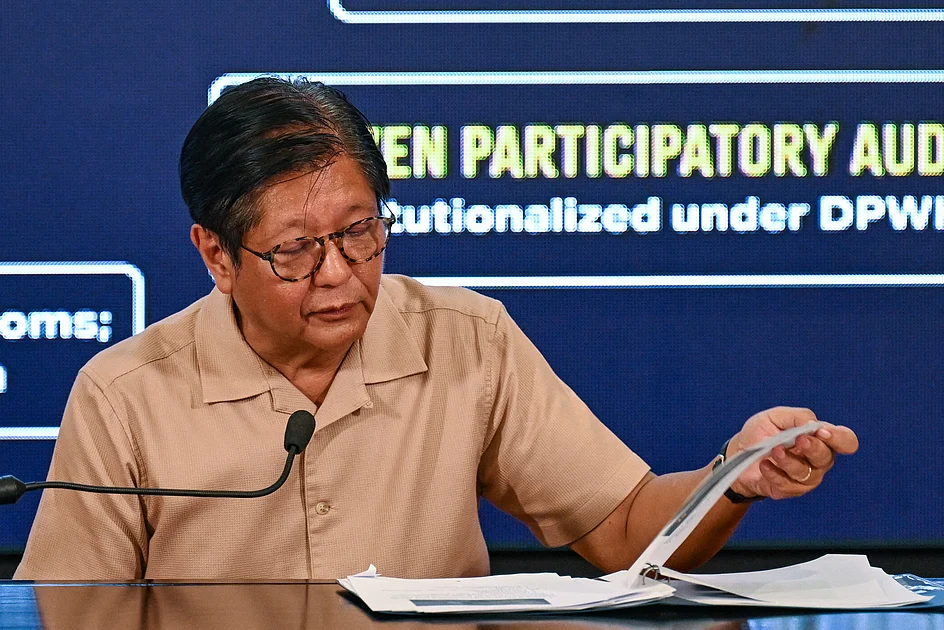
Philippine president vows arrests over bogus flood control projects
Philippine President Ferdinand Marcos has vowed to arrest individuals involved in fraudulent flood control projects before Christmas, following devastating typhoons that left parts of the country submerged. The announcement comes amid allegations that construction firm owners, government officials, and lawmakers, including Marcos’ cousin Congressman Martin Romualdez, have embezzled funds intended for infrastructure projects, many of which were either substandard or non-existent. The Department of Finance estimates that corruption in these projects has cost the Philippine economy up to 118.5 billion pesos (approximately $2 billion) from 2023 to 2025. Marcos emphasized that criminal cases against the implicated individuals are nearly complete, stating, “We don’t file cases for optics. We file cases to put people in jail.” He added, “They won’t have a merry Christmas… happy days are over.” The issue of ‘ghost’ infrastructure projects was highlighted in Marcos’ July national address, sparking widespread public outrage. When questioned about his cousin’s involvement, Marcos noted that there is currently insufficient evidence but stressed that “no one is exempted in this investigation.” The Philippines is still recovering from the destruction caused by Super Typhoon Fung-wong, which struck on Sunday, flooding hundreds of villages and claiming at least 27 lives. This disaster followed Typhoon Kalmaegi, which hit the central Philippines days earlier, resulting in at least 232 fatalities.
-

Pakistan grants lifetime immunity to president, current army chief
In a landmark decision, Pakistan’s parliament ratified the 27th constitutional amendment on Thursday, bestowing lifetime immunity upon the president and the current army chief. The amendment, passed with a two-thirds majority, has sparked widespread criticism for its potential to undermine democratic principles and judicial independence. Army Chief Asim Munir, recently elevated to the rank of field marshal following Pakistan’s tense standoff with India in May, will now wield command over the army, air force, and navy. The amendment also introduces the role of Chief of Defence Forces, consolidating military authority under a single command. Additionally, it establishes a Federal Constitutional Court, further reshaping the nation’s legal and governance framework. The new provisions ensure that any officer promoted to the highest military ranks—field marshal, marshal of the air force, or admiral of the fleet—will retain their rank, privileges, and immunity from criminal proceedings for life. Critics argue that this move erodes civilian oversight of the military and disrupts the traditional hierarchy of equal service chiefs under the joint chief system. President Asif Ali Zardari, who has faced multiple corruption allegations, is also shielded from prosecution unless he assumes another public office. The amendment further prohibits courts from challenging any constitutional changes, raising concerns about unchecked executive power. The bill is now awaiting the president’s signature to become law.
-
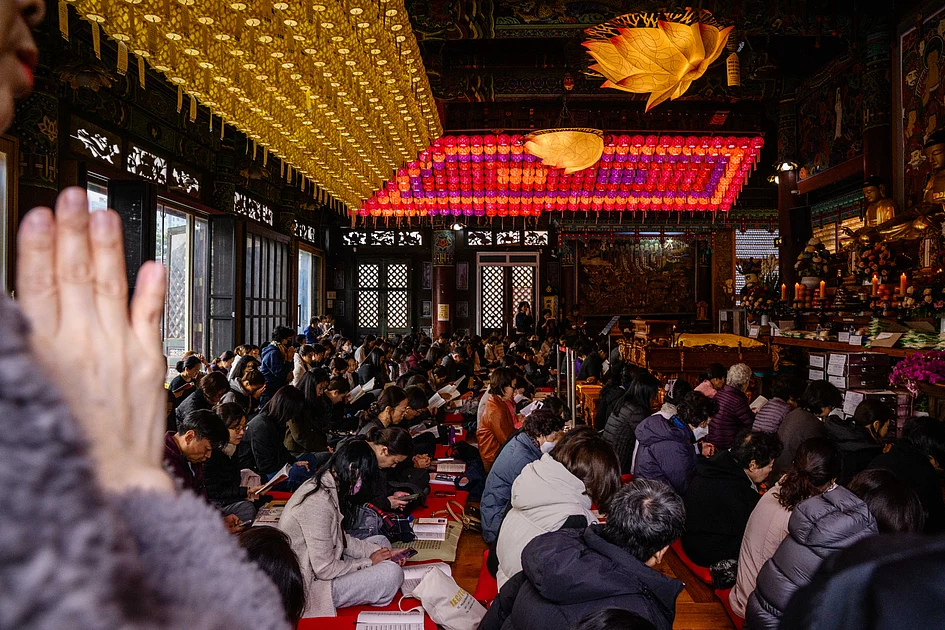
South Korea halts flights for crucial college entry exam
South Korea has implemented a series of nationwide measures to ensure a smooth and distraction-free environment for students taking the highly consequential College Scholastic Ability Test (CSAT), locally known as the ‘Suneung.’ The exam, held on November 13, 2025, is a pivotal event in the lives of South Korean students, as it determines admission to top universities and is widely viewed as a gateway to social mobility, economic stability, and even marital prospects. With so much at stake, the government has taken extraordinary steps to minimize disruptions. A 35-minute flight ban was enforced during the English listening test, affecting 140 flights, including 75 international services. Additionally, banks and public offices delayed their opening hours by an hour to reduce traffic congestion. Parents and students alike were visibly anxious, with many parents visiting shrines, churches, and temples to pray for their children’s success. The exam day is steeped in traditions and superstitions, such as avoiding seaweed soup, believed to cause students to ‘slip’ in their performance. The 2026 admission cycle also introduced a new requirement for universities to consider applicants’ records of school violence, marking a significant shift in policy. Over 550,000 students registered for the exam, with many receiving encouragement from younger peers and community members. The day-long test, held at centers like Yongsan High School in Seoul, saw a heavy media presence and police assistance for latecomers. The CSAT remains a defining moment in South Korea’s education system, reflecting the nation’s intense focus on academic achievement and its broader societal implications.
-
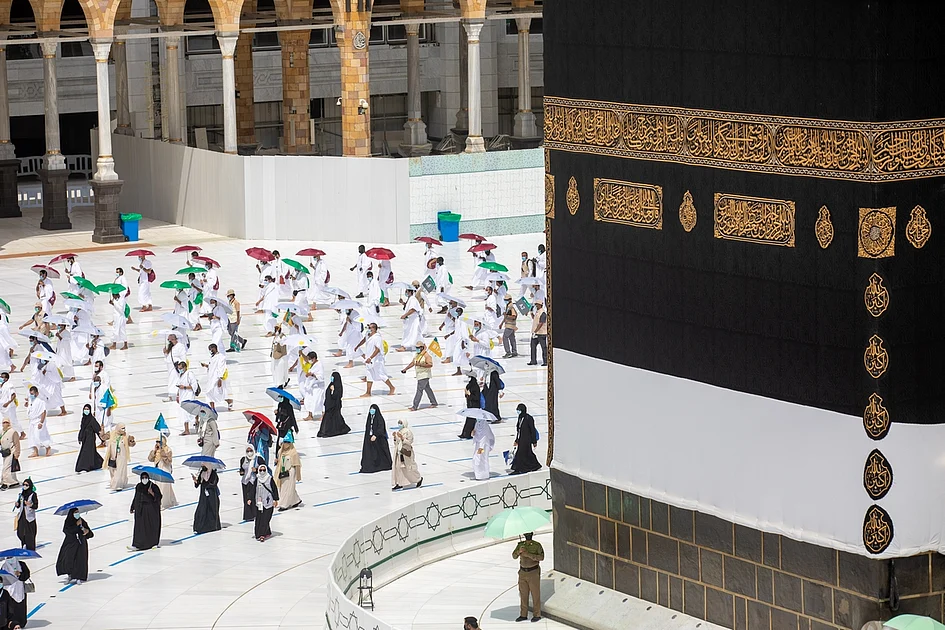
UAE approves names of 6,228 pilgrims to perform Hajj in 2026
The UAE’s General Authority for Islamic Affairs, Endowments, and Zakat (Awqaf) has finalized the list of 6,228 Emirati citizens selected to perform the Hajj pilgrimage in 2026 (1447 AH). The selection process, conducted through an automated sorting system, evaluated over 72,000 applicants based on specific criteria and eligibility conditions. Priority was given to senior citizens and individuals with medical conditions requiring special care, followed by those who had applied multiple times without success and first-time pilgrims. All approved applicants have been notified via text messages and other communication channels to begin completing the necessary procedures. The authority emphasized its commitment to fairness, transparency, and ensuring a safe and organized Hajj experience. Unsuccessful applicants for 2026 will have their applications automatically transferred to the 2027 Hajj season without requiring resubmission. This initiative aligns with the UAE government’s strategy to provide efficient and civilized services that meet the aspirations of its citizens.
-
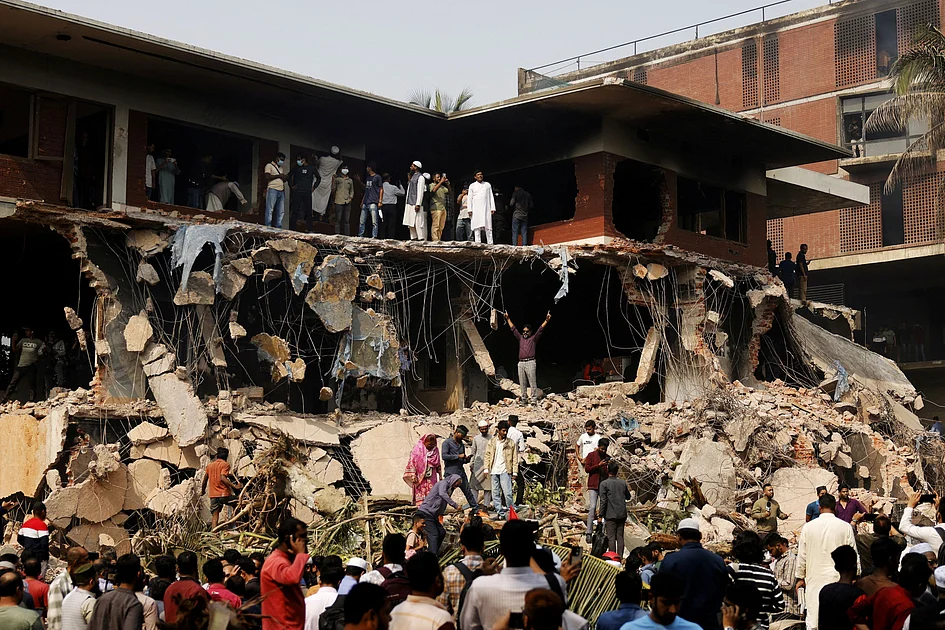
Bangladesh verdict in ex-PM Hasina trial on November 17
Bangladesh is set to announce the verdict in the high-profile crimes against humanity trial of former Prime Minister Sheikh Hasina on November 17, as confirmed by Chief Prosecutor Tajul Islam on Thursday. The trial, conducted in absentia since June 1, has centered on allegations that Hasina ordered mass killings during a failed attempt to suppress a student-led uprising in 2024, which ultimately led to her removal from power. The United Nations estimates that up to 1,400 people were killed during the crackdown between July and August 2024. Hasina, now 78 and residing in India, has refused to return to Bangladesh to face the charges, dismissing the trial as a ‘jurisprudential joke.’ Prosecutors have filed five charges against her, including failure to prevent murder, which they argue constitute crimes against humanity under Bangladeshi law. They are seeking the death penalty if she is found guilty. The trial has also implicated former Interior Minister Asaduzzaman Khan Kamal, who remains a fugitive, and former Police Chief Chowdhury Abdullah Al-Mamun, who is in custody and has pleaded guilty. The verdict comes amid heightened political tensions as Bangladesh prepares for elections in February. Hasina’s outlawed Awami League called for a nationwide ‘lockdown’ on Thursday, and security forces have been heavily deployed around the court, with armored vehicles stationed at checkpoints. Recent weeks have seen a surge in violence, including crude bomb attacks targeting government-linked buildings, buses, and Christian sites. On November 11, a man was burned to death when his parked bus was set on fire. Meanwhile, Bangladesh’s foreign ministry has summoned India’s envoy to Dhaka, urging New Delhi to prevent Hasina from engaging with journalists, citing concerns over bilateral relations.
-
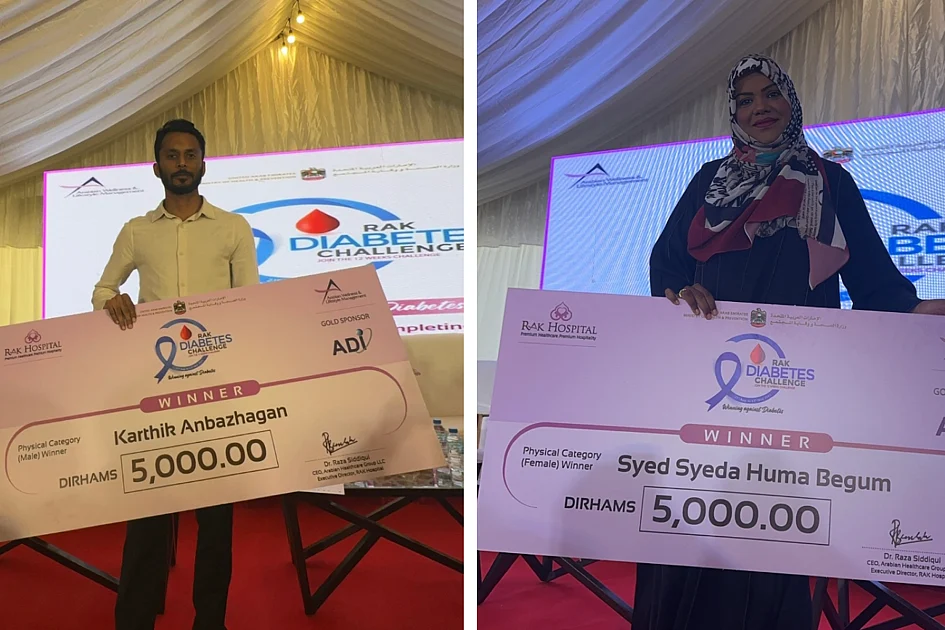
2 Indian expats from Dubai win Dh5,000 each in diabetes challenge
Two Indian expatriates in Dubai, Karthik Anbazhagan and Syeda Huma Begum, have emerged as winners in the 2025 RAK Diabetes Challenge, each receiving Dh5,000 for their remarkable health transformations. The challenge, which concluded on November 13, 2025, at RAK Hospital, saw participants compete to improve their HbA1c levels over a 12-week period. Karthik, a Dubai resident, reduced his levels from 9.6 to 6.94, while Syeda, from Ajman, achieved a drop from 7.8 to 6.47. Both winners attributed their success to consistency, lifestyle changes, and family support. Karthik emphasized the importance of a balanced diet, regular exercise, and the use of a continuous glucose monitor (CGM), which provided real-time insights into his glucose levels. Syeda, a teacher, highlighted her daily walking routine, balanced diet, and positive mindset as key factors. The challenge, which attracted over 5,500 participants across the UAE, aimed to promote diabetes management and healthier living. Sana Abbasi, a Pakistani resident in Dubai, secured second place with a Dh3,000 prize, improving her blood sugar levels from 7.61 to 6.96. The event concluded just ahead of World Diabetes Day, underscoring the importance of awareness and proactive health management.
-

Cleaning staff transform fallen ginkgo leaves into campus art sensation
In a remarkable display of creativity, the cleaning staff at Dalian University of Foreign Languages in Liaoning Province have transformed the seasonal litter of ginkgo leaves into stunning works of art. Utilizing everyday objects such as umbrellas, chairs, and tables, they have crafted intricate designs that have captivated students and become a viral sensation on social media. The vibrant crimson and gold hues of the leaves, typically associated with autumn’s poetic beauty, have now become the centerpiece of an unexpected artistic movement on campus. This initiative not only highlights the aesthetic potential of natural elements but also underscores the often-overlooked talents of the university’s support staff. Their innovative approach has sparked widespread admiration, drawing attention to the intersection of nature, art, and community engagement.
-
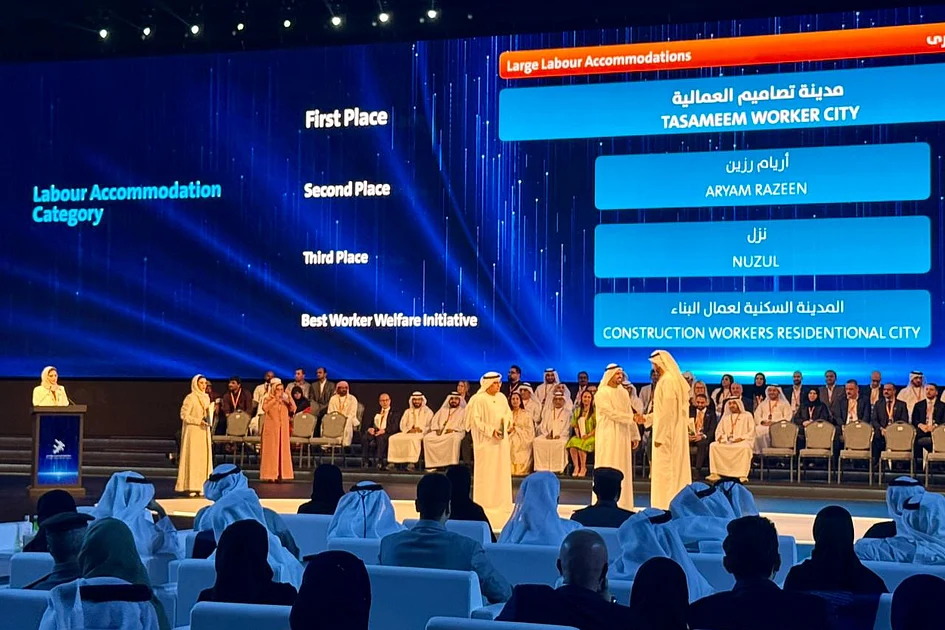
Dh50 million awarded to 100 UAE workers, companies at Emirates Labour Market Awards
The third edition of the Emirates Labour Market Award (ELMA), held in Abu Dhabi on Thursday, recognized 100 exceptional workers and private companies for their outstanding contributions to the UAE labour market. Organized by the Ministry of Human Resources and Emiratisation (MoHRE), the event celebrated best practices and innovation in the sector, with a total prize pool of Dh50 million, up from Dh37 million in the previous edition. This year’s awards expanded to include 98 winners, compared to 84 in the second edition. Individual winners received cash prizes of Dh100,000, Dh75,000, and Dh50,000 for first, second, and third places, respectively. Companies securing top positions were classified under MoHRE’s first category, benefiting from significant discounts on ministry services, with financial savings of up to Dh1.2 million. A new subcategory, ‘Labour Accommodations,’ was introduced to encourage sustainable and recreational initiatives for workers, particularly during national and Eid holidays. MoHRE emphasized that such activities enhance productivity, promote positive values, and foster a sense of belonging among workers, ensuring compliance with laws protecting their rights and well-being. The annual event is held under the patronage of Sheikh Mansour Bin Zayed Al Nahyan, Vice President, Deputy Prime Minister, and Chairman of the Presidential Court.
-

The illusion of access: 94% of stocks are missing from your app
The promise of global investing often falls short in reality, as most investment apps provide access to less than 10% of the world’s stock market. Despite the appearance of openness, investors are confined to a narrow selection of stocks. With over 50,000 listed companies across 78 stock exchanges, the average platform offers fewer than 5,000, leaving the majority of the global market inaccessible. Apps create an illusion of completeness by showcasing popular tickers and trending brands, even when many are ‘ghost listings’—visible but untradeable. This psychological trick fosters a sense of connection to the global economy, while actual ownership remains limited. The root of the issue lies in regulatory complexities. Platforms are typically licensed in a few jurisdictions, making cross-border investing slow, expensive, and legally challenging. Compliance with varying rules on KYC, taxation, and settlement further restricts access. As a result, trading is often limited to major markets like the U.S., the U.K., and select Asian exchanges, while regions like Africa, Latin America, and Southeast Asia remain out of reach for retail investors. Geographic restrictions also play a role, with users often unaware of why certain stocks or exchanges are unavailable. The UK Financial Conduct Authority has warned that this lack of transparency risks misleading investors. For users, this lack of clarity erodes trust, as they assume stocks in search results are purchasable. Simple disclosures about live and restricted exchanges could restore honesty without requiring new features. As Tajinder Virk, co-founder of Finvasia, notes, true global investing is about discovering undervalued companies shaping the future, not just owning what’s already popular. Until platforms align their promises with actual access, global investing will remain an illusion—appearing limitless but feeling confined. The next generation of platforms must not only display the world but truly open it.