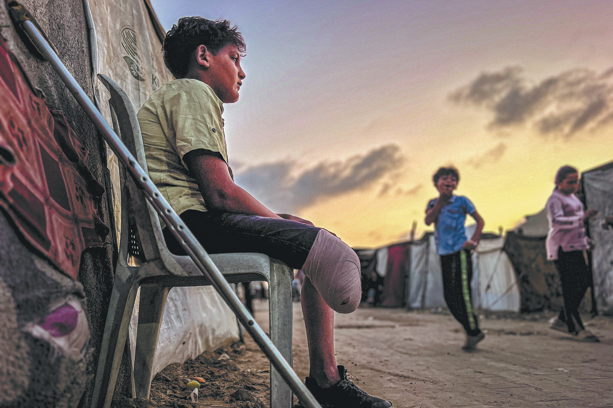
A month into the Gaza ceasefire agreement, relative calm has been restored to the region. However, experts warn that the second phase of negotiations, which involves critical issues such as Hamas’ disarmament and Israeli withdrawal, faces significant challenges. A prolonged deadlock could reignite conflict, jeopardizing the fragile peace established since October 10 after over two years of intense fighting. The first phase of the ceasefire, focused on humanitarian aid and the exchange of hostages and prisoners, has shown tangible results. Hamas has released 20 living hostages and the remains of 24 others, while Israel has returned the bodies of approximately 300 Palestinians. Humanitarian aid has also improved, with over 37,000 metric tons of supplies transported into Gaza by the UN and its partners. Despite these achievements, the truce remains precarious, with both sides accusing each other of violations and sporadic skirmishes continuing. According to the Gaza health authorities, at least 245 Palestinians have been killed since the ceasefire began. Analysts, including Niu Xinchun of the China-Arab Research Institute and Shu Meng of Shanghai International Studies University, highlight mutual suspicion, internal divisions, and fundamental disagreements on core issues as major obstacles to advancing negotiations. Israeli Prime Minister Benjamin Netanyahu has vowed to disarm Hamas and demilitarize Gaza, while Hamas views concessions as an existential threat. The US-proposed 20-point plan, which outlines the second phase of negotiations, has been criticized for failing to address Hamas’ demands and lacking a credible path toward a two-state solution. Experts argue that without addressing these underlying issues, the ceasefire’s future remains uncertain.
标签: Asia
亚洲
-
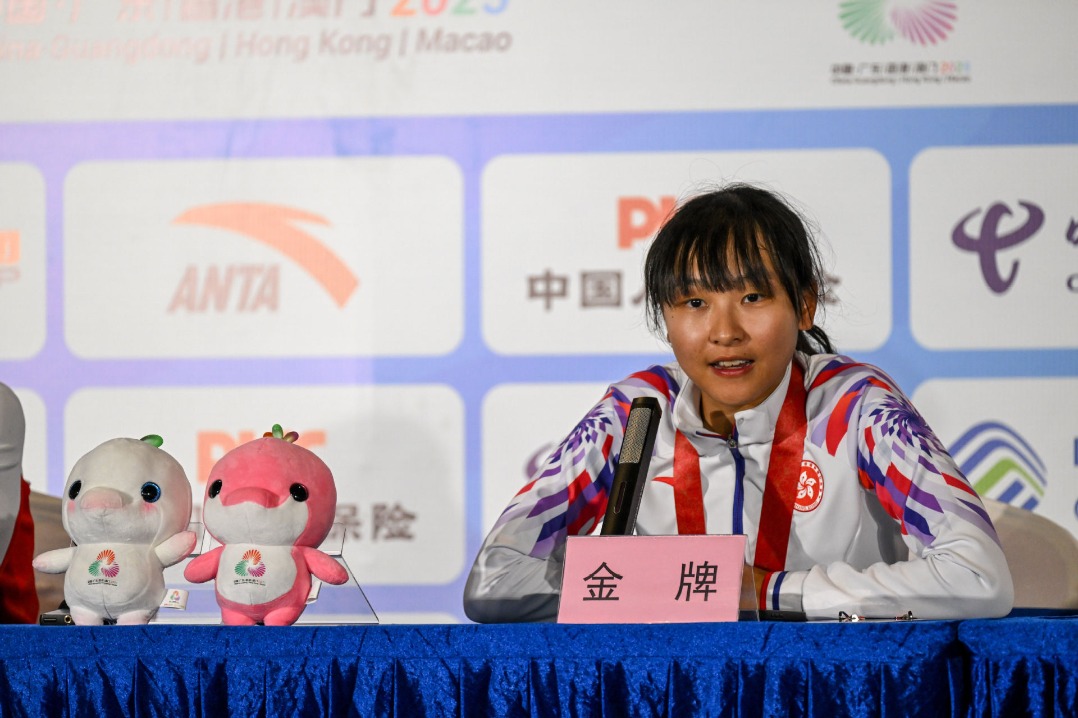
Nation’s tech achievements drive SAR athletes’ success
Hong Kong’s athletes are reaping the benefits of advanced sports technologies, as showcased by Ceci Lee Sze-wing’s triumphant defense of her title in the women’s road cycling individual event at the 15th National Games. This victory underscores the pivotal role of cutting-edge innovations in enhancing athletic performance. The Hong Kong University of Science and Technology’s Aerodynamics and Acoustics Facility, equipped with a low-noise wind tunnel, has been instrumental in simulating race environments. Coupled with the computational power of China’s Tianhe 2 supercomputer in Guangzhou, this technology has optimized cyclists’ postures, bike designs, and aero-speed suits, reducing wind drag by an impressive 3 percent. These suits, tailored for each athlete, have been worn in major events like the Tokyo 2020 Olympics and the 2022 Asian Games. Beyond cycling, sports such as windsurfing and triathlon have also leveraged these simulations to refine athletes’ techniques. The collaboration between the mainland and Hong Kong in sports technology continues to deepen, with initiatives like the Li-Ning-PolyU Joint Research Centre for Sports Science aiming to further integrate technological advancements into sports and health sectors. This synergy not only boosts professional athletes but also fosters talent development, as seen in the Guangzhou Zhongshan Whampoa School for Hong Kong and Macao Students, which offers specialized training for aspiring athletes. The nation’s support extends to providing high-tech equipment and training platforms, ensuring that athletes from Hong Kong and Macao can compete at the highest levels.
-

Watch: Mud volcano erupts in southern Taiwan
A rare geological event unfolded in southern Taiwan as the Wandan mud volcano erupted, drawing attention from both locals and experts. Described by a specialist speaking to the BBC as a particularly unusual example of this natural phenomenon, the eruption showcased the dynamic and unpredictable nature of Earth’s geological processes. Mud volcanoes, which differ from traditional magma-based volcanoes, are formed by the eruption of water, gas, and sediment from beneath the Earth’s surface. The Wandan mud volcano, located in Pingtung County, is one of the few active mud volcanoes in Taiwan, making this event a significant occurrence for both scientific study and public interest. While mud volcanoes are generally less hazardous than their magma counterparts, they remain a fascinating subject for geologists and environmental scientists. This eruption serves as a reminder of the planet’s ever-changing landscape and the importance of monitoring such natural phenomena.
-
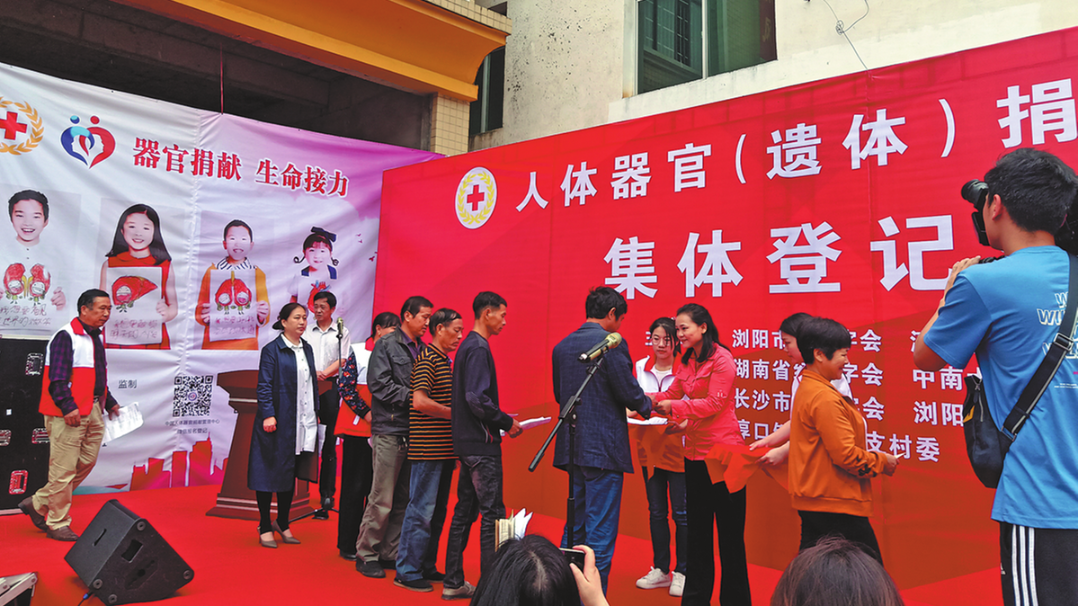
Hunan village gives ‘gift of life’ to those in need
In Gaotian village, Liuyang, Hunan province, a quiet revolution is underway, challenging long-held traditions about death and the human body. Xing Changxi, a 69-year-old farmer, became the first resident to register as an organ donor. Upon his passing in August, his family honored his final wish by donating his body to a medical school in Changsha, where it will serve as a ‘silent mentor’ for student doctors over the next three years. This act of selflessness has inspired a wave of similar commitments in the village. By September last year, 164 residents had registered as organ and body donors, a remarkable figure in a village of 7,200 people. Xing’s decision was sparked by a 2018 newspaper article highlighting how organ donations save lives and advance medical education. Despite initial skepticism and questions from villagers, Xing’s legacy has fostered a cultural shift. China’s voluntary organ donation system, established in 2010, has seen significant growth, with over 7.05 million registered donors and life-saving impacts on thousands of patients.
-

Ten photos from across China: Nov 7 – 13
China Daily Information Co (CDIC) holds exclusive rights to all content published on its platform, including text, photos, and multimedia materials. Unauthorized reproduction or use of this content in any form is strictly prohibited without prior written consent from CDIC. The site recommends using browsers with a resolution of 1024*768 or higher for optimal viewing. Additionally, the platform provides essential information about China Daily, advertising opportunities, contact details, job offers, and expatriate employment resources. Users can also follow China Daily through various channels to stay updated.
-
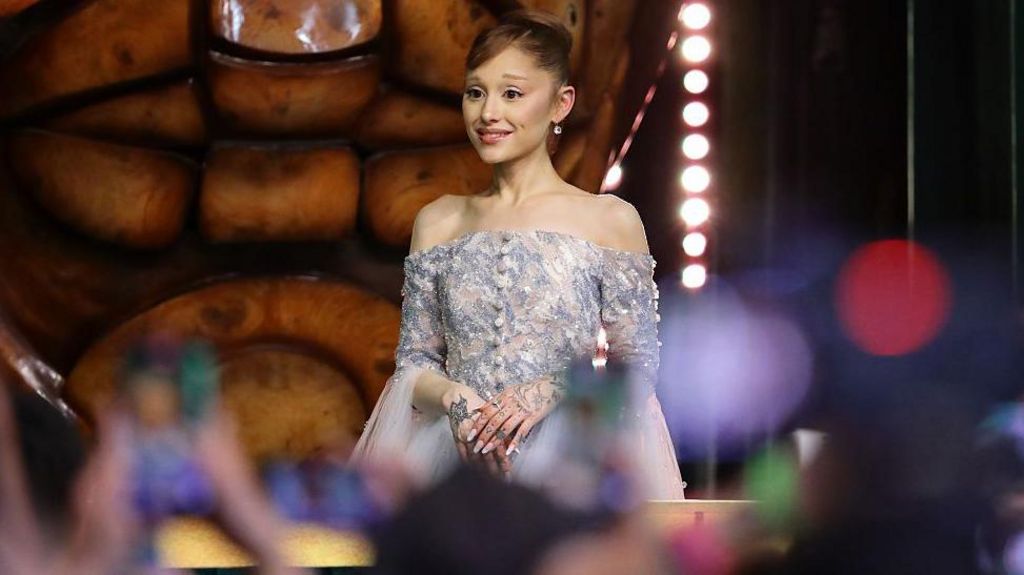
Fans call for arrest of man who grabbed Ariana Grande
Ariana Grande’s appearance at the Asia-Pacific premiere of Wicked: For Good in Singapore took a shocking turn when an Australian man, Johnson Wen, breached security and grabbed the actress. The incident, captured in a viral video, shows Wen pushing past photographers and charging at Grande as the cast walked down the yellow carpet. Co-star Cynthia Erivo swiftly intervened, pulling Grande away from the intruder, who was later escorted out by security. Wen claimed on Instagram that he was ‘free after being arrested,’ though court documents indicated he was scheduled to appear in court the following day. It remains unclear if charges were filed. This is not the first time Wen has disrupted celebrity events; his Instagram feed features clips of him jumping on stage at Katy Perry’s Sydney concert and The Chainsmokers’ performance last year. Fans have expressed outrage, calling for Wen’s arrest or deportation, and criticizing event security for its lack of vigilance. Many also highlighted Grande’s past trauma, referencing the 2017 Manchester Arena bombing that left her with PTSD. Grande has not publicly commented on the incident. The premiere, held at a Singapore mall, drew hundreds of fans dressed in green and pink, some of whom waited up to eight hours to meet the cast. Wicked: For Good, set for release on November 21, is the second installment of the adaptation of the Broadway musical Wicked, which explores the friendship between two witches. The first film was the UK’s highest-grossing movie of 2024, earning 10 Oscar nominations and winning two awards.
-
India state offers menstrual leave to all working women
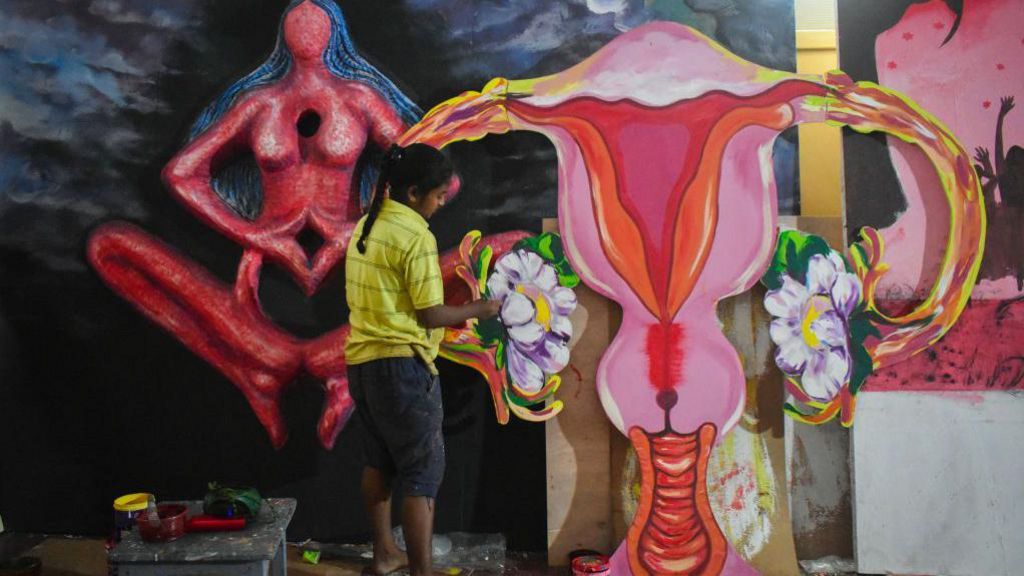
In a groundbreaking move, the southern Indian state of Karnataka has become the first in the country to introduce paid menstrual leave for all working women in formal employment. The policy, which applies to women aged 18 to 52 in both government and private sectors, allows for one day of leave per month, non-transferable and without the need for a medical certificate. This initiative is expected to benefit between 350,000 to 400,000 women in the formal sector, though it excludes the vast majority of women working in informal roles such as domestic help, daily-wage laborers, and gig workers—estimated at six million.
While the policy has been lauded as progressive by some, it has also ignited debates over potential gender bias and workplace equality. Critics argue that such measures could reinforce stereotypes, while proponents see it as a necessary step to address the physical and emotional challenges women face during menstruation.
Menstrual leave is not a novel concept globally, with countries like Spain, Japan, South Korea, and Indonesia already offering similar provisions. In India, states like Bihar and Odisha provide limited menstrual leave for government employees, while Kerala extends it to university and industrial training institute staff. However, Karnataka’s policy stands out for its inclusion of the private sector, regardless of job type or contract.
Despite the policy’s progressive intent, its implementation faces challenges rooted in cultural taboos surrounding menstruation. In many parts of India, menstruation remains a stigmatized topic, with women often excluded from religious spaces or isolated at home during their periods. Social scientists argue that while policies like menstrual leave facilitate women, they do not necessarily empower them unless accompanied by broader societal change.
Efforts to destigmatize menstruation have included empathy exercises for men in Kerala, yet deep-seated biases persist. For instance, in 2018, protests erupted in Kerala against a Supreme Court ruling allowing menstruating women to enter the Sabarimala temple, one of India’s holiest shrines.
In Karnataka, some women view the policy as a step toward normalizing conversations about menstruation. “Calling it menstrual leave helps in fighting the stigma,” said Shreya Shree, a teacher in Bengaluru. Sapna S, an associate dean at Christ University and head of Karnataka’s menstrual leave committee, urged women to embrace the policy without hesitation, emphasizing the need to challenge societal conditioning.
As Karnataka leads the way, the policy’s success will depend on its acceptance and implementation across diverse workplaces, as well as broader efforts to dismantle the cultural taboos surrounding menstruation in India.
-

Shohei Ohtani’s fourth MVP award sparks celebrations in Japan
Tokyo witnessed a wave of jubilation as Shohei Ohtani, Japan’s baseball sensation, clinched his fourth Most Valuable Player (MVP) award. The announcement, made on Thursday night in the United States, was met with immediate celebration in Tokyo, where newspapers released special editions to honor the achievement. Ohtani’s latest accolade marks his second consecutive National League MVP title, following his 2023 American League MVP win while playing for the Los Angeles Angels. His unanimous selection underscores his unparalleled dominance in the sport. Ohtani’s remarkable season included a .282 batting average, a league-leading 1.014 OPS, 55 home runs, 102 RBIs, and 20 stolen bases. Despite recovering from an elbow injury, he returned to pitching in June, striking out 62 batters in 47 innings. His postseason performance was equally historic, highlighted by a game where he hit three home runs and struck out 10 batters, propelling the Los Angeles Dodgers to a World Series victory. Japanese officials and fans alike lauded Ohtani’s dedication and impact. Chief Cabinet Secretary Minoru Kihara praised his contributions to team morale, while fans like Mai Koga called him a national pride. Ohtani’s legacy continues to inspire, solidifying his status as one of baseball’s greatest.
-
South Africa wins the toss and will bat in first cricket test against India
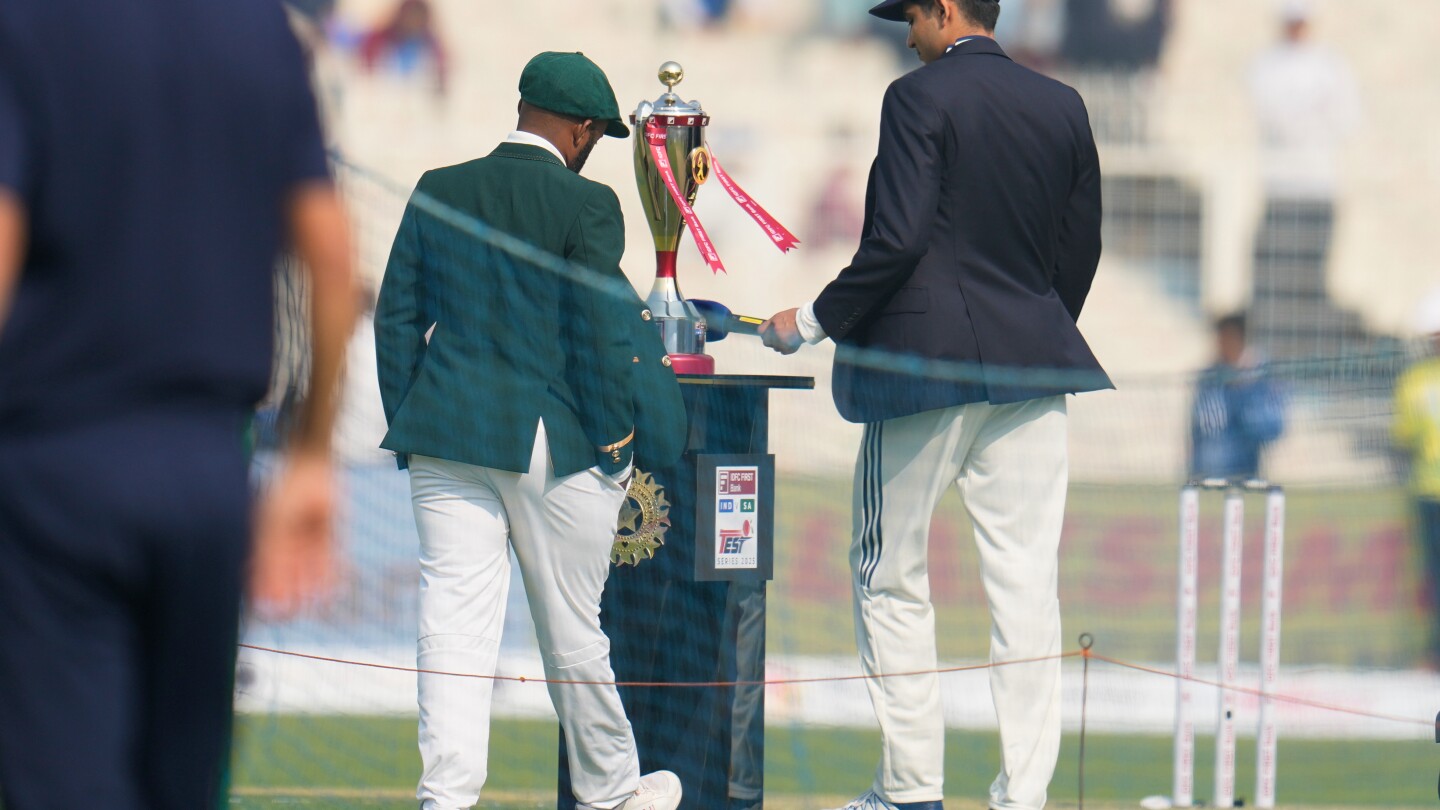
The much-anticipated first cricket test between India and South Africa kicked off at Kolkata’s iconic Eden Gardens on Friday, with South African captain Temba Bavuma winning the toss and opting to bat. This marks Kolkata’s first test match since 2019, when India faced Bangladesh in a day-night encounter. India’s strategy leaned heavily on spin, fielding four spinners, including all-rounders Ravindra Jadeja, Washington Sundar, and Axar Patel, alongside left-arm wrist spinner Kuldeep Yadav. The pace attack was led by Jasprit Bumrah and Mohammed Siraj. Notably, vice-captain Rishabh Pant returned to the playing XI after recovering from a foot injury sustained during the England series. On the South African side, Kagiso Rabada was sidelined due to a rib injury, with medium-pace all-rounder Corbin Bosch stepping in. The Proteas opted for a dual-spin approach with Simon Harmer and Keshav Maharaj. The second test is scheduled to begin on November 22 at Guwahati’s Barsapara Stadium, which will host a men’s test for the first time after being a venue for the 2025 Women’s Cricket World Cup. Recent form suggests India enters the series with confidence, having defeated West Indies 2-0, with Yadav emerging as the leading bowler with 12 wickets. South Africa, meanwhile, drew their two-test series in Pakistan 1-1. The match promises to be a thrilling contest as both teams vie for supremacy in the World Test Championship.
-

UAE vs Iraq: Luanzinho’s goal leads to hard-fought draw in World Cup playoff
In a thrilling encounter at the Mohammed Bin Zayed Stadium in Abu Dhabi, the UAE and Iraq played out a hard-fought 1-1 draw in the first leg of the AFC World Cup playoff on Thursday. The match, filled with dramatic moments, sets the stage for a decisive second leg in Basra on November 18. Iraq struck first in the 10th minute through Ali Al Hamadi, who capitalized on a defensive lapse following a well-executed free-kick. However, the UAE responded swiftly, with Brazilian-born midfielder Luanzinho equalizing in the 18th minute with a precise header. The home team dominated possession and created several chances but were unable to break through Iraq’s resilient defense. In a dramatic finale, the UAE thought they had secured a late winner when Caio Lucas found the net in the 96th minute, only for the goal to be disallowed due to an offside call. The result leaves the tie finely balanced as both teams prepare for the crucial second leg, with the winner advancing to the intercontinental qualifying tournament in March 2026. The UAE, aiming to end a 35-year World Cup drought since their debut in 1990, will need to overcome the challenge of playing in Iraq’s hostile environment. Meanwhile, Iraq will look to leverage their home advantage to secure a historic qualification.