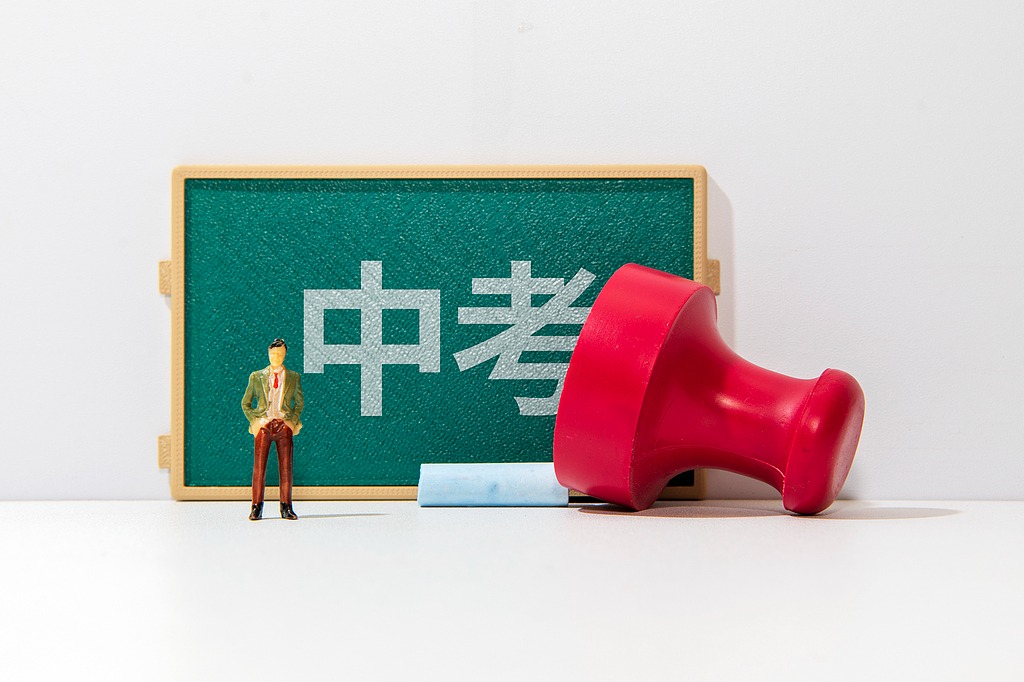
Education authorities in Shanghai and Chengdu have addressed recent online speculation about the potential abolishment of the high school entrance exam, known as the zhongkao. They clarified that ongoing educational reforms aim to integrate middle and high school education rather than eliminate the exam. In Chengdu, a 12-year coherent training program will be piloted in eight schools starting in 2025, allowing students in specific continuous education classes to bypass the zhongkao if they choose. However, students retain the option to take the exam if they wish to exit the program. The Chengdu Education Bureau emphasized that this pilot is limited in scope and does not signify a citywide cancellation of the zhongkao. The reform seeks to create a seamless educational pathway from primary to high school, shifting focus from exam scores to holistic student development. Similarly, the Shanghai Municipal Education Commission explained that its new plan for improving high school education quality includes piloting a longer-term coherent training model. This approach aims to unify curriculum design and optimize resource sharing across school stages but does not imply the abolishment of the zhongkao. The commission highlighted that this flexible model helps manage enrollment fluctuations and enhances resource efficiency by promoting cross-campus sharing of facilities like labs and libraries. While some parents have long advocated for the zhongkao’s abolishment, fearing it forces students into vocational schools, authorities have reiterated that the exam remains a crucial academic assessment. Vocational education continues to be an integral part of the education system, offering diverse pathways for students with varying strengths. The 2022 revision of the Vocational Education Law further emphasized the importance of vocational education as a parallel pathway to regular education, calling for greater integration between the two systems.
标签: Asia
亚洲
-
Expert calls for widening ties beyond the runway
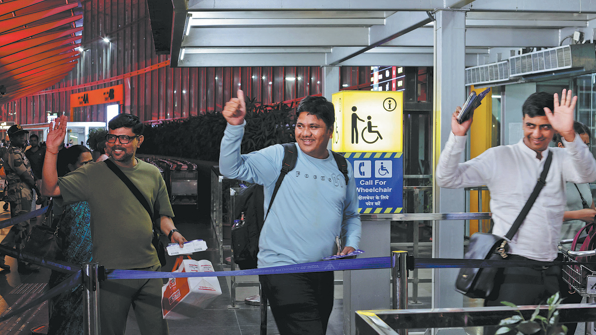
The resumption of direct flights between India and China, after a five-year hiatus due to the pandemic, is a significant but limited step toward rebuilding trust between the two Asian giants, according to Sudheendra Kulkarni, a former aide to Indian Prime Minister Atal Bihari Vajpayee. Kulkarni emphasized that this development should be expanded into broader economic, cultural, and educational exchanges to foster deeper bilateral relations. He suggested increasing the number of direct flights to 100 across 20 cities in both countries to normalize people-to-people interactions, which have lagged behind trade and diplomatic ties. This year marks the 75th anniversary of diplomatic relations between China and India, with civilizational ties spanning over two millennia. Kulkarni stressed that renewed people-to-people relations are not just symbolic but strategic, as trust is the foundation of enduring bilateral relationships. However, opportunities for engagement have been limited in recent years, with India banning 59 Chinese mobile apps, including WeChat, and restricting channels for Indians to learn about China. Kulkarni urged India to ease visa rules for Chinese scholars, entrepreneurs, and tourists, highlighting the importance of cross-border learning in rebuilding trust. Despite the absence of direct flights and the suspension of tourist visas for Chinese nationals, bilateral trade has remained resilient, reaching $138.5 billion last year, a 1.7% increase year-on-year. Kulkarni, a veteran advocate of India-China friendship and founder of the Forum for a New South Asia, has visited China over two dozen times and is currently writing a book on China’s success in eradicating extreme poverty. He also praised China’s Global Governance Initiative, along with its global initiatives on development, security, and civilization, as frameworks for a more democratic and inclusive multipolar world order. Kulkarni called for closer cooperation between India and China, emphasizing their shared responsibility as leading voices of the Global South to promote peace, stability, progress, and prosperity globally. Reflecting on China’s 15th Five-Year Plan (2026-30), he noted its focus on self-reliance and international engagement, particularly in advanced manufacturing, artificial intelligence, semiconductors, quantum computing, and aerospace.
-

Thailand-Cambodia border tensions escalate
Tensions along the Thailand-Cambodia border have intensified following a recent skirmish that resulted in the death of one civilian and injuries to three others. An ASEAN Observer Team visited the conflict zone in Banteay Meanchey Province on Thursday to assess the situation, facilitated by the Cambodian Ministry of National Defence. The team also paid respects to the deceased civilian, as reported by the Cambodian state news agency, Agence Kampuchea Presse (AKP).
Both Thailand and Cambodia have accused each other of instigating the clash, though both nations have expressed a commitment to upholding previous border control agreements. China, a close neighbor and ally to both countries, has urged restraint and peaceful resolution. During a press conference in Beijing, Chinese Foreign Ministry spokesman Lin Jian emphasized the importance of leveraging existing bilateral mechanisms to prevent further escalation.
The incident occurred late Wednesday afternoon in Thailand’s Ban Nong Ya Kaew, Sa Kaeo Province, and Prey Chan Village, Banteay Meanchey Province, Cambodia. Reports from Thai media indicated the exchange of gunfire lasted approximately 10 minutes, while Cambodian sources claimed it extended to half an hour. The Cambodian defense ministry accused Thai forces of provocative actions aimed at inciting conflict, while Thailand maintained its actions were defensive and in line with international law.
Both nations have called for transparent investigations, with Cambodia advocating for international involvement to ensure accountability. Despite the tensions, both sides reaffirmed their commitment to peaceful dispute resolution in accordance with international treaties and agreements.
-
Shanghai a hot hub for addressing intl commercial disputes
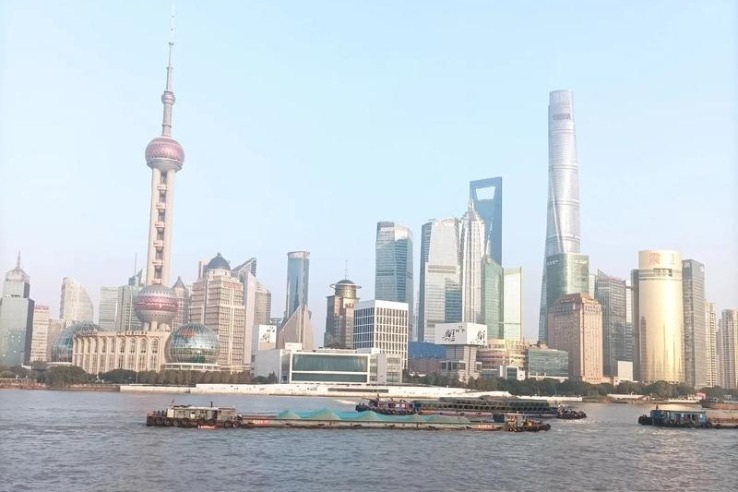
Shanghai has solidified its position as a leading global hub for resolving international commercial disputes, according to senior officials from the city’s courts. This development comes as Chinese courts, with Shanghai at the forefront, have been recognized for their fairness and efficiency in handling such cases. The World Bank’s recent business ranking placed Chinese courts second in public recognition and third in perceived fairness among 103 global economies, highlighting Shanghai’s pivotal role in this achievement. Lu Weimin, deputy secretary of the Party leadership group and vice-president of the Shanghai High People’s Court, emphasized the city’s commitment to enhancing the quality and efficiency of foreign-related commercial trials, ensuring equal protection for both domestic and foreign investors. The establishment of the Shanghai International Commercial Court in December 2024 has been a cornerstone of this progress. In the first three quarters of 2025, the court handled 1,600 cases involving foreign commercial disputes and arbitration judicial reviews, with a total disputed amount exceeding 21.5 billion yuan ($3.02 billion). Parties involved in these cases hailed from 39 countries and regions. One notable case involved the efficient resolution of a Mongolian arbitration award application within 39 days, which was recognized as a typical example involving the Belt and Road Initiative by China’s Supreme People’s Court. To bolster its professional adjudication capabilities, the court established an international commercial expert committee, initially appointing 20 high-level experts, including eight from overseas. The Shanghai Maritime Court also reported an increase in cases, with 544 first-instance maritime cases accepted in the first three quarters of 2025, marking a nearly 20 percent increase. In terms of rulemaking, seven cases from Shanghai courts have been included in the official case database of the United Nations Commission on International Trade Law, providing a Chinese model for the accurate application of international conventions. The Shanghai International Commercial Court concluded the country’s first case referencing a document of the UN Convention on Contracts for the International Sale of Goods in February, contributing a Chinese example for the global uniform application of the convention. Additionally, Shanghai courts have excelled in the digitalization of cross-border litigation services, achieving a 100 percent electronic service rate for newly filed cases, with online hearings used in nearly 80 percent of them. The Shanghai Maritime Court explored a mechanism of comprehensive authorization for overseas litigation entities, which has been applied in 400 cases and reduced average processing time by about 30 days and litigation costs by nearly 10,000 yuan per case. Werner Schuppisser, a Swiss national and cofounder of a company bringing Swiss ice cream to Shanghai, shared his positive experience with the Shanghai Jing’an district court, which helped resolve a dispute and saved his company. Schuppisser praised the professionalism, efficiency, and impartiality of the Shanghai judges, which he believes provides a business environment that allows his firm to continue to grow.
-

Illustrating the rich tapestry of Chinese life
China Daily’s Times’ Palette Studio has unveiled a remarkable project that encapsulates the essence of ‘Min Sheng’—the people’s livelihood—through a series of 24 illustrations. This initiative, launched during the 14th Five-Year Plan (2021-25), underscores the nation’s commitment to equitable development and the shared prosperity of Chinese-style modernization. The project employs ‘time’ as the warp and ‘Min Sheng’ as the weft, weaving a rich tapestry of life across 24 hours, each hour depicted in a standalone watercolor illustration. These scenes, though distinct, are interconnected, showcasing various aspects of China’s progress in economic development, education, healthcare, elder care, employment, technology, culture, agriculture, and national defense. Each illustration serves as a unique ‘Chinese expression,’ collectively forming a warm and expansive scroll of the people’s livelihood. From the vibrant neon lights of urban centers to the serene moon over borderlands, and from the precision of high-tech laboratories to the comforting aromas of street food vendors, these images vividly capture the warmth and resilience of Chinese life in the new era. The story unfolds through these 24 snapshots, each offering a window into a specific moment and facet of life in contemporary China.
-

Watch: Bear runs onto airport tarmac, halting flights
A surprising incident unfolded at a Japanese airport on Wednesday when a bear unexpectedly wandered onto the tarmac, causing a temporary suspension of flights. The unusual occurrence disrupted airport operations as authorities swiftly responded to ensure the safety of passengers and staff. Wildlife experts were called in to safely capture and relocate the bear, which had strayed from its natural habitat. The incident highlights the challenges of human-wildlife coexistence in urbanized areas and the need for effective wildlife management strategies. Airport officials later confirmed that normal operations resumed after the situation was resolved, with no injuries reported.
-
Fresh off commissioning new aircraft carrier, China starts sea trials of amphibious assault ship
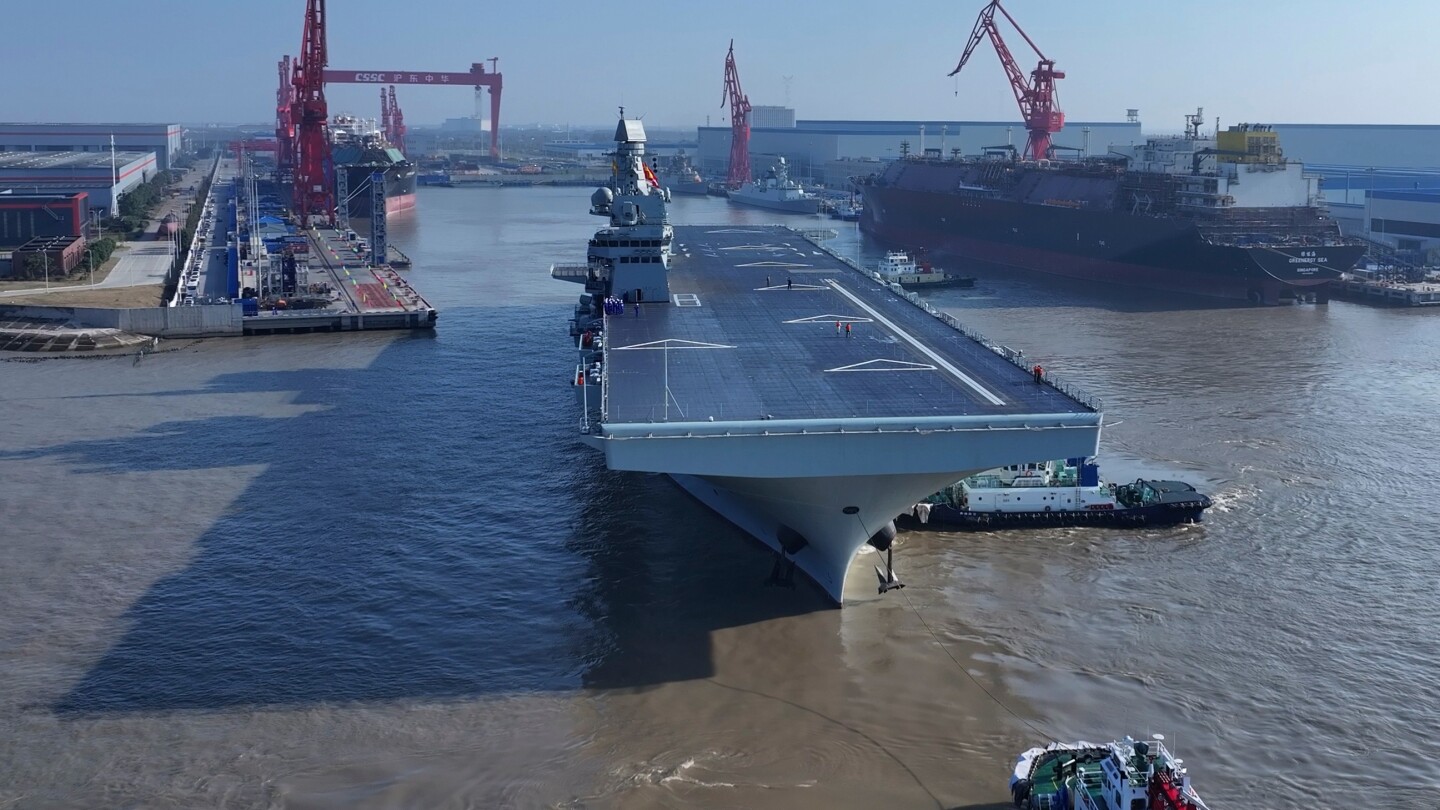
China has commenced sea trials for its cutting-edge amphibious assault ship, the Sichuan Type 076, marking another significant milestone in its ambitious naval modernization program. The vessel, which departed from Shanghai’s Hudong-Zhonghua Shipyard on Friday, represents a hybrid design, combining features of an aircraft carrier and traditional amphibious assault ships. It is capable of launching both aircraft and landing craft equipped with troops, enhancing its operational versatility. The Sichuan is approximately half the size of China’s latest aircraft carrier, the Fujian, which was commissioned on November 7, with a displacement of around 40,000 tons. Both vessels were domestically designed and constructed, underscoring China’s growing self-reliance in advanced military technology. While specific technical details remain undisclosed, amphibious assault ships are generally faster than carriers, offering greater flexibility, though they are more vulnerable to attacks and carry fewer aircraft. China’s navy, already the largest in the world by ship count, continues to expand its capabilities under President Xi Jinping’s vision of achieving a fully modernized force by 2035 and a world-class military by mid-century. The Sichuan’s development is particularly significant in the context of potential military operations involving Taiwan, as amphibious assault ships would play a crucial role in any invasion scenario. Equipped with an advanced electromagnetic catapult system, similar to that on the Fujian, the Sichuan surpasses its U.S. counterparts, the America-class and Wasp-class ships, which lack such technology. The trials will test the vessel’s ability to launch fixed-wing aircraft, including drones and potentially crewed fighter jets, further solidifying China’s position as a formidable naval power.
-

Modi’s coalition leads in a key Indian state election
In a significant political development, Indian Prime Minister Narendra Modi’s ruling coalition, the National Democratic Alliance (NDA), is poised for a decisive victory in the Bihar state elections. Early trends from the Election Commission of India indicate that the NDA is expected to secure 200 out of the 243 seats in the state legislature, far surpassing the 122-seat threshold required to form a government. The Bharatiya Janata Party (BJP), Modi’s party, is projected to win 90 seats independently. Bihar, India’s third-most populous state with nearly 130 million residents, holds immense political significance due to its substantial representation in the lower house of parliament. The state’s political dynamics often set trends across India’s Hindi-speaking heartland, making this victory a critical indicator of the NDA’s national influence. The election, conducted in two phases, unfolded against a backdrop of widespread concerns over unemployment, law and order, and alleged irregularities in electoral roll revisions. Both Modi and his opponents engaged in intense campaigns, characterized by mass rallies, aggressive welfare messaging, and direct voter outreach. As the NDA’s lead became apparent, jubilant celebrations erupted in Patna, the state capital, with supporters waving party flags, dancing to drum beats, and lighting firecrackers.
-

China’s Shenzhou XX astronauts to return to Earth
The China Manned Space Agency (CMSA) has announced that the Shenzhou XX crew, consisting of astronauts Chen Dong, Chen Zhongrui, and Wang Jie, is scheduled to return to Earth on Friday aboard the Shenzhou XXI spacecraft. The landing is set to take place at the Dongfeng site in Inner Mongolia Autonomous Region, with all systems and personnel prepared for a safe touchdown. The astronauts are reported to be in excellent health despite the challenges faced during their mission. Originally planned for November 5, the return was delayed due to a suspected collision with minuscule space debris, which necessitated additional safety checks and adjustments. The CMSA also revealed plans for the future launch of the Shenzhou XXII spacecraft, though the exact timing remains unspecified. This mission underscores China’s growing capabilities in space exploration and its commitment to advancing human spaceflight endeavors.
-

A minibus carrying Chinese tourists crashes in Bali, killing 5 passengers
A devastating minibus accident occurred on Friday morning on the Indonesian resort island of Bali, resulting in the deaths of five Chinese tourists and injuries to eight others. The incident took place as the vehicle was traveling from the southern to the northern part of the island on a winding, downhill road. According to Ida Bagus Widwan Sutadi, the police chief of Buleleng regency, the driver lost control of the minibus, causing it to veer off the asphalt road and crash into a community garden, where it struck a tree. Sutadi attributed the accident to the driver’s lack of caution while navigating the turn and descent. The road in the Padangbulia village area was dry at the time of the crash. The injured passengers were promptly treated at two local hospitals, while the Indonesian driver, who did not require medical attention, was arrested. This tragic event highlights the ongoing issue of road safety in Indonesia, where accidents are frequent due to inadequate safety standards and infrastructure.