
Chinese researchers have marked a significant milestone in xenotransplantation, as a gene-edited pig kidney has successfully functioned in a macaque for over a year. This groundbreaking achievement was announced by a team from a hospital affiliated with Tongji Medical College at Huazhong University of Science and Technology in Wuhan. Led by Professor Chen Gang, the experiment underscores China’s emergence as a global leader in this cutting-edge field, paving the way for future clinical applications. Xenotransplantation, which addresses the critical shortage of human organs, often relies on pigs due to their physiological similarities to humans and fewer ethical concerns compared to human gene editing. However, overcoming immune rejection across species remains a major challenge. Chen’s team tackled this by sourcing specific pathogen-free ‘clean pigs’ to eliminate porcine cytomegalovirus, a common cause of rejection. Additionally, they developed a precise immunosuppression protocol to balance rejection prevention and infection risk. With an estimated 2 million people worldwide needing organ transplants annually, this breakthrough offers hope for end-stage patients. ‘Xenotransplantation is a beacon of hope for life extension,’ Chen emphasized. This achievement builds on earlier successes by U.S. researchers and positions China at the forefront of this vital medical research.
标签: Asia
亚洲
-
Chinese scientists develop broad-spectrum nanobodies for tick fever treatment
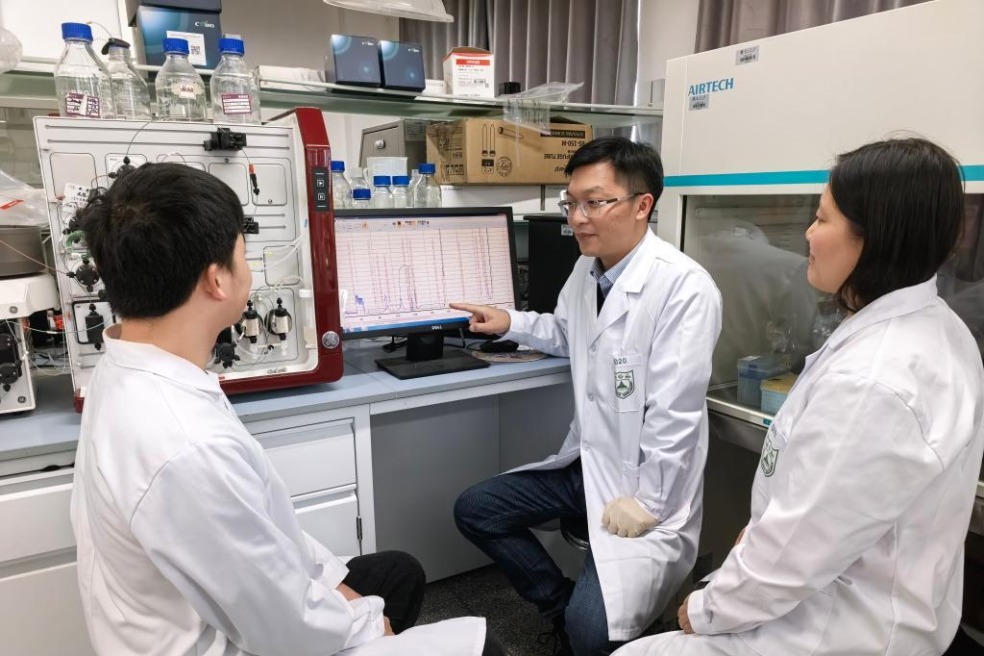
A groundbreaking development in the fight against Severe Fever with Thrombocytopenia Syndrome (SFTS), commonly known as tick fever, has been achieved by a Chinese research team. Led by Professor Wu Xilin from Nanjing University Medical School, the team has created a combination of nanobodies that demonstrate broad and potent efficacy against the disease. This innovation is particularly significant as SFTS cases are on the rise globally, and no specific treatments have been available until now. The study, published as the cover story in the journal Science Translational Medicine, highlights the collaborative efforts of multiple domestic institutions. SFTS, transmitted through tick bites, causes severe symptoms such as high fever and a drastic reduction in platelet count, often occurring between April and September. The research team initially isolated first-generation nanobodies from alpacas, which showed promise in mouse trials. To combat the challenge posed by the virus’s multiple subtypes, the team developed a ‘cocktail therapy’ approach. This involved immunizing alpacas with antigens from different viral subtypes and identifying two potent nanobodies that target conserved viral sites, effectively blocking infection. When tested on infected ferrets, the nanobody cocktail led to complete survival, undetectable viral loads, improved platelet counts, and reduced tissue damage. The team has now initiated preclinical research, with Professor Wu expressing hope for a drug that can both treat and prevent SFTS.
-
Indian fighter jet crashes during a demo flight at Dubai Air Show, killing the pilot
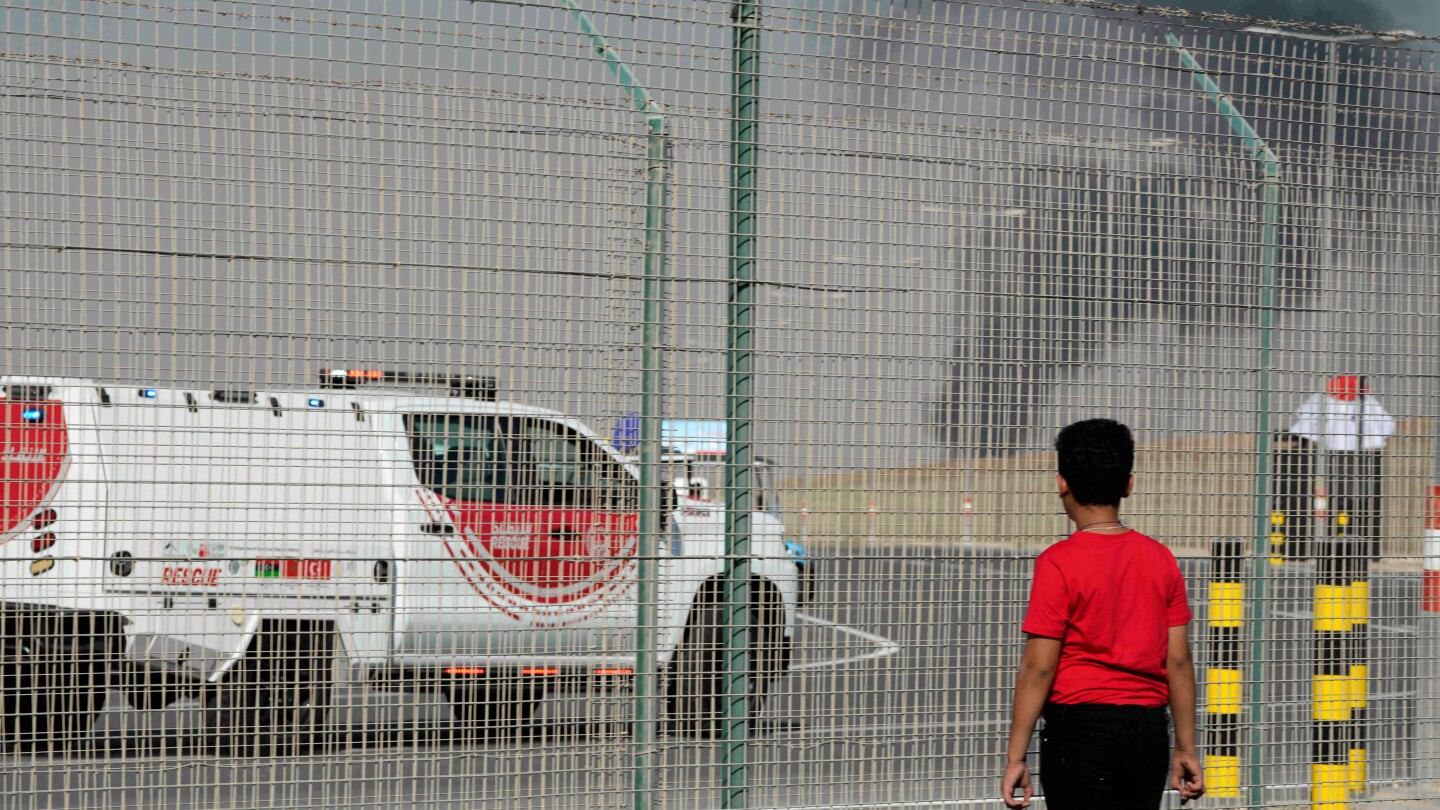
A tragic incident unfolded at the Dubai Air Show on Friday when an Indian HAL Tejas fighter jet crashed during a demonstration flight, resulting in the death of the pilot. The Indian Air Force confirmed the accident, which occurred around 2:10 p.m. local time at Al Maktoum International Airport. Witnesses reported that the aircraft appeared to lose control and plunged directly into the ground within the airfield premises. Emergency teams responded swiftly, and black smoke was seen rising from the crash site as sirens blared. The Indian Air Force expressed deep regret over the loss of life and extended condolences to the pilot’s family. A court of inquiry has been initiated to determine the cause of the crash. The Dubai Air Show, a biennial event, resumed flight demonstrations approximately an hour and a half later, with the Russian Knights performing overhead. The Tejas, India’s domestically produced fighter jet, is a key component of the nation’s efforts to modernize its air force amid regional tensions, particularly with China and Pakistan. Recent contracts with Hindustan Aeronautics Limited (HAL) for 97 Tejas jets highlight its strategic importance, though delays in deliveries due to engine shortages have posed challenges. The incident marks the second crash involving a Tejas jet in recent years, following a 2022 accident in Rajasthan where the pilot ejected safely.
-
Scholars slam Japan’s PM for Taiwan remarks
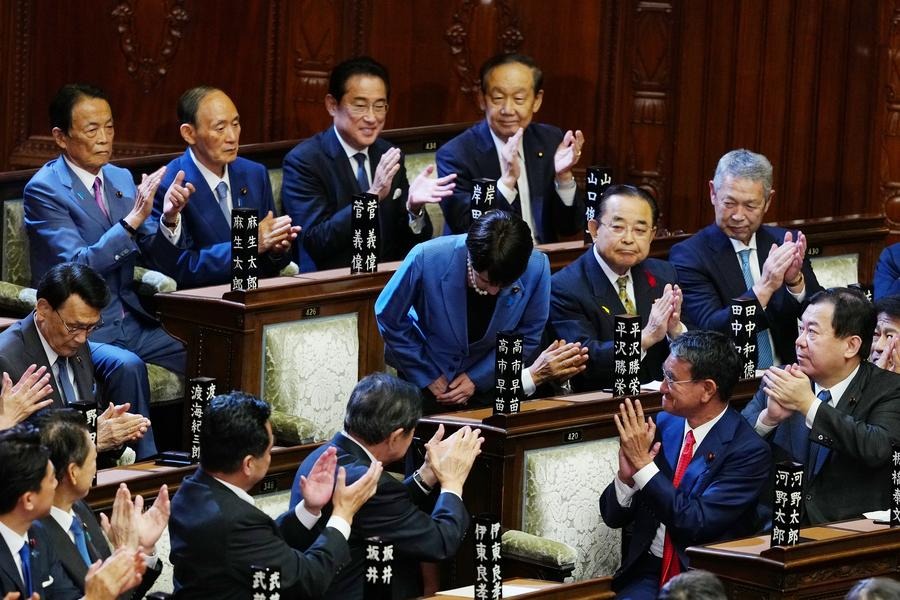
Japanese Prime Minister Sanae Takaichi has drawn sharp criticism from scholars and experts following her recent comments on Taiwan during a parliamentary session. On November 7, Takaichi suggested that a military conflict in the Taiwan Strait could pose a ‘survival-threatening situation’ for Japan, implying potential military intervention. This stance has been widely condemned as a violation of China’s core interests and a significant strain on Sino-Japanese relations. Ukeru Magosaki, a former senior official at Japan’s Ministry of Foreign Affairs, emphasized that Taiwan is a critical issue for China, and any provocation would elicit a strong response. He warned that Japanese society underestimates China’s resolve, which could lead to severe repercussions, including reduced Chinese tourism, trade disruptions, and increased pressure on Japanese businesses in China. In response to Takaichi’s remarks, China has suspended imports of Japanese aquatic products, citing Japan’s failure to provide promised technical materials. Foreign Ministry spokeswoman Mao Ning criticized Takaichi’s ‘erroneous’ statements, which have sparked public outrage in China. The Tokyo-based Japan-China Friendship Association has also lodged a formal protest, demanding Takaichi retract her comments and urging the Japanese government to take corrective actions. Noriyuki Kawamura, an emeritus professor at Nagoya University of Foreign Studies, described Takaichi’s remarks as a ‘declaration of war on China,’ marking a departure from Japan’s traditional pacifist stance. Despite recent efforts to strengthen bilateral ties, Takaichi’s actions have undermined trust and cooperation between the two nations.
-
Senior CPC official attends meeting on Beijing’s planning, construction
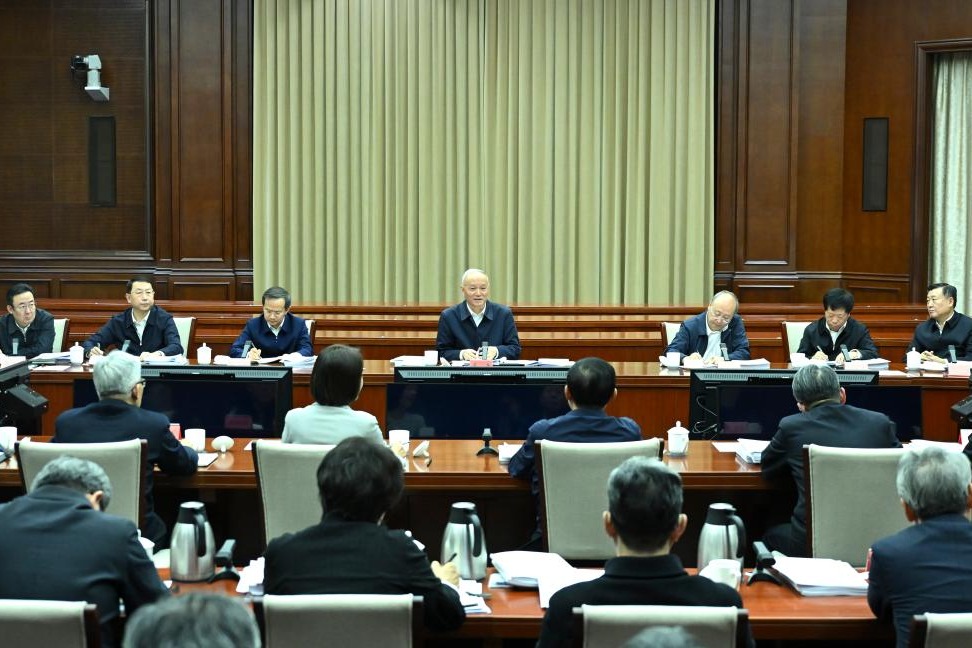
Cai Qi, a prominent member of the Standing Committee of the Political Bureau of the Communist Party of China (CPC) Central Committee and director of the Capital Planning and Construction Committee (CPCC), attended and addressed the sixth plenary meeting of the 20th CPCC in Beijing on November 20, 2025. The meeting focused on the strategic planning and development of the Chinese capital, emphasizing its role in the broader context of Chinese modernization. Cai highlighted the importance of understanding Beijing’s positioning and fostering its development in the new era. Key discussions revolved around the orderly relocation of non-essential functions from Beijing to support the growth of the Xiong’an New Area in Hebei province, urban renewal initiatives, and the optimization of the Beijing-Tianjin-Hebei regional urban system. The meeting also underscored the necessity of integrating security considerations into the city’s planning and governance to build a resilient and secure capital. Yin Li, another member of the Political Bureau of the CPC Central Committee and director of the CPCC, chaired the session, ensuring a comprehensive dialogue on these critical issues.
-

Deadly Israeli strikes test fragile Gaza truce
The fragile truce in Gaza has been severely tested following a series of deadly Israeli strikes on Wednesday, resulting in one of the bloodiest days since a US-brokered ceasefire was established last month. According to Gaza’s health authority, 32 Palestinians, including 12 children and eight women, were killed, with 88 others injured. Concurrently, in the occupied West Bank, Israeli forces detained 100 Palestinians. These developments occurred just two days after the United Nations Security Council adopted a resolution to establish an International Stabilization Force in Gaza. The Israel Defense Forces (IDF) confirmed the attacks, stating they targeted terrorists who posed an immediate threat. However, Hamas dismissed these claims as attempts to justify Israeli crimes. Meanwhile, US Ambassador to Israel Mike Huckabee labeled the surge in settler violence in the West Bank as ‘terrorism.’ UN Secretary-General Antonio Guterres emphasized the need for all parties to respect the ceasefire and work towards a two-state solution. Analysts warn that the current situation resembles a pause in conflict rather than a functioning ceasefire, with ongoing violence and deteriorating humanitarian conditions in Gaza.
-

Over 50 new foreign academicians elected to China’s top academic institutions
In a significant move highlighting China’s commitment to global scientific collaboration, the Chinese Academy of Sciences (CAS) and the Chinese Academy of Engineering (CAE) have elected a total of 51 foreign academicians in 2025. Among these, 27 were elected to the CAS, while 24 joined the CAE. This election underscores China’s growing influence in the global scientific community and its efforts to foster international partnerships in research and innovation. The newly elected academicians represent a diverse range of expertise and nationalities, reflecting China’s strategy to integrate global talent into its scientific endeavors. This development also aligns with China’s broader goals of advancing technological innovation and addressing global challenges through collaborative research. The election process, known for its rigor and selectivity, ensures that only the most distinguished scholars and engineers are chosen. This initiative not only strengthens China’s academic institutions but also enhances its reputation as a hub for cutting-edge research and development.
-
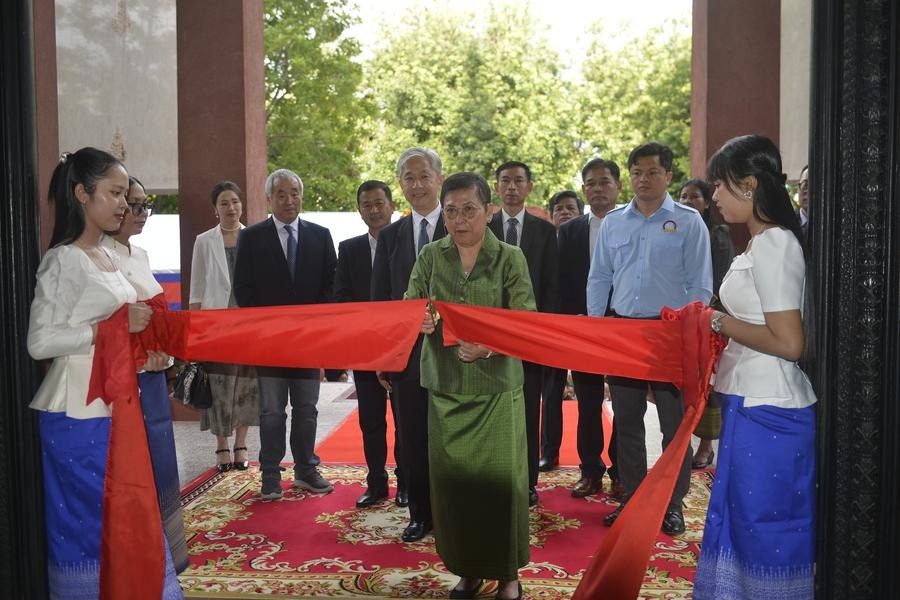
Exhibition celebrates millennial civilizations
A groundbreaking exhibition highlighting the millennia-old cultural connections between China and Cambodia was inaugurated in Phnom Penh on November 19, 2025. Organized by the National Museum of Cambodia in partnership with the China Academy of Cultural Heritage, the event marked the first of its kind, showcasing a rich collection of Chinese artifacts, including bronze statues, ceramics, coins, and representations in Angkorian art. The exhibition also emphasized China’s contributions to the conservation and restoration of Cambodian heritage, particularly in the Angkor Archaeological Park. Cambodian Minister of Culture and Fine Arts Phoeurng Sackona and Chinese Ambassador to Cambodia Wang Wenbin presided over the opening ceremony. Sackona highlighted the enduring cultural exchanges between the two nations, spanning trade, diplomacy, religion, and art. She expressed gratitude for China’s ongoing efforts in preserving Cambodia’s cultural treasures. The exhibition aims to celebrate the shared history and friendship between the two countries, while inspiring future research into Chinese material culture in Cambodia. Chhay Visoth, director of the National Museum of Cambodia, noted that the event would attract both national and international visitors, offering a unique opportunity to explore the ancient ties between the two civilizations. Visitors, including Ros Kunthy, praised the exhibition for its fascinating display of centuries-old artifacts, underscoring the deep-rooted connections between Cambodia and China.
-

Hospital appointment scalping ring busted
A highly organized hospital appointment scalping ring in Shenyang, China, has been dismantled by local police, revealing a sophisticated operation that exploited both technology and insider knowledge. The syndicate, which had been active for six months, allegedly stole over 7,500 appointments and amassed illegal profits exceeding 510,000 yuan. The group targeted desperate patients struggling to secure slots at top hospitals in the Liaoning provincial capital, where online appointments vanished within seconds and offline queues were interminable. The crackdown began in August when Shenyang police detected unusual activity in hospital registration systems. A month-long investigation uncovered a criminal network involving nine scalper gangs and 75 individuals operating a three-step scheme: snatch, hoard, and resell appointments. The gang’s methods were particularly insidious, with over 20 core members being former patients or caregivers who knew precisely when new appointments went live. To amplify their gains, the scalpers hired software developers to create plug-ins that hacked into hospital registration systems, allowing them to preset patient information and automatically snatch slots. These illegal tools were sold for tens of thousands of yuan, enabling some scalpers to earn between 10,000 to 20,000 yuan monthly. The gang operated like a well-oiled machine, with members specializing in various roles, from buying software to actively prowling hospitals for customers. Non-local patients, desperate to avoid delays, were hit with the highest markups, sometimes paying several thousand yuan extra. In September, a cross-region manhunt led to the arrest of all 75 suspects in cities including Guangzhou, Yantai, and Huludao. Ten suspects face charges of destroying computer information systems, while 65 others received administrative penalties. Following the bust, Shenyang police urged hospitals to upgrade their registration systems and monitor for abnormal traffic. Authorities are also using video patrols to spot scalpers early and have collaborated with internet firms to remove scalper ads, effectively cutting off their ability to find customers.
-

Retailer lauded for ‘moral-damage’ compensation
Pangdonglai, a prominent supermarket chain in Henan Province, China, has garnered widespread acclaim for its innovative approach to employee welfare by introducing a moral-damage compensation system. The company recently disclosed detailed records of payments made to employees whose personal dignity was compromised at work, highlighting its commitment to fostering a respectful and fair workplace environment.