
A tragic mountaineering incident on Aoraki, New Zealand’s highest peak, has claimed the lives of two climbers, while two others from the same group were successfully rescued, authorities confirmed on Tuesday. The bodies of the deceased climbers were located in a challenging alpine environment, and specialized teams are working to recover them. Police Area Commander Inspector Vicki Walker stated that none of the climbers have been publicly identified at this time. According to Sgt. Kevin McErlain of The Timaru Herald, the two climbers who perished were roped together when they fell near the summit of Aoraki, also known as Mount Cook. The authorities were alerted late Monday night local time about the distress of four climbers on the mountain, located on New Zealand’s South Island. A helicopter rescue operation was launched in the early hours of Tuesday morning, successfully retrieving the two survivors, who were unharmed. Search teams in two helicopters scoured the area throughout the night, eventually locating the bodies of the other two climbers hours later. Aoraki, standing at 3,724 meters (12,218 feet), is part of the Southern Alps, a majestic yet treacherous mountain range that spans the length of the South Island. The peak is a popular destination for experienced climbers, but its terrain is notoriously challenging due to crevasses, avalanche risks, unpredictable weather, and glacier movements. Since the early 20th century, more than 240 deaths have been recorded on the mountain and in the surrounding national park, with dozens of climbers never found. This incident follows the disappearance of three climbers in December 2024, including two American alpine guides, Kurt Blair and Carlos Romero, whose belongings were discovered, leading authorities to conclude they had fallen to their deaths.
标签: Asia
亚洲
-
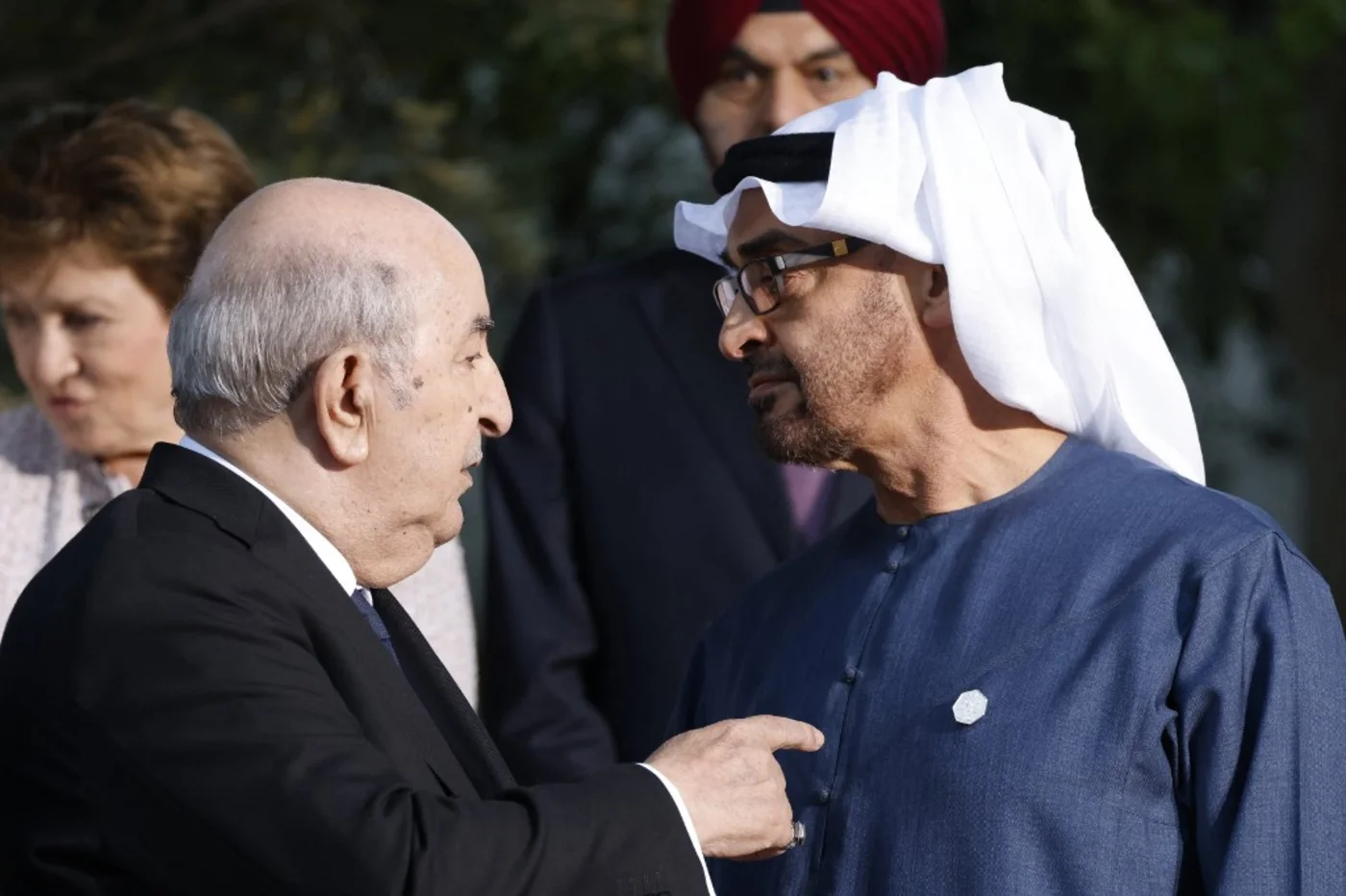
As the UAE expands military footprint in Africa, Algeria draws line in the sand
The simmering tensions between Algeria and the United Arab Emirates (UAE) have resurfaced following pointed remarks by Algerian President Abdelmadjid Tebboune. In a recent address to the nation’s top military leaders, Tebboune criticized an unnamed Gulf state for meddling in Algeria’s internal affairs, a thinly veiled reference to the UAE. This latest flare-up underscores the deepening rift between the two nations, rooted in regional rivalries, geopolitical strategies, and ideological differences.
-
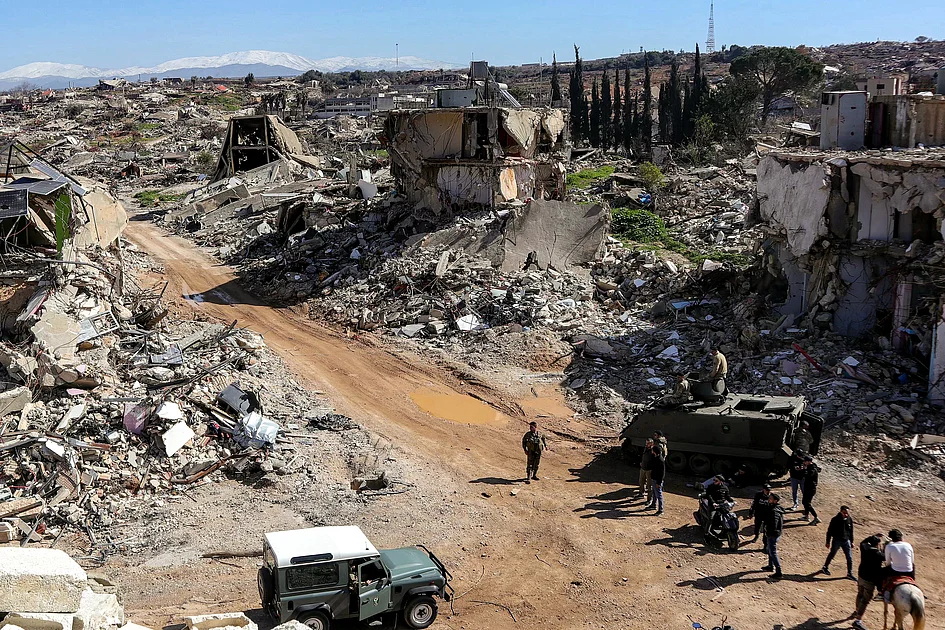
Hezbollah mourns top commander killed in Israeli strike
Hezbollah, the Iran-backed militant group, held a funeral on Monday for its top military commander, Haytham Ali Tabatabai, and other members killed in an Israeli strike on Beirut’s southern suburbs. Tabatabai, the most senior Hezbollah leader to be assassinated since a November 2024 ceasefire, was targeted as Israel intensified its attacks on Lebanon. The United States has simultaneously increased pressure on the Lebanese government to disarm Hezbollah, further complicating the region’s fragile stability. Israel’s military confirmed the operation, stating it had “eliminated the terrorist Haytham Ali Tabatabai, Hezbollah’s chief of general staff.” The strike has reignited tensions, with Hezbollah supporters chanting anti-Israel and anti-American slogans during the funeral procession. The group has rejected calls to disarm, despite a government-approved plan to dismantle its military infrastructure. Israeli Prime Minister Benjamin Netanyahu vowed to prevent Hezbollah from rebuilding its power, urging Lebanon to fulfill its disarmament commitments. Analysts suggest Hezbollah’s options are limited, as direct retaliation could provoke severe Israeli counterstrikes. The assassination underscores the ongoing volatility in the region, with Lebanon’s government struggling to balance internal pressures and external demands.
-
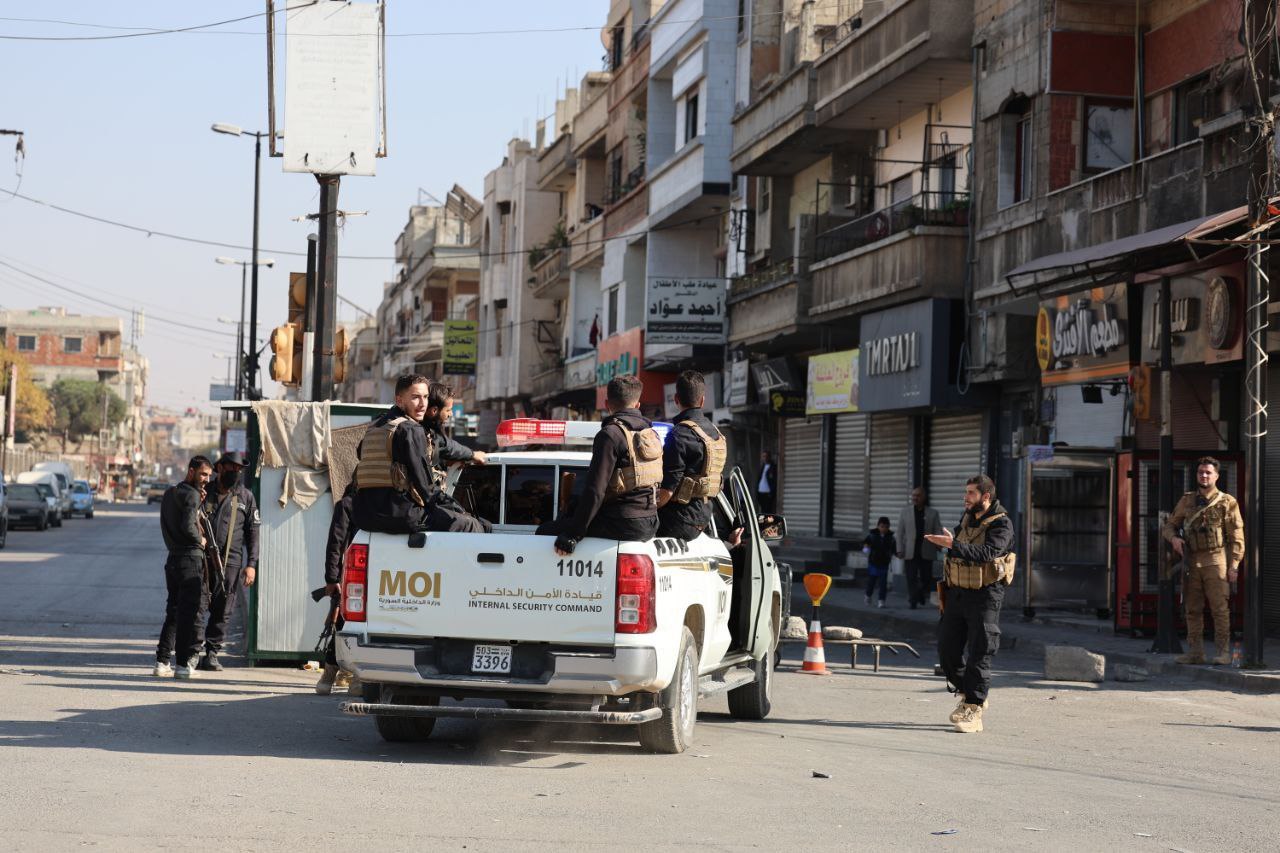
Syria: Tensions flare in Homs after killing of Bedouin couple sparks sectarian unrest
A tragic incident in the central Syrian city of Homs has sparked a wave of sectarian violence, threatening the fragile stability of the region. On Sunday, the brutal killing of a Sunni Bedouin man and his wife in the town of Zaidal, located 7km east of Homs, ignited widespread unrest. According to the state-run SANA news agency, the man was stoned to death, while his wife was burned alive. Disturbingly, sectarian slogans and threats were reportedly scrawled on walls at the scene, allegedly using the victims’ own blood.
In the aftermath, armed members of the Bani Khaled tribe, to which the victims belonged, launched retaliatory attacks in Alawi-majority areas of Homs. Reports from the UK-based Syrian Observatory for Human Rights detailed the destruction of homes and vehicles, accompanied by indiscriminate gunfire. Social media videos captured the chaos, showing Bedouin tribesmen setting properties ablaze, while plainclothed security forces assisted Alawi residents in evacuating their neighborhoods.
Local authorities swiftly imposed a curfew, later extended to Monday evening, in an effort to quell the violence. By 16:00 GMT Monday, SANA reported that the unrest had subsided. Syria’s interior ministry appealed for calm, urging residents to allow the investigation into the killings to proceed without interference. Interior ministry spokesman Noreddine al-Baba emphasized that there was ‘no material evidence’ to suggest the killings were sectarian in nature. Similarly, Murhaf al-Naasan, head of Homs’ internal security forces, warned that the incident appeared to be an attempt to incite sectarian divisions and destabilize the region.
Homs, Syria’s third-largest city, is home to a diverse population of Sunni and Shia Muslims, Alawis, and Christians. The city had largely avoided the sectarian violence that erupted in March, when clashes between government loyalists and new security forces led to hundreds of Alawi deaths. In a video released on social media, members of the Bani Khaled tribe called for a thorough investigation and justice for the victims, while rejecting efforts to frame the incident as a sectarian conflict.
This tragic event underscores the delicate balance of coexistence in Homs and the broader challenges facing Syria as it navigates its complex social and political landscape.
-
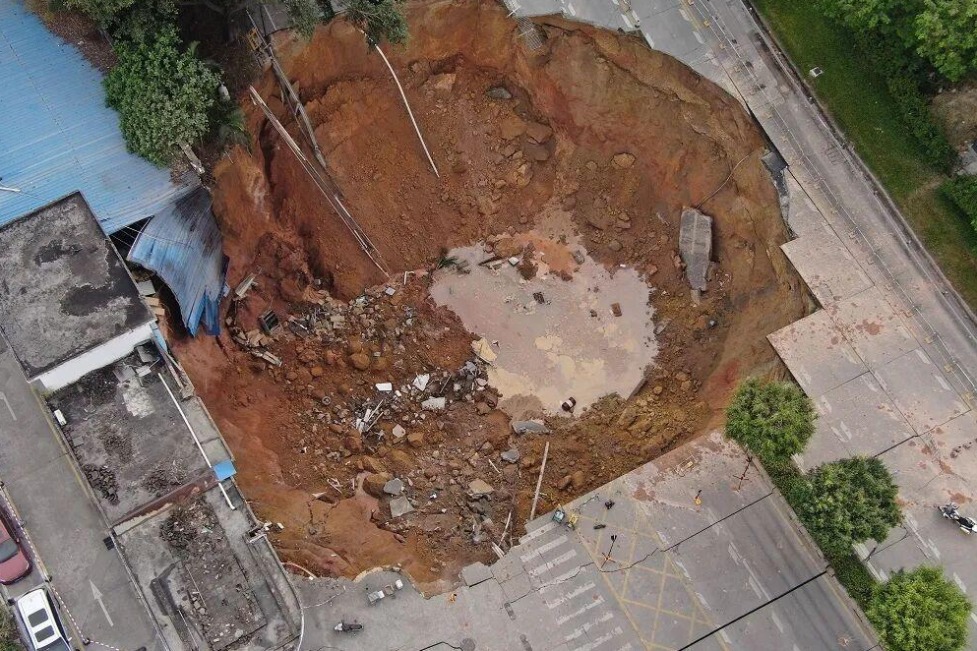
Report on Shenzhen-Jiangmen railway collapse documents regulation violations
A recent report by the Department of Emergency Management of Guangdong Province has unveiled the causes behind the tragic collapse on the Shenzhen-Jiangmen railway line, which occurred on December 4 last year. The incident, which claimed 13 lives and caused direct financial losses of approximately 72.61 million yuan ($10.22 million), was attributed to severe regulatory violations by the construction contractor. The investigation revealed that the contractor failed to halt excavation or enhance support when tunneling through geologically unstable sections, leading to repeated collapses and ground subsidence. This negligence resulted in workers falling along with the collapsing ground, ultimately causing fatalities. The report also highlighted systemic failures across multiple entities, including construction, project management, design, and supervision units, all of which demonstrated lapses in risk management, emergency response, and on-site management. Additionally, safety supervision and industry regulatory bodies were found to have inadequately exercised their oversight duties. As a result, the responsible units will face administrative penalties and internal accountability measures, with evidence of suspected dereliction of duty by relevant personnel being transferred to disciplinary inspection and supervisory authorities.
-

GX Foundation opens its global headquarters in Hong Kong
The GX Foundation, a renowned Hong Kong-based international medical humanitarian organization, celebrated its 7th anniversary and inaugurated its global headquarters in Hong Kong on November 22, 2025. The event, held at the historic No. 4 Hospital Road in Mid-Levels West, was graced by prominent figures including Leung Chun-ying, Chairman of GX Foundation and Vice-Chairman of the National Committee of the Chinese People’s Political Consultative Conference, John Lee Ka-chiu, Chief Executive of the Hong Kong Special Administrative Region (HKSAR), Zhou Ji, Director of the Liaison Office of the Central People’s Government in HKSAR, and Li Yongsheng, Acting Commissioner of the Chinese Foreign Ministry’s office in HKSAR. The ceremony commenced with a performance by the Hong Kong Gaudeamus Dunhuang Ensemble, followed by video messages of congratulations from Chinese ambassadors worldwide. Over 100 distinguished guests, including government officials, overseas Chinese representatives, and diplomats from countries such as Cambodia, Laos, and Senegal, attended the event. In his speech, Leung highlighted the transformation of the century-old Grade II historic building, originally a shelter for street cleaners, into a hub for global humanitarian efforts. He emphasized the foundation’s commitment to advancing international medical cooperation and fostering ‘people-to-people connectivity.’ John Lee praised GX’s significant contributions, including over 25,000 free cataract surgeries and efforts to combat infectious diseases globally. Li Yongsheng underscored GX’s alignment with the Belt and Road Initiative’s principles of ‘extensive consultation, joint contribution, and shared benefits.’ The following day, GX opened its doors to the public, offering guided tours led by heritage conservation expert Caspar Yam Ming-ho. The foundation also launched its 2025-2026 Youth Ambassador Program, aimed at nurturing the next generation of humanitarian workers.
-

Billionaire Lakshmi Mittal relocating to Dubai amid UK tax reforms, says report
Indian steel magnate Lakshmi Mittal, one of the world’s wealthiest individuals, is reportedly relocating from the UK to Dubai. This move comes as the UK’s Labour government introduces significant tax reforms targeting high-net-worth individuals. Mittal, who has been a long-term resident of London and ranks eighth on the UK rich list, is the latest in a growing trend of ultra-wealthy individuals seeking more favorable tax environments. According to The Sunday Times, Mittal’s decision is driven by concerns over inheritance tax and other fiscal changes. The billionaire, with a net worth of $20 billion as of October 2025, already owns a lavish mansion in Dubai and has recently acquired substantial properties on Naia Island, a new ultra-luxury development near Jumeirah. The UK’s recent tax adjustments, including increased capital gains tax and reduced relief for entrepreneurs, have raised alarms among the global elite. Meanwhile, Dubai’s zero income tax, capital gains tax, and inheritance tax policies, coupled with its political stability and cosmopolitan lifestyle, have solidified its status as a premier destination for the ultra-rich. The UAE’s Golden Visa program, offering long-term residency through real estate investment, further enhances its appeal. As Dubai’s luxury real estate market thrives, the city is emerging as a hub for intergenerational wealth creation and preservation.
-

Companies tone down price hike talk as tariff fog clears
In a notable shift, global companies have significantly reduced their announcements of price hikes in the third quarter of 2025, as clarity on long-term tariff strategies begins to emerge. According to a Reuters analysis of corporate earnings calls and statements, only 28 companies explicitly mentioned raising prices, a sharp decline from 51 in the second quarter and nearly 90 in the first quarter. This trend reflects a cautious approach by businesses navigating the complexities of U.S. trade policies and consumer spending slowdowns. The reduction in tariff-related price hikes coincides with new trade deals that have alleviated some of the financial pressures caused by the Trump-era trade war, which had driven U.S. import tariffs to their highest levels since the 1930s. Market intelligence platform AlphaSense reported a 68% drop in mentions of tariff-related price increases between the first and third quarters. Companies like Walmart have shifted focus to price cuts and discounts to attract cash-strapped consumers, particularly as the holiday shopping season approaches. Retailers and fast-food chains, including Target, McDonald’s, and Yum Brands, have introduced cheaper meal bundles and limited-time offers to counter declining demand among lower-income households. Meanwhile, industrial and consumer sectors have led pricing actions, with many firms absorbing tariff costs or sharing the burden with suppliers. Companies such as Rockwell Automation and Fictiv emphasize the importance of understanding the long-term tariff strategy before making significant pricing adjustments. This cautious approach highlights the ongoing uncertainty in global trade and the delicate balance businesses must strike between maintaining competitiveness and managing costs.
-
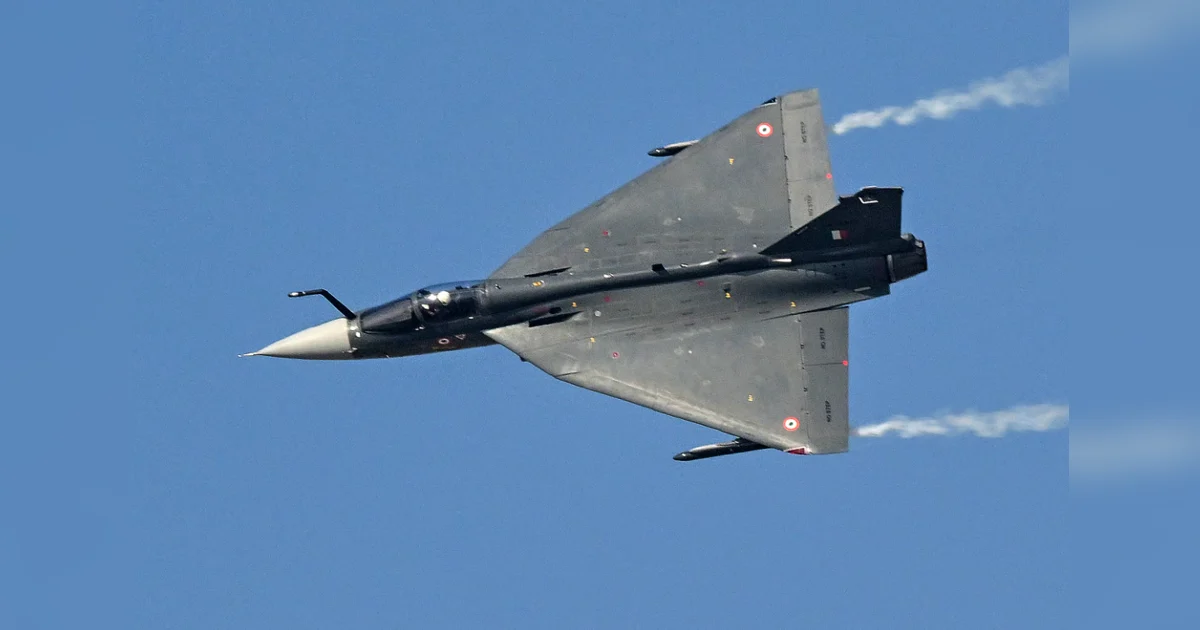
Video: Witnesses share final moments of Dubai Airshow jet crash to ‘aid investigation’
The Dubai Airshow, a global aviation spectacle, was marred by tragedy when a Tejas jet crashed during a display, resulting in the death of Wing Commander Namansh Syal, a highly skilled pilot from the Indian Air Force. Syal, a member of the No. 45 Squadron, the Flying Daggers, based at Sulur Air Base, was renowned for his exceptional flying skills, having captivated audiences at Aero India and numerous national airshows. The fatal incident occurred during an eight-minute aerial stunt when the jet nosedived, casting a somber shadow over the event and leading to a two-hour suspension of other displays. Witnesses have since shared videos of the final moments on social media, hoping to aid the investigation and pay tribute to the fallen pilot. Among them is Abdur Rahim, an ex-journalist turned plane videographer, who decided to post the footage publicly, believing it could assist in the inquiry. Dubai-based photographer Asif Ali also shared stunning images of the HAL Tejas LA-5026, highlighting the pilot’s incredible skill and confidence. The crash has left the aviation community in mourning, with many remembering Syal’s quiet confidence and professionalism. The incident underscores the inherent risks of aerial displays and the bravery of those who perform them.
-

Stablecoins could siphon off euro zone bank deposits, ECB warns
The European Central Bank (ECB) has issued a stark warning about the growing influence of stablecoins, highlighting their potential to disrupt the financial stability of the euro zone. Stablecoins, digital assets designed to maintain a stable value, have surged in popularity, with their market value now exceeding $280 billion. While this figure remains relatively modest, the ECB emphasized that issuers of these coins have become significant buyers of U.S. Treasuries, raising concerns about their broader impact on global financial markets. In a recent Financial Stability Review article, the ECB noted that stablecoins are primarily used for trading crypto assets, accounting for approximately 80% of all transactions on centralized crypto trading platforms. The central bank warned that the rapid expansion of stablecoins could lead to significant outflows of retail deposits from euro zone banks, undermining a crucial funding source and increasing overall funding volatility. The ECB also highlighted the risk of investor runs on stablecoins, particularly given that the two largest stablecoins are among the top holders of U.S. Treasury bills. A sudden sell-off of these reserve assets could destabilize U.S. Treasury markets, with potential ripple effects on the euro zone. Additionally, the ECB cautioned that joint issuance of stablecoins by EU and non-EU entities could exacerbate redemption risks, as EU regulations are stricter and investors may prefer EU-issued tokens. This could leave EU issuers with insufficient reserve assets to meet combined redemption demands, amplifying financial instability within the region.