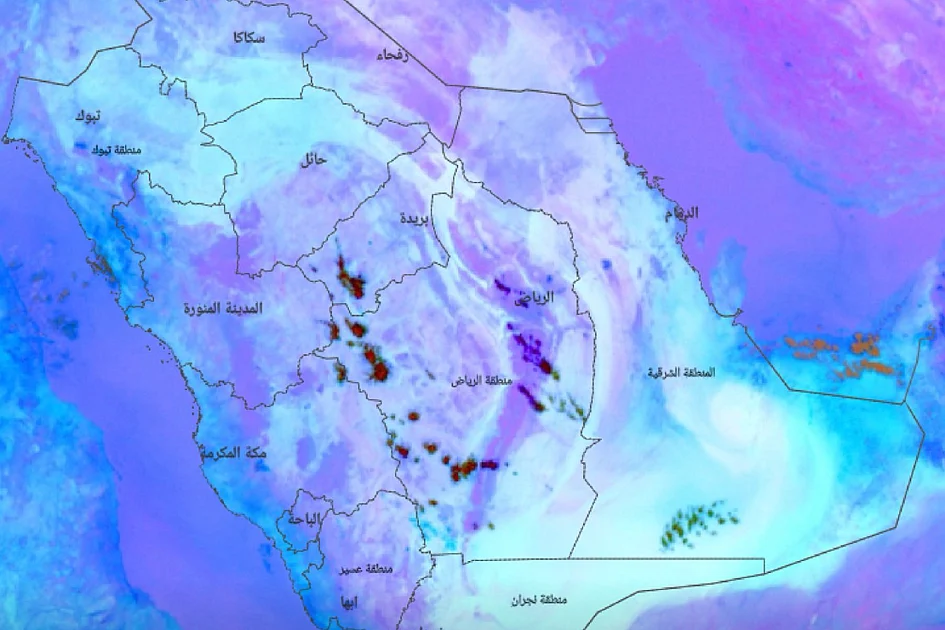
Saudi Arabia has initiated comprehensive atmospheric monitoring following the eruption of the Hayli Gubbi volcano in Ethiopia, which sent volcanic ash plumes soaring up to 14 kilometers into the sky. The eruption, the first in 12,000 years, has caused ash clouds to drift over Yemen, Oman, India, and northern Pakistan, raising concerns about air quality and aviation safety across the region. The Kingdom’s meteorology center confirmed that no direct impact on Saudi Arabia’s atmosphere has been detected so far. Meanwhile, Oman’s Environment Authority issued an advisory regarding potential air quality degradation, though monitoring stations have yet to record increased pollutant levels. India’s Directorate General of Civil Aviation (DGCA) has issued safety advisories to airlines, urging them to avoid affected regions and altitudes. An Abu Dhabi-bound Indigo flight was diverted to Ahmedabad due to the ash. Airlines have been instructed to adjust flight planning, monitor updates, and report any ash encounters. The Hayli Gubbi volcano, located in Ethiopia’s Afar region, erupted for several hours on Sunday, marking a rare geological event in the Rift Valley, a hotspot for tectonic activity. The Smithsonian Institution’s Global Volcanism Program noted that this is the first recorded eruption of Hayli Gubbi in the Holocene epoch.
标签: Asia
亚洲
-
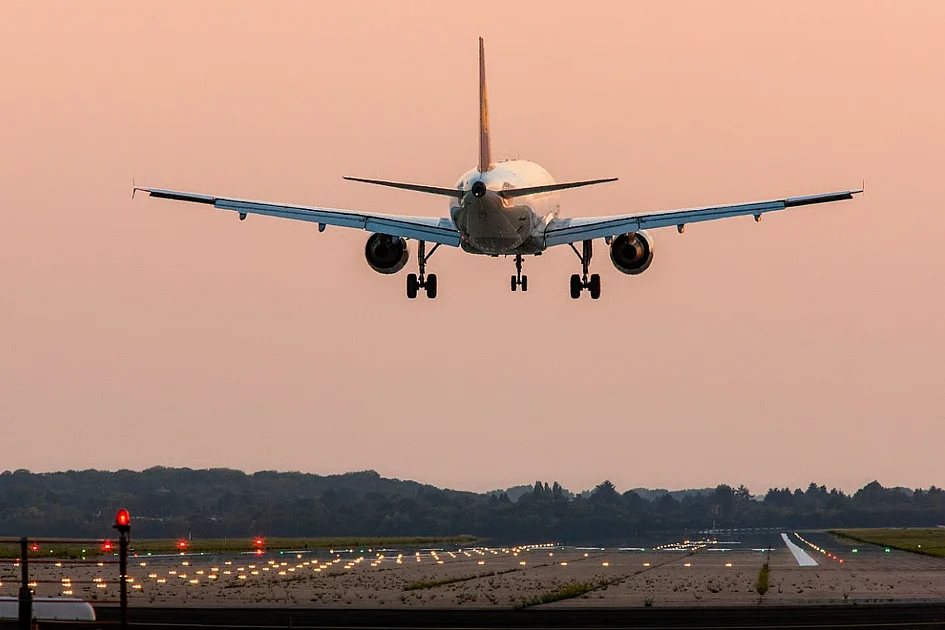
UAE-India flights may face delays as volcanic ash from Ethiopia spreads over Middle East
The Directorate General of Civil Aviation (DGCA) has issued a critical safety advisory to airlines following the eruption of Ethiopia’s Hayli Gubbi volcano, which has sent a massive ash plume across the Middle East. The volcanic ash has drifted into the Muscat Flight Information Region, potentially disrupting flights between the UAE and India. The DGCA has urged airlines to review their volcanic ash procedures, brief flight crews, and adjust flight planning based on the latest advisories. Operators have also been instructed to monitor NOTAM and meteorological updates, report any ash encounters, and conduct post-flight inspections for aircraft traversing affected zones. Airports have been advised to suspend operations if ash contamination is detected and to clear runways, taxiways, and aprons immediately. Flight disruptions have already begun, with KLM Royal Dutch Airlines canceling its Amsterdam-Delhi service and Indian carriers issuing cautionary updates for passengers traveling through the Middle East. SpiceJet and Akasa Air are closely monitoring the situation, prioritizing passenger safety and coordinating with aviation authorities. Air India has assured passengers that its flights remain largely unaffected but is prepared to implement precautionary measures. The Hayli Gubbi volcano, which erupted for the first time in nearly 10,000 years, has created an ash cloud now drifting toward northern India, prompting continuous monitoring by global aviation authorities.
-
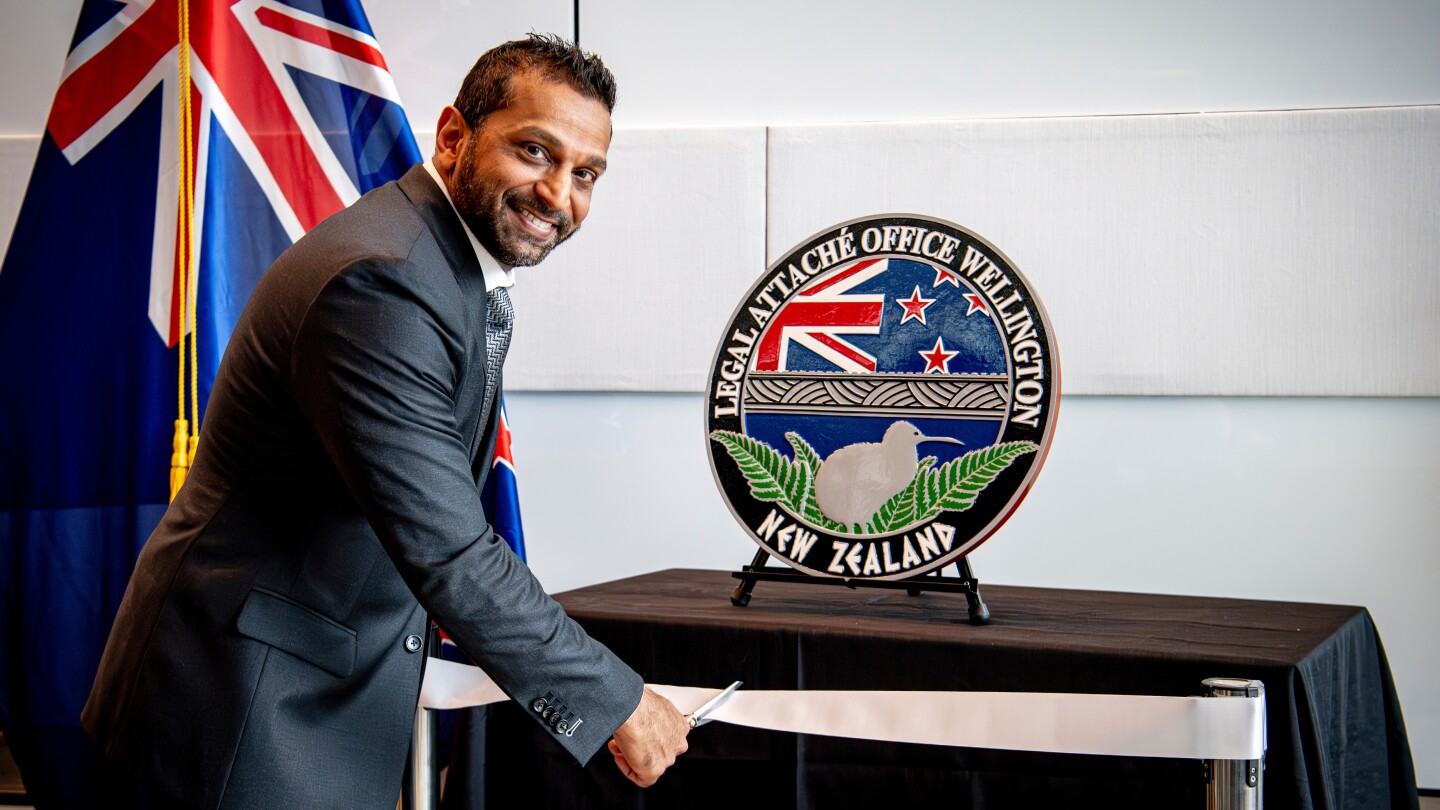
3D-printed guns FBI boss Kash Patel gifted to New Zealand officials were toy-inspired revolvers
In a surprising turn of events, FBI Director Kash Patel’s gift of 3D-printed replica revolvers to senior New Zealand security officials has raised eyebrows and legal concerns. The gifts, inspired by toy Nerf guns and popular among amateur 3D-printed weapons enthusiasts, were identified as the Maverick PG22 model. These pistols, though initially inoperable, could easily be modified to function, according to experts. Under New Zealand’s stringent gun laws, such weapons are treated as functional firearms, requiring specific permits for possession. The officials, including New Zealand’s police and spy chiefs, voluntarily surrendered the gifts for destruction to comply with local regulations. Patel, the highest-ranking Trump administration official to visit New Zealand, was in Wellington to inaugurate the FBI’s first standalone office in the country. A spokesperson for Patel did not respond to requests for comment. The incident has highlighted the complexities of international relations and the strict gun control measures in New Zealand, especially in the wake of the 2019 Christchurch mosque shootings.
-
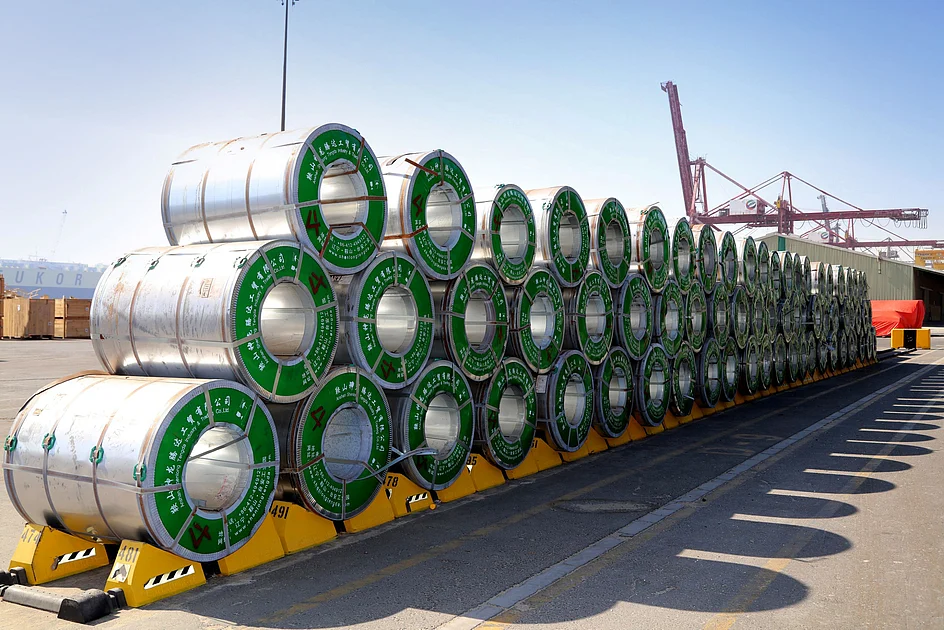
Jebel Ali port sets breakbulk record, handling 630,000 tonnes in October
DP World’s Jebel Ali Port has set a new benchmark in its operational history by handling an unprecedented 630,000 tonnes of breakbulk cargo in October 2025. This milestone marks the highest monthly volume recorded in nearly two decades, driven by surging industrial and construction demands across the UAE and the broader Gulf region. Key contributors to this achievement include increased imports of iron and steel for major projects such as the Dubai Metro Blue Line and the expansion of Dubai World Central (DWC) Airport, alongside rising sugar exports. The port’s performance builds on a robust 2024, which saw breakbulk volumes grow by 23% year-on-year to 5.36 million metric tonnes, underscoring the UAE’s expanding industrial base and its pivotal role in global trade. Shahab Al Jassmi, Chief Commercial Officer of Ports and Terminals at DP World GCC, emphasized that this record reflects the trust businesses place in Jebel Ali as the region’s most reliable cargo gateway. He highlighted the port’s commitment to enhancing capacity, technology, and sustainability initiatives to support long-term growth. Breakbulk cargo, which includes heavy and oversized materials essential for large-scale construction and industrial projects, remains a cornerstone of Jebel Ali’s operations. Supported by Jafza’s integrated ecosystem and DP World’s global logistics capabilities, the port ensures seamless movement of complex cargo across regional and international supply chains. This achievement aligns with Jebel Ali’s transformation into one of the world’s most advanced multipurpose ports, consistently achieving record performance across container, RoRo, and bulk cargo categories. The port’s agility in adapting to evolving global supply chains and its central role in the UAE’s economic transformation highlight its significance in supporting Dubai’s Economic Agenda D33 and the national Operation 300Bn strategy.
-

Man City’s Guardiola apologises for confrontation with cameraman
Manchester City manager Pep Guardiola has publicly expressed remorse following a heated confrontation with a pitch-side cameraman after his team’s 2-1 Premier League loss to Newcastle United. The incident occurred at St James’ Park on Saturday, where Guardiola was visibly frustrated by several contentious decisions during the match. Speaking ahead of City’s Champions League clash with Bayer Leverkusen, Guardiola admitted feeling ’embarrassed and ashamed’ by his actions. ‘I don’t like it. I apologise to the cameraman. I am who I am. Even with 1,000 games, I am not a perfect person and I make mistakes,’ he stated. The defeat left City seven points behind league leaders Arsenal, adding pressure to their upcoming fixtures. Guardiola, who is set to manage his 100th Champions League game, emphasized the importance of the competition for the club’s reputation and financial standing. City currently sit fourth in the Champions League table and are aiming to secure a top-eight position to avoid a playoff for the knockout rounds. Guardiola also confirmed that key midfielder Rodri will miss the Leverkusen match due to injury, though he did not specify a return date.
-

UAE seeks to build momentum at Ambiente exhibition in Germany
The United Arab Emirates (UAE) is poised to make a significant impact at the Ambiente 2026 exhibition in Frankfurt, Germany, as it seeks to bolster its position in the global consumer goods market. The event, scheduled from February 6 to 10, 2026, will feature the UAE alongside other prominent country pavilions, including China, India, Turkey, and Italy. This participation underscores the UAE’s strategic ambition to expand its international reach and foster partnerships across Europe and beyond. Ambiente, renowned as the world’s leading consumer goods trade fair, will host over 3,750 exhibitors and attract more than 105,000 visitors. When combined with Christmasworld and Creativeworld, the trio of events forms a dynamic ecosystem that drew 147,684 visitors from over 170 countries in 2025. For UAE businesses, the appeal of these fairs lies in their global profile and strategic location at the heart of international trade. With 87% of exhibitors hailing from outside Germany, the event offers an ideal platform for Emirates-based companies to showcase their products and establish a foothold in European markets. Mustansir Golwala, Managing Director of Crystal Arc, emphasized the significance of Ambiente as a hub for creativity, craftsmanship, and global connection. The 2026 edition introduces several innovations, including an Interior Design & Architecture Hub curated by Katty Schiebeck and a new Kitchen Show featuring live cooking demonstrations. Additionally, the expansion of the Contract Business & Hospitality Interiors segment and the introduction of Christmasworld’s Coffee & Connect networking lounge provide fresh opportunities for UAE exhibitors. Julia Uherek, Vice President Consumer Goods Fairs at Messe Frankfurt Exhibition GmbH, highlighted the importance of the Middle East region in their international network, noting that UAE companies bring valuable retail and design expertise to the global stage. Philipp Ferger, Vice President Consumer Goods Fairs at Messe Frankfurt Exhibition GmbH, emphasized the strategic value of Frankfurt as a platform for UAE businesses to accelerate international growth and navigate market transformation.
-
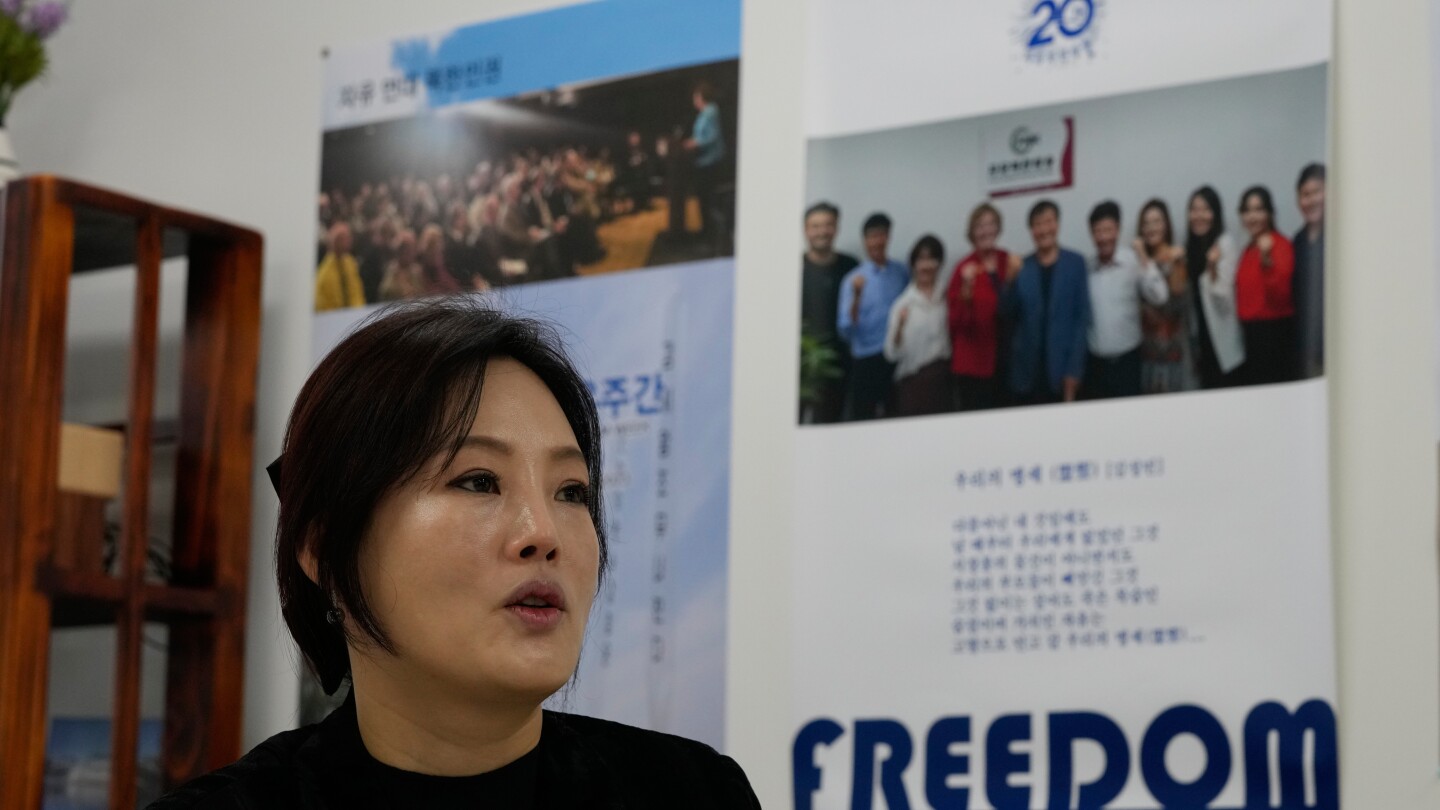
Decades-long efforts to send uncensored foreign news into North Korea face major setbacks
In a bold effort to provide uncensored news to North Korea, Lee Si-young and her team at Free North Korea Radio (FNK) broadcast foreign news into the authoritarian state for two hours daily. Despite the risks—North Koreans caught listening could face imprisonment—the Seoul-based station has persisted for two decades. However, Lee now faces a crisis as major U.S. and South Korean government-funded broadcasters, including Voice of America and Radio Free Asia, have ceased operations due to funding cuts and policy shifts. These suspensions have left FNK as one of the few remaining sources of outside information for North Korea’s 26 million citizens. Lee, a defector who leads the small NGO, expressed growing frustration with the U.S. and South Korean governments, fearing they have abandoned North Koreans. The station’s survival is critical, as North Korea’s state-controlled media restricts access to independent news. Defectors have testified to modifying radios or using smuggled devices to access foreign broadcasts, which offer perspectives on the Kim dynasty, Western lifestyles, and defector success stories. However, a recent assessment by 38 North, a respected academic website, revealed that outside radio broadcasting into North Korea has declined by 85% following U.S. and South Korean funding cuts. Despite these challenges, Lee Young-hyeon, a defector-turned-lawyer, launched a website and mobile app targeting North Koreans abroad, aiming to provide practical content and foster awareness of global freedoms. Observers remain skeptical of North Korea easing its strict internet restrictions, given its oppressive laws against foreign cultural influences. Meanwhile, defectors like Kim Ki-sung attest to the transformative power of foreign broadcasts, which influenced their decisions to flee. FNK remains committed to its mission, believing even one listener in North Korea justifies their efforts.
-
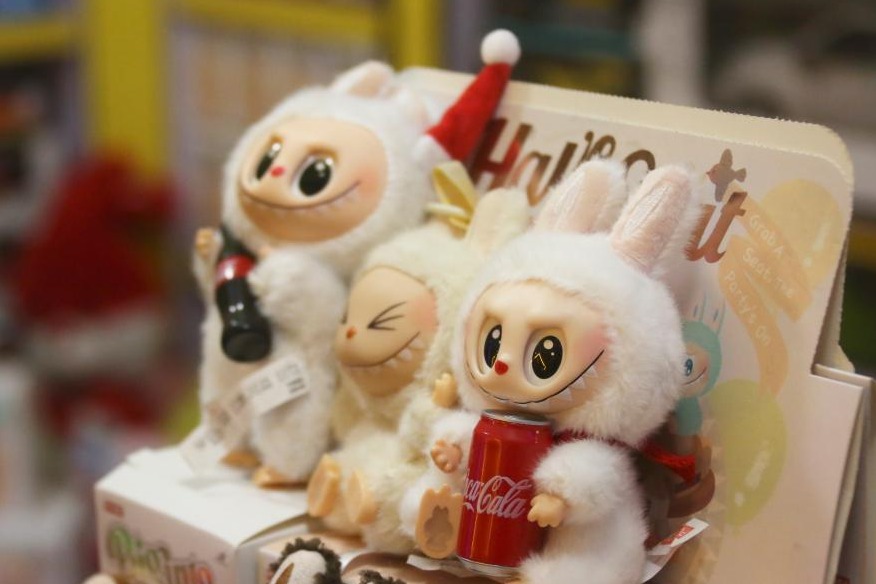
Labubu gains popularity in Afghanistan amid retail, cultural shifts
In the vibrant markets of Kabul, Afghanistan, an unexpected trend has emerged: the rise of Labubu, a whimsical Chinese collectible toy. These colorful figurines, characterized by their mischievous smiles and elf-like ears, have become a staple in local shops, symbolizing a significant shift in both the retail and cultural landscapes of the country.
Mostafa Seerat, a shop owner in Kabul, began selling Labubu just six months ago in response to growing customer demand. ‘The sales have been incredible. We now sell around 400 units a day,’ Seerat remarked, highlighting the toy’s rapid ascent to becoming one of his top-selling items.
The introduction of Labubu to Afghanistan was spearheaded by Tamim Behzad, a seasoned businessman with extensive experience in Yiwu, China’s small commodities hub. Recognizing the toy’s potential, Behzad took a calculated risk to bring it to Afghanistan, uncertain of its reception. ‘When we realized the speed of sales and the strong market demand for Labubu, we decided to take a risk,’ Behzad explained.
The popularity of Labubu is not just a commercial success but also a reflection of broader cultural changes in Afghanistan. Shafiqullah, a Labubu seller, noted that the country is undergoing modernization, with people increasingly embracing global brands. Traditionally dominated by local and regional products, Afghanistan’s consumer market is now expanding to include international goods, with Labubu often purchased as gifts for loved ones.
Moreover, Labubu’s success has opened new avenues for small-scale entrepreneurship. Erfan, an online retailer, started his business with a modest investment of $100 and has since grown his capital to between $5,000 and $6,000. ‘In Afghanistan, jobs are hard to come by, but with a small investment, you can start a business and watch it grow,’ Erfan shared.
The toy has also provided opportunities for women and young people. Erfan’s business employs three staff members, two of whom are women responsible for managing deliveries across Afghanistan. ‘This has been a positive development. It’s not just about making money; it’s about giving women an opportunity to work and grow professionally,’ Erfan emphasized.
In essence, Labubu’s rise in Afghanistan is more than just a retail phenomenon; it is a testament to the country’s evolving economic and cultural dynamics, offering new opportunities and reflecting a growing openness to global influences.
-
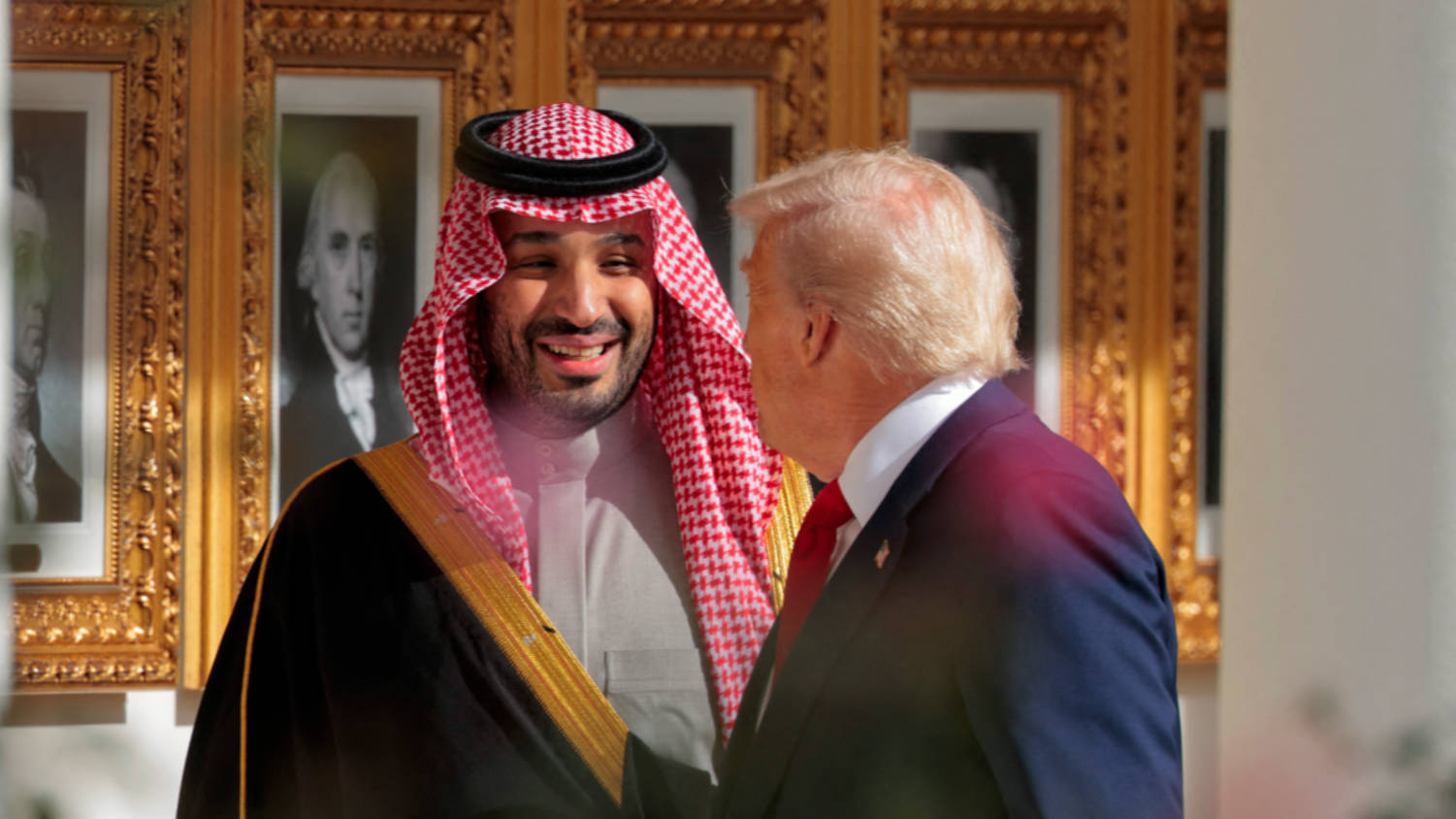
‘Normalisation’ with Israel: What it means and why it’s not happening
Saudi Crown Prince Mohammed bin Salman’s recent visit to Washington highlighted significant economic and military agreements with the United States, including a multi-billion-dollar investment pledge and the acquisition of F-35 fighter jets. However, the Crown Prince stopped short of fulfilling a long-standing U.S. aspiration: the formal normalization of relations between Saudi Arabia and Israel. This reluctance comes amid escalating regional tensions and Israel’s controversial military actions in Gaza, Lebanon, Yemen, Iran, Syria, and Qatar, which have sparked widespread anger across the Arab world. The Crown Prince emphasized the importance of a two-state solution as a prerequisite for any normalization, reflecting Saudi Arabia’s cautious approach to regional diplomacy. The Abraham Accords, brokered by the Trump administration, have seen several Arab nations, including the UAE, Bahrain, Morocco, and Sudan, establish formal ties with Israel. However, these agreements have faced criticism from Palestinians and other Arab states, particularly in light of Israel’s aggressive policies in occupied territories. Saudi Arabia’s stance underscores the complex geopolitical landscape of the Middle East, where historical grievances and ongoing conflicts continue to shape diplomatic relations.
-
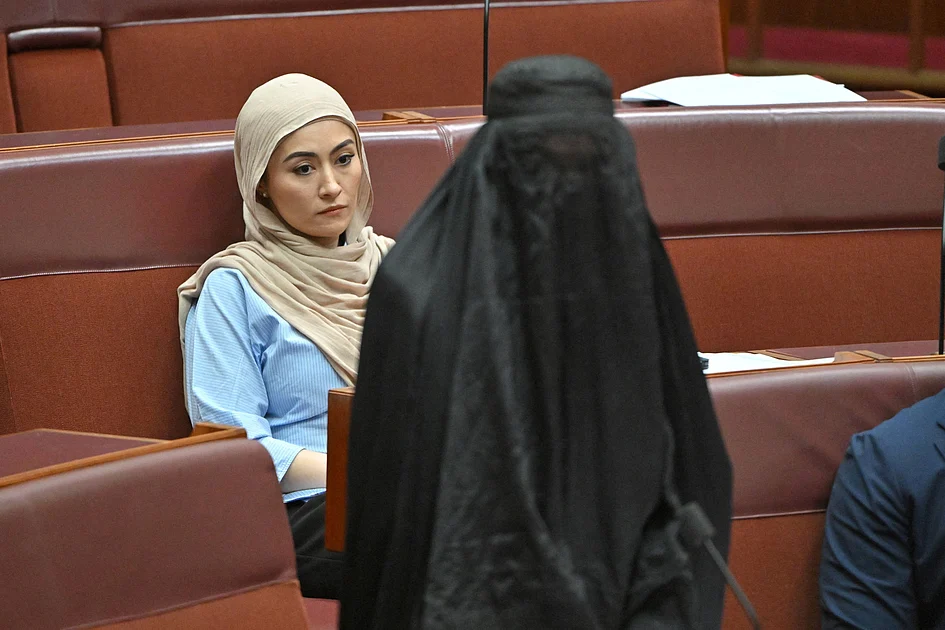
Australian far-right senator wears burqa to parliament, sparking outrage
Australian far-right Senator Pauline Hanson has ignited widespread condemnation after wearing a burqa in Parliament as part of her campaign to ban the Muslim garment in public spaces. The controversial act occurred shortly after Hanson’s proposed bill to outlaw burqas and other full-face coverings was rejected by the Senate. Hanson’s stunt drew sharp criticism from fellow senators, who accused her of blatant racism and disrespect. The Senate chamber erupted in anger as Hanson entered wearing the burqa, leading to a suspension of proceedings when she refused to remove it. Mehreen Faruqi, a Greens senator from New South Wales, labeled Hanson’s actions as ‘racist,’ while independent Senator Fatima Payman from Western Australia called the move ‘disgraceful.’ Both Penny Wong, leader of the Labor government in the Senate, and Anne Ruston, deputy leader of the opposition coalition, condemned Hanson’s behavior, with Wong describing it as ‘not worthy of a member of the Australian Senate.’ Hanson, a Queensland senator and leader of the One Nation party, has a history of anti-immigration and anti-Islamic rhetoric. She previously wore a burqa in Parliament in 2017, advocating for a national ban. In a Facebook statement, Hanson defended her actions, claiming they were a protest against the Senate’s rejection of her bill and a call to highlight the ‘oppressive’ nature of the garment. Her One Nation party has gained traction in recent years, securing four Senate seats in the May general election amid rising support for far-right policies.