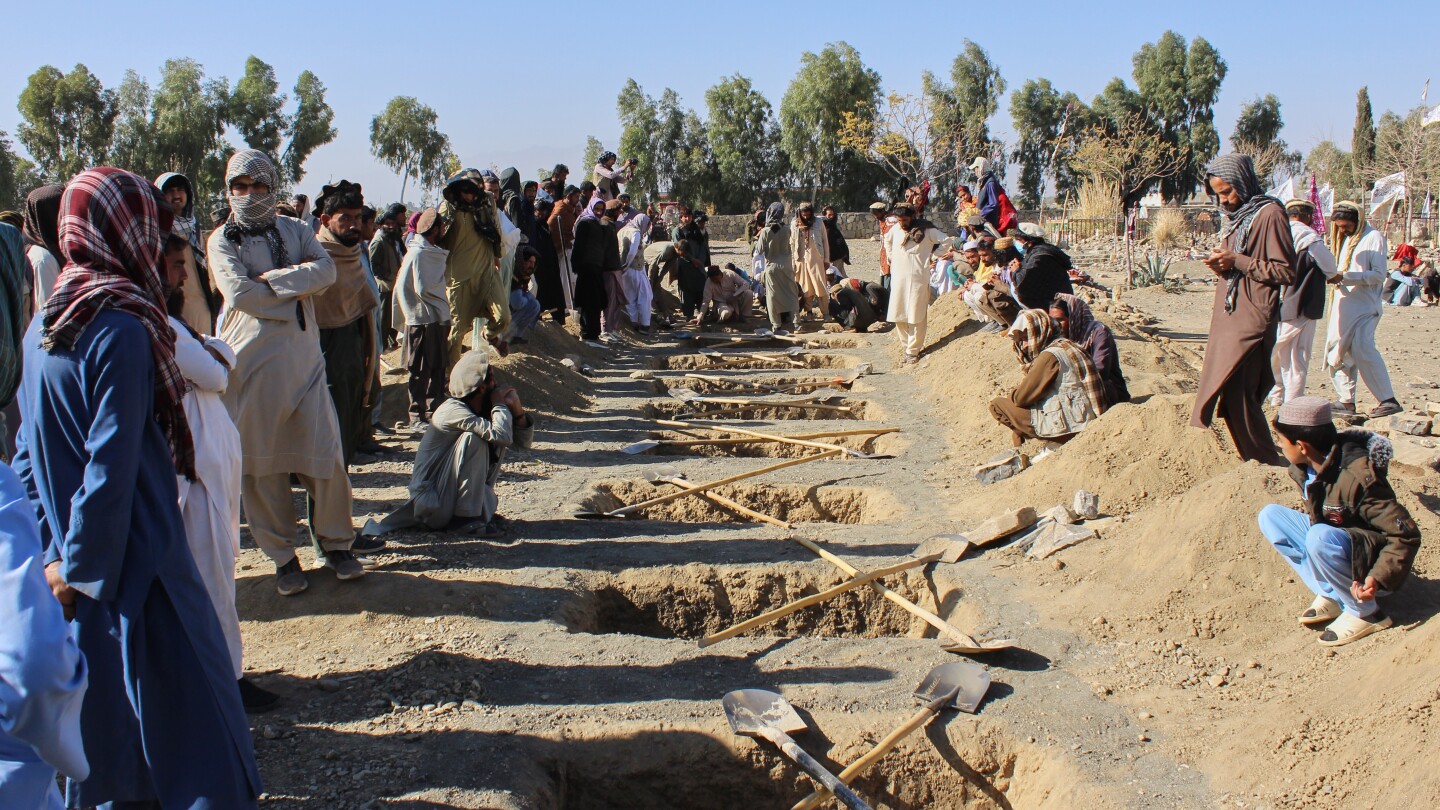
Afghanistan’s Taliban government has accused Pakistan of conducting overnight airstrikes in three eastern provinces, resulting in the deaths of 10 civilians, including nine children. The strikes, which targeted Khost, Kunar, and Paktika provinces, also left four others injured. Zabihullah Mujahid, the chief spokesperson for the Afghan government, condemned the attacks as “atrocities” and a violation of Afghan territory. He emphasized Afghanistan’s right to defend its airspace and people, vowing an appropriate response. Pakistan’s military and government have yet to comment on the allegations. These accusations come amid heightened tensions between the two nations, following cross-border clashes last month and a deadly attack in Peshawar, Pakistan, earlier this week. Iran has offered to mediate, while Qatar and Turkey continue to support a fragile ceasefire. The ongoing conflict has disrupted bilateral trade and movement across the border, further straining relations.
标签: Asia
亚洲
-
Statehood issue again could block Israel, Arabs from making nice
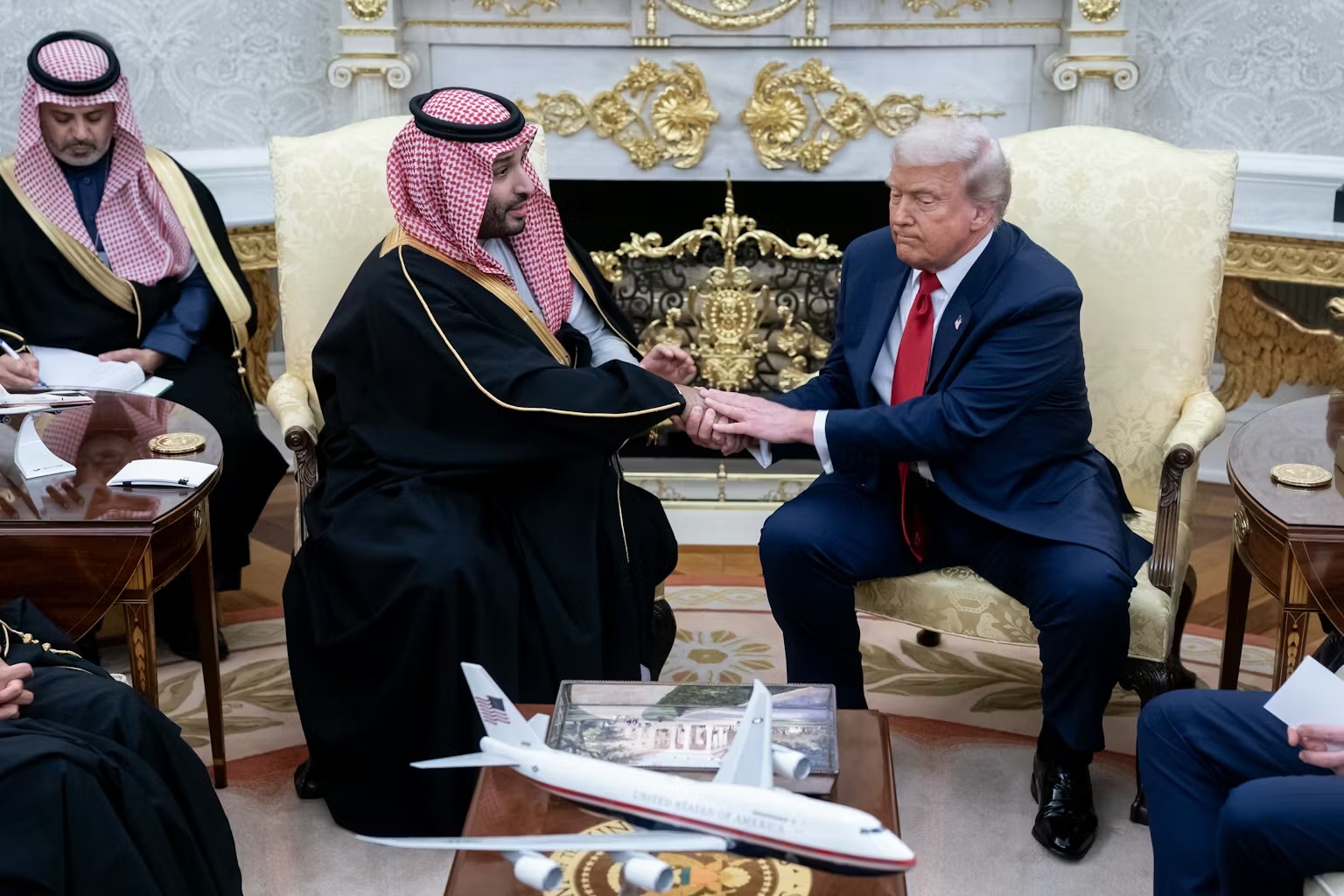
Saudi Crown Prince Mohammed bin Salman has expressed interest in bringing Saudi Arabia into the Abraham Accords, a series of agreements aimed at normalizing Israel’s relations with Middle Eastern nations and beyond. This development would mark a significant diplomatic milestone, echoing the initial accords brokered by the Trump administration in 2020, which saw Israel establish formal ties with the UAE, Bahrain, Morocco, and Sudan. However, bin Salman’s approach comes with a critical condition: a clear commitment to a two-state solution for Israel and Palestine, with East Jerusalem as the Palestinian capital. This stance underscores the complexities of Middle Eastern diplomacy and the shifting geopolitical landscape. The Abraham Accords, hailed as a breakthrough in 2020, have seen limited progress since, with Kazakhstan’s recent announcement to join the accords falling short of expectations. The Saudi leader’s cautious approach reflects broader regional dynamics, including Saudi Arabia’s evolving relationship with Iran and the aftermath of the October 7, 2023, Hamas attacks on Israel. Bin Salman has publicly linked Saudi normalization with Israel to the establishment of a Palestinian state, a position that has gained urgency amid rising regional tensions. Meanwhile, Israel’s aggressive military actions across the Middle East have further complicated the prospects for peace. The focus has shifted toward intra-regional collaboration, as evidenced by Iran’s discussions with Gulf states on uranium enrichment and the widespread condemnation of Israeli strikes. Despite these challenges, bin Salman remains committed to normalization, albeit with clear preconditions, signaling a nuanced approach to reshaping Middle Eastern diplomacy.
-
China launches Shenzhou 22 spacecraft to assist in return of 3 astronauts stranded on space station
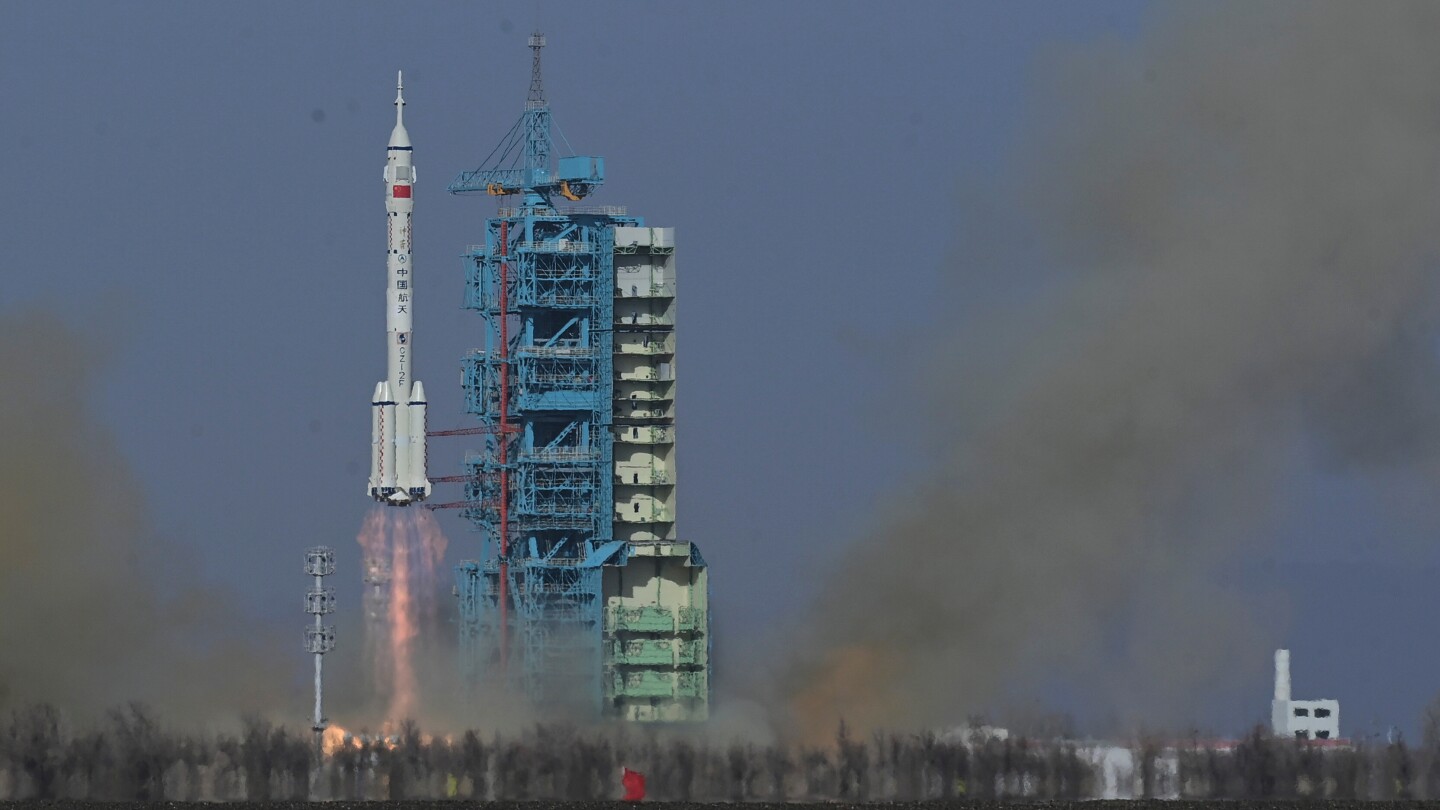
In a critical mission to ensure the safety of its astronauts, China launched the Shenzhou 22 spacecraft on Tuesday. This move comes after a damaged spacecraft left a crew temporarily stranded on the Tiangong space station. The Shenzhou 22 successfully docked at the station and is slated to be used by the three astronauts who arrived on November 1, 2023, with its return mission planned for 2026. Earlier this month, another group of astronauts from the Shenzhou 20 mission experienced a nine-day delay in their return to Earth due to damage to their spacecraft’s window. They were eventually brought back using the Shenzhou 21 spacecraft, which had just delivered a replacement crew to Tiangong. While the three-person crew landed safely, their replacements were left without a guaranteed emergency return option. The damaged Shenzhou 20 spacecraft, currently still in orbit, will be brought back to Earth for assessment, as it was deemed unsafe for transporting astronauts. This incident highlights the challenges faced by China’s rapidly advancing space program, which has been constructing the Tiangong space station module-by-module in recent years. Tiangong, meaning ‘Heavenly Palace,’ hosted its first crew in 2021 and is smaller than the International Space Station, which has been operational for 25 years. China developed Tiangong after being excluded from the International Space Station due to U.S. national security concerns, as its space program is controlled by the military.
-
US intelligence assessed Chinese military was hosted at base in UAE
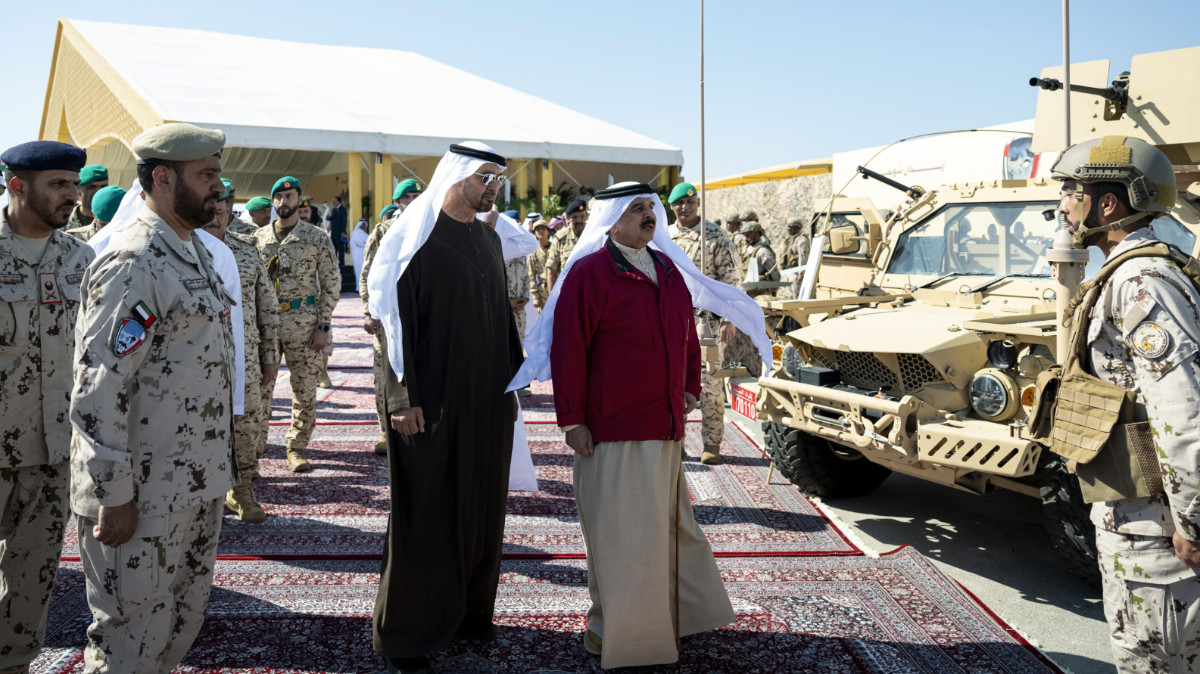
US defense and intelligence officials have reportedly assessed that Chinese military personnel were stationed at a UAE military base after the US was denied access to the facility, according to two former senior US officials who spoke to Middle East Eye (MEE) on condition of anonymity. The officials revealed that members of China’s People’s Liberation Army (PLA) were hosted at Zayed Military City in Abu Dhabi, with the assessment dating back to 2020. The US began gathering more information on the base after its request to access a section of the facility was rejected. While the exact role of the PLA personnel remains unclear, concerns were raised that they could have used the base to gather intelligence on US forces stationed nearby at Al Dhafra Air Base, just 20 miles south of Abu Dhabi. The UAE’s growing military ties with China have strained its relationship with the US, particularly amid stalled negotiations over the sale of F-35 warplanes to the UAE. In 2021, reports emerged of China building a military port near Abu Dhabi, which was allegedly halted at the US’s request but later resumed. The UAE and China have openly acknowledged their military cooperation, including joint air force drills in China’s Xinjiang region in 2024. The US has expressed concerns over China’s increasing influence in the Gulf, with some officials warning that the UAE’s loyalty to the US may be wavering. Despite these tensions, the UAE remains a key US partner in the region, particularly in counterterrorism efforts and its strategic relationship with Israel under the Abraham Accords.
-

‘I Deliver Parcels in Beijing’ depicts grueling gig-economy toil
While television often glamorizes work as a path to social advancement, Chinese writer Hu Anyan’s memoir, *I Deliver Parcels in Beijing*, presents a starkly different narrative. Originally a viral lockdown blog post, the book chronicles Hu’s experiences in low-wage jobs, from courier to gas station attendant, offering an unfiltered glimpse into the gig economy’s harsh realities. Published in English, the memoir has sold nearly 2 million copies in China and secured translation rights in 20 countries, earning Hu recognition as one of China’s most remarkable literary talents by the *Financial Times*.
Hu’s intimate and witty storytelling, skillfully translated by Jack Hargreaves, delves into the grueling demands of gig work: sleepless nights, relentless shifts, and the dehumanizing pressures of platform capitalism. The book also sheds light on China’s internal migrants, a 300-million-strong workforce often denied social services in urban areas. Beyond its social commentary, *I Deliver Parcels in Beijing* captures the cultural nuances of contemporary China, from culinary traditions to rural life.
Hu’s memoir is more than a personal account; it’s a critique of late-stage capitalism and its impact on individual identity. As Hu navigates the bureaucratic maze of gig work, he reveals how the system reshapes personalities, fostering alienation and frustration. The book’s global resonance lies in its ability to humanize the often invisible labor force that powers modern economies, offering readers a poignant parallel to their own experiences in the digital age.
-
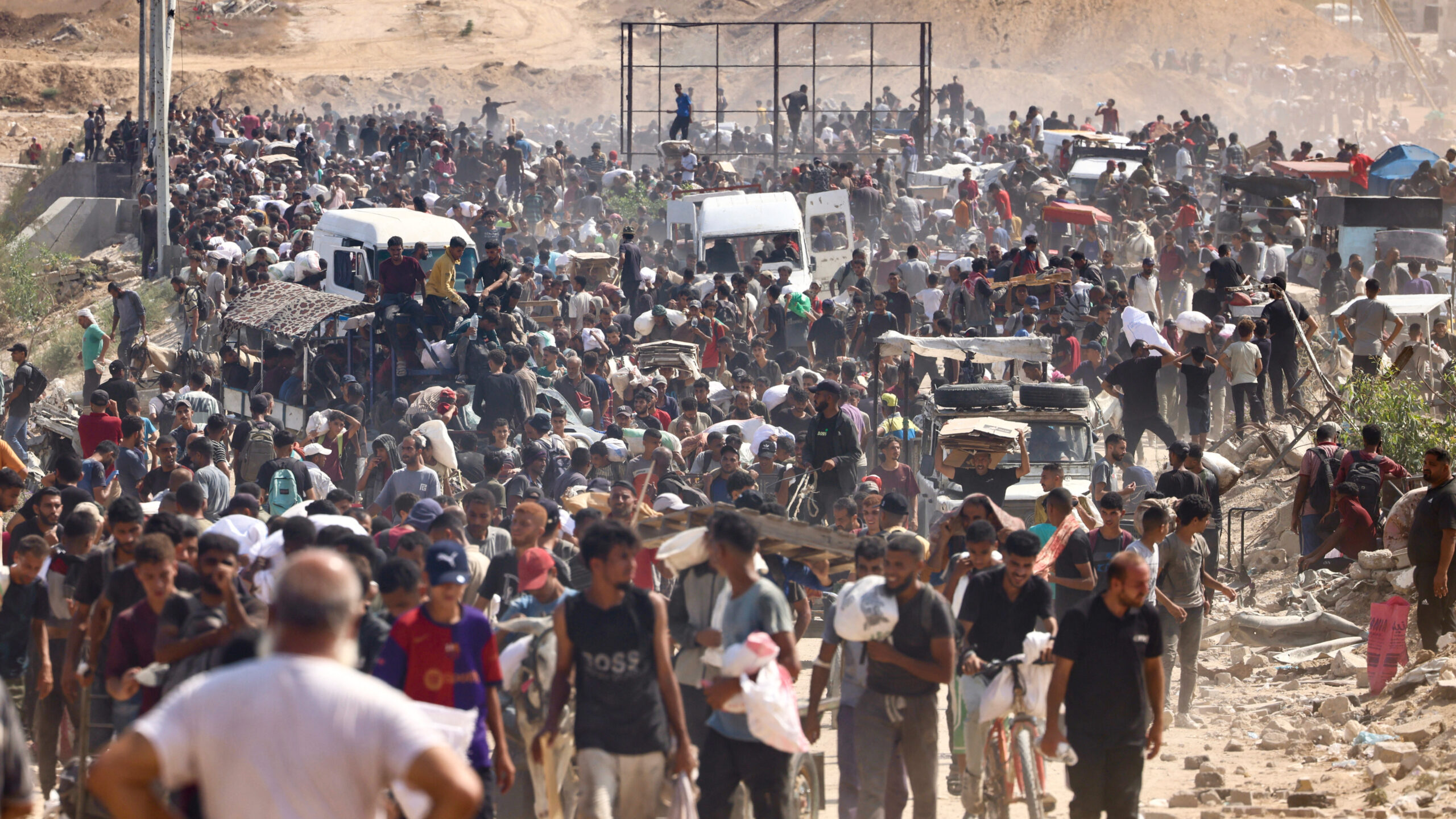
Scandal-plagued Gaza Humanitarian Foundation officially ends ‘mission’
The Gaza Humanitarian Fund (GHF), an Israeli and US-backed aid distribution organization, has officially concluded its operations in Gaza, as announced by its executive director, John Acree, on Monday. The organization, which has been linked to the deaths and injuries of over 2,600 Palestinians, faced widespread criticism from global aid networks despite claims of setting new standards in aid delivery. GHF’s mission, which began in late May, aimed to demonstrate efficient and transparent humanitarian aid delivery in conflict zones, supported by the Civil-Military Coordination Centre (CMCC) and the international community. However, its militarized approach and lack of direct aid provision led to significant challenges for Gaza’s population. Palestinians were required to travel long distances to GHF’s four distribution sites in the south, often risking injury or death from armed Israeli soldiers and US security contractors. Whistleblowers and social media reports allege deliberate shootings of aid seekers. Despite GHF’s denial of casualties, Gaza’s health ministry reported over 2,600 deaths and 19,182 injuries during its operations. Questions about GHF’s funding sources persist, with a lawsuit filed in August seeking transparency from the Trump administration. The broader Israeli war on Gaza has resulted in over 245,000 Palestinian casualties, predominantly civilians, according to recent reports.
-

Two climbers die after falling from New Zealand’s highest peak
Two climbers have tragically lost their lives after falling from New Zealand’s highest peak, Aoraki, also known as Mount Cook. The incident occurred during an attempt to summit the 3,724-meter-high mountain, renowned for its treacherous terrain. The climbers were part of a group of four, with the other two members escaping unharmed. The survivors were rescued by helicopter early Tuesday morning after alerting emergency services the previous night. Authorities later discovered the bodies of the deceased climbers, still connected by their climbing harness, in a challenging alpine environment. Efforts are ongoing to recover the bodies amidst the difficult conditions. Mount Cook, which dominates the Southern Alps on New Zealand’s South Island, is notorious for its large crevasses and unpredictable weather, making it a perilous climb even for seasoned mountaineers. While the identities of the climbers have not been officially released, New Zealand media outlet Stuff reported that one of the victims was a well-known, internationally recognized mountain guide. This tragedy follows the disappearance of three climbers from the US and Canada nearly a year ago, who were declared dead after a prolonged search hampered by severe weather. According to ClimbNZ, the New Zealand alpine club, fatalities on Mount Cook are not uncommon, with hardly a climbing season passing without at least one death.
-
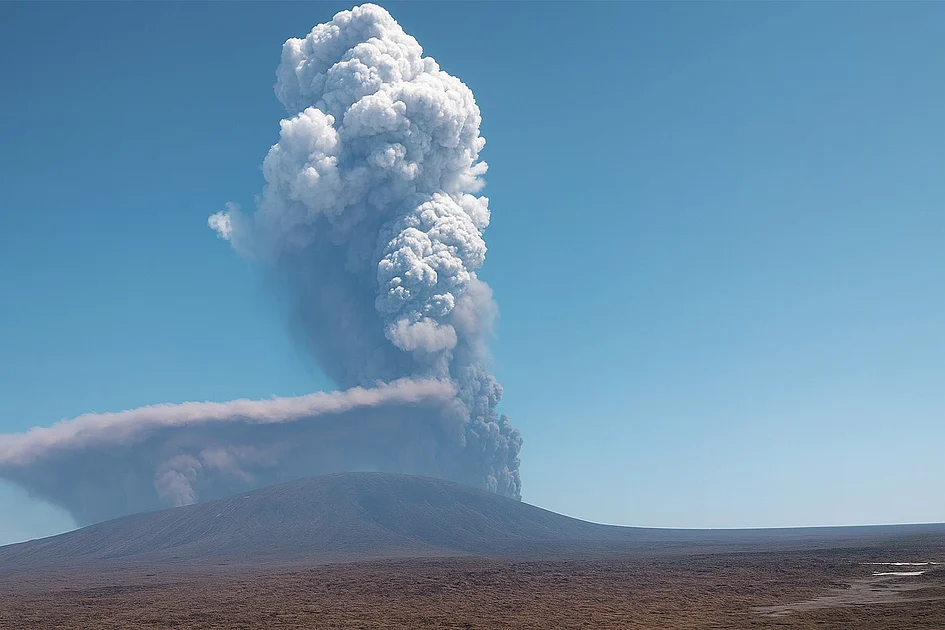
UAE expert says Ethiopia volcano ash may reach Yemen, Oman: Emarat Al Youm
The recent eruption of Ethiopia’s Haile Gobi volcano has sent volcanic ash and sulfur dioxide gas drifting toward Yemen and Oman, according to Ibrahim Al Jarwan, Chairman of the Emirates Astronomy Society. The eruption, which began on November 23, 2025, marks the first known activity of the volcano in approximately 10,000 years. Satellite imagery captured a dense ash column rising over 10 kilometers into the sky, with the plume moving east-northeast toward the southern Arabian Peninsula. Al Jarwan warned that the ash and gas could cause eye and respiratory irritation for residents in affected areas, and the interaction of sulfur dioxide with moisture might lead to light acid rain. The Oman Environment Authority has issued advisories, though no significant rise in pollution levels has been detected yet. Aviation authorities have also been alerted, as volcanic ash poses risks to aircraft engines, visibility, and navigation systems. The eruption, located in Ethiopia’s Afar region within the Great Rift Valley, is a significant event for researchers studying dormant volcanic systems and geological activity in the African Rift Valley. While the eruption has subsided, experts caution that follow-up explosions are possible, necessitating continued monitoring. The ash plume, tracked by VAAC Toulouse, has already reached parts of Yemen, and regional agencies are closely observing its movement as wind patterns may shift.
-
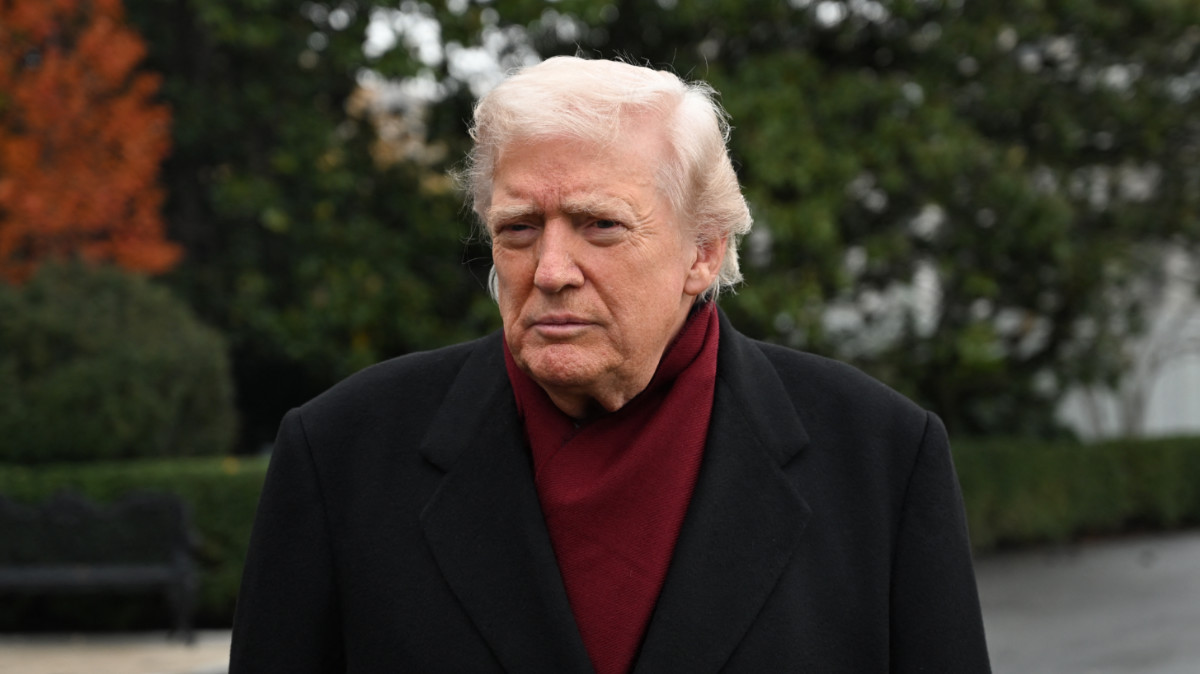
Trump inches closer to designating Muslim Brotherhood a Foreign Terrorist Organisation
Former U.S. President Donald Trump announced plans to designate the Muslim Brotherhood as a ‘foreign terrorist organization’ (FTO), emphasizing that the decision would be executed with utmost severity. In an interview with Just the News, Trump revealed that final documentation is currently being prepared. Although the White House has not officially commented, Trump’s press secretary, Karoline Leavitt, reshared the interview on Monday. This move aligns with broader congressional efforts to label the Muslim Brotherhood as a terrorist organization, with bipartisan support from senators like Ted Cruz, Tom Cotton, and John Fetterman. The House of Representatives also has a similar bill co-sponsored by Democrats. Trump’s authority to make this designation stems from the Immigration and Nationality Act, which allows the Secretary of State to initiate the process based on specific criteria, including the group’s foreign status and perceived threat to U.S. national security. However, experts like George Washington University professor Nathan Brown argue that the Muslim Brotherhood poses no threat to U.S. security. Trump’s push for this designation began during his first administration, particularly after meeting Egyptian President Abdel Fattah el-Sisi in 2019. The move has faced opposition from some U.S. officials but has gained traction among certain state leaders, such as Texas Governor Greg Abbott, who recently designated the Muslim Brotherhood and the Council on American Islamic Relations (CAIR) as foreign terrorist organizations. The Muslim Brotherhood, founded in Egypt in the 1920s, has a complex history, gaining popularity during the Arab Spring but facing crackdowns in countries like Egypt and Tunisia. The group’s decentralized structure and ideological affiliations with parties like Hamas complicate its designation as a terrorist organization. If designated, the Muslim Brotherhood could appeal the decision in U.S. courts. The move reflects ongoing tensions in the Middle East, where the group is viewed as a threat by many monarchies.
-
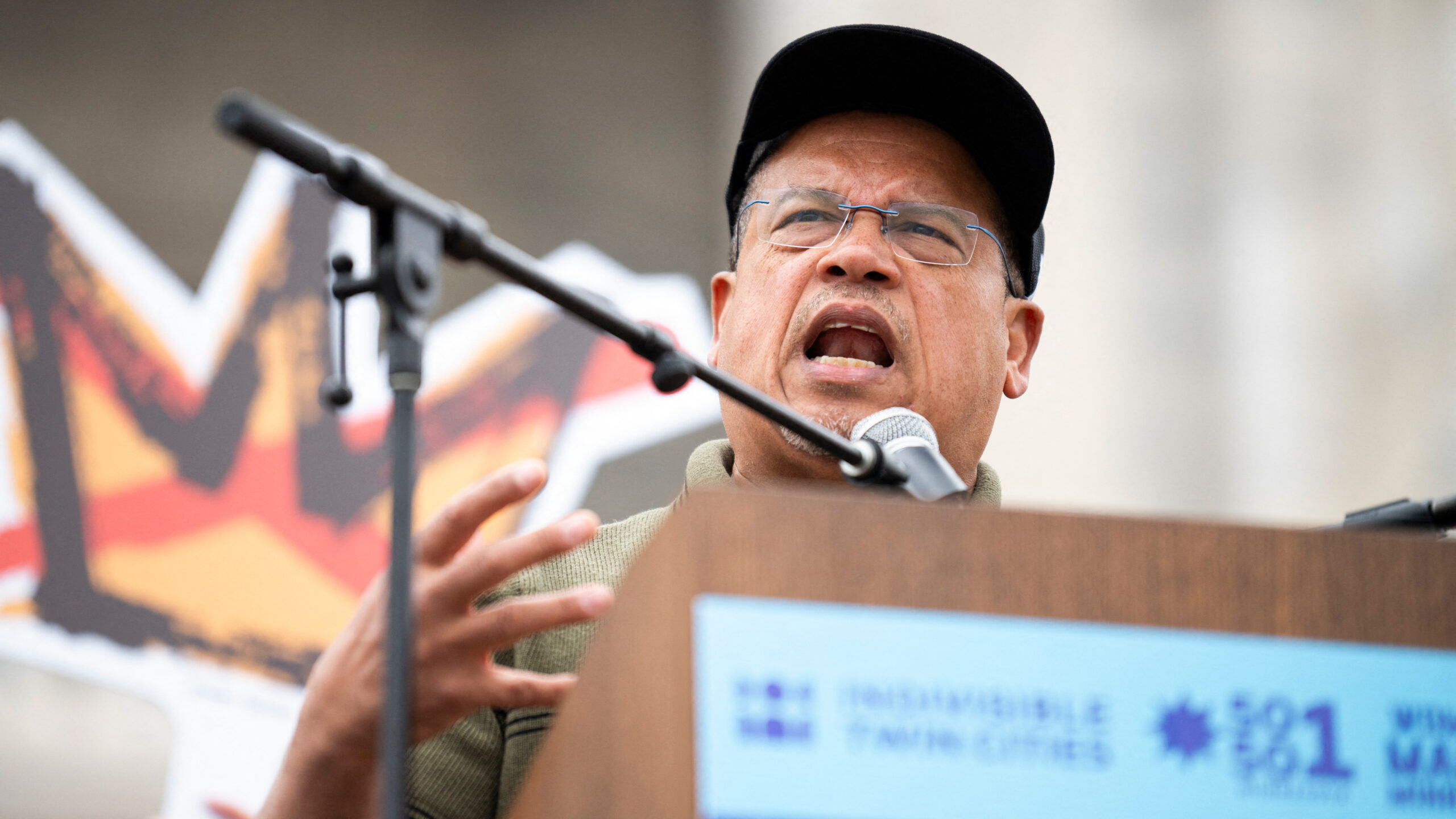
Trump announces end of Temporary Protected Status for Somalis
In a recent post on Truth Social, former U.S. President Donald Trump declared his intention to end Temporary Protected Status (TPS) for Somalis, citing alleged fraudulent activities and gang-related issues in Minnesota. Trump accused Somali gangs of ‘terrorizing’ residents and claimed that ‘BILLIONS of Dollars are missing,’ though he provided no evidence to support these claims. He stated, ‘Send them back to where they came from. It’s OVER!’ This announcement marks the latest effort by Trump to dismantle TPS, a program that allows individuals from countries deemed unsafe to live and work in the U.S. temporarily. TPS was first granted to Somalis in 1991 following the collapse of President Mohamed Siad Barre’s government and the ensuing civil war. While Somalia is no longer in full-scale conflict, the country continues to face instability and violence. Minnesota Attorney General Keith Ellison criticized Trump’s remarks, calling them ‘scare tactics’ and emphasizing the contributions of Somali immigrants to the state. TPS for Somalis was extended under the Biden administration and is set to expire in March 2026. The Department of Homeland Security has yet to clarify whether the termination applies nationwide or only in Minnesota. Meanwhile, Minnesota Governor Tim Walz dismissed Trump’s post as a distraction. This move follows the Trump administration’s previous attempts to revoke TPS for other groups, including Syrians, which faced legal challenges. A federal court recently delayed the termination of TPS for Syrians pending further legal proceedings. Critics argue that the administration’s actions are driven by bias rather than factual considerations.