
In a gripping display of cricketing prowess, South Africa is on the verge of securing its first Test series win in India since the 2000-01 season. The fifth day of the second Test match in Guwahati saw the Proteas tighten their grip on the game, claiming three crucial Indian wickets in the morning session. This has left the hosts in a precarious position, with a daunting target of 549 runs still looming large. By the first tea interval, India was struggling at 90-5, still trailing by 459 runs. Sai Sudharsan remained unbeaten on 14 runs off 138 balls, while Ravindra Jadeja was not out on 23 off 40 deliveries. India’s captain and wicketkeeper, Rishabh Pant, was among the casualties, dismissed for 13 by Simon Harmer, who has been instrumental in dismantling the Indian batting lineup. Harmer’s relentless off-spin bowling wreaked havoc, starting with the dismissal of night watchman Kuldeep Yadav for 5 runs. The pressure continued to mount as Dhruv Jurel fell for just 2 runs, and Pant followed soon after. India’s hopes of a comeback were further dashed as they ended Day 4 at 27-2, having lost openers Yashasvi Jaiswal and Lokesh Rahul early. South Africa’s dominance was evident earlier in the match when Marco Jansen’s impressive 6-48 helped the team secure a massive 314-run first innings lead. With India bowled out for 201 in response to South Africa’s 489, the visitors are now poised to clinch the series, having already won the first Test in Kolkata by 30 runs.
标签: Asia
亚洲
-
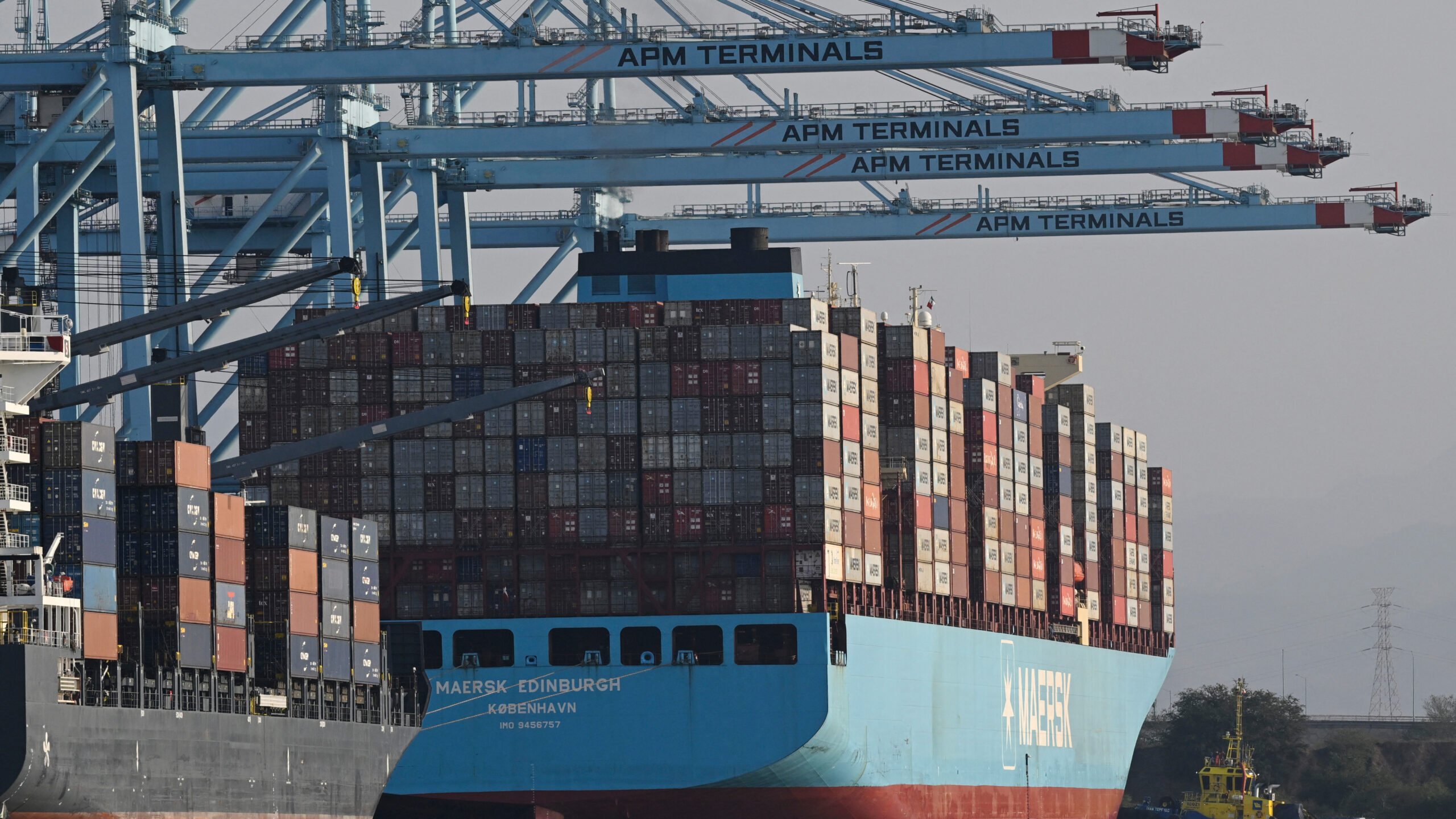
Maersk to resume shipping routes through Red Sea and Suez Canal
Global shipping leader Maersk has announced its intention to resume operations through the Red Sea and Suez Canal as soon as conditions permit, prioritizing crew safety above all else. CEO Vincent Clerc made the announcement during a press conference in Egypt alongside the Suez Canal Authority chief, expressing optimism following the recent ceasefire between Israel and Hamas. This truce, Clerc noted, has created a more stable environment for navigating the Bab al-Mandab Strait, a critical waterway connecting the Red Sea to the Gulf of Aden. However, Maersk has not yet set a definitive timeline for resuming the route, contradicting earlier claims by the Suez Canal Authority of a partial December reopening. The Red Sea has seen increased maritime traffic since the Gaza ceasefire on October 10, according to the canal authority. Maersk had previously diverted ships away from the region after repeated attacks by Yemen’s Houthi rebels, who targeted vessels in solidarity with Palestinians in Gaza. These attacks, totaling over 100 incidents from 2023 to 2024, prompted many shipping companies to reroute via the southern tip of Africa, costing Egypt an estimated $7 billion in lost Suez Canal revenue. Maersk has also faced criticism for its ties to Israeli settlements in the occupied West Bank, leading to its divestment from companies linked to these settlements in June. The company has been accused of transporting military equipment to Israel, including components for F-35 fighter jets used in Gaza. Despite denying these allegations, Maersk has faced protests and scrutiny from human rights groups globally.
-
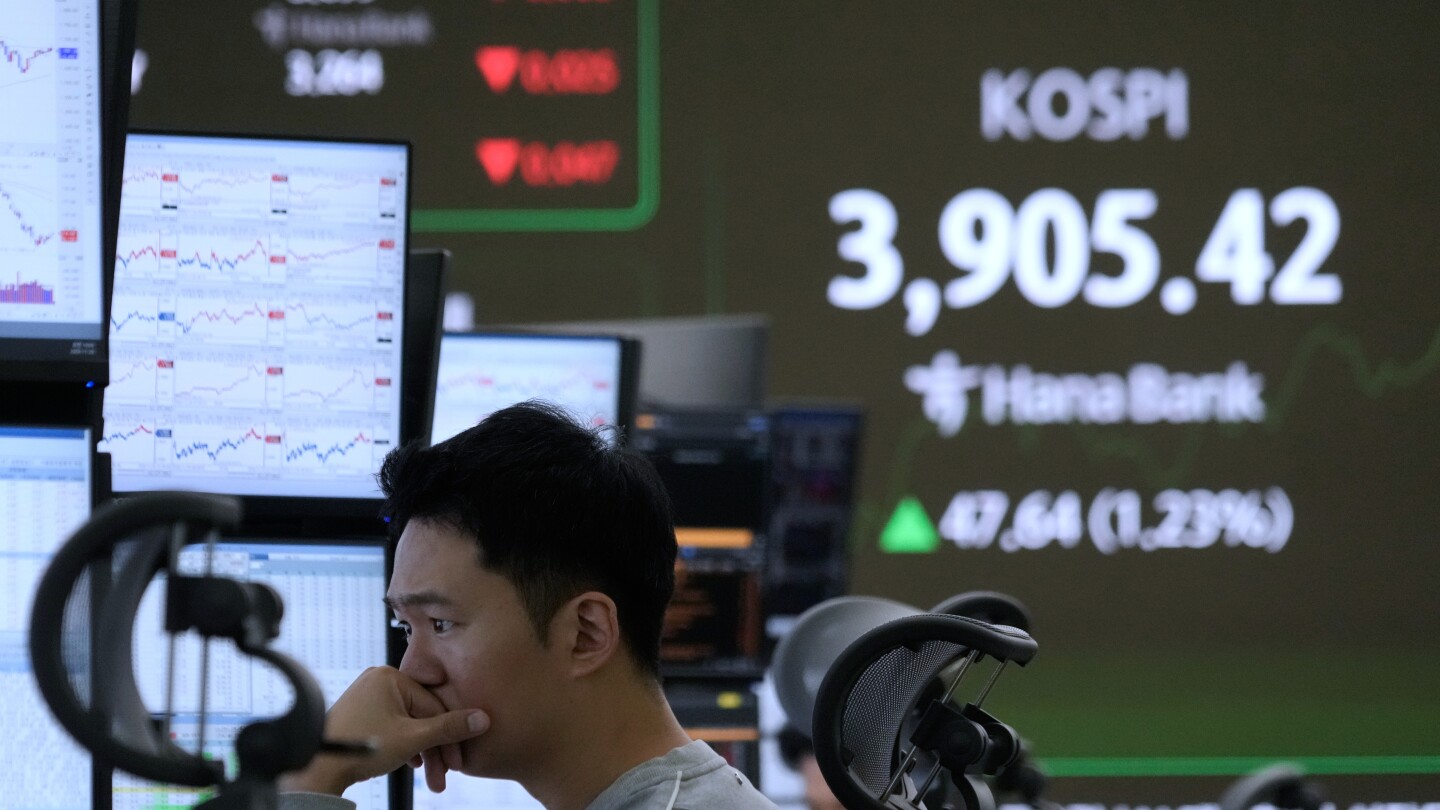
World stocks climb after Wall Street rallies on hopes for lower interest rates
Stock markets across Europe and Asia experienced notable gains on Wednesday, driven by optimism that the Federal Reserve may soon reduce interest rates. This sentiment followed a strong performance on Wall Street, where benchmarks surged in anticipation of potential rate cuts. In early European trading, Germany’s DAX climbed 0.2% to 23,500.98, while France’s CAC 40 also rose 0.2% to 9,623.22. The UK’s FTSE 100 saw a modest increase of 0.1%. In Asia, Tokyo’s Nikkei 225 soared 1.9% to 49,559.07, supported by gains in major exporters and technology shares. However, Kioxia’s shares plummeted 14.9% amid reports that Bain Capital plans to sell $2.3 billion of its shares. South Korea’s Kospi surged 2.7% to 3,960.87, buoyed by a 3.5% rise in Samsung Electronics, the market’s largest player. SK Hynix, a leading computer chip maker, also saw a 1% increase. Taiwan’s Taiex jumped 1.9%, while Chinese markets showed mixed results. Hong Kong’s Hang Seng edged up 0.1% to 25,928.08, but the Shanghai Composite slipped 0.2% to 3,864.18. Alibaba, the Chinese e-commerce and technology giant, fell 1.9% after its U.S.-traded shares dropped 2.3% on Tuesday due to weaker-than-expected profits, despite stronger revenue. Australia’s S&P/ASX 200 rose 0.8% to 8,606.50, and New Zealand’s S&P/NZX 50 added 0.6% after the central bank cut its official cash rate to 2.25%. U.S. markets are set for a shortened trading week due to the Thanksgiving holiday, with closures on Thursday and reduced hours on Friday. On Tuesday, the S&P 500 gained 0.9%, the Dow Jones Industrial Average rallied 1.4%, and the Nasdaq composite rose 0.7%. The Russell 2000 index, which tracks smaller U.S. companies, led the market with a 2.1% jump. Mixed economic data has left traders betting on an 83% probability of a Fed rate cut in December. Retail sales in September fell short of expectations, and consumer confidence worsened more than anticipated in November, signaling the economy could benefit from lower interest rates. While easier rates can stimulate borrowing and investment, they may also exacerbate inflation, a key concern for the Fed. U.S. benchmark crude oil rose 5 cents to $58.00 per barrel, while Brent crude increased 8 cents to $61.88. The U.S. dollar strengthened to 156.46 Japanese yen, and the euro rose to $1.1575.
-
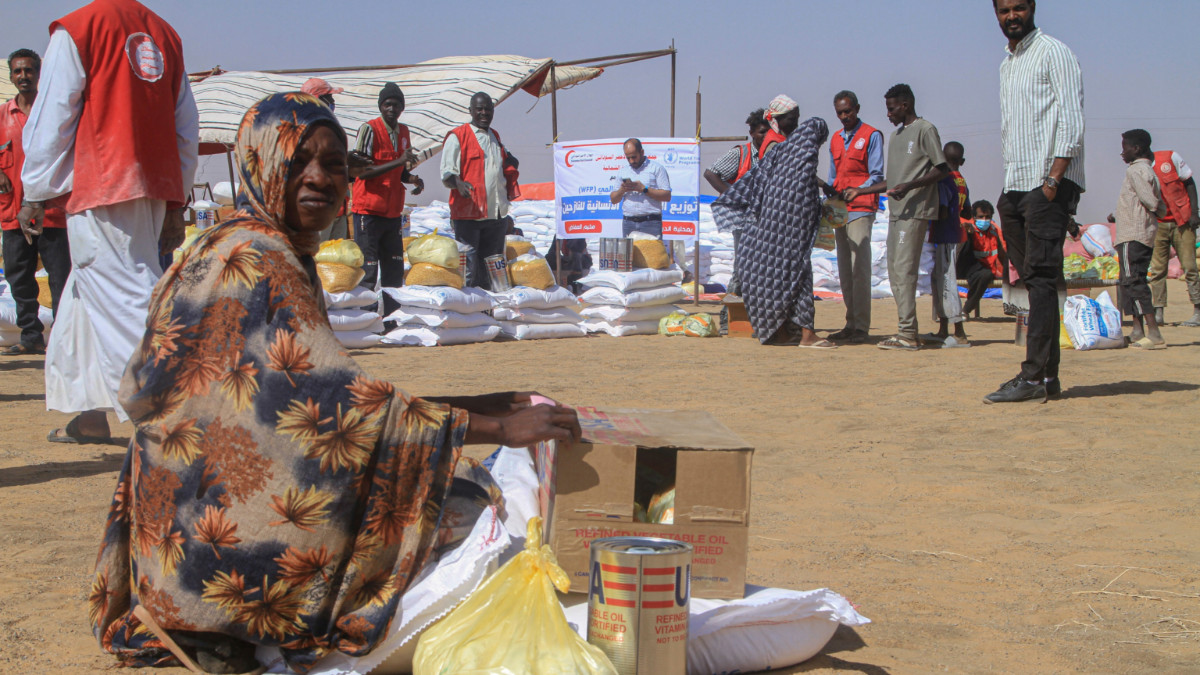
Trump administration plans to reinterview refugees admitted under Biden: Report
The Trump administration is reportedly preparing to reinterview tens of thousands of refugees admitted to the United States during President Joe Biden’s tenure, according to a CNN report published on Monday. A leaked memo dated November 21 reveals that the U.S. Citizenship and Immigration Services (USCIS) will initiate a comprehensive “review and reinterview process” to assess whether these refugees pose any national security or public safety risks. Approximately 235,000 refugees were admitted between fiscal years 2021 and 2025 under Biden’s policies, though the memo does not specify which individuals or countries of origin will be targeted. Notably, the USCIS has the authority to revoke refugee status without providing an appeal mechanism if deemed necessary. This move is part of a broader effort by the Trump administration to overhaul the U.S. refugee system, which has historically been governed by the Refugee Act of 1980. Last month, the administration announced plans to drastically reduce the annual refugee admission cap to a historic low of 7,500 in fiscal year 2026, a stark contrast to the over 100,000 refugees admitted annually under Biden. The majority of these slots are reportedly reserved for white South Africans, a decision that has sparked controversy. While the Biden administration expanded refugee admissions, it fell short of its annual caps, admitting 25,465 in 2022, 60,014 in 2023, 100,034 in 2024, and 27,308 in 2025, according to the Migration Policy Institute. Trump’s earlier suspension of the refugee resettlement program left thousands in limbo, including 12,000 individuals with approved flights and nearly 90,000 others awaiting resettlement. The U.S. refugee vetting process typically takes 18 to 24 months, though white South African farmers have been an exception, with their cases expedited. South African President Cyril Ramaphosa and other officials have denied allegations of “white genocide,” calling them unfounded.
-
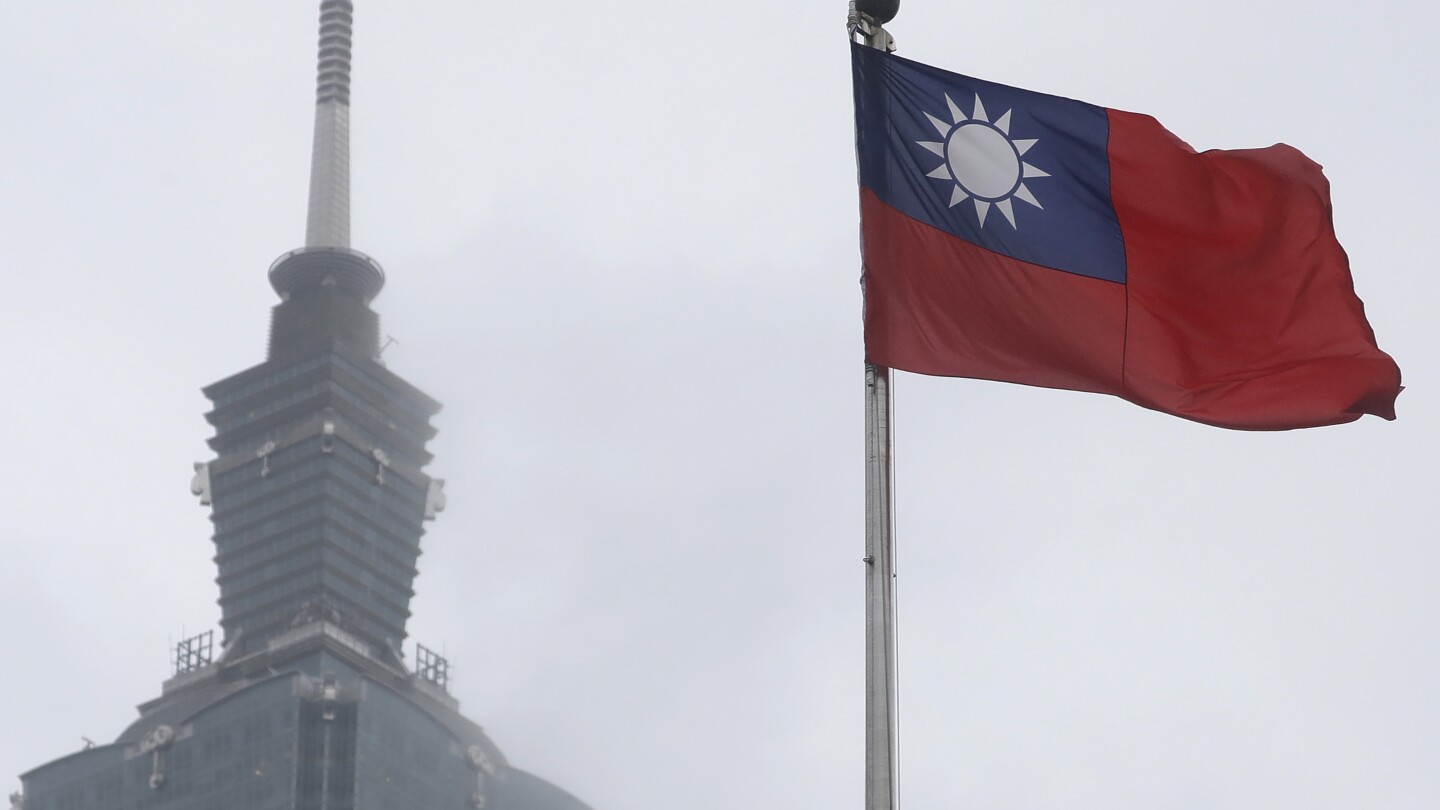
Taiwan announces special budget of $40 billion for arms purchases to bolster defense
TAIPEI, Taiwan — In a significant move to bolster its defense capabilities, Taiwan’s President Lai Ching-te unveiled plans on Wednesday for a $40 billion special budget dedicated to arms purchases and the development of advanced defense systems. The budget, spanning eight years from 2026 to 2033, includes the creation of the Taiwan Dome, a cutting-edge air defense system designed to enhance detection and interception capabilities. This announcement follows Lai’s earlier commitment to increase defense spending to 5% of the island’s GDP, up from the current 3.3% allocation for 2026, which amounts to $949.5 billion New Taiwan Dollars ($31.18 billion).
In an op-ed published in The Washington Post, Lai emphasized that the special budget would primarily fund arms procurement from the United States, reflecting Taiwan’s strategic alignment with its key ally. Wellington Koo, Taiwan’s Minister of National Defense, clarified that the $40 billion figure represents the upper limit of the budget. The funds will be allocated toward acquiring precision-strike missiles and fostering joint development and procurement initiatives between Taiwan and the U.S. for advanced military equipment and systems.
This decision comes amid escalating geopolitical tensions in the region and mounting pressure from the U.S. for Taiwan to strengthen its self-defense capabilities. The proposed budget underscores Taiwan’s proactive stance in addressing security challenges and safeguarding its sovereignty.
-

‘Once in 300 years’ rain hits Thai city as floods ravage Southeast Asia
Thailand is grappling with unprecedented floods that have claimed at least 18 lives and disrupted the lives of over 2 million people. The southern region, particularly the city of Hat Yai, has been severely impacted, recording its heaviest rainfall in 300 years—335mm in a single day. The deluge has submerged vehicles and homes, leaving residents stranded on rooftops, desperately awaiting rescue. Despite relief efforts, the majority of those affected remain isolated and unable to access aid. The Thai military has mobilized an aircraft carrier, 14 boats, and field kitchens to deliver essential supplies and medical assistance. However, the scale of the disaster has overwhelmed local resources, with rescue groups receiving thousands of distress calls. Neighboring countries like Vietnam and Malaysia are also facing severe flooding, with Vietnam reporting 91 deaths and Malaysia evacuating over 19,000 people. The situation remains dire as rising waters continue to trap residents, with urgent calls for help flooding social media platforms.
-

Landslides and flash floods on Indonesia’s Sumatra island leave at least 10 dead and 6 missing
In a tragic turn of events, relentless monsoon rains have triggered catastrophic flash floods and landslides across North Sumatra, Indonesia, resulting in the loss of at least 10 lives and leaving six others unaccounted for. The National Police reported on Wednesday that rescue operations are underway in six regencies of the province, where rivers have overflowed, inundating villages and causing widespread destruction. The hardest-hit areas include Sibolga, where five bodies and three injured individuals have been recovered, and Central Tapanuli, where a family of four perished in a landslide. Nearly 2,000 homes and buildings have been submerged, displacing thousands of residents. The disaster has also uprooted trees, destroyed infrastructure, and blocked major roads, further complicating rescue efforts. Emergency shelters have been established, and authorities are urging residents in high-risk zones to evacuate immediately. The situation remains dire as continued rainfall threatens to exacerbate the crisis. Indonesia, an archipelago of 17,000 islands, is no stranger to such calamities, with heavy seasonal rains from October to March frequently causing flooding and landslides. This latest disaster underscores the urgent need for enhanced disaster preparedness and mitigation strategies in the region.
-
India intensifies crackdown in disputed Kashmir after New Delhi bombing
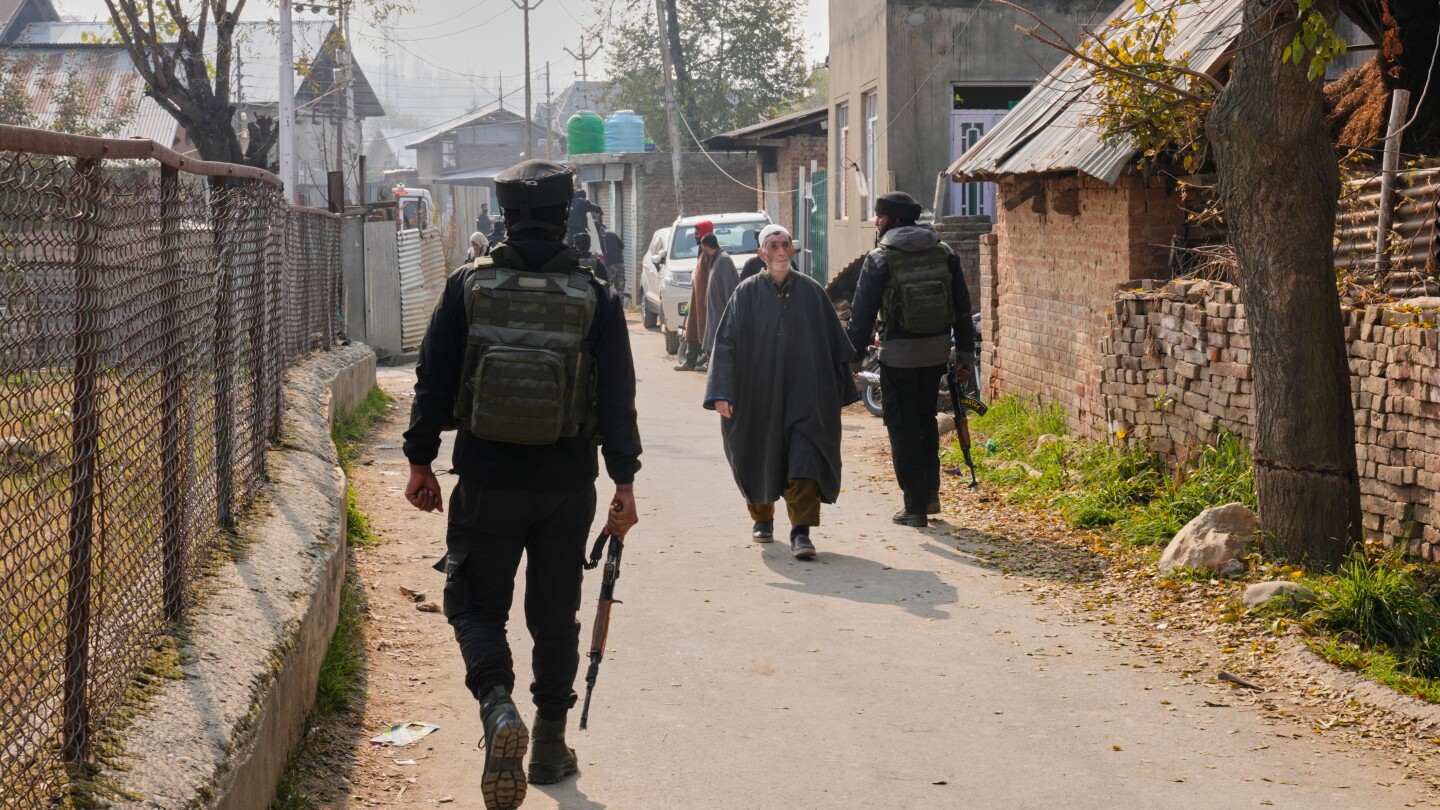
In a tragic turn of events, Bilal Ahmed Wani, a 55-year-old shopkeeper from Indian-controlled Kashmir, set himself on fire and later succumbed to his injuries. This occurred shortly after his release from police custody, where he was detained in connection with the investigation into the deadly November 10 explosion near New Delhi’s Red Fort, which claimed at least 10 lives and injured 32 others. Wani’s son remains in custody, and his family, speaking anonymously due to fear of reprisals, attributed his desperate act to the stress and humiliation stemming from the detentions.
The blast, described by authorities as a ‘heinous terror incident,’ triggered a sweeping security crackdown in Kashmir. Police conducted extensive raids, detained numerous suspects, and questioned thousands, with hundreds still in custody. The investigation quickly focused on Kashmir, where authorities dismantled a suspected militant cell operating from the region to the outskirts of New Delhi. During the raids, police seized bomb-making materials and arrested at least seven individuals, including two Kashmiri doctors.
On November 14, a separate explosion at a police station in Srinagar, Kashmir, killed at least nine people. Authorities ruled out sabotage, suggesting mishandling of explosives as the likely cause. The ongoing crackdown in Kashmir has been described as notably severe, reminiscent of the restrictions imposed in 2019 when India revoked the region’s special autonomous status.
Wani’s family insists on his innocence, accusing authorities of using him and his relatives as scapegoats. His eldest son, Jasir Bilal Wani, remains detained, with authorities alleging his involvement in planning the attack by providing technical support to the suspected suicide bomber, Umar Un Nabi, a Kashmiri doctor. The crackdown has extended to what police term a ‘white-collar terror ecosystem,’ intensifying scrutiny of Kashmiri professionals, particularly doctors, and fueling fear within the medical community.
Analysts warn that the political disenfranchisement and heavy-handed security measures following India’s 2019 decision are exacerbating anger and alienation in Kashmir. Praveen Donthi of the International Crisis Group emphasized that a moderate approach by New Delhi would be more effective in preventing further cycles of violence. The situation underscores the deep-seated tensions and the human cost of the ongoing conflict in the region.
-

A woman who murdered her 2 children and left them in suitcases is jailed for at least 17 years
A New Zealand woman, Hakyung Lee, has been sentenced to a minimum of 17 years in prison for the murder of her two children, Minu Jo, 6, and Yuna Jo, 8. The tragic case unfolded when the children’s remains were discovered in suitcases stored in an Auckland storage unit in 2022. Lee, who had fled to South Korea after the killings and changed her name, was extradited back to New Zealand to face trial. She was found guilty of murder in September 2023, with the jury rejecting her insanity defense. Justice Geoffrey Venning, presiding at the High Court in Auckland, ruled that Lee would begin her sentence in a locked psychiatric facility under New Zealand’s compulsory mental health treatment law. She will return to prison once deemed mentally stable. The judge emphasized that while Lee suffered from severe depression at the time of the murders in 2018, her actions were deliberate and calculated. Lee’s lawyers argued for a reduced sentence, citing her mental illness and the shame she felt for her crimes. However, the judge upheld the severity of the sentence, noting that a successful insanity defense requires proof of the defendant’s inability to understand their actions or their wrongfulness. The children’s remains were discovered after Lee stopped paying rental fees for the storage unit, leading to its contents being auctioned online. The buyers found the bodies and alerted authorities. During the trial, Lee’s lawyers admitted she had killed the children by administering an antidepressant medication, attributing the act to her deteriorating mental health following her husband’s death. Family members expressed their profound grief, with the children’s uncle stating he felt he had failed to protect them, and Lee’s mother describing her pain as unbearable. New Zealand police acknowledged South Korean authorities for their assistance in the investigation, while Detective Inspector Tofilau Faamanuia Va’aelua reflected on the tragic loss of the young lives.
-
More than 100,000 Palestinians likely killed in Gaza, leading German institute says
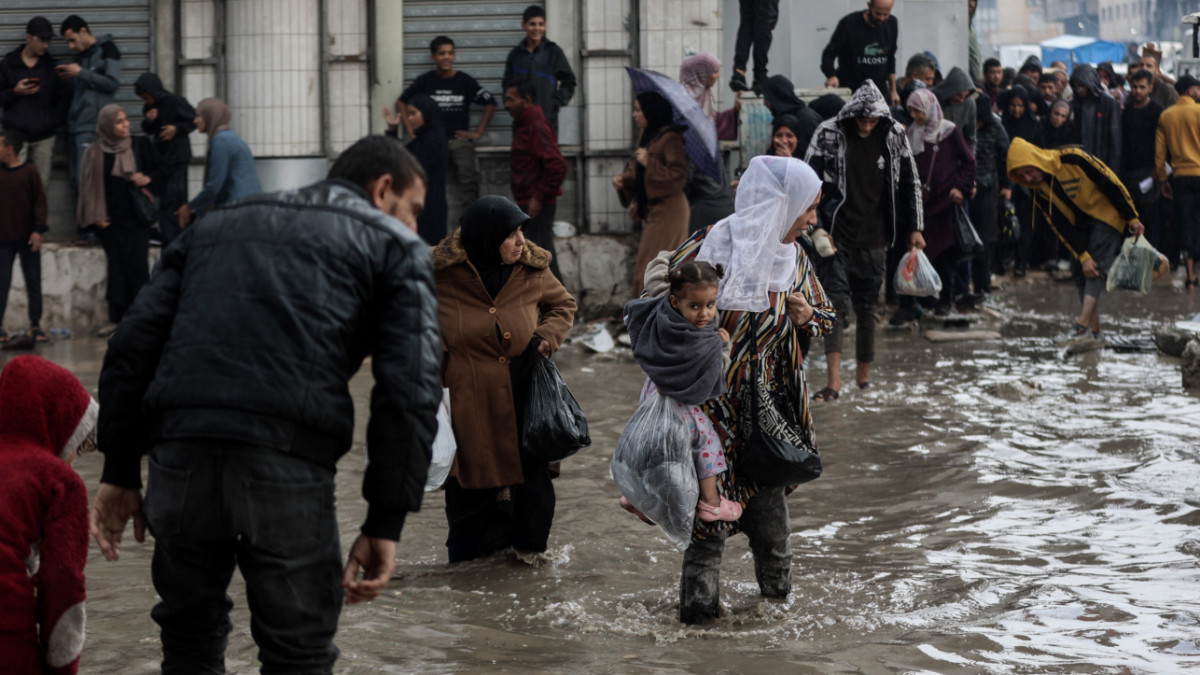
A groundbreaking study by Germany’s Max Planck Institute for Demographic Research (MPIDR) has revealed that the death toll in Gaza from Israel’s ongoing war could surpass 100,000 by October 2025. The report, published on Tuesday, indicates that the number of fatalities is significantly higher than the figures reported by the Palestinian health ministry. MPIDR, one of the world’s leading demographic research institutions, estimated that 78,318 people were killed directly due to the conflict between October 7, 2023, and the end of 2024. The study further projected that the death toll would exceed 100,000 by October 2025. The Palestinian health ministry, in contrast, has reported at least 69,733 deaths. The MPIDR study utilized data from multiple sources, including the Gaza health ministry, the Israeli human rights organization B’Tselem, and United Nations agencies. The report highlighted a dramatic decline in life expectancy in Gaza, with a 44% drop in 2023 and a 47% drop in 2024 compared to pre-war levels. The study also noted that the demographic patterns of violent deaths in Gaza resemble those observed in documented genocides, though it refrained from classifying the conflict as such. The authors emphasized that their analysis focused solely on direct conflict-related deaths and did not account for the broader, long-term indirect effects of the war. Despite a US-brokered ceasefire initiated on October 11, Israeli strikes have continued, resulting in at least 339 Palestinian deaths and nearly 500 ceasefire violations, according to Gaza authorities.