标签: Asia

亚洲

  • Farhan, spinners lead Pakistan to easy USA win in T20 World Cup

    Farhan, spinners lead Pakistan to easy USA win in T20 World Cup

    Pakistan delivered a commanding performance against the United States in their Group A T20 World Cup encounter in Colombo on Tuesday, securing a comprehensive 32-run victory that avenged their shocking defeat to the same opponent two years prior.

    Opener Sahibzada Farhan orchestrated Pakistan’s strong batting display with an impressive 73 runs from just 41 deliveries, featuring five sixes and six boundaries. The 29-year-old batsman reached a significant career milestone during his innings, surpassing 1,000 T20 international runs in his 41st match. He received substantial support from former captain Babar Azam, who contributed a brisk 46 from 32 balls, including four fours and one six.

    The foundation was established early as Farhan and opening partner Saim Ayub (19 from 17 balls) put on 54 runs within the first five overs. Despite a brief stumble that saw two quick wickets fall in the sixth over to USA’s Shadley van Schalkwyk, Pakistan recovered emphatically through an 81-run third-wicket partnership between Farhan and Azam that dominated the middle overs.

    Pakistan’s final total of 190-9 was somewhat tempered by a late collapse that saw five wickets fall for just 13 runs in the final two overs, with van Schalkwyk emerging as the most successful American bowler with figures of 4-25.

    In response, the United States batting lineup struggled against Pakistan’s spin attack. Leg-spinner Usman Tariq proved particularly destructive, claiming 3-27, while all-rounder Shadab Khan supported with 2-26. Despite valiant efforts from Shubham Ranjane (51 from 30 balls) and Shayan Jahangir (49 from 34 balls), the American innings stalled at 158-8, unable to maintain the required run rate against Pakistan’s disciplined bowling.

    The victory marks Pakistan’s second consecutive win in the tournament following their narrow three-wicket triumph over the Netherlands last Saturday. Captain Salman Agha described the performance as “clinical” while acknowledging room for improvement in powerplay bowling ahead of their highly anticipated match against arch-rivals India on Sunday—a fixture that was only confirmed after the Pakistani government reversed its initial boycott decision.

  • Al Layan Oasis: What Dubai’s newest attraction will look like

    Al Layan Oasis: What Dubai’s newest attraction will look like

    Dubai is poised to enhance its iconic skyline with the introduction of Al Layan Oasis, a groundbreaking attraction scheduled to open in February 2026. This ambitious project represents the latest addition to the emirate’s extensive portfolio of world-class destinations, blending innovative architectural design with traditional Arabian cultural elements.

    The development promises to transform the desert landscape into a lush, technologically advanced sanctuary featuring state-of-the-art visitor facilities, immersive experiential zones, and sustainable environmental design. Preliminary renderings suggest the oasis will incorporate advanced climate control systems to maintain comfortable temperatures year-round, revolutionary water conservation technologies, and botanical gardens showcasing regional flora.

    Tourism analysts project Al Layan Oasis will significantly boost Dubai’s appeal as a premium travel destination, potentially increasing annual visitor numbers by an estimated 12-15%. The attraction’s design philosophy appears to merge cutting-edge sustainability practices with luxury entertainment experiences, creating what developers describe as ‘a harmonious dialogue between traditional Bedouin heritage and futuristic innovation’.

    This development continues Dubai’s strategic expansion beyond traditional shopping and luxury tourism into experiential and educational attractions. Industry observers note the timing aligns with the emirate’s broader economic diversification goals and its positioning as a global leader in innovative tourism infrastructure.

  • China’s panda diplomacy is becoming a liability for Beijing

    China’s panda diplomacy is becoming a liability for Beijing

    Japan marked a historic diplomatic milestone on January 27th as the nation bid farewell to its last remaining giant pandas, Xiao Xiao and Lei Lei, who were returned to China ahead of schedule. This departure signifies the first time since 1972—when diplomatic relations between Tokyo and Beijing were normalized—that Japan finds itself without any pandas within its borders.

    The repatriation of these beloved creatures occurs against a backdrop of escalating tensions between the two Asian powers. The situation deteriorated notably following November comments by Japanese Prime Minister Sanae Takaichi suggesting potential military response to Chinese actions toward Taiwan, which provoked strong objections from Beijing.

    China’s longstanding practice of ‘panda diplomacy’ dates back to the 7th century Empress Wu Zetian, who gifted bears to Japan as goodwill gestures. Modern panda diplomacy emerged in the 1970s as China sought to build international relationships, presenting pandas to major economies including the US, France, and the UK. Since 1984, due to declining wild populations, China has transitioned to long-term loan agreements requiring host countries to pay up to $1 million annually in conservation fees.

    The current reduction in panda loans—from 21 countries in 2019 to 16 today—reflects both diplomatic considerations and domestic pressures. Pandas hold profound emotional significance for the Chinese public as national treasures, and perceived mistreatment abroad can generate substantial backlash. This sensitivity was demonstrated when panda Le Le’s death at Memphis Zoo in 2023 sparked accusations of mishandling on Chinese social media.

    Despite being a soft power tool, panda diplomacy faces limitations beyond geopolitical tensions. Conservationists criticize the practice for using animals as political pawns, while questions persist about its actual conservation impact despite the significant fees involved. The International Union for Conservation of Nature still classifies giant pandas as ‘vulnerable.’

    The early recall of Japan’s pandas and suspension of negotiations for new loans illustrates how these charismatic animals remain entangled in the complex web of international relations, serving as both ambassadors and indicators of diplomatic climates between nations.

  • Shaheen Malik: An acid attack survivor’s fight for justice and dignity

    Shaheen Malik: An acid attack survivor’s fight for justice and dignity

    In a courageous fight against systemic injustice, Indian acid attack survivors are confronting legal limitations and deep-rooted social stigma. Shaheen Malik, a prominent disability rights activist who has endured 25 surgeries since her 2009 attack, leads this battle through her Brave Souls Foundation.

    The critical legal gap centers on India’s 2016 Rights of Persons with Disabilities Act, which currently recognizes only survivors with visible disfigurement from externally applied acid. This exclusion leaves victims like Ruman (name changed), who was forced to ingest acid during domestic violence in 2019, without access to compensation and rehabilitation benefits. At 28 years old, Ruman weighs merely 21kg due to severe internal injuries and requires constant medical supervision.

    Malik’s petition to the Supreme Court in December seeks to amend this legislation to include internal injuries from forced acid ingestion. “For these survivors,” Malik explains, “the disfigurement is internal but their lives are extremely challenging as they struggle to breathe, speak and swallow despite numerous surgeries.”

    The legal landscape remains grim. Conviction rates in acid attack cases are alarmingly low, with National Crime Records Bureau data showing only 43 of 703 pending cases disposed in 2023, resulting in just 16 convictions. Meanwhile, reported cases have increased from 176 in 2021 to 207 in 2023.

    In a significant development, the Supreme Court recently directed all states to provide yearly reports on acid attacks, case dispositions, and rehabilitation schemes. The court strongly condemned these attacks and called for extraordinary measures including auctioning attackers’ assets to compensate victims and shifting the burden of proof onto the accused.

    Despite legal mandates requiring free treatment, survivors face practical barriers. “Many private hospitals refuse admission without court orders,” Malik reports, “and even then, treatment is often delayed or discontinued midway.”

    Social isolation compounds these challenges. Survivors face discrimination in housing and daily life, with many landlords refusing to rent properties due to superstitions or discomfort with visible scars. Malik herself currently struggles to find new office space for her foundation amid this prejudice.

    Through the Brave Souls Foundation, established with fellow survivor Laxmi Agarwal in 2021, approximately 50 survivors receive shelter, legal aid, and economic support. The organization serves as a critical lifeline for those shunned by society and their families.

    Malik, despite recently facing the acquittal of her own attackers after a 16-year legal battle, remains determined: “I fought for justice for myself. But now I’m fighting for other survivors. I want my case to be an example that perpetrators won’t walk free.”

  • Gaza’s displaced girls channel war pain through boxing in makeshift ring

    Gaza’s displaced girls channel war pain through boxing in makeshift ring

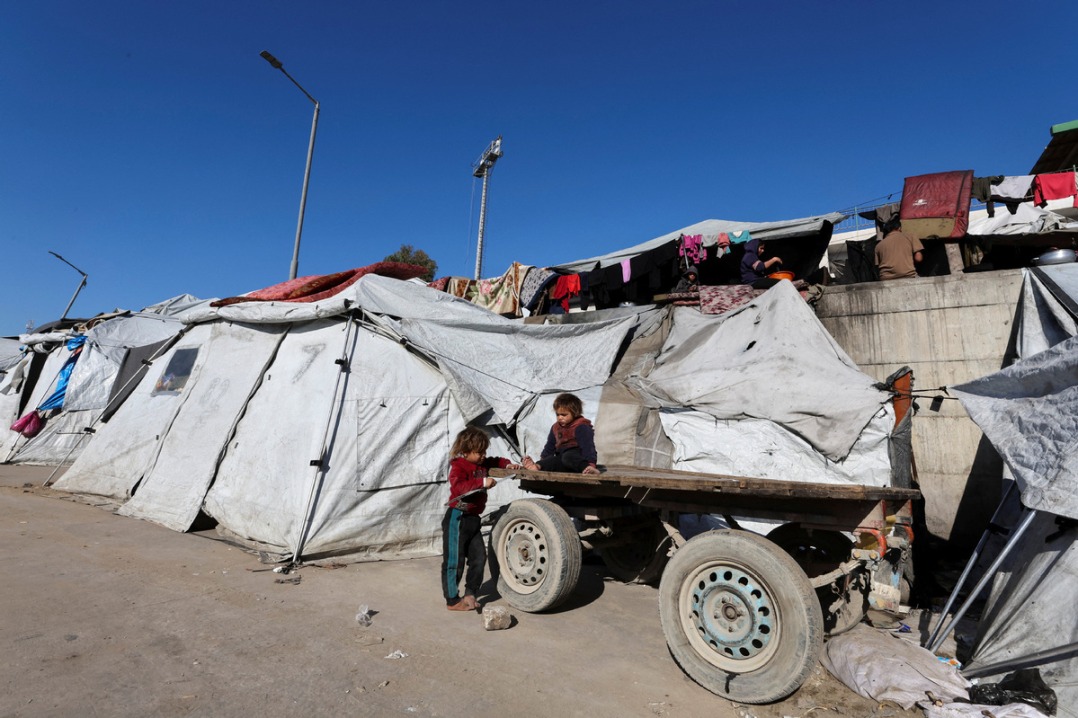
    In the sprawling displacement camps of southern Gaza, an unconventional form of therapy is taking root amid the rubble of conflict. Dozens of young Palestinian girls, aged 8 to 19, are channeling their wartime trauma through disciplined boxing training in a remarkably improvised athletic facility.

    Osama Ayub, a former boxing coach whose Gaza City club and home were obliterated during the Israel-Hamas conflict, has established a unique sanctuary for displaced youth. Now residing in Khan Yunis, Ayub conducts free training sessions three times weekly for 45 aspiring boxers, using equipment crafted from scavenged materials. The training ring, constructed from wooden planks without protective mats or safety measures, stands as a testament to both resourcefulness and desperation.

    ‘These girls carry profound psychological wounds from continuous bombardment and personal loss,’ Ayub explained. ‘Through boxing, they discover an emotional outlet to express their pent-up pain and frustration.’ The sessions provide crucial psychological relief for children who have endured unimaginable trauma, with many having lost family members and homes.

    Among the participants, 14-year-old Ghazal Radwan aspires to become an international champion who will ‘raise the Palestinian flag worldwide.’ Her teammate Rimas, 16, continues training despite the ongoing conflict, though she acknowledges the severe equipment shortages: ‘We train on sand and need proper gloves, shoes, and punching bags.’

    The initiative faces substantial challenges due to Israel’s strict blockade on Gaza, which severely restricts construction materials and sports equipment. Building supplies are routinely denied entry by Israeli officials, complicating even basic facility maintenance. In January, Palestinian authorities reported that Israel blocked a shipment of artificial turf donated by China for sporting facilities.

    Ayub has appealed to the international community for support, emphasizing that proper training equipment and opportunities for international competition would provide vital psychological reinforcement for Gaza’s traumatized youth. The boxing program represents one of many grassroots efforts emerging across Gaza to address the massive mental health crisis among children affected by prolonged conflict and displacement.

  • Lebanon, Jordan seek solutions after Damascus bans non-Syrian trucks

    Lebanon, Jordan seek solutions after Damascus bans non-Syrian trucks

    A sudden regulatory shift by Syrian authorities prohibiting foreign commercial trucks from entering its territory has triggered significant logistical disruptions and prompted urgent diplomatic engagement from neighboring Lebanon and Jordan. The policy directive, enacted on Saturday, mandates that all non-Syrian freight carriers must unload their cargo at designated border zones, effectively barring them from transiting through Syrian road networks.

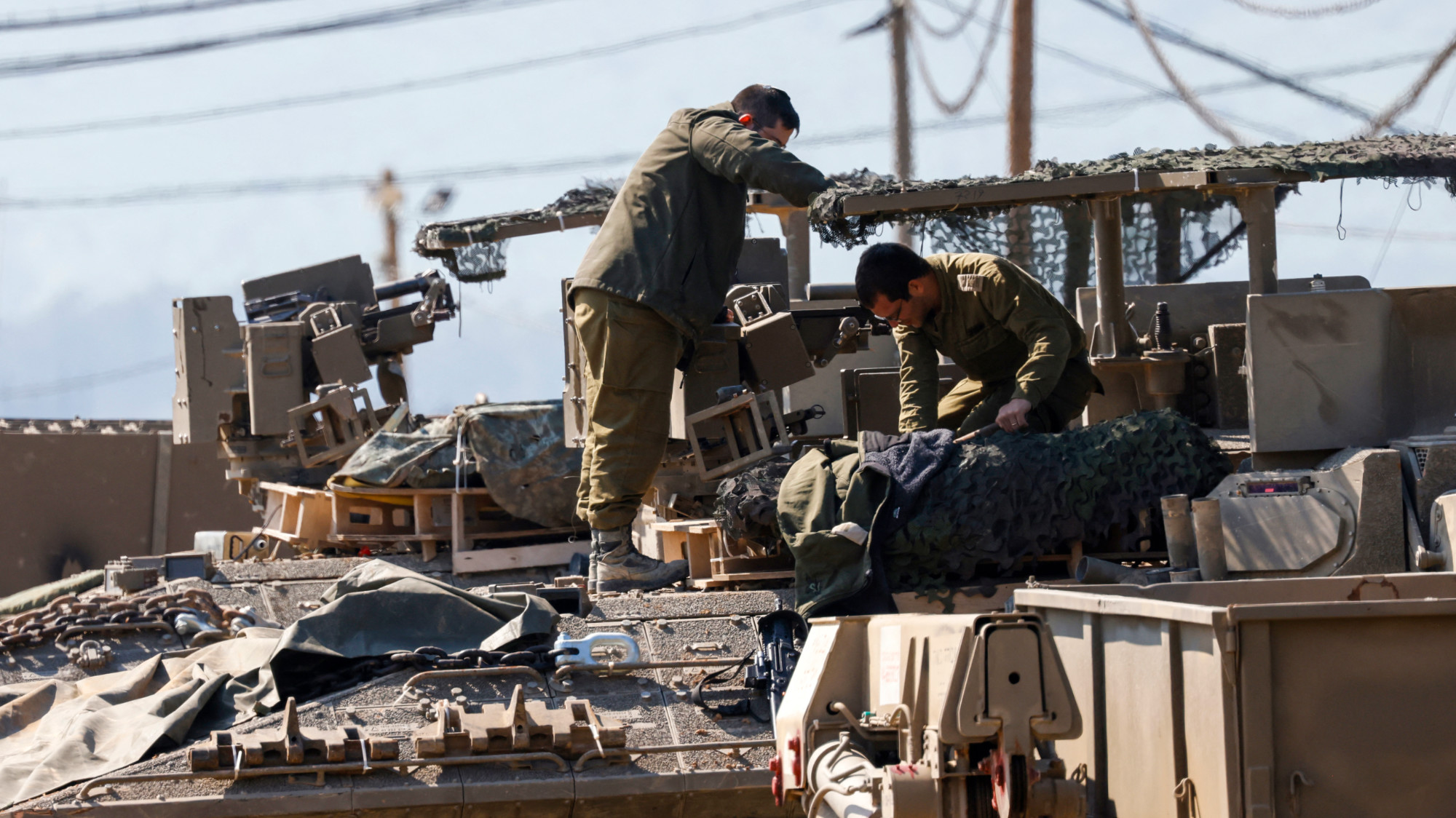
    Visual evidence from the Masnaa border crossing revealed extensive queues of stranded Lebanese trucks, illustrating the immediate impact of Damascus’s decision. Lebanese transportation official Ahmad Tamer clarified that this measure represents a broader regulatory action rather than a targeted sanction, with approximately 500 Lebanese trucks typically crossing into Syria daily. Concurrently, Jordanian authorities reported similar operational challenges at the Nassib crossing, where roughly 250 Jordanian trucks undergo daily processing.

    The Syrian General Authority for Ports and Customs characterized the move as part of ongoing efforts to systematize cargo movement through national ports. However, Lebanese transport associations have voiced strong opposition, warning through official channels about potentially severe economic repercussions given Syria’s critical role as Lebanon’s sole land conduit to Gulf markets.

    This trade disruption occurs against a backdrop of gradual diplomatic normalization. Mere days before the truck ban implementation, Lebanese and Syrian officials finalized an agreement transferring 300 Syrian prisoners from Lebanese to Damascus custody, signaling continued efforts to rebuild bilateral relations despite current trade complications.

  • Will Donroe Doctrine really cut China’s Western Hemisphere clout?

    Will Donroe Doctrine really cut China’s Western Hemisphere clout?

    The Trump administration’s newly unveiled National Security Strategy contains a potentially transformative policy shift that extends beyond its anticipated Asia-focused provisions. While the document’s Asia section reiterates familiar calls for rebalancing trade relations and reducing mutual economic dependence with China, the Western Hemisphere segment introduces what analysts have termed the “Donroe Doctrine”—a more immediate strategic concern for Beijing.

    This doctrine explicitly commits to denying “non-Hemispheric competitors” the ability to position forces, control strategic assets, or maintain threatening capabilities within the Western Hemisphere. Most significantly, it pledges to “make every effort to push out foreign companies that build infrastructure in the region”—a clear reference to China’s substantial investments despite avoiding direct naming.

    China has invested approximately $300 billion in Latin American infrastructure projects, including critical energy assets. Chinese companies currently provide electricity to Lima, Peru, and distribute two-thirds of Chile’s electrical power. The state-owned COSCO’s multi-billion dollar port project in Chancay, Peru—proximate to a U.S.-funded naval base upgrade—represents particularly strategic infrastructure that enhances Brazilian agricultural exports while raising U.S. military intelligence concerns.

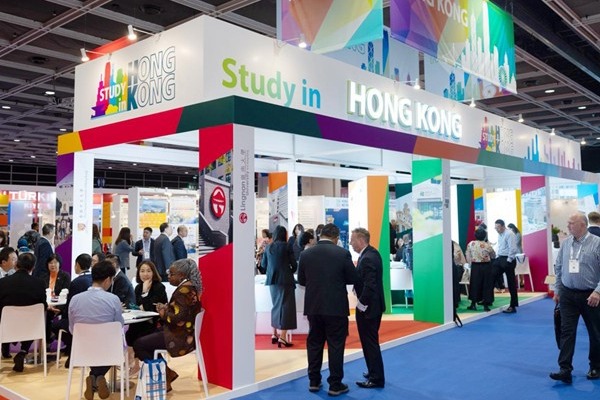
    The administration demonstrates seriousness through recent actions, including Panama’s Supreme Court voiding a Hong Kong company’s contract to operate ports at both ends of the Panama Canal following U.S. pressure. The document explicitly references enforcing a modernized Monroe Doctrine to restore American hemispheric preeminence, suggesting willingness to employ force as demonstrated in Venezuela.

    Beijing now faces critical calculations regarding how extensively the U.S. might pursue Chinese divestment from hemispheric infrastructure, and what countermeasures might prove effective against this emerging doctrine that echoes historical imperial prerogatives.

  • Former senior US diplomat urges Congress to keep US troops in Syria

    Former senior US diplomat urges Congress to keep US troops in Syria

    In a significant congressional testimony on Tuesday, former US Ambassador James Jeffrey issued a compelling appeal to lawmakers to sustain American military presence in Syria until the mission against Islamic State (IS) reaches definitive resolution. This development emerges amid serious deliberations within the Trump administration regarding complete troop withdrawal following Syria’s political transformation under new President Ahmed al-Sharaa.

    Jeffrey, who served as Special Representative for Syria Engagement and Presidential Envoy for the Global Coalition to Counter IS, emphasized the strategic necessity of maintaining approximately 800-1,000 US troops alongside diplomatic personnel who could operate flexibly within Syria. His expert testimony before the House Committee on Foreign Affairs highlighted concerns about the potential collapse of US-backed Syrian Democratic Forces (SDF) and the unresolved status of IS detainees.

    The geopolitical landscape has shifted substantially since December 2024, when al-Sharaa’s Hay’at Tahrir al-Sham (HTS) faction assumed control after former president Bashar al-Assad fled to Moscow. This transition has prompted unprecedented diplomatic engagement, including three direct meetings between al-Sharaa and President Trump, who has publicly praised the Syrian leader as “highly respected” and “a tough cookie.”

    Complicating the strategic calculus, US Central Command has initiated transfers of 150 IS-affiliated prisoners from Syrian camps to secure facilities in Iraq, with plans to relocate all detainees ultimately. Meanwhile, Washington is actively mediating security arrangements between Syria and Israel, though negotiations face obstacles regarding Israeli troops stationed on Mount Hermon, which Israel considers a “red line” issue.

    Jeffrey’s testimony revealed previously undisclosed cooperation between US agencies and al-Sharaa dating to 2016, noting that despite HTS’s terrorist designation, the group had effectively collaborated against IS forces and assisted in managing humanitarian crises along the Turkish border. This complex history underscores the diplomatic challenges as the administration reevaluates its Middle East strategy amid Syria’s remarkable political transformation.

  • Indonesia plans to send up to 8,000 troops to Gaza in support of Trump’s Board of Peace

    Indonesia plans to send up to 8,000 troops to Gaza in support of Trump’s Board of Peace

    In a significant development for international peacekeeping efforts, Indonesia is contemplating the deployment of up to 8,000 military personnel to Gaza. This potential move would position the world’s largest Muslim-majority nation as the inaugural contributor to the proposed international stabilization force (ISF) tasked with executing the second phase of former US President Donald Trump’s peace framework.

    General Maruli Simanjuntak, Chief of Staff of the Indonesian Army, emphasized that the plan remains provisional, with final numbers yet to be determined. The announcement’s timing carries substantial diplomatic significance, following closely after Indonesian President Prabowo Subianto received an invitation to attend the inaugural leadership summit for the Gaza ‘Board of Peace’ in the United States on February 19. The upcoming visit also presents opportunities for enhanced bilateral relations, including the potential signing of a trade agreement between Indonesia and the US.

    The Board of Peace, which counts Indonesia and Vietnam as its sole Southeast Asian members, is designed to provide strategic supervision and coordinate international resources for Gaza’s stabilization. According to General Maruli, the contemplated deployment would consist of approximately one brigade-sized force, with personnel primarily dedicated to humanitarian assistance and reconstruction initiatives rather than combat operations.

    Despite the ambitious planning, implementation challenges persist. A United Nations Security Council resolution adopted in November authorized the creation of the Board of Peace and its associated stabilization force. However, the ceasefire initiated in October has stagnated in its initial phase, with subsequent stages facing significant obstacles. Both Israeli and Hamas representatives remain deeply divided on critical aspects of the proposed next phase, with mutual accusations of violations continuing to undermine progress.

    While the intensity of hostilities has diminished since the ceasefire’s implementation, daily aerial bombardments persist. United Nations assessments depict increasingly dire living conditions for Gaza’s population, with over 80% of essential infrastructure reportedly destroyed, complicating both immediate humanitarian response and long-term reconstruction planning.

  • Iran security chief meets Oman ruler after US talks

    Iran security chief meets Oman ruler after US talks

    Iran’s Supreme National Security Council Secretary Ali Larijani conducted high-level meetings with Omani leadership in Muscat on Tuesday, marking a significant diplomatic movement following the resumption of indirect negotiations between Tehran and Washington. The discussions with Sultan Haitham bin Tariq focused on recent developments in Iranian-American relations, with both parties emphasizing the critical importance of sustained dialogue to achieve a balanced and mutually acceptable agreement.

    The Oman News Agency confirmed the diplomatic engagement, noting that the conversations explored pathways toward constructive negotiations. Larijani additionally met with Omani Foreign Minister Badr Albusaidi, who facilitated Friday’s groundbreaking talks—the first direct engagement between the two nations since the brief Iran-Israel conflict in June 2025 that involved US military participation.

    In a parallel development, Larijani held discussions with Mohammad Abdulsalam, spokesperson for Yemen’s Houthi rebels, who maintain close ties with Tehran. This multifaceted diplomatic mission continues as Larijani prepares to travel to Qatar, according to statements from Iran’s foreign ministry spokesperson Esmaeil Baqaei.

    The United Arab Emirates has publicly expressed support for these diplomatic efforts, hoping they yield positive regional outcomes. The renewed dialogue represents a potential thaw in longstanding tensions, with Oman continuing its traditional role as mediator in complex Middle Eastern geopolitics.