标签: Asia

亚洲

  • Pope Leo’s Turkey visit inspires ‘new crusade’ conspiracy theories

    Pope Leo’s Turkey visit inspires ‘new crusade’ conspiracy theories

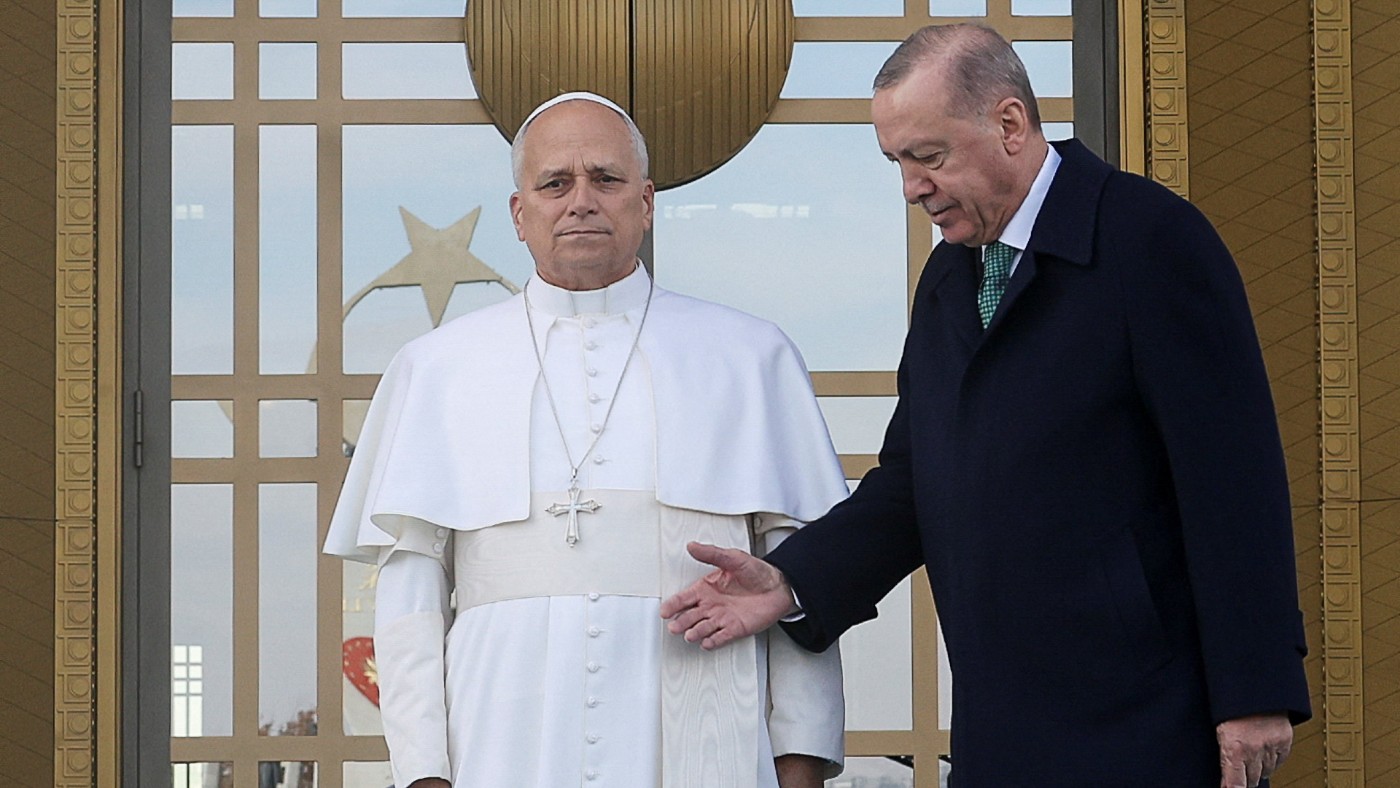
    Pope Leo’s historic visit to Turkey for the 1,700th anniversary of the Council of Nicaea has ignited a firestorm of controversy, with Turkish nationalists and secularists accusing the Catholic leader of hidden political agendas and attempting to revive Crusader-era ambitions. The pontiff’s first foreign trip included a solemn tour of the submerged ancient basilica in Lake Iznik, identified as the original site where Christian bishops convened in 325 CE to establish foundational religious doctrines. Joined by Ecumenical Patriarch Bartholomew of the Greek Orthodox Church, the leaders held joint prayers commemorating one of early Christianity’s most significant gatherings.

    The diplomatic gesture, however, triggered an intense backlash across Turkish media and social platforms. A historically inaccurate map depicting western Turkey annexed by Greece circulated widely on social media platform X, originally sourced from Greek news outlet Pentapostagma in 2022. The viral image portrayed Istanbul as an ‘independent ecumenicity,’ referencing the patriarchate based in the city.

    Criticism emerged from various public figures including retired military officer Gokhan Avci, who called the Pope’s military honor reception ‘utterly disgraceful,’ and folk singer Sabahat Akkiraz who questioned whether Iznik had ‘become the Vatican without us knowing.’ Former Admiral Cihat Yayci claimed the visit represented a ‘political-religious project aimed at re-establishing Rome’ deliberately timed with the anniversary of the Crusades’ launch against Islamic lands.

    Journalist Erdem Atay escalated concerns by suggesting the visit might lead Christians to demand territory from Turkey, specifically mentioning Heybeli Island, Imbros, Tenedos, and Iznik as potential claims. Both Yayci and Atay referenced historical rejections of ‘Vatican demands’ by Ottoman sultans and modern Turkey’s founder Mustafa Kemal Ataturk.

    Official sources familiar with Vatican affairs dismissed these claims as unfounded, noting the Catholic and Orthodox churches have been formally divided since the Great Schism of 1054 and only began reconciliation efforts in the 1960s. The Turkish Orthodox Church’s spokesperson objected to the Pope using the title ‘ecumenical,’ considering it disrespectful to Turkey’s constitutional integrity.

    Turkish officials remain divided on the visit’s implications, with some viewing it as an opportunity to showcase religious freedom and shared heritage preservation, while others worry about conspiracy theories spreading among nationalist and conservative groups. The last-minute cancellation of US Vice President JD Vance’s participation reportedly eased concerns among Turkish officials about further speculation.
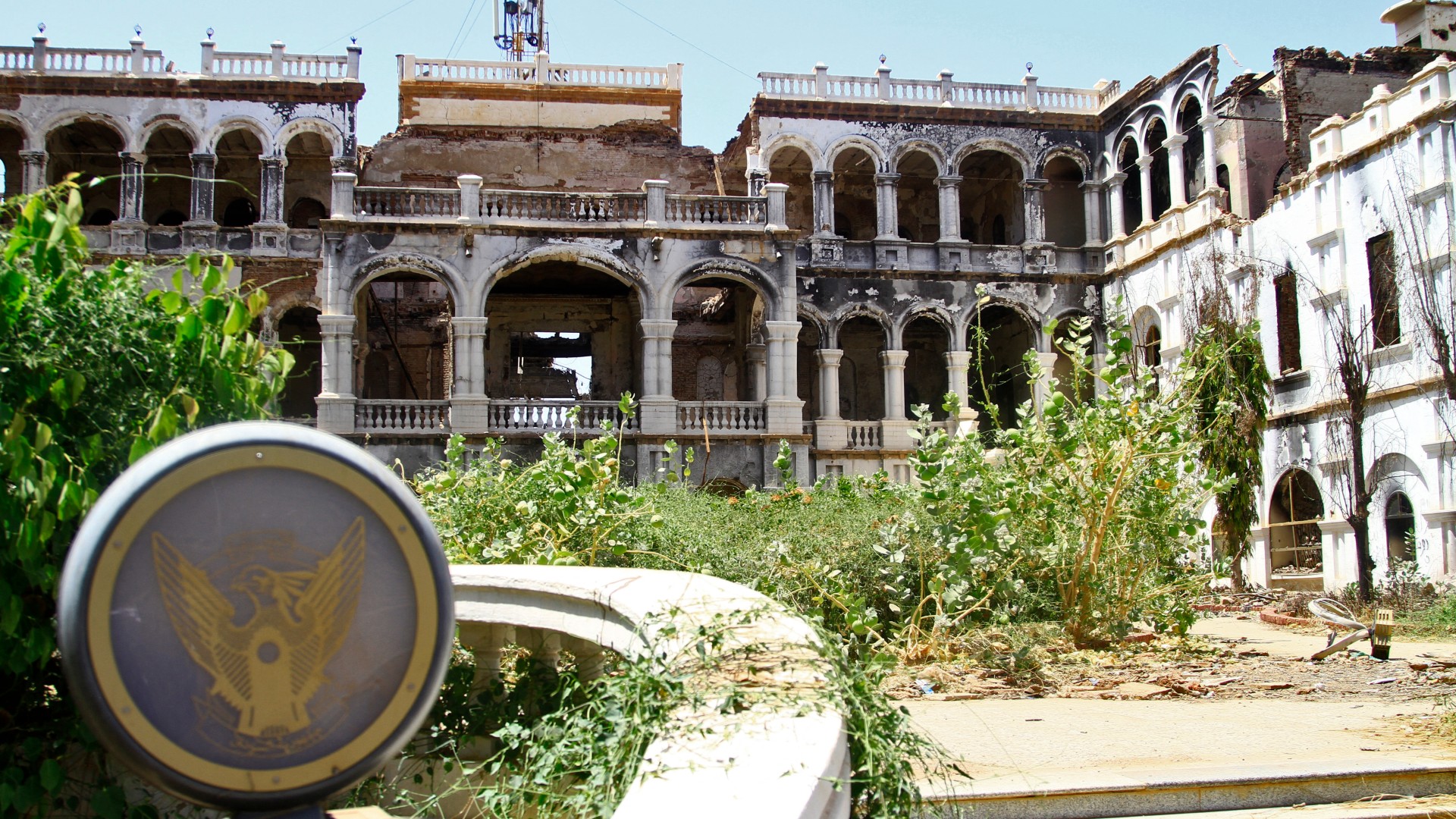
  • Inside Khartoum: Sudan’s ravaged capital where paramilitaries looted history

    Inside Khartoum: Sudan’s ravaged capital where paramilitaries looted history

    The skeletal remains of Khartoum stand as a haunting monument to Sudan’s devastating civil conflict. A derelict armored vehicle, mounted with anti-aircraft artillery, now corrodes within the shattered lobby of the once-grand Meridien hotel. Colonial-era hospitals lie inoperative while government structures and commercial towers bear the scorched evidence of urban warfare.

    Palace Road, historically the city’s vibrant artery, now echoes with an eerie silence broken only by birdsong. This desolate thoroughfare leads to the Republican Palace—a site of profound historical significance where General Gordon perished in 1885 and where, over a century later, Rapid Support Forces (RSF) paramilitaries reportedly executed presidential guardsmen.

    The conflict ignited in April 2023 when the RSF—a paramilitary organization with origins in the Janjaweed militias accused of genocide in Darfur—clashed with the Sudanese Armed Forces (SAF) over integration disputes. What followed was a systematic campaign of urban destruction that transformed the capital into a battleground.

    Beyond physical infrastructure, the war targeted Sudan’s cultural soul. The National Museum, home to invaluable artifacts spanning from the biblical Kingdom of Kush to Islamic arrival eras, suffered catastrophic looting. Archaeologist Rehab Khider reported discovering 2,000 priceless artifacts missing, with RSF fighters allegedly occupying the museum and even shooting ancient mummies in search of gold.

    The destruction extended to Sudan’s broadcasting heritage at the national radio station, where archival recordings documenting decades of cultural history were deliberately incinerated. Culture Minister Khalid Ali Aleisir condemned these actions as intentional cultural erasure, stating: ‘The RSF do not just want to kill the Sudanese people, they want to erase our country too.’

    Amid the devastation, one symbol endures: the massive statue of King Taharqa, the ‘Black Pharaoh,’ protected by its immovable weight and steel encasement. This ancient monument now stands as both reminder of Sudan’s glorious past and potential harbinger of future restoration.

  • Trump applies total immigration ban to ‘Third World Countries’

    Trump applies total immigration ban to ‘Third World Countries’

    In a significant escalation of his immigration policy agenda, former President Donald Trump declared a permanent suspension of migration from numerous countries his administration has classified as posing national security risks. The announcement was made via his Truth Social platform on Thanksgiving, framing the measure as essential for national recovery and security.

    The policy directive specifically targets migration from Afghanistan, Burma, Chad, Congo, Equatorial Guinea, Eritrea, Haiti, Iran, Libya, Somalia, Sudan, Yemen, Burundi, Cuba, Laos, Sierra Leone, Togo, Turkmenistan, and Venezuela. This action is presented as a means to terminate millions of admissions granted under the previous administration and to remove individuals deemed not to be a ‘net asset’ to the United States.

    Further measures outlined include the cessation of all federal benefits and subsidies for noncitizens, the initiation of denaturalization proceedings for migrants accused of undermining domestic tranquility, and the deportation of foreign nationals classified as public charges, security risks, or incompatible with Western civilization. The Department of Homeland Security referenced a June 2025 proclamation as the foundational document for these security-based restrictions.

    The announcement follows a tragic shooting incident in Washington, D.C., where two National Guard members were attacked, resulting in one fatality and one critical injury. The suspect, identified as an Afghan national who had previously collaborated with U.S. government agencies and arrived through a resettlement program, was cited by Trump to bolster his rhetoric on immigration threats.
    In his social media post, Trump criticized what he termed the ‘politically correct’ stance on immigration, attributing social dysfunction and violence to refugee populations and making sweeping allegations about welfare dependency and criminal backgrounds among foreign nationals. The statements also included personal attacks against specific communities and elected officials, repeating previously debunked claims.

  • Tunisia appeal court upholds heavy prison sentences in ‘conspiracy’ trial

    Tunisia appeal court upholds heavy prison sentences in ‘conspiracy’ trial

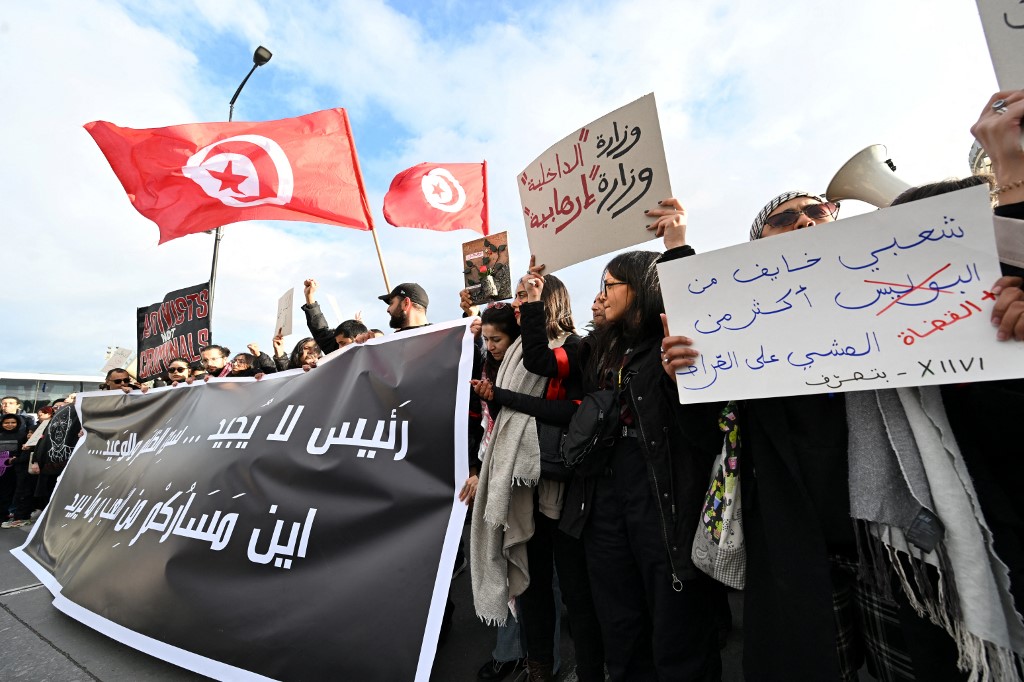
    A Tunisian appellate court has confirmed severe prison sentences ranging from 10 to 45 years for approximately 40 opposition leaders and activists in a highly contentious case alleging conspiracy against state security and terrorist affiliations. The verdicts have drawn sharp international condemnation and raised serious concerns about judicial independence under President Kais Saied’s administration.

    Among the most severe punishments, businessman Kamel Ltaief received a 45-year sentence (reduced from an initial 66 years), while opposition politician Khayam Turki was sentenced to 35 years. Surprisingly, several prominent figures—including Jawhar Ben Mbarek, Ghazi Chaouachi, Ridha Belhaj, Issam Chebbi, and human rights activist Chaima Issa—saw their sentences increased from 18 to 20 years on appeal.

    The legal proceedings have been widely criticized by human rights organizations and international bodies. Volker Turk, the UN High Commissioner for Human Rights, denounced what he characterized as procedural violations and politically motivated prosecutions. Amnesty International’s Sara Hashash condemned the verdicts as ‘an appalling indictment of the Tunisian justice system,’ accusing the government of weaponizing judiciary mechanisms to suppress political dissent.

    The case originated from allegations that defendants held meetings with foreign diplomats, which authorities interpreted as attempts to undermine national security. Most defendants have been detained since their arrests in spring 2023, with the initial trial concluding abruptly after just three hearings without permitting closing arguments.

    In a concerning development, activist Jawhar Ben Mbarek has been on a hunger strike for one month protesting what he describes as arbitrary detention. Meanwhile, the court acquitted two defendants: Noureddine Boutar, director of private radio station Mosaique FM, and lawyer Lazhar Akremi.

    The political context underscores these developments. Since President Saied’s 2021 power consolidation, which many characterized as a constitutional coup, Tunisia has experienced significant democratic backsliding. The European Parliament recently passed a resolution demanding the release of those imprisoned for exercising freedom of expression, which Saied rejected as ‘blatant interference.’

    In a related development, lawyer and columnist Sonia Dahmani was conditionally released after 18 months’ detention under a presidential decree criminalizing ‘false information’ dissemination—a measure rights advocates argue is being applied with excessive breadth to silence critics.

  • Hong Kong mourns those killed in fire tragedy

    Hong Kong mourns those killed in fire tragedy

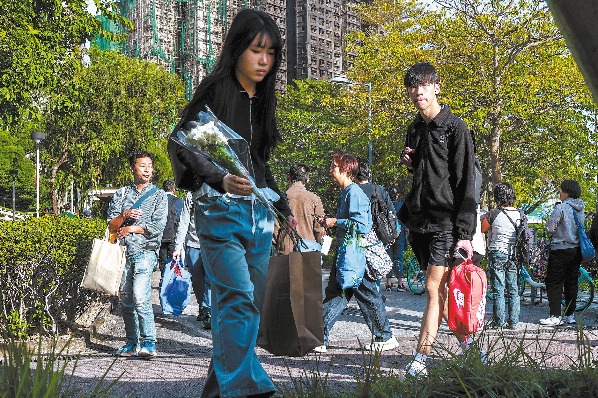
    Hong Kong has plunged into a period of profound mourning following the city’s deadliest fire tragedy in decades, which has resulted in 128 confirmed fatalities with 200 individuals still unaccounted for. The catastrophic blaze at the Wang Fuk Court housing estate in Tai Po district, home to approximately 2,000 households, was finally extinguished after a grueling 43-hour firefighting operation that concluded Friday morning.

    The government has announced comprehensive relief measures, including HK$200,000 condolence payments to families of each victim and HK$50,000 allowances for affected households. A dedicated support fund has swelled to HK$800 million, combining government allocation and substantial public donations.

    Chief Executive John Lee Ka-chiu has declared a three-day mourning period beginning Saturday, with flags flying at half-mast at all government facilities and the cancellation of all publicly-funded celebratory events. The tragic incident has also prompted the cancellation of the torch relay and opening ceremony for the upcoming National Games for Persons with Disabilities.

    Investigation into the fire’s cause continues, with the Independent Commission Against Corruption making eight additional arrests on Friday, bringing the total detainees to eleven. Those arrested include directors from both the architectural consultancy firm Will Power Architects Company and the registered contractor Prestige Construction & Engineering Co.

    Security Secretary Chris Tang Ping-keung revealed the fire likely originated near lower-floor mesh netting and spread rapidly due to highly flammable styrofoam window attachments. Structural safety assessments are now underway before police commence detailed investigation and search operations in extremely challenging conditions, with some areas still exceeding 200°C.

    The firefighting effort represented an unprecedented mobilization, deploying 391 fire engines and 2,311 personnel. Tragically, one firefighter lost their life during operations, with twelve others injured—one remains in intensive care.
    Fire Services Director Andy Yeung addressed public queries about equipment limitations, explaining that helicopter deployment was deemed too dangerous due to downwash effects, while taller aerial ladder trucks require stabilization space unavailable on Hong Kong’s narrow streets.

    The central government has pledged full support, with senior officials from the Liaison Office and Hong Kong and Macao Affairs Office visiting temporary shelters and meeting displaced residents. Education authorities are providing schools with emergency funding for psychological counseling and essential supplies, while organizing seminars to help teachers and parents support traumatized children.

    International solidarity has emerged with the Macao government donating HK$30 million, reflecting the deep bonds between the special administrative regions. Total donations from within and outside Hong Kong have exceeded HK$1 billion, demonstrating widespread support for the devastated community.

  • Aerzen acquires GPE Turbo to reinforce its position as a technology pioneer

    Aerzen acquires GPE Turbo to reinforce its position as a technology pioneer

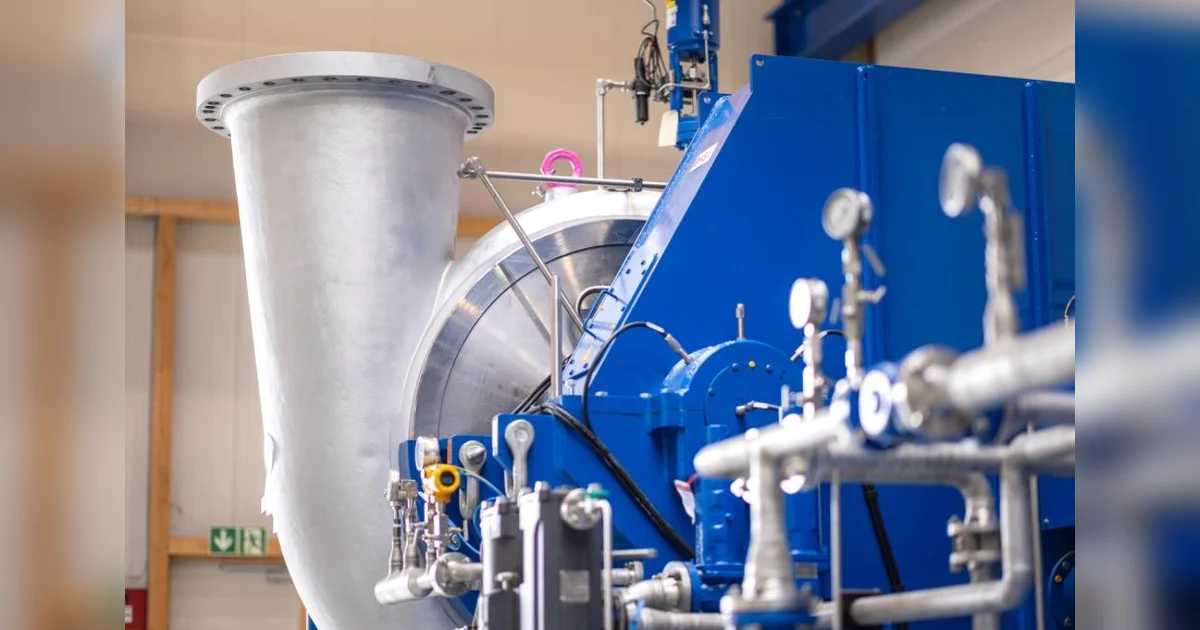
    In a strategic move to consolidate its technological leadership, Aerzen—a globally recognized manufacturer of blowers, compressors, and turbos—has finalized the acquisition of GPE Turbo, a Leipzig-based specialist in high-performance turbo solutions. This acquisition, announced on November 28, 2025, significantly enhances Aerzen’s capabilities in the process gas industry and reinforces its position as an innovation driver in the energy, steel, and industrial sectors.

    The integration of GPE Turbo into the Aerzen Group enables a substantial expansion of its product portfolio, particularly in high-pressure and high-volume applications. The combined expertise now offers turbo compressors capable of handling pressures up to 300 bar and volume flows of up to 300,000 m³/h, serving critical industries such as oil and gas, steel production, power generation, and chemical processing. Additionally, the acquisition extends Aerzen’s offerings in low-pressure turbo solutions, with volume flows now reaching 100,000 m³/h—benefitting sectors like wastewater management, mining, and vapour compression.

    GPE Turbo brings decades of specialized experience in customised turbo solutions, particularly in green technologies including hydrogen applications. Its in-house R&D capabilities and agile manufacturing processes allow for rapid adaptation to market needs. The merger also combines both companies’ global sales and service networks, ensuring broader customer access to advanced, energy-efficient technologies.

    Klaus Peter Glöckner, Managing Director of Aerzen Worldwide, emphasized the alignment in vision between the two firms: ‘Aerzen and GPE Turbo share the same DNA, values, and drive. Together, we will elevate the industry through innovation, quality, and customer-centric solutions.’ Ralf Stephani of GPE Turbo echoed this sentiment, highlighting the potential for worldwide distribution of their tailored turbo systems through Aerzen’s established global network.

    Since its founding in 1864, Aerzen has been at the forefront of gas conveyance and compression technology. This acquisition marks a new chapter in its history, enhancing its ability to set new benchmarks in performance, efficiency, and reliability while supporting global industrial transitions toward sustainable energy solutions.

  • New high-speed rail line connects every city-level region in Guizhou to national network

    New high-speed rail line connects every city-level region in Guizhou to national network

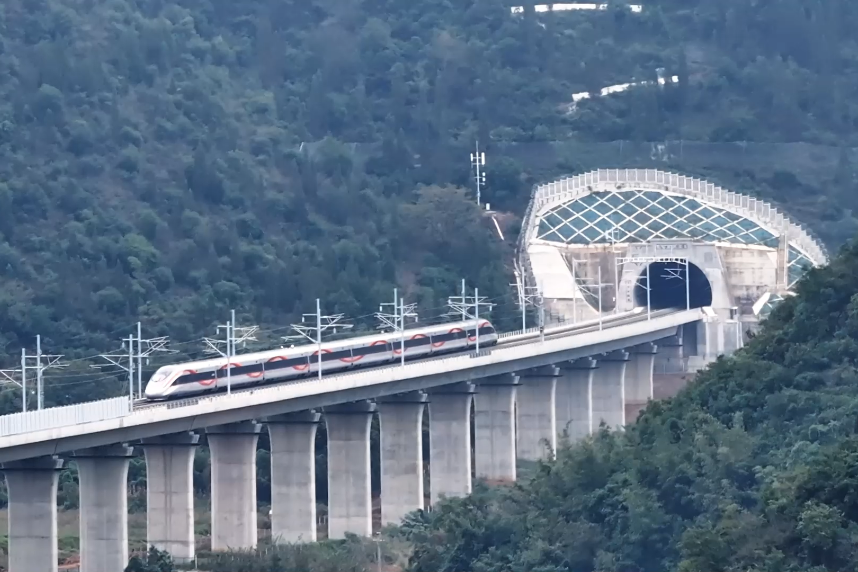
    Southwest China’s Guizhou province has achieved a significant transportation milestone with the inauguration of a new high-speed railway connecting Panzhou and Xingyi. The line, which commenced operations on Friday, November 28, 2025, marks the completion of high-speed rail access to all city-level administrative regions within the mountainous province.

    The 99-kilometer railway, engineered for speeds up to 250 km/h, represents a technical triumph as it navigates Guizhou’s challenging karst topography. The project effectively integrates Xingyi—administrative center of the Qianxinan Bouyei and Miao Autonomous Prefecture—into China’s national high-speed network, establishing a one-hour travel circle centered around provincial capital Guiyang.

    At 9:38 AM, driver Wang Changli initiated the inaugural service from Xingyi South Railway Station with the traditional departure protocol: ‘Signal clear, doors closed, on time!’ The opening has been met with enthusiastic response from local residents, with one Xingyi resident surnamed Yang noting the dramatic improvement in travel convenience: ‘The speed is remarkable—traveling to Guiyang now feels like going to the market, with round-trip possible within a single day.’

    Transport officials anticipate substantial economic benefits from the new infrastructure. Zhang Kun of the Guizhou Provincial Department of Transport outlined plans to develop logistics parks, economic clusters, and tourist distribution centers along the railway corridor. The enhanced connectivity is expected to boost tourism particularly, facilitating access to scenic attractions such as the renowned Wanfenglin landscape.

    Jiang Guoyun, General Manager of project investor Guizhou Railway Investment Group, emphasized the company’s commitment to further developing railway networks, addressing connectivity gaps, and strengthening supply chains to create a more comprehensive and efficient modern rail system for the region.

  • New freight train service launched from Handan international land port

    New freight train service launched from Handan international land port

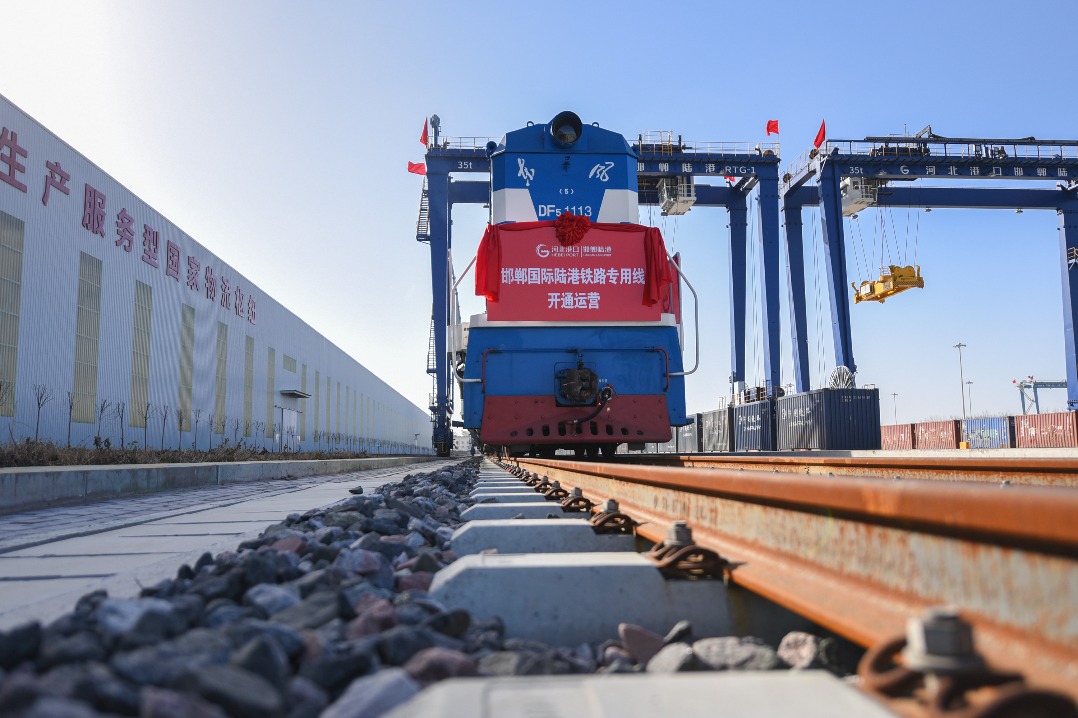
    HEBEI – Handan International Land Port inaugurated a significant new rail freight service on Thursday, marking a substantial advancement in regional logistics infrastructure. The inaugural departure occurred at 10:58 AM, featuring a train transporting 3,200 metric tons of soybeans, which officially commenced operations for the port’s dedicated railway network.

    This strategically developed 8.9-kilometer rail line establishes direct connectivity with four major national railway arteries: the Beijing-Guangzhou line (extending to Guangdong province), the Handan-Huanghuagang route (serving Cangzhou, Hebei province), the Handan-Changzhi line (to Shanxi province), and the Handan-Jinan connection (to Shandong province).

    According to Kang Qiang, Deputy General Manager of Handan International Land Port Co., the new infrastructure boasts an impressive annual handling capacity of five million tons of cargo and 300,000 twenty-foot equivalent units (TEUs). The railway will specialize in transporting bulk commodities, vehicles, and containerized goods, significantly reducing both logistics expenses and environmental impacts associated with traditional road transportation.

    The port authority has announced ambitious plans to introduce China-Europe Railway Express services upon completion of customs facilities. This development will provide comprehensive one-stop clearance services, substantially enhancing operational convenience for local enterprises engaged in international trade and strengthening regional economic competitiveness.

  • ‘Neelofar’ Review: Fawad and Mahira Khan shine in gentle, honest, thoughtfully imperfect film

    ‘Neelofar’ Review: Fawad and Mahira Khan shine in gentle, honest, thoughtfully imperfect film

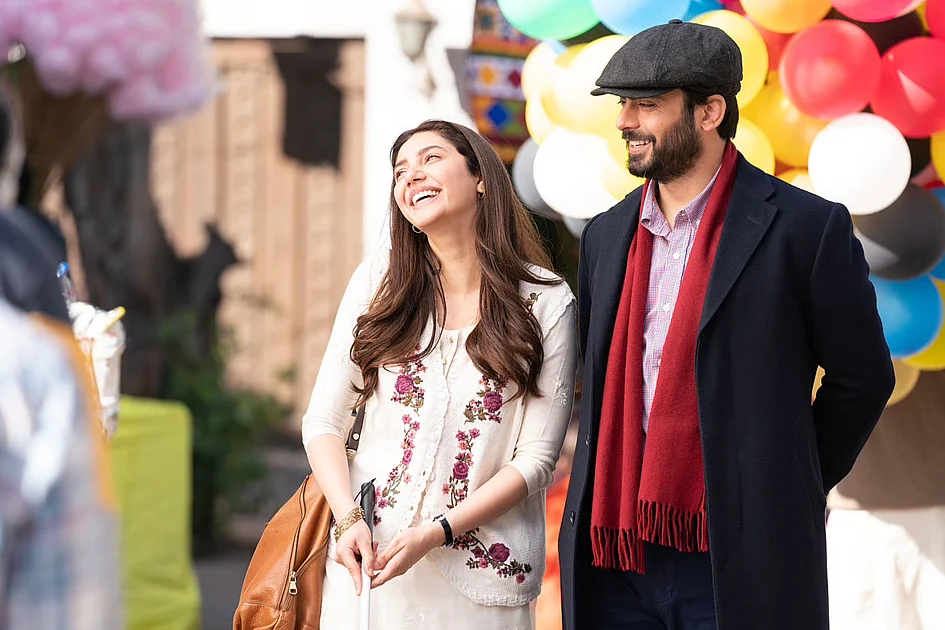
    In a significant departure from conventional South Asian cinema, the Pakistani film ‘Neelofar’ presents a refreshingly authentic portrayal of disability through the lens of a gentle love story. Directed with thoughtful sensitivity, the film features Fawad Khan as Mansoor Ali Khan and Mahira Khan as Neelofar, a visually impaired artist who refuses to be defined by her condition.

    The narrative unfolds as an evolving relationship between two individuals from different worlds, exploring themes of perception, dignity, and societal expectations. Rather than resorting to the clichéd tropes that often characterize disability narratives in regional cinema, ‘Neelofar’ opts for subtlety and nuance. The film’s strength lies in its quiet moments: a hesitant touch in a cinema hall, a rooftop conversation where Neelofar asks Mansoor to describe her appearance, and the tactile experience of charcoal painting.

    Mahira Khan delivers a career-defining performance, meticulously capturing the physical grammar of visual impairment. Her portrayal emphasizes auditory cues and tactile awareness, particularly in standout scenes such as an anxious moment in a car when Mansoor temporarily disappears and the carefree abandon during a dodgem car ride. Fawad Khan equally shines, bringing depth to a character that serves as both romantic lead and societal mirror, with the film subtly addressing themes of public perception and redemption that parallel the actor’s own experiences.

    Technically, the film excels in its atmospheric elements. Zeeshan Vicky Haider’s melodic score, particularly the layered renditions of ‘Tu Meri Zindagi,’ effectively mirrors the emotional journey of the characters. The cinematography presents Lahore not merely as backdrop but as a character itself, with authentic locations ranging from humble tea stalls to the majestic Badshahi Mosque providing cultural context.

    However, ‘Neelofar’ is not without its imperfections. The second half struggles with narrative consistency, raising logical questions about character decisions and resorting to predictable plot devices. The film occasionally undermines its own progressive messaging, particularly in an on-air episode that reduces Neelofar to conventional tropes and a conclusion that suggests romantic fulfillment might be contingent on restored vision.

    Despite these flaws, ‘Neelofar’ represents an important step forward for Pakistani cinema in its treatment of disability with dignity and complexity. The film challenges audience expectations and biases, offering a contemplative viewing experience that rewards patience and emotional investment. While it may not reach the groundbreaking heights of international disability narratives, it establishes a new benchmark for sensitive storytelling in South Asian cinema.

  • Saudi Arabia, China nurturing multi-faceted cooperation amid mutual trust and shared interests

    Saudi Arabia, China nurturing multi-faceted cooperation amid mutual trust and shared interests

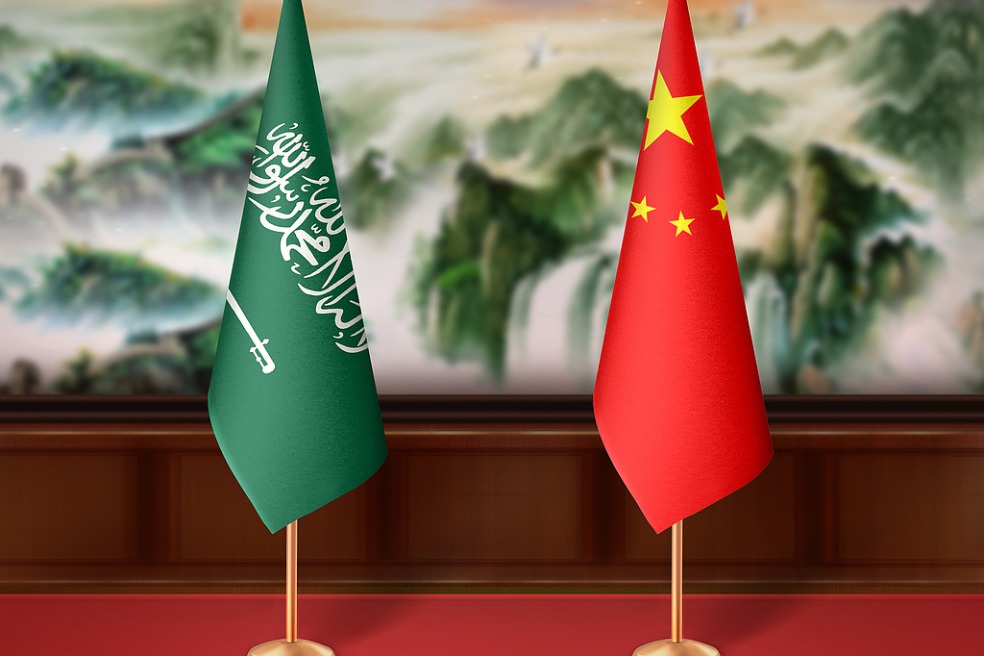
    The strategic partnership between Saudi Arabia and China stands as a paradigm of rapidly evolving international relations, transforming from modest beginnings into a multifaceted alliance shaping global dynamics. Despite formal diplomatic relations only established in 1990, the historical connections trace back centuries through the ancient Silk Road that facilitated early trade and cultural exchanges between the Arabian Peninsula and China.

    The modern relationship has progressed through three distinct phases of development. The initial period (1990-2005) saw bilateral trade commence at $417 million, focusing primarily on Saudi oil exports and Chinese manufactured goods. A significant breakthrough occurred in 1999 with the first energy sector strategic cooperation agreement during President Jiang Zemin’s visit to Riyadh.

    The second phase (2006-2012) witnessed substantial elevation following King Abdullah bin Abdulaziz’s landmark 2006 visit to China—the first by a Saudi monarch. This period marked China’s emergence as Saudi Arabia’s top oil customer, coinciding with China’s extraordinary economic growth exceeding 10% annually for 16 consecutive years. The partnership between Saudi Aramco and Sinopec became emblematic of this era, while Chinese companies contributed to major infrastructure projects including the Mecca-Medina-Jeddah high-speed railway.

    The current phase (2013-present) represents the most transformative period. In 2013, China became Saudi Arabia’s largest trading partner with bilateral trade reaching $69.1 billion—a 230-fold increase from 1990. The relationship achieved its highest recognition through President Xi Jinping’s 2016 visit, which established the Comprehensive Strategic Partnership Agreement. This formalized the convergence of Saudi Vision 2030 and China’s Belt and Road Initiative, creating unprecedented alignment between the two nations’ strategic objectives.

    The partnership has expanded beyond energy into diverse sectors including digital transformation (5G, AI, cloud computing through Tencent, Alibaba Cloud, and Huawei), renewable energy projects, and infrastructure development. A $972 million solar plant project by China Energy Engineering Corporation in 2024 exemplifies this diversification. The relationship has also yielded significant diplomatic achievements, most notably China’s successful brokering of the Saudi-Iran reconciliation in March 2023.

    Economic indicators demonstrate remarkable growth: bilateral trade reached $107 billion, China has become the largest source of foreign direct investment ($16.8 billion in 2023), and approximately 1,005 Chinese companies now operate in the Kingdom. The relationship has qualitatively transformed from simple commodity exchange to a comprehensive strategic partnership actively shaping regional dynamics and future technological development.