标签: Asia

亚洲

  • Bangladesh ex prime minister Zia in ‘very critical’ condition

    Bangladesh ex prime minister Zia in ‘very critical’ condition

    Bangladesh’s former Prime Minister Khaleda Zia, an 80-year-old opposition leader, remains in critical condition at a hospital intensive care unit after her health deteriorated significantly following admission on November 23rd with severe lung infection symptoms. Medical authorities have characterized her condition as extremely grave, according to statements from her Bangladesh Nationalist Party (BNP) officials.

    The octogenarian politician, who served three terms as the nation’s premier, suffers from multiple chronic health complications including cardiac issues requiring a permanent pacemaker, liver and kidney dysfunction, diabetes, and respiratory ailments. Her deteriorating health has prompted an outpouring of concern from senior party members and supporters who gathered at the medical facility seeking updates on her condition.

    From his London residence, Zia’s exiled son Tarique Rahman appealed to the Bangladeshi public for prayers while acknowledging his inability to return home due to circumstances beyond his control. Rahman, who has resided in the UK since 2008, expressed profound emotional distress at being separated from his mother during this medical crisis.

    Zia’s current health battle occurs against a complex political backdrop. Previously imprisoned on corruption charges in 2018 under Prime Minister Sheikh Hasina’s administration, she was released last year following Hasina’s ouster from power. The interim government leadership, including Muhammad Yunus, has emphasized Zia’s symbolic importance as an inspirational figure during Bangladesh’s transitional period toward democracy.

    Despite her critical health condition, Zia had previously committed to participating in the upcoming February 2026 elections, where her BNP party is considered a leading contender. Her illness now raises significant questions about both her political future and the broader landscape of Bangladeshi politics.

  • Teochew International Convention opens in Guangdong’s Chaozhou

    Teochew International Convention opens in Guangdong’s Chaozhou

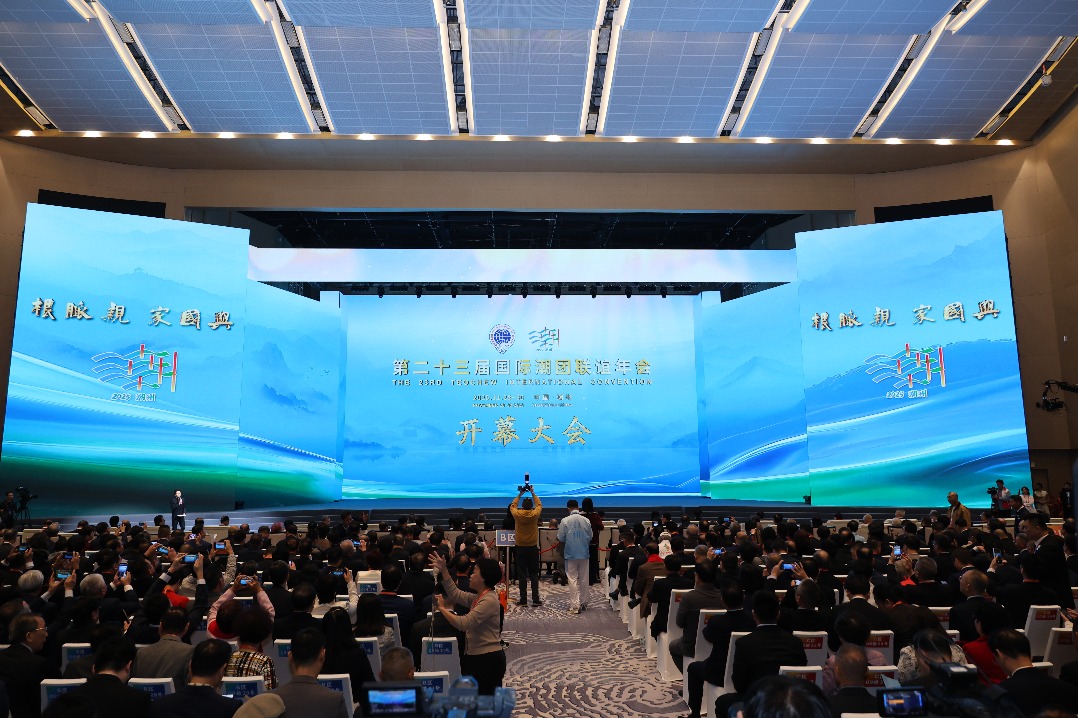
    CHAOZHOU, GUANGDONG – The historic city of Chaozhou, widely recognized as the cultural heartland of the Teochew people, hosted the inauguration of the 23rd Teochew International Convention on Saturday, November 29, 2025. This significant gathering attracted representatives from 165 global organizations comprising individuals of Teochew ancestry, all converging to foster enhanced dialogue and collaborative initiatives.

    The convention’s opening ceremony featured an address by Siddharth Chatterjee, the United Nations Resident Coordinator in China, who drew parallels between the UN’s 80-year legacy of global cooperation and the dedicated efforts of Teochew international associations. He emphasized the critical role of civil society in building bridges across nations, stating, ‘The United Nations in China looks forward to working with you to build a more inclusive, prosperous and sustainable future.’

    A key development emerging from the convention was the official launch of a specialized program designed to strengthen supply chain cooperation. This initiative aims to significantly boost both export and import activities centered around Chaozhou, potentially creating new economic pathways for the region.

    Adding a cultural dimension to the event, a new exhibition center dedicated to preserving and showcasing Teochew history and culture was inaugurated in the city. This institution will serve as a permanent repository for the rich heritage of a diaspora community numbering approximately 15 million people across more than 60 countries worldwide.

  • Airbus A320 recall disrupts Asian travel as carriers scramble to patch software

    Airbus A320 recall disrupts Asian travel as carriers scramble to patch software

    A sweeping software recall affecting approximately 6,000 Airbus A320 family aircraft has triggered significant travel disruption across Asia and beyond, forcing airlines to scramble for solutions during one of the year’s busiest travel periods. The unprecedented recall, issued to 350 operators worldwide, represents one of the largest in Airbus’s 55-year history and impacts more than half of the global A320 fleet.

    The technical directive mandates carriers to address a software glitch affecting elevator and aileron control systems on A319, A320, and A321 models before returning aircraft to service. While the fix primarily involves reverting to earlier software versions and is considered relatively straightforward, the sheer scale of affected aircraft has created operational chaos for airlines.

    Asian carriers have been particularly hard hit given the A320’s dominance as the backbone of regional short-haul aviation. India’s aviation regulator confirmed 338 Airbus aircraft required attention, with IndiGo completing resets on 143 of its 200 affected jets and Air India addressing 42 of its 113 impacted aircraft. Both carriers warned passengers of potential delays and rescheduled flights.

    Japanese aviation faced substantial disruption with ANA Holdings canceling 65 flights on Saturday and anticipating further Sunday disruptions. Nationwide, 95 flights were canceled according to NHK broadcasts. Taiwan’s Civil Aviation Administration estimated two-thirds of the island’s 67 A320 and A321 aircraft required inspections.

    The recall’s ripple effects extended globally with American Airlines reporting 340 of its 480 A320 aircraft needed remediation. Colombian carrier Avianca took the drastic step of suspending ticket sales through December 8 as the recall affected over 70% of its fleet. Australian, European, and South Korean carriers also reported varying levels of impact.

    Industry sources indicate the recall was triggered by an October 30 incident involving a JetBlue flight from Cancun to Newark that experienced a sharp altitude loss, resulting in passenger injuries. Aviation regulators worldwide have followed the European Union Aviation Safety Agency’s directive mandating corrections before resumed operations.

  • Dubai: Man jailed after drug-soaked A4 paper shipment intercepted at customs

    Dubai: Man jailed after drug-soaked A4 paper shipment intercepted at customs

    Dubai authorities have uncovered and thwarted an elaborate narcotics smuggling operation utilizing A4 printing paper as a concealment method, resulting in the imprisonment of a Gulf national. The Dubai Criminal Court delivered a mixed verdict, sentencing the individual to three months incarceration for drug consumption while exonerating him from importation charges due to insufficient evidence linking him directly to the shipment arrangement.

    The case originated in April 2025 when a vigilant Dubai Customs inspector detected anomalies in a small parcel declared as standard office supplies. The shipment contained 22 sheets of paper that exhibited unusual characteristics, prompting immediate notification to Dubai Police. Law enforcement officials orchestrated a controlled operation instructing customs to summon the recipient for collection.

    Upon arrival at the customs facility, the Gulf national was apprehended. Concurrently, a second suspect—an African national—arrived to retrieve the parcel using his Emirates ID. During interrogation, the African individual claimed he had been offered AED 5,000 to collect what he believed were legitimate work documents, asserting he had only received instructions on the delivery day.

    Subsequent investigations by Dubai Police’s Anti-Narcotics Department revealed more sinister connections. The African suspect was identified as an established drug dealer with prior history of supplying prohibited substances to the Gulf national. Forensic laboratory analysis confirmed the paper sheets were impregnated with a synthetic controlled substance, highlighting an increasingly prevalent global smuggling technique designed to evade detection.

    While the primary defendant denied any knowledge of or connection to the international shipment, forensic evidence conclusively established recent narcotics consumption through biological testing. The court determined that although drug use was substantiated, prosecution failed to prove the defendant’s involvement in orchestrating the importation beyond reasonable doubt. The African suspect remains under active investigation for narcotics trafficking offenses.

    Authorities have issued renewed warnings about sophisticated drug concealment methods utilizing commonplace items including textiles, food packaging, and stationery products. Dubai officials emphasize the critical importance of public vigilance and strongly advise against accepting parcels for unknown individuals.

  • Hong Kong is China’s most underestimated strategic asset

    Hong Kong is China’s most underestimated strategic asset

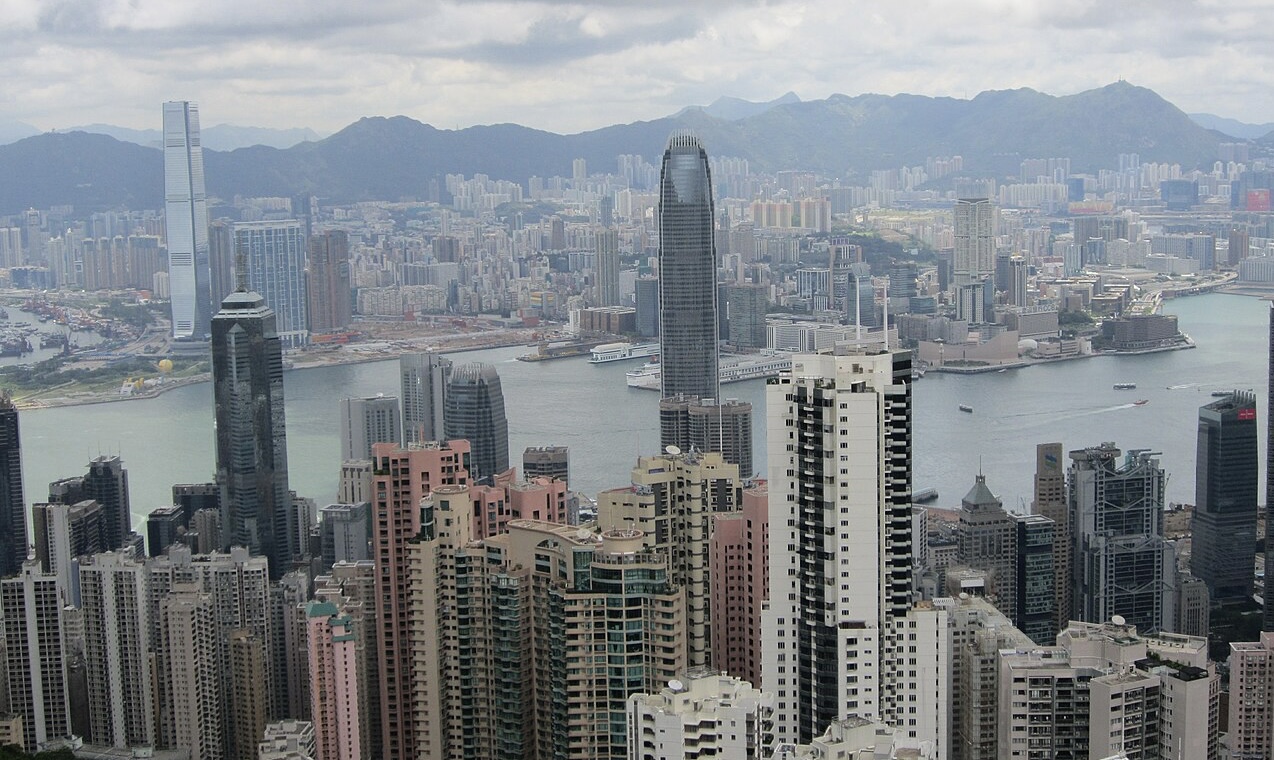
    Amid widespread narratives predicting Hong Kong’s decline due to geopolitical tensions and regional competition, a more profound transformation is underway. Rather than fading into irrelevance, the city is being strategically repurposed as the central platform for China’s global financial ambitions. This structural shift positions Hong Kong with greater strategic importance to Beijing than at any point in recent decades.

    Hong Kong’s evolution into China’s offshore financial command center represents a deliberate, consequential transformation that transcends conventional discussions about economic recovery. The city is being systematically integrated into the architecture of China’s ascent as a financial power, functioning not as a nostalgic relic but as a forward-facing operational platform.

    The renminbi’s internationalization strategy demonstrates Hong Kong’s critical role. As Beijing pursues currency globalization, it requires a trusted global marketplace operating under international norms—a role neither Shanghai nor Shenzhen can fulfill. Hong Kong’s dominance in offshore RMB liquidity, hosting the world’s largest pool, provides China with a controlled environment that maintains global credibility. The city facilitates accelerating RMB bond issuance, swap programs, and cross-border settlement mechanisms that determine the currency’s international future through market functionality rather than political declarations.

    While some observers focus on declining IPO volumes, they overlook deeper structural reforms transforming how international capital engages with China. Listing reforms, cross-border fund distribution, and enhanced market infrastructure establish Hong Kong as the most credible offshore venue for raising Chinese capital globally. China is not merely preserving Hong Kong’s status but reengineering it to channel global capital without exposing the onshore system to destabilizing flows.

    This dual-track structure—onshore for scale, offshore for global reach—forms the backbone of China’s financial strategy. Hong Kong’s value now resides in strategic function rather than speculative cycles.

    The wealth management sector reveals even more significant developments. As China’s affluent class expands, Hong Kong emerges as the exclusive offshore hub capable of handling Chinese wealth at global standards. Family-office incentives, tax clarity, and internationally-aligned regulatory frameworks make the city uniquely suited to manage China’s growing private capital—capital that Beijing increasingly wants deployed globally rather than domestically.

    In financial innovation, Hong Kong’s new identity becomes unmistakable. While other financial centers debate digital assets and fintech regulation, Hong Kong actively builds frameworks to integrate these emerging sectors. Through virtual-asset licensing, green-finance taxonomy, and cross-border fintech pilots, the city positions itself at the frontier of financial experimentation.

    This transformation extends beyond local implications, strengthening China’s capacity to influence global financial rules through participation rather than demands. Hong Kong provides unparalleled leverage in shaping capital standards, payment systems, and digital-finance architecture.

    The actual risk facing Hong Kong is not irrelevance but complacency. Maintaining its comparative advantage requires moving faster than both rivals and diminishing geopolitical narratives. The city’s unique power derives from being simultaneously deeply Chinese and institutionally global—a duality that represents strength rather than vulnerability.

    Hong Kong is evolving into the operational center of China’s financial modernization and the offshore engine of its global financial projection. If China emerges as a financial powerhouse in coming decades, Hong Kong will have served as the pivotal platform enabling that transformation—not as a fading star but as a quietly rising one essential to China’s global financial strategy.

  • History of traditional Chinese medicine on display at Shanghai museum

    History of traditional Chinese medicine on display at Shanghai museum

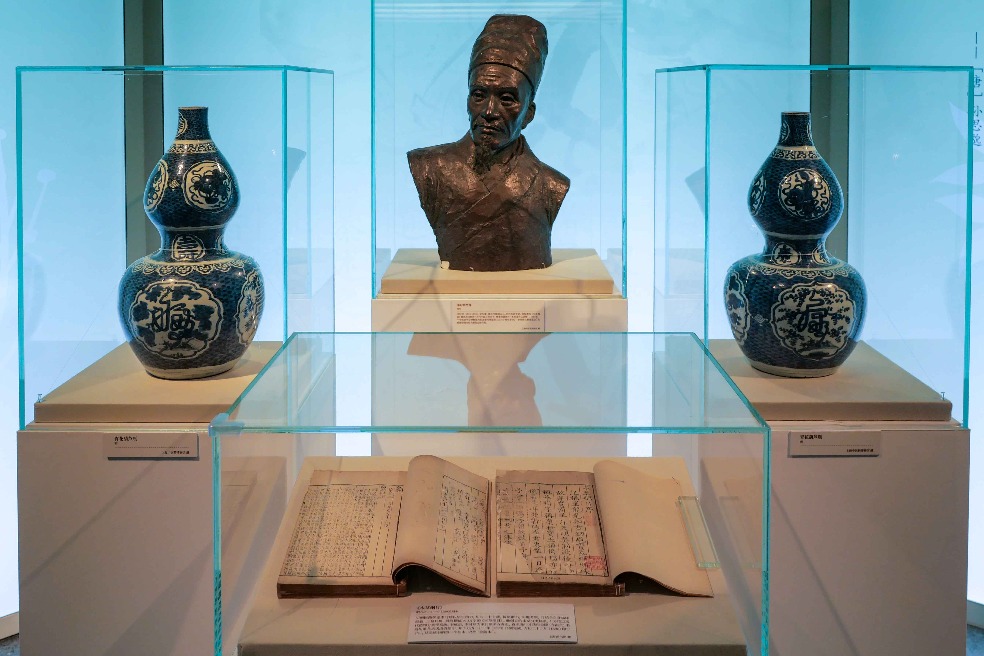
    Shanghai History Museum has launched a groundbreaking exhibition showcasing the profound legacy of Traditional Chinese Medicine (TCM) in the metropolitan region. Titled ‘Heritage, Harmony, Health: The Wisdom of Shanghai TCM for Modern Well-Being,’ the comprehensive display features over 300 meticulously curated artifacts that trace the evolution of medicinal practices throughout Shanghai’s history.

    The crown jewel of the exhibition is an exceptionally rare first print copy of Li Shizhen’s Bencao Gangmu (Compendium of Materia Medica), on special loan from Shanghai Library for a limited one-week viewing period. This monumental 16th-century encyclopedia represents one of Chinese medicine’s most significant contributions to global pharmacology. Li Shizhen dedicated three decades to compiling this masterwork, which systematically categorizes medicinal substances into plant, animal, and mineral classifications across 52 detailed volumes.

    Historical scholars recognize the Jinling edition as the original version of this seminal text, with approximately 160 different editions identified to date. The exhibition contextualizes this pharmaceutical masterpiece within Shanghai’s broader medical heritage, demonstrating how traditional healing practices have continuously evolved while maintaining their philosophical foundations.

    Beyond the literary treasure, the museum presents diverse artifacts including ancient diagnostic tools, prescription manuals, herbal specimens, and surgical instruments that illustrate the sophisticated practices of TCM practitioners through centuries of medical development. The exhibition particularly emphasizes how Shanghai emerged as a crucial hub for integrating traditional medical knowledge with modern healthcare approaches.

    Running through March 1, the immersive experience offers visitors unique insights into how historical medical wisdom continues to inform contemporary wellness practices. The exhibition strategically bridges historical medical traditions with current health concepts, demonstrating TCM’s enduring relevance in modern preventive medicine and holistic treatment methodologies.

  • UAE’s ‘nature emirate’: How RAK combines 7,000-year history, new hotels to draw tourists

    UAE’s ‘nature emirate’: How RAK combines 7,000-year history, new hotels to draw tourists

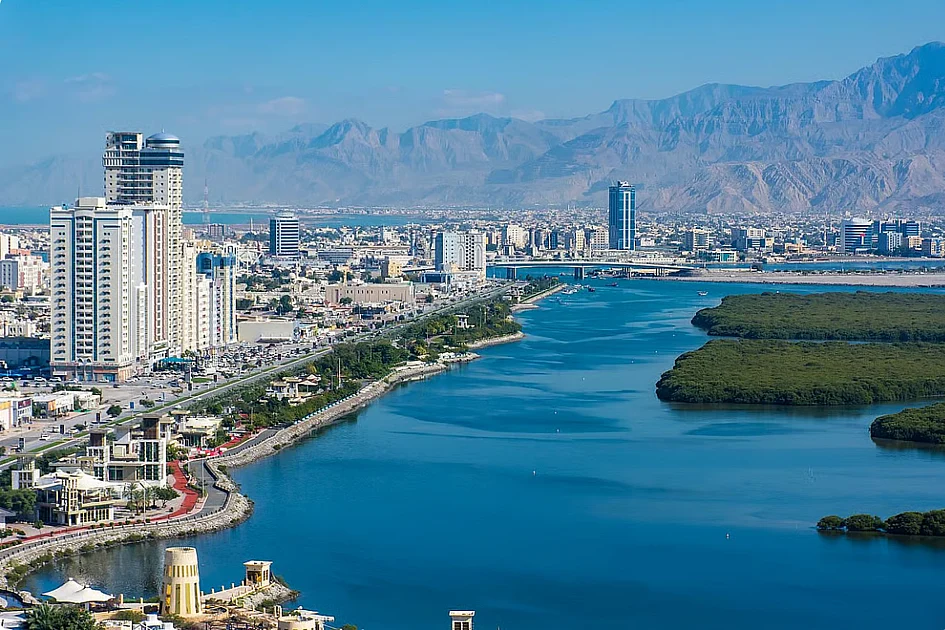
    Ras Al Khaimah is embarking on an ambitious tourism expansion strategy that strategically merges its 7,000-year historical legacy with contemporary luxury developments to establish itself as a distinctive global destination. Under the leadership of newly appointed Ras Al Khaimah Tourism Development Authority (RAKTDA) CEO Phillipa Harrison, the emirate is implementing a comprehensive growth blueprint targeting a threefold increase in visitor numbers over the next five years.

    The emirate’s remarkable visitor surge—recording 650,000 arrivals in the first half of 2025 alone—demonstrates the effectiveness of its current approach. This growth is propelled by strategic enhancements including new hotel openings, strengthened international partnerships, and significantly improved air connectivity with eleven new routes established. Current projections indicate the destination will reach 1.4 million visitors by year’s end, with accelerated growth anticipated as major developments come online.

    Harrison, drawing from her extensive experience leading Tourism Australia, emphasizes the critical importance of distinctive branding and authentic experiences in global tourism success. “We must be choiceful in how we market ourselves and develop strong points of connection with diverse global audiences,” Harrison stated during an exclusive interview. While maintaining its successful all-inclusive sun-and-sand offerings from traditional markets like the UK, the emirate is simultaneously expanding into luxury tourism and fully independent traveler segments.

    The strategic vision extends beyond conventional tourism parameters, with plans to enhance guest experiences across mountain, desert, coastal, and mangrove environments. Cultural tourism represents another key growth pillar, leveraging historical assets including Al Jazeera Al Hamra and the emirate’s significant position along ancient trade routes.

    A pivotal milestone in this transformation will be the opening of the Wynn Integrated Resort on Al Marjan Island, anticipated to serve as a regional game-changer that will focus unprecedented global attention on Ras Al Khaimah. Harrison identifies this development as an opportunity to comprehensively showcase the emirate’s diverse offerings and unique identity to an international audience.

    The tourism strategy incorporates a strong emphasis on sustainability and community engagement, ensuring that growth benefits both visitors and residents while maintaining the natural and cultural integrity that defines the ‘Nature Emirate.’ Harrison and her team are working to present Ras Al Khaimah as a cohesive destination where visitors can reconnect with nature, discover authentic culture, and experience a genuine sense of escape, all while complementing rather than competing with neighboring emirates.

  • Tianjin Hospital hosts Malaysian orthopedic experts to deepen China-ASEAN medical exchange

    Tianjin Hospital hosts Malaysian orthopedic experts to deepen China-ASEAN medical exchange

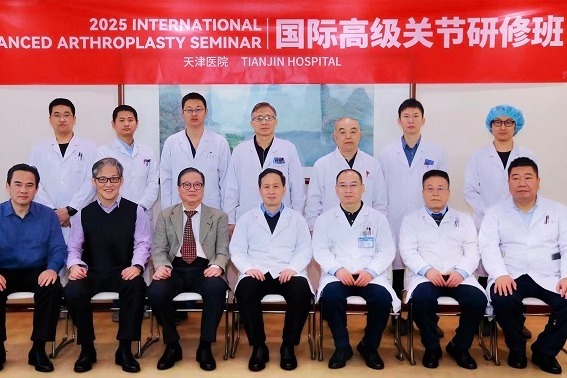
    Tianjin Hospital has strengthened international medical cooperation by hosting a delegation of distinguished orthopedic specialists from Malaysia for the 2025 International Advanced Arthroplasty Seminar. This strategic initiative aims to deepen clinical partnerships between China and ASEAN nations while advancing the field of joint surgery through shared expertise.

    The seminar created an environment for transnational professional dialogue, with Malaysian surgeons presenting complex clinical cases from their practice. These case studies sparked extensive technical discussions with Professors Ren Kaijing and Zhang Fujiang from Tianjin Hospital’s joint surgery department, fostering mutual learning and professional growth.

    Malaysian delegates expressed particular admiration for Tianjin Hospital’s technological capabilities and surgical expertise. Dr. Chan Kin Yuen from Gleneagles Hospital Kuala Lumpur noted the institution’s cutting-edge work in 3D printing applications and complex revision surgery, describing the hospital’s technical resources as exceptional for handling high-risk procedures.

    Dato’ Dr. Goh Eng Tat from LohGuanLye Specialists Centre highlighted the effective mentorship culture observed between senior and junior surgeons, noting this collaborative approach enables the team to confidently undertake major complex operations while maintaining procedural excellence.

    Beyond technical expertise, Dr. Cheu Teck Luk from Borneo Medical Centre expressed appreciation for the hospital’s historical significance, noting how the institution’s legacy forms an integral part of China’s medical heritage.

    The exchange program featured live surgical demonstrations by Professor Li Xiaohui, administrative director of the joint surgery department. These included three complex procedures: hip dysplasia correction, knee revision surgery, and robot-assisted joint replacement—all representing the forefront of orthopedic innovation.

    This professional dialogue has established a sustainable platform for ongoing Sino-ASEAN collaboration in joint surgery while demonstrating Tianjin Hospital’s clinical capabilities on the international stage.

  • Thailand begins cleanup after worst flooding in decade kills 145

    Thailand begins cleanup after worst flooding in decade kills 145

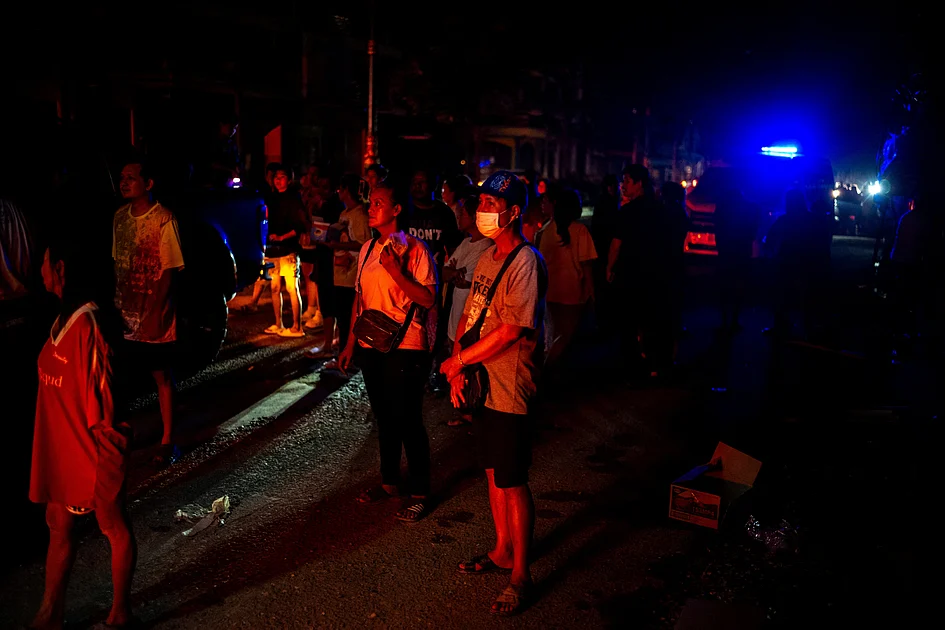
    Southeast Asia confronts a devastating humanitarian crisis as unprecedented monsoon rains have triggered catastrophic flooding across the region, resulting in a confirmed death toll exceeding 300 individuals. Southern Thailand has initiated massive cleanup operations following what officials describe as the most severe deluge in a decade, which has claimed at least 145 lives in the country alone.

    The scale of the disaster overwhelmed local infrastructure, with hospital morgues in Thailand’s Songkhla province reaching capacity and necessitating the use of refrigerated trucks for body storage. Floodwaters reached astonishing heights of three meters (9.8 feet) in certain areas, stranding thousands of residents who required emergency rooftop rescues.

    Thai Prime Minister Anutin Charnvirakul personally visited evacuation shelters in the severely affected Hat Yai district, offering a public apology for the disaster occurring during his administration. “I genuinely must apologize to them for allowing this to happen during my government’s tenure,” Charnvirakul stated during a press briefing broadcast on AmarinTV. The government has announced comprehensive relief measures, including financial compensation of approximately $62,000 for households that suffered fatalities.

    The catastrophe has sparked significant public criticism regarding the official response to the emergency. Opposition lawmakers have accused the administration of fundamental errors in crisis management and situation assessment. This criticism has already resulted in the suspension of two local officials over their alleged failure in handling the disaster.

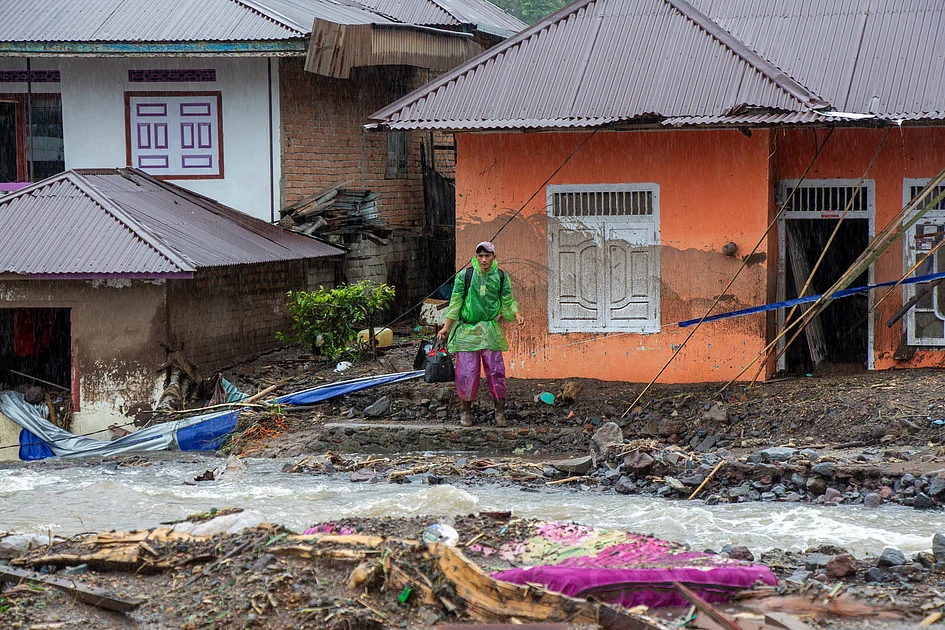
    Neighboring Indonesia reported even more severe casualties, with officials confirming at least 200 fatalities and approximately 90 individuals still missing following simultaneous flooding and landslides on Sumatra island. Malaysia recorded two additional flood-related deaths in northern Perlis state.

    Climate scientists note that this year’s monsoon season, typically occurring between June and September, has been significantly intensified by both tropical storm activity and broader climate change patterns. Warmer atmospheric conditions retain increased moisture capacity, generating more intense precipitation events, while elevated ocean temperatures have amplified the strength of storm systems moving across the region.

  • Over 200 dead in Indonesia floods: Disaster agency

    Over 200 dead in Indonesia floods: Disaster agency

    Indonesian disaster response authorities have confirmed a devastating death toll exceeding 200 individuals following severe flooding and landslides across multiple provinces. The catastrophe has inflicted the most severe impact on North Sumatra, where 116 fatalities have been officially recorded, while Aceh province reports at least 35 deaths according to the latest agency figures.

    In West Sumatra, the situation remains particularly dire. Regional Disaster Mitigation Agency spokesman Ilham Wahab provided a grave assessment late Friday, indicating that 61 casualties have been confirmed in the province with approximately 90 individuals still unaccounted for amid ongoing search operations. This represents a significant increase from earlier estimates that placed the provincial death toll at 23.

    The widespread natural disasters have triggered massive emergency response efforts across the affected regions. Rescue teams continue to battle challenging conditions to locate missing persons and provide critical assistance to survivors. The scale of destruction suggests substantial infrastructure damage alongside the tragic human cost, though comprehensive assessments of material losses remain ongoing.

    This tragedy strikes Indonesia during its rainy season, when the archipelago nation frequently experiences severe weather events. However, the current devastation appears exceptionally severe, raising questions about environmental factors and disaster preparedness measures. International attention is now turning toward relief efforts as the country mourns its significant losses and confronts the substantial recovery challenges ahead.