标签: Asia

亚洲

  • Iran’s Jews feeling fear and heartbreak as US-Israeli strikes rain down

    Iran’s Jews feeling fear and heartbreak as US-Israeli strikes rain down

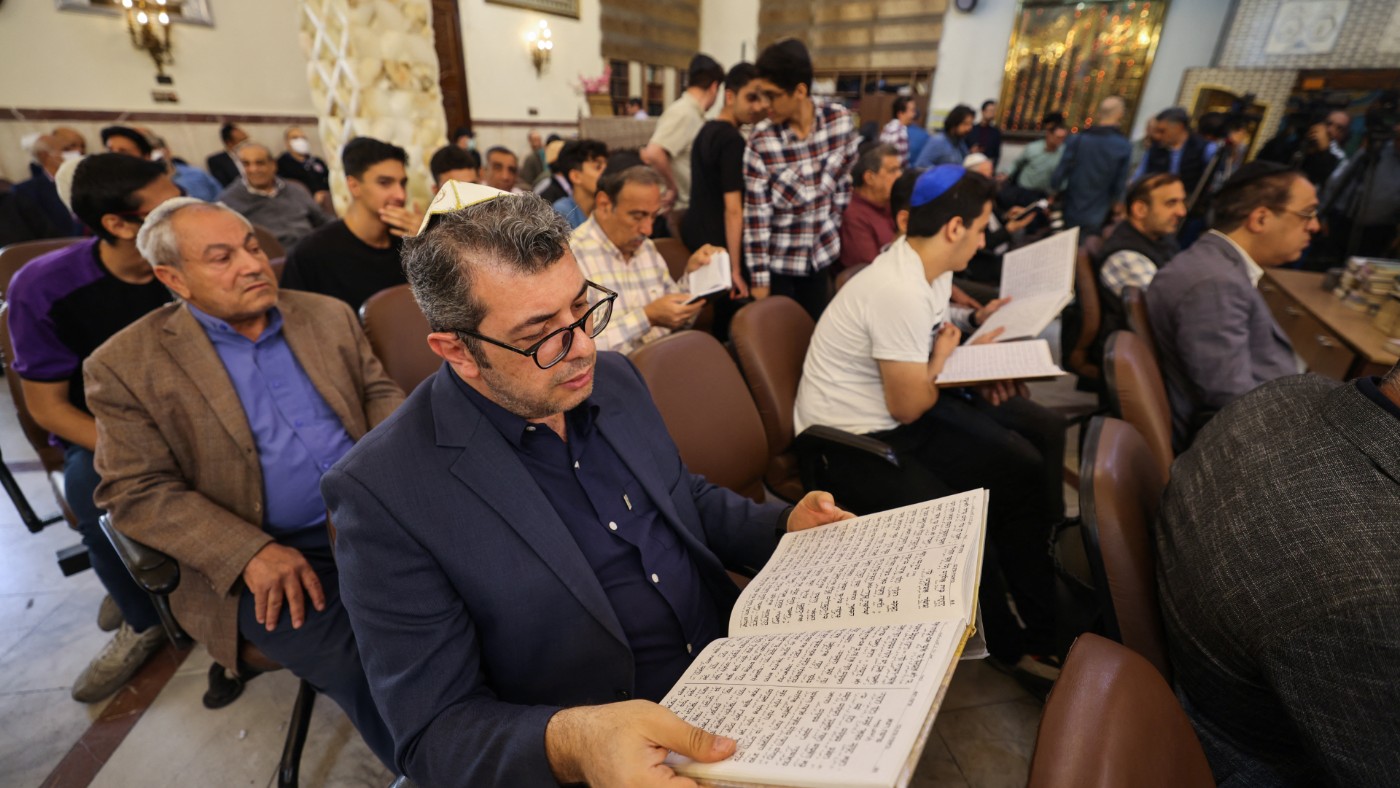
    Amidst escalating tensions between Iran and Israel, the nation’s dwindling Jewish population finds itself caught in a complex web of identity, politics, and survival. With fewer than 10,000 Jews remaining in the country of 90 million, community members express diverse perspectives on the conflict while navigating daily security concerns.

    Yosef, an Iranian Jewish historian, draws a sharp distinction between his religious identity and political Zionism. “Zionism has damaged Israel’s reputation globally,” he asserts, noting the absence of influential left-wing movements in contemporary Israeli politics. Like many in his community, Yosef shelters from aerial strikes originating from Israel—a nation he’s expected to feel affinity toward but criticizes for its role in regional destabilization.

    The ongoing warfare presents profound personal dilemmas for Iranian Jews who watch conflicts between their homeland and the Jewish state. Sara, a 46-year-old businesswoman from Shiraz, directs her anger toward Israeli Prime Minister Benjamin Netanyahu, whom she describes as a “charlatan” using military escalation to divert attention from domestic corruption charges. Despite her Jewish faith, she maintains: “I cannot see the country where I was born and raised as my enemy.”

    Historical context reveals a dramatic demographic shift: Iran’s Jewish population has declined from approximately 70,000-100,000 before the 1979 Islamic Revolution to just over 9,000 according to the 2016 census. This transformation occurred alongside the severing of diplomatic relations between Tehran and Jerusalem.

    Daniel, a 52-year-old Tehran jeweler, expresses dual sorrow witnessing missiles strike Israeli cities while Israeli and American warplanes fly over his own home. “The explosions keep us awake at night,” he confesses, reflecting the anxiety many feel about speaking openly during wartime.

    Contrary to expectations, some community members report improved attitudes toward Jews within Iran. Arash, a 71-year-old restaurant owner, observes: “The level of anger toward the Islamic Republic is so high that many Iranians today see Jews as friends.” However, he quickly affirms his primary identity as Iranian and laments governmental policies that have brought the country to its current situation.

    As the conflict enters its second week with strikes targeting Tehran’s oil infrastructure, the community’s deepest fear extends beyond immediate violence to concerns about Iran’s future. Yosef articulates this apprehension: “What I fear most is that the final result of this war will destroy the country I love,” capturing the profound tension between national loyalty and religious identity that defines the experience of Iran’s Jewish minority.

  • UAE tycoon rules out Abu Dhabi joining Iran war in scathing attack on US

    UAE tycoon rules out Abu Dhabi joining Iran war in scathing attack on US

    In a remarkable public denouncement, prominent Emirati billionaire Khalaf al-Habtoor has explicitly rejected American appeals for Gulf Cooperation Council (GCC) nations to join a military campaign against Iran. Through a sharply worded statement on social media platform X, the Dubai-based magnate accused the United States of elevating Israel’s security interests above both American regional allies and its own citizens.

    The criticism came in direct response to recent statements by US Senator Lindsey Graham, who had publicly urged GCC countries to align militarily with the US and Israel against Iran. Habtoor, whose business conglomerate maintains close ties to UAE ruling circles, delivered an unusually frank assessment of regional geopolitics despite the UAE’s typically restrained diplomatic discourse.

    “We recognize precisely why we face regional threats and exactly which power precipitated this dangerous escalation without consulting those it labels ‘allies’,” Habtoor asserted. While acknowledging Iran’s destabilizing regional influence and expressing Abu Dhabi’s distrust of Tehran, the billionaire condemned what he characterized as a “dirty game” where global powers pursue their interests at the Gulf’s expense.

    The businessman emphatically stated the UAE would not become embroiled in conflict to serve external interests, declaring: “We refuse to sacrifice our sons in an avoidable conflict that should be resolved through diplomatic channels.” He contrasted this stance with American leadership, noting pointedly that if US politicians wished to “risk American lives for Israel’s interests, that represents their choice.”

    The statement gained particular significance following Israeli media reports—subsequently denied by Emirati officials—claiming UAE involvement in a strike on an Iranian desalination facility. The UAE foreign ministry clarified that while operating in a “defensive posture” against Iranian threats, the nation “does not seek escalation or conflict entanglement.”

    Habtoor further challenged Senator Graham’s assertion that Arab nations require American protection, retorting: “We need no protection—only that you keep your hands off our region.” He characterized US weapons sales to the UAE as commercial transactions rather than strategic favors, noting Abu Dhabi’s substantial investments in its own security apparatus.

    The billionaire referenced Graham’s comments on Fox News regarding oil reserves, suggesting this revealed America’s true motivation: “Only then does the picture become clear. Only then do we understand why they want this war.” He concluded by accusing Graham of defending Israeli interests more vigorously than American ones, suggesting the senator sounded like “a member of the Israeli Knesset.”

    The critique carries exceptional weight given Habtoor’s previous support for Trump-brokered normalization agreements with Israel. His Al Habtoor Group was among the first Emirati entities to pursue Israeli partnerships following the Abraham Accords, making his condemnation of US policy particularly noteworthy.

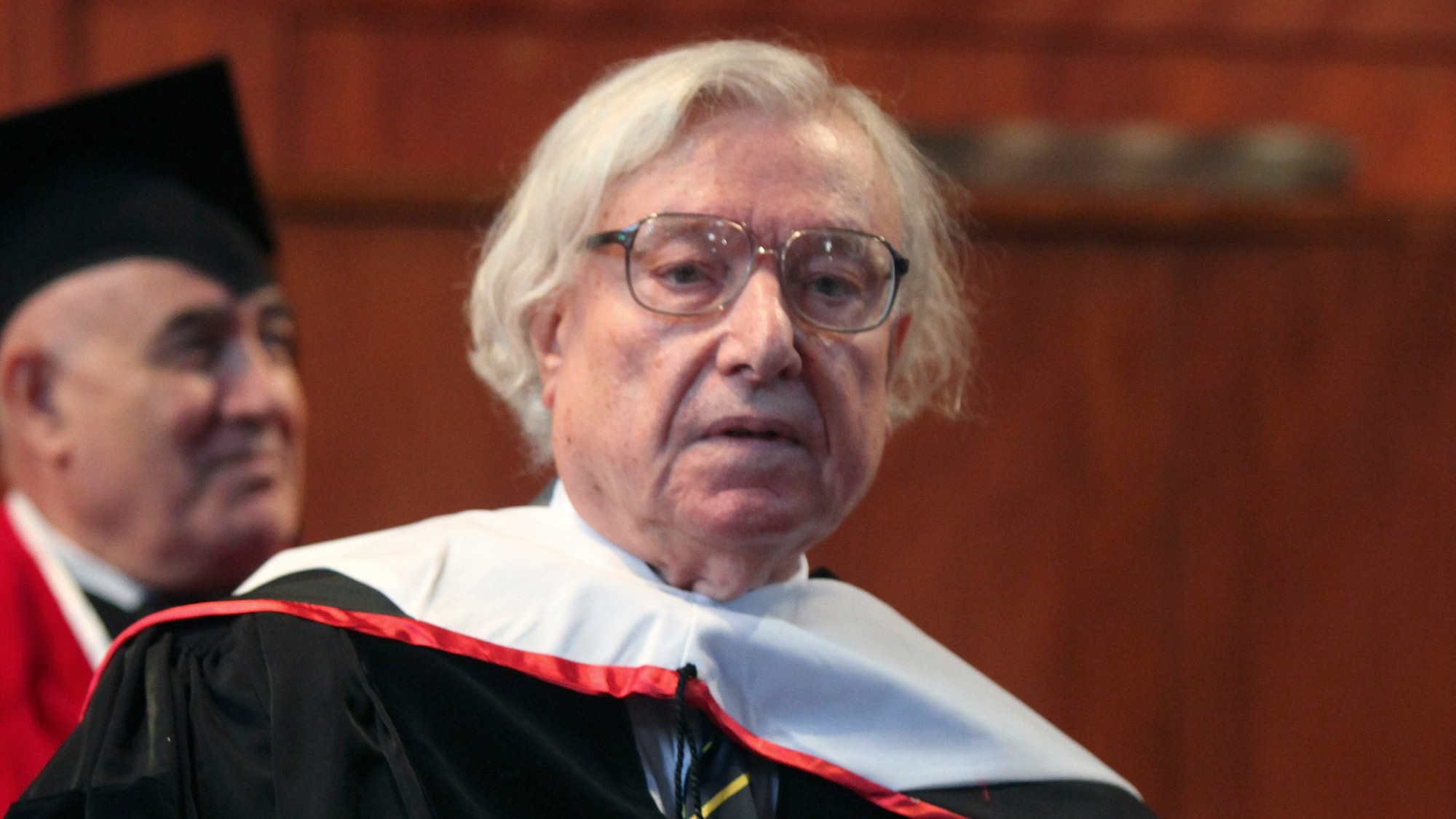
  • Renowned Palestinian historian Walid Khalidi dies aged 100

    Renowned Palestinian historian Walid Khalidi dies aged 100

    Walid Khalidi, the preeminent Palestinian historian whose seminal scholarship documented the displacement and historical narrative of the Palestinian people, has passed away at the age of 100. His death was confirmed by the Institute for Palestine Studies (IPS), the Beirut-based research center he co-founded in 1963, which announced he died on Sunday in Cambridge, Massachusetts.

    Khalidi’s life’s work was dedicated to meticulously chronicling Palestinian society before and after the Nakba—the ‘catastrophe’ of 1948 that saw the violent displacement of hundreds of thousands of Palestinians to facilitate the creation of the state of Israel. He earned the moniker ‘the historian of the Palestinian cause’ through his rigorous academic contributions, which included translating and analyzing the diaries of key Israeli figures like first Prime Minister David Ben-Gurion and Foreign Minister Moshe Sharett.

    Under his stewardship, the IPS became an indispensable resource, producing critical studies and translations between Hebrew, Arabic, and English. Among its most significant publications was a detailed examination of the Haganah, the Zionist paramilitary force central to the 1948 events. Khalidi’s research was instrumental in bringing to light previously concealed strategic plans, such as Plan Dalet, which outlined the systematic occupation and depopulation of Palestinian villages.

    His encyclopedic collections, including the photographic archive ‘Before Their Diaspora’ and the comprehensive volume ‘All That Remains,’ serve as rare visual and historical records of a vanished pre-1948 Palestine. Born into an academic family in Jerusalem in 1925, Khalidi’s own career was distinguished. He taught at the University of Oxford until resigning in protest over the 1956 Suez Crisis, later becoming a professor at the American University of Beirut until 1982, and finally a research fellow at Harvard University.

    Blending scholarship with political advocacy, Khalidi maintained associations with several Palestinian political movements and formally represented Palestinian interests on the international stage, including in the Arab League and at the 1991 Middle East peace talks in Washington. A lifelong proponent of a two-state solution, he articulated it in a 1988 Foreign Affairs article as the only viable framework for a historical compromise in the enduring conflict.

  • US ‘rock star’ Paralympic skier wins silver for his late twin brother

    US ‘rock star’ Paralympic skier wins silver for his late twin brother

    CORTINA D’AMPEZZO, Italy — In an emotionally charged performance at the Milan Cortina Paralympics, American Para alpine skier Patrick Halgren secured a silver medal while paying powerful tribute to his deceased twin brother, Lucas Sven Halgren, whom he credits for his triumphant return to competitive skiing.

    Following his super-G standing event on Monday, the self-described ‘rock star’ of the Games expressed his profound connection to his brother, who died in a 2016 motorcycle accident in New Zealand. ‘He made this happen for real. He is the ski god and he has blessed me with speed today,’ Halgren stated emotionally at the finish line.

    The 33-year-old athlete’s journey to the Paralympic podium represents a remarkable story of resilience and transformation. Three years before his brother’s fatal accident, Halgren nearly died in his own motorcycle crash, resulting in the amputation of most of his left leg above the knee. He spent a month in a coma and technically died four times during his medical emergency.

    Halgren has adopted ‘SvendIt’ as his personal mantra—a play on ‘send-it’ that simultaneously honors his brother who went by Sven. Blue-and-yellow stickers bearing the phrase have appeared throughout the Cortina d’Ampezzo venue.

    ‘He’s the reason I’m here. I’m just a vessel to cram love and combat hate down your throats,’ Halgren told reporters. ‘He inspired me to live life, but life is fragile. You can die. It’s all for him. It’s for my family. It’s for the people that have struggled.’

    The outspoken American celebrated before his parents, Peter and Kathy, who had previously traveled to New Zealand to retrieve their deceased son’s body. Halgren noted the surreal nature of their experience: ‘They went to Tijuana, Mexico, for their honeymoon 50 years ago. They picked up their dead kid in New Zealand, and they’ve watched me win the Paralympics at the most beautiful ski valley in the world.’

    Known for his distinctive long braids dyed red, white and blue, Halgren has embraced a showman personality at the Games. During the podium ceremony, he performed an air guitar solo using his crutch, quipping that it was just ‘another Monday’ for him.

    Despite his silver medal finish behind Switzerland’s Robin Cuche, Halgren emphasized that medals hold little meaning compared to the support he receives. ‘The love from all the people supporting me is what means anything to me,’ he reflected. ‘I can literally feel all the people who have ever given me well wishes and ‘Thanks’ and ‘Good lucks.’ I can feel them loving me and they’re the reason I won.’

    Halgren’s philosophy centers on embracing vulnerability and accepting failure: ‘It’s about being vulnerable in this life. It’s about trying things and failing. It’s OK to be embarrassed. It’s OK to look weird.’

    When questioned about future ambitions, the Paralympian declared his intention to ‘dominate the Earth in every category with one leg’ before concluding with his characteristic humor: ‘My horse is thirsty, I’m out.’

  • Israel expands gun permits to residents of Jerusalem Jewish neighbourhoods

    Israel expands gun permits to residents of Jerusalem Jewish neighbourhoods

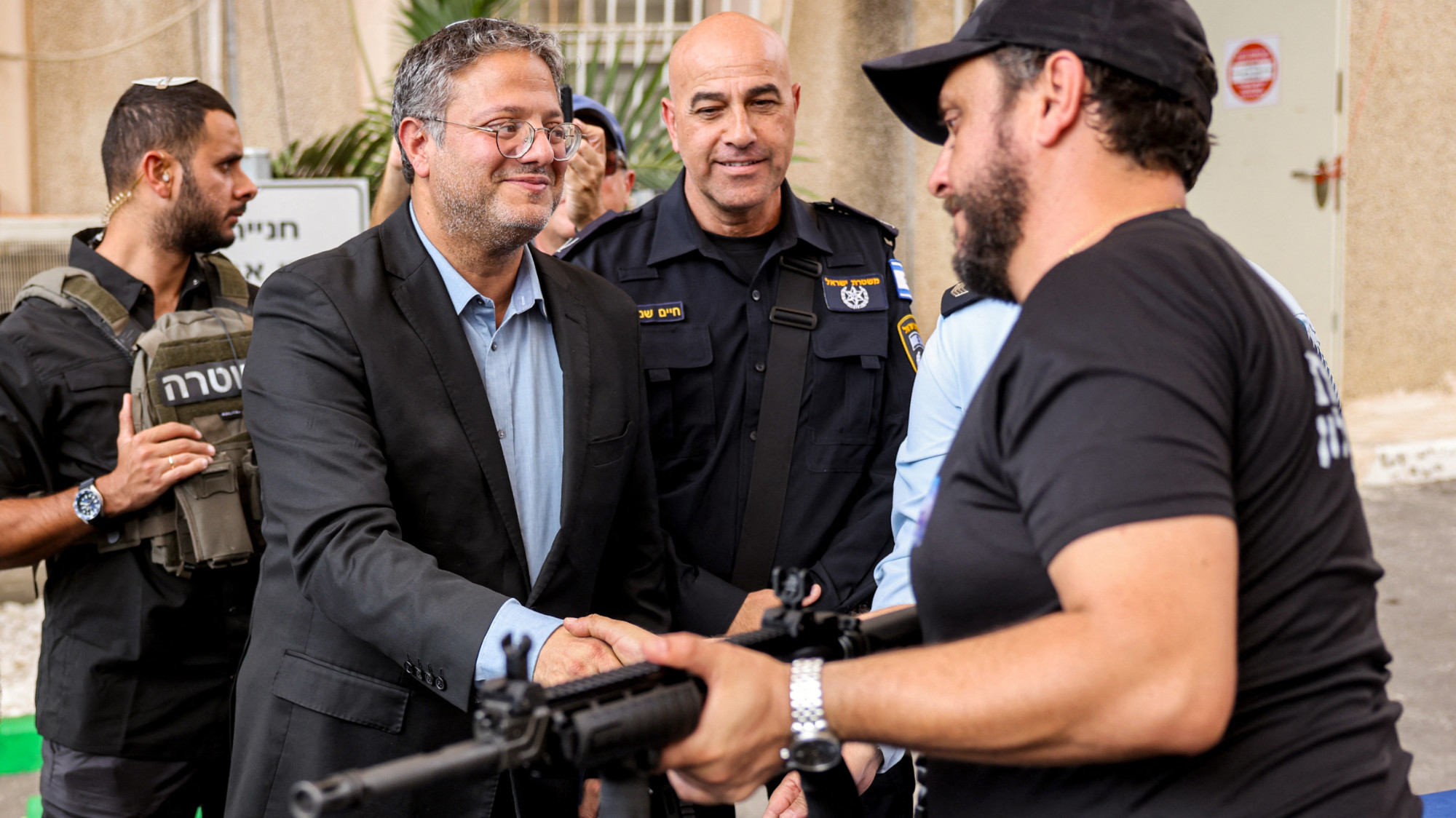
    Israeli National Security Minister Itamar Ben Gvir has significantly expanded firearm accessibility for Jerusalem residents, authorizing civilians across 41 Jewish neighborhoods to apply for gun licenses. This policy shift, reported by local media on Monday, marks a substantial departure from previous restrictions that limited firearm permits primarily to those residing near separation barriers with the occupied West Bank.

    The controversial decision potentially affects approximately 300,000 eligible residents and forms part of Ben Gvir’s broader ‘Arming Israel’ initiative. Defending the move, the far-right minister asserted that ‘a weapon in the right hands saves lives,’ particularly citing security concerns during ongoing conflict and the Ramadan period. Since assuming office in December 2022, Ben Gvir’s administration has overseen the issuance of over 240,000 new gun licenses through relaxed eligibility criteria.

    However, the policy faces mounting criticism from transparency advocates and safety organizations. The Freedom of Information Movement reports that civilian gun ownership has doubled under Ben Gvir’s tenure, with nearly half of new license holders having no prior firearms experience. Concerningly, 99% of applicants now pass shooting tests, partly due to streamlined procedures that permit telephone interviews instead of in-person assessments.

    Public safety concerns have been amplified by disturbing statistics from the Michal Sela Forum, revealing a 33% increase in family-related femicides since October 2023. Shockingly, data indicates all firearm murders of Jewish women involved legally licensed weapons. With approximately 280,000 women currently experiencing partner violence according to welfare ministry figures, critics warn that expanded gun access may exacerbate domestic violence tragedies.

    The policy has also faced legal scrutiny, with authorities acknowledging in High Court proceedings that 195 licenses were revoked due to irregularities. A 2023 police investigation into allegedly illegal permit approvals resulted in three ministry employees being questioned regarding thousands of questionable authorizations.

  • Does Japan hold the answer to fixing Honolulu’s rail system?

    Does Japan hold the answer to fixing Honolulu’s rail system?

    Hawaii’s ambitious Skyline rail project stands at a critical juncture, facing stark operational realities while pursuing transformative development through an unprecedented international partnership. Governor Josh Green’s administration is finalizing a memorandum of understanding with Tokyo-based Tokyu Group, a century-old railroad conglomerate renowned for creating thriving urban centers around transit hubs.

    The contrast between Tokyo’s vibrant station communities and Honolulu’s underutilized Skyline stops could hardly be more dramatic. Where Japanese stations pulse with commercial activity and public amenities, Honolulu’s stations frequently offer little more than barren landscapes and restricted access. This partnership aims to bridge that gap by leveraging Tokyu’s expertise in creating high-density, mixed-use neighborhoods that naturally attract ridership.

    Governor Green’s vision extends beyond mere infrastructure development to address Hawaii’s acute housing crisis. The strategy incorporates modular housing technology from Japanese firm Daiwa House Industry, complemented by traditional construction methods. This hybrid approach has garnered rare support from Hawaii’s powerful construction unions, who have historically been skeptical of prefabricated housing solutions.

    The collaboration represents a sophisticated evolution in foreign investment practices, consciously avoiding the problematic patterns of 1980s Japanese investment in Hawaii. Rather than creating isolated foreign-owned developments, the initiative emphasizes co-development structures with local leadership and mutual growth opportunities. The partnership remains aspirational without binding financial commitments, focusing instead on knowledge transfer and strategic planning.

    With current ridership languishing at approximately 12,000 daily passengers—far below the projected 84,000 target—the initiative represents a comprehensive approach to transit-oriented development that integrates housing, commercial spaces, and community infrastructure to create sustainable urban environments around rail stations.

  • Gulf states turn to private foreign military specialists amid Iran attacks

    Gulf states turn to private foreign military specialists amid Iran attacks

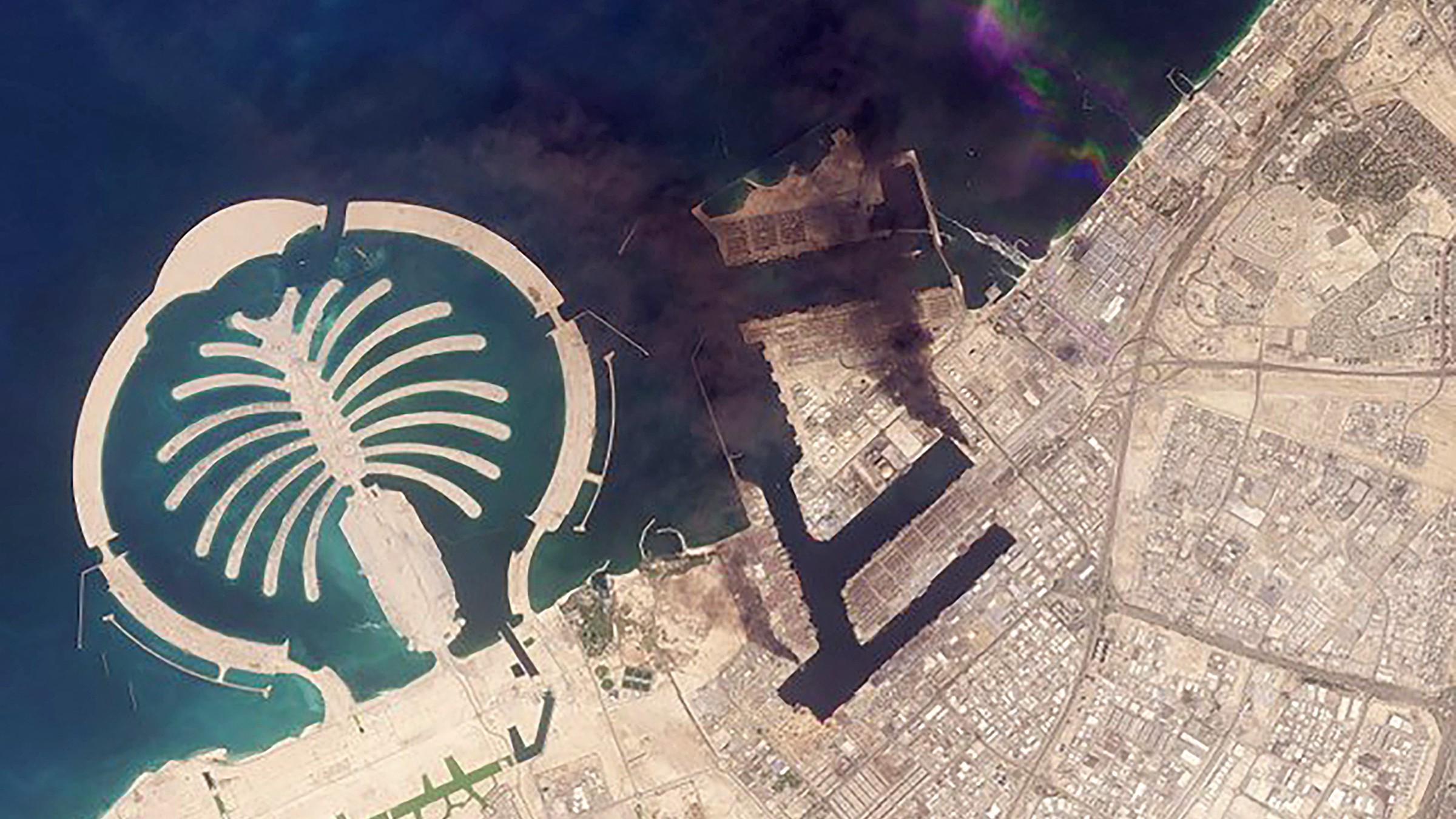
    Following a series of missile and drone assaults by Iran, Gulf Cooperation Council nations are actively recruiting specialized private military technicians and operators to address critical vulnerabilities in their air defense networks, according to industry sources familiar with the matter.

    The attacks, which targeted strategic military installations, energy infrastructure, and urban centers across the United Arab Emirates, Bahrain, Kuwait, and Qatar in late February, have prompted a comprehensive reassessment of regional defense capabilities. The effectiveness of Iranian-designed Shahed drones, characterized by their small radar cross-section and low-altitude flight capabilities, has exposed limitations in existing air defense systems.

    While these nations maintain advanced defense platforms including Terminal High Altitude Area Defense (THAAD) systems and Patriot batteries with PAC-3 MSE interceptors, the attacks revealed specific gaps in counter-drone operations. Military analysts note that only integrated, layered defense architectures can effectively neutralize these low-cost aerial threats.

    Recruitment efforts now prioritize radar operators, electronic warfare specialists, ground maintenance crews, and security personnel with operational experience. There is particular demand for pilots capable of operating within sophisticated air defense environments. These requirements are being communicated through intermediaries to private military firms with relevant expertise.

    A significant shift in hiring preferences has emerged, with Gulf states seeking personnel from Muslim-majority nations including Pakistan and Egypt, moving away from traditional Western military advisers. This strategic reorientation follows assessments that American and British contractors provided insufficient protection against recent threats.

    Industry sources characterize these measures as proactive rather than reactive, emphasizing long-term capability development over immediate solutions. The search includes specialists compatible with kill-web systems—integrated networks combining intelligence and warfare capabilities across multiple domains—as well as secondary systems interoperable with existing U.S. platforms.

    Training considerations are paramount, with emphasis on recruiting personnel requiring minimal additional instruction due to the urgent timeframe. This approach acknowledges both the high cost and extended duration needed to develop specialized skills from initial training stages.

    The transition reflects broader regional concerns about the scope and reliability of American security guarantees, prompting Gulf nations to develop more autonomous defense capabilities in an increasingly volatile security environment.

  • Australia grants asylum to 5 members of the Iranian women’s soccer team, official says

    Australia grants asylum to 5 members of the Iranian women’s soccer team, official says

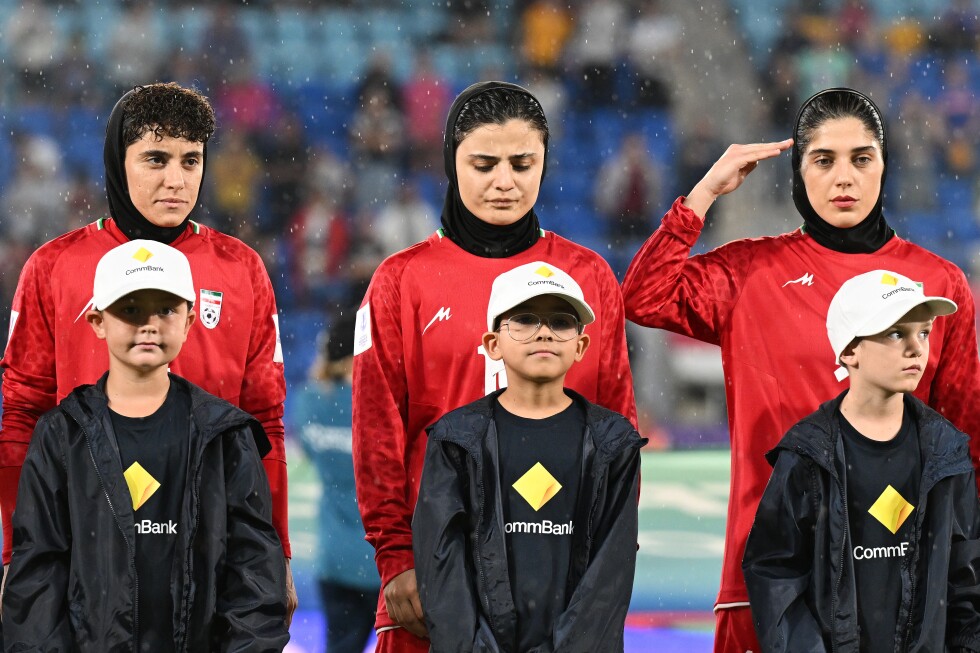
    In a significant humanitarian gesture, Australia has officially granted asylum to five members of the Iranian women’s national soccer team who were competing in the Women’s Asian Cup tournament. The decision comes amid escalating conflict in Iran and follows intense international pressure, including from former U.S. President Donald Trump.

    Australian Federal Police escorted the athletes from their Gold Coast hotel to a secure location in the early hours of Tuesday morning, where they met with Home Affairs Minister Tony Burke to finalize their humanitarian visas. The processing was completed hours later, ensuring their protected status in Australia.

    The development occurred against the backdrop of the ongoing Iran conflict, which began during the team’s tournament participation. Despite being eliminated from competition over the weekend, the players faced uncertain futures with their homeland under bombardment.

    Trump initially criticized Australia on social media, warning that returning the athletes to Iran would constitute a ‘terrible humanitarian mistake’ that could potentially endanger their lives. The former president explicitly urged Australia to grant asylum, even offering U.S. sanctuary if Australia refused.

    Interestingly, Trump later praised Australian Prime Minister Anthony Albanese’s intervention, claiming ‘five have already been taken care of’ in a subsequent social media post. However, concerns remain regarding other team members who may feel compelled to return due to fears for their families’ safety in Iran.

    The team’s tournament participation was marked by emotional moments, including forward Sara Didar choking back tears during a press conference while expressing concern for families and friends in Iran. Their initial silence during the national anthem before their opening match was interpreted by some as political resistance, though the team later sang and saluted during subsequent games without providing clarification on their earlier actions.

  • Dozens of British MPs and peers back call for UK apology over Balfour Declaration

    Dozens of British MPs and peers back call for UK apology over Balfour Declaration

    A coalition of 45 British parliamentarians from multiple parties has issued a formal demand for the United Kingdom to acknowledge and apologize for its historical actions during the Mandate for Palestine period (1917-1948). The signatories, including prominent figures such as Liberal Democrat MP Layla Moran, Labour’s Nadia Whittome, and Green MP Carla Denyer, contend that Britain’s administration directly facilitated ethnic cleansing and violated international law, creating conditions that profoundly shaped the ongoing Israeli-Palestinian conflict.

    The initiative follows a detailed petition submitted to the government in September by the ‘Britain Owes Palestine’ campaign, spearheaded by 91-year-old Palestinian tycoon Munib al-Masri. The petition, crafted by leading legal experts Ben Emmerson and Danny Friedman alongside academic advisors, presents evidence that British authorities lacked proper legal authority for the Balfour Declaration, failed to recognize Arab self-determination, and committed acts constituting war crimes and crimes against humanity, including widespread home demolitions.

    Legal adviser Victor Kattan of the University of Nottingham clarified that the call for ‘meaningful reparations’ is not primarily a financial claim but a demand for symbolic acknowledgment. Proposed forms of reparation include official apologies and investments in educational programs in both Britain and Palestine to ensure this history is adequately taught. The campaign organizers have set a deadline of September this year for a government response, warning that a judicial review will be pursued if none is forthcoming.

    The 1917 Balfour Declaration, issued by then-Foreign Secretary Arthur Balfour, pledged British support for a Jewish national home in Palestine. While it included a clause stipulating that the rights of existing non-Jewish communities should not be prejudiced, this assurance failed to prevent the expulsion of approximately 750,000 Palestinians during the events known as the Nakba (catastrophe) surrounding Israel’s establishment in 1948. The descendants of those displaced remain unable to return to their homes.

  • Fudan University president suggests ‘Lego thinking’ to transform academic disciplines

    Fudan University president suggests ‘Lego thinking’ to transform academic disciplines

    In a groundbreaking proposal at the National People’s Congress, Fudan University President Jin Li has advocated for a radical transformation of higher education through what he terms ‘Lego thinking’—a modular approach to academic disciplines that emphasizes flexibility and interdisciplinary integration.

    Speaking during the NPC’s annual session, Jin, who serves both as a national legislator and head of Shanghai’s prestigious Fudan University, articulated a vision where traditional academic structures would be reconfigured into adaptable, plug-and-play components. This innovative framework aims to better align university education with evolving national priorities and societal demands.

    ‘The conventional model of academic organization resembles boxes filled with Lego pieces,’ Jin explained. ‘What we now require is the capability to assemble specific structures tailored to the precise needs of our society and nation.’

    The university president emphasized that this Lego-inspired methodology would enable limited educational components to perform multiple functions, thereby preventing disciplinary bloat while fostering cross-disciplinary collaboration. Jin revealed that approximately 80% of Fudan’s current key focus areas already involve interdisciplinary work, demonstrating the practical implementation of this approach.

    Jin further argued that traditional academic models have become inadequate for China’s ambition to establish itself as a world-leading educational power. He stressed the urgent need to transition from purely academic considerations toward frameworks that directly address technological, industrial, and social requirements.

    In response to these challenges, Fudan University has strategically shifted its emphasis from building key disciplines to serving national strategic areas. All of the institution’s priority focus domains now align with major development initiatives outlined by the central government, the Ministry of Education, and Shanghai municipal authorities. Notably, two-thirds of these key areas directly connect to emerging pillar industries and future industrial layouts at both national and municipal levels.