标签: Asia

亚洲

  • Iran war fuel crisis forces Pakistan to close schools, take austerity measures

    Iran war fuel crisis forces Pakistan to close schools, take austerity measures

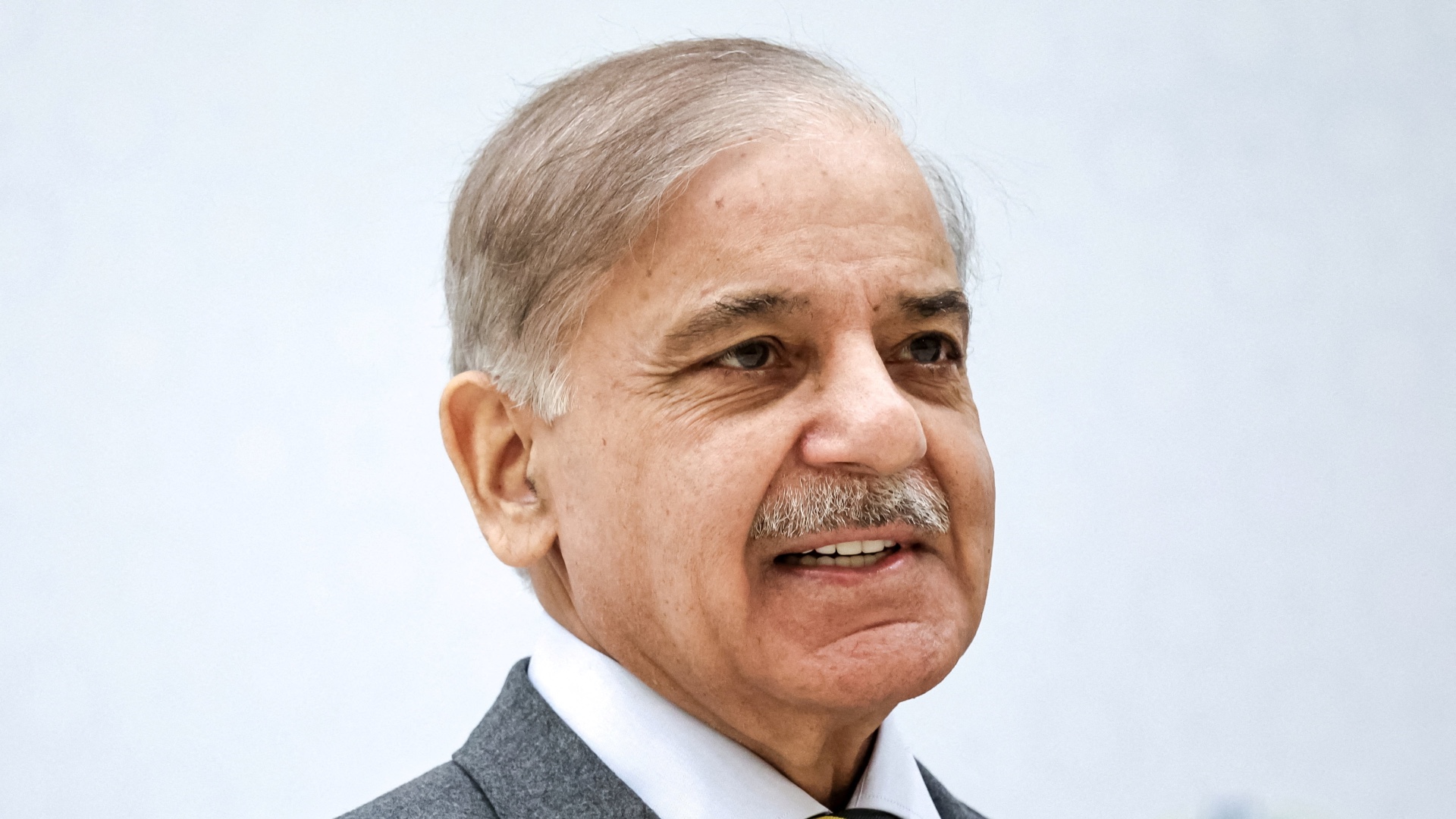
    Pakistan has initiated severe austerity measures in response to the escalating conflict between the US-Israel alliance and Iran, which has severely disrupted global energy markets and threatened the nation’s economic stability. Prime Minister Shehbaz Sharif announced the closure of all schools until month-end and mandated remote work for university students and half of the national workforce, excluding essential services.

    The government’s comprehensive austerity package includes a 20% reduction in official expenditures, prohibition of major purchases, and significant cuts to official vehicle usage and fuel allowances. High-earning government officials face two-month salary deductions, while federal cabinet members will forfeit their salaries entirely during this period. Parliament members will see a 25% reduction in wages, and all foreign travel for lawmakers has been prohibited. The measures extend to social events, with official Ramadan iftars and government parties banned indefinitely.

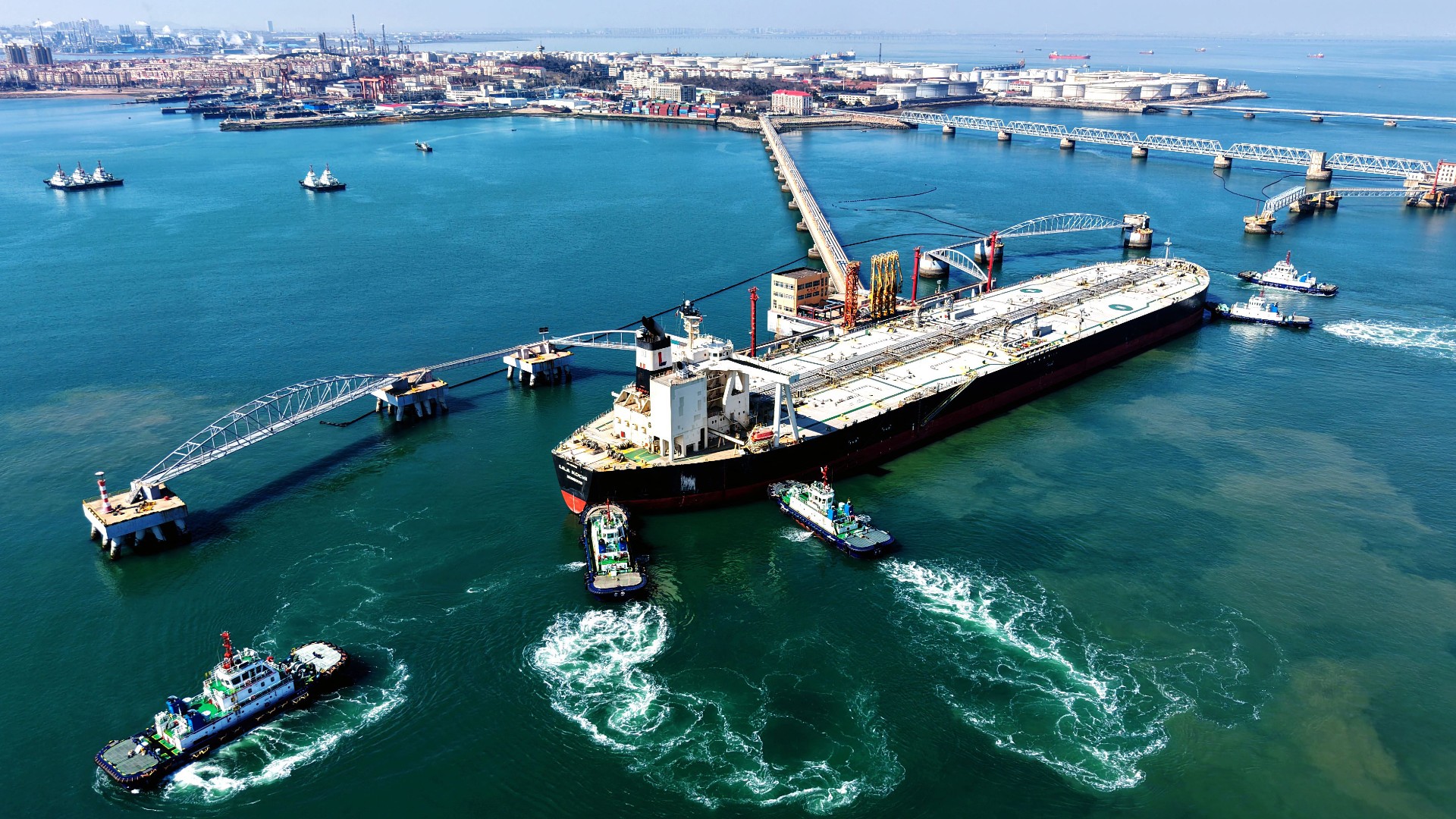
    These drastic steps come as the US-Israel military campaign against Iran enters its second week, with Iran retaliating by targeting Gulf energy infrastructure and effectively blocking the Strait of Hormuz—a critical passage for 20% of global petroleum shipments. Pakistan relies overwhelmingly on Gulf energy imports, with Qatar and the UAE supplying 99% of its liquefied natural gas needs.

    The conflict has driven oil prices to their highest levels since Russia’s invasion of Ukraine, with Brent crude reaching $119 per barrel. Pakistan’s economy, already struggling with high inflation, substantial debt, and dwindling foreign exchange reserves, faces additional pressure from regional security challenges, including border tensions with Afghanistan and historical conflicts with India.

    Prime Minister Sharif has condemned both the attacks on Iran and Tehran’s retaliatory measures while offering Pakistan’s services as a mediator to de-escalate the rapidly worsening conflict.

  • Lindsey Graham threatens Saudi Arabia if they do not join war on Iran

    Lindsey Graham threatens Saudi Arabia if they do not join war on Iran

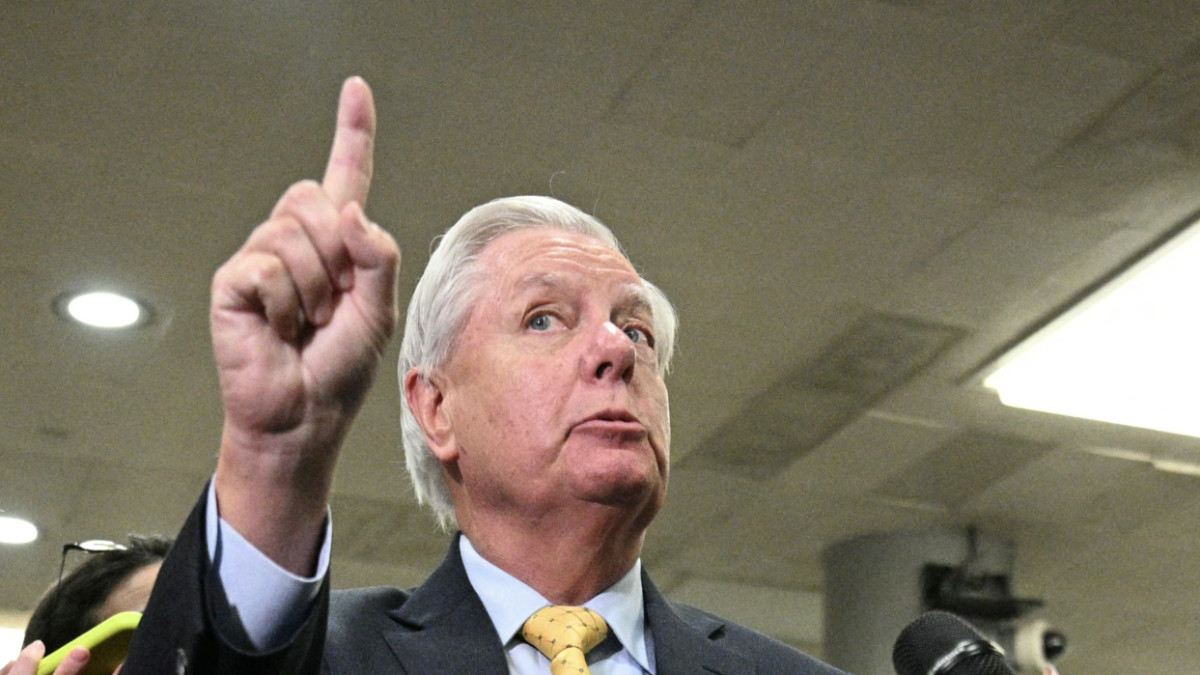
    US Senator Lindsey Graham has issued a stark warning to Gulf allies, threatening ‘consequences’ for their refusal to participate in military operations against Iran. In a series of public statements, the senator criticized Saudi Arabia specifically for denying US forces access to its bases for offensive maneuvers and for its unwillingness to deploy its military against what he termed ‘the barbaric and terrorist Iranian regime.’

    The confrontational rhetoric comes as the conflict between the US-Israeli coalition and Iran enters its second week, with Gulf states experiencing significant collateral damage. Despite being among the hardest hit by Iranian drone and missile attacks, regional powers including the UAE have explicitly stated they will not permit their territories to be used for offensive operations against Tehran.

    Background context reveals that Graham’s recent diplomatic mission to Saudi Arabia was explicitly aimed at persuading Crown Prince Mohammed bin Salman to support military action—a fact the senator confirmed to The Wall Street Journal. This effort follows earlier revelations that Riyadh had prevented US access to its bases for offensive operations.

    The Gulf Cooperation Council (GCC) states had previously lobbied President Trump against military escalation, fearing precisely the type of attacks that are now devastating their energy infrastructure and civilian facilities. Regional ambassadors have expressed frustration that their security concerns were disregarded in US planning, with the UAE’s UN representative Jamal al-Musharakh stating they are ‘being targeted in a very unwarranted manner’ despite their diplomatic efforts.

    Military analysts note that Iran has demonstrated sophisticated strike capabilities, targeting critical infrastructure including water desalination plants and energy facilities across multiple Gulf nations. The conflict has already claimed the lives of seven American service personnel, with the latest casualty reported from injuries sustained in a March 1st attack on Prince Sultan Air Base.

    The political landscape within Iran appears to be consolidating rather than fracturing under pressure, with the Assembly of Experts appointing Mojtaba Khamenei as the new supreme leader—a direct rejection of US demands for regime change. This development, coupled with the Gulf states’ reluctance to engage militarily, suggests the conflict may be entering a protracted phase with significant implications for US regional influence and security architecture.

  • US allies and rivals in Asia gauge fallout from war in the Middle East

    US allies and rivals in Asia gauge fallout from war in the Middle East

    The escalating Middle Eastern conflict is triggering significant geopolitical recalibrations across Asia, with nations assessing potential economic disruptions and long-term security implications. Regional powers are formulating distinct responses to the warfare, reflecting their unique strategic positions and alliance structures.

    North Korea’s nuclear doctrine appears reinforced by recent U.S. military actions against Iran. Analyst Hong Min from South Korea’s Institute for National Unification suggests Pyongyang perceives heightened vulnerability following strikes that eliminated Iranian leadership. Unlike Iran, however, North Korea possesses an established nuclear arsenal with diverse delivery systems capable of threatening regional U.S. allies and potentially reaching the American mainland. Kim Jong Un’s recent demonstration of nuclear-capable cruise missiles and new warship capabilities signals Pyongyang’s determination to showcase its deterrent power despite global tensions.

    Geopolitical complexities further complicate the situation, as North Korea’s deepening ties with China and Russia create additional strategic considerations for Washington. While Kim has expressed theoretical openness to dialogue, the Iran attacks may have intensified his distrust of U.S. diplomacy, potentially raising the threshold for future negotiations.

    South Korea faces dual concerns regarding economic stability and alliance reliability. Heavily dependent on imported energy, Seoul monitors with apprehension Iran’s threats to Hormuz Strait transit routes that facilitate approximately 20% of global oil trade. Simultaneously, questions emerge about the Trump administration’s willingness to undertake unilateral military actions without extensive allied consultation, raising concerns about potential entanglement in conflicts beyond the Korean Peninsula.

    Japan mirrors several South Korean apprehensions, particularly regarding energy security and the reliability of U.S. partnership. While supporting non-proliferation efforts, Tokyo has maintained distance from endorsing specific military strikes. The conflict might nevertheless accelerate discussions about military strengthening despite persistent public resistance to nuclear weapons development.

    China perceives strategic opportunity within the crisis, potentially positioning itself as a more reliable Middle Eastern mediator than the United States. Beijing may interpret U.S. actions against Venezuela and Iran—both significant Chinese oil suppliers—as partially aimed at countering China’s influence. Through diplomatic achievements like brokering the Iran-Saudi normalization agreement, China continues expanding its regional footprint while challenging dollar-dominated financial systems. Despite potential geopolitical gains, prolonged conflict threatens Chinese trade interests and might accelerate military technology integration, including artificial intelligence applications.

  • End Iran war before Trump-Xi summit or encourage a hedgehog world

    End Iran war before Trump-Xi summit or encourage a hedgehog world

    The geopolitical landscape surrounding Iran remains in a state of suspended animation as Tehran appears to be delaying substantive concessions to US demands until after the critical March 31 summit between Presidents Donald Trump and Xi Jinping. This strategic pause allows Iranian leadership to assess the summit’s outcomes and potentially secure China’s backing—a calculated risk that may present more favorable prospects than immediate capitulation.

    The upcoming presidential meeting carries significant implications for how China will perceive American power projection—whether strengthened or diminished—which in turn will influence Beijing’s positioning toward Iran. Multiple variables could sway China’s assessment, including potential market volatility, oil price fluctuations, Russian intervention, wavering Gulf state commitments, and shifting Israeli and American strategic confidence.

    Should events unfold along this trajectory, Iranian hardliners could potentially regain political dominance within a month, regardless of the summit’s results. This scenario might prompt heightened resistance and potentially trigger miscalculations from a frustrated Trump administration. The escalating situation underscores the urgency for the United States to achieve a swift resolution—declaring victory within one to two weeks while allowing the Iranian situation to evolve organically.

    Iran currently faces a significant power vacuum, with its defensive and nuclear capabilities potentially degradable within a brief timeframe. A strategic pause by the United States could alter the conflict’s trajectory substantially. While theoretical control might be maintained for 30-90 days, the overall situation remains highly volatile, with Iran representing a fundamentally different challenge than previous conflicts in Gaza or Ukraine.

    The temptation of Iran’s complete surrender must be balanced against realistic timelines and costs, particularly considering the wild cards represented by Russian and Chinese involvement. A victory achieved solely through military force without political resolution risks reinforcing dangerous international perceptions that raw power represents the only solution to geopolitical problems.

    This approach potentially catalyzes a multipolar nuclear arms race, with North Korea’s paranoid realpolitik becoming the diplomatic standard rather than liberal global norms. The emerging multipolar world order has abandoned collective governance in favor of narrowly defined national interests, creating significant gaps in global stability management.

    The conflict’s prolongation risks transforming Iran into a failed state, creating a geopolitical void spanning Iraq, Iran, and Afghanistan that could destabilize Central Asia, Pakistan, Turkey, the Caucasus, and the Gulf region. This disruption of post-World War II international rules establishes a paradigm where “the law of force has replaced the force of law,” according to Cardinal Pietro Parolin’s acute observation.

    China approaches this complex situation with characteristically cautious strategy, unlike the expansionist Soviet model. Beijing’s hedgehog doctrine—extending quills that remain connected to the core but can be severed if problematic—reflects a pragmatic focus on systemic survival rather than ideological export. China maintains significant advantages in industrial capacity, rare earth dominance, and manufacturing efficiency, potentially positioning it for medium-to-long-term competition with the United States.

    However, Beijing may be miscalculating the strategic landscape. America’s efforts to reduce industrial reliance on China and widen technological gaps mean time may not necessarily favor China. Even with US attention diverted to the Middle East, Japan and regional allies are preparing coordinated resistance against Chinese expansion. Paradoxically, a weaker America might complicate rather than simplify China’s regional position.

    If global chaos intensifies, the United States might retreat into hedgehog isolationism, potentially triggering opposition that requires escalating force to contain. This could transform the world into a field of defensive hedgehogs where even the most powerful nation might ultimately falter.
  • ‘Sharp spike’ in anti-Muslim posts on X since US-Israel war on Iran, study shows

    ‘Sharp spike’ in anti-Muslim posts on X since US-Israel war on Iran, study shows

    A dramatic escalation in anti-Muslim content has flooded Elon Musk’s X platform following the commencement of joint US-Israel military operations against Iran on February 28th, according to a comprehensive study by the Center for the Study of Organized Hate (CSOH). The Washington DC-based research organization documented an alarming tripling of explicitly dehumanizing, exclusionary, and violence-inciting posts targeting American Muslims, soaring from approximately 2,000 daily instances to over 6,000 immediately after the conflict initiation.

    The comprehensive monitoring, conducted between January 1st and March 5th, revealed that despite a subsequent decline in volume by early March, the underlying conditions fueling this digital hatred remain persistently active. The research specifically examined US-originating content targeting domestic Muslim communities, excluding international sources to focus on domestic hate patterns.

    Perhaps most disturbingly, the analysis demonstrated the viral amplification mechanics of digital hatred. When accounting for reposts and shares, the total visibility of Islamophobic content reached 279,417 instances—representing an eleven-fold multiplication beyond the original hate posts. This massive dissemination network allowed harmful content to transcend its original sources, reaching audiences far beyond the initial hate circles.

    The content spectrum ranged from personal vitriol to organized political advocacy, including calls for legislative measures such as a proposed ‘Muslim Exclusion Act’ and mass deportation initiatives. Particularly alarming was the normalization of dehumanizing rhetoric describing Muslims as ‘rats,’ ‘pests,’ ‘vermin,’ and ‘parasites’—linguistic patterns that historically precede extreme violence against targeted communities.

    The report identified concerning parallels with genocidal rhetoric, noting how calls for violence were frequently framed as matters of ‘self-defense’ or ‘civilizational survival,’ thereby granting perpetrators a false veneer of patriotic justification. This narrative construction effectively weaponizes nationalist sentiment against religious minorities.

    Platform enforcement mechanisms proved woefully inadequate. When CSOH reported 30 explicit violations under X’s own ‘Violent Speech’ and ‘Hate, Abuse or Harassment’ policies, only 11 were removed, with 19 remaining publicly accessible as of March 9th. This enforcement gap highlights critical disconnects between platform policies and their practical implementation, particularly regarding protections for Muslim communities.

    The report concludes with urgent recommendations, including establishing ‘Trusted Flagger status’ for Muslim civil rights organizations, creating dedicated reporting channels for mass incitement content, and enhancing monitoring capabilities for community organizations. Additionally, it calls for political accountability regarding rhetoric that conflates military conflicts with religious or civilizational struggles, noting how such language dangerously inflames domestic hostility toward minority communities.

  • UK government unveils new definition of anti-Muslim hatred

    UK government unveils new definition of anti-Muslim hatred

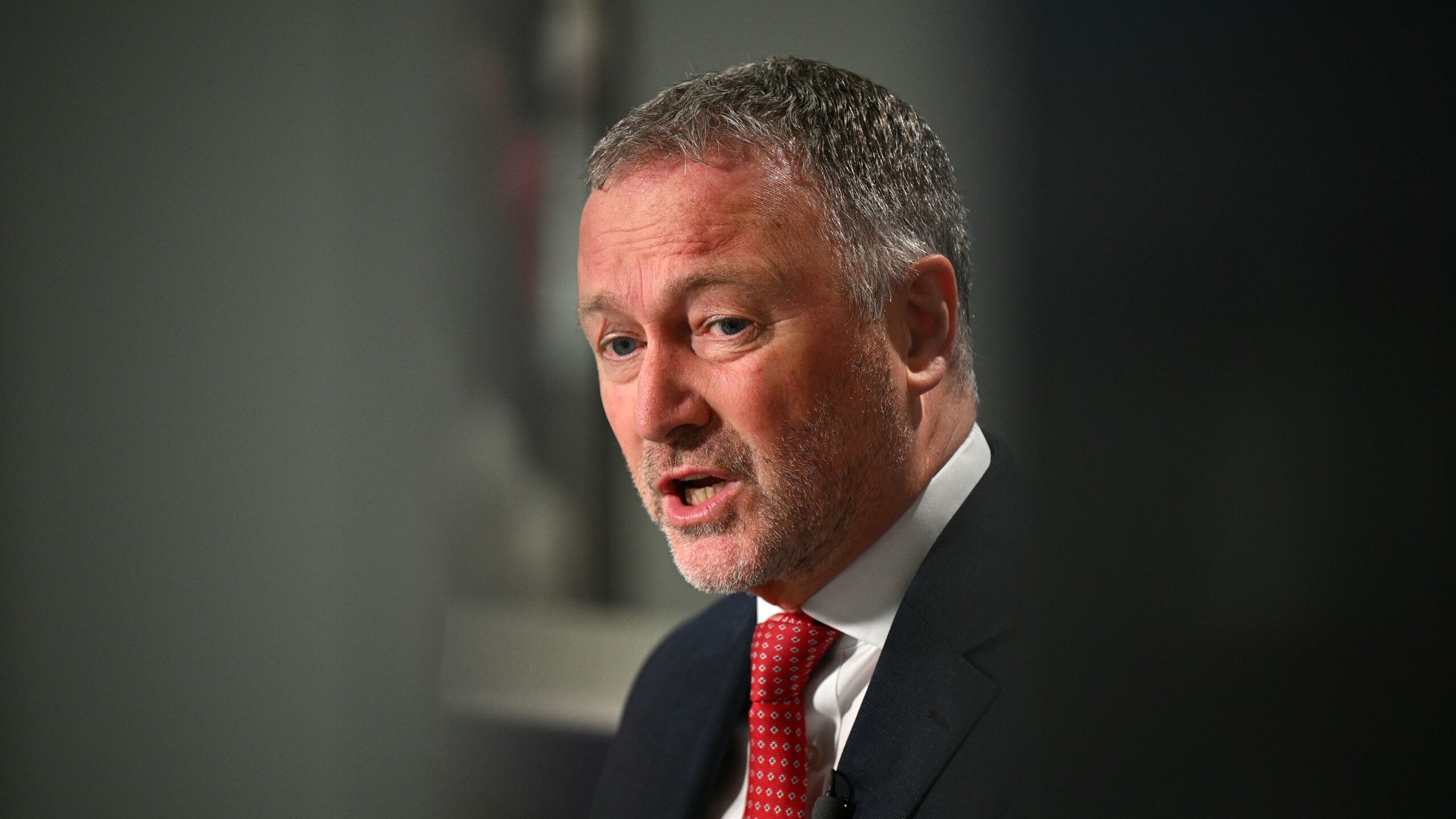
    The United Kingdom has formally established its first official definition of anti-Muslim hatred in a landmark move to address rising religious-based hostility. Communities Secretary Steve Reed presented the new framework to Parliament on Monday, emphasizing the government’s duty to confront record levels of faith-targeted crimes.

    Speaking before the House of Commons, Reed revealed that nearly half of all religious hate crimes in Britain are directed at Muslims, creating widespread fear within communities. ‘Many live in fear that they will be targeted because of how they look or assumptions over where they come from,’ he stated, underscoring the necessity for clear parameters against prejudice.

    The newly adopted non-statutory definition specifically encompasses both Muslims and individuals perceived as Muslim, acknowledging that hatred frequently manifests through ethnic or racial targeting rather than solely religious identification. This approach mirrors the existing framework for antisemitism, addressing the complex nature of discrimination.

    The development follows extensive consultation led by former Conservative minister Dominic Grieve in collaboration with British Muslim representatives. Javed Khan, managing director of think tank Equi and member of the government’s working group, praised the definition’s comprehensive scope, noting it ‘acknowledges the reality that hatred often targets people because of their ethnicity or racial background.’

    However, the initiative faces scrutiny from critics questioning its practical implementation. Concerns have emerged regarding sufficient resource allocation for enforcement mechanisms and whether the definition adequately addresses structural Islamophobia beyond individual incidents.

    The policy forms part of the broader government action plan ‘Protecting What Matters,’ designed to strengthen national social cohesion amidst rising extremism and global tensions. Additional measures include establishing an annual state of extremism report and enhancing the visa watchlist taskforce to prevent entry by hate preachers.

    Recent research by Equi indicates a 43% surge in anti-Muslim incidents between 2023-2024, with summer riots alone costing approximately £243 million. Despite these challenges, public attitudes show promising trends—most British citizens hold favorable or neutral views of Muslims, particularly when exposed to examples of community contributions.

  • Why is China set to approve a new law promoting ‘ethnic unity’?

    Why is China set to approve a new law promoting ‘ethnic unity’?

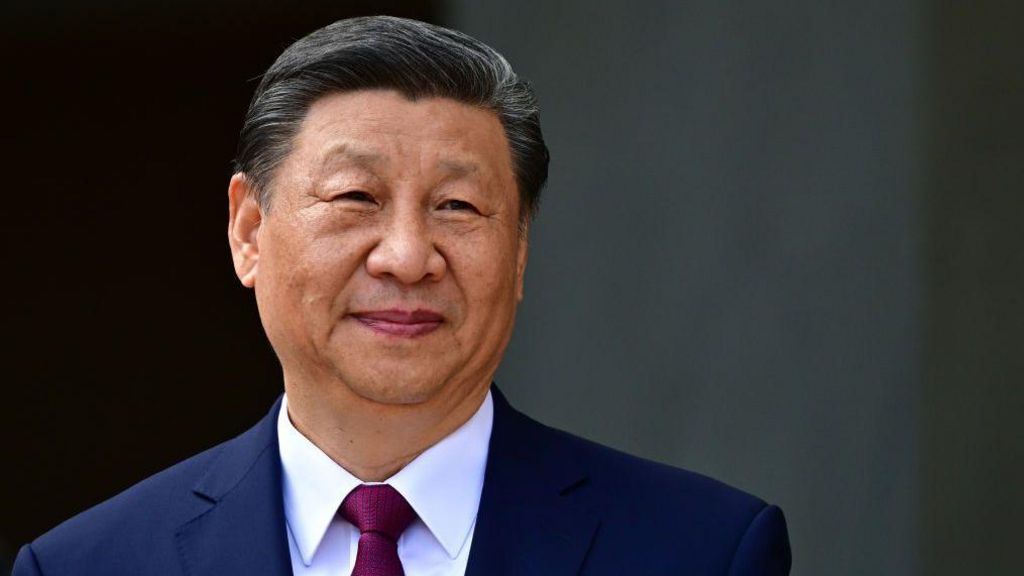
    China’s legislative body is poised to enact a comprehensive new law that significantly expands the government’s approach to ethnic minority integration, marking a formalization of policies that critics describe as accelerated cultural assimilation. The “Promoting Ethnic Unity and Progress” legislation, expected to pass during the National People’s Congress session, represents the legal codification of President Xi Jinping’s longstanding call for the “Sinicization of religion” and cultural practices.

    The legislation systematically prioritizes Mandarin Chinese over minority languages in educational and public contexts, prohibits restrictions on interethnic marriage, and mandates that parents instill loyalty to the Communist Party in their children. Academics and human rights organizations view these measures as an intensification of existing policies that threaten the cultural preservation of Tibetans, Uyghurs, Mongolians, and other recognized minority groups.

    Government spokesperson Lou Qinjian defended the legislation as essential for “ensuring the party’s comprehensive leadership over ethnic affairs” and creating “a shared community for the Chinese nation.” This framing aligns with Beijing’s narrative that cultural integration supports modernization and national stability.

    The legal changes occur against a historical backdrop of ethnic tensions. Since the 2008 Tibetan uprising and subsequent violent clashes in Xinjiang, Chinese authorities have increasingly implemented policies aimed at suppressing separatist sentiments. These include the much-criticized re-education camps in Xinjiang, where over a million Uyghurs are reportedly detained, and restrictions on religious practices including mosque demolitions and monastery controls.

    Demographic considerations appear central to the policy direction. While Han Chinese constitute over 90% of China’s population, minority groups inhabit strategically vital border regions rich in natural resources. The government has actively encouraged Han migration to these areas while promoting interethnic marriage through financial incentives, altering the demographic and cultural landscape of regions like Tibet and Xinjiang.

    University of Pennsylvania researcher Aaron Glasserman notes that the law primarily serves as an ideological framework rather than a practical judicial tool: “It formalizes what was previously policy, providing clearer directives for local officials implementing assimilation measures.”

    International advocacy groups including Human Rights Watch have condemned the legislation as further erosion of minority rights. With limited ability to voice dissent within China, exiled communities and international organizations remain the primary critics of what they characterize as systematic cultural erasure mandated at the highest levels of government.

  • Nation intensifies crackdown on telecom, online fraud

    Nation intensifies crackdown on telecom, online fraud

    China’s judicial authorities have significantly escalated their campaign against transnational telecommunications and cyber fraud networks, achieving substantial breakthroughs in prosecuting criminal organizations operating from northern Myanmar. The Supreme People’s Procuratorate (SPP) and Supreme People’s Court (SPC) presented comprehensive work reports to the National People’s Congress on Monday, detailing their intensified efforts against sophisticated fraud operations targeting Chinese citizens.

    According to the judicial reports, Chinese prosecutors brought charges against approximately 69,000 individuals for telecommunications and online fraud offenses throughout 2025. Among these cases, 285 defendants faced prosecution for severe crimes including fraud, intentional homicide, and intentional injury – all committed under the direction of criminal syndicates based in Myanmar’s northern regions.

    The judicial crackdown has yielded decisive outcomes, with Chinese courts concluding 41,000 fraud-related cases in 2025, representing a 1.2 percent increase from the previous year. In a landmark development, sixteen members of family-operated criminal syndicates in Myanmar received death sentences for their roles in orchestrating fraud operations against Chinese nationals. These sentences underscore China’s determination to extend legal jurisdiction beyond its borders when its citizens are victimized.

    Notable cases include the Wenzhou Intermediate People’s Court’s sentencing of eleven criminal group members from northern Myanmar, including leaders Mg Myin Shaunt Phyin and Ma Thiri Maung, to death for multiple offenses. Court documents revealed the organization had established an armed faction in Myanmar’s Kokang region, engaging in telecommunications fraud, casino operations, drug trafficking, and organized prostitution since 2015. Their criminal activities resulted in fourteen Chinese fatalities and six injuries, with illegal proceeds exceeding 10 billion yuan ($1.5 billion). The executions were carried out earlier this year following mandatory review and approval by the SPC.

    Similarly, the Shenzhen Intermediate People’s Court sentenced five members of another prominent syndicate to death in November. Led by Bay Saw Chain and Bay Yin Chin, this group utilized its military influence to establish forty-one compounds in the Kokang region, resulting in six Chinese deaths and multiple injuries. Following Bay Saw Chain’s death from illness, the SPC approved the execution of the remaining four defendants in February.

    Yang Jianbo, Director-General of the SPP’s Law and Policy Research Office, confirmed that since the special operation’s inception in 2023, arrest warrants have been approved for 49,000 individuals, with 47,000 already prosecuted. “This has effectively deterred cross-border telecom fraud offenders,” Yang stated.

    Legal experts emphasize the jurisdictional legitimacy of China’s actions. Professor Peng Xinlin of Beijing Normal University explained that under Chinese law, jurisdiction applies regardless of the perpetrator’s nationality or crime location when actions harm Chinese interests and constitute crimes in both jurisdictions, carrying potential sentences of three or more years. “Telecom fraud, including online scams, is criminalized in both China and Myanmar,” Peng noted, “and because these offenders have inflicted significant harm on Chinese citizens, they can be prosecuted under China’s Criminal Law.”

  • Istanbul Mayor Ekrem Imamoglu in shouting match with judge as trial begins

    Istanbul Mayor Ekrem Imamoglu in shouting match with judge as trial begins

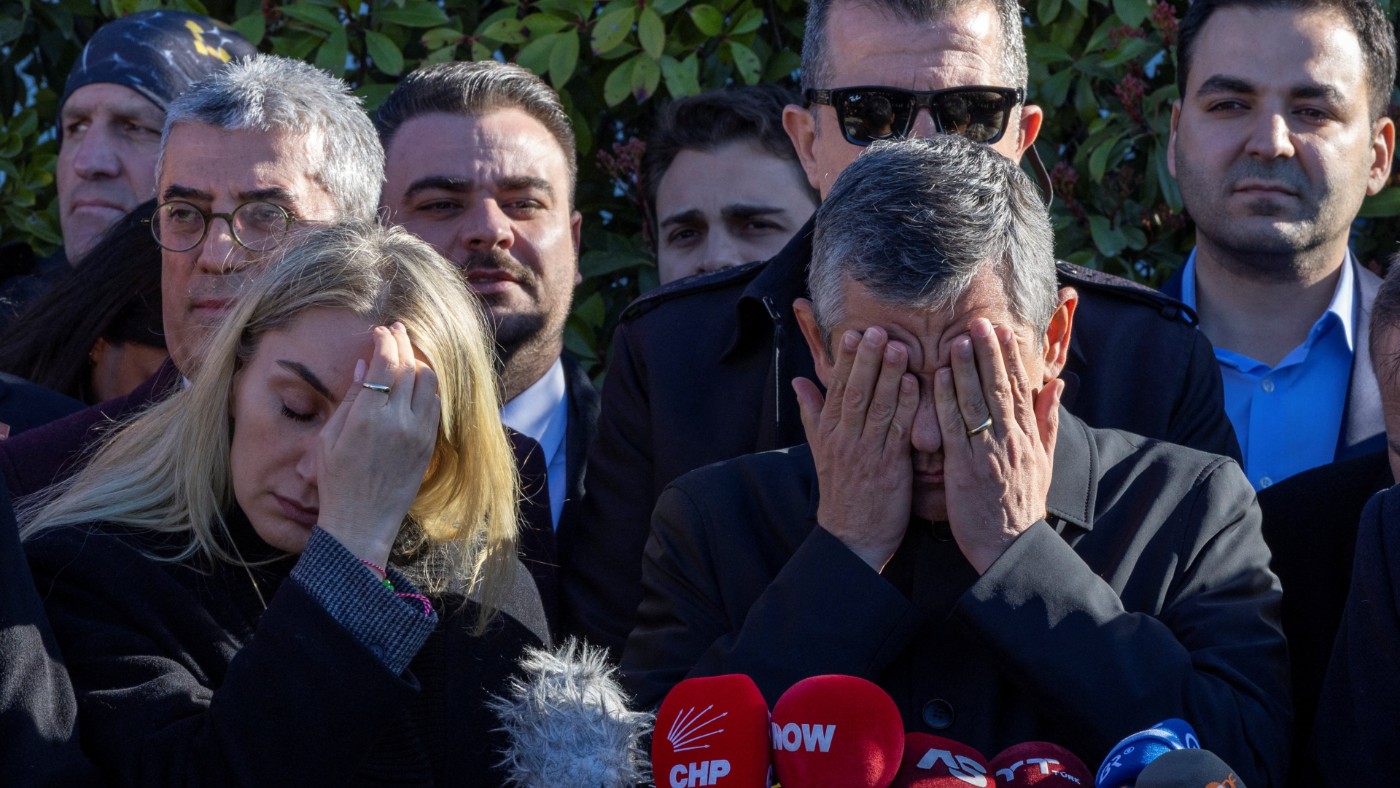
    The sprawling corruption trial of Istanbul Mayor Ekrem Imamoglu commenced under intense scrutiny at the Silivri courthouse complex, marking the beginning of what could become Turkey’s most politically significant judicial proceeding in years. The suspended mayor, facing over 140 criminal charges alongside 406 co-defendants, immediately challenged the court’s procedures as supporters rallied outside the massive courtroom designed to accommodate approximately 1,000 attendees.

    Proceedings opened with dramatic confrontations as presiding judges denied Imamoglu’s request to address his supporters and subsequently cut his microphone when he attempted to speak from the defendant’s bench. ‘Starting the trial in this way is very wrong,’ Imamoglu declared. ‘People who have been victimized here must be able to defend themselves.’

    The trial’s scale presents unprecedented logistical challenges, with court officials estimating that merely verifying the identities of all defendants and legal representatives could consume two full days. Among the 407 defendants, 107 remain in pre-trial detention while nearly 300 have been released pending judicial proceedings.

    Defense attorneys immediately raised multiple procedural objections, alleging limited access to evidence, judicial bias, and fundamental irregularities in trial management. Lawyers revealed that nearly 100 pages of the indictment were missing from the electronic system, while detainees struggle to review tens of thousands of pages of evidence with only two hours of weekly computer access—a situation one attorney described as requiring ‘a titanic effort’ for adequate defense preparation.

    Further controversy emerged when defense teams discovered that the witness list had apparently been leaked to pro-government media outlet Yeni Safak before being formally shared with legal representatives. The court additionally rejected defense motions seeking prosecutor recusal and live broadcast of hearings.

    The prosecution seeks staggering prison terms ranging from 849 to 2,430 years against Imamoglu on charges including criminal organization establishment, bribery, extortion, asset laundering, and bid rigging. The mayor and his Republican People’s Party (CHP) maintain their innocence, characterizing the case as politically motivated.

    The trial carries profound implications for Turkey’s political landscape, potentially eliminating a leading opposition figure widely considered President Recep Tayyip Erdogan’s most formidable potential challenger. Imamoglu has been under arrest since March 2025 and already suffered a setback to his presidential ambitions when a court previously invalidated his university degree—a mandatory qualification for presidential candidates.

    With parliamentary and presidential elections not formally scheduled until 2028, the trial’s outcome could significantly influence Turkey’s political trajectory, particularly if Erdogan seeks constitutional changes to pursue a third term or calls early elections in 2027.

  • Huge crude oil spike and Asia plummet: How the Iran war hit the markets

    Huge crude oil spike and Asia plummet: How the Iran war hit the markets

    Financial markets worldwide experienced significant turbulence at the week’s opening following escalated military actions between Israel and Iran over the weekend. The conflict reached new intensity when Israeli forces targeted more than thirty Iranian oil depots across Tehran and Karaj, exceeding previously communicated operational scope according to Axios reports.

    In retaliation, Iran launched offensive operations against energy infrastructure throughout the Gulf region, with confirmed attacks impacting facilities within the UAE, Qatar, Bahrain, and Kuwait. This exchange has substantially heightened geopolitical risks within global energy markets, particularly affecting crude oil transportation through the critically important Strait of Hormuz.

    Energy markets witnessed extraordinary price movements, with Brent crude futures surging to $119 per barrel – the highest valuation since 2022 – before moderating to approximately $105 following announcements of potential coordinated petroleum reserve releases by G7 nations through the International Energy Agency. The price volatility reflected market uncertainty regarding supply continuity from the region.

    The conflict’s impact extended beyond energy markets, creating widespread equity market declines across Asian, European, and American trading sessions. Japan’s Nikkei 225 and South Korea’s KOSPI experienced particularly severe contractions, declining 5.2% and 6.2% respectively during Monday’s session, reflecting these nations’ substantial dependence on Middle Eastern energy exports.

    European markets mirrored this negative trend, with London’s FTSE 100 dropping to its lowest level since mid-January while Germany’s DAX and France’s CAC both declined approximately 2.4%. The U.S. dollar strengthened notably amid revised inflation expectations and anticipations that the Federal Reserve might maintain higher interest rates for longer.

    Industrial and agricultural commodities demonstrated varied responses, with aluminum reaching four-year highs due to supply concerns while precious metals including gold experienced unexpected declines. Agricultural commodities, particularly palm oil and soybean oil, recorded substantial gains linked to broader energy market movements.

    Market analysts attribute the sustained volatility to concerns regarding conflict prolongation, particularly following Iran’s appointment of Mojtaba Khamenei as supreme leader and continued regional military operations. The situation remains highly fluid with traders monitoring diplomatic developments and potential supply disruptions.