标签: Asia

亚洲

  • India’s oil imports and other issues will be on the agenda for Putin meeting with Modi

    India’s oil imports and other issues will be on the agenda for Putin meeting with Modi

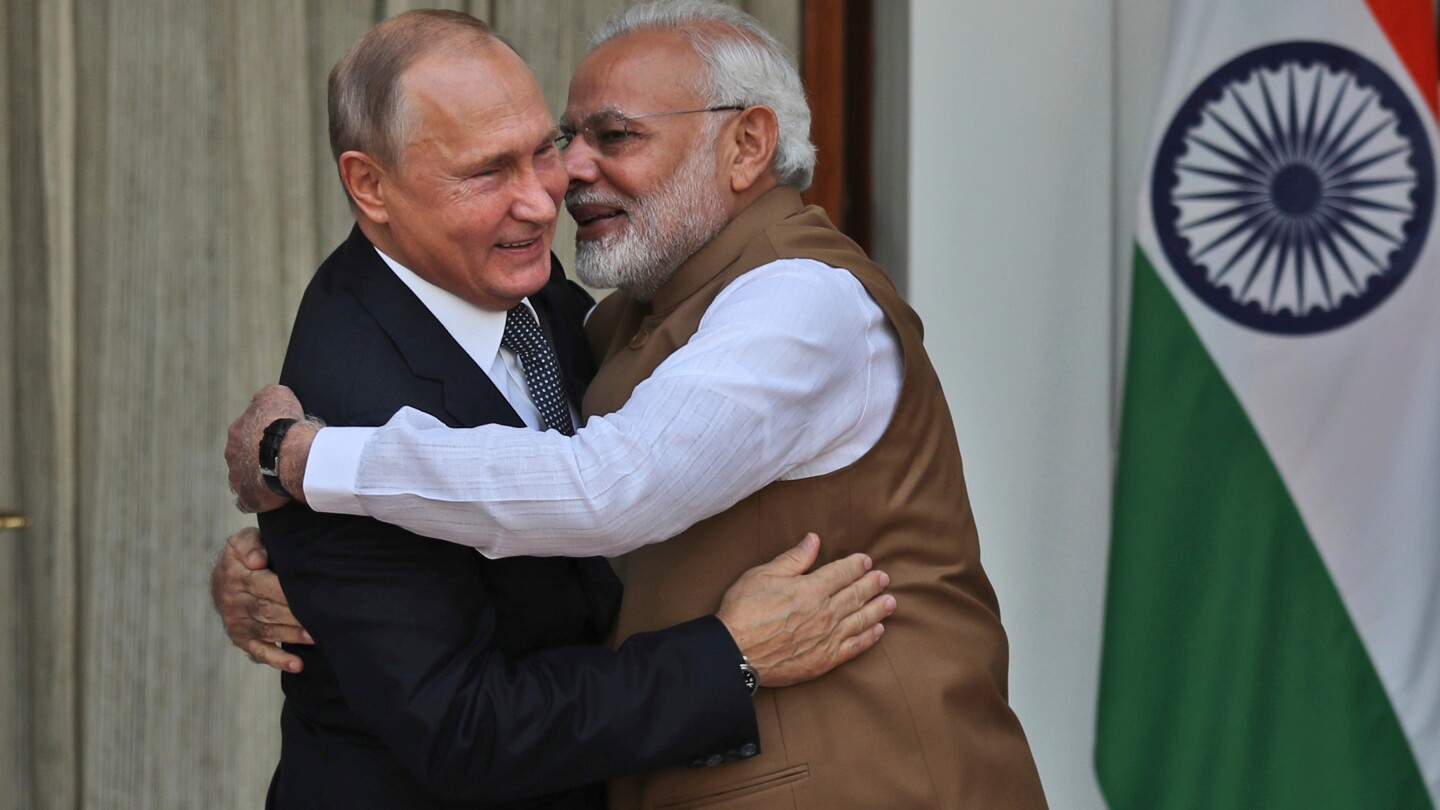
    Russian President Vladimir Putin’s upcoming state visit to India presents a critical test for New Delhi’s delicate diplomatic positioning between Moscow and Washington. The two-day summit beginning Thursday will see Putin and Indian Prime Minister Narendra Modi reviewing bilateral relations while navigating complex international pressures stemming from the ongoing conflict in Ukraine.

    The visit occurs against the backdrop of intensified U.S. efforts to advance a Ukraine peace plan and secure broader international cooperation. India has maintained a nuanced position regarding the Ukraine conflict, refraining from direct condemnation of Russia while advocating for peaceful resolution. This balanced approach reflects New Delhi’s strategic calculations in preserving relationships with both global powers.

    Economic cooperation forms a central pillar of the discussions, with both nations preparing to sign agreements covering trade facilitation, maritime collaboration, healthcare, and media exchanges. India seeks expanded market access for its pharmaceuticals, agricultural products, and textiles while pursuing long-term fertilizer supplies from Russia. The negotiations will also address safe migration protocols for Indian skilled workers seeking employment in Russia.

    The energy sector remains particularly contentious as India continues purchasing discounted Russian oil despite U.S. pressure and retaliatory tariffs. New Delhi defends these imports as essential for meeting the energy demands of its 1.4 billion population. The summit will explore expanded civil nuclear cooperation and Indian investments in Russia’s Far East, building on existing partnerships like the Russian-assisted Kudankulam nuclear facility.

    Defense cooperation constitutes another critical dimension, with India expected to press for expedited delivery of S-400 surface-to-air missile systems under their 2018 agreement. Discussions will cover potential acquisitions of additional units, modernization of Russia-made Su-30MKI fighter jets, and improved coordination on joint military exercises. Despite India’s diversification of defense suppliers, Russia remains its primary military hardware provider.

    International relations experts suggest that while India avoids overt mediation roles, behind-the-scenes diplomacy by Modi could influence Putin to address Ukrainian and European concerns. The outcome of these high-stakes negotiations will significantly impact global geopolitical dynamics and energy markets amid ongoing conflict resolution efforts.
  • Deadly Asian floods are no fluke. They’re a climate warning, scientists say

    Deadly Asian floods are no fluke. They’re a climate warning, scientists say

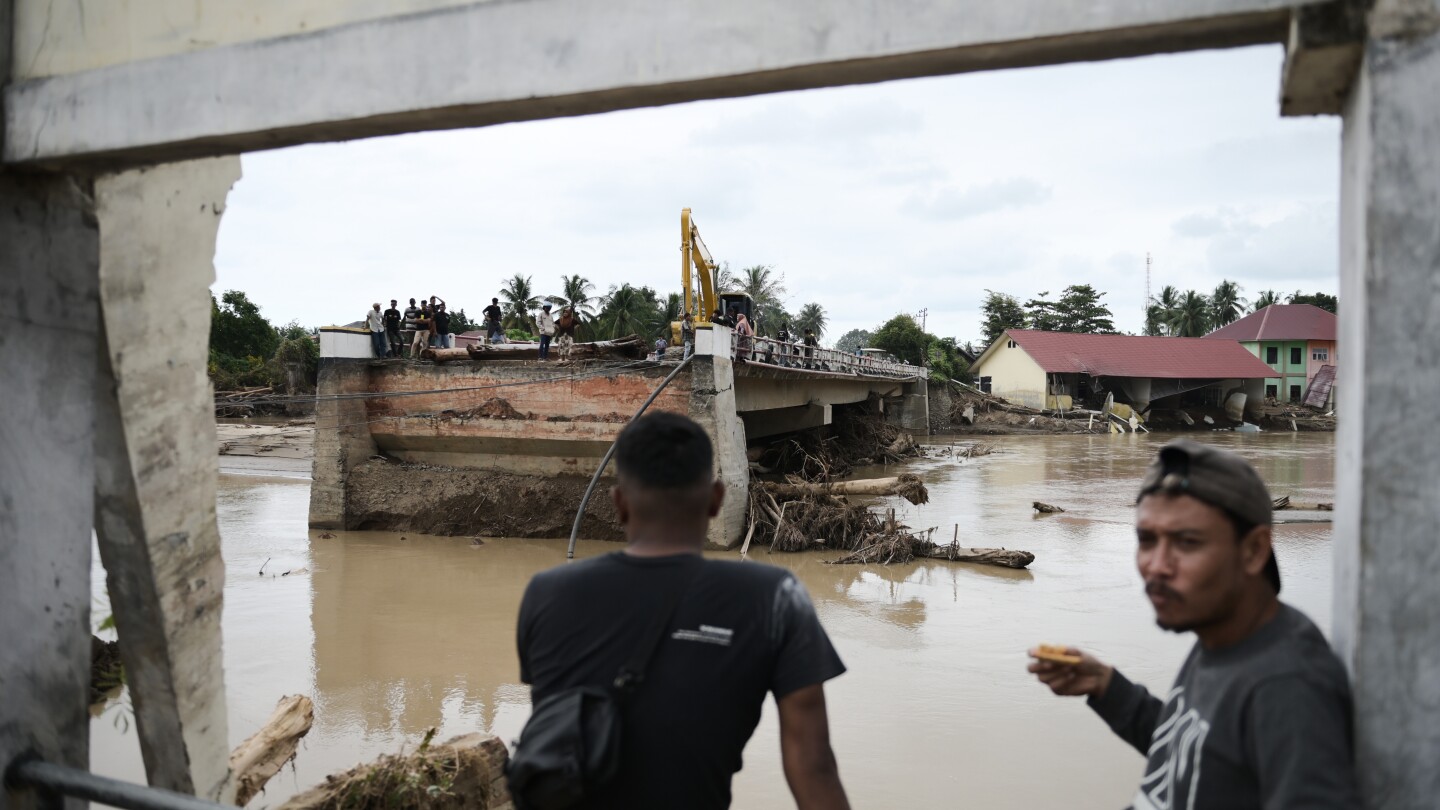
    Southeast Asia is experiencing catastrophic flooding of historic proportions, with climate scientists confirming these devastating events represent a dangerous new normal rather than anomalous weather patterns. The region has recorded over 1,200 fatalities across Indonesia, Sri Lanka, and Thailand, with more than 800 individuals still missing following relentless rains and landslides that have overwhelmed national response capabilities.

    Climate scientists point to alarming environmental triggers that set the stage for 2025’s extreme weather. Atmospheric carbon dioxide levels surged by the largest margin ever documented in 2024, creating what the UN’s World Meteorological Organization describes as a ‘turbocharged’ climate system. Asia is warming at nearly double the global average rate, resulting in stronger, wetter storms with increased frequency and unpredictability.

    The human toll is staggering: entire villages in Indonesia remain isolated after critical infrastructure was destroyed, thousands in Sri Lanka lack access to clean water, and Thailand’s leadership has publicly acknowledged deficiencies in their emergency response. Malaysia continues recovery efforts from its worst flooding in recent memory, which claimed three lives and displaced thousands. Vietnam and the Philippines have endured a year of consecutive destructive storms that have left hundreds dead.

    Professor Benjamin Horton of City University Hong Kong explains the scientific mechanisms: ‘Warmer ocean temperatures provide enhanced energy for storm formation while rising sea levels amplify storm surges. Although total storm numbers may not increase dramatically, their severity and unpredictability certainly will.’

    The region’s disaster preparedness systems have proven inadequate against these climate-fueled catastrophes. Aslam Perwaiz of the Asian Disaster Preparedness Center notes that governments traditionally prioritize disaster response over proactive preparation, leaving them vulnerable to increasingly unpredictable weather patterns. Unregulated development and ecosystem degradation have exacerbated flooding impacts, with deforestation particularly concerning in Indonesia where affected provinces have lost forest coverage exceeding New Jersey’s size since 2000.

    The economic consequences are devastating. Vietnam estimates $3 billion in losses from natural disasters during the first eleven months of 2025, while Thailand’s agricultural sector alone suffered approximately $47 million in damages since August. Southern Thailand’s November flooding caused an estimated $781 million in losses, potentially reducing national GDP by 0.1%.

    Despite contributing minimally to global carbon emissions, Southeast Asian nations bear disproportionate climate impacts while struggling with limited financial resources. At the recent COP30 conference in Brazil, countries pledged to triple climate adaptation funding and make $1.3 trillion in annual climate financing available by 2035—commitments that remain insufficient compared to developing nations’ needs and uncertain in their implementation.

    As Southeast Asia stands at a climate crossroads, expanding renewable energy while maintaining fossil fuel dependence, communities face the harsh reality that extreme weather has become their permanent reality.

  • Israel relishes in Trump’s Muslim Brotherhood crackdown as Gulf shrugs it off

    Israel relishes in Trump’s Muslim Brotherhood crackdown as Gulf shrugs it off

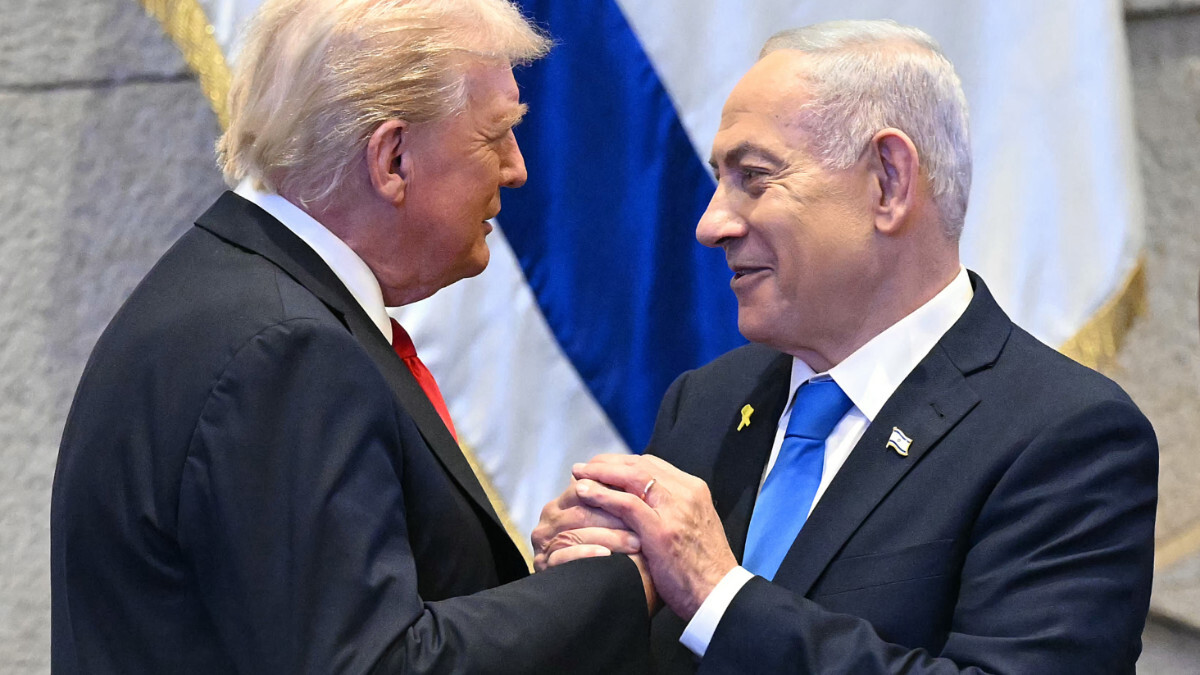
    Former President Donald Trump’s recent executive order targeting affiliates of the Muslim Brotherhood has been met with widespread indifference across the Middle East, revealing how regional dynamics have transformed since his first administration. The order, which establishes a review process rather than designating the group as a terrorist organization, drew dismissive responses from Arab officials and Western diplomats who characterized it as largely symbolic.

    The most enthusiastic support came from pro-Israel activists in the United States, including commentator Laura Loomer, who expressed disappointment that the measures didn’t go further. This contrast highlights a significant evolution in Middle East priorities since Trump’s first term, with regional powers now focused on different geopolitical concerns.

    Experts note that the Muslim Brotherhood, founded in Egypt in the 1920s as an Islamic political movement opposing British colonial rule, has never posed a direct terrorist threat to the United States. Instead, the push for designation appears driven primarily by Israeli security interests. The order specifically targets Brotherhood-affiliated groups in Egypt, Jordan, and Lebanon—countries of particular concern to Israel—while notably excluding NATO ally Turkey where the movement operates legally.

    The regional context has shifted dramatically since Trump first considered the designation in 2017. Then, the Middle East was grappling with the aftermath of the Arab Spring, and Gulf powers were deeply divided over political Islam. Saudi Arabia and the UAE viewed the Muslim Brotherhood as an existential threat to monarchical rule, leading to a blockade of Qatar that Trump endorsed. Today, these nations have largely reconciled through the 2021 Al Ula agreement, and fighting has diminished in proxy conflicts in Libya and Yemen.

    Current regional concerns center on Israel’s war in Gaza, Iran’s influence, and the ongoing conflict in Sudan, where new alliance patterns have emerged. Saudi Arabia now cooperates with Qatar and Turkey in supporting the Sudanese Armed Forces, while the UAE backs the rival Rapid Support Forces. The Emirates quickly leveraged Trump’s executive order to discredit the Sudanese military by alleging Muslim Brotherhood influence within its ranks.

    Analysts conclude that while the order may satisfy Trump’s domestic base and Israeli hardliners, it reflects outdated geopolitical realities in a region that has moved beyond the battles of the past decade.

  • Indonesia to repatriate two Dutch men, including one on death row

    Indonesia to repatriate two Dutch men, including one on death row

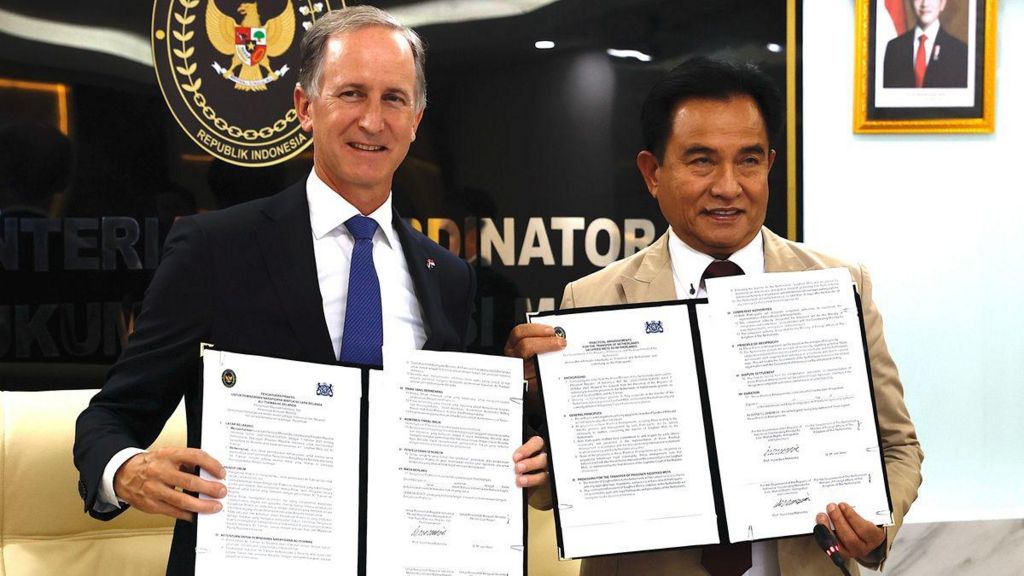
    In a significant diplomatic development, Indonesia and the Netherlands have formalized an agreement facilitating the repatriation of two elderly Dutch nationals incarcerated for drug-related offenses. The arrangement, signed on Tuesday in Jakarta, underscores a growing pattern of humanitarian transfers from Indonesia’s penal system.

    Seventy-four-year-old Siegfried Mets, who faced execution following his 2008 conviction for smuggling 600,000 ecstasy tablets, and 65-year-old Ali Tokman, originally sentenced to death in 2015 for trafficking 6kg of MDMA before receiving life imprisonment, will be transferred to Dutch custody. Both individuals have been experiencing deteriorating health conditions, which formed the central justification for their transfer.

    The signing ceremony featured virtual participation from Dutch Foreign Minister David van Weel, while Indonesian Coordinating Minister for Law and Human Rights Yusril Ihza Mahendra represented the host nation. Marc Gerritsen, Netherlands Ambassador to Indonesia, expressed profound gratitude for Indonesia’s decision to allow the prisoners to spend their remaining years nearer to family members.

    Indonesian authorities confirmed the prisoners’ scheduled departure to Amsterdam on December 8, with their future legal status now falling under Dutch jurisdiction. This transfer follows Indonesia’s October approval of the repatriation request, which the Dutch government formally submitted citing compelling humanitarian considerations.

    This case represents part of a broader trend wherein Indonesia has permitted the return of foreign nationals convicted of serious drug crimes. Recent months have seen similar repatriations involving British and French citizens, including 69-year-old Lindsay Sandiford, whose death sentence in Bali garnered international attention, and Serge Atlaoui, returned to France in February after nearly two decades on death row.

    According to Indonesia’s Law Ministry, approximately 500 prisoners currently await execution nationwide, with drug offenses constituting a substantial proportion of capital cases. The repatriation agreement specifically addresses two of the five Dutch citizens serving criminal sentences in Indonesian facilities.

  • Deep-sea search for Malaysia Airlines Flight 370 to resume Dec. 30

    Deep-sea search for Malaysia Airlines Flight 370 to resume Dec. 30

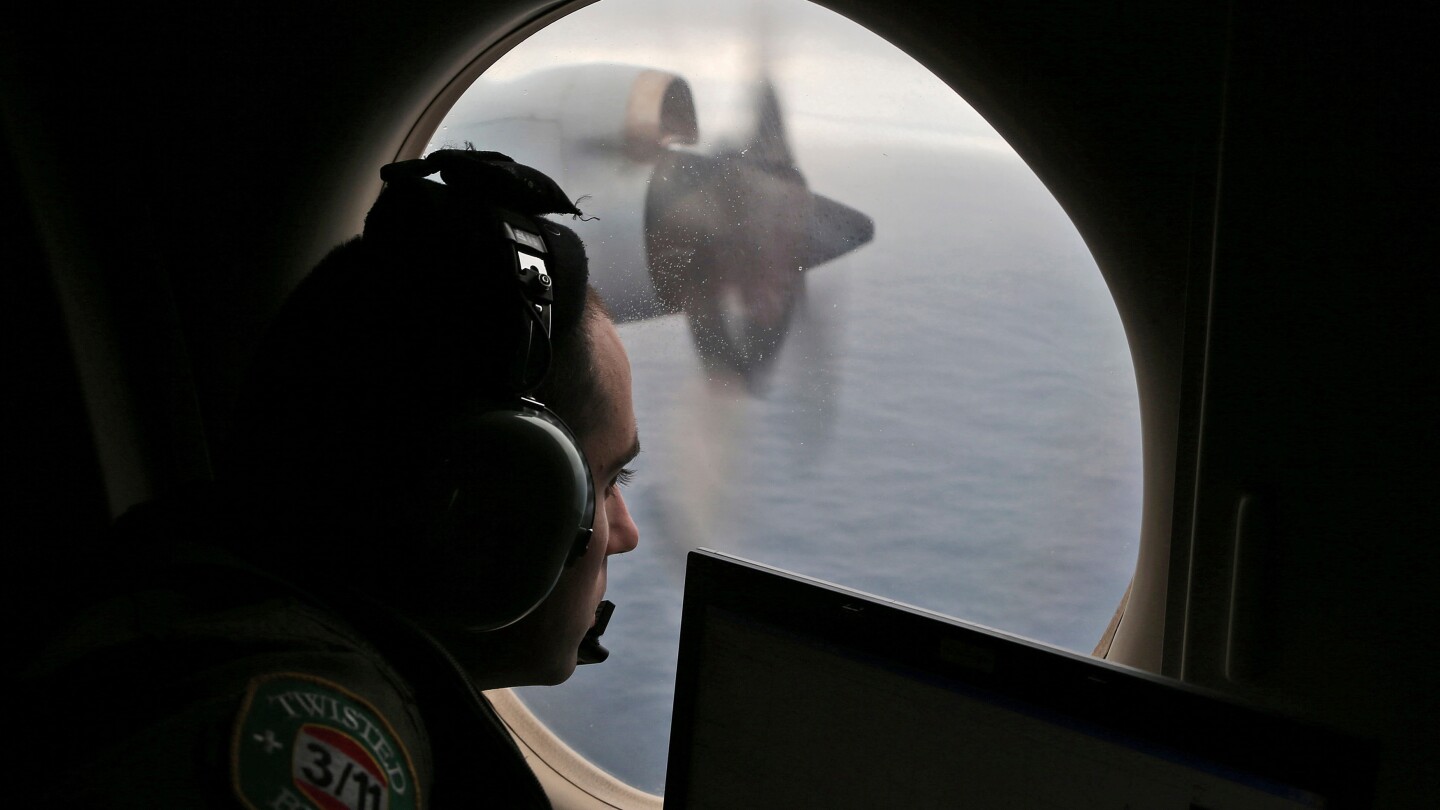
    KUALA LUMPUR, Malaysia — In a significant development to one of aviation’s most enduring mysteries, Malaysian authorities have announced the resumption of the deep-sea search for Malaysia Airlines Flight MH370. The renewed operation, scheduled to commence on December 30, represents the latest effort to locate the aircraft that disappeared without explanation over a decade ago.

    The Boeing 777 vanished from radar systems on March 8, 2014, during a routine flight from Kuala Lumpur to Beijing with 239 passengers and crew aboard, predominantly Chinese citizens. Satellite communications indicated the aircraft dramatically altered its intended flight path, diverting southward before presumably crashing in the remote southern Indian Ocean.

    According to an official statement from Malaysia’s Transport Ministry, Texas-based Ocean Infinity, a specialist in marine robotics, will conduct the search operation under a unique performance-based contract. The company will deploy advanced underwater technology across a targeted 15,000-square-kilometer (5,800-square-mile) zone identified through updated analysis as having the highest probability of containing wreckage.

    The search protocol involves intermittent operations over a 55-day period, with compensation of $70 million contingent exclusively upon successful discovery of aircraft debris. This “no-find, no-fee” arrangement, initially approved in March but delayed due to adverse weather conditions, demonstrates the government’s renewed determination to resolve the tragedy.

    Previous extensive multinational search efforts, including Ocean Infinity’s 2018 mission, yielded no definitive results despite recovering scattered debris along eastern African coastlines and Indian Ocean islands. The latest initiative reflects Malaysia’s ongoing commitment to providing closure for affected families while advancing technical understanding of deep-sea search capabilities.

  • Inside Abu Dhabi’s Zayed National Museum: 300,000 years of UAE history come to life

    Inside Abu Dhabi’s Zayed National Museum: 300,000 years of UAE history come to life

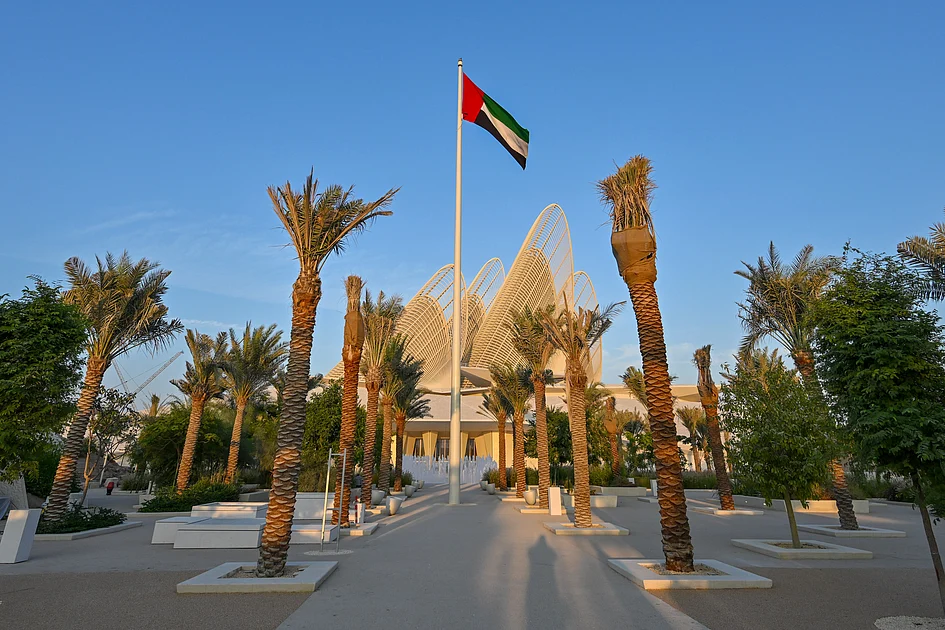
    Abu Dhabi’s highly anticipated Zayed National Museum officially opened its doors to the public today, offering an unprecedented journey through 300,000 years of Emirati history. The institution stands as a monumental tribute to the nation’s rich cultural legacy, blending archaeological marvels with community narratives in a groundbreaking approach to heritage preservation.

    At the heart of the museum’s atrium rests an extraordinary reconstruction of a 4,000-year-old Mesopotamian cargo boat—an 18-meter vessel meticulously crafted without nails using ancient techniques. Museum organizers conducted an authentic sea trial, successfully sailing this replica across the Arabian Gulf at speeds reaching five knots. This experimental archaeology project demonstrates the vessel’s seaworthiness while honoring ancient maritime traditions.

    The galleries showcase remarkable discoveries including the burial site of an 8,000-year-old woman from Marawah Island, accompanied by a shark-tooth necklace and traces of what experts believe to be ancient henna. According to Mohamed Al Mubarak, Chairman of the Department of Culture and Tourism – Abu Dhabi, the sophistication of her burial suggests she held significant status, possibly as a community leader. Alongside this ancient resting place, visitors can examine a Bronze Age sword recently unearthed in Al Ain, providing new insights into burial customs where weapons accompanied the deceased.

    Beyond physical artifacts, the museum pioneers an innovative ‘vault’ system where visitors can contribute personal memories and family histories, ensuring the preservation of intangible heritage. This commitment to oral history reflects Sheikh Zayed’s philosophy that ‘if you do not know your past, you cannot know your future’—a guiding principle throughout the institution’s narrative.

    The museum’s architecture, designed by Norman Foster, features five towers evoking falcon wings—symbolizing the UAE’s aspirations toward great heights. Interior spaces maintain a warm sand-colored palette that seamlessly blends past and future aesthetics.

    Six permanent galleries present Emirati history from a distinctly local perspective, covering maritime heritage, early Arab navigation, pearling economies, and trade networks. Interactive elements include scent stations featuring traditional spice mixes and a pearling water tank highlighting women’s contributions to coastal economies.

    The institution also serves as a research hub, offering scholarships to young Emiratis in archaeology, geology, and related fields while continuing archaeological excavations throughout the region. This dual focus on preservation and education ensures the museum will remain a living institution that grows alongside the nation it represents.

  • ‘We keep taking in garbage’: Trump unleashes on Somali immigrants

    ‘We keep taking in garbage’: Trump unleashes on Somali immigrants

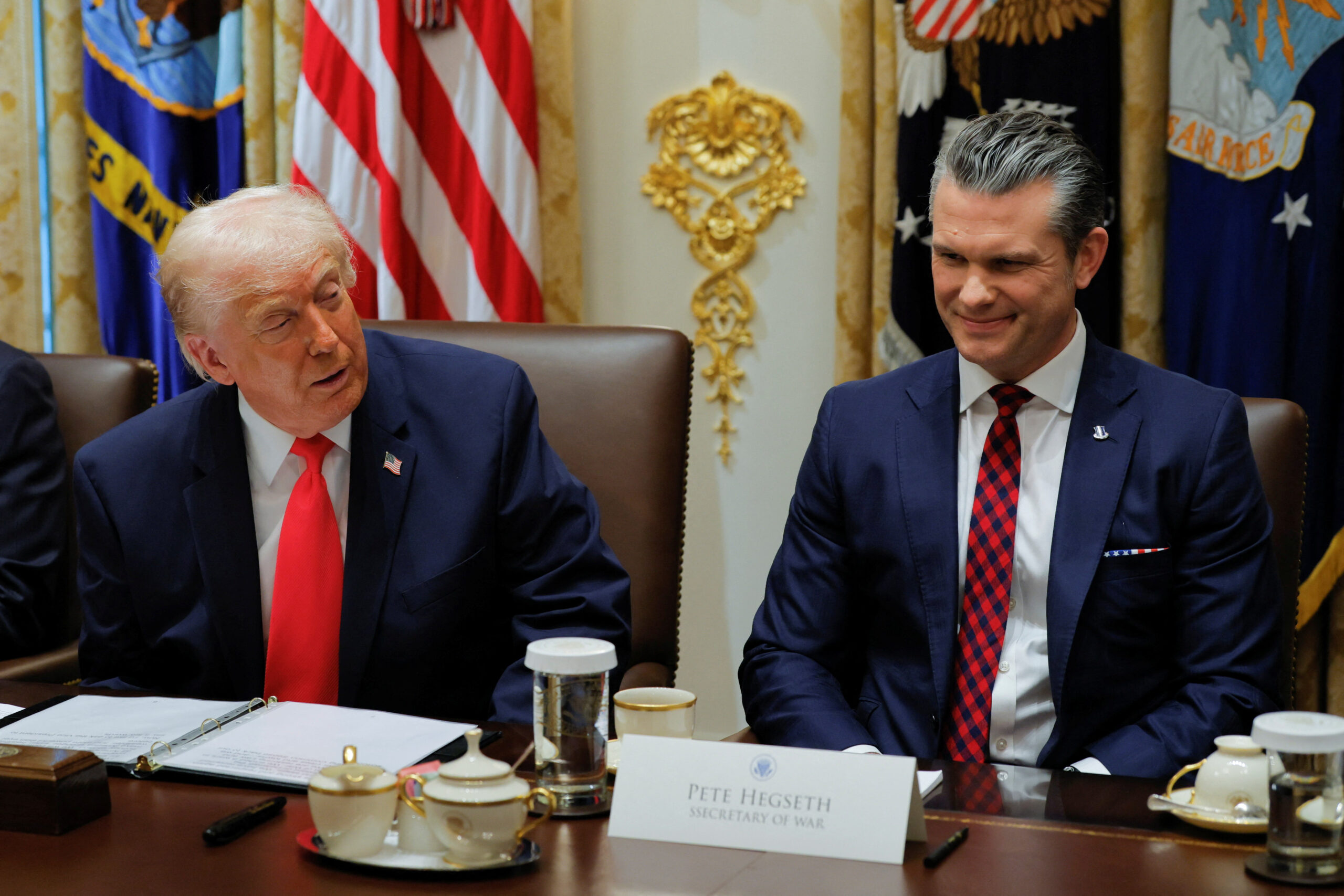
    In a marathon year-end cabinet session extending over two hours on Tuesday, President Donald Trump launched incendiary remarks targeting Somali immigrants and their sole congressional representative, alleging a hostile takeover of Minnesota. The president’s comments emerged during discussions concerning pandemic relief fraud investigations in the state.

    ‘They emanate from infernal conditions yet incessantly complain. We should repatriate them to address their nation’s failures,’ Trump declared to journalists, dismissing concerns about political correctness. ‘Their homeland’s deplorable state justifies my stance—this applies to multiple nations.’

    The Justice Department’s probe into COVID-19 assistance programs revealed substantial fraud schemes, with approximately eighty individuals facing charges or convictions across three distinct conspiracies totaling $1 billion. While acknowledging Minnesota’s systemic vulnerabilities to criminal exploitation, Governor Tim Walz condemned the president’s blanket community vilification as intellectually indolent.

    Minneapolis Councilman Jamal Osman, accompanied by municipal leadership and law enforcement officials, immediately denounced the presidential rhetoric as fundamentally racist, xenophobic, and Islamophobic, vowing community resilience against intimidation.

    Simultaneously, scrutiny intensified regarding a controversial military engagement in Venezuelan waters. Secretary of War Pete Hegseth faced allegations of ordering lethal force against suspected drug traffickers on September 2, resulting in numerous casualties. Pentagon representatives defended the secondary strike as legally justifiable under martial jurisprudence, though congressional armed services committees demanded comprehensive evidence review.

    The administration’s concurrent immigration crackdown manifested through terminated Temporary Protected Status for Somali refugees and suspended legal pathways for Afghan evacuees. This policy shift gained urgency following terrorism charges against Rahmanullah Lakanwal, an Afghan national and former CIA auxiliary operative accused of murdering National Guard personnel in Washington, D.C.

    Trump’s Mar-a-Lago address emphasized enhanced vetting procedures, declaring: ‘We must reassess every Afghan entrant under Biden’s administration and eliminate those contributing no benefit to our nation.’

  • UK government lawyers use ‘secret evidence’ to justify ban on Palestine Action

    UK government lawyers use ‘secret evidence’ to justify ban on Palestine Action

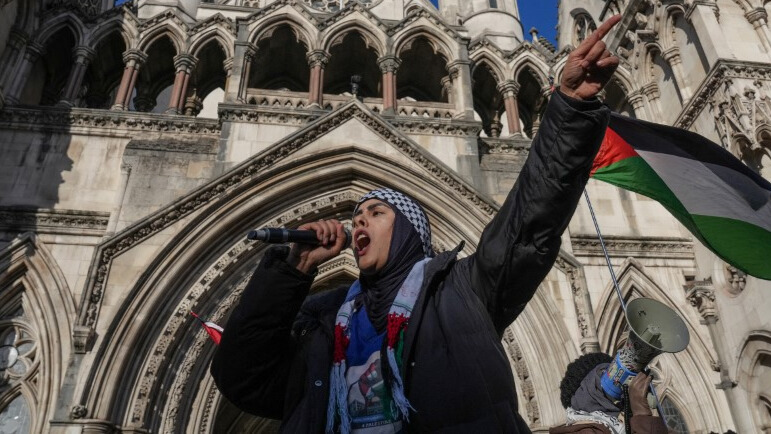
    In a landmark legal proceeding, the UK government concluded its judicial review of Palestine Action by presenting classified evidence withheld from both the defendant’s legal team and the public. The controversial three-day review—the first ever granted to an organization proscribed as terrorist—culminated in a three-hour closed session where government lawyers submitted national security material under special procedures.

    The Home Office defended its ban on Palestine Action, with lawyer Stephen Kosmin asserting the prohibition was essential ‘to protect the public’ and ‘maintain national security.’ The government outlawed the direct-action group following an incident where activists protesting the Gaza war allegedly caused £7 million in damage to military aircraft at an air force base.

    Legal representatives for Palestine Action co-founder Huda Ammori sharply criticized the government’s tactics. Raza Husain KC revealed the ban has triggered house raids, frozen bank accounts, and protest injunctions, creating a ‘severe chilling effect’ on Palestinian activism nationwide. The European Legal Support Centre provided documentation showing hundreds of arrests related to opposition to the ban.

    The case attracted international attention with UN special rapporteurs arguing the UK has become an ‘international outlier’ in its terrorism definition. Notably, Irish novelist Sally Rooney submitted a witness statement warning that the prohibition could force the withdrawal of her books from UK stores due to her support for the group, representing what she called ‘a truly extreme incursion by the state into artistic expression.’

    The High Court has not indicated when a final judgment will be issued in this precedent-setting case that balances national security concerns against civil liberties and protest rights.

  • Air India reports delays after check-in systems disruption at multiple airports

    Air India reports delays after check-in systems disruption at multiple airports

    Air India has confirmed significant operational disruptions affecting its check-in systems at multiple airports nationwide. The airline attributed the technical failure to a third-party service provider, resulting in substantial delays across its flight network.

    In an official statement released Tuesday evening, the carrier acknowledged the system-wide outage while withholding specific details regarding the root cause. The airline confirmed that restoration efforts are currently underway but warned passengers that flight delays would persist until full operational normalization is achieved.

    Travelers were advised to verify their flight status before heading to airports and allocate additional time for check-in procedures. Air India’s ground teams are implementing manual processing protocols to mitigate the impact on passenger travel experience.

    The technical disruption represents one of the most significant system failures affecting Indian aviation infrastructure recently, highlighting the industry’s dependence on third-party technological solutions. Aviation experts note that such system-wide outages can create cascading effects throughout airline operations, potentially affecting aircraft rotations and crew scheduling.

    Air India’s communication emphasized their commitment to resolving the situation promptly while maintaining transparency with affected passengers. The airline has not provided an estimated timeline for complete system restoration but assured travelers that alternative measures are being implemented to minimize inconvenience.

  • World Cup draw 2026: Which Middle East and North Africa teams qualified? Who will they play?

    World Cup draw 2026: Which Middle East and North Africa teams qualified? Who will they play?

    The upcoming 2026 FIFA World Cup, scheduled to unfold across North America from June 11th, will mark a historic milestone for Middle Eastern and North African (MENA) football. A record-breaking eight teams from the region have officially secured their places in the tournament, signaling a significant shift in global football dynamics driven by the expansion to a 48-team format.

    The qualified contingents include Algeria, Egypt, Iran, Jordan, Morocco, Qatar, Saudi Arabia, and Tunisia. Their group stage opponents were determined during the recent draw ceremony in Washington. Additionally, Turkey (competing through UEFA) and Iraq remain in contention, hoping to clinch the final berths via the intercontinental playoffs scheduled for March 2026.

    This edition represents a substantial evolution from the previous tournament. The 2026 World Cup will span 39 days and feature 104 matches, a major increase from the 64 games in the 32-team Qatar 2022 edition. The action will be hosted in 16 cities across the United States, Canada, and Mexico, with the inaugural match at Mexico City Stadium and the grand finale set for New Jersey Stadium on July 19th.

    The tournament structure introduces 12 groups of four teams each. The top two finishers from every group, along with the eight best third-placed teams, will advance to a new 32-team knockout stage. Pre-tournament favorites Spain, Argentina, France, and England have been seeded to avoid each other until the semi-finals.

    Morocco enters as a regional powerhouse, fresh off its spectacular fourth-place finish in 2022. The Atlas Lions, currently on an unprecedented 18-match winning streak and led by African Footballer of the Year Achraf Hakimi, are drawn in Group C against Brazil, Scotland, and Haiti.

    Iran (Team Melli), a consistent Asian qualifier for its seventh appearance, finds itself in Group G alongside Belgium, Egypt, and New Zealand. Egypt, the first-ever MENA participant in the 1934 World Cup, seeks to advance past the group stages for the first time in its history.

    Other notable groupings include Algeria’s return after a 12-year absence, placed in Group J with Argentina, Austria, and Jordan—the latter making its World Cup debut. Tunisia, drawn in Group F with the Netherlands and Japan, aims to build on its memorable victory over France in 2022.

    Host nation Qatar (Al-Annabi) looks to redeem its 2022 performance in Group B against Canada, Switzerland, and a playoff winner. Saudi Arabia, the future host of the 2034 World Cup, will face a formidable challenge in Group H against top-ranked Spain, Uruguay, and Cape Verde.

    The expanded format not only increases competitive opportunities but also highlights the growing influence and development of football within the MENA region on the world’s biggest sporting stage.