标签: Asia

亚洲

  • Chinese company tests reusable rocket

    Chinese company tests reusable rocket

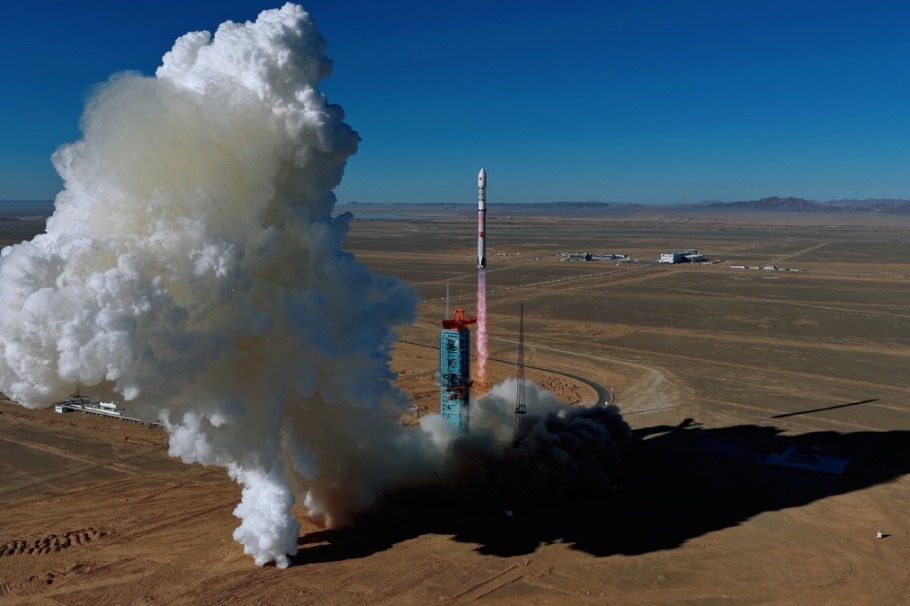
    In a significant milestone for China’s commercial space sector, Beijing-based LandSpace conducted the inaugural flight of its ZQ 3 reusable rocket on December 3, 2025, from the Jiuquan Satellite Launch Center. The launch demonstrated mixed results as the second-stage booster successfully reached its designated orbit while the first-stage booster failed during recovery attempts.

    The ZQ 3 Y1 rocket, standing 66.1 meters tall with a 4.5-meter diameter, represents a technological leap with its stainless steel construction and methane-powered engines. Weighing approximately 560 tons at launch with 750 tons of thrust capability, the vehicle is designed to deliver heavy payloads to both low-Earth and sun-synchronous orbits.

    Despite the first-stage booster’s destruction over the Minqin county recovery site in Gansu province, the mission provided critical engineering data. LandSpace confirmed the flight validated the rocket’s overall design, system compatibility, and flight procedures while gathering essential information for future recovery optimization.

    The company’s proprietary methane engines—featuring nine TQ 12A engines on the first stage and one TQ 15A on the second—mark a strategic shift toward reusable, environmentally sustainable propulsion technology. The rocket’s design incorporated four grid fins and landing legs specifically for controlled descent and soft landing capabilities.

    This launch follows LandSpace’s previous achievement in July 2023, when the company completed the world’s first orbital mission using methane propulsion with its ZQ 2 rocket. The development of reusable launch technology positions LandSpace to compete for contracts supporting China’s ambitious satellite internet constellation projects, representing a growing market within the global space industry.
  • The Red Sea region: where the rules are changing

    The Red Sea region: where the rules are changing

    The strategic waters of the Red Sea have transformed into a primary theater for 21st-century power competition, where global ambitions intersect with regional conflicts and local political dynamics. Stretching from the Suez Canal to the Bab el-Mandeb Strait, this 438,000-square-kilometer region borders the volatile Horn of Africa, Arabian Peninsula, and western Indo-Pacific, creating a complex geopolitical nexus.

    According to international relations expert Federico Donelli, author of ‘Power Competition in the Red Sea,’ the region’s significance stems from its lack of a dominant power capable of imposing order, combined with its immense strategic value as a maritime corridor for global trade and energy transportation. This combination has created an open arena where traditional and emerging powers converge in increasingly assertive competition.

    The United States and China maintain military facilities in Djibouti, while Russia has sought access to Port Sudan. Gulf powers including Saudi Arabia, the UAE, and Qatar have expanded their presence through port investments, infrastructure projects, and military cooperation across Sudan, Somalia, and Ethiopia. Turkey, Iran, and Israel have also established significant political, economic, and security ties, linking the Red Sea to the eastern Mediterranean and Persian Gulf.

    Local actors have become active participants rather than passive recipients in this power competition. Governments and non-state entities from Ethiopia to Sudan, Eritrea, Egypt, and Somalia are strategically exploiting global rivalries to advance their objectives—trading military access for security guarantees, seeking infrastructure investments, and leveraging diplomatic alignments to strengthen domestic and regional positions.

    This dynamic has created a system of ‘multi-alignment’ where regional players maintain relationships with multiple external powers simultaneously, gaining leverage while increasing overall volatility. The ongoing Sudanese civil war has transformed into a proxy battlefield with rival factions seeking support from competing external players. In Somalia, local authorities negotiate directly with foreign powers like Turkey and Gulf states, often bypassing weak central institutions.

    The Red Sea region exemplifies the broader transformation from the liberal international order—characterized by multilateralism, free markets, and liberal democracy—toward a post-liberal order defined by selective engagement, bilateral bargains, and flexible alignments. Here, order emerges from competition rather than consensus, with military presence, infrastructure investment, and political alliances serving as primary instruments of influence.

    This arena serves as a microcosm of emerging global politics: fragmented, transactional, and deeply interconnected. The region demonstrates that the future international order will be shaped not only in traditional power centers like Washington, Beijing, Brussels, or Moscow, but equally in strategic locations like Port Sudan, Aden, and Djibouti, where global competition interacts directly with local conflicts and new governance models emerge.

  • Envoy praises ROK-China bilateral ties

    Envoy praises ROK-China bilateral ties

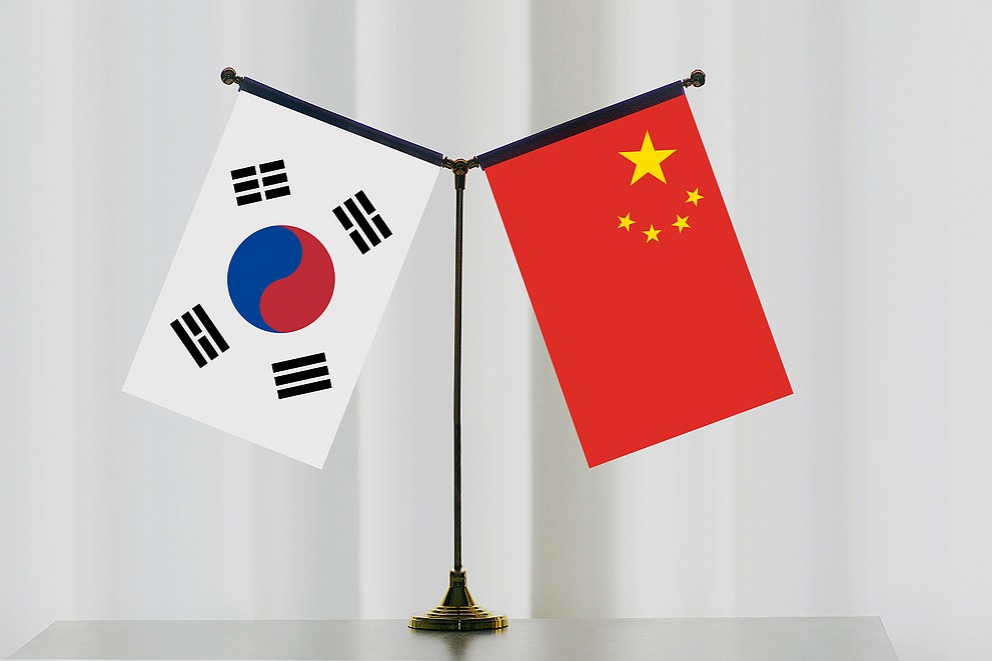
    The Republic of Korea’s Ambassador to China, Ro Jae-hun, has characterized bilateral relations as entering a transformative phase following President Xi Jinping’s landmark visit to South Korea last month—his first in over a decade. In an exclusive interview with China Daily, the ambassador revealed that both nations are actively engaged in diplomatic communications regarding an anticipated visit to China by ROK President Lee Jae-myung, following an official invitation extended by Xi.

    The historic meeting between the two leaders in Gyeongju has been described as a pivotal moment for advancing mutual development and contributing to regional and global stability. Ambassador Ro emphasized that despite evolving global dynamics and domestic changes, the fundamental principle of mutually beneficial cooperation continues to drive economic growth in both countries.

    Economic ties remain exceptionally strong, with bilateral trade reaching $328.08 billion in 2024, representing a 5.6% year-on-year increase. China has maintained its position as South Korea’s largest trading partner for 21 consecutive years, while South Korea remains China’s second-largest trading partner.

    This year marks the tenth anniversary of the bilateral free trade agreement, with both parties agreeing to accelerate second-phase negotiations that will expand into service sectors including culture and tourism. While acknowledging challenges such as trade protectionism and global supply chain restructuring that have affected some Korean exports to China, Ro framed these as opportunities for deeper collaboration.

    The ambassador advocated for a strategic shift from vertical economic division to horizontal partnership, highlighting emerging sectors for cooperation including artificial intelligence, robotics, biomedicine, and new energy technologies.

    Ro brings a unique personal perspective to his diplomatic role. His father, former ROK President Ro Tae-woo, established diplomatic relations between the two nations in 1992 and became the first Korean president to officially visit China later that same year. The ambassador described continuing this legacy as both a personal mission and responsibility.

    People-to-people connections remain central to bilateral relations, with Ro citing the phenomenon of giant panda Fu Bao—born in South Korea and returned to China—as emblematic of transnational affection that transcends borders. Recent reciprocal visa-free policies for tourists and business travelers have further facilitated cross-border exchanges.

    The ambassador called for intensified interactions between local governments, media organizations, academic institutions, and especially youth programs to deepen mutual understanding and strengthen the foundation of ROK-China relations.

  • Indian scientists find galaxy like Milky Way from 12 billion years ago

    Indian scientists find galaxy like Milky Way from 12 billion years ago

    A groundbreaking discovery by Indian astronomers using the James Webb Space Telescope (JWST) has revealed a fully-formed spiral galaxy dating back to when the universe was merely 1.5 billion years old, fundamentally challenging existing models of early galactic evolution. This cosmic structure, named Alaknanda after a Himalayan river, exhibits symmetrical arms and a distinct central bulge remarkably similar to modern spiral galaxies like our Milky Way, despite existing during the universe’s infancy.

    The research team led by PhD candidate Rashi Jain and Professor Yogesh Wadadekar from Pune’s National Centre for Radio Astrophysics identified the galaxy while analyzing approximately 70,000 celestial objects in JWST data. Alaknanda spans approximately 30,000 light-years in diameter and contains an estimated 10 billion solar masses of stars, representing approximately one-third the size of our Milky Way but with a star formation rate 20-30 times greater.

    Published in the prestigious journal Astronomy and Astrophysics, these findings contradict prevailing astronomical theories suggesting the early universe was predominantly populated by irregular, chaotic galactic structures. The presence of such a sophisticated spiral formation merely 1.5 billion years after the Big Bang indicates the universe achieved structural maturity much earlier than previously believed.

    ‘This galaxy had to assemble tremendous stellar mass and develop complex spiral architecture within just a few hundred million years—an incredibly rapid timeline by cosmic standards,’ Professor Wadadekar explained. The discovery suggests current models may significantly underestimate the speed and complexity of galactic evolution in the universe’s formative epochs.

    The researchers plan to conduct follow-up observations using both JWST and the ALMA observatory in Chile to investigate the mechanisms enabling such rapid spiral arm formation. As light from Alaknanda has traveled 12 billion years to reach Earth, astronomers are essentially observing the galaxy’s ancient state, with its current condition remaining unknown until future light arrives.

    This discovery adds to growing evidence from JWST observations that the early universe contained more sophisticated structures than previously theorized, prompting potential revisions to our understanding of cosmic dawn and galactic development processes.

  • Hong Kong residents and experts defend bamboo scaffolding after deadly fire

    Hong Kong residents and experts defend bamboo scaffolding after deadly fire

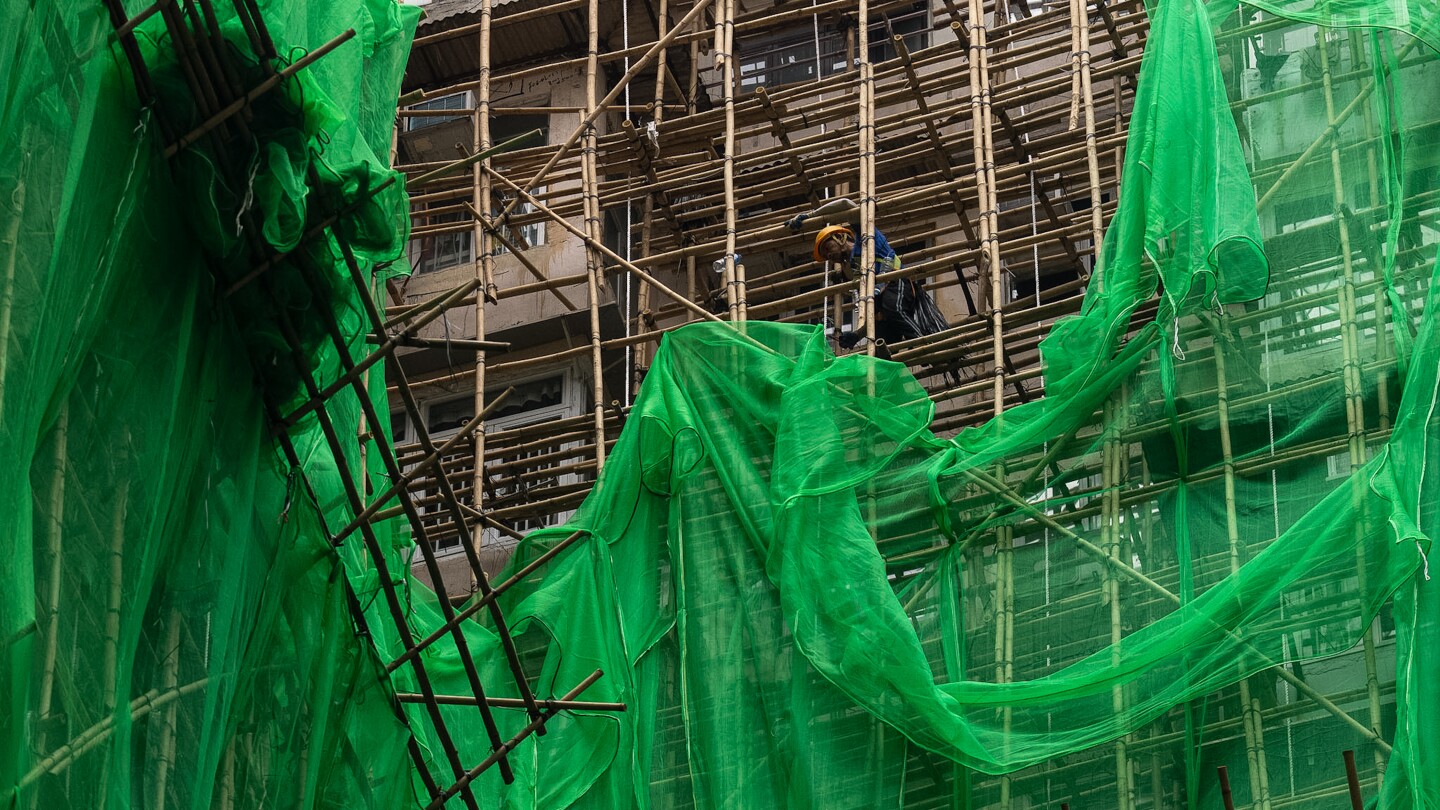
    A contentious debate has emerged in Hong Kong regarding the role of traditional bamboo scaffolding in the city’s deadliest fire in decades, which claimed 159 lives at the Wang Fuk Court complex on November 26. While authorities quickly identified the bamboo structures and their green netting as primary factors in the rapid spread of flames, construction experts, residents, and former officials are challenging this assessment, arguing that systemic regulatory failures rather than the material itself deserve scrutiny.

    The tragic incident occurred during ongoing building renovations, where preliminary investigations revealed the use of substandard fire netting and flammable foam boards for window sealing. Despite officials including Chief Secretary Eric Chan characterizing bamboo’s fire resistance as ‘inferior’ to metal alternatives, architectural specialists caution against simplistic conclusions.

    Professor Kristof Crolla from the University of Hong Kong emphasized that ‘when properly used with certified fire-retardant netting, bamboo is comparatively hard to ignite.’ His colleague Raffaella Endrizzi from Chinese University of Hong Kong noted that focusing solely on bamboo risks obscuring broader safety issues, adding that the material isn’t easily ignited under proper conditions.

    The defense of bamboo scaffolding highlights its unique advantages in Hong Kong’s dense urban environment. Generations of skilled workers have mastered this centuries-old technique, which offers unparalleled flexibility, light weight, and adaptability to irregular building facades. Hong Kong and Kowloon Bamboo Scaffolding Workers Union chairman Ho Ping-tak noted that bamboo costs half or less than metal alternatives, raising questions about affordability for aging buildings requiring renovations.

    Former government officials have joined the critique, with security chief Regina Ip describing the bamboo focus as ‘lazy scapegoating’ and ex-financial secretary John Tsang warning against hasty bans of the flexible material. Public sentiment echoes these concerns, with memorial notes at the disaster site calling for systemic review rather than material replacement.

    Meanwhile, authorities have arrested 15 individuals for suspected corruption and negligence in the renovation project, revealing deeper issues of bid-rigging and substandard materials. The government has ordered removal of scaffolding nets at hundreds of buildings for testing, while Chief Executive John Lee pledged systemic industry reforms and an independent investigation to ‘uncover the truth and ensure justice.’

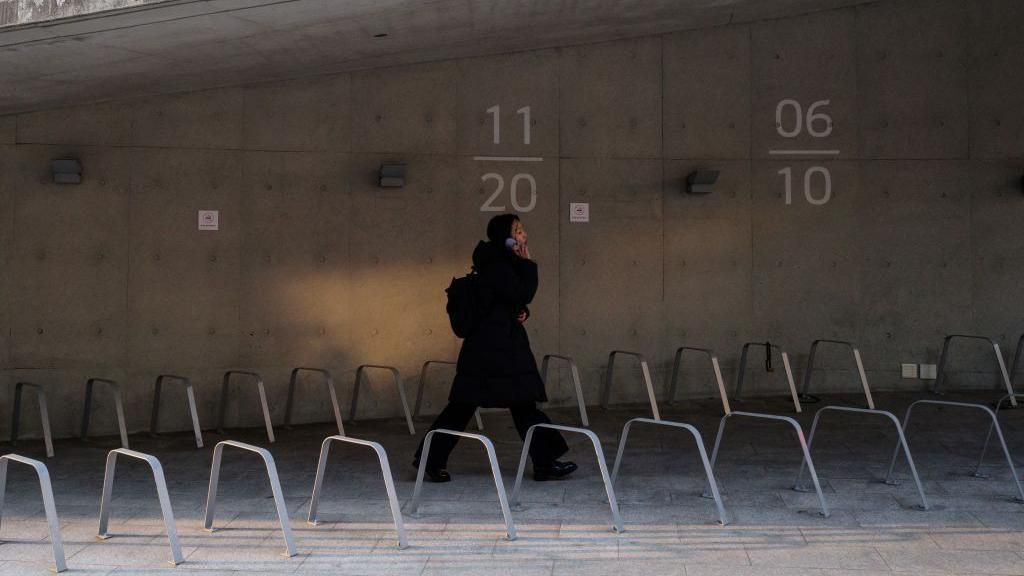
  • South Korea developing app that shows real-time location of stalkers

    South Korea developing app that shows real-time location of stalkers

    South Korea’s Justice Ministry has unveiled a groundbreaking mobile application designed to empower stalking victims with real-time location tracking capabilities of their perpetrators. This technological intervention, announced on Wednesday, forms a critical component of newly approved amendments to the nation’s electronic monitoring legislation.

    The innovative application addresses significant limitations within the existing protective framework, which currently provides victims with basic proximity alerts via text messages without revealing the stalker’s precise whereabouts. According to official statements, this limitation has historically complicated victims’ ability to assess threat direction and execute appropriate safety measures.

    Under the enhanced system, authorized individuals will gain access to visualized mapping interfaces displaying their stalkers’ exact locations, enabling more informed evacuation decisions. The tracking mechanism operates through wearable electronic devices mandated for offenders under court orders.

    Beyond immediate victim protection, authorities are advancing integration between the tracking platform and South Korea’s national emergency response network. This strategic enhancement, anticipated for completion next year according to domestic media reports, will facilitate rapid police deployment when victims face imminent danger.

    This legislative development occurs against a backdrop of escalating public concern regarding stalking-related violence, particularly targeting women. Societal tensions intensified dramatically following the 2022 murder of a female stalking victim by her former colleague, despite prior police reports that deemed the perpetrator ‘low risk.’

    Since implementing initial anti-stalking legislation in 2021—establishing penalties of up to three years imprisonment and substantial financial penalties—South Korea has witnessed remarkable growth in stalking reports. Justice Ministry statistics indicate cases surged from 7,600 in 2022 to exceeding 13,000 in 2023, following parliamentary revisions that lowered prosecution thresholds.

  • A seal galumphs into a bar. The bartender says ‘Grab the salmon!’

    A seal galumphs into a bar. The bartender says ‘Grab the salmon!’

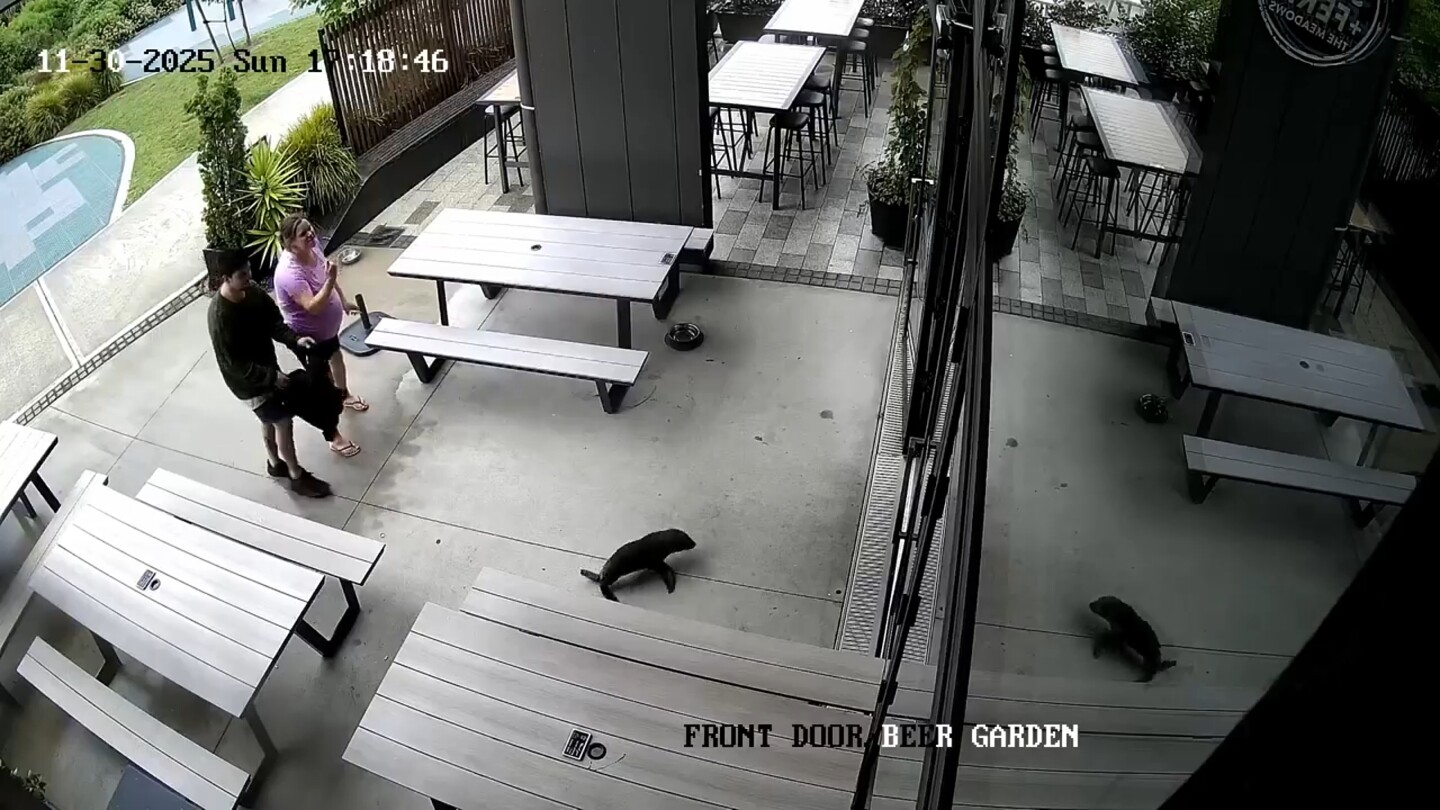
    WELLINGTON, New Zealand — An unexpected visitor disrupted the tranquil Sunday evening atmosphere at Sprig + Fern The Meadows craft beer bar in Richmond, New Zealand, when a juvenile fur seal galumphed into the establishment far below the legal drinking age. The curious marine mammal, later named Fern by staff, wandered into the pet-friendly venue located at the top of the South Island during a rainy evening.

    Co-owner Bella Evans initially mistook the creature for a canine before realizing their unusual patron was actually a lost seal pup. “Everyone was in shock,” Evans recounted. “Oh my gosh. What do we do? What’s going on?”

    Patrons sprang into action as the seal evaded capture, darting into a restroom before ultimately hiding beneath the bar’s dishwasher, which staff promptly unplugged for safety. The situation required creative problem-solving: one customer retrieved a dog crate from home while Evans devised a plan using salmon pizza toppings from the menu to lure the adventurous visitor from its hiding spot.

    Conservation rangers, who had been tracking the wandering seal throughout the day, arrived promptly. Department of Conservation spokesperson Helen Otley confirmed they had received “numerous” public reports about the Richmond seal before its pub appearance, praising bar staff for “doing a great job keeping the seal safe” during the unusual incident.

    The young seal was successfully transported and released on nearby Rabbit Island, selected for its dog-free environment. Otley explained that such behavior is normal for curious young seals during this season, as they frequently follow rivers and streams up to 15 kilometers inland during their exploratory phase.

    This incident reflects the success of New Zealand’s conservation programs, which have resulted in growing seal and sea lion populations bringing these marine mammals into closer contact with humans. Scientists refer to an annual “silly season” when both species regularly appear in unexpected locations including houses, golf courses, and busy roads.

    Despite being the first unruly patron Evans has had to evict since taking ownership of the pub months ago, the co-owner extended an open invitation to Fern, noting the establishment had gained the “seal of approval” through the memorable encounter. Salmon will remain on the menu.

  • ID of Thai agricultural worker’s remains leaves 1 final hostage in Gaza

    ID of Thai agricultural worker’s remains leaves 1 final hostage in Gaza

    In a significant development within the ongoing ceasefire agreement, militants in Gaza have returned the remains of Sudthisak Rinthalak, a 42-year-old Thai agricultural worker, to Israeli authorities. This transfer, confirmed by both Israeli and Thai officials on Thursday, marks a pivotal step in the hostage repatriation process, leaving only one Israeli hostage’s remains yet to be returned under the current deal.

    Rinthalak was employed at Kibbutz Be’eri, a community devastated during the Hamas-led incursion into southern Israel on October 7, 2023. Israeli officials stated he was killed during the initial attack, and his body was subsequently taken by the militant group Islamic Jihad. He was officially declared dead on May 16, 2024. His remains were handed over on Wednesday, following a previous transfer where the remains did not match the last two hostages.

    The Thai Foreign Ministry, through spokesperson Nikorndej Balankura, confirmed that Rinthalak’s family has been notified. The ministry extended gratitude to the Israeli government for its assistance, which has now led to the resolution of all 31 Thai nationals taken hostage at the war’s outset. The fate of these individuals is now clear: 28 were returned alive, while three, including Rinthalak, were confirmed deceased. Tragically, beyond the hostages, the Thai Foreign Ministry also reports that 46 Thai citizens have been killed during the conflict, highlighting the severe impact on foreign workers in the region.

    The sole remaining hostage whose remains are outstanding is identified as Israeli police officer Ran Gvili. Officials noted that Gvili heroically assisted in evacuations during the Nova music festival attack before being killed in a subsequent engagement.

    Since the U.S.-brokered ceasefire commenced on October 10, a total of 20 living hostages and the remains of 27 others have been repatriated to Israel. In a reciprocal measure, Israel has released the bodies of hundreds of Palestinians back to Gaza, though many remain unidentified. This exchange is a cornerstone of the ceasefire’s first phase, a agreement that both sides have accused the other of violating. The broader context of the war, ignited by the October 7th attack that killed approximately 1,200 people and saw over 250 taken hostage, continues to cast a long shadow. While nearly all hostages or their remains have been returned through various deals, the human cost is staggering. The Hamas-run Gaza Health Ministry, whose data is generally considered reliable by international observers, reports the Palestinian death toll has surpassed 70,100, a number that continues to climb due to ongoing Israeli strikes in response to alleged truce violations and the recovery of victims from earlier stages of the conflict.

  • Saudi Arabia has ‘no ego’ to prevent it from cancelling megaprojects, finance minister says

    Saudi Arabia has ‘no ego’ to prevent it from cancelling megaprojects, finance minister says

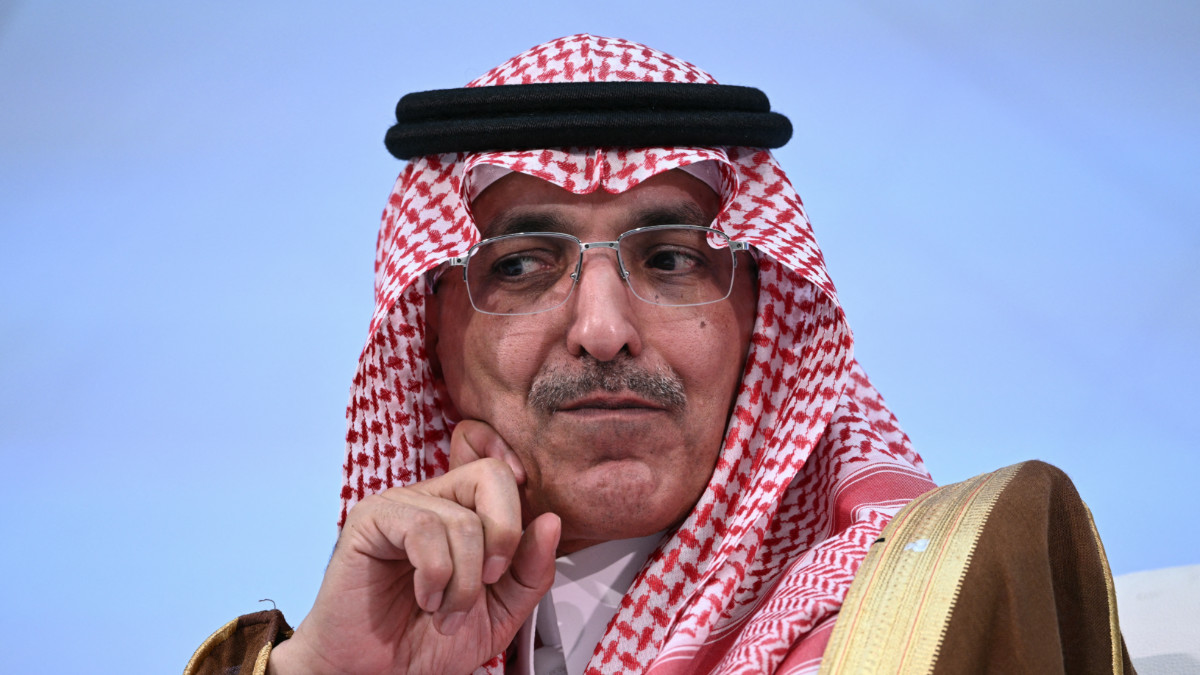
    Saudi Finance Minister Mohammed al-Jadaan has delivered a definitive statement on the kingdom’s flexible approach to its landmark Vision 2030 initiative, declaring the government possesses “absolutely no ego” in its execution. The remarks, made during a post-budget briefing in Riyadh, represent the most explicit confirmation that Saudi authorities are conducting a comprehensive reassessment of several futuristic megaprojects originally conceived under Crown Prince Mohammed bin Salman’s economic diversification blueprint.

    This pragmatic stance emerges amidst multiple international reports indicating significant scaling back of ambitious developments. Key components of the flagship NEOM project, including the revolutionary 170km linear city known as ‘The Line,’ are undergoing substantial downsizing according to architectural and development sources. Concurrently, construction of the Trojena desert ski resort has reportedly fallen behind schedule, prompting internal discussions about potentially relocating the 2029 Asian Winter Games.

    Minister al-Jadaan emphasized that this recalibration does not equate to reduced government expenditure but rather a strategic reallocation of resources. “Spending efficiency doesn’t mean cutting spending,” he clarified. “It means decreasing spending on some items to increase on others.” This shift prioritizes sectors where Saudi Arabia holds competitive advantages, particularly artificial intelligence—which benefits from cheap electricity—and tourism, leveraging its status as home to Islam’s holiest sites.

    The financial context for this strategic pivot is outlined in Saudi Arabia’s newly unveiled budget, which projects a substantial reduction in the national deficit from 5.3% of GDP in 2025 to 3.3% in 2026. al-Jadaan characterized this deficit as “by design,” noting the government’s deliberate policy choice to maintain deficit spending through 2028 while ensuring fiscal sustainability.

    Despite project modifications, Saudi Arabia continues to advance its economic transformation agenda. The kingdom is proceeding with major expansion projects around Mecca’s Grand Mosque and has recently relaxed restrictions on alcohol sales, signaling ongoing efforts to attract Western visitors and diversify its revenue streams beyond hydrocarbon exports.

  • Kings League’s Gerard Piqué and 8Flamez’s AboFlah headline exclusive creator meetup at BRIDGE Summit 2025

    Kings League’s Gerard Piqué and 8Flamez’s AboFlah headline exclusive creator meetup at BRIDGE Summit 2025

    In a landmark convergence of digital entertainment empires, BRIDGE Summit 2025 will host an exclusive meetup featuring Gerard Piqué’s Kings League and AboFlah’s 8Flamez on December 10th. This rare access event brings together two of the world’s most disruptive creator-driven platforms that are fundamentally reshaping sports entertainment and digital content creation.

    The session, scheduled for 10:30am on the Impact Stage, offers confirmed summit attendees unprecedented opportunity to engage directly with the visionaries behind these revolutionary ventures. Participants will gain insider perspectives on how creator-led leagues and fan-first ecosystems are transforming global entertainment economies through innovative community-driven business models.

    Gerard Piqué, the legendary Spanish football icon and founder of Kings League, has pioneered a streamer-led football revolution that has taken Spain by storm. The Barcelona and Manchester United veteran, who played pivotal roles in Spain’s 2010 World Cup and Euro 2012 victories, has successfully translated his athletic excellence into entertainment innovation.

    He is joined by Hassan Suleiman (AboFlah), co-founder of 8Flamez and one of the Arab world’s most influential digital creators. With nearly 50 million subscribers, AboFlah has dramatically shaped the Middle East’s online entertainment landscape through gaming content, philanthropic initiatives, and record-breaking charity livestreams. He is accompanied by fellow co-founder Saad Sarwar, the Dubai-raised entrepreneur with background in global esports and brand partnerships, including co-founding OG Esports, who has been instrumental in driving creator-led growth across the MENA region.

    This exclusive meetup exemplifies BRIDGE Summit 2025’s core mission as a global platform for unprecedented connections between creators, entrepreneurs, and media talent. The summit itself, running from December 8-10, represents the world’s largest debut media gathering with over 60,000 expected participants, 400 international speakers, and 300 exhibitors across a 1.65 million square foot venue.

    The event will feature more than 300 specialized activities including 200 panel discussions, 50 workshops, and interactive sessions designed to foster cross-sector collaboration within media, cultural, and creative industries. Registration is currently available through the official BRIDGE Summit website and dedicated mobile application.