标签: Asia

亚洲

  • Indigo issues apology after three days of ‘widespread disruptions’

    Indigo issues apology after three days of ‘widespread disruptions’

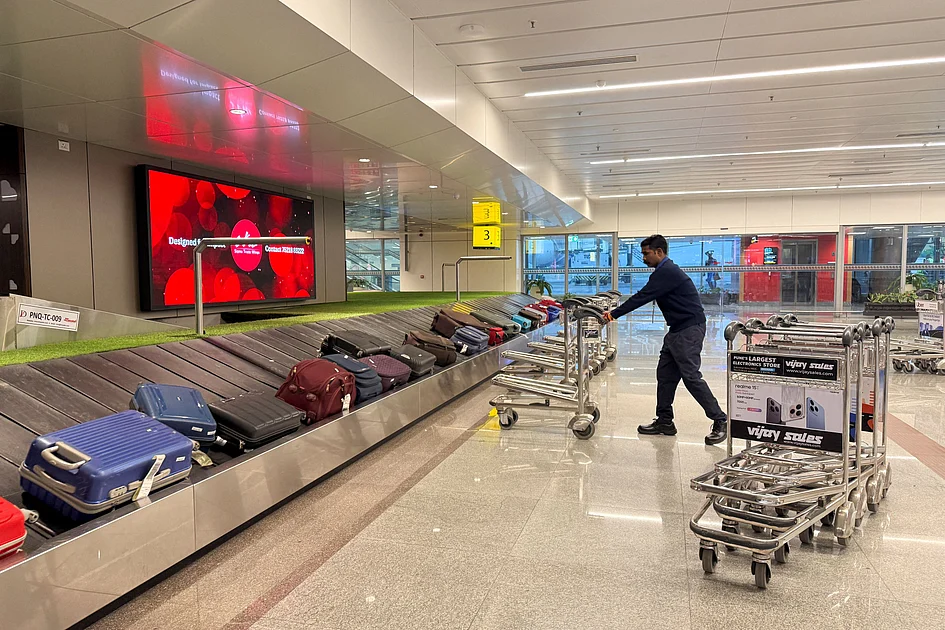
    Indian budget carrier IndiGo has issued a formal apology following three consecutive days of severe operational disruptions that resulted in hundreds of flight cancellations and delays across its network. The airline acknowledged that the crisis stemmed primarily from “misjudgment and planning gaps” during implementation of the second phase of pilot duty regulations.

    In an official statement released on social media platform X, the airline expressed remorse to affected passengers and industry stakeholders, stating: “The last two days have witnessed extensive network-wide disruptions to IndiGo’s operations. We extend our sincere apologies to all customers and partners impacted by these events.”

    The Directorate General of Civil Aviation (DGCA) confirmed that IndiGo has committed to fully restoring normal operations by February 10th. The airline has simultaneously requested regulatory relief from certain pilot duty limitations as it addresses its aviator shortage crisis.

    India’s Civil Aviation Ministry has expressed serious concern regarding the handling of the situation, with ministers reportedly displeased with the airline’s crisis management approach. Thousands of passengers remained stranded on Thursday as the carrier struggled to adapt its roster planning to accommodate new government-mandated pilot duty rules.

    IndiGo has mobilized its operational teams in collaboration with multiple aviation authorities including the Ministry of Civil Aviation (MOCA), DGCA, Bureau of Civil Aviation Security (BCAS), and Airports Authority of India (AAI) to mitigate the cascading effects of delays and restore operational normalcy.

  • Taiwan to ban Chinese app RedNote over fraud concerns

    Taiwan to ban Chinese app RedNote over fraud concerns

    Taiwan has announced a comprehensive one-year blockade of the Chinese social media platform Xiaohongshu (also known as RedNote), citing escalating cybersecurity vulnerabilities and widespread e-commerce fraud incidents. The decision follows an official investigation revealing over 1,700 documented fraud cases originating from the platform since last year, resulting in financial losses exceeding NT$247 million (approximately $7.9 million).

    The island’s Criminal Investigation Bureau confirmed the ban on Thursday, highlighting the platform’s failure to establish local regulatory compliance or address data protection deficiencies. With an estimated three million users in Taiwan, Xiaohongshu’s absence will create a significant void in the social commerce landscape. The platform, which combines Instagram-style content sharing with integrated shopping features, has seen substantial global growth throughout 2025.

    Taiwanese authorities emphasized that the ban resulted from the platform’s repeated non-compliance with data security standards and its inability to provide adequate consumer protection mechanisms. The Taipei Times reported that Xiaohongshu’s operators failed to maintain a local office or submit required cybersecurity improvement plans to Taiwanese regulators.

    The decision occurs amid broader geopolitical tensions, with Taiwan expressing concerns about potential disinformation campaigns and opinion manipulation through Chinese social platforms. Beijing maintains its stance regarding Taiwan’s status as a breakaway province, while Taiwan continues to assert its autonomous governance.

    Xiaohongshu, launched in 2013, has grown into a global phenomenon with particular stronghold in Asian markets. Its recent expansion into Western markets accelerated as American users sought alternatives amid potential TikTok restrictions in the United States.

    Notably, the platform faces regulatory pressure from multiple fronts. Chinese authorities recently demanded stricter content moderation and executive accountability for ‘negative posts’ on Xiaohongshu. Meanwhile, Russia’s simultaneous restrictions on Snapchat and Apple’s FaceTime services illustrate a growing global pattern of heightened social media regulation.

  • Shooter of Ex-Japan PM Shinzo Abe makes first apology

    Shooter of Ex-Japan PM Shinzo Abe makes first apology

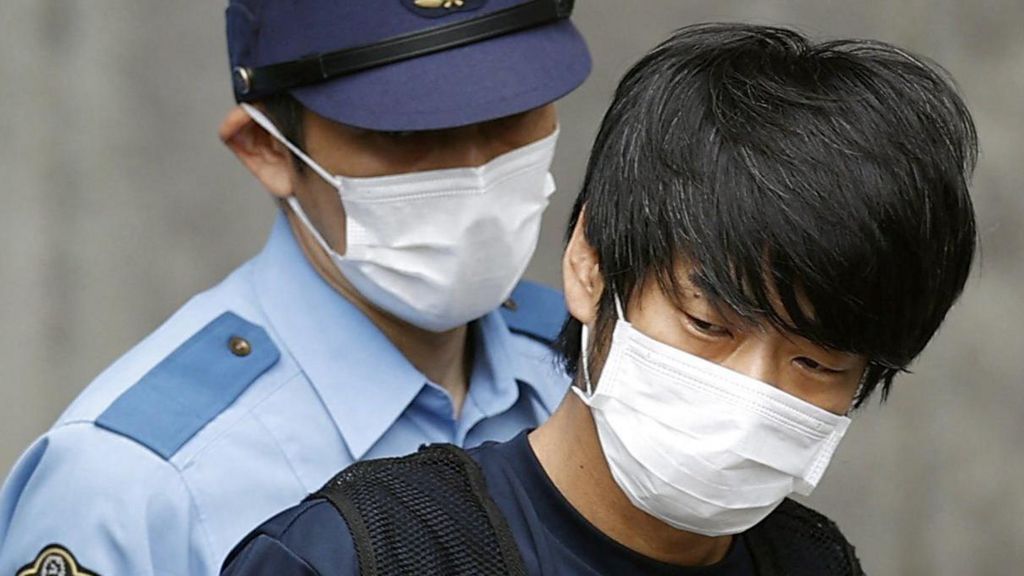
    The individual charged with the assassination of former Japanese Prime Minister Shinzo Abe has formally expressed remorse to the statesman’s family during a court proceeding. Tetsuya Yamagami, who previously entered a guilty plea for murder charges, addressed the Tokyo court on Thursday with a statement directed at Abe’s widow, Akie Abe, conveying profound regret for his actions.

    Yamagami utilized a custom-built firearm to carry out the attack during a public election campaign event in Nara on July 8, 2022, resulting in Abe’s demise later that same day at a medical facility. The unexpected death of Japan’s longest-serving prime minister triggered global reverberations, particularly given Abe’s influential political legacy encompassing assertive foreign policy and his pioneering economic framework dubbed ‘Abenomics’.

    According to domestic press coverage, Yamagami acknowledged the extensive suffering inflicted upon the bereaved family, stating, ‘I have caused them three and a half years of anguish… I have no justification for my actions.’ His motive, as disclosed to investigative authorities, stemmed from grievances against Abe’s purported affiliations with the Unification Church. Yamagami attributed his family’s financial collapse to the organization, which he alleged received political endorsement from the former leader.

    These accusations catalyzed official scrutiny into the South Korea-originated religious movement, recognized for conducting large-scale matrimonial ceremonies and controversial teachings prioritizing marital bonds for spiritual redemption. In a significant development last March, a Tokyo judicial body mandated the dissolution of the church, a verdict the organization vowed to contest vigorously through legal channels.

    Historical connections between the Unification Church and Japan’s political sphere emerged during investigations, revealing associations between Abe’s grandfather, former Premier Nobusuke Kishi, and the group, primarily rooted in shared anti-communist ideologies. Abe himself had participated in events organized by the church’s affiliates.

    The emotional toll on the victim’s family was underscored last month when prosecutors presented a heartfelt statement from Akie Abe, who articulated that the profound grief from losing her life partner remains unabated.

  • Indigo flights to operate as normal by February 10; airline seeks some relief from pilot rules

    Indigo flights to operate as normal by February 10; airline seeks some relief from pilot rules

    Indian aviation regulator DGCA (Directorate General of Civil Aviation) has confirmed that IndiGo, the country’s largest carrier, has committed to restoring full operational capacity by February 10th following massive flight disruptions that stranded thousands of passengers. The airline has formally requested regulatory relief from certain provisions within the newly implemented pilot duty time limitations that triggered the crisis.

    In an unprecedented admission, IndiGo acknowledged through DGCA channels that the operational meltdown resulted primarily from ‘strategic misjudgment and planning deficiencies’ during implementation of the second phase of revised pilot duty regulations. The carrier failed to adequately adjust its roster management systems to accommodate the new government-mandated rest requirements for aviators.

    India’s Civil Aviation Ministry has expressed serious concern regarding the extensive cancellations, with ministerial officials reportedly conveying strong dissatisfaction with the airline’s crisis management approach. The disruptions persisted through Thursday, marking the third consecutive day of travel chaos affecting the nation’s busiest airline.

    The situation highlights the complex balance between regulatory safety measures and operational practicality within the rapidly expanding Indian aviation market. Industry analysts note that the outcome of IndiGo’s request for regulatory flexibility could set important precedents for how aviation authorities enforce safety protocols while maintaining industry stability.

  • Police recover $19k Fabergé egg swallowed by NZ man

    Police recover $19k Fabergé egg swallowed by NZ man

    Auckland law enforcement officials have confirmed the successful recovery of a high-value Fabergé egg locket that was deliberately swallowed by an alleged thief during a jewelry store incident. The diamond-encrusted piece, valued at NZ$33,585 (approximately $19,300), was retrieved through natural bodily processes without requiring medical intervention.

    The unusual case began when police apprehended a 32-year-old male suspect at Partridge Jewellers in central Auckland last week. Security footage and witness accounts indicate the man consumed the luxury item minutes before his arrest in an apparent attempt to conceal evidence.

    According to the jewelry manufacturer’s specifications, the stolen artifact—marketed as the ‘Octopussy egg’ in homage to the 1983 James Bond film—features 60 white diamonds and 15 blue sapphires mounted in precious metal. The locket mechanism reveals an intricate 18-carat gold octopus miniature when opened.

    The suspect remains in police custody under continuous monitoring due to duty of care obligations following the ingestion incident. Additional charges have been filed against the individual for allegedly stealing an iPad from the same establishment on November 12th, plus separate charges for allegedly taking cat litter and flea control products worth NZ$100 from a private residence.

    The defendant is scheduled for court reappearance on December 8th. Fabergé, the renowned jewelry house founded in Russia over two centuries ago, is internationally celebrated for its gemstone-adorned precious metal eggs historically created for Russian royalty.

  • What to know about Hong Kong’s legislative election after a fire raised governance concerns

    What to know about Hong Kong’s legislative election after a fire raised governance concerns

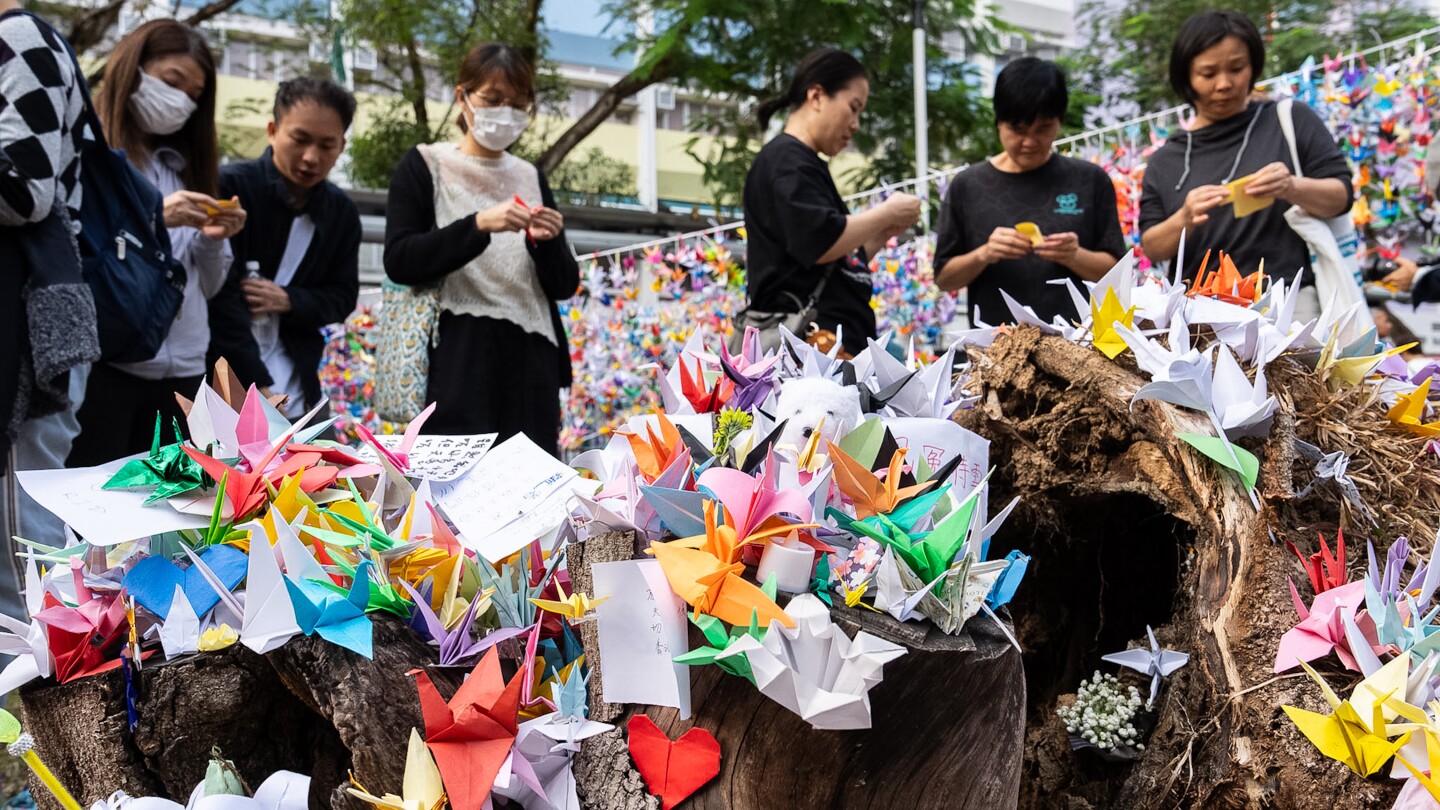
    Hong Kong’s upcoming Legislative Council elections, scheduled for Sunday, are occurring under extraordinary circumstances as the city grapples with the aftermath of its deadliest fire in over seven decades. The tragic blaze that claimed 159 lives in a high-rise complex has intensified scrutiny on Beijing’s governance model and cast a pall over an electoral process already marked by significant political transformation.

    The electoral landscape has undergone substantial restructuring since China’s 2021 electoral overhaul, which reduced directly elected seats from 35 to 20 while expanding appointed positions. The current election features notable demographic shifts among candidates, with nearly 40% of incumbents declining to seek reelection—including both prominent figures and moderately vocal politicians. Their replacements demonstrate increased connections to mainland China, with at least 26 candidates holding positions in Chinese-state enterprises and 16 serving as delegates to China’s national legislature—more than double the previous election’s representation.

    Political analysts interpret these changes as signaling Beijing’s preference for politicians who align closely with national agendas rather than local interests. Professor John Burns of the University of Hong Kong observes that central authorities appear to be implementing informal criteria regarding age limits and vocal independence while prioritizing candidates with national perspectives. The pro-democracy camp has completely vanished from the legislature following arrests under the 2020 national security law, creating a political environment where voter apathy has reached record levels.

    The government’s extensive efforts to boost participation—including extended voting hours, additional polling stations, and corporate voting time-off—now confront the complicating factor of public sentiment regarding the fire tragedy. While some residents may express gratitude for official response efforts, others harbor concerns about systemic governance failures revealed by the disaster. The final turnout figures will serve as a crucial barometer of public engagement with a political system that has undergone fundamental restructuring in recent years.

  • Investigation finds Hegseth’s use of Signal app in Yemen strikes could have harmed US forces

    Investigation finds Hegseth’s use of Signal app in Yemen strikes could have harmed US forces

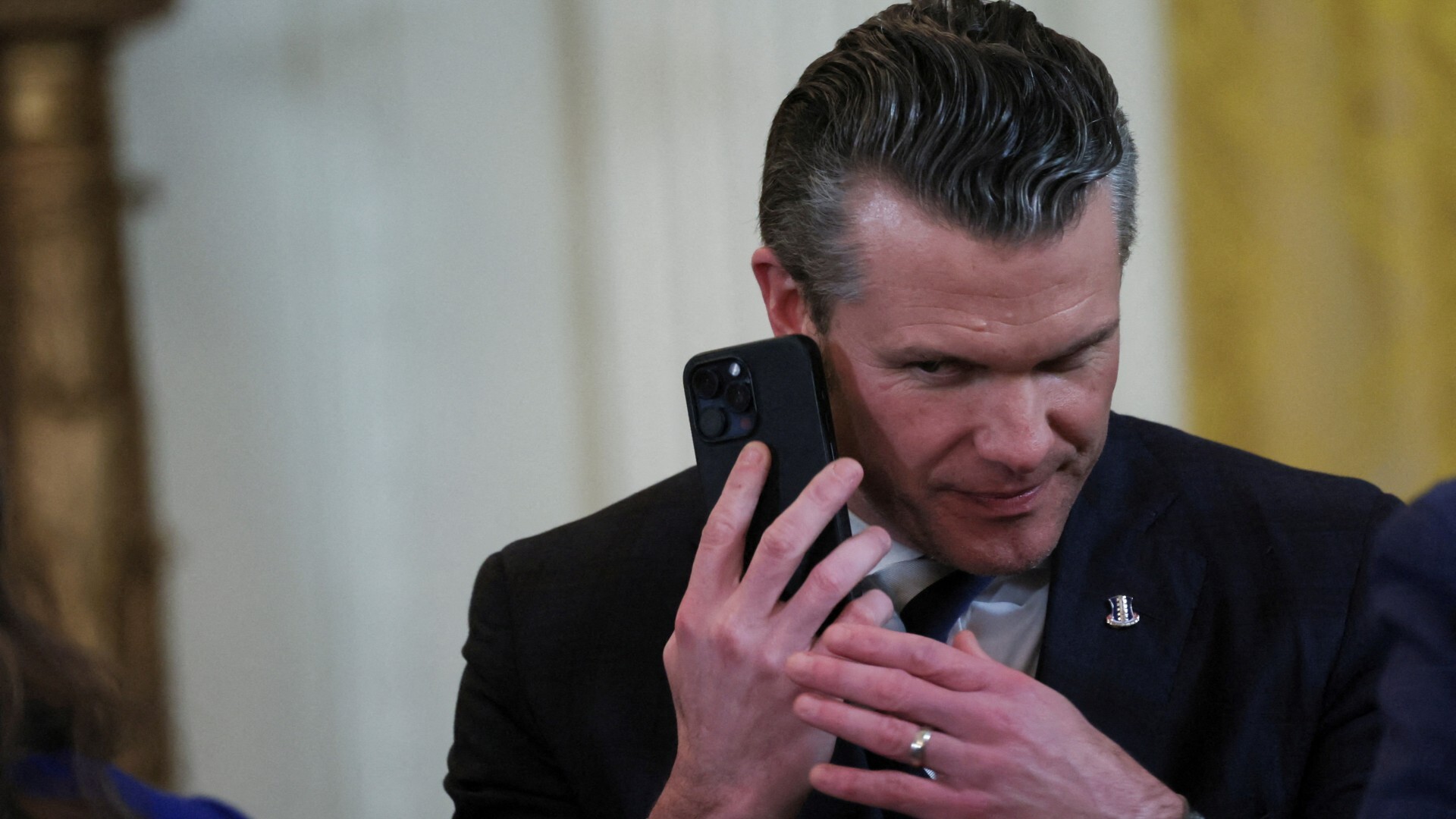
    A comprehensive investigation conducted by the Pentagon’s Inspector General has revealed that Secretary of War Pete Hegseth potentially endangered American military personnel by utilizing the encrypted messaging application Signal to deliberate strike operations against Yemen earlier this year. The findings, disclosed in an official report published Thursday, determined that Hegseth’s actions “created a risk to operational security that could have resulted in failed US mission objectives and potential harm to US pilots.”

    The scrutiny focused on Hegseth’s utilization of a personal mobile device for governmental communications, transmitting non-public Defense Department intelligence through unofficial channels. This practice, according to the report, “risks potential compromise of sensitive DoD information, which could cause harm to DoD personnel and mission objectives.” The inquiry identified that certain information disseminated by the secretary via Signal on March 15, 2025, corresponded with operational details classified as SECRET/NOFORN (not releasable to foreign nationals) by the US Central Command (USCENTCOM).

    Notably, the investigation did not establish that Hegseth unlawfully disclosed classified information, a distinction the secretary highlighted in a social media post declaring “total exoneration.” This characterization was immediately contested by the Democratic National Committee, whose rapid response director Kendall Witmer described Hegseth’s conduct as “a major national security threat that puts our troops in harm’s way.”

    The controversy, dubbed “Signalgate,” originated when Atlantic Magazine editor-in-chief Jeffrey Goldberg revealed he had received advanced notification of the Yemen strikes through a Signal group chat including Hegseth and Vice President JD Vance. Goldberg subsequently published message transcripts containing operational specifics including weapon systems, targets, and attack chronology. The group, titled “Houthi PC small group,” allegedly included senior national security officials, though its inappropriate inclusion of a journalist triggered the exposure.

    Following the incident, national security advisor Michael Waltz resigned but was subsequently appointed US ambassador to the United Nations. The March 15 airstrikes resulted in significant civilian casualties according to Yemeni health officials, with over 100 women and children reported among the dead and wounded across multiple regions including Sanaa and Sa’ada Governorate.

  • Mapping the sense of what’s going on inside our body

    Mapping the sense of what’s going on inside our body

    A groundbreaking scientific endeavor is underway to decode interoception—the body’s internal sensory system that provides the brain with continuous feedback about physiological states. This research, spearheaded by Nobel laureate Dr. Ardem Patapoutian and teams at Scripps Research, is revealing how neural pathways monitor everything from heart rate and lung expansion to nutrient absorption and microbial activity in the gut.

    The vagus nerve, a complex network of 100,000 neurons, serves as a primary communication channel, using proteins like Piezo (discovered by Dr. Patapoutian) to detect pressure changes in organs. Advanced tools now allow scientists to trace how these signals travel to the brainstem and disperse to regions like the mid-insula, where they are interpreted—mostly subconsciously—to regulate functions like appetite, immune response, and emotional states.

    Emerging evidence suggests that malfunctions in interoceptive processing may underlie psychiatric conditions including depression, anxiety, and eating disorders. Researchers like Dr. Camilla Nord at the University of Cambridge are exploring innovative treatments, such as using ultrasonic waves to recalibrate brain regions responsible for misinterpreting bodily signals. Meanwhile, weight-loss drugs like Ozempic exemplify how mimicking gut signals can effectively alter brain responses.

    Despite progress, fundamental questions remain. Dr. Patapoutian’s team is developing an interoception atlas to document nerve functions throughout the body, acknowledging that much of this internal landscape is still uncharted. This research not only redefines our understanding of self-awareness but also opens new therapeutic avenues for mental and physical health.

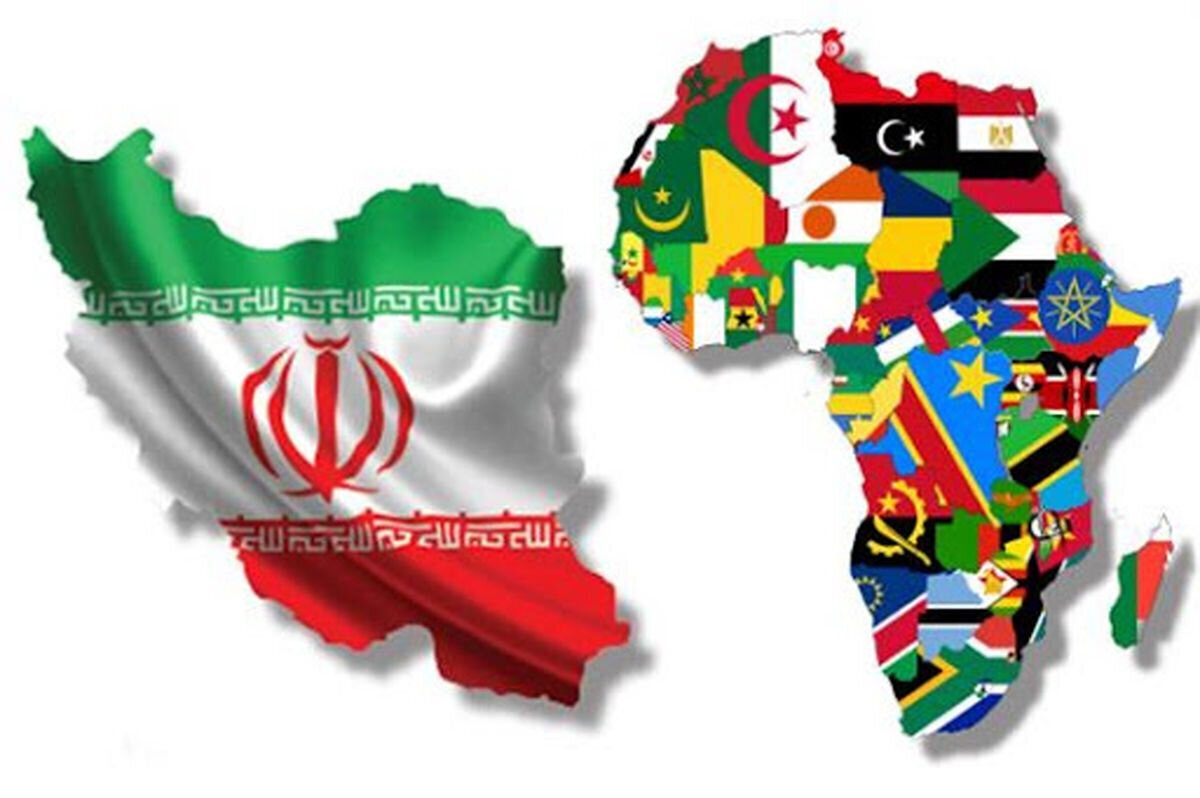
  • Iran intensifies outreach to African partners for critical needs

    Iran intensifies outreach to African partners for critical needs

    In a significant geopolitical pivot, Burkina Faso’s security minister embarked on a strategic mission to Tehran on November 12, 2025, resulting in substantial bilateral advancements. The West African nation officially reopened its Iranian embassy while finalizing new security cooperation agreements and initiating talks to strengthen agricultural and industrial ties.

    This diplomatic engagement transcends routine bilateral relations, representing Iran’s calculated response to mounting international pressures. Following the 2023 Gaza conflict initiation by Hamas—a Tehran-aligned Palestinian group—Iran faced escalating political and economic crises. The nation’s regional proxy network, termed the ‘axis of resistance,’ faced extreme strain from Israel’s military campaigns against Hamas and Hezbollah, compounded by the collapse of Syria’s Assad regime in late 2024.

    Tehran’s challenges culminated in a devastating 12-day war with Israel in June 2025, involving direct U.S. participation, followed by reinstated EU-imposed UN sanctions under the nuclear deal snapback mechanism. Concurrently, Iran confronts an environmental emergency with severe drought conditions affecting the capital.

    Amid these multidimensional crises, Iranian officials are pursuing geostrategic diversification through intensified African outreach. According to Iran foreign policy experts, the nation is strengthening ties with historically reliable partners like Burkina Faso, creating opportunities for security cooperation, critical mineral access, and sanctions-bypassing export markets.

    Beyond Burkina Faso, Iran has accelerated engagement with Sahel region nations including Mali and Niger—countries that have experienced military coups since the early 2020s and distanced from Western influence. Facing significant security threats from rebel groups and jihadists, these nations view Iran as a potential security partner for arms, drones, and military equipment.

    The economic dimensions are equally strategic: Iran seeks access to Burkina Faso and Mali’s gold reserves and Niger’s uranium resources—the latter being particularly crucial should Tehran decide to reconstitute its nuclear program after wartime damages. Recent months have seen flurries of diplomatic activity: Iranian and Malian foreign ministers held successive meetings in May 2024 and October 2025, committing to strengthened bilateral relations and mutual support in international forums.

    In April-May 2025, Iran and Niger signed comprehensive economic and security agreements, including a landmark deal for Tehran to acquire 300 tons of uranium for $56 million. From February to October, Iran pursued deepened relations with Sierra Leone, seeking both uranium access and diplomatic support in multilateral institutions, though Freetown ultimately voted against lifting Iran sanctions at the UN Security Council due to British aid dependencies.

    Iran’s African strategy extends beyond West Africa, encompassing partnerships with Malawi for sanctions-circumventing aircraft imports, strengthened security ties with South Africa (its largest continental trading partner), and multifaceted agreements with Zimbabwe covering economic, environmental, and medical tourism cooperation.

    During October’s Non-Aligned Movement foreign ministers meeting in Kampala, Iranian Foreign Minister Abbas Araghchi met Ugandan President Yoweri Museveni, thanking Uganda for condemning U.S.-Israeli actions during the recent conflict. The discussions highlighted Iran’s interest in Ugandan uranium and cobalt resources, vital for lithium batteries and industrial manufacturing.

    Despite this expansive outreach, Iran faces substantial constraints including trade competition from Middle Eastern rivals like the UAE—a major trading partner for multiple African nations. The reinstated UN sanctions and ongoing global economic pressures may give African governments pause when considering deeper ties with Tehran. Additionally, the transactional nature of Iran’s engagements risks generating distrust among partners, exemplified by reported drone supplies to Eritrea during tensions with Ethiopia—potentially complicating Tehran’s relations with Addis Ababa.

    As Iran navigates domestic and international crises, its African pivot represents both strategic opportunity and complex challenge, with time determining whether the benefits will outweigh the inherent constraints of this geopolitical reorientation.


  • Police recover a James Bond-inspired Fabergé pendant from the bowels of a man accused of eating it

    Police recover a James Bond-inspired Fabergé pendant from the bowels of a man accused of eating it

    WELLINGTON, New Zealand — New Zealand law enforcement has successfully recovered a luxury Fabergé pendant valued at NZ$33,000 (approximately US$19,000) through an extraordinary six-day monitoring operation of a suspect’s digestive system. The jeweled octopus-inspired piece, allegedly swallowed during a theft incident at Partridge Jewelers in Auckland on November 28, was naturally excreted on Thursday evening without requiring medical intervention.

    The 32-year-old suspect, whose identity remains protected under New Zealand privacy laws, has been held in police custody since his immediate arrest at the upscale jewelry store. Authorities maintained constant surveillance of the man’s biological functions to secure the valuable evidence, demonstrating an unusual but necessary approach to evidence preservation in extraordinary circumstances.

    This limited-edition pendant draws direct inspiration from the 1983 James Bond film “Octopussy,” which features a similar jewel-smuggling plot involving counterfeit Fabergé eggs. The recovered piece represents one of only 50 such creations worldwide, crafted from gold with green enamel coating and adorned with 183 diamonds and two sapphires. Measuring 8.4 centimeters in height, the pendant contains an intricate internal mechanism revealing a gold octopus embellished with white and black diamonds.

    Police released photographic evidence showing the recovered pendant still attached to its gold chain with price tag intact. Both the jewelry and the suspect remain in custody as the judicial process continues. The man is scheduled for appearance in Auckland District Court on December 8, having previously appeared on November 29 without entering a plea to theft charges.

    Inspector Grae Anderson explained the unusual police procedure in an official statement: “Given this man is in Police custody, we have a duty of care to continue monitoring him given the circumstances of what has occurred.” This case represents one of the most unusual evidence recovery operations in New Zealand’s law enforcement history, blending criminal investigation with extraordinary patient monitoring responsibilities.