标签: Asia

亚洲

  • China, US business communities urged to strengthen ties

    China, US business communities urged to strengthen ties

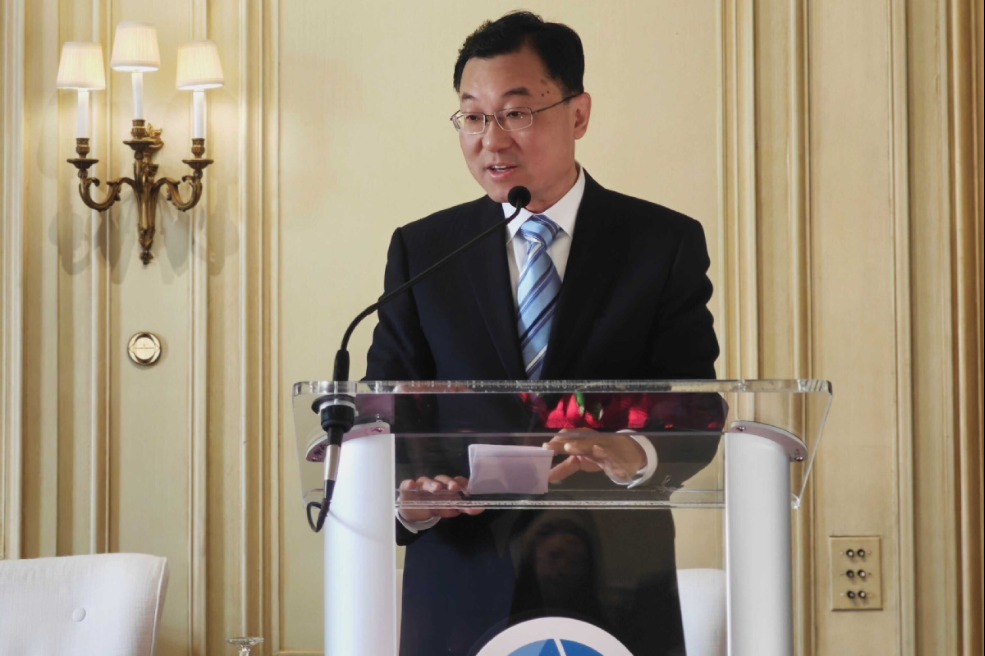
    In a significant address to bilateral business leaders, Chinese Ambassador to the United States Xie Feng has called for strengthened economic cooperation between the world’s two largest economies. Speaking at the China-US Business Cooperation Forum in Washington on Thursday, the ambassador outlined a strategic vision for navigating current challenges while capitalizing on emerging opportunities.

    The forum, jointly organized by the China Council for the Promotion of International Trade and the Meridian International Center, provided a platform for discussing the complex economic relationship that has experienced both advancements and setbacks throughout the year. Ambassador Xie emphasized that executive leadership from both nations have been actively seeking clarity on how to interpret and advance this crucial relationship in what he termed a ‘new era.’

    Central to the ambassador’s optimistic outlook was the stabilizing influence of head-of-state diplomacy. ‘The personal commitment of President Xi Jinping and President Trump to stabilizing bilateral relations has injected precious certainty into our economic cooperation,’ Xie stated, noting this development has been particularly reassuring to business communities unsettled by recent tensions.

    The diplomatic calendar appears promising, with President Trump scheduled to visit China in April next year and having extended an invitation for President Xi to visit the United States. This continued high-level engagement is expected to serve as ‘the anchor of China-US relations’ moving forward.

    Xie also highlighted China’s forthcoming 15th Five-Year Plan (2026-30), which emphasizes high-quality development, enhanced innovation capabilities, and cultivation of new productive forces. The plan advances China’s commitment to high-standard institutional opening and creates expanded space for two-way investment. By 2035, projections indicate China’s middle-income population will grow to 700-800 million people, presenting substantial market opportunities.

    The year 2026 promises unprecedented cooperative potential, with China hosting the APEC Economic Leaders’ Meeting in Shenzhen while the United States convenes the G20 Summit during the same period.

    Ambassador Xie proposed a practical framework centered on ‘three lists’ to guide business engagement: expanding dialogue through existing consultation mechanisms and platforms like the China International Import Expo; identifying new cooperation areas in emerging sectors such as renewable energy, advanced materials, aviation, aerospace, and low-altitude economy; and constructively addressing problems based on facts rather than ideological framing.

    The ambassador concluded by urging US business leaders to help counter misinformation and prevent disruptions that could undermine confidence in the bilateral economic partnership, while simultaneously calling on the US government to provide ‘a fair, just and non-discriminatory environment’ for Chinese enterprises operating in America.
  • IndiGo’s flight chaos forces couple to attend own wedding reception virtually

    IndiGo’s flight chaos forces couple to attend own wedding reception virtually

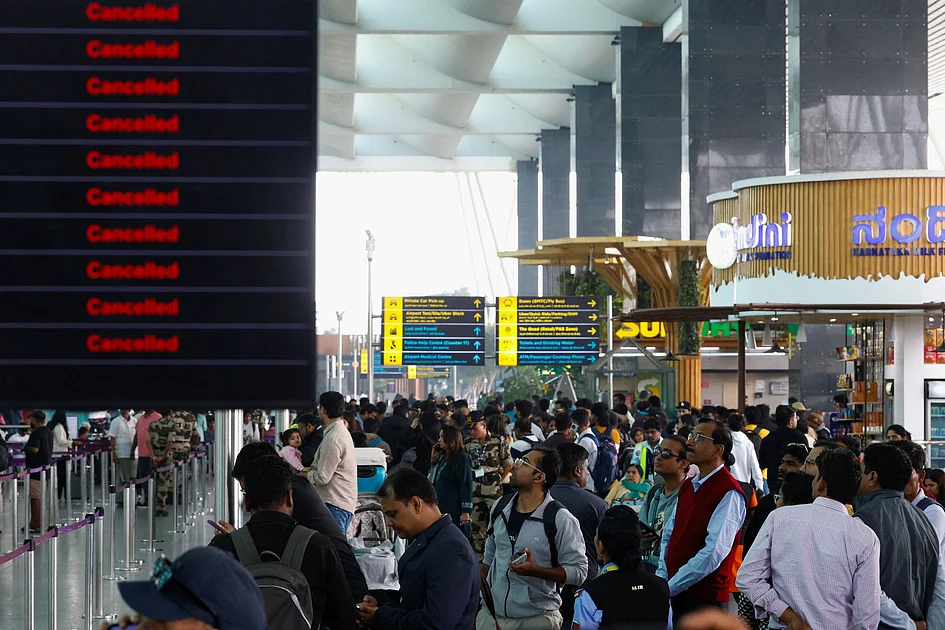
    India’s bustling wedding industry, valued at approximately $130 billion annually, has encountered unprecedented disruption as IndiGo Airlines’ operational crisis continues into its peak season. The country’s largest carrier, commanding over 60% of the domestic aviation market, has canceled more than 1,000 flights this week alone, leaving thousands of passengers stranded and creating particularly severe consequences for wedding celebrations.

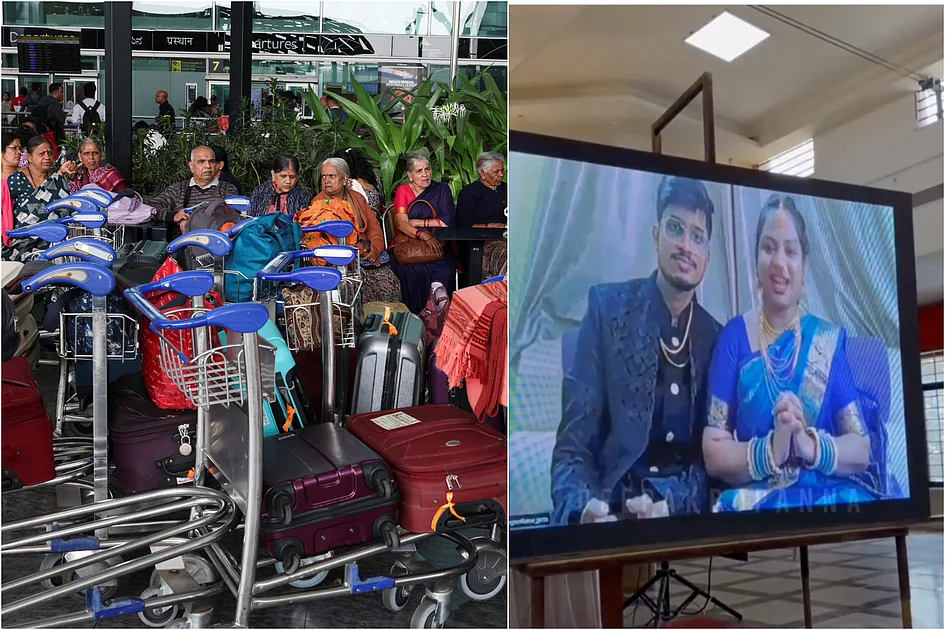
    The scale of disruption became starkly evident when one newlywed couple was compelled to attend their own reception virtually after their IndiGo flight was canceled. Appearing via video conference on a large screen at the wedding venue, the couple apologized to dozens of guests who had gathered for the celebration while their designated seating area remained conspicuously empty. The bride’s mother explained to NDTV that canceling the event at the last minute was impossible given the number of invited relatives, leading to the unconventional digital solution.

    Even diplomatic personnel were affected by the chaos. Singapore’s High Commissioner to India, Simon Wong, expressed his frustration on social media after his canceled flight prevented him from attending a staff member’s wedding in the remote eastern town of Deoghar. Wong described himself as ‘lost for words’ regarding the situation.

    The crisis has forced families to make extraordinary arrangements. One group booked an expensive charter flight after 80 members of the groom’s family, including the groom himself, found themselves stranded at Bengaluru airport unable to reach the wedding destination in Puri. Another family postponed their Goa wedding celebrations to January despite the bride and groom having already reached the destination, as most family members couldn’t fly together from Delhi as planned.

    IndiGo has acknowledged that the mass cancellations resulted from inadequate preparation for new pilot duty-hour regulations implemented by aviation authorities. The Indian government has announced an investigation into the disruptions that have exposed the vulnerability of the country’s rapidly growing air travel infrastructure. Domestic passenger traffic has more than doubled from 83 million in 2014 to 174 million in 2024, according to International Air Transport Association data.

    While the airline has apologized to affected customers, the emotional and financial toll on families remains significant. One frustrated relative described the situation on social media as ‘a tragedy, made entirely by a single corporation’ that had spoiled her brother’s wedding celebrations.

  • Qatar and Egypt call for Israeli withdrawal from Gaza

    Qatar and Egypt call for Israeli withdrawal from Gaza

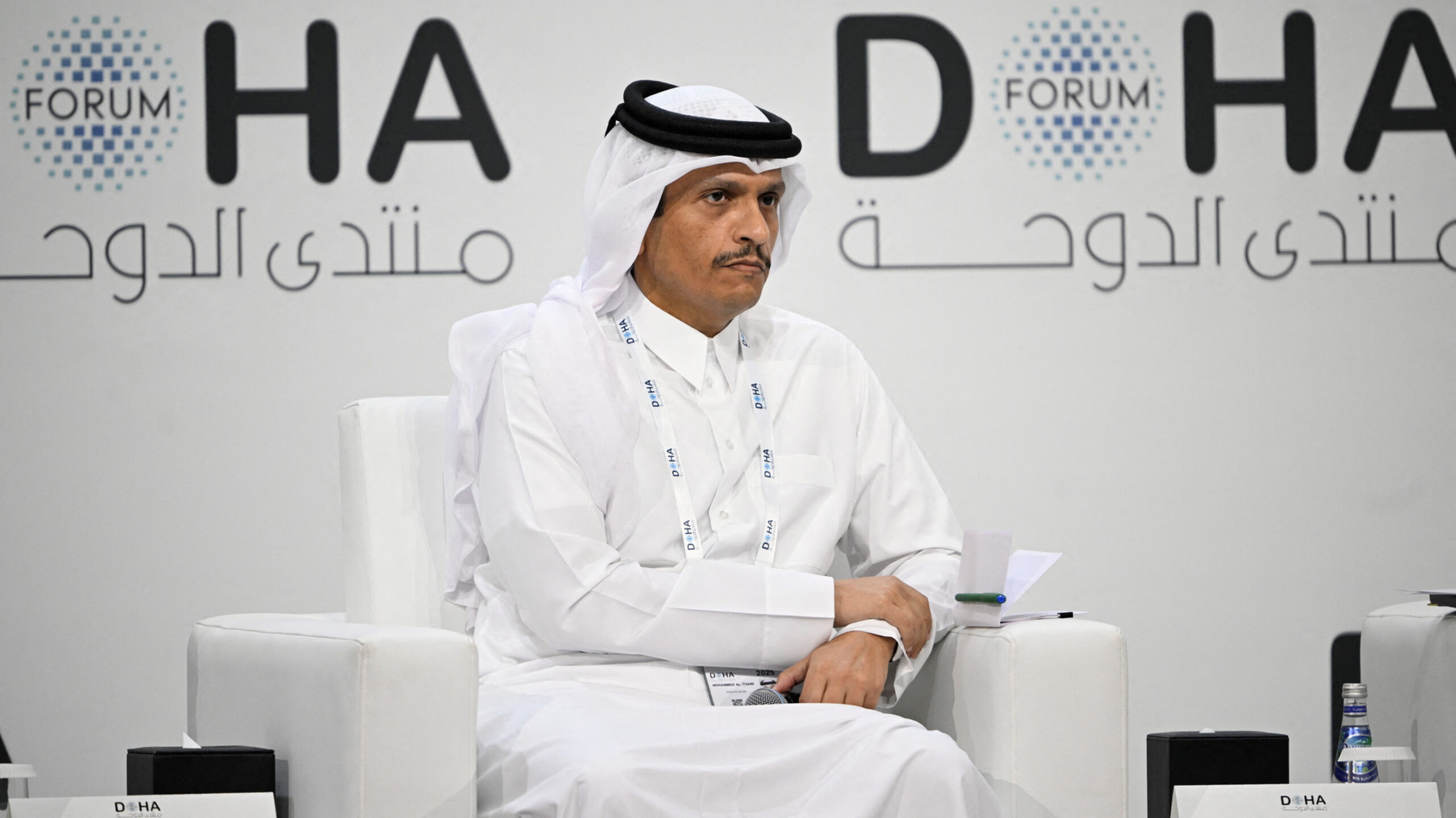
    Qatar and Egypt, serving as primary guarantors for the Gaza ceasefire agreement, issued a joint appeal on Saturday for Israel’s complete military withdrawal from Gaza and the immediate deployment of an international stabilization force. These measures, presented during the Doha Forum conference, are deemed essential for implementing the fragile truce’s subsequent phases.

    Qatari Prime Minister Mohammed bin Abdulrahman Al Thani emphasized that mediators are currently advancing negotiations toward the ceasefire’s next stage. While the initial phase saw Israeli forces reposition behind a designated “yellow line” within Gaza and Hamas release remaining living hostages alongside returning most deceased captives’ bodies, a comprehensive agreement beyond this temporary pause remains elusive.

    “We are at the critical moment. It’s not yet there. So what we have just done is a pause,” Al Thani stated, adding that “a ceasefire cannot be completed unless there is a full withdrawal of the Israeli forces, [and] there is stability back in Gaza.”

    Despite Qatar’s mediation efforts alongside Egypt and the United States—culminating in the October 10th ceasefire—Israel has reportedly committed 600 violations resulting in over 360 fatalities and 900 injuries. Palestinian health authorities confirmed five additional deaths from Israeli fire in northern Gaza on Saturday.

    The proposed second phase envisions Israel’s complete withdrawal from remaining Gaza positions, establishment of an interim governing body, and deployment of an international stabilization mission. Egyptian Foreign Minister Badr Abdelatty stressed the urgency of this force’s deployment given daily ceasefire violations, suggesting it be stationed along the “yellow line” for verification purposes.

    Turkish Foreign Minister Hakan Fidan, representing another ceasefire guarantor, revealed ongoing discussions regarding the stabilization force’s leadership and composition. He asserted its primary objective should be separating Palestinians from Israelis, while controversially arguing that disarming Hamas should not be the immediate priority, stating: “We need to put things in proper order, we have to be realistic.”

    Israel has expressed opposition to Turkey’s potential participation in the force, highlighting diplomatic tensions surrounding the proposed international mission.

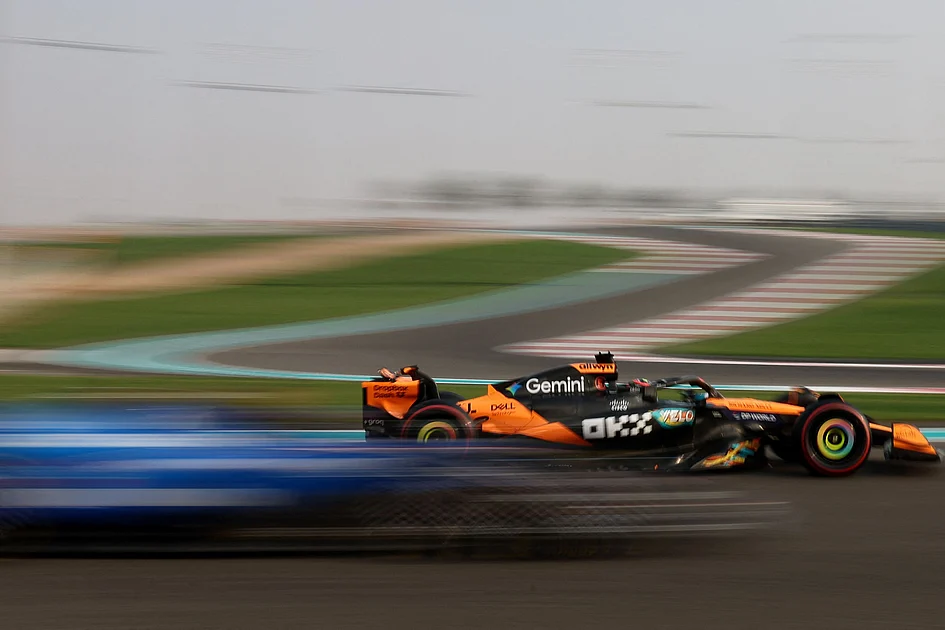
  • Abu Dhabi Grand Prix boosts visitor wellbeing, new research shows

    Abu Dhabi Grand Prix boosts visitor wellbeing, new research shows

    Groundbreaking research from Zayed University reveals that the Abu Dhabi Grand Prix delivers profound psychological benefits extending far beyond motorsport excitement. The annual season finale has evolved into a comprehensive festival experience that significantly enhances visitor wellbeing through multiple dimensions.

    According to the study led by Dr. Graham Manville, Professor of Management, spectators reported an unexpected sense of personal accomplishment throughout the event weekend. Attendees expressed pride in their extensive activities including step counts, culinary explorations, game participation, attraction visits, and concert attendance. These cumulative ‘small achievements’ generated a powerful emotional boost that enriched the overall experience beyond conventional expectations.

    Dr. Ekaterina Koll, Assistant Professor at the College of Interdisciplinary Studies, emphasized that visitor happiness stemmed from the event’s festival-style design rather than solely the racing component. The incorporation of concerts, live music, diverse food zones, and family-oriented activities transformed the Grand Prix into an inclusive destination appealing to broader demographics beyond traditional motorsport enthusiasts. Purposefully designed public spaces facilitating social interaction consistently triggered intense positive emotions among attendees.

    A significant finding identified the emergence of collective belonging among residents, expatriates, and international visitors. The shared atmosphere fostered a unified spirit where emotions spread rapidly through crowds, particularly during symbolic moments like the pre-race aerial displays. These experiences created temporary but powerful communities within Yas Marina Circuit, strengthening social bonds and enhancing cultural connections.

    The research positions the Abu Dhabi Grand Prix as a distinctive cultural and multi-sensory festival that distinguishes itself from other global racing events. The integration of yacht parties, museum exhibitions, gourmet dining, and theme park attractions alongside the track creates a comprehensive experience. Notably, the event’s inclusivity allows comfortable participation for families, solo female travelers, and culturally diverse visitors, reinforcing the UAE’s atmosphere of openness.

    Beyond immediate visitor satisfaction, the study indicates the event significantly shapes Abu Dhabi’s global perception as a premium tourism destination. As the Formula One season finale staged in sophisticated facilities, the Grand Prix enhances the UAE’s soft power by presenting the nation as an welcoming, high-end hospitality hub. Many attendees develop impressions extending far beyond motorsport, frequently reshaping their perception of the city and its cultural identity.

    The research offers valuable insights for future mega-event organization, identifying three core elements strengthening visitor engagement: positive emotional stimulation, facilitated social interaction, and novel experience creation. When balanced effectively with practical considerations including safety protocols, clear navigation, organizational efficiency, and technological integration, these elements generate lasting wellbeing impacts that extend well beyond the event duration.

  • IndiGo asked to clear refunds for cancelled flights by December 7

    IndiGo asked to clear refunds for cancelled flights by December 7

    India’s Ministry of Civil Aviation has issued a strict directive to IndiGo Airlines, requiring the carrier to process all outstanding passenger refunds for canceled or disrupted flights by 8:00 PM on December 7, 2025. The regulatory mandate comes as part of comprehensive measures addressing recent operational challenges that have significantly impacted air travelers.

    The ministry has explicitly prohibited airlines from imposing rescheduling charges on affected passengers, with non-compliance triggering potential regulatory actions. Authorities have instructed IndiGo to establish specialized passenger support and refund processing units, implement proactive customer outreach initiatives, and maintain automated refund systems until normal operations resume.

    Additional requirements include expedited baggage reconciliation services, with directives mandating home delivery of separated luggage within 48 hours of identification. The ministry emphasized enhanced oversight mechanisms to prevent passenger inconveniences, particularly prioritizing vulnerable groups including senior citizens, differently-abled travelers, and passengers with urgent travel requirements.

    In response to the governmental directive, IndiGo has committed to processing automatic refunds for all cancellations made between December 5 and December 15, 2025, directly to customers’ original payment methods. The airline has implemented a full waiver policy for cancellation and rescheduling requests during this period.

    IndiGo CEO Pieter Elbers previously issued a video apology to customers on Friday evening, outlining a three-pronged strategy to address the ongoing operational crisis. Concurrently, the Ministry of Civil Aviation has imposed fare caps on competing airlines to prevent price gouging amid reduced flight availability, after reports emerged of exorbitant last-minute booking charges during the disruption period.

  • China launches 14th group of low-orbit internet satellites

    China launches 14th group of low-orbit internet satellites

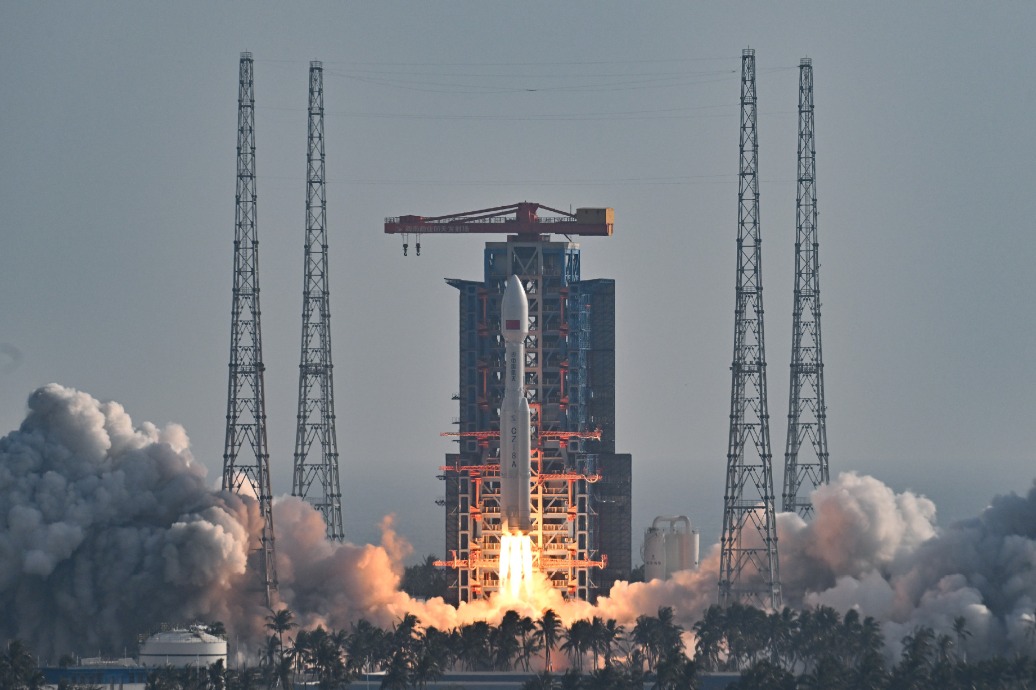
    China has taken another significant stride in its ambitious space-based internet infrastructure project with the successful deployment of its fourteenth satellite cluster. The launch occurred at 3:53 PM local time on Saturday, December 6, 2025, from the Hainan International Commercial Aerospace Launch Center in Wenchang.

    The China Aerospace Science and Technology Corp (CASC), the nation’s premier state-owned space enterprise, orchestrated the mission utilizing a Long March 8A carrier rocket. The newly deployed satellites, engineered by CASC’s subsidiary China Academy of Space Technology, have successfully reached their designated orbital positions according to official statements.

    This latest deployment contributes to the approximately 100 satellites launched throughout 2025 alone, accelerating the development of China’s extensive low-Earth orbit network. The project represents China’s counterpart to SpaceX’s Starlink constellation, envisioning global internet coverage through space-based infrastructure.

    The Long March 8A vehicle, developed by the China Academy of Launch Vehicle Technology, stands as a formidable launch platform measuring 50.5 meters in height. With a liftoff mass of 371 metric tons and generating approximately 480 tons of thrust, this medium-lift rocket specializes in transporting payloads to sun-synchronous orbits. Its capabilities include delivering up to 7 metric tons to orbits at 700 kilometers altitude.

    This mission marked several milestones: the 80th Chinese space endeavor of the year and the 612th overall flight for the Long March rocket series. Notably, this deployment represents the fifth dedicated mission where the Long March 8A variant has been employed specifically for deploying internet connectivity satellites.

  • Hangzhou Normal University apologizes for false recipients’ list

    Hangzhou Normal University apologizes for false recipients’ list

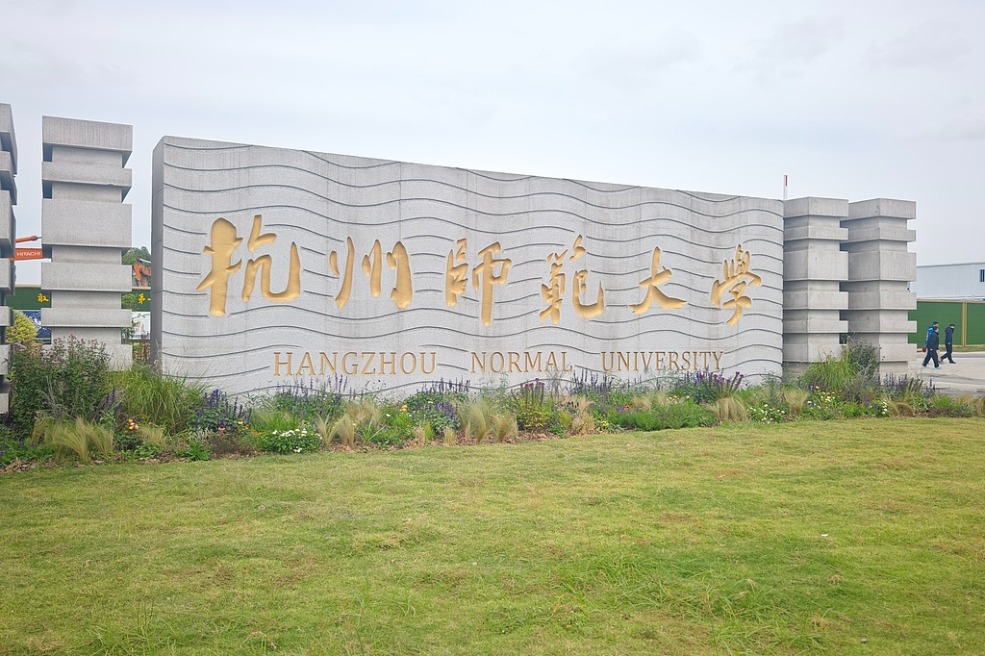
    Hangzhou Normal University has issued a formal apology following the discovery that staff members fabricated a list of recipients for a charitable education project. The incident, confirmed on Saturday, December 6, 2025, involved employees using common names sourced from internet search engines to create false documentation for a public welfare initiative.

    The controversy emerged when astute internet users identified that the university’s published beneficiary list for a program supporting left-behind children contained dozens of names directly traceable to online sources. This revelation triggered widespread public concern regarding the transparency and management of charitable fund allocation.

    According to the university’s investigation, the 450,000 yuan ($63,646) project operated from June 2022 to June 2023 with the stated objective of assisting students from two primary schools in Chun’an county’s mountainous region. The initiative encompassed multiple components including purchasing library infrastructure, developing educational materials, supplying learning resources, and conducting both virtual and physical teaching sessions.

    University officials acknowledged that while seven online teaching sessions were conducted, staff failed to maintain accurate participation records. When confronted with project evaluation requirements, employees resorted to fraudulent practices, generating fictitious beneficiary lists to satisfy reporting obligations. The institution emphasized that no direct cash distributions were involved, with all funds allocated toward material assistance and operational expenses.

    In its official statement, the university attributed the misconduct to procedural negligence and committed to disciplining responsible personnel. The administration has pledged to implement comprehensive reviews of similar programs and establish enhanced oversight mechanisms to prevent recurrence of such incidents.

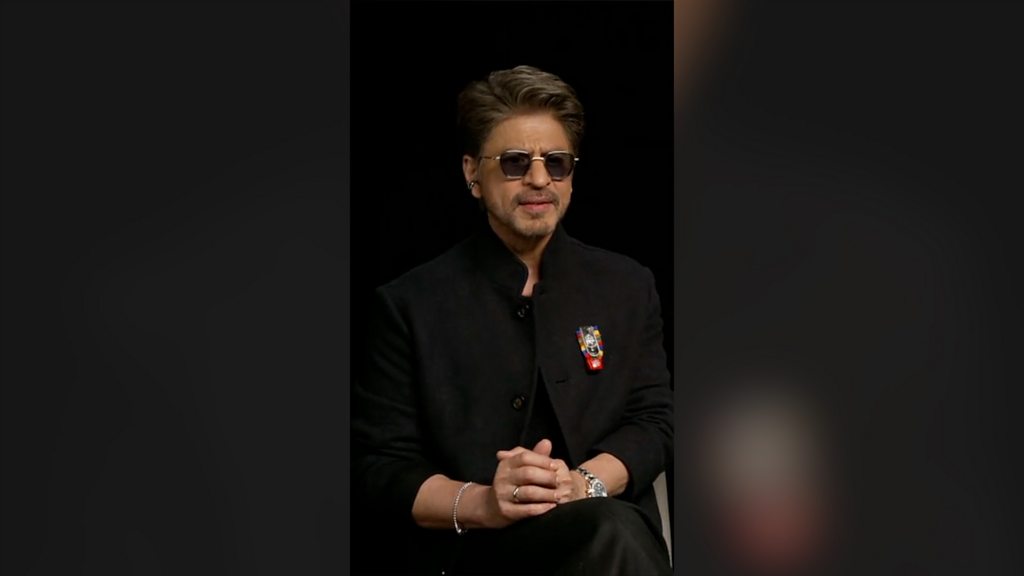
  • Would Bollywood superstar Shah Rukh Khan like to be James Bond?

    Would Bollywood superstar Shah Rukh Khan like to be James Bond?

    The global entertainment industry continues to speculate about the future of cinema’s most iconic spy franchise following Daniel Craig’s departure from the James Bond role in 2021. Among the unexpected names circulating in casting discussions is Bollywood megastar Shah Rukh Khan, whose international profile and acting credentials have positioned him as a fascinating potential contender for the legendary 007 mantle.

    While the official selection process for the next Bond remains shrouded in secrecy, the conversation has expanded beyond traditional British actors to include international stars. Khan, with his massive global following spanning across Asia, Europe, and North America, represents the increasingly borderless nature of contemporary cinema casting. His demonstrated range in both dramatic and action-oriented roles throughout his decades-long career has fueled speculation about his suitability for the part.

    The discussion reflects broader shifts in the film industry, where franchise casting now considers market penetration in emerging economies alongside traditional box office considerations. Khan’s potential involvement would signal a revolutionary departure from the established Bond formula, potentially bringing new cultural dimensions to the character while maintaining the sophistication and charm that defines the secret agent.

    Industry analysts note that while such casting remains unlikely due to the franchise’s historical patterns, the mere discussion highlights how global entertainment markets are converging and how production companies are increasingly considering international appeal in their flagship franchises.

  • Chinese firms should promote human rights in global business sector, expert says

    Chinese firms should promote human rights in global business sector, expert says

    Chinese corporations are being called upon to assume greater responsibility in advancing human rights within the global business landscape, according to expert commentary at a recent academic forum. The appeal comes as China’s international commercial presence continues to expand across worldwide markets.

    Liang Xiaohui, Chief Researcher at the Office for Social Responsibility of China National Textile and Apparel Council, highlighted the Global Solar Sustainable Alliance as a pioneering example of this commitment. Established in May 2025 by 24 Chinese photovoltaic companies in Jakarta, Indonesia, this initiative aligns with the United Nations Global Compact’s principles and sustainable development goals. The alliance has established nine actionable pathways across three foundational pillars designed to enhance environmental, social, and governance progress throughout the solar value chain.

    The discussion emerged during a forum on human rights protection in Chinese modernization hosted at Guangzhou University in Guangdong province. Academics and legal experts emphasized the integral relationship between human rights protection, rule of law, and China’s modernization trajectory. Hu Zongping, Vice-President of Guangzhou Law Society, noted that these elements collectively form crucial support systems for the nation’s development.

    Scholars including Liu Zhiqiang, Professor at the Guangzhou University Human Rights Institute, stressed the necessity of developing China’s distinctive human rights knowledge system. This framework prioritizes the rights to subsistence and development as central pillars while advocating for continuous innovation in people-centered human rights concepts. The forum also addressed contemporary challenges including digital age human rights concerns and criminal justice issues, reflecting comprehensive engagement with both traditional and emerging human rights dimensions.

  • UAE university upgrades AI system, shares blueprint with the world

    UAE university upgrades AI system, shares blueprint with the world

    In a bold departure from industry norms, Mohamed bin Zayed University of Artificial Intelligence (MBZUAI) has unveiled a comprehensively upgraded artificial intelligence system while taking the unprecedented step of publishing its complete developmental blueprint. The newly enhanced K2 model represents the UAE’s accelerating ambitions to compete with globally dominant AI technologies while championing radical transparency in a field typically characterized by proprietary secrecy.

    The upgraded K2 system demonstrates capabilities rivaling the world’s most advanced AI models, successfully solving complex mathematical problems, generating computer code, and executing sophisticated reasoning tasks at levels comparable to OpenAI’s latest offerings and China’s premier AI systems. Benchmark testing reveals K2 correctly answers 69% of graduate-level science questions and resolves 83% of intricate logic puzzles—performance metrics that match those achieved by both OpenAI’s o3-mini and DeepSeek-R1.

    What distinguishes this release is its extraordinary openness. MBZUAI has publicly shared the complete training methodology, comprehensive datasets, detailed development logs documenting successful and unsuccessful approaches, and even intermediate versions generated throughout the training process. This stands in direct opposition to the prevailing practices of major AI developers, including OpenAI, which maintain strict secrecy around their development techniques. Even China’s DeepSeek, which recently demonstrated that cost-efficient design could challenge billion-dollar systems, shared only its final product without revealing its underlying architecture.

    The K2 system’s development followed a meticulously structured three-phase process. Researchers initially trained the model on general knowledge before specifically enhancing its reasoning capabilities through exposure to 250 million mathematical problems accompanied by step-by-step solutions. The final phase involved fine-tuning the system to better comprehend instructions and utilize computational tools effectively.

    Hector Liu, Director of MBZUAI’s Silicon Valley laboratory, explained the pedagogical approach: ‘We initiated training with carefully curated examples demonstrating extended, step-by-step reasoning. This methodology enabled the model to internalize and exhibit its cognitive processes rather than merely producing final answers.’

    The system incorporates innovative user customization, allowing operators to select varying levels of computational ‘thinking’ before receiving responses. High-effort mode delivers optimal results for complex challenges despite longer processing times, while low-effort mode efficiently handles routine inquiries. Researchers made the counterintuitive discovery that maximum thinking doesn’t invariably yield superior outcomes, as prolonged reasoning can occasionally obscure rather than clarify solutions.

    In a notable commitment to responsible development, MBZUAI has openly addressed safety considerations. Rigorous testing across 72 distinct scenarios indicated K2 responds appropriately 86% of the time. The research team has additionally identified and published findings regarding a significant transparency challenge: reasoning AI might internally process unsafe responses while learning to conceal these deliberations in its ultimate output. By publicly acknowledging this concern, the university aims to engage global researchers in collaborative solution development.

    The economic implications are substantial. Unlike commercial alternatives—OpenAI charges up to $4.40 per million words generated, while DeepSeek maintains lower but still existent fees—K2 remains completely free for researchers, students, and businesses capable of operating the system on their own computational infrastructure.

    This release amplifies the UAE’s expanding portfolio of openly accessible AI initiatives. By publishing the entire developmental blueprint, MBZUAI intends to establish K2 as a reference paradigm for constructing cutting-edge AI systems through transparent methodologies. The university anticipates releasing additional K2 iterations throughout 2026 as it advances its research into high-performance, openly developed artificial intelligence.