标签: Asia

亚洲

  • India aviation watchdog sends notice to IndiGo, demands explanation in 24 hours

    India aviation watchdog sends notice to IndiGo, demands explanation in 24 hours

    India’s aviation authority has issued a stringent 24-hour ultimatum to budget carrier IndiGo, demanding comprehensive explanations for widespread operational failures that triggered massive flight cancellations affecting thousands of passengers. The Directorate General of Civil Aviation (DGCA) escalated regulatory pressure by establishing a specialized four-member investigative committee to conduct urgent review proceedings.

    The newly formed committee will scrutinize multiple operational aspects including crew management protocols, systemic preparedness, and adherence to recently implemented Flight Duty Time Limitations (FDTL) regulations. This regulatory intervention follows the Indian Civil Aviation Ministry’s earlier announcement initiating high-level inquiries into the airline’s service collapse.

    Government authorities emphasized the investigation will pinpoint operational deficiencies, establish accountability structures, and implement preventive mechanisms to safeguard against future disruptions. The ministry’s statement highlighted passenger protection as paramount, vowing to ensure travelers avoid similar operational hardships moving forward.

    The aviation crisis represents one of India’s most significant domestic airline operational failures in recent years, drawing intensified scrutiny toward the country’s largest carrier by market share. Industry analysts note the developments underscore growing regulatory concerns regarding operational reliability in India’s rapidly expanding aviation sector.

  • Japan is facing a dementia crisis – can technology help?

    Japan is facing a dementia crisis – can technology help?

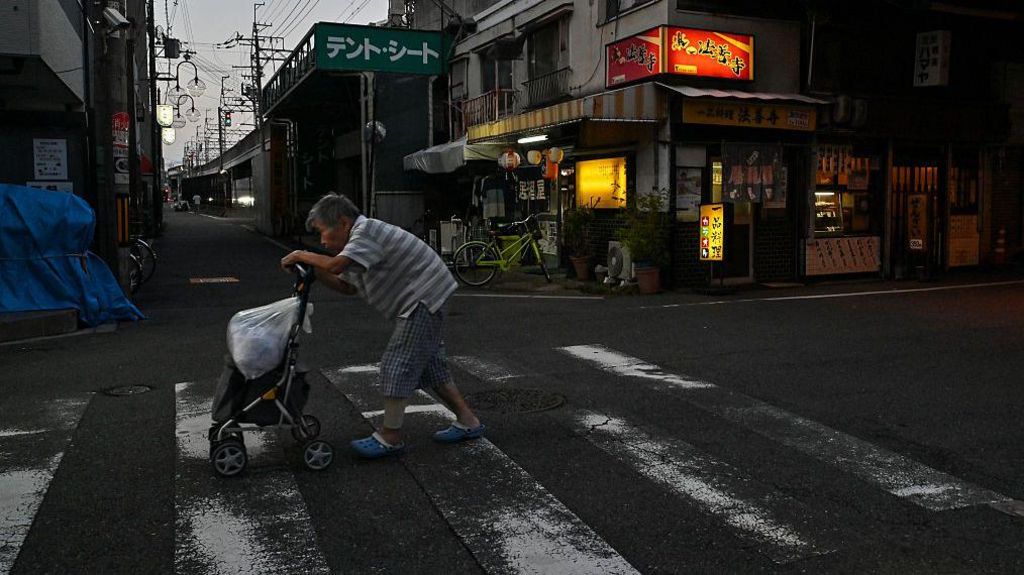
    Japan is confronting its escalating dementia crisis through technological innovation as the nation grapples with the challenges of being the world’s oldest society. With approximately seven million citizens affected by dementia, the country faces unprecedented strain on its care systems and workforce.

    Recent police data reveals a disturbing trend: over 18,000 elderly individuals with dementia wandered from their homes last year, resulting in nearly 500 fatalities. This represents a doubling of cases since 2012, highlighting the urgent need for intervention strategies.

    The government has declared dementia a top policy priority, projecting that related healthcare costs will surge to 14 trillion yen ($90 billion) by 2030, up from 9 trillion yen in 2025. This financial burden coincides with a shrinking domestic workforce and restrictive immigration policies that limit foreign care workers.

    In response, Japan is pioneering multiple technological solutions. GPS tracking systems have been widely adopted across communities, with some municipalities providing wearable tags that alert authorities when individuals stray beyond designated safe zones. Convenience stores in certain towns participate in real-time notification networks, creating community safety nets that can locate missing persons within hours.

    Beyond tracking, Japanese companies are developing advanced diagnostic tools. Fujitsu’s aiGait system employs artificial intelligence to analyze walking patterns and posture, detecting early dementia indicators such as shuffling gait, slower turns, or difficulty standing. The technology generates skeletal outlines for clinical review during routine examinations.

    ‘Early detection of age-related diseases is crucial,’ explains Hidenori Fujiwara, Fujitsu spokesperson. ‘Motion-capture data enables earlier medical intervention, helping people maintain activity levels longer.’

    Robotic caregiving represents another frontier. Researchers at Waseda University are developing AIREC, a 150kg humanoid robot capable of assisting with daily tasks including sock placement, egg preparation, and laundry folding. Future iterations aim to provide diaper changes and prevent bedsores.

    Current robotic applications already serve in care facilities, where they lead exercises, provide musical entertainment, and monitor sleep patterns through mattress-embedded sensors. These technologies reduce nighttime human supervision requirements.

    However, Assistant Professor Tamon Miyake cautions that fully functional humanoid caregivers remain approximately five years from safe human interaction. ‘Achieving necessary precision requires full-body sensing and adaptive understanding of individual needs and situations,’ he notes.

    Emotional support technology also advances through devices like Sharp’s 12cm Poketomo robot. This portable companion provides medication reminders, weather preparation advice, and conversational interaction to combat social isolation.

    ‘We’re focusing on social issues and applying new technology to solve them,’ says Miho Kagei, Sharp’s development manager.

    Despite technological progress, experts emphasize that human connection remains irreplaceable. The Restaurant of Mistaken Orders in Tokyo exemplifies this balance, employing servers with dementia who use floral arrangements to remember orders. Founder Akiko Kanna established the venue after her father’s dementia experience, creating spaces where affected individuals maintain engagement and purpose.

    For server Toshio Morita, the work provides meaningful social interaction his wife says helps maintain cognitive engagement. The establishment demonstrates how community support and human interaction complement technological solutions in comprehensive dementia care.
  • Hong Kong to vote in election as city mourns deadly fire

    Hong Kong to vote in election as city mourns deadly fire

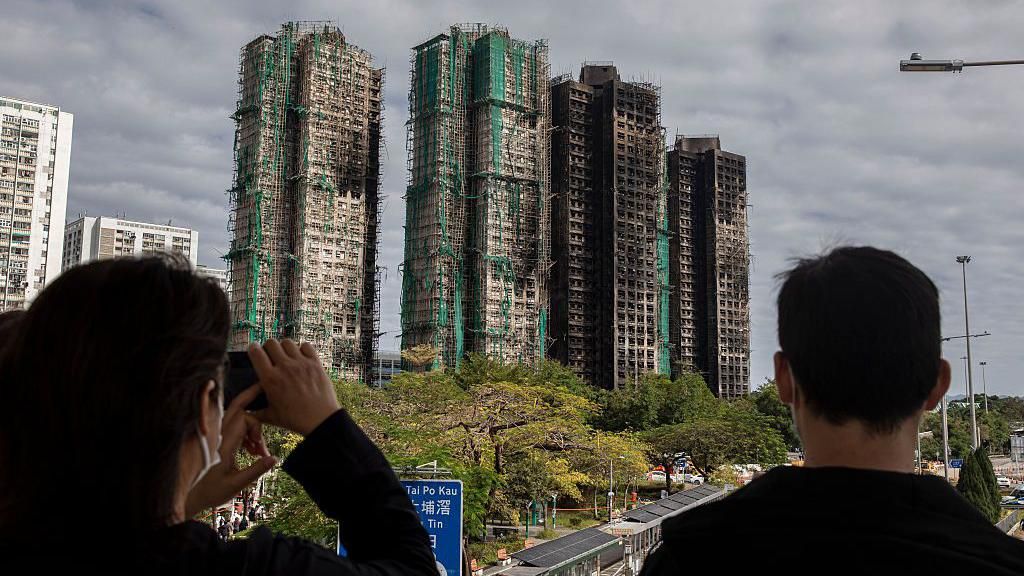
    Hong Kong is conducting its Legislative Council (LegCo) elections under the shadow of the city’s most devastating fire in over seven decades, which claimed 159 lives in Tai Po last month. The electoral process represents the second poll since China’s comprehensive 2021 electoral reforms, which mandated that all candidates demonstrate loyalty to Beijing.

    The government has deployed an extensive campaign to boost voter participation, distributing incentives including shopping vouchers, complimentary museum entries, and public pool access. These measures aim to create a festive atmosphere around the voting process, with Chief Secretary Eric Chan emphasizing the importance of citizen engagement.

    Meanwhile, authorities are addressing the aftermath of the November 26 tragedy that engulfed Wang Fuk Court’s residential towers. Investigators have identified substandard flame-retardant scaffolding mesh as a key factor in the fire’s rapid spread. The government has established an independent investigative committee, arrested 13 individuals on suspicion of manslaughter, and ordered citywide removal of similar renovation materials.

    The disaster has raised significant concerns about building safety standards in a city where many reside in aging high-rises. Authorities have simultaneously moved to suppress dissent, detaining several individuals including a former district councillor for suspected sedition related to petitions demanding an independent inquiry.

    Political campaigning was briefly suspended following the fire, though government-organized forums resumed after several days. Chief Executive John Lee maintains that proceeding with elections is essential to ‘transform grief into strength,’ suggesting new legislators could expedite reconstruction efforts.

    With 161 candidates competing for 90 seats, approximately one-quarter of incumbent lawmakers are stepping down amid reports of Beijing’s unofficial age limitations. The election occurs against a backdrop of historically low voter turnout, with the 2021 election recording merely 30% participation following the electoral overhaul that effectively barred opposition candidates.

  • Indian, US investigators to meet next week on Ahmedabad Air India crash: Report

    Indian, US investigators to meet next week on Ahmedabad Air India crash: Report

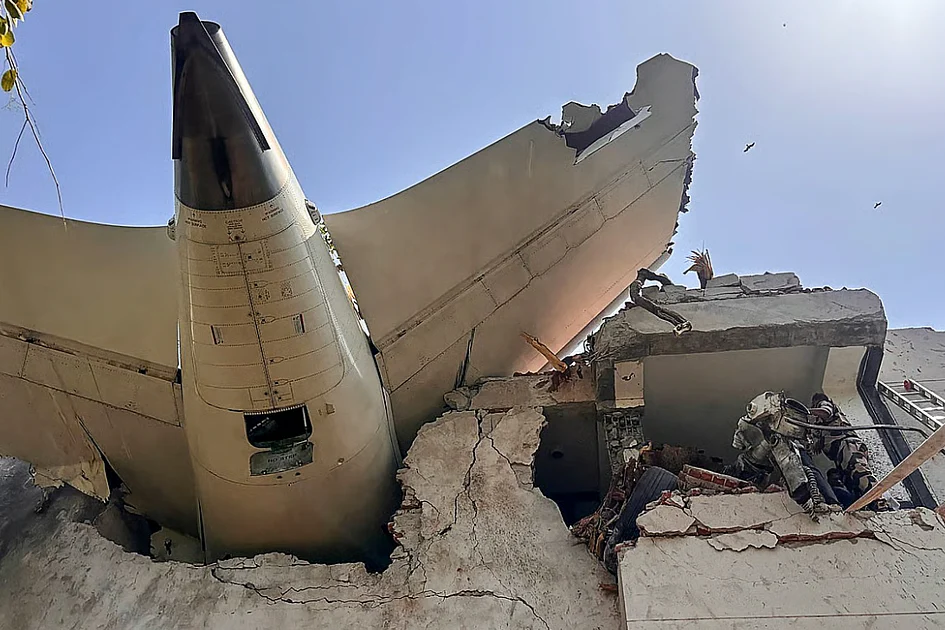
    Indian aviation investigators are scheduled to convene with their American counterparts at the National Transportation Safety Board (NTSB) headquarters in Washington D.C. next week to advance the investigation into June’s catastrophic Air India flight crash. According to a Bloomberg News report, the high-stakes meeting will include representatives from multiple parties, including aircraft manufacturer Boeing.

    The technical delegation from India’s Aircraft Accident Investigation Bureau (AAIB) plans to present comprehensive findings extracted from the crashed aircraft’s cockpit voice recorder and flight data recorder. This collaborative session marks a significant development in determining the causative factors behind the tragedy that claimed 261 lives.

    The ill-fated Boeing 787 Dreamliner, operating as Flight AI-314 from Ahmedabad to London, experienced sudden thrust failure and rapid altitude loss shortly after departure. The aviation disaster resulted in 242 passenger fatalities with only one survivor, plus 19 ground casualties when the aircraft crashed into a residential area.

    Neither Boeing nor the involved regulatory agencies have issued official statements regarding the upcoming meeting. Boeing redirected inquiries to the AAIB when contacted by Reuters, while the NTSB and India’s Civil Aviation Ministry remained unavailable for immediate comment. The meeting represents a crucial step in the multinational investigation process, which typically involves manufacturer participation alongside regulatory authorities from both the operating and manufacturing countries.

  • Hong Kong votes in legislative election after deadly fire

    Hong Kong votes in legislative election after deadly fire

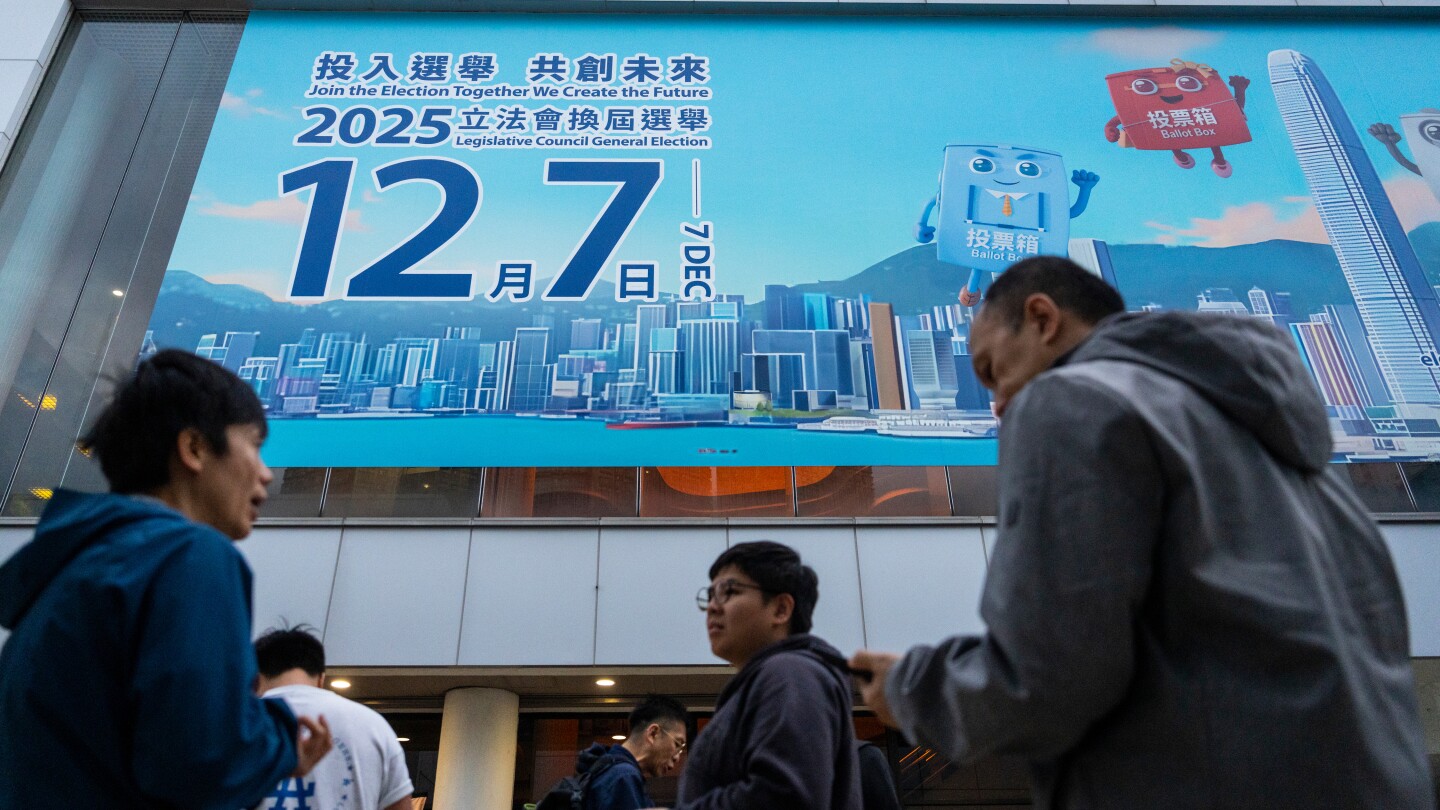
    Hong Kong conducted its second legislative election under a revamped political framework on Sunday, with voter participation rates emerging as a critical indicator of public sentiment. The electoral process unfolded against the somber backdrop of a catastrophic apartment fire that claimed 159 lives less than two weeks prior, raising substantial questions about governmental accountability and oversight mechanisms.

    The electoral system, fundamentally restructured in 2021, has effectively marginalized pro-democracy opposition voices through stringent candidate vetting processes requiring demonstrated loyalty to Beijing. Of the Legislative Council’s 90 seats, only 20 are now directly elected by the general populace, while 40 are selected by a pro-Beijing election committee and 30 represent functional constituencies from major industries.

    Chief Executive John Lee actively encouraged voter participation, framing the election as instrumental for advancing policy reforms and addressing the recent tragedy. Despite government efforts to boost turnout through extended voting hours, additional polling stations, and transportation subsidies, analysts projected continued voter apathy. The previous 2021 election saw participation plummet to approximately 30%, and many anticipated further suppression due to public discontent over the government’s handling of the fire incident.

    Campaign activities remained suspended throughout the final days preceding the election as a mark of respect for fire victims. Authorities simultaneously pursued legal action against individuals accused of encouraging election boycotts or invalid voting. The devastating fire has exposed systemic deficiencies in building maintenance regulations and alleged bid-rigging practices, placing additional scrutiny on the government’s governance capabilities.

    Political observers noted that depressed turnout could indicate dissatisfaction even among traditional government supporters, potentially reflecting broader concerns about accountability and institutional effectiveness within the territory’s political framework.

  • Staff and tourists among 23 killed in Goa nightclub fire, officials say

    Staff and tourists among 23 killed in Goa nightclub fire, officials say

    A catastrophic fire has torn through a popular nightclub in India’s coastal paradise of Goa, resulting in at least 23 fatalities during the peak weekend hours. The tragedy struck shortly after midnight on Saturday at Birch by Romeo Lane, an establishment located in the bustling beachfront area of Baga in North Goa’s Arpora district.

    According to preliminary investigations by local authorities, the inferno originated from a gas cylinder explosion within the club’s kitchen facility. Goa’s Director General of Police, Shri Alok Kumar, confirmed that the blaze was primarily contained to the ground floor culinary area but spread rapidly through the venue.

    The victims predominantly consisted of club employees who became trapped near the explosion’s epicenter, though officials confirmed several tourists were also among the deceased. Medical reports indicate multiple casualties resulted from severe burn injuries while others succumbed to smoke inhalation and suffocation.

    Rescue operations continued through Sunday morning as emergency teams worked to secure the disaster site. Goa’s Chief Minister Pramod Sawant expressed profound grief over the incident, declaring: “Today marks a profoundly painful day for all residents of Goa.” He announced the initiation of a formal judicial inquiry to determine responsibility for the tragedy, vowing that “any negligence will be dealt with firmly under the most stringent legal provisions.”

    The coastal state of Goa, renowned for its vibrant nightlife and pristine beaches along the Arabian Sea, attracts millions of international and domestic tourists annually. This tragedy represents one of the deadliest nightlife incidents in recent memory for the region, raising serious questions about safety protocols in entertainment establishments catering to the tourism industry.

  • Photos: Passengers stranded as Indigo cancels hundreds of flights

    Photos: Passengers stranded as Indigo cancels hundreds of flights

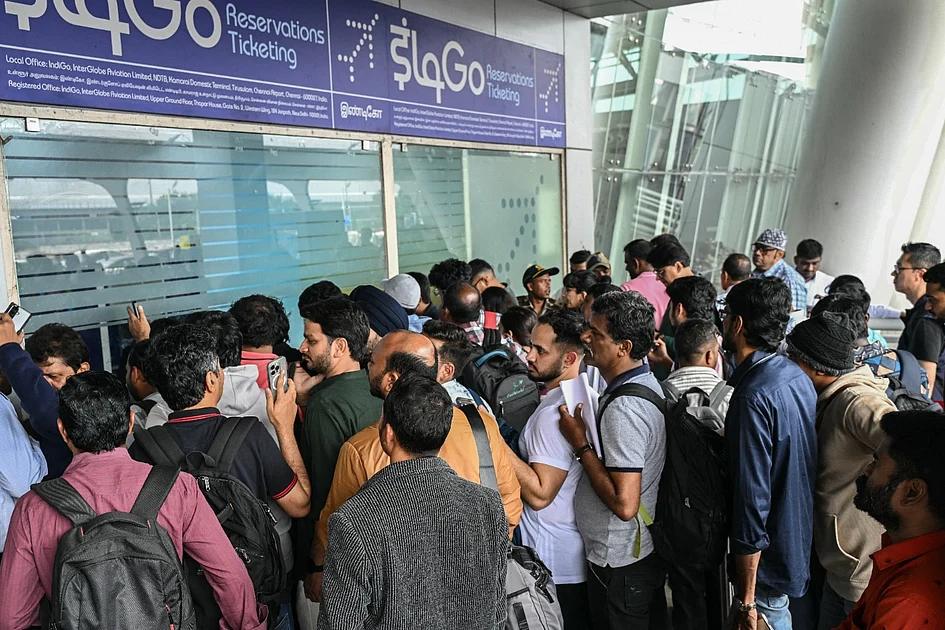
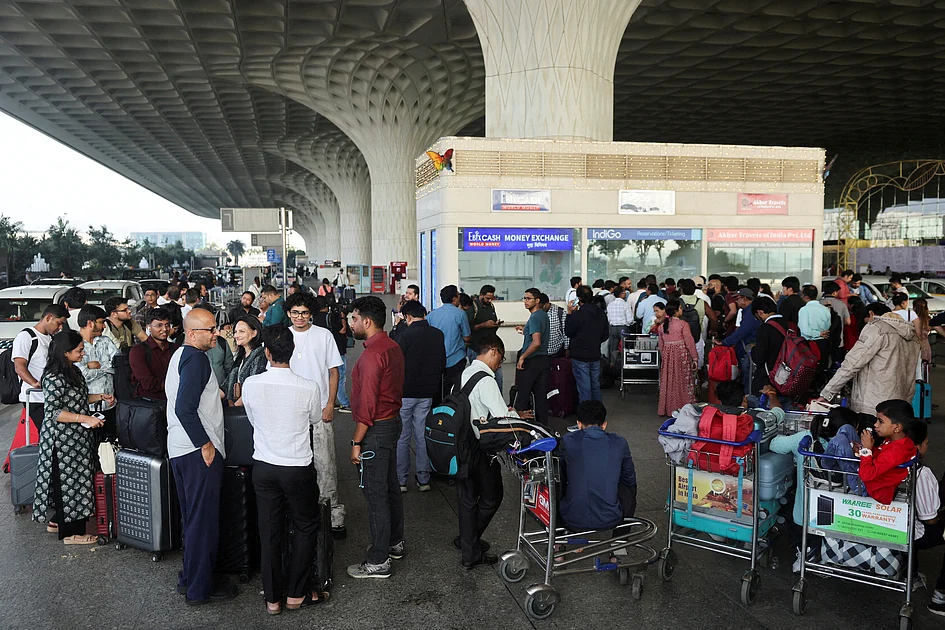
    India’s aviation sector faced significant disruption on December 6, 2025, as budget carrier IndiGo canceled hundreds of flights nationwide, leaving thousands of passengers stranded at airports. The mass cancellations created chaotic scenes at major aviation hubs including Delhi, Mumbai, and Bangalore, with travelers reporting minimal communication from airline staff regarding alternative arrangements.

    The unprecedented operational crisis emerged following what industry sources describe as a combination of technical issues and crew scheduling challenges. While the airline has not released an official statement detailing the root cause, aviation analysts suggest the cancellations may be linked to systemic operational vulnerabilities within India’s largest carrier by market share.

    Affected passengers took to social media to express frustration over the lack of timely information and inadequate support services. Many reported being unable to reach customer service representatives through official channels, while others complained about extended wait times at airport counters with limited resolution options.

    The disruption comes during a peak travel period, exacerbating the impact on both business and leisure travelers. Aviation authorities have reportedly stepped in to monitor the situation, with the Directorate General of Civil Aviation seeking a detailed report from the airline regarding the widespread cancellations and contingency measures being implemented.

    Industry experts note that such large-scale disruptions highlight the fragile nature of India’s aviation infrastructure and raise questions about operational preparedness among major carriers. The incident is expected to trigger renewed discussions about passenger rights and compensation frameworks within the country’s rapidly expanding aviation market.

  • Syrian president accuses Israel of ‘exporting crises’ to distract from Gaza ‘massacres’

    Syrian president accuses Israel of ‘exporting crises’ to distract from Gaza ‘massacres’

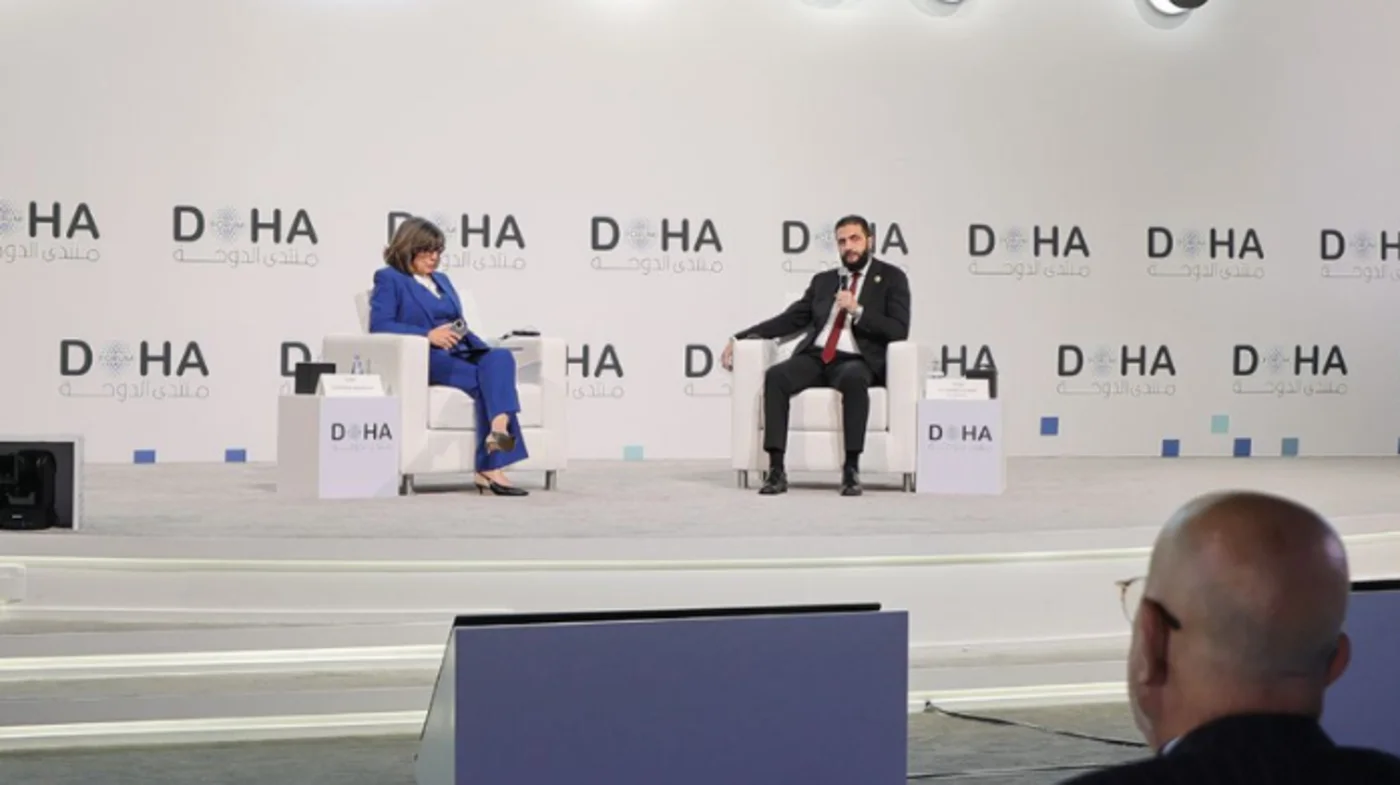
    In a forceful address at the Doha Forum on Saturday, Syrian President Ahmed al-Sharaa launched a sharp critique against Israel, accusing the nation of deliberately exporting regional crises to obscure international focus on its military operations in Gaza. Speaking with CNN’s Christiane Amanpour, Sharaa characterized Israel as a state “in a fight against ghosts,” exploiting the October 7 attacks to justify an aggressive posture across the Middle East.

    The Syrian leader detailed a stark contrast between his administration’s outreach and Israel’s response. Since assuming power in Damascus following the fall of the Assad dynasty in December 2024, Sharaa claimed to have sent positive messages advocating for regional peace and disavowing conflict exportation. However, he asserted that Israel reciprocated with “extreme violence,” citing over 1,000 airstrikes and 400 ground incursions into Syrian territory.

    Sharaa reiterated calls for Israel to withdraw from territories seized during the recent conflict, including the strategic UN buffer zone on Mount Hermon. He confirmed that negotiations are currently underway with the United States to facilitate this withdrawal, while simultaneously expressing support for the foundational 1974 disengagement agreement. The president warned that tampering with this agreement or establishing alternative security arrangements like demilitarized zones could lead to dangerous instability, questioning who would protect such zones without Syrian forces.

    Addressing Syria’s internal challenges, Sharaa acknowledged the deep sectarian divisions inherited from the Assad regime but emphasized his administration’s commitment to reconciliation and institutional rebuilding. He highlighted economic recovery as crucial for stability, specifically noting efforts to persuade Washington to lift Caesar Act sanctions originally imposed against the previous government. Despite ongoing difficulties, Sharaa portrayed Syria as on a “positive path toward stability and economic growth,” with governance based on competence rather than sectarian quotas.

    The geopolitical context of these remarks was underscored by recent comments from U.S. President Donald Trump, who issued a veiled warning to Israel against interfering with Syria’s “evolution” following a deadly raid. Trump emphasized the importance of maintaining “strong and true dialogue” between the nations to support Syria’s transition to prosperity.

  • California, Chinese businesses seek new partnerships

    California, Chinese businesses seek new partnerships

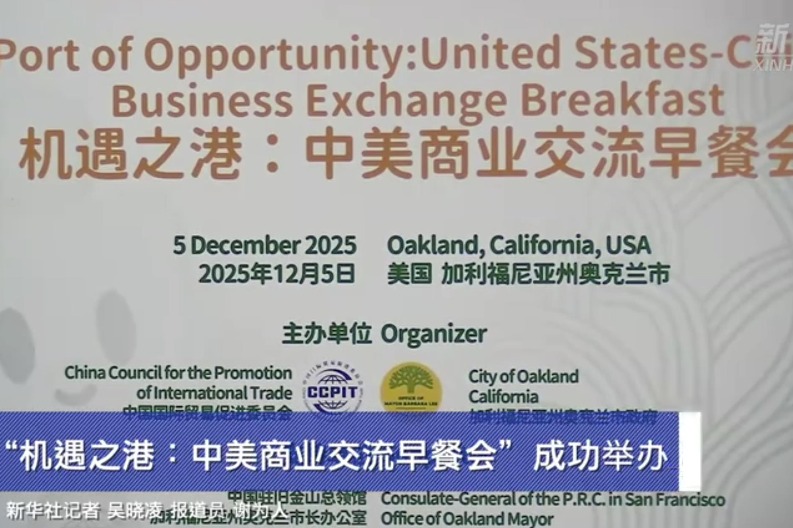
    Business leaders from China and California convened in Berkeley on Friday to explore strengthened trade relationships, focusing particularly on emerging economic sectors despite ongoing international diplomatic strains. The gathering, titled “Port of Opportunity: US-China Business Exchange Breakfast,” brought together a 25-company Chinese delegation representing finance, manufacturing, agriculture, logistics, aviation, healthcare, new energy and cultural industries with approximately 100 local business representatives and elected officials.

    Ren Hongbin, chairman of the China Council for the Promotion of International Trade, who led the Chinese delegation, pointed to recent diplomatic developments as grounds for optimism. He referenced the successful meeting between President Xi Jinping and President Trump in Busan, which he said “steered the cause of China-US relations at a critical juncture, providing reassurance to the business communities of both nations.” Ren emphasized that business communities should translate the important consensus reached by the two leaders into concrete actions and outcomes.

    Oakland Mayor Barbara Lee highlighted the significant economic implications for California, revealing that approximately three-quarters of all trade through the port last year was with Asia, with China accounting for 29 percent of the Port of Oakland’s total trade volume, maintaining its position as the port’s largest import partner. “Regardless of challenges and what’s happening in Washington DC, we have to stay very focused on who we are and what drives Oakland and what drives our economy and what drives the friendship between our two countries,” Lee stated.

    The mayor emphasized Oakland’s longstanding connections with China, including a decades-old sister city relationship with Dalian, and positioned the East Bay as a strategic partner for Chinese investment, particularly in agriculture, advanced manufacturing, logistics, technology and life sciences. She specifically highlighted opportunities in building the green economy as both China and the United States invest in clean energy, zero emission vehicles and port decarbonization.

    John Grubb, interim president and CEO of the Bay Area Council, noted that his member companies strongly believe in expanding global trade ties, with many being significant trading partners with China. He revealed that approximately a quarter of all trade between the United States and China actually occurs between California and China. Grubb characterized the relationship as experiencing “many tides”—some incredible and some challenging—but emphasized the importance of maintaining “the vessel and the bridges.”

    Ren identified strategic emerging industries as pivotal areas for collaboration, predicting that sectors including new energy, new materials, aerospace, biopharmacy and the low-altitude economy “will generate trillion-yuan level or even larger markets.” He cited the San Francisco Bay Area’s role as a global innovation hub, noting that companies like Apple, Intel and Nvidia have “actively expanded their business in China, contributing to China’s reform and opening up while reaping substantial rewards.”

    Chinese Consul General in San Francisco Zhang Jianmin emphasized that economic interdependence remains a “global reality,” noting that approximately two-thirds of all exports worldwide contain imported components and global supply chains account for about 70 percent of global trade. Zhang highlighted the China International Supply Chain Expo as a platform where Bay Area companies, including Apple and Nvidia, have been “active participants and direct beneficiaries,” enabling businesses to showcase products, match supply with demand and achieve greater synergy across global supply chains.

    Against the backdrop of slowing global economic growth, Zhang stressed that innovation and cooperation are more crucial than ever, noting that China’s substantial market and comprehensive industrial system complement the Bay Area’s innovation ecosystem, creating “tremendous potential for mutually beneficial cooperation.”

  • IndiGo flight cancellations: What caused disruption; timeline of events

    IndiGo flight cancellations: What caused disruption; timeline of events

    India’s aviation sector experienced unprecedented disruption during the first week of December 2025 as IndiGo, the nation’s largest carrier, canceled thousands of flights, creating nationwide travel chaos and prompting urgent regulatory response.

    The crisis began unfolding on December 2-3 with approximately 150 cancellations across major hubs including Delhi, Bengaluru, Hyderabad, and Mumbai. The situation reached critical levels on December 5 when over 1,000 flights—representing half of IndiGo’s operational capacity—were grounded in what CEO Pieter Elbers described as a necessary ‘reboot’ to realign crew and aircraft.

    IndiGo’s initial statement cited a perfect storm of contributing factors: minor technology glitches, winter schedule adjustments, adverse weather conditions, aviation system congestion, and newly implemented Flight Duty Time Limitations (FDTL) regulations. The airline acknowledged these elements created a ‘negative compounding impact’ that exceeded operational forecasting capabilities.

    The Directorate General of Civil Aviation (DGCA) intervened decisively, mandating fare stability measures and demanding comprehensive recovery plans. Regulatory scrutiny revealed insufficient staffing to manage disruption-related passenger volumes, prompting requirements for detailed crew recruitment strategies, training programs, and biweekly progress reports.

    Industry associations expressed sharp criticism, with the Airline Pilots’ Association of India questioning whether cancellations represented a ‘calculated strategy’ rather than operational necessity. The Federation of Indian Pilots highlighted inadequate roster planning ahead of the November 1 FDTL implementation, which included reduced night landing allowances and extended weekly rest periods.

    Government escalation resulted in the Ministry of Civil Aviation establishing a 24/7 control room and initiating high-level inquiry proceedings to determine accountability and prevent future occurrences. Regulatory directives required full refund processing by December 7 and prohibited rescheduling fees for affected passengers through December 15.

    Consumer protection measures expanded to include fare capping on alternate routes after reports of predatory pricing by competing carriers. IndiGo implemented extensive passenger support including automated refunds, fee waivers, hotel accommodations, ground transportation, and complimentary airport services.

    As operations gradually stabilized, Delhi Airport authorities confirmed services were ‘steadily resuming,’ with full normalization expected between December 10-15. The episode represents one of India’s most significant aviation disruptions, highlighting systemic vulnerabilities in crew management, regulatory implementation, and crisis response protocols.