标签: Asia

亚洲

  • Why are Thailand and Cambodia fighting at the border?

    Why are Thailand and Cambodia fighting at the border?

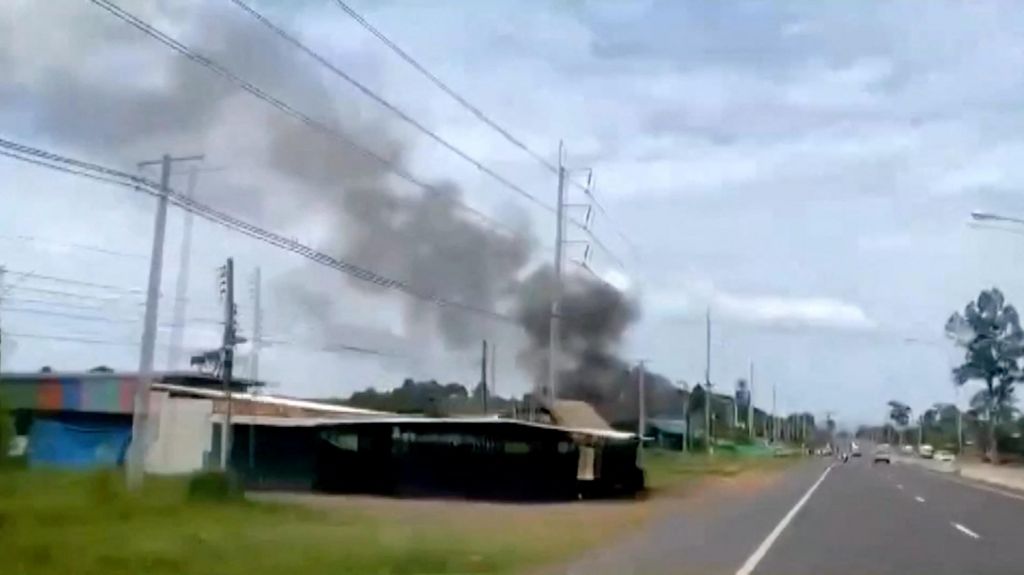
    The fragile peace agreement brokered by former US President Donald Trump between Thailand and Cambodia has completely unraveled, triggering the most severe military confrontation along their disputed border since July. The renewed violence has resulted in significant casualties, with at least three Thai soldiers and seven Cambodian civilians confirmed dead since hostilities reignited on Monday.

    This latest escalation represents a dramatic breakdown of the Kuala Lumpur peace accord signed in October under Trump’s mediation. Thailand suspended the agreement just two weeks after its signing, and by December, full-scale fighting had resumed. Both nations have exchanged contradictory accounts of how the violence originated, with each accusing the other of initiating hostilities.

    Thailand’s military command reported that their forces responded to Cambodian gunfire in Ubon Ratchathani Province that killed a Thai soldier, subsequently launching airstrikes against military targets along the contested frontier. Conversely, Cambodia’s defense ministry maintains that Thai forces attacked first in Preah Vihear province, claiming they exercised restraint by not retaliating initially.

    The conflict escalated further when Thailand accused Cambodia of deploying multiple-launch rocket systems, bomb-dropping drones, and kamikaze drones against Thai positions, with some projectiles allegedly striking civilian areas. Cambodia countered with allegations that Thailand fired indiscriminately into civilian zones in Pursat Province.

    This border dispute has historical roots stretching back over a century to when French colonial authorities demarcated the boundaries between the two nations. Tensions dramatically intensified in 2008 when Cambodia sought UNESCO World Heritage status for an 11th-century temple located in the contested territory. The current crisis began escalating in May when a Cambodian soldier was killed, plunging bilateral relations to their lowest point in over a decade.

    Prior to the July clashes, both nations had implemented reciprocal border restrictions, with Cambodia banning Thai agricultural imports and cutting off power and internet services. Both countries had also been reinforcing their military presence along the border in recent weeks.

    The October peace agreement had stipulated the withdrawal of heavy weapons from the disputed region and establishment of an interim observer team. The next phase was supposed to include the release of 18 Cambodian soldiers detained in Thailand. With the ceasefire now collapsed, the future of these diplomatic arrangements remains uncertain.

    International travel advisories have been updated, with the British Foreign Office currently recommending against all but essential travel within 50 kilometers of the entire Thailand-Cambodia border region.
  • Court awards MH370 victims 2.9m yuan each

    Court awards MH370 victims 2.9m yuan each

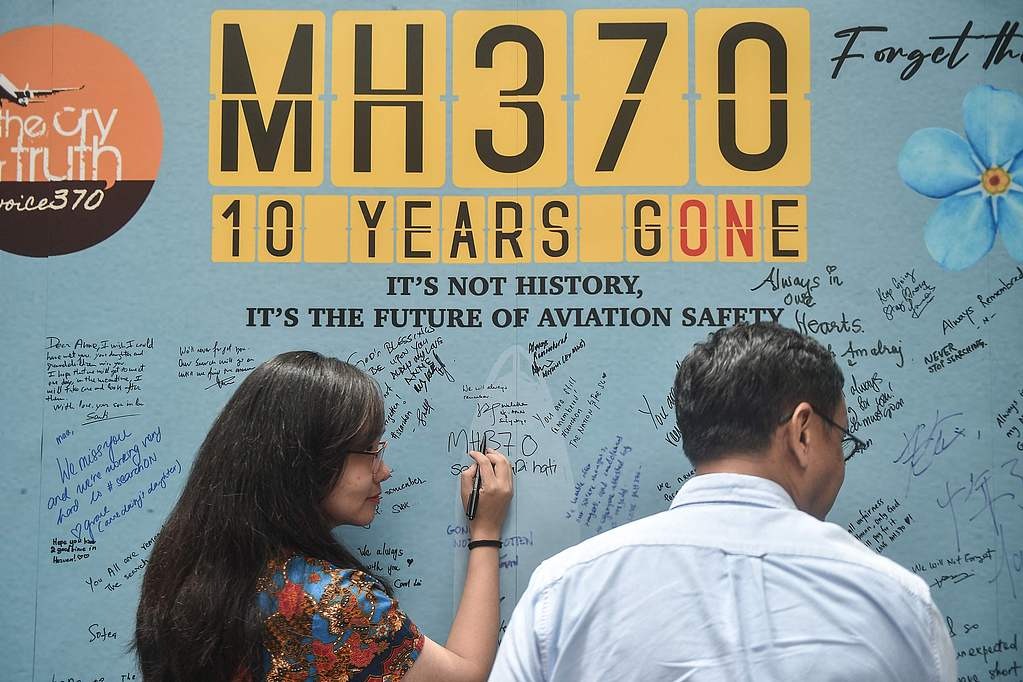
    In a landmark ruling, a Beijing court has mandated Malaysia Airlines to pay approximately 2.9 million yuan ($409,813) to each of eight families who lost relatives in the mysterious disappearance of Flight MH370. The first-instance judgment delivered on Monday represents a significant development in the decade-long legal battle surrounding one of aviation’s most perplexing tragedies.

    The compensation award comes as Malaysian authorities announced the imminent resumption of search operations for the missing aircraft. Malaysia’s transport ministry confirmed that marine robotics firm Ocean Infinity will recommence seabed exploration on December 30, committing to 55 days of intermittent search activities in the area deemed most likely to contain the aircraft’s remains.

    The ill-fated Malaysia Airlines Flight MH370 vanished on March 8, 2014, while en route from Kuala Lumpur to Beijing with 239 people aboard. The Boeing 777’s disappearance triggered the most extensive and costly search operation in aviation history, yet the aircraft’s main wreckage has never been located. Among those on board, approximately two-thirds were Chinese citizens, with the remainder comprising passengers from Malaysia, France, Australia, Indonesia, India, the United States, Ukraine, Canada, and other nations.

    The legal proceedings involved 78 separate cases filed in 2016 by families of 75 passengers against Malaysia Airlines and its parent company Malaysia Airlines Berhad. Through court-mediated negotiations, 47 cases reached settlement agreements and were subsequently withdrawn. The recent judgment addresses eight cases where passengers had been legally declared deceased, while 23 cases remain pending judicial review for families who haven’t completed legal death declaration procedures.

    The court determined the compensation amount in accordance with the Montreal Convention and relevant Chinese legislation, encompassing death compensation, funeral expenses, mental anguish damages, and associated costs. Malaysian authorities emphasized their continued commitment to “providing closure to the affected families” through both the ongoing search efforts and the legal resolution process.

  • HK election hailed as a milestone for democracy

    HK election hailed as a milestone for democracy

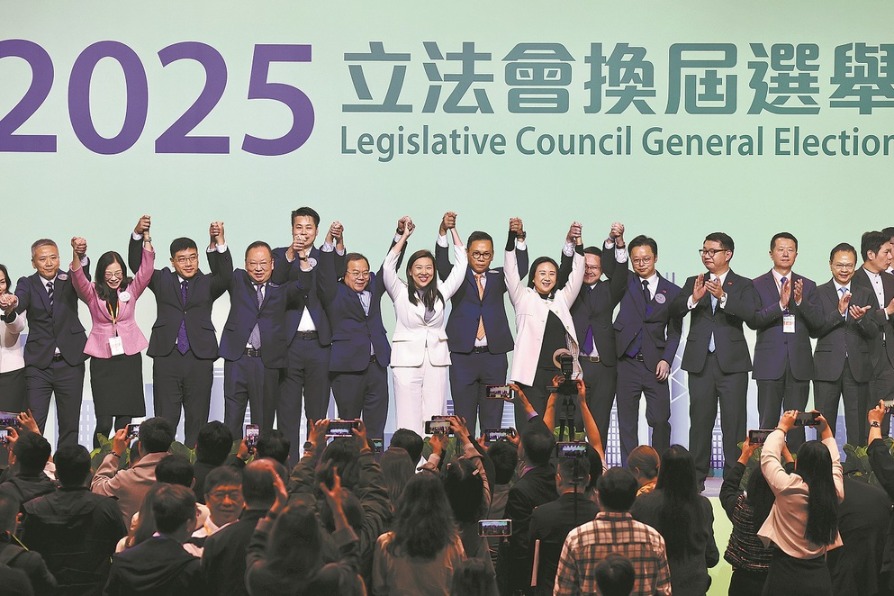
    Hong Kong has ushered in a new political era with the successful conclusion of its Legislative Council elections, widely recognized as a significant milestone for the region’s democratic development. The electoral process culminated on Monday with the announcement of all 90 members who will comprise the eighth-term Legislative Council of the Hong Kong Special Administrative Region (HKSAR).

    The composition of the new council reflects the enhanced electoral framework, with 40 members elected by the Election Committee, 30 through functional constituencies, and 20 via geographical constituencies through direct elections. Official figures indicate robust voter participation, with over 1.3 million citizens exercising their democratic rights during Sunday’s polling.

    Central authorities in Beijing have applauded the electoral outcome as a testament to Hong Kong’s high-quality democracy and a crucial reinforcement of the ‘one country, two systems’ principle. A spokesperson for the Hong Kong and Macao Affairs Office emphasized that the newly elected legislators represent patriots dedicated to serving both the nation and Hong Kong, possessing the capability and commitment to advance the region’s interests.

    The incoming lawmakers face immediate challenges, including addressing the devastating aftermath of November’s Tai Po fire tragedy that claimed 159 lives and displaced approximately 2,000 families. Legislative priorities will encompass accelerated disaster recovery, long-term economic development, and deeper integration with national development strategies.

    Hong Kong Chief Executive John Lee Ka-chiu extended congratulations to the successful candidates, expressing confidence that the new council would actively engage with communities, understand public concerns, and collaborate with the SAR government to implement meaningful reforms.

    Prominent among the newly elected members is Olympic gold medalist fencer Vivian Kong Man-wai, who secured victory in the tourism constituency. Veteran politician Starry Lee Wai-king, simultaneously serving on China’s National People’s Congress Standing Committee, retained her seat representing Kowloon Central.

    The newly constituted Legislative Council is scheduled to commence its four-year term on January 1, marking a new chapter in Hong Kong’s governance under the revamped electoral system grounded in the ‘patriots administering Hong Kong’ principle.

  • How India’s largest airline lost control and threw air travel into chaos

    How India’s largest airline lost control and threw air travel into chaos

    India’s aviation sector is reeling from one of its most severe operational crises in years, triggered by massive flight cancellations from the country’s largest carrier, IndiGo. The airline canceled over 1,600 flights on December 5th alone, stranding hundreds of thousands of passengers and disrupting critical life events including weddings, funerals, and examinations.

    The crisis stems from IndiGo’s failure to adequately prepare for new crew rest regulations implemented by India’s Directorate General of Civil Aviation (DGCA). These regulations, introduced nearly two years ago to align with global safety standards, mandate longer weekly rest periods for pilots (increased from 36 to 48 hours) and stricter limits on nighttime landings (reduced from six to two). While competitors like Air India successfully implemented these changes, IndiGo admitted it couldn’t fully comply by the November deadline.

    Aviation experts point to deeper systemic issues within the airline. Mark Martin, an industry analyst, questioned whether cost considerations prevented necessary hiring: ‘Did they do this because adopting the new rules would have required them to hire hundreds of new pilots and raised costs?’ The airline’s aggressive expansion into international routes may have further diverted management attention from compliance requirements.

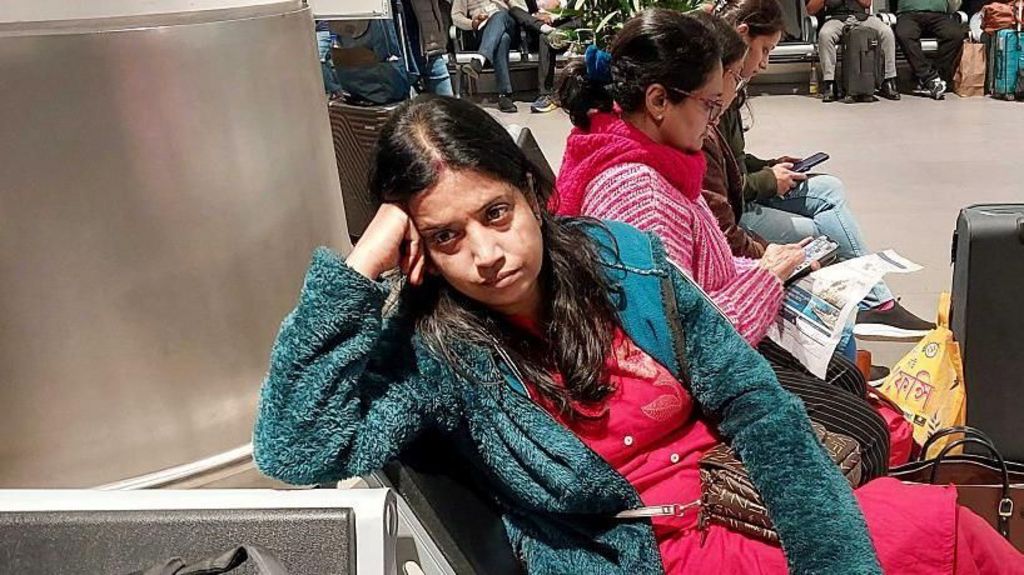
    The human impact has been devastating. Passengers like Manjuri, who was transporting her husband’s coffin for final rites, faced unimaginable hardships. The widespread disruptions forced some travelers to camp at airports for days while others missed crucial family events and professional commitments.

    Financial repercussions are mounting. Moody’s ratings agency warned of significant revenue loss from cancellations, refunds, customer compensation, and potential regulatory penalties. IndiGo’s stock price has tumbled in Mumbai trading as investors anticipate increased operational costs under the new rules.

    Despite securing a temporary exemption until February, the airline faces mounting criticism. The Airline Pilots Association of India condemned the exemption as undermining safety standards. Competitors including Air India and SpiceJet have capitalized on the situation by adding hundreds of flights to accommodate stranded passengers.

    Industry veterans like GR Gopinath, founder of Air Deccan, attribute the crisis to monopolistic indifference stemming from IndiGo’s 60% market dominance. The carrier transports over 100 million passengers annually through its 2,000 daily flights.

    With parliamentary discussions underway and the aviation minister threatening ‘very strict action,’ IndiGo’s reputation as India’s reliable low-cost carrier hangs in the balance. The DGCA has issued a show-cause notice citing ‘significant lapses in planning and oversight’ and reportedly demanded a 5% reduction in flight schedules.

    Experts warn that recovery may take years, with lasting damage to the airline’s financial stability, safety reputation, and passenger trust. The crisis represents a pivotal moment for India’s aviation regulator to demonstrate enforcement authority while ensuring passenger safety remains paramount.

  • Goa nightclub owners fled to Thailand hours after deadly fire, police say

    Goa nightclub owners fled to Thailand hours after deadly fire, police say

    Indian authorities have launched an international manhunt for the owners of a popular Goa nightclub where a catastrophic fire claimed 25 lives on Sunday. Police confirmed that brothers Saurabh and Gaurav Luthra, proprietors of the Birch By Romeo Lane establishment, fled to Phuket, Thailand hours after the tragedy unfolded.

    The devastating inferno erupted in the early morning hours at the upscale venue located in Arpora’s bustling tourist district, known for its high-end nightlife. Preliminary investigations indicate pyrotechnic displays ignited wooden ceiling beams, triggering a rapid spread of flames through the densely packed club. The venue’s unique island layout—situated in the middle of a lake with narrow access walkways—severely hampered evacuation efforts and firefighting operations.

    Victims predominantly included club staff members, many of whom were migrant workers from other Indian states and four Nepalese nationals. Among the deceased were four tourists from Delhi and two brothers engaged to be married next year. Five survivors remain hospitalized with critical injuries.

    Goa police have engaged Interpol for assistance in locating and apprehending the Luthra brothers, noting their abrupt departure demonstrates “intent to avoid police investigation.” While Saurabh Luthra posted a social media statement expressing “profound grief” and promising cooperation, neither brother has submitted to authorities. Four other individuals, including the club manager, have been arrested in connection with the incident.

    Forensic teams have recovered all victims’ remains and returned them to families across multiple states. The tragedy has sparked nationwide scrutiny of safety regulations in India’s entertainment venues, particularly regarding fire prevention measures and emergency protocols.

  • Israel conducting surveillance of US and allies at southern command centre: Report

    Israel conducting surveillance of US and allies at southern command centre: Report

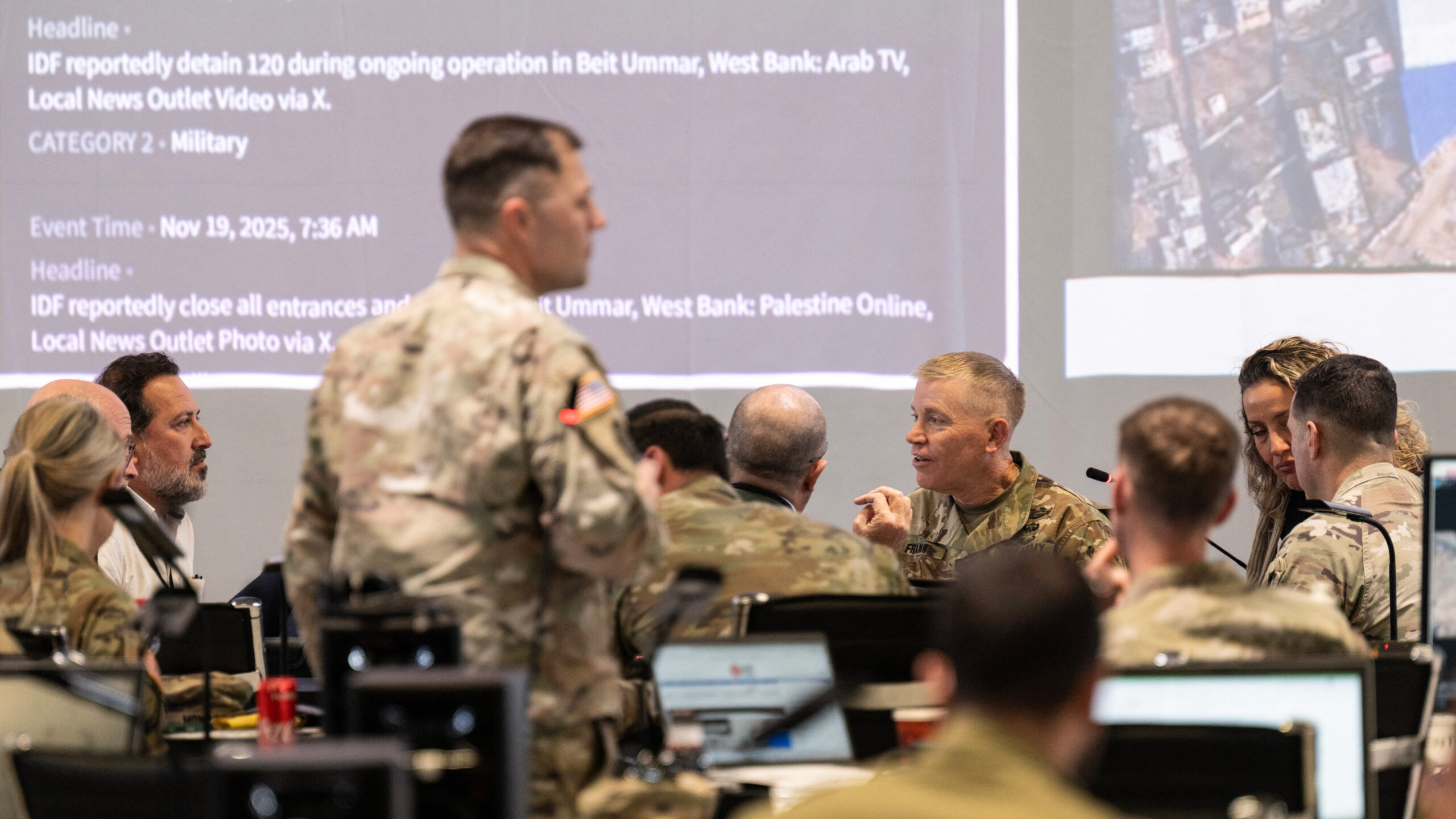
    A significant diplomatic friction has emerged between the United States and Israel following revelations of extensive Israeli surveillance operations at a US-led coordination center in southern Israel. According to a report by The Guardian, both American forces and international allies have raised serious concerns about Israel’s intelligence-gathering activities at the Civil-Military Coordination Centre (CMCC) in Kiryat Gat, located merely 12 miles from the Gaza frontier.

    The situation escalated to the point where US Army Lieutenant General Patrick Frank, commander of the CMCC, formally summoned his Israeli counterpart to demand an immediate cessation of all recording activities within the facility. The Israeli military has been conducting both overt and covert surveillance of meetings and discussions at the center, which was established on October 17 as the primary coordination hub for Gaza aid efforts.

    While the Israeli military dismissed allegations of intelligence gathering on partners as ‘absurd’ and claimed documentation occurred through ‘transparent and agreed-upon manner,’ multiple sources confirmed that staff and visitors from various countries have been advised to avoid sharing sensitive information due to recording and potential leakage concerns.

    The CMCC, operating from the former site of the controversial Gaza Humanitarian Fund, serves as an operations room for monitoring ceasefire implementation and assessing real-time developments in Gaza. Despite deploying natural disaster logistics experts to enhance aid flow, their efforts have been significantly hampered by Israeli restrictions on humanitarian access to the war-torn territory.

    Diplomatic sources note that discussions at the CMCC have nevertheless produced some positive outcomes, including Israel’s relaxation of restrictions on previously barred items such as tent poles, water purification chemicals, and educational materials. The center hosts military planners from the UK and UAE alongside diplomats and humanitarian workers posted to Israel and occupied territories.

    However, the exclusion of Palestinians from CMCC deliberations has raised additional concerns among diplomats and aid workers. Palestinian representatives from civilian organizations and the Palestinian Authority have been systematically excluded from planning discussions, with attempts at video participation reportedly terminated by Israeli officials. Critics argue this exclusionary approach, combined with the blending of military and humanitarian operations, may violate international law and lacks proper international mandate.

  • Iran confirms it is receiving second deportation flight from US

    Iran confirms it is receiving second deportation flight from US

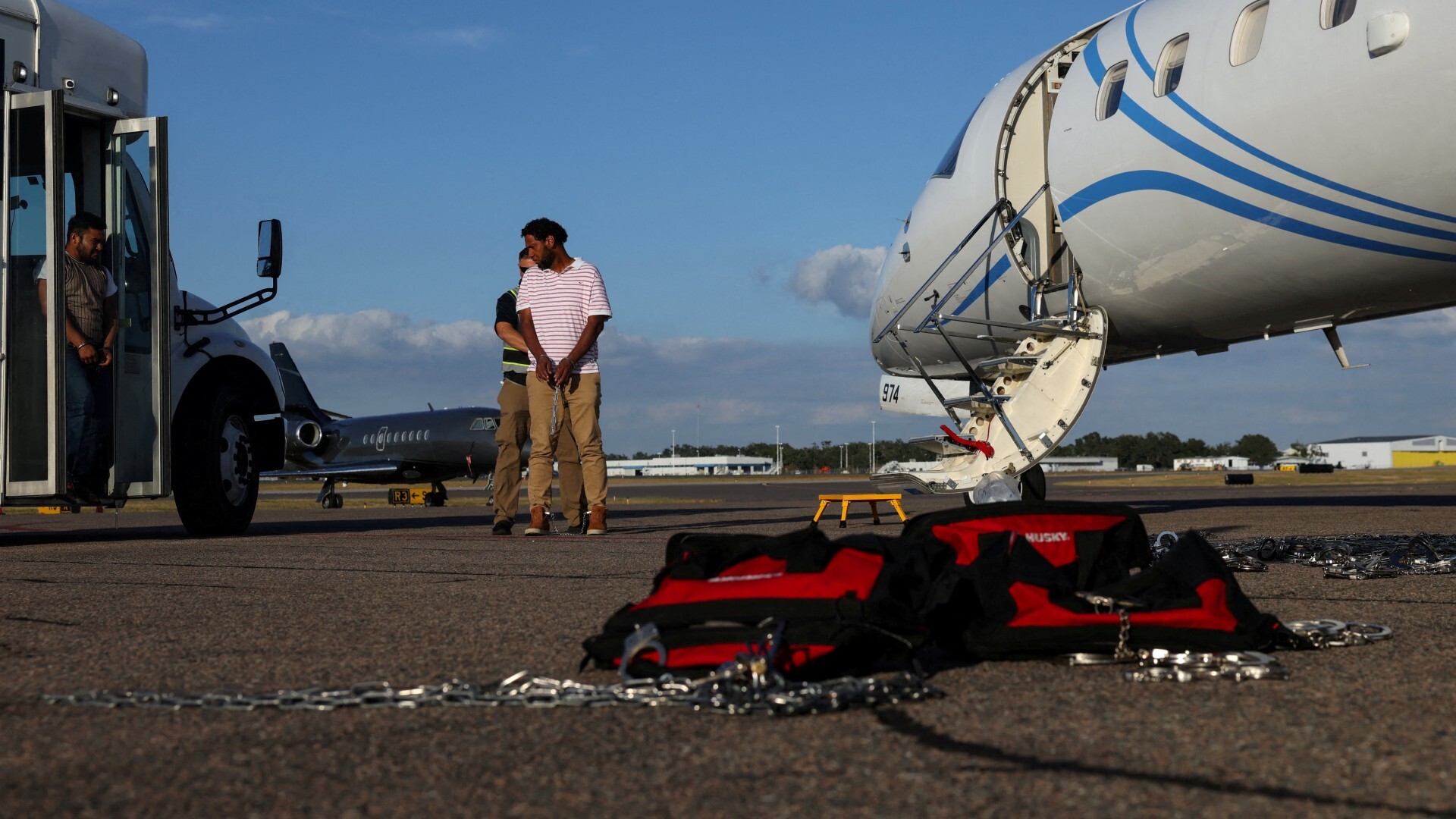
    Iran has confirmed the arrival of a second US deportation flight carrying approximately 50-55 Iranian nationals, continuing a controversial immigration enforcement pattern initiated under the Trump administration. Foreign Ministry spokesperson Esmaeil Baghaei stated that these individuals were being returned for alleged violations of U.S. immigration laws, though he simultaneously criticized what he characterized as racially motivated actions against Middle Eastern nationals in America.

    The National Iranian American Council (NIAC) has vigorously opposed these deportations, citing grave concerns about the treatment of detainees and potential retaliation by Iranian authorities against returnees. The advocacy group reported disturbing accounts from Immigration and Customs Enforcement (ICE) custody, including allegations of physical assault against one detainee and threats of forced sedation to ensure compliance with removal procedures.

    ICE maintains strict operational secrecy regarding deportation flights, refusing to confirm or deny specific operations. However, the agency acknowledged that removal flights occur daily under the current administration’s policies. This lack of transparency has drawn sharp criticism from immigrant rights organizations and lawmakers alike.

    The situation reveals broader patterns in U.S. immigration enforcement. While some detainees can secure release through bond or accept voluntary deportation, others face prolonged detention—sometimes lasting years—before being deported to third countries they have never visited. Notably, enforcement actions have extended beyond undocumented immigrants to include legal residents with minor infractions, such as bounced checks or marijuana possession in states where it is decriminalized.

    Arizona Congresswoman Yassamin Ansari, the state’s first Iranian American elected official, has condemned what she describes as arbitrary quota-driven arrests targeting Iranian communities. She rejected as absurd any implication that Iranian Americans pose particular security risks.

    The context of U.S.-Iran relations appears to influence enforcement patterns. Following the June conflict between Israel and Iran and subsequent U.S. strikes on Iranian nuclear facilities, ICE detained approximately 130 Iranian nationals. While the intensity of targeting may have fluctuated, concerns persist about potential political motivations behind certain arrests, including speculation about possible prisoner exchange preparations.

    The case of Professor Vahid Abedini exemplifies the arbitrariness of the system. Despite holding a valid work visa, Abedini was detained at Oklahoma City airport for three days before being released without explanation. His experience suggests that outcomes often depend on external factors like media attention and political connections rather than consistent legal procedures.

    In response to these developments, NIAC has initiated legal action against ICE under the Freedom of Information Act, seeking transparency regarding the number of Iranians in custody, detention conditions, deportation procedures, and communications between ICE leadership and political authorities regarding removal decisions.

  • A wage for housework? India’s sweeping experiment in paying women

    A wage for housework? India’s sweeping experiment in paying women

    Across India’s diverse states, a transformative social experiment is quietly unfolding as millions of women receive direct cash transfers without conditions—marking one of the world’s most extensive yet understudied welfare initiatives. From Maharashtra to Tamil Nadu, approximately 118 million women now receive monthly payments ranging from 1,000 to 2,500 rupees ($12-$30), representing a fundamental shift in India’s approach to social welfare.

    Unlike traditional conditional programs in countries like Mexico or Brazil, India’s approach imposes no requirements regarding school attendance or poverty status. The money arrives simply because women sustain households, bear the burden of unpaid care work, and constitute an electoral bloc too significant to overlook. Eligibility criteria vary by state, typically incorporating age thresholds, income caps, and exclusions for families with government employees or certain assets.

    The political dimension has become unmistakable. In Bihar, the government transferred 10,000 rupees to 7.5 million female accounts ahead of recent elections, resulting in heightened female voter turnout that secured a landslide victory for the ruling coalition. While critics decry the practice as blatant vote-buying, the strategy has proven effective across multiple states including Jharkhand, Odisha, and Andhra Pradesh.

    Financial implications are substantial: twelve states will allocate approximately $18 billion to these programs this fiscal year, with half facing revenue deficits according to PRS Legislative Research. Despite fiscal pressures, the programs continue expanding, with Maharashtra alone promising benefits for 25 million women.

    Research reveals nuanced outcomes. A 2023 West Bengal survey found 90% of recipients operated their own accounts and 86% controlled spending decisions, primarily allocating funds to food, education, and medical expenses. In Tamil Nadu, women reported reduced marital conflict and increased confidence, while Karnataka beneficiaries noted improved nutrition and greater household decision-making power.

    Notably, studies by Professor Prabha Kotiswaran of King’s College London found no evidence that transfers discourage women from seeking paid work or reinforce gender stereotypes—two primary concerns among feminist critics. However, the payments haven’t reduced women’s unpaid workload either, which remains disproportionately high at nearly five hours daily compared to men’s 1.5 hours.

    The emerging consensus suggests these transfers provide financial autonomy and dignity without being transformative. As Professor Kotiswaran notes: ‘They are neither panacea nor poison—they are useful but limited tools operating in a patriarchal society where cash alone cannot undo structural inequities.’

    The future trajectory hinges on improved program design: simplifying eligibility rules, maintaining unconditional status, enhancing financial literacy, and coupling transfers with messaging about recognizing unpaid work’s value. Ultimately, India must decide whether these payments will become genuine empowerment tools or merely a new form of political patronage.

  • Two Chinese figures named to Nature’s 10 list of people shaping science in 2025

    Two Chinese figures named to Nature’s 10 list of people shaping science in 2025

    Two exceptional Chinese scientists have secured positions on Nature magazine’s highly selective “Nature’s 10” list for 2025, recognizing individuals driving transformative developments in global scientific research. Liang Wenfeng, founder of AI research company DeepSeek, and geoscientist Du Mengran join eight other international innovators on this year’s roster of scientific influencers.

    Liang Wenfeng’s inclusion comes as recognition for his groundbreaking work in advancing large-scale artificial intelligence models that are fundamentally reshaping research methodologies and innovation ecosystems worldwide. His contributions represent China’s growing influence in the AI revolution that is transforming scientific discovery across disciplines.

    Meanwhile, Du Mengran has been honored for her pioneering achievements in deep-sea exploration, pushing the boundaries of oceanographic research and expanding our understanding of marine ecosystems and geological processes. Her work exemplifies China’s expanding capabilities in deep-sea technology and marine science.

    Nature’s editorial team emphasized that the selection is neither a prize nor a ranking system, but rather a curated exploration of significant scientific developments and the key individuals—often working within larger research teams—who have played pivotal roles in advancing these stories. The list serves as a barometer of where science is heading and who is helping to shape its trajectory.

    The dual recognition underscores China’s increasingly prominent role in global scientific advancement, particularly in cutting-edge fields like artificial intelligence and deep-sea exploration. Both scientists represent the country’s growing contribution to addressing complex scientific challenges and driving innovation at the international level.

  • Trump gives Nvidia green light to sell advanced AI chips to China

    Trump gives Nvidia green light to sell advanced AI chips to China

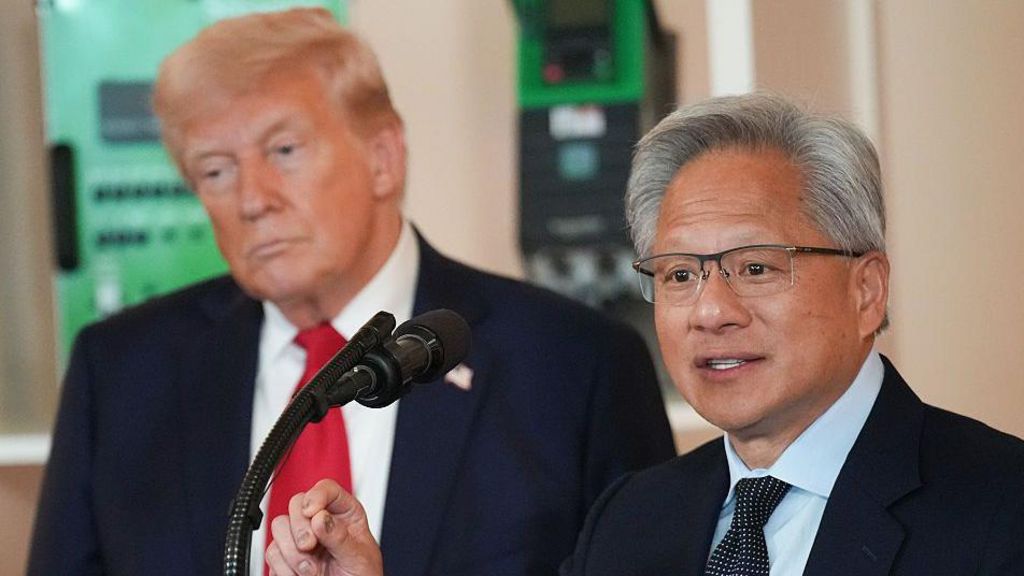
    In a significant policy shift, the Trump administration has authorized NVIDIA Corporation to resume sales of its advanced H200 artificial intelligence chips to pre-approved commercial clients in China. The decision, announced via presidential social media channels on Monday, concludes months of intense lobbying efforts by NVIDIA CEO Jensen Huang, who personally advocated for the policy change during recent Washington engagements.

    The conditional approval extends beyond NVIDIA to include other American semiconductor manufacturers such as AMD, effectively creating a regulated framework for advanced AI chip exports. This development represents a recalibration of earlier restrictions that had prohibited sales of cutting-edge semiconductor technology to Chinese entities due to national security considerations.

    President Trump framed the decision as a strategic balance between economic interests and security priorities, stating: “We will protect National Security, create American Jobs, and keep America’s lead in AI.” The arrangement includes a revenue-sharing provision requiring NVIDIA to allocate 25% of its Chinese earnings to the U.S. Treasury, though specific implementation details remain unspecified.

    NVIDIA, which has emerged as both the world’s leading chip manufacturer and most valuable company, welcomed the policy shift. In an official statement, the corporation noted: “Offering H200 to approved commercial customers, vetted by the Department of Commerce, strikes a thoughtful balance that is great for America.” Market response was immediately positive, with NVIDIA shares experiencing modest gains following the announcement.

    The compromise follows a complex sequence of events that began in July when President Trump initially reversed the chip ban but imposed the revenue-sharing requirement. Beijing subsequently directed Chinese technology firms to halt purchases of NVIDIA products specifically engineered for the Chinese market, creating a standoff that threatened to cost American chipmakers substantial market share.

    Geopolitical analysts note that the decision will likely face scrutiny from national security advocates in Congress. Researchers at Georgetown University’s Center for Security and Emerging Technology have documented how China’s military apparatus has utilized advanced American-designed chips to develop AI-enabled combat capabilities, raising concerns about technological transfer.

    Senior research analyst Cole McFaul emphasized the security implications: “By making it easier for the Chinese to access these high-quality AI chips, you enable China to more easily use and deploy AI systems for military applications. They want to harness advanced chips for battlefield advantage.”

    The White House has not yet provided comprehensive details regarding the approval mechanism or vetting criteria for Chinese customers, leaving implementation specifics to be determined through interagency processes.