标签: Asia

亚洲

  • New rocket set to debut soon, launch six satellites

    New rocket set to debut soon, launch six satellites

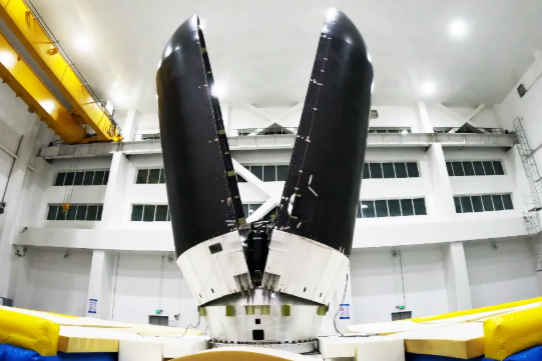
    Chinese commercial space company Galactic Energy is poised to launch its new-generation Ceres-2 solid-propellant carrier rocket on its inaugural mission within days, according to industry sources. The launch operation will be conducted from the Jiuquan Satellite Launch Center in Inner Mongolia Autonomous Region, marking a significant milestone for China’s private aerospace sector.

    The maiden flight will serve dual purposes: validating the rocket’s overall design and performance capabilities while deploying six commercial satellites and two experimental payloads with a combined mass exceeding one metric ton. The Ceres-2 represents a substantial advancement in China’s commercial launch vehicle technology, featuring a three-stage solid-propellant core complemented by a liquid-fueled upper stage.

    With a total weight of 100 tons, the new rocket demonstrates impressive payload capacity, capable of delivering 1.6 tons to low-Earth orbit (500 km altitude) or 1.3 tons to sun-synchronous orbit (500 km altitude). The manufacturer highlights its exceptional carrying efficiency and operational flexibility, supporting both land-based and maritime launch platforms.

    The rocket’s development involved manufacturing and functional testing across multiple facilities in Ziyang, Sichuan Province and Haiyang, Shandong Province. Galactic Energy ranks among China’s pioneering private enterprises achieving orbital capability with indigenous rocket technology. The company’s leadership team brings extensive experience from state-owned aerospace giants including China Aerospace Science and Technology Corporation.

    This launch continues the success trajectory established by Galactic Energy’s Ceres-1 model, which completed its debut flight in November 2020. The earlier variant has achieved 20 successful orbital missions out of 22 attempts, deploying 85 commercial satellites to date. The Ceres-1 stands at 20 meters with 1.4-meter diameter, capable of delivering 300kg payloads to sun-synchronous orbit.

    The Ceres-2 debut coincides with increased activity among Chinese commercial rocket developers, with LandSpace recently introducing its ZQ-3 model and Space Pioneer preparing its TL-3 rocket for imminent first flight, signaling robust competition and innovation within China’s burgeoning private space industry.
  • Camp trains Sri Lanka’s Mandarin teachers

    Camp trains Sri Lanka’s Mandarin teachers

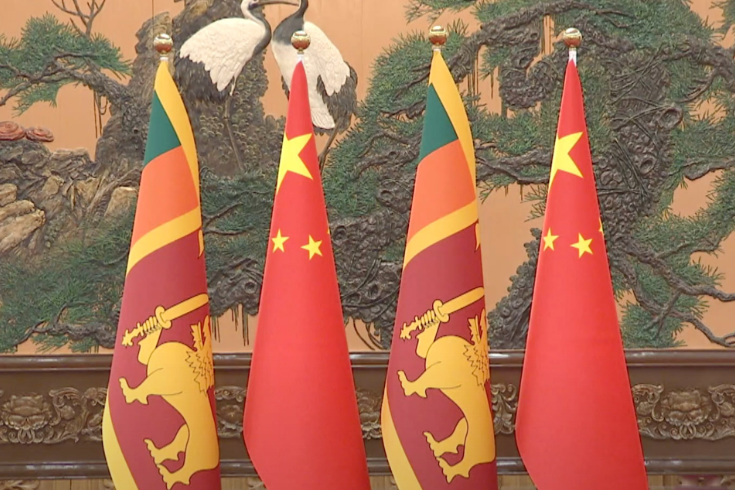
    In a significant advancement for Sino-Lanka educational cooperation, Sri Lanka has inaugurated its first comprehensive Chinese Language Teacher Cultural Training Camp, marking a transformative step in cross-cultural education. The pioneering initiative, convened from Thursday to Friday, brought together over 120 local Mandarin instructors from across the island nation for an immersive professional development experience.

    The program, jointly organized by the Chinese Embassy in Sri Lanka, Lumbini Confucius Classroom, and Sri Lanka’s National Institute of Education, represents a strategic investment in strengthening the cultural dimensions of language education. Through thematic lectures, practical workshops, and immersive cultural activities ranging from calligraphy to tai chi, educators gained multidimensional exposure to Chinese cultural traditions and contemporary teaching methodologies.

    Madhura Senevirathna, Sri Lanka’s Deputy Minister of Education and Higher Education, emphasized the program’s critical timing, noting that ‘high-quality language education plays a key role in preparing our students for the world beyond our borders.’ He highlighted how Chinese language proficiency opens doors to academic, cultural, and economic opportunities while deepening people-to-people understanding between the two nations.

    Counselor of Cultural Affairs at the Chinese Embassy, Ji Lili, characterized local Chinese language teachers as ‘ambassadors of culture and messengers of friendship’ who serve as vital bridges enhancing mutual understanding. The growing cohort of Sri Lankan Mandarin instructors has become instrumental in expanding educational and cultural exchanges between the two countries.

    The training camp’s success has prompted plans for an expanded program in 2026, aiming to provide more intensive training sessions that will eventually cover all local Chinese language teachers throughout Sri Lanka. Outstanding participants will have the opportunity to travel to China for a two-week advanced cultural training program, further strengthening their connection to Chinese language and culture.

  • Taiwan’s character of the year a vote against confrontation

    Taiwan’s character of the year a vote against confrontation

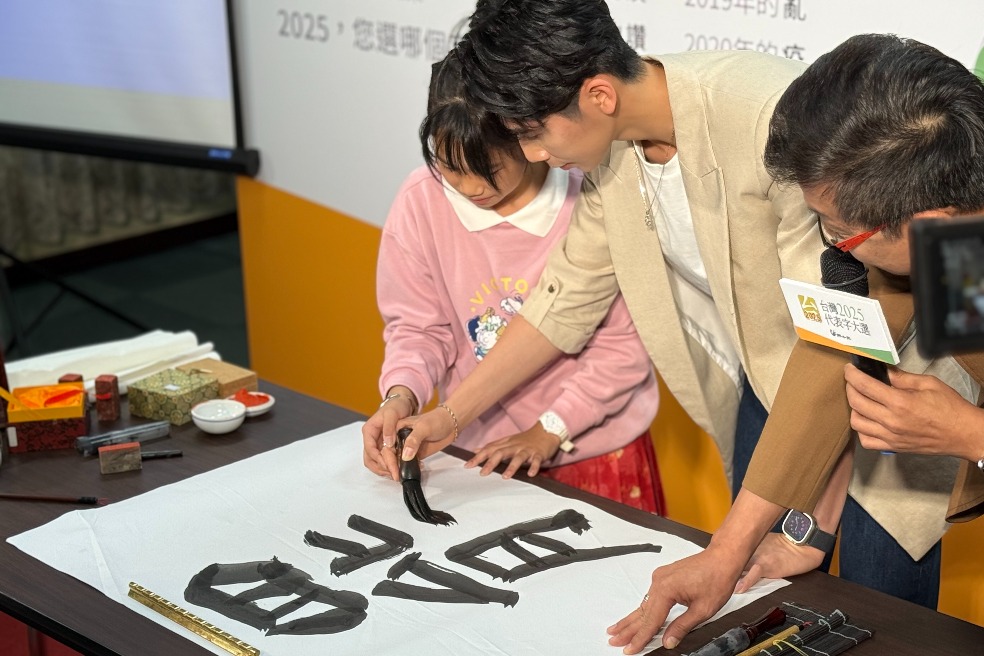
    In a revealing cultural barometer of public sentiment, Taiwan’s annual character selection for 2025 has delivered a powerful message against political confrontation and division. The character ‘ba’ (罷), meaning ‘dismiss’ or ‘recall,’ emerged victorious with over 15,000 votes from nearly 78,000 cast in the eighteen-year-old poll organized by Taiwan’s United Daily News.

    The selection reflects widespread public dissatisfaction with recent recall campaigns initiated by the Democratic Progressive Party authorities targeting opposition figures. These efforts, which targeted 31 Kuomintang legislators and the suspended mayor of Hsinchu during July and August, ultimately failed but exposed deep societal fractures.

    Ko Chih-en, a Kuomintang member who nominated the character, characterized the recall movement as having ‘pushed Taiwan into deeper division,’ expressing hope that ‘hatred-driven mobilization will no longer destroy Taiwan’s future.’ The sentiment was echoed by Ou Kuei-chih, a high school teacher who noted the campaigns had ‘torn Taiwan society apart’ while giving voice to those traditionally suppressed by pro-independence forces.

    Simultaneously, the cross-strait character of the year, ‘shi’ (勢), meaning ‘trend’ or ‘momentum,’ captured the broader regional perspective. Selected through an online poll organized by Taiwan’s Want Want China Times Media Group and Fujian’s Xiamen Daily, ‘shi’ received an overwhelming 1.28 million votes from 15.82 million total cast.

    Professor Xie Qingguo of Xiamen University’s School of Journalism and Communication articulated the significance, stating in a video message that ‘promoting peaceful cross-strait development is an unstoppable trend and the prevailing momentum.’ Organizers noted the character accurately represents both the direction of historical development and the collective consciousness surrounding evolving cross-strait relations.

    The character selections coincide with official statements from Beijing emphasizing reunification as the only path forward. Chen Binhua, spokesman for the State Council Taiwan Affairs Office, reiterated that peace remains the shared aspiration across the strait while criticizing current island leader Lai Ching-te as ‘the instigator of tensions and turbulence in the Taiwan Strait’ and ‘the primary source of division within Taiwan society.’

    These parallel character selections, occurring through separate democratic processes on both sides of the strait, collectively signal a public desire for reduced confrontation and recognition of inevitable historical trends toward peaceful development.

  • Fighting rages on Thai-Cambodian border despite Trump’s ceasefire claim

    Fighting rages on Thai-Cambodian border despite Trump’s ceasefire claim

    Intense combat operations continued unabated along the Thailand-Cambodia border region on Saturday, directly contradicting former U.S. President Donald Trump’s assertion of having brokered a new ceasefire agreement between the two Southeast Asian nations.

    The diplomatic friction intensified when Thai Foreign Minister Sihasak Phuangketkeow publicly challenged the accuracy of Trump’s statements, particularly his characterization of a land mine explosion that injured Thai soldiers as merely a ‘roadside accident.’ Minister Sihasak expressed profound disappointment that Trump appeared to rely on ‘sources that deliberately distorted the facts’ rather than trusting Thailand’s account, noting this stance ‘hurt the feelings of the Thai people’ given their nation’s status as America’s oldest treaty ally in the region.

    This recent escalation traces back to December 7 skirmishes that derailed a previous ceasefire agreement originally negotiated in July through Malaysian mediation and strong diplomatic pressure from Trump, who had threatened trade privilege suspensions. The October formalization of that agreement occurred during a regional summit in Malaysia attended by the former president.

    The human cost has been substantial, with official reports indicating over two dozen combat fatalities and more than half a million civilians displaced from border communities. Thailand acknowledges 15 military casualties while estimating approximately 165 Cambodian soldier deaths. Cambodia has confirmed at least 11 civilian fatalities with dozens more wounded.

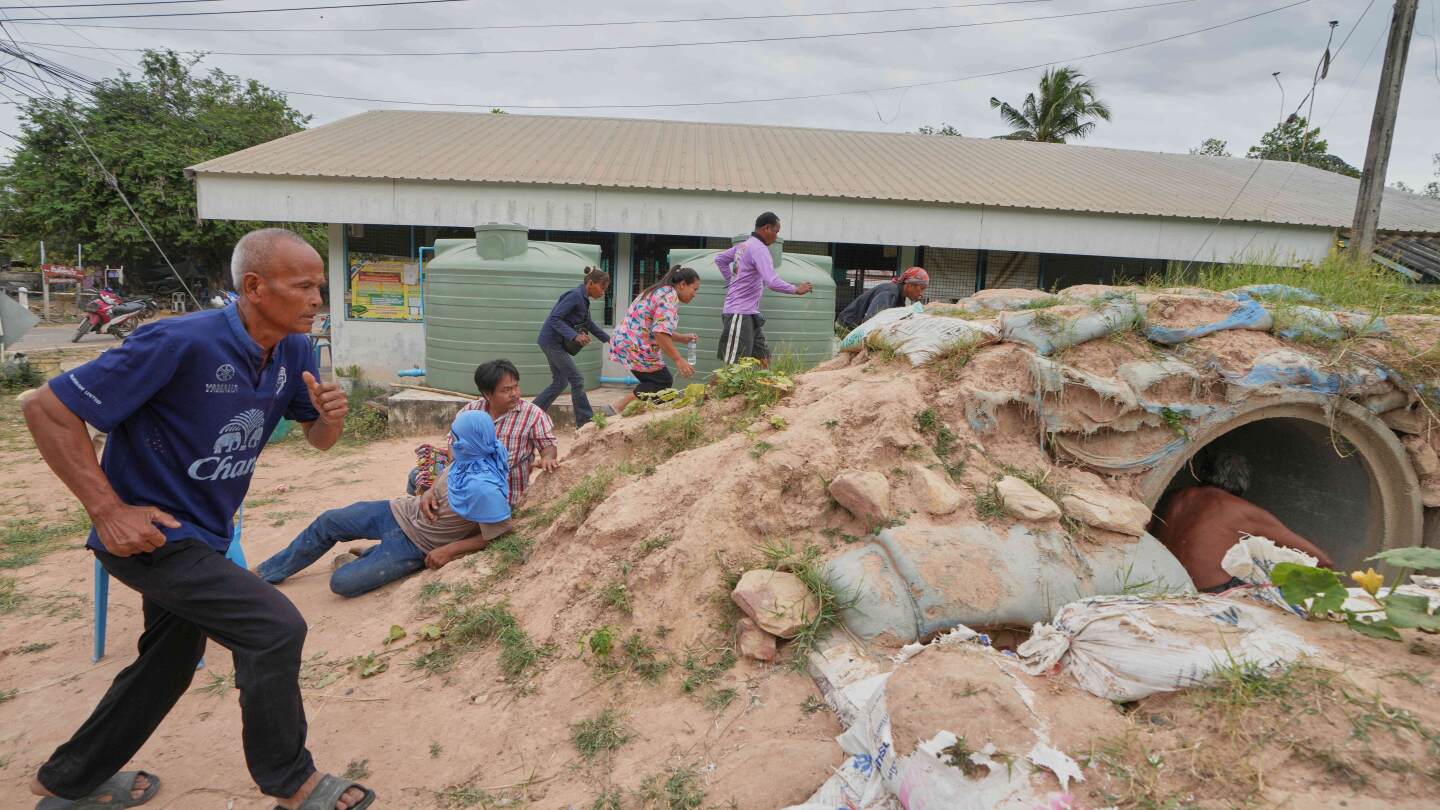
    The military confrontation has involved sophisticated weaponry, with Thailand conducting precision airstrikes on purported military targets while Cambodia has deployed volleys of BM-21 rockets—imprecise artillery systems capable of firing 40 rockets simultaneously across 30-40 kilometer ranges. Tragically, these rockets struck civilian areas in Thailand’s Sisaket province on Saturday, seriously injuring two civilians attempting to reach bunkers during warning sirens.

    The conflict expanded to maritime domains Saturday morning as both nations reported naval engagements in the Gulf of Thailand, with each side accusing the other of initiating hostilities.

    Despite Trump’s social media announcement of a ceasefire agreement following phone discussions with Thai Prime Minister Anutin Charnvirakul and Cambodian Prime Minister Hun Manet, both governments subsequently denied any such arrangement. Prime Minister Anutin had previously stated that peace would require Cambodia to cease attacks first, while simultaneously managing domestic political developments including Parliament’s dissolution ahead of anticipated early elections.

  • China aims for twin-track use of Nvidia H200 amid back door fears

    China aims for twin-track use of Nvidia H200 amid back door fears

    China is demonstrating a notable shift in its position regarding Nvidia’s H200 graphics processing units (GPUs), moving from initial skepticism to a pragmatic governance strategy. This strategic recalibration follows the Trump administration’s December 8 announcement permitting Nvidia to export H200 products to China under specific national security conditions, a decision reportedly communicated directly to Chinese President Xi Jinping during a November 24 phone conversation.

    The initial Chinese response to potential H200 exports, characterized by warnings of ‘sugar-coated bullets’ that might undermine domestic chip development, has evolved into a more nuanced ‘twin track’ approach. This strategy allows Chinese firms to utilize H200 chips for AI model training—which demands high-performance processing capabilities—while employing domestic chips for inference tasks requiring less computational power but greater energy efficiency.

    Chinese technology giants including ByteDance and Alibaba have expressed significant interest in acquiring H200 chips, with industry sources indicating potential orders approaching 100,000 units. The appeal lies not only in the H200’s substantial performance advantage over previous options but also in Nvidia’s deeply entrenched CUDA ecosystem, which offers a comprehensive development environment that domestic alternatives cannot yet replicate.

    Despite this openness to foreign technology, Chinese commentators emphasize the continued importance of developing domestic capabilities. Columnist Tangyipao notes that while the H200 can help alleviate computing power bottlenecks, China must remain vigilant against technological lock-in and continue advancing its indigenous chip industry, particularly through products like Huawei’s Ascend processors.

    Security concerns regarding potential ‘back doors’ in Nvidia’s technology have been partially addressed through the company’s December 10 announcement of a software-based monitoring tool designed for GPU management rather than control. Nvidia explicitly stated its chips contain no hardware tracking technology, kill switches, or back doors—though some Chinese analysts call for independent verification of these claims.

    This balanced approach reflects China’s historical development philosophy of ‘walking on two legs,’ advocating for simultaneous advancement across multiple sectors without becoming overly dependent on any single technology or approach.

  • Myanmar military claims armed opposition groups used hospital hit by airstrike as base

    Myanmar military claims armed opposition groups used hospital hit by airstrike as base

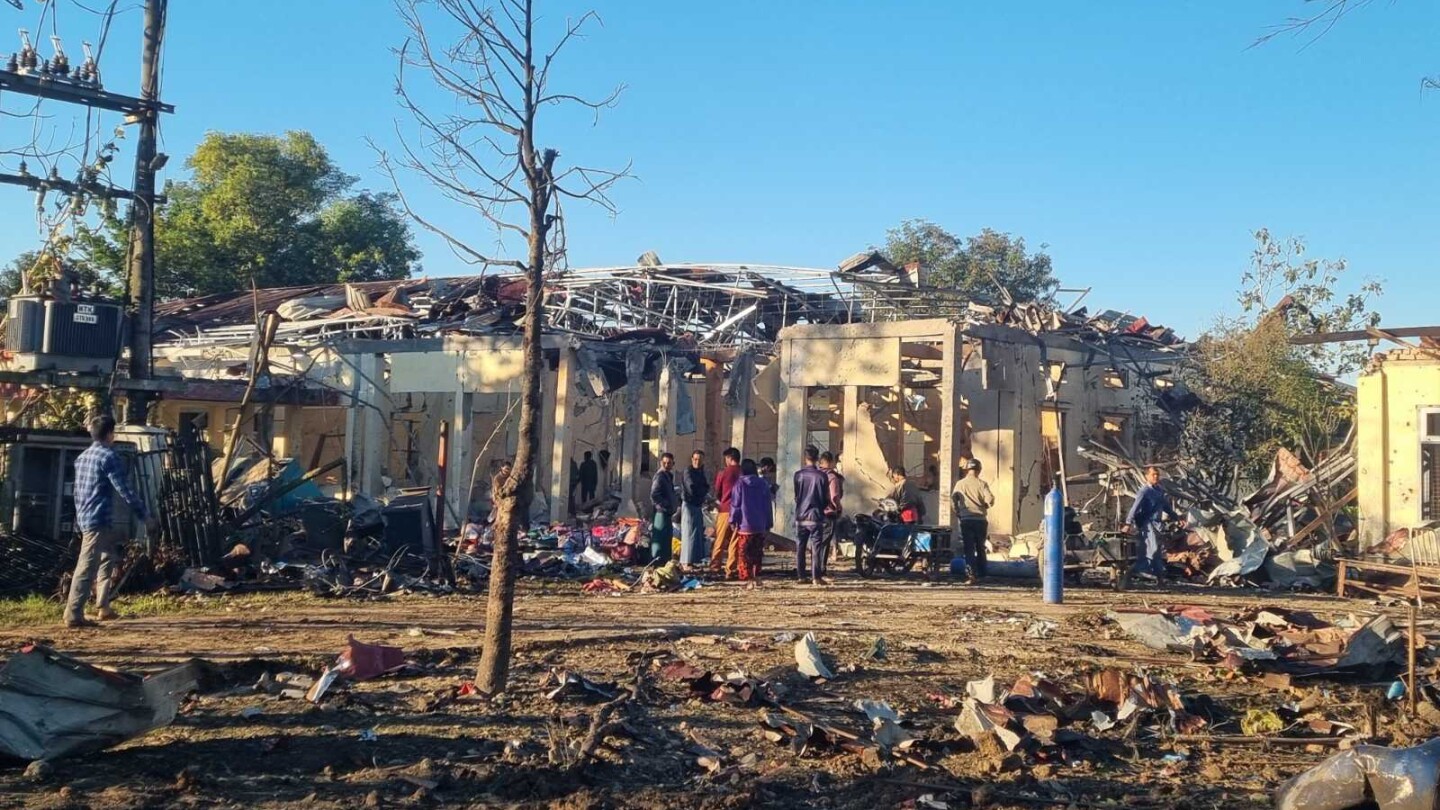
    Myanmar’s military leadership has officially acknowledged conducting an airstrike on a medical facility in Rakhine State, following days of international outcry over an attack that local sources claim resulted in over 30 fatalities. The military’s information office released a statement through state media asserting that armed opposition groups had been utilizing the hospital as an operational base, justifying the Wednesday assault as a necessary counter-terrorism measure.

    The military’s account sharply contradicts eyewitness reports from rescue personnel who described a devastating scene at Mrauk-U Township’s general hospital, where patients, medical staff, and children were reportedly among the casualties. According to local emergency responders, the aerial bombardment destroyed the healthcare facility and left approximately 80 individuals wounded.

    This incident occurs against the backdrop of intensifying conflict across Myanmar since the 2021 military takeover, with the ethnic Arakan Army establishing control over significant portions of Rakhine State, including Mrauk-U which fell under their authority in February 2024. The well-organized ethnic force has captured strategic military positions and now governs most of the region’s townships.

    The international community has responded with unprecedented criticism. The United Nations condemned the attack as part of a disturbing pattern of violence affecting civilian infrastructure, while World Health Organization director-general Tedros Adhanom Ghebreyesus expressed profound dismay at the destruction of a critical healthcare provider. In a rare move, ASEAN—currently chaired by Malaysia—issued a formal condemnation, describing the attack as unacceptable and in violation of the bloc’s foundational principles.

    The Arakan Army has vowed to pursue accountability through international channels and promised decisive action against military forces, reporting subsequent airstrikes across multiple Rakhine towns that have resulted in additional civilian casualties.

  • In a first, Pakistan sentences its former spy chief to 14 years in prison

    In a first, Pakistan sentences its former spy chief to 14 years in prison

    In an extraordinary development within Pakistan’s military establishment, Lieutenant General Faiz Hameed, former director of the Inter-Services Intelligence (ISI) agency, has been sentenced to 14 years of rigorous imprisonment following a controversial military tribunal. The conviction represents the first instance in Pakistani history where a former intelligence chief has faced such severe judicial consequences.

    The military court found Hameed guilty on four distinct charges: unlawful engagement in political activities, violation of the Official Secrets Act, misappropriation of government resources, and causing significant financial losses to the state. The sentencing marks a dramatic downfall for the once-powerful military figure who was previously regarded as the second-most influential official within Pakistan’s armed forces hierarchy.

    Legal representatives for Hameed have characterized the proceedings as a ‘sham’ trial, alleging numerous procedural irregularities. Defense attorney Ali Ashfaq revealed to international media that his client was denied proper legal representation throughout the judicial process. According to Ashfaq, neither Hameed’s legal team nor family members received advance notification of the December 11th hearing, resulting in the defendant appearing without counsel.

    The Pakistani military’s public relations wing (ISPR) confirmed that court-martial proceedings against Hameed commenced on August 12, 2024, under specific provisions of the Pakistani Army Act. While acknowledging Hameed’s right to appeal, the military statement provided limited details regarding the specific evidence presented during the closed-door proceedings.

    Political analysts interpret this development as part of broader tensions between Pakistan’s military establishment and former Prime Minister Imran Khan, who personally appointed Hameed as ISI chief in 2019. A separate investigation is currently examining allegations that Hameed participated in protests following Khan’s arrest in May 2023.

    Khan, who was democratically elected in 2018 but removed through a parliamentary no-confidence vote in 2022, remains imprisoned since August 2023. The former prime minister maintains that his political downfall was orchestrated by military leadership and has faced multiple legal challenges, including charges under the Official Secrets Act.

    Recent social media communications from Khan’s family and supporters allege harsh prison conditions, including solitary confinement and restricted access to legal representation despite court orders permitting visits. Khan has publicly accused current military leadership of constitutional violations and systematic erosion of fundamental rights in Pakistan.

    The appeal process for Hameed’s case will initially proceed through military channels, with the army chief serving as the first appellate authority. Legal representatives express confidence that higher judicial forums will address what they characterize as fundamental procedural deficiencies in the original trial.

  • Wave of freezing weather brings snow to northern China

    Wave of freezing weather brings snow to northern China

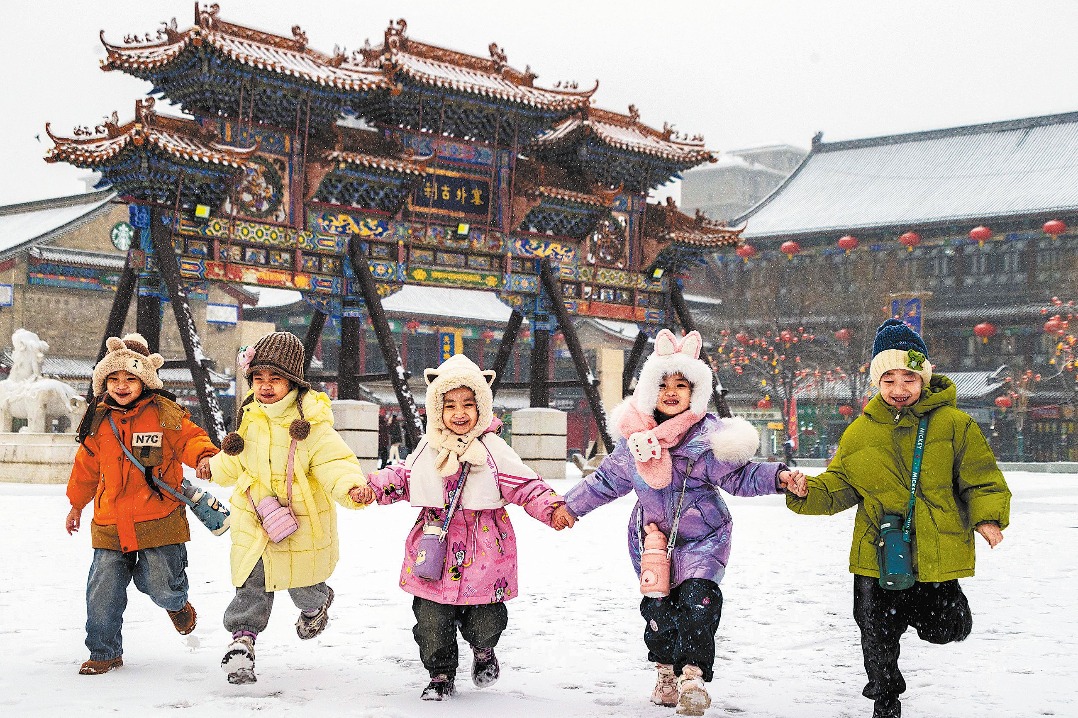
    A significant winter weather system has descended upon northern China, bringing the season’s most extensive snowfall and plunging temperatures. Beijing experienced its first major winter snowstorm on Friday, prompting municipal authorities to implement comprehensive emergency measures across the capital region.

    The Beijing Meteorological Service issued critical weather alerts, including an orange warning for icy roads—the second-highest level in the three-tier alert system—and a blue alert for snowstorms. In response to the deteriorating conditions, transportation authorities permitted private vehicles to use bus-only lanes during Friday’s evening rush hour to alleviate traffic congestion.

    According to chief forecaster Zhang Linna, snow accumulation reached 2-5 centimeters in urban plains and 5-8 centimeters in mountainous areas. The city’s primary snow-clearing operator, Beijing Huanwei Group, deployed an extensive fleet of 2,520 pieces of equipment, including 1,672 specialized snow-removal vehicles, to maintain road accessibility.

    Airports implemented enhanced operational protocols, with Beijing Daxing International Airport mobilizing 300 personnel and 84 snow-removal vehicles. Despite the challenging conditions, both of Beijing’s major airports maintained largely normal flight operations, experiencing only minimal weather-related delays.

    The weather system represents the most substantial precipitation event since winter began, affecting multiple regions including Shaanxi, Shanxi, Hebei, Henan, Shandong, Liaoning provinces, and the Inner Mongolia Autonomous Region. Temperature drops exceeding 10 degrees Celsius were recorded across northern regions, with the cold front expected to continue affecting central China in coming days. Meteorological authorities project temperature rebounds beginning Monday as the system moves southward.

  • UN investigators file report on misconduct allegations against ICC prosecutor

    UN investigators file report on misconduct allegations against ICC prosecutor

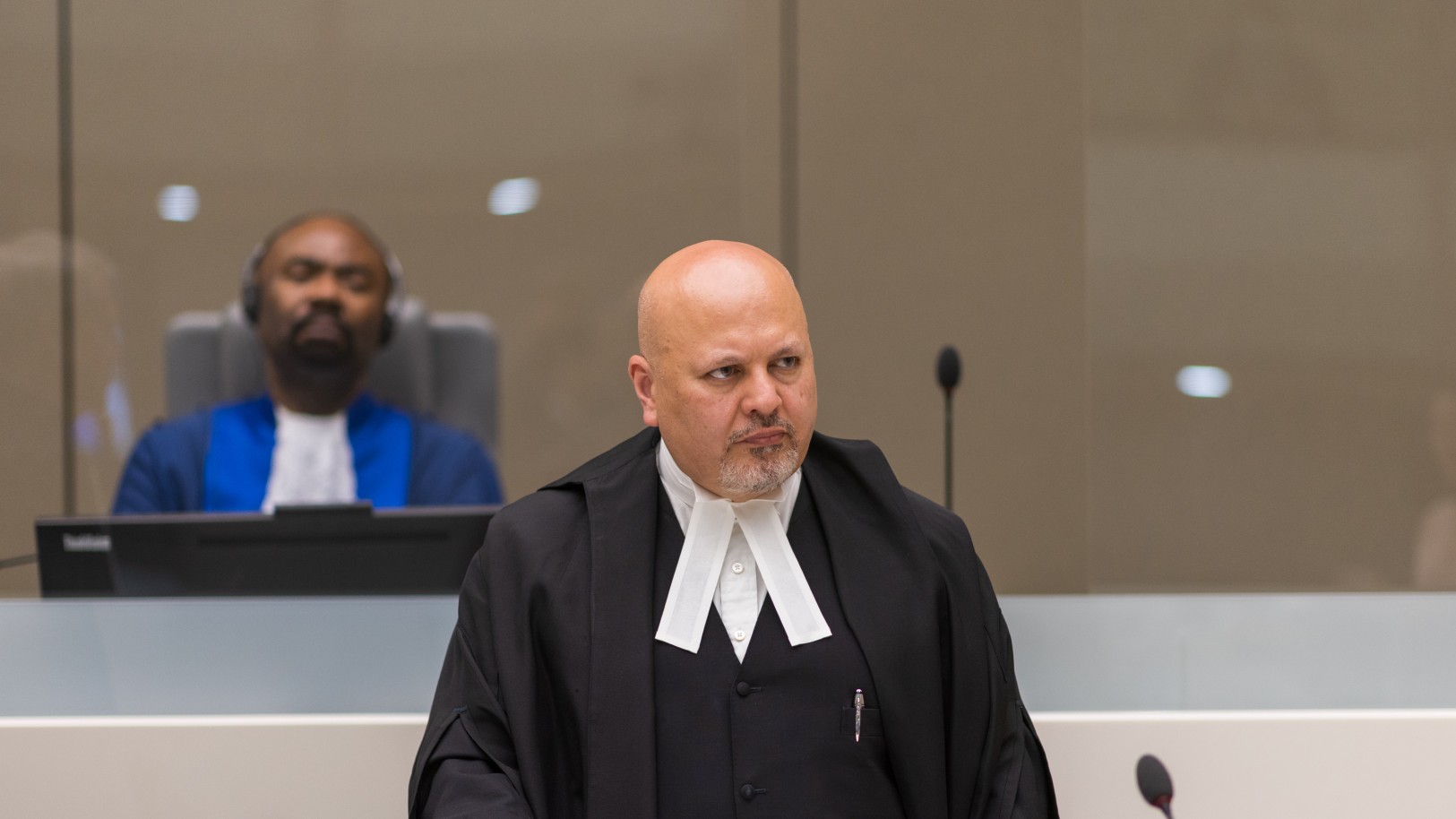
    A landmark United Nations investigation into allegations against International Criminal Court Prosecutor Karim Khan has reached a critical juncture, with findings now submitted to a specialized judicial panel for evaluation. The UN Office of Internal Oversight Services (OIOS) delivered its comprehensive report to the ICC’s governing Assembly of States Parties (ASP) on December 11, initiating a formal review process that could determine Khan’s professional future.

    The ASP Presidency confirmed the transfer of the fact-finding document to an ad hoc panel of judicial experts commissioned by the Assembly’s Bureau. These independent jurists will assess whether the evidence substantiates misconduct allegations and determine their severity classification. Their advisory opinion, while non-binding, will inform the ASP leadership’s subsequent decisions regarding potential disciplinary measures.

    According to internal ASP documentation reviewed by Middle East Eye, the Bureau possesses authority to suspend Prosecutor Khan pending final determination should the panel identify either serious misconduct or violations of lesser gravity. Any permanent removal would necessitate an absolute majority vote among the ASP’s 125 member states.

    The judicial panel will conduct its evaluation within the legal parameters established by the Rome Statute, ICC procedural regulations, and relevant administrative guidelines. ASP officials estimate approximately 30 days for completion, though complexity may extend this timeline.

    This prolonged investigation has generated significant operational uncertainty within the court’s leadership structure. Khan voluntarily stepped aside in May pending the investigation’s outcome, with deputy prosecutors assuming interim responsibilities. Multiple diplomatic sources and ICC staff have expressed concerns regarding the institution’s capacity to fulfill its mandate during this period of administrative limbo.

    The development follows recent procedural reforms adopted during the ASP’s annual conference in The Hague, where members ratified resolutions enhancing due process protections for both complainants and officials facing misconduct allegations. However, these amendments may not apply retroactively to Khan’s case.

    International justice expert Sergey Vasiliev acknowledged the significance of concluding the fact-finding phase while noting persistent challenges: ‘The judicial experts operate under considerable pressure given the investigation’s duration and must address mounting frustration among member states through expeditious yet thorough deliberation.’

    The ASP Presidency has emphatically urged all stakeholders to respect confidentiality protocols and maintain the integrity of the ongoing judicial process.

  • Video sheds new light on Japan’s wartime atrocities

    Video sheds new light on Japan’s wartime atrocities

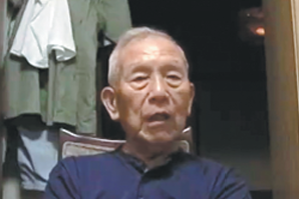
    A chilling 38-minute video testimony from a former member of Japan’s infamous Unit 731 has been publicly released by China’s Harbin-based Exhibition Hall of Evidences of Crimes Committed by Unit 731 of the Japanese Imperial Army. The footage, featuring Tsuruo Nishijima’s firsthand account recorded in 1997, was disclosed on the eve of China’s National Memorial Day for Nanjing Massacre Victims, providing unprecedented insight into one of history’s most brutal biological warfare programs.

    Nishijima, who joined Unit 731’s meteorological unit in October 1938, offered detailed descriptions of horrific human experimentation methodologies. His testimony reveals how he assisted in measuring wind patterns to optimize the dispersal of bacterial agents and participated in frostbite experiments conducted on human subjects. The video particularly highlights the so-called “shower experiments” where aircraft sprayed bacterial solutions at extremely low altitudes over rows of tethered prisoners, including Chinese, Korean, Mongolian, and Soviet captives.

    The former unit member recounted how victims were forced at gunpoint to open their mouths and look upward during these aerial pathogen deployments, noting that “inhaling the solution meant certain death.” After exposure, subjects were transported in refrigerated trucks for continuous observation and data recording. Nishijima’s testimony also mentions instances where Japanese military doctors succumbed to infections despite wearing multiple protective masks, underscoring the extreme lethality of the developed pathogens.

    Unit 731, established in 1933 as Japan’s top-secret biological and chemical warfare research center, developed over 50 types of bacteria including typhoid, cholera, plague, anthrax, and glanders. The unit conducted experiments on at least 3,000 people while Japan’s biological weapons claimed over 300,000 lives across China. The testimony further describes Unit 731’s operational deployment during the 1941 Zhejiang-Jiangxi Campaign, where small teams of 30-40 members spread bacteria in civilian areas during Japanese troop withdrawals.

    Jin Shicheng, director of the museum’s education department, emphasized that the testimony “provides an insider’s perspective on their atrocities, confirming the crimes against humanity committed by the Japanese Army during the invasion of China.” He further noted that Japanese medical and academic communities actively supported and participated in these crimes, making Unit 731’s operations “a large-scale, organized group crime from top to bottom in Japan.” The video was originally recorded by Japanese scholar Fuyuko Nishisato and donated to the museum in 2019.