标签: Asia

亚洲

  • Intl Macao meet urges sustained dialogue

    Intl Macao meet urges sustained dialogue

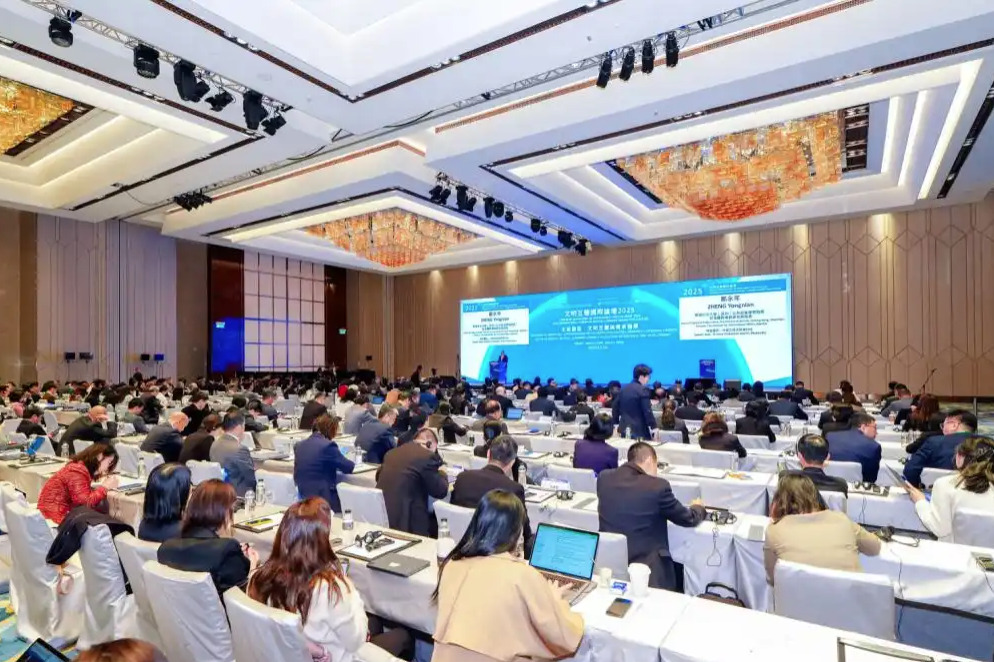
    In a powerful response to escalating global divisions, Macao has positioned itself as a beacon for international cooperation with the unveiling of the groundbreaking “Macao Initiative” during the inaugural International Forum on Mutual Learning among Civilizations. The two-day gathering, held from December 17-18, 2025, brought together distinguished scholars and professionals from diverse regions including North Africa, Latin America, Southeast Asia, and Europe to address pressing global challenges through sustained intercultural dialogue.

    The forum, presented by the Macao Special Administrative Region government and organized by its Cultural Affairs Bureau with support from the Chinese Academy of History, produced a consensus that cultural diversity represents humanity’s greatest strength rather than a source of conflict. Participants emphasized that ongoing communication serves as the essential antidote to misunderstanding, exclusion, and societal fragmentation.

    Leong Wai-man, President of the Macao SAR Cultural Affairs Bureau, formally introduced the initiative during the closing ceremony, outlining five strategic directions: enhancing global civilizational dialogue, promoting openness-driven exchange, strengthening heritage preservation, engaging youth through digital innovation, and establishing platforms to advance China’s Global Civilization Initiative. “The essence of civilizational dialogue lies in acknowledging differences while seeking common ground, not enforcing uniformity,” Leong stated. “Macao’s mission is to ensure this vital dialogue continues indefinitely.

    International experts provided compelling testimony supporting this approach. Elhaj Ahmed Khaled, Assistant Professor of Chinese Language and Literature at Tunisia’s University of Carthage, noted the alignment between China’s philosophy of “harmony without uniformity” and Tunisia’s cultural traditions. While celebrating four decades of Chinese language education in Tunisia and growing interest among youth, Khaled cautioned about persistent Western media influence in Arab and African regions, where political agendas often promote distorted narratives of civilizational clash.

    From Argentina, Professor Veronica Noelia Flores of the National Scientific and Technical Research Council emphasized culture’s role in rebuilding social cohesion and community values. “Such spaces must enable people to imagine alternative worlds and futures that respect cultural diversity and intercultural dialogue,” she observed.

    Practical success stories emerged from Indonesia, where Ruddy Erieyanto, a tourism and cultural heritage activist from Semarang, demonstrated how cultural preservation drives economic viability. The city’s transformation of its historic Chinatown into a vibrant cultural hub shows how heritage can coexist with urban development.

    Looking toward future conservation efforts, Canada’s Professor Mario Santana Quintero, co-UNESCO Chair on Digital Twins for World Heritage Conservation, highlighted the importance of balanced technological application. While digital tools offer unprecedented conservation possibilities, he advocated for low-capital, high-impact models that avoid creating new inequalities while protecting civilizational diversity.

    The Macao Initiative emerges as a timely framework for international cooperation, advocating for sustained dialogue as the foundation for global understanding and peace.
  • Taiwan enterprises enthused by mainland’s development

    Taiwan enterprises enthused by mainland’s development

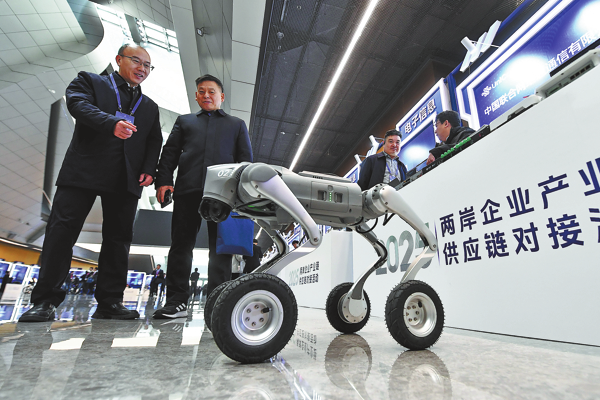
    NANJING—Business leaders from across the Taiwan Strait gathered at the 2025 Cross-Strait CEO Summit this week, expressing robust confidence in mainland China’s economic future and committing to deepened industrial integration. Held in Nanjing, Jiangsu province, the annual conference served as a platform for entrepreneurs to align strategies with China’s forthcoming 15th Five-Year Plan (2026-2030).

    Guo Jinlong, the mainland chairman of the summit, outlined how the next development blueprint emphasizes high-quality growth, comprehensive reform, and expanded openness. “A complete industrial chain will strengthen our foundation, while our vast market unleashes tremendous momentum,” Guo stated. He emphasized resilience against external challenges, urging collaborative effort: “The higher the waves, the more we need to work together in the same boat.”

    Zhu Fenglian, spokeswoman for the State Council Taiwan Affairs Office, noted that discussions centered on how Taiwanese firms can integrate into China’s new development paradigm and participate in high-quality advancement. Attendees from Taiwan reportedly voiced strong belief in the mainland’s direction and pledged to sustain active economic engagement.

    Testimonials from Taiwanese executives highlighted tangible benefits. Wah Chin, vice-president of Suyin KGI Consumer Finance, credited summit support for helping secure a consumer finance license between 2017 and 2019. “The mainland market has vast prospects,” he said, revealing that investment had already tripled and would continue growing. He called for further openness in cross-strait financial cooperation.

    Poon Chung-kwong, chairman of Nanjing Lumicore Technology, urged young Taiwanese entrepreneurs to explore opportunities on the mainland, contrasting its dynamic environment with what he described as Taiwan’s “stagnant market.” His company has leveraged Taiwan’s hardware prowess alongside mainland algorithms to develop world-leading silicon-based OLED displays—a success he attributed to strait-spanning synergy.

    Lei Hong-yi of the Council for Industrial and Commercial Development voiced a simple hope: “Less argument, fewer disputes, more money for everyone.”

    Since its inception in Nanjing, the summit has catalyzed over 50 large-scale economic, cultural, and youth exchanges across 15 regions in the past year alone.

  • Japan’s rising defense spend stirs concern

    Japan’s rising defense spend stirs concern

    Japan’s parliamentary approval of an 18.3 trillion yen ($118 billion) supplementary budget has ignited significant debate about the nation’s fiscal priorities and their societal implications. The budget, passed on Tuesday through the House of Councillors, allocates substantial resources to Prime Minister Sanae Takaichi’s policy initiatives with particular emphasis on defense and security enhancements.

    Analysts express growing apprehension that the government’s military expenditure strategy—which includes plans to spend 43 trillion yen ($276 billion) on defense over the next five years—will inevitably constrain funding for essential social welfare programs. This budgetary shift occurs alongside proposed tax increases targeting corporations, tobacco products, and personal income specifically designated for defense financing.

    Professor Emeritus Mieko Takenobu of Wako University warned that these fiscal decisions threaten Japan’s social sustainability. “When fiscal resources are diverted from public welfare to continuous military expansion through supplementary budgets, society becomes unsustainable,” Takenobu stated during a recent public event. The academic highlighted how defense spending has exceeded conventional budgetary frameworks while resources for daily living expenses and social security systems face continued reduction.

    The financial measures include a proposed special income tax for defense spending scheduled for implementation in January 2027, expected to generate approximately 200 billion yen ($1.3 billion) annually. Combined with other tax adjustments, these measures could collectively yield over 1 trillion yen per year, increasing household financial burdens despite the planned reduction of post-disaster reconstruction taxes.

    Beyond domestic concerns, experts identify geopolitical risks in Japan’s budgetary direction. Takenobu characterized Takaichi’s recent statements regarding Taiwan as particularly dangerous, suggesting they undermine Japan’s postwar consensus against military engagement. Regular protests have occurred outside the Prime Minister’s Office for over a month, with citizens demanding retraction of these statements and cessation of military expansion discussions.

    Akinobu Ito, president of the Japan-China Workers Exchange Association, echoed these concerns during a memorial event for the Nanjing Massacre, urging public vigilance against national-level dangerous trends and advocating for constitutional adherence rather than revision.

  • Sydney shooting suspect charged with 59 offenses

    Sydney shooting suspect charged with 59 offenses

    Australian authorities have formally charged Naveed Akram, the primary suspect in the devastating Bondi Beach shooting, with 59 criminal offenses including 15 counts of murder and one count of committing a terrorist act. The charges come three days after the horrific attack that claimed 15 lives and left over 40 injured at the iconic Sydney location, marking Australia’s deadliest shooting incident in thirty years.

    Police confirmed that the 24-year-old suspect was charged at his hospital bedside after emerging from a coma, where he remains under heavy police guard. According to official statements, investigators will present evidence in court demonstrating that Akram engaged in conduct specifically designed to cause mass casualties, advance a religious cause, and instill widespread fear within the community. Early indications strongly point to an ISIS-inspired terrorist attack, with the Islamic State being a officially listed terrorist organization in Australia.

    The attack targeted a Hanukkah celebration event, the Jewish Festival of Lights, with Rabbi Eli Schlanger among the victims mourned at a Wednesday funeral service. Current hospitalization figures indicate 41 shooting victims remain in medical care, including four children, with 20 patients continuing to receive treatment across multiple Sydney hospitals.

    Prime Minister Anthony Albanese confirmed in media interviews that the attack was directly inspired by ISIS ideology, noting evidence that the perpetrators “were motivated by the sort of ideology of the Islamic State” and that terrorist flags were discovered in their vehicle. The Prime Minister committed to implementing “any legislative change” and “additional powers that are needed across the board” to enhance community safety, particularly for Jewish communities.

    New South Wales Police Commissioner Mal Lanyon revealed that both attackers had traveled to the Philippines last month, amid emerging reports suggesting they may have received military-style training in the country’s southern regions. The exact purpose and details of their international travel remain under active investigation.

    Background information indicates that Sajid Akram, the second gunman who was killed by police during the incident, was born into a Muslim family in India before immigrating to Australia in 1998. His son Naveed, an Australian citizen, maintained limited contact with relatives in Hyderabad, India, making six visits primarily for family matters according to national broadcaster reports.

    The tragedy has triggered immediate political action, with the New South Wales Parliament being recalled ahead of Christmas to fast-track gun reform legislation. Proposed measures include limits on the number of firearms licensed to individual owners and a comprehensive reclassification of shotguns. State Premier Chris Minns also indicated the government would consider restricting protest activities in response to terror threats, expressing concern about “combustible situations” within Australia’s multicultural community.

    Prime Minister Albanese emphasized the need for nationwide consistency in gun control, stating that Australia’s firearm laws “are only as strong as the weakest link in them” unless all states implement strengthened regulations simultaneously.

  • Breakthrough in BMI tech aids patients

    Breakthrough in BMI tech aids patients

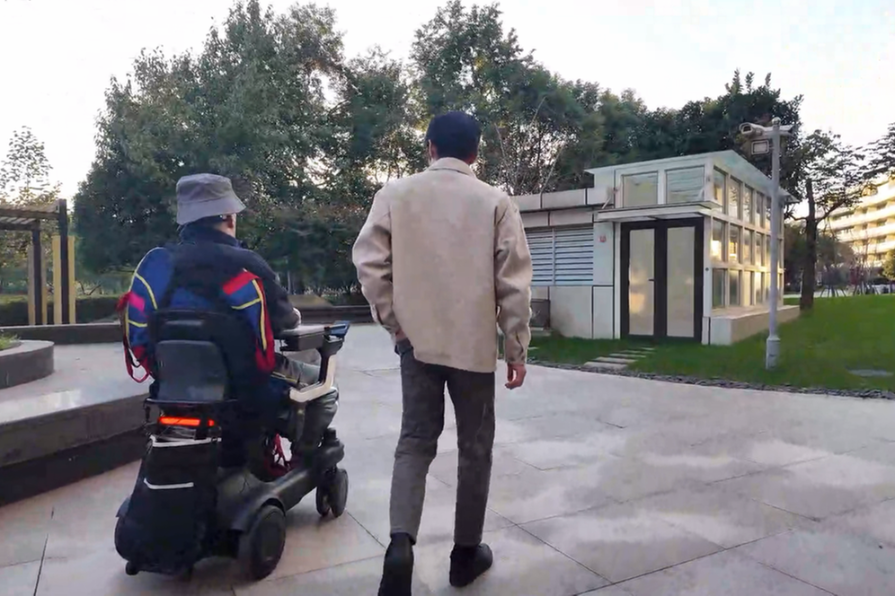
    In a landmark advancement for neurotechnology, Chinese researchers have demonstrated unprecedented brain-machine interface (BMI) capabilities enabling paralyzed patients to interact with their physical environment through thought alone. Two individuals with high-level paralysis have successfully operated power wheelchairs, directed robotic dogs to retrieve objects, and manipulated robotic arms to perform tasks like drinking water—all without physical movement.

    The achievement, announced by the Center for Excellence in Brain Science and Intelligence Technology of the Chinese Academy of Sciences, represents a significant leap beyond previous BMI applications that were limited to virtual interactions. The patients, both in their 30s, received minimally invasive neural implants developed through collaboration between the CAS center, Shanghai Huashan Hospital, and industry partners.

    Technical innovations were crucial to this breakthrough. Researchers overcame substantial challenges including neural data compression, environmental noise interference, and maintaining ‘cross-day stability’ through neural manifold alignment techniques. Most impressively, the team achieved an end-to-end delay of under 100 milliseconds from neural signal to device execution—faster than the body’s natural neural transmission speed.

    The system’s practicality is enhanced by its cost-effective design and minimal invasiveness. The implant requires only a 5-millimeter cranial puncture, the smallest reported globally, and is approximately half the size of Neuralink’s device. According to lead scientist Zhao Zhengtuo, the technology is progressing toward clinical applications with the goal of making implantation as simple as ear piercing.

    Future development timelines anticipate motor and language function restoration within three years, sensory restoration and treatment for neurological disorders within five years, and highly minimally invasive systems for both medical and consumer applications within a decade. All procedures underwent rigorous ethical and technical reviews, with patients reported in good health throughout the trials.

  • South Korea’s Constitutional Court removes police chief over martial law involvement

    South Korea’s Constitutional Court removes police chief over martial law involvement

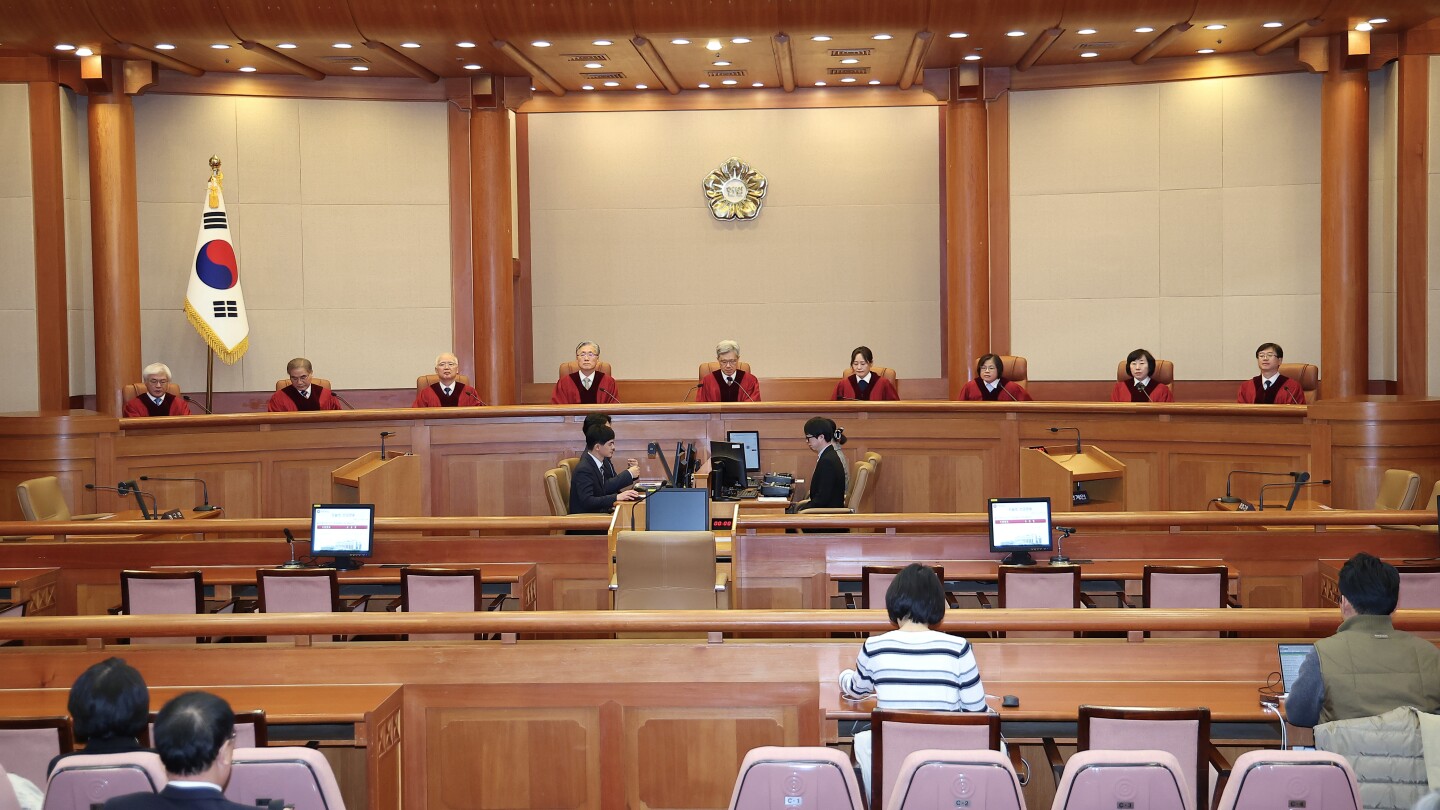
    South Korea’s Constitutional Court has delivered a landmark ruling on Thursday, formally dismissing the nation’s impeached police chief for his instrumental role in supporting former President Yoon Suk Yeol’s short-lived imposition of martial law in December 2024. Commissioner General Cho Ji-ho became the first National Police Agency chief to be removed from office through constitutional proceedings.

    The court determined that Cho actively undermined legislative processes by deploying hundreds of police officers to the National Assembly complex, intentionally obstructing lawmakers from reaching the main chamber to vote on revoking Yoon’s emergency decree. The ruling further condemned Cho’s infringement upon the National Election Commission’s independence by directing police personnel to assist military forces in seizing two NEC offices—actions allegedly justified by unverified claims of electoral fraud.

    Evidence presented revealed that Cho and Seoul’s police commissioner were summoned to a secure location hours before the martial law declaration, where they coordinated implementation strategies with Yoon’s defense minister. Following the decree, approximately 300 officers encircled parliamentary entrances alongside heavily armed special operations units with aerial support, creating an unprecedented blockade against legislative activities.

    Despite the military-police barricade, a determined group of lawmakers including current President Lee Jae Myung scaled perimeter fences to establish quorum and unanimously overturn Yoon’s order within hours. The court rejected Cho’s defense that his deployments aimed to maintain public order, noting that the extreme measures taken by parliamentarians demonstrated the severity of the obstruction.

    Cho, who faced impeachment by legislators and arrest shortly after Yoon’s power grab, was previously granted bail in January due to medical requirements for cancer treatment. He now awaits separate criminal proceedings on rebellion charges, while former President Yoon faces life imprisonment or capital punishment for his central role in the crisis.

  • World closely watches Australia’s social media ban for children

    World closely watches Australia’s social media ban for children

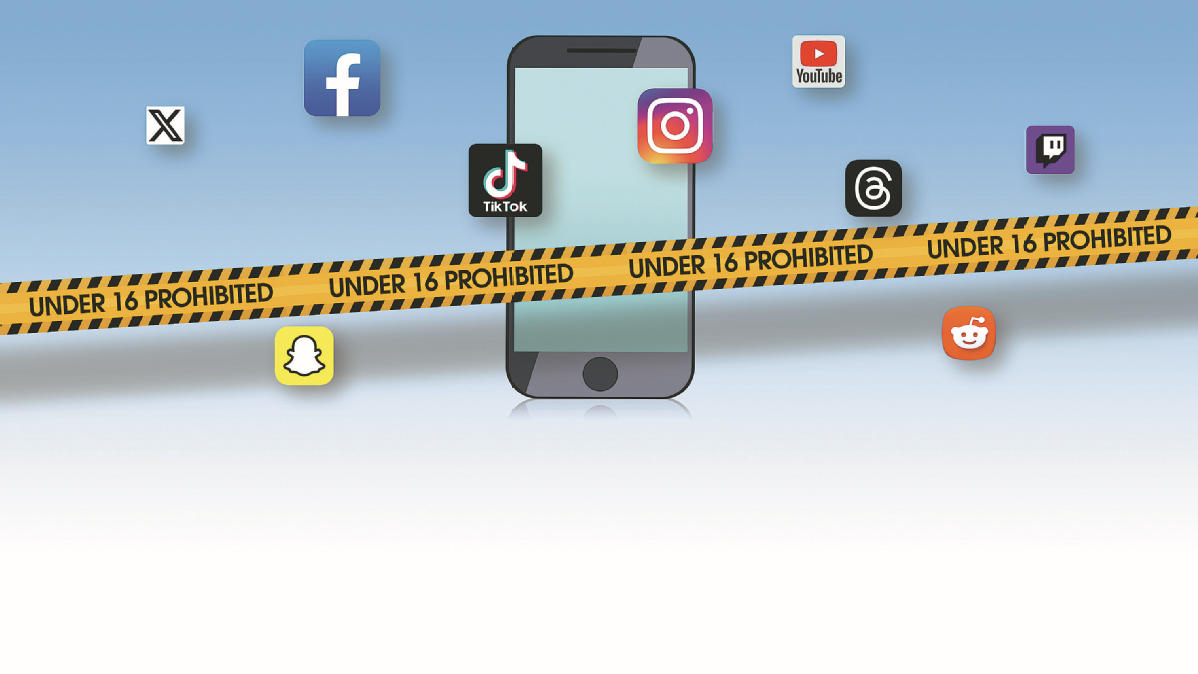
    Australia has implemented the world’s first comprehensive social media ban for children under 16, triggering widespread international attention and legal challenges. The groundbreaking legislation, which took effect on December 10, requires major platforms including Instagram, Facebook, X, Snapchat, TikTok, Reddit, and YouTube to implement strict age verification measures or face penalties up to A$49.5 million ($32.9 million).

    The policy follows an Australian National University study revealing social media’s negative impact on adolescent life satisfaction, with nearly one-fifth of young Australians actively posting content daily. While platforms like TikTok and YouTube have committed to compliance through facial age estimation, credit card authorization, and government ID verification, Reddit has mounted a constitutional challenge in Australia’s High Court, arguing the ban violates implied political communication freedoms.

    Communications Minister Anika Wells defended the legislation, stating the government stands with “Australian parents and kids, not platforms.” Health Minister Mark Butler compared Reddit’s lawsuit to “Big Tobacco against tobacco control,” accusing the platform of prioritizing profits over child protection.

    Academic responses remain divided. Professor Julian Sefton-Green of Deakin University praised the legislation as “inspiring” for challenging multinational platforms’ power, while Edith Cowan University’s Catherine Archer warned of potential anxiety and mental health issues among teens forced from their primary communication channels. Concerns also emerged that the ban might drive young users to less regulated platforms and messaging apps where bullying could persist.

    Prime Minister Anthony Albanese acknowledged implementation challenges, comparing potential circumvention to underage drinking, but emphasized the importance of establishing protective frameworks. Early indicators suggest significant impact, with an Australian Broadcasting Corporation survey indicating one-quarter of under-16 users might abandon social media entirely.

    Digital rights advocates expressed concerns about increased identity theft risks and questioned whether the ban addresses root causes rather than symptoms. Tom Sulston of Digital Rights Watch warned that “bullies, abusers, and predators will not go away” but merely follow children to permitted platforms.

    Globally, the Australian experiment is being closely monitored, with Germany, Denmark, New Zealand, and Malaysia considering similar policies. Professor Michael Salter of the University of New South Wales highlighted the ban as a necessary response to escalating online sexual exploitation, noting that 300 million children globally experience online sexual abuse annually, predominantly through social media platforms.

    The outcome of this pioneering legislation may establish new precedents for how nations regulate digital spaces for young users, balancing protection against fundamental rights and practical enforcement challenges.

  • Experts: Lai not freedom fighter, but a pawn of the West

    Experts: Lai not freedom fighter, but a pawn of the West

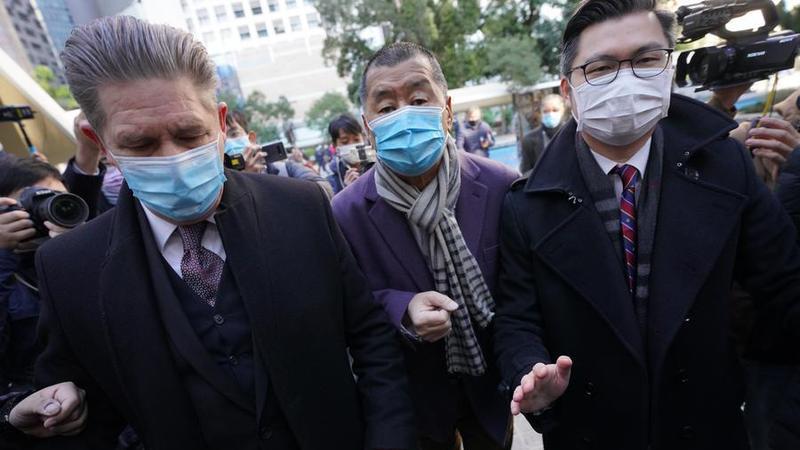
    Hong Kong political analysts and legal authorities have unanimously characterized convicted media proprietor Jimmy Lai Chee-ying as an instrument of Western geopolitical interests rather than a legitimate advocate for democratic principles. The assessments emerged following Lai’s recent conviction on national security charges, with experts asserting that foreign powers have exploited his case to wage an ideological campaign against China.

    Lau Siu-kai, consultant for the Chinese Association of Hong Kong and Macao Studies, stated that Western nations have deliberately misrepresented Lai’s legal proceedings to discredit Hong Kong’s judicial system and provoke international condemnation against China. Contrary to Western media narratives alleging improper treatment, Lau noted that Lai testified extensively during his 156-day public trial and maintained visible good health throughout the proceedings.

    The High Court of Hong Kong found Lai guilty on December 16th on three criminal counts: two charges of conspiracy to collude with external forces to jeopardize national security and one charge of conspiracy to disseminate seditious publications. The charges relate to his leadership of the now-defunct Apple Daily newspaper.

    Senior counsel and Executive Council member Ronny Tong Ka-wah characterized Lai’s active pursuit of foreign sanctions against Chinese institutions as conduct that ‘bordered on treason’ and harmed his fellow citizens. Tong emphasized that such actions fundamentally contradict internationally recognized definitions of human rights and freedoms.

    Legal experts underscored that national security legislation exists universally to protect sovereign interests, though specific threats may vary between nations. They observed that Western countries typically face different security challenges than those confronting nations subject to external political interference.

    Regina Ip Lau Suk-yee, prominent Hong Kong politician, dismissed concerns about diminishing expressive freedoms in the territory as unfounded and biased. Citing the International Covenant on Civil and Political Rights, she explained that freedom of expression carries inherent responsibilities and may be lawfully constrained to protect national security, public order, and social morality.

    Ip pointed to vigorous public discourse surrounding recent incidents in Hong Kong, including extensive coverage of a major fire in Tai Po, as evidence of the territory’s thriving freedom of expression. These discussions have prompted critical examinations of institutional frameworks and exposed systemic issues requiring reform.

    The Western criticism of Lai’s conviction has prompted counter-demonstrations, with Hong Kong residents and organizations gathering outside diplomatic missions of the United States, Britain, and Australia to protest perceived interference with the region’s judicial independence.

  • India summons Bangladesh envoy over security concerns

    India summons Bangladesh envoy over security concerns

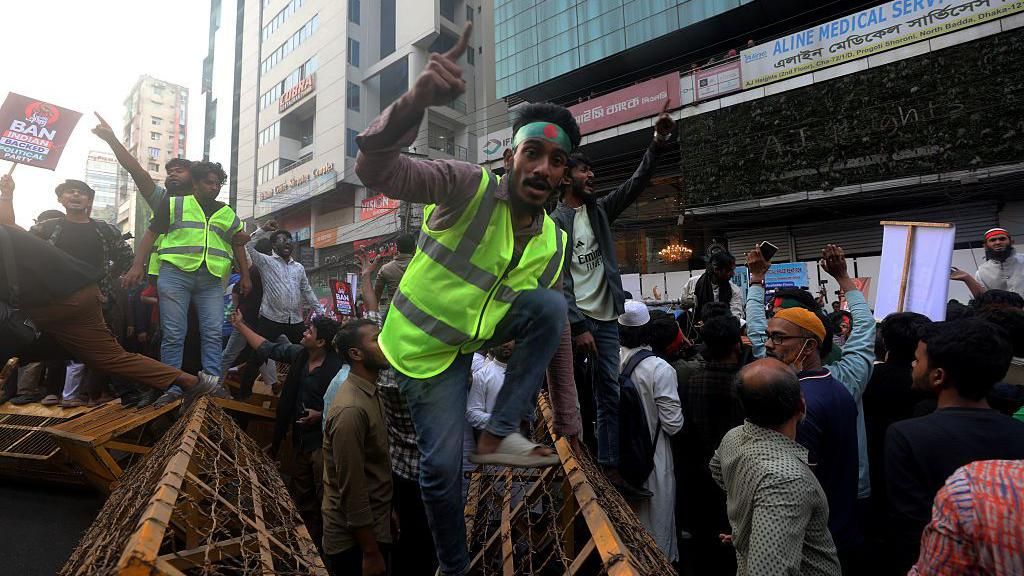
    Diplomatic relations between India and Bangladesh have reached a critical juncture as security concerns surrounding India’s diplomatic missions in Dhaka trigger formal protests. The Indian government has officially summoned Bangladeshi envoy Riaz Hamidullah to express serious apprehensions regarding what it describes as deteriorating security conditions caused by extremist elements.

    This diplomatic action follows recent demonstrations in Bangladesh where protesters attempted to march toward the Indian High Commission, demanding the repatriation of former Prime Minister Sheikh Hasina. The exiled leader has resided in India since August 2024 when student-led protests forced her from power, creating ongoing tension between the neighboring nations.

    The interim government of Bangladesh, led by Nobel laureate Muhammad Yunus and preparing for February 12 elections, finds itself at the center of this diplomatic storm. Dhaka had previously summoned India’s envoy to protest what it called ‘incendiary statements’ allegedly made by Hasina from Indian territory, which Bangladesh claims aim to undermine the upcoming electoral process.

    Complicating matters further, a Bangladeshi court recently sentenced Hasina to death for her alleged role in authorizing lethal force against protesters, resulting in approximately 1,400 casualties during last year’s unrest. Hasina has vehemently denied these allegations, characterizing them as politically motivated attempts to eliminate her Awami League party from the political landscape.

    The situation has escalated with recent statements from Hasnat Abdullah, leader of Bangladesh’s National Citizen Party, who suggested that Bangladesh might shelter separatist groups targeting India’s northeastern states if Delhi continues to ‘destabilize’ Dhaka. This reference to the strategically vulnerable ‘Seven Sisters’ region has added another layer of complexity to the already strained bilateral relationship.

    India has categorically rejected these assertions and expressed disappointment that the interim government has not conducted thorough investigations or shared substantive evidence regarding recent incidents. As political tensions intensify ahead of the elections, India has taken the precautionary measure of temporarily closing its visa application center in Dhaka, rescheduling appointments for security reasons.

  • Tour gives China-Arab strategic trust a boost

    Tour gives China-Arab strategic trust a boost

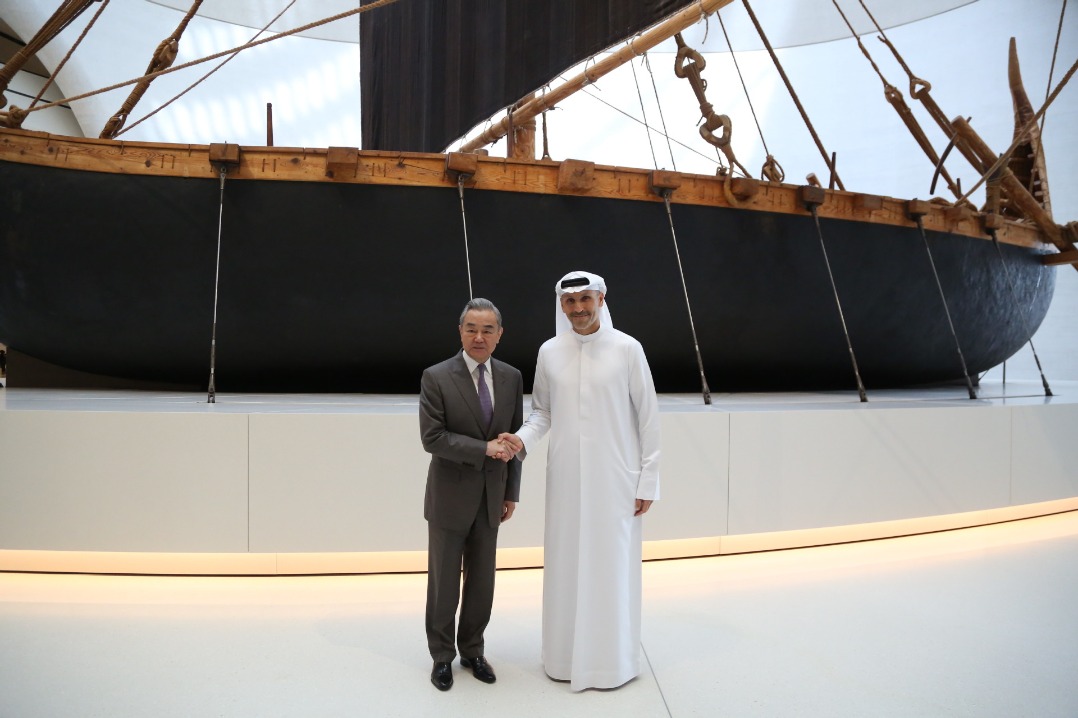
    A significant diplomatic mission to the Middle East by China’s Foreign Minister Wang Yi has substantially enhanced strategic cooperation between China and Arab nations. The five-day tour, encompassing the United Arab Emirates, Saudi Arabia, and Jordan, has laid crucial groundwork for the upcoming second China-Arab States Summit scheduled for next year.

    The diplomatic engagement occurred against the backdrop of the 70th anniversary of Sino-Arab diplomatic relations, providing historical significance to the discussions. Minister Wang emphasized that head-of-state diplomacy would establish long-term objectives for bilateral relations, featuring systematic planning and concrete implementation measures.

    Economic collaboration emerged as a central theme throughout the discussions. Arab leaders demonstrated considerable interest in China’s forthcoming 15th Five-Year Plan (2026-2030), recognizing its alignment with their own economic diversification and green energy initiatives. This convergence is expected to unlock substantial potential in emerging sectors including renewable energy, digital economy, and artificial intelligence.

    Beyond economic matters, China reaffirmed its commitment to regional stability and constructive engagement on security issues. Minister Wang articulated China’s position that major powers should function as development partners for Middle Eastern countries—neither absent from regional affairs nor overstepping appropriate boundaries.

    Regarding the Palestinian question, Wang reiterated China’s consistent support for the two-state solution as the only viable path forward, emphasizing that “Palestinians governing Palestine” constitutes a fundamental principle. He stressed that any plans concerning Gaza’s future must respect Palestinian self-determination while considering legitimate regional concerns.

    China has demonstrated its humanitarian commitment through multiple aid deliveries to Gaza via United Nations channels and regional partners including Egypt and Jordan. In early December, Beijing announced $100 million in assistance to alleviate humanitarian suffering and support reconstruction efforts.

    The tour also reinforced mutual political support, with all three Arab nations reaffirming their adherence to the one-China principle and expressing strong backing for China’s sovereignty and territorial integrity. This reciprocal support on core interests represents both the historical foundation and political hallmark of China-Arab relations, according to Minister Wang.

    Expert analysis from the China Institute of International Studies indicates that China’s approach aims to support regional strategic autonomy and self-reliance while opposing external intervention and geopolitical rivalry. Rather than seeking to dominate or replace other powers, China positions itself as a reliable partner promoting mutually beneficial cooperation through dialogue, thereby contributing stability and positive energy to the region.