标签: Asia

亚洲

  • The UAE is a land of limitless opportunities

    The UAE is a land of limitless opportunities

    The United Arab Emirates is positioning itself as a global hub for next-generation industrial development, with technology and sustainability driving its economic transformation. According to Hareeish Kumar, CEO of Millenium, the nation’s business landscape is being reshaped by artificial intelligence, smart logistics, and green technology innovations that create unprecedented opportunities for growth-oriented enterprises.

    In a comprehensive executive interview, Kumar revealed how the UAE’s unique ecosystem fosters entrepreneurial success through its culture of openness, ambition, and tolerance. The country’s pro-business environment and world-class infrastructure have enabled companies like Millenium to embrace innovation while maintaining ethical business practices and global-standard professionalism.

    The CEO outlined ambitious expansion plans into food ingredients, specialty chemicals, manufacturing, and logistics sectors, strategically aligning with national priorities including industrial transformation, sustainability initiatives, and supply-chain localization efforts. This direction supports the UAE’s broader economic diversification goals and its ‘Make it in the Emirates’ industrial strategy.

    Addressing sustainability commitments, Kumar emphasized that environmental responsibility is integrated throughout operations—from responsible sourcing and waste reduction to product innovation and energy efficiency. The company collaborates with global partners to introduce sustainable ingredients and eco-friendly chemical solutions, supporting the UAE’s Net Zero 2050 vision.

    Technological adoption has been crucial to growth, with supply-chain automation, digital operations, and data-driven insights enabling expansion. Future industrial trends will be defined by AI-enabled manufacturing, digital traceability systems, and advanced e-commerce infrastructure according to the executive.

    Networking and strategic partnerships have proven vital in the UAE’s multicultural business environment, with transparent collaborations built on trust and shared value creation driving success. Kumar’s advice to emerging entrepreneurs emphasizes ethical foundations, investment in human capital, and leveraging the UAE’s innovation-friendly ecosystem to overcome inevitable challenges.

    The executive’s insights highlight how the UAE’s strategic vision creates a platform where determined visionaries can achieve extraordinary success through resilience and adaptation to market dynamics.

  • Good Goods with good vision

    Good Goods with good vision

    BANGKOK – Central Group, Thailand’s premier retail conglomerate, is strategically expanding its socially-conscious brand Good Goods through an innovative approach to rural economic development. Executive Director Pichai Chirathivat draws inspiration from the ancient Chinese proverb about teaching fishing rather than giving fish, applying this philosophy to transform Thailand’s rural economies.

    The initiative, launched eight years ago, serves as a sustainable marketplace connecting rural Thai producers with both domestic and international consumers. Good Goods has systematically developed supply networks across approximately 40 of Thailand’s 77 provinces, with 15 provinces now established as regional learning centers and tourism destinations alongside their production roles.

    Pichai’s vision extends beyond traditional retail by positioning Good Goods at the intersection of cultural preservation and commercial innovation. The brand specifically focuses on products that embody Thailand’s cultural heritage while ensuring contemporary market relevance.

    Looking toward international expansion, Pichai identifies China as a priority market. Rather than pursuing pure e-commerce, he envisions a comprehensive market entry strategy beginning with physical retail locations in major cities like Shanghai or Beijing, complemented by online sales channels to deliver a complete brand experience.

    The product portfolio is also evolving, with plans to introduce furniture and home decor items that reflect Thai craftsmanship. This expansion represents both a business growth strategy and a mechanism to support additional artisan communities throughout Thailand.

  • Thailand conference launches international initiative to fight online scams

    Thailand conference launches international initiative to fight online scams

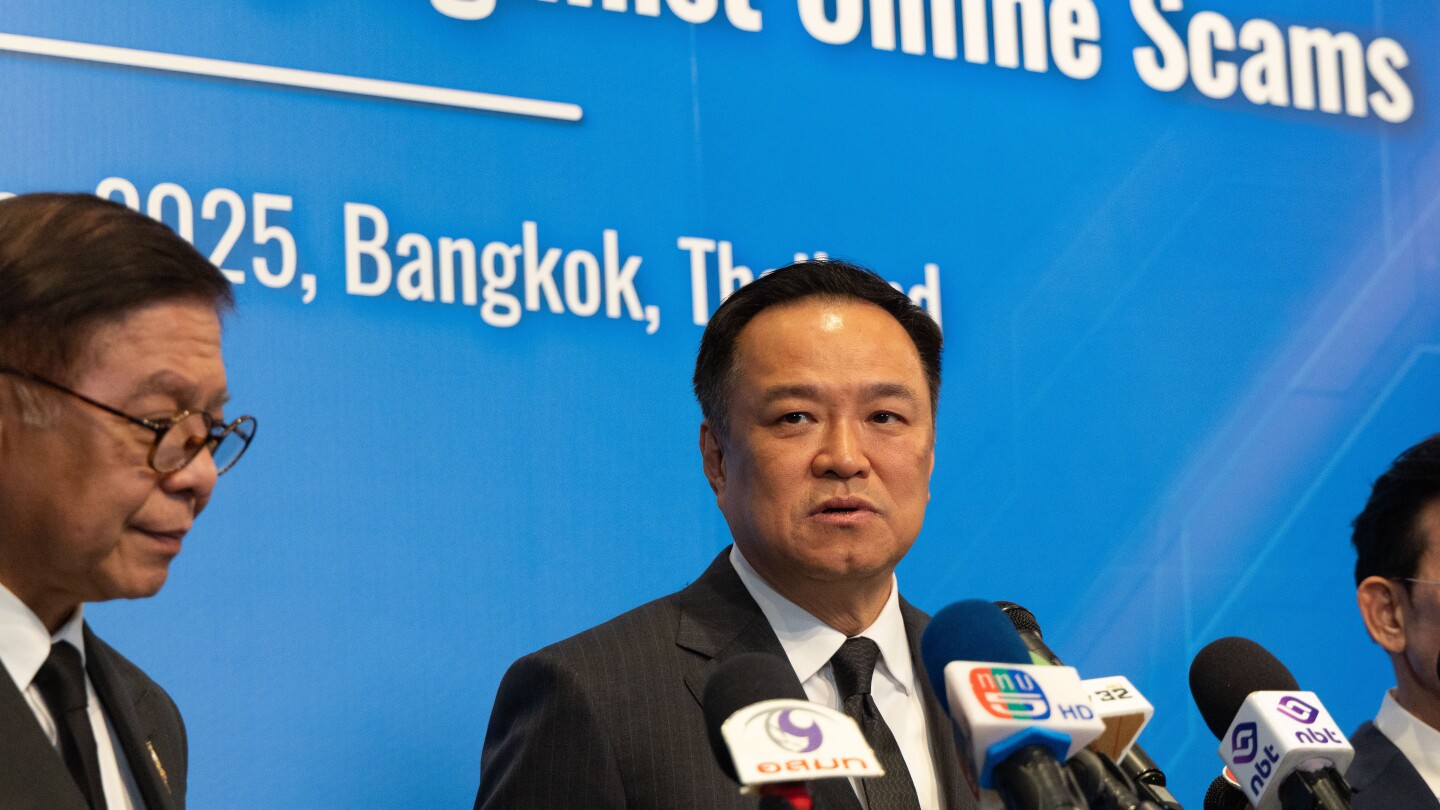
    BANGKOK — In a landmark move against transnational cybercrime, Thailand has spearheaded the formation of an international coalition to tackle the escalating threat of online scams that cost global victims an estimated $18-37 billion annually. The initiative, formally launched as the Global Partnership Against Online Scams, emerged from a two-day conference co-hosted by Thailand’s Ministry of Foreign Affairs and the United Nations Office on Drugs and Crime (UNODC).

    The gathering brought together over 300 participants from nearly 60 nations, culminating in a multilateral agreement signed by Thailand, Bangladesh, Nepal, Peru, and the United Arab Emirates. The partnership framework encompasses four critical pillars: political commitment, enhanced law enforcement cooperation, comprehensive victim protection protocols, and cross-border public awareness campaigns.

    Thai Prime Minister Anutin Charnvirakul set the tone in his keynote address, emphasizing that ‘online scams reveal a deeper problem—a collective vulnerability that no country can address alone.’ This sentiment echoed throughout the conference, which highlighted how criminal enterprises, particularly those operating across Southeast Asia, have evolved to exploit digital platforms and artificial intelligence technologies.

    The private sector played a significant role in the proceedings, with tech giants Meta and TikTok contributing expertise and resources. Meta presented a threat assessment detailing how scam networks are increasingly leveraging AI to perpetrate fraud across its platforms including Facebook, Instagram, and WhatsApp. TikTok formally endorsed the conference’s closing statement, becoming one of the first corporate members of the new alliance.

    Brian Hanley, Asia-Pacific director of the Global Anti-Scam Alliance (which TikTok recently joined), stressed the necessity of multi-stakeholder engagement: ‘Scams are exploiting not only transnational boundaries but also the seams across various platforms from banks, telcos, to social media platforms.’ He emphasized that combating these sophisticated networks requires ‘all major stakeholders at the table.’

    The urgency of the initiative has been amplified by recent developments across the region, including scam center raids in Myanmar, victim repatriation challenges in Thailand, and the tragic death of a South Korean student forced into scam operations in Cambodia. While Cambodia—known as a hub for scam compounds—was notably absent from the conference due to ongoing tensions with Thailand, the collaboration represents growing regional consensus on addressing cybercrime.

    This new partnership builds upon previous multilateral efforts, including the United Nations Convention against Cybercrime signed by over 70 countries in Vietnam last October. As UN Secretary-General António Guterres characterized that agreement, such initiatives represent ‘a vow that no country, no matter their level of development, will be left defenseless against cybercrime.’

  • China innovates network technology, achieving efficient data transmission

    China innovates network technology, achieving efficient data transmission

    China has officially commissioned a groundbreaking national network infrastructure that demonstrates unprecedented data transmission capabilities, marking a significant advancement in global information technology. The China Environment for Network Innovation (CENI), the country’s first national science and technology infrastructure in the ICT sector, recently passed national acceptance in Nanjing and is now operational.

    This revolutionary network testbed achieved what previously seemed impossible: transferring 72 terabytes of data generated by China’s Five-hundred-meter Aperture Spherical radio Telescope (FAST) from Guizhou province to Huazhong University of Science and Technology in Hubei province in merely 1.6 hours. Traditional internet methods would have required approximately 699 days to accomplish the same data transfer.

    According to Liu Yunjie, academician of the Chinese Academy of Engineering, CENI represents China’s entry into the world’s advanced echelon in network technology innovation. “CENI’s passage of national acceptance enables China to deliver higher-quality services for all industries to embrace AI,” Liu stated.

    The infrastructure boasts large-scale, programmable, virtualized, and open-sharing features, providing a simple, efficient, and low-cost test environment for researching innovative architectures of future networks. The development team has pioneered a service-customized network architecture internationally and created the world’s first distributed large-network operating system.

    After over a decade of construction, CENI now spans 40 cities nationwide with a total optical transmission length exceeding 55,000 kilometers. The network can support 128 heterogeneous networks and 4,096 parallel heterogeneous service tests while seamlessly interconnecting with existing internet infrastructure and global test facilities.

    The project has generated substantial intellectual property, including 206 international and domestic standards, 221 authorized invention patents, and 139 software copyrights. Multiple achievements have received national-level scientific and technological awards.

    Wu Hequan, another academician of the Chinese Academy of Engineering, emphasized that CENI will support the development of 5G-Advanced and 6G technologies while allowing research institutions and enterprises to test various new technologies.

    Notably, CENI offers dramatic improvements for AI development. Liu explained that “training a large model with 100-billion-level parameters across domains requires over 500,000 rounds of iterative development. With CENI, each training round takes only about 16 seconds,” resulting in significant time and economic savings.

    Looking forward, CENI will provide open testbed support to key industries including manufacturing, energy and power, education, healthcare, and the low-altitude economy, thereby accelerating China’s digital transformation initiatives.

  • India’s Parliament approves bill to open civil nuclear power sector to private firms

    India’s Parliament approves bill to open civil nuclear power sector to private firms

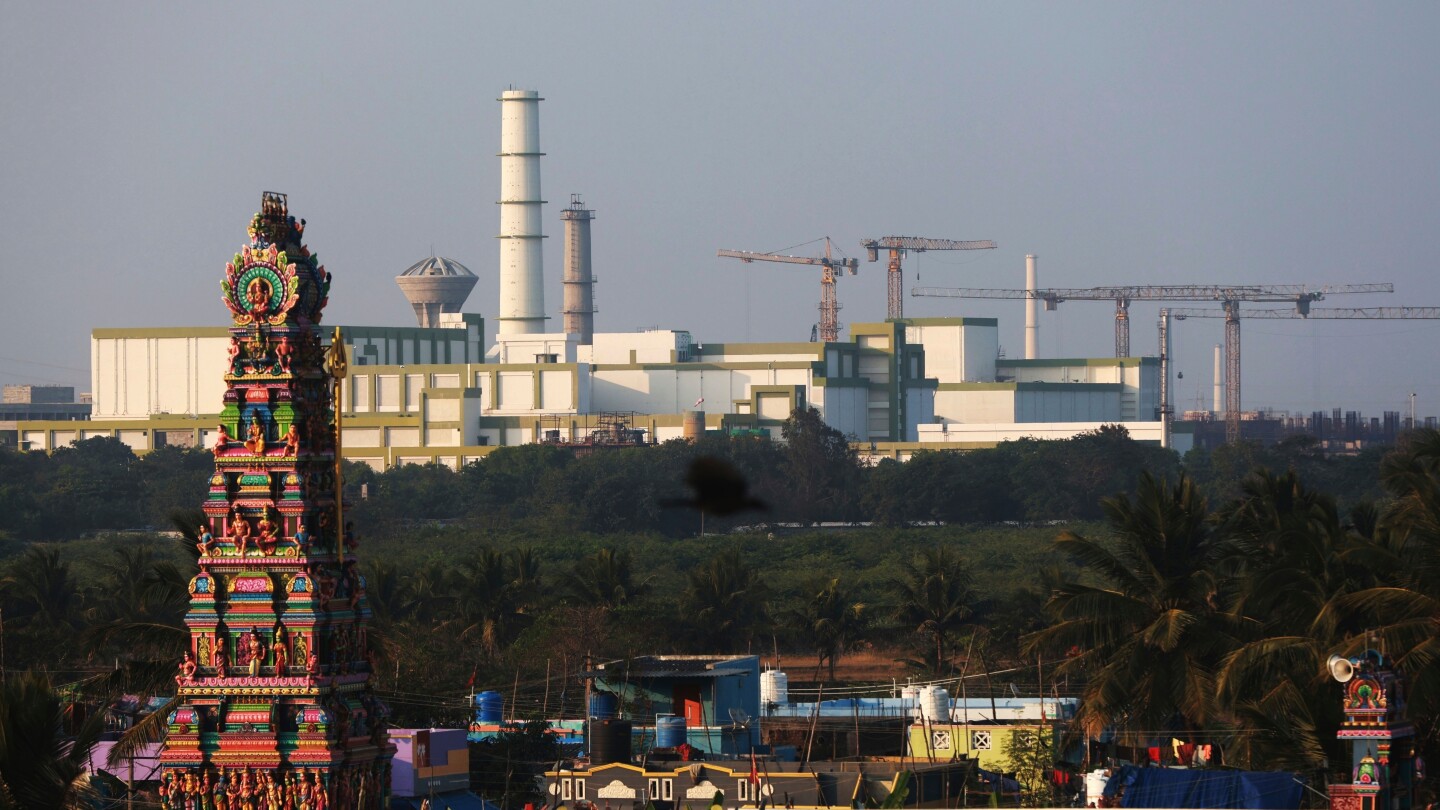
    India’s Parliament has enacted groundbreaking legislation that fundamentally restructures the nation’s nuclear energy sector, ending decades of state monopoly. The Sustainable Harnessing and Advancement of Nuclear Energy for Transforming India (SHANTI) bill received final approval from the upper house on Thursday, following Wednesday’s passage in the lower house. The legislation now awaits presidential assent, considered a formality.

    The policy shift represents India’s strategic move to accelerate clean energy expansion and position itself as a global leader in next-generation nuclear technology, including small modular reactors. Junior Minister Jitendra Singh, overseeing atomic energy, emphasized that the modernization aligns with India’s growing geopolitical role and addresses escalating energy demands while maintaining enhanced safety and regulatory frameworks.

    Supporters hail the legislation as transformative for India’s energy landscape. Karthik Ganesan of the Council on Energy, Environment and Water noted it ‘signals capable private sector players that the country is open for business in the nuclear energy space.’ The move comes as India pledges over $2 billion toward nuclear research and aims to install 100 gigawatts of nuclear power by 2047—sufficient to power approximately 60 million households annually.

    However, opposition parties and activists voice significant concerns regarding diluted liability safeguards and potential health hazards. Lawmaker Ashok Mittal criticized insufficient protections for communities near nuclear facilities, while anti-nuclear activist G. Sundarrajan condemned the legislation as ‘disastrous,’ warning it reduces corporate accountability and limits citizens’ ability to claim damages from radiation exposure.

    The development carries global significance as nations reassess nuclear power to meet climate targets and transition from fossil fuels. With over 75% of its electricity still generated from coal, India’s nuclear expansion represents a critical component of its decarbonization strategy despite ongoing debates about implementation safety and public perception challenges.

  • More international maritime disputes turn to China’s courts

    More international maritime disputes turn to China’s courts

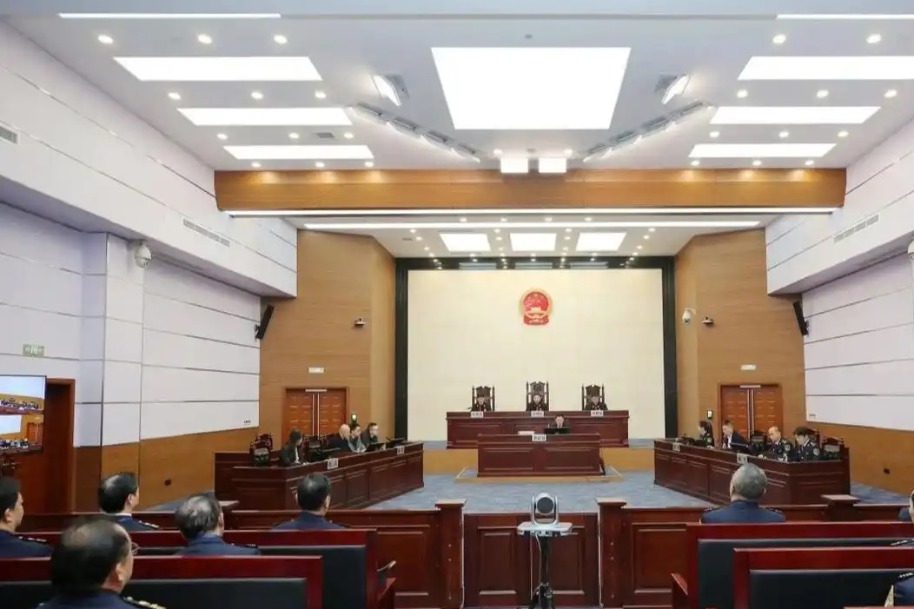
    China’s judicial system is gaining unprecedented international recognition in maritime law, with its courts becoming an increasingly preferred venue for resolving complex international shipping disputes. According to data released by China’s Supreme People’s Court, the nation’s specialized maritime courts accepted over 6,800 foreign-related cases between 2022 and 2024, involving parties from 143 different countries and regions.

    This growing international confidence in China’s judicial system represents a significant shift in global maritime dispute resolution trends. Remarkably, many foreign entities are now voluntarily submitting to Chinese jurisdiction even when their disputes have no substantive connection to China, indicating trust in the professionalism and fairness of the Chinese maritime court system.

    Established in 1984, China’s maritime judiciary has built substantial expertise over four decades, processing approximately 88,000 foreign-related cases throughout its history. The recent three-year period also saw Chinese courts handle 1,226 cases involving parties from Hong Kong, Macao, and Taiwan, with 1,134 of these cases successfully concluded.

    The comprehensive data reveals the sheer volume of maritime legal work processed by China’s judicial system, with maritime courts nationwide handling 98,726 total cases during the 2022-2024 period, including 185 maritime criminal cases. The courts demonstrated efficient case resolution, concluding 193 maritime criminal matters within the same timeframe.

    This trend underscores China’s expanding influence in international maritime affairs and reflects the global shipping industry’s growing confidence in Chinese judicial proceedings. The development positions China as an increasingly important player in shaping international maritime law and commercial dispute resolution mechanisms.

  • India: Jeddah to Kozhikode AI Express flight makes emergency landing at Kochi

    India: Jeddah to Kozhikode AI Express flight makes emergency landing at Kochi

    An Air India Express aircraft operating as flight IX 398 from Jeddah, Saudi Arabia to Kozhikode, India was compelled to execute an emergency landing at Kochi International Airport on Thursday following critical technical malfunctions. The incident, which occurred on December 18, 2025, involved a failure of the right main landing gear and subsequent tire bursts upon approach.

    According to official statements from Cochin International Airport Limited (CIAL), airport emergency protocols were immediately activated upon receiving notification of the aircraft’s distress. The airport authority confirmed the successful execution of the emergency landing procedure, with all operational systems functioning as designed to ensure passenger safety.

    Air India Express representatives attributed the technical complication to suspected foreign object debris on the runway at Jeddah’s King Abdulaziz International Airport, which may have caused initial damage to the aircraft’s tires during takeoff. The flight crew opted for a precautionary diversion to Kochi—approximately 200 kilometers from the intended destination—after identifying potential landing gear abnormalities during flight.

    The Boeing 737-800 aircraft carried 160 passengers, all of whom were reported safe following the incident. Emergency services were deployed as a standard precautionary measure, though no medical attention was required. Aviation authorities have initiated a comprehensive investigation into the precise sequence of events and contributing factors.

    The incident highlights the critical importance of runway maintenance protocols and emergency preparedness within aviation infrastructure. Both Saudi and Indian aviation authorities are coordinating their investigations to determine whether additional safety measures might be necessary to prevent similar occurrences.

  • UAE: Meet the man who grows beard to be ‘natural’ Santa by Christmas

    UAE: Meet the man who grows beard to be ‘natural’ Santa by Christmas

    In the heart of Ras Al Khaimah, photographer David Learman undergoes an annual transformation that captivates children across the UAE. For a decade, Learman has meticulously grown his pale white beard each September, evolving into what many describe as the region’s most authentic Santa Claus embodiment.

    With his meticulously tailored red-and-white suit, polished spectacles, and festive hat, Learman’s appearance rivals storybook depictions of the beloved Christmas figure. This December marks his busiest season yet with approximately 35 bookings, intensifying to 4-5 daily engagements as Christmas approaches. While some appearances occur in private residences, most bookings are hosted by hotels seeking to create magical holiday experiences.

    The emotional reward, not financial gain, drives Learman’s dedication. ‘The spark in a child’s eyes when they receive a gift, their tentative tugs at my beard, their wondering questions about my authenticity—these moments create the real magic,’ he reflects. His photography business provides scheduling flexibility, allowing him to balance commercial work with his seasonal Santa commitments alongside his wife through their creative agency.

    Learman’s experiences reveal fascinating cultural intersections. During an appearance at Al Jazeera Al Hamra’s Heritage Village, he discovered enthusiastic participation from Emirati families eager to capture photographs with Santa. However, one corporate-organized event presented what he termed a ‘surreal’ scenario: children from non-Christian backgrounds being encouraged to sing carols foreign to their cultural traditions. ‘This commercial exploitation of cultural symbolism felt inappropriate,’ Learman noted, criticizing the event company’s profit-driven approach to holiday programming.

    Come December 26th, Learman promptly visits his barber to remove the iconic beard—though not before granting the shop’s request for a final Santa-clad photograph. His journey demonstrates how cultural traditions adapt in multicultural societies, creating authentic connections while navigating commercial influences.

  • Harbin Ice and Snow World opens with expanded park

    Harbin Ice and Snow World opens with expanded park

    Harbin, China — The highly anticipated 27th edition of Harbin Ice and Snow World officially opened its gates to visitors on Wednesday, December 18th, 2025, marking the commencement of Northeast China’s premier winter tourism season. Located in Heilongjiang province’s capital city, this year’s installation represents the most expansive iteration in the festival’s history.

    The monumental ice and snow park now spans an area 20% larger than previous editions, constructed from a staggering 400,000 cubic meters of meticulously carved ice and snow. Significant infrastructural enhancements debut this season, including a newly constructed ticketing hall and a novel snowfield hot spring camp, designed to elevate the visitor experience from arrival to departure.

    Adventure-seeking tourists can immerse themselves in an array of exclusive winter activities. The offerings range from traditional winter fishing and cross-country skiing to more unconventional pursuits like snow soccer. The park’s new centerpiece is a breathtaking 521-meter ice slide, now the longest ever constructed at the venue. The beloved Dream Stage returns with its signature high-energy, disco-themed interactive celebrations, ensuring continuous entertainment.

    Substantial improvements have been made to guest services, prioritizing convenience and efficiency. The management has significantly increased the number of seating areas, restrooms, and other public facilities to accommodate larger crowds comfortably. Remarkably, despite the substantial upgrades in scale, activity variety, and amenities, the standard adult admission price remains unchanged at 328 yuan (approximately $46.56), maintaining accessibility for the public.

  • Thailand bombs near Cambodia’s Poipet border crossing

    Thailand bombs near Cambodia’s Poipet border crossing

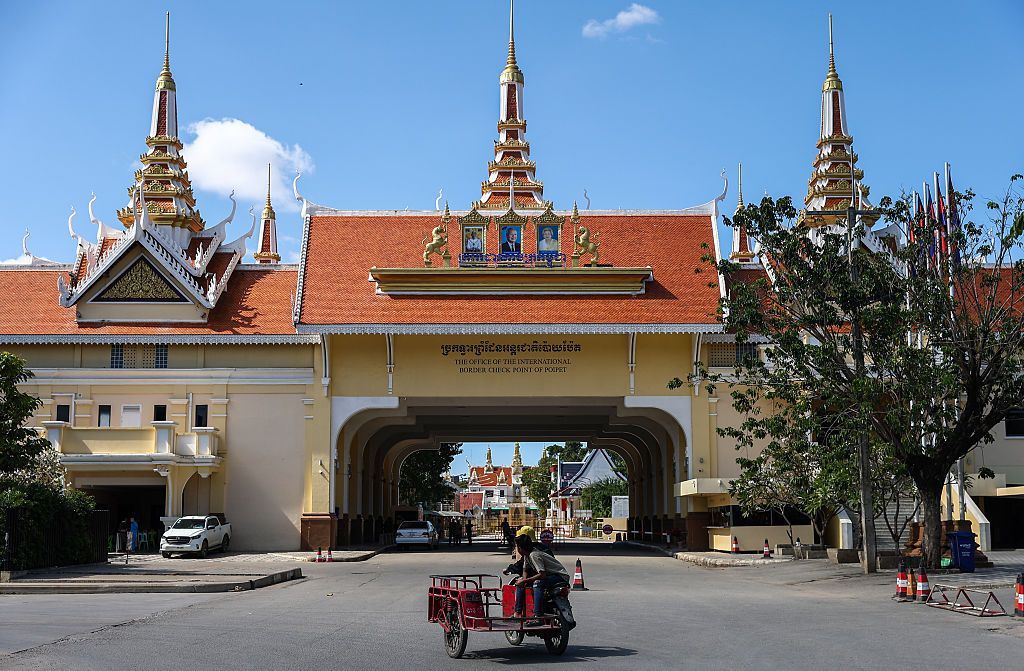
    Thai military forces have conducted an airstrike on what they describe as a logistical facility near Poipet, Cambodia’s prominent casino district and primary land border crossing with Thailand. The operation marks the first aerial bombardment of this strategically significant zone since border hostilities resumed.

    According to Cambodian defense officials, Thai aircraft deployed two explosives in the Poipet municipal area approximately at 11:00 AM local time (0400 GMT) on Thursday. Thailand’s Air Force spokesperson Air Marshal Jackkrit Thammavichai subsequently confirmed the offensive, characterizing the target as a storage depot for BM-21 rocket systems. He emphasized that the precision strike avoided civilian casualties.

    The BM-21 rocket systems referenced are multiple launch weapons typically deployed in salvos from armored vehicles. This military action occurs amidst intensifying border conflicts that have reportedly claimed 21 lives in Thailand and 17 in Cambodia this month alone, while displacing approximately 800,000 people according to official estimates.

    The border region has witnessed mounting tensions since July 24th, when Cambodian rocket attacks into Thailand triggered retaliatory airstrikes and five days of intense combat. Although a ceasefire brokered by Malaysian Prime Minister Anwar Ibrahim and former US President Donald Trump temporarily halted hostilities, fighting resumed last week with both nations accusing the other of violating the peace agreement.

    Compounding the humanitarian crisis, Cambodia has sealed land border crossings, stranding an estimated 5,000-6,000 Thai nationals in Poipet. Cambodian authorities have characterized the border closure as a “necessary measure” to protect civilians while noting that air travel remains available for evacuation purposes.

    The conflict represents the latest escalation in a century-old territorial dispute between the Southeast Asian neighbors. Recent days have seen additional allegations from Cambodia claiming Thai forces bombed Siem Reap province, home to the iconic Angkor temple complex and Cambodia’s premier tourist destination.