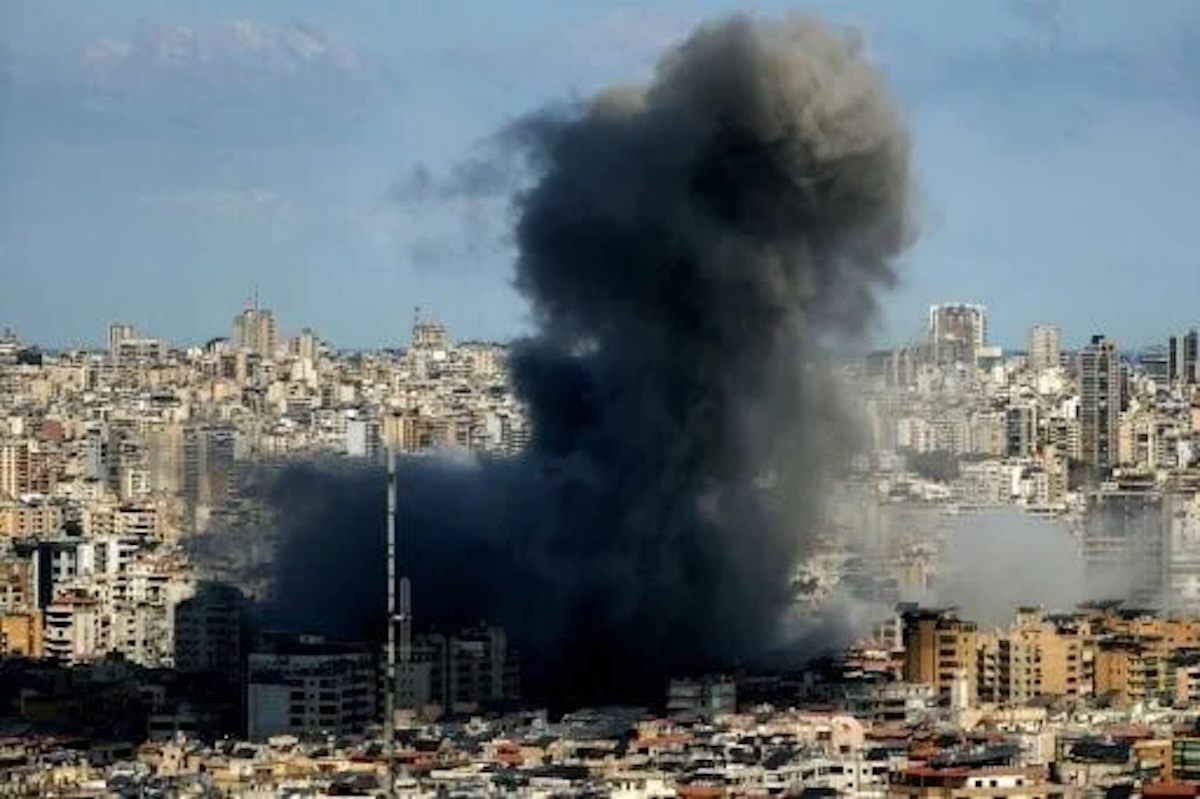
A concerning revelation from NBC News indicates that President Donald Trump’s daily briefings on the Iran conflict may present a dangerously oversimplified perspective of the ongoing military engagement. According to multiple administration sources, military officials have been providing the President with customized two-minute video compilations showcasing what one official described as \”the biggest, most successful strikes on Iranian targets\” – essentially featuring dramatic footage of \”stuff blowing up.\
标签: Asia
亚洲
-
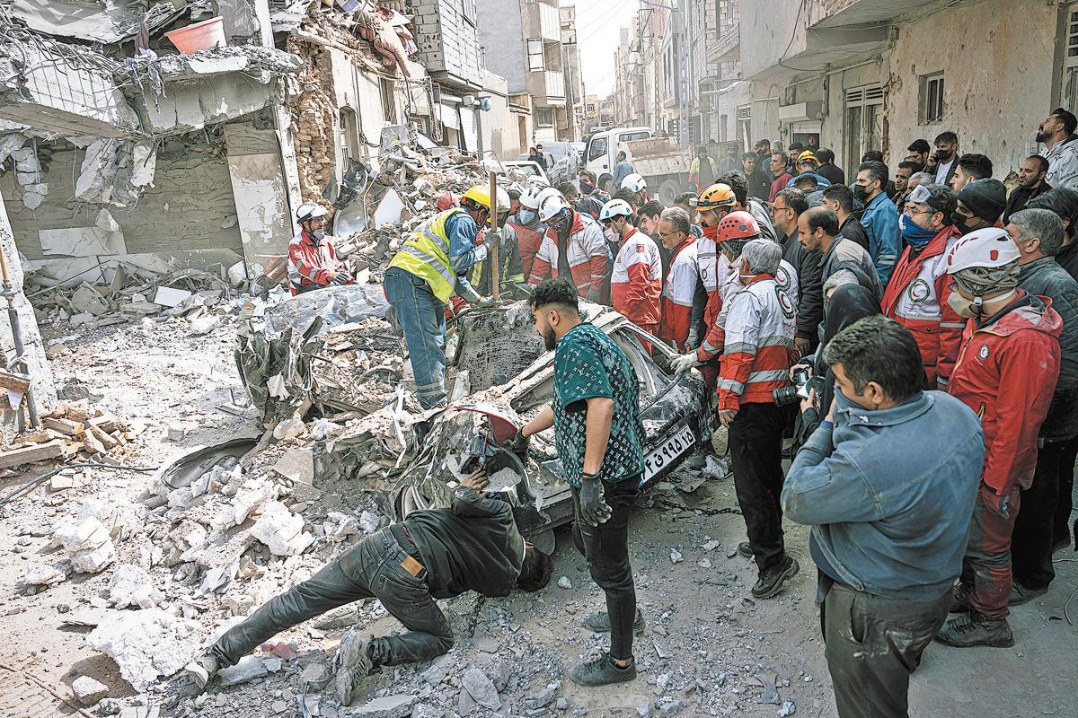
Iran dismisses US ceasefire proposal as ‘excessive’
Iran has formally rejected a comprehensive 15-point ceasefire proposal presented by the United States, characterizing the terms as “excessive” and vowing to continue military operations until its own conditions are met. The proposal, delivered through Pakistani intermediaries, outlined a monthlong ceasefire framework addressing multiple contentious issues including sanctions relief, civilian nuclear cooperation, limitations on Iran’s nuclear program, International Atomic Energy Agency monitoring protocols, missile restrictions, and guarantees for shipping access through the strategically vital Strait of Hormuz.
According to reports from Iran’s state-run Press TV, Tehran will terminate the conflict “at a time of its own choosing,” with a spokesperson from Iran’s Khatam al-Anbiya Central Headquarters dismissing Washington’s diplomatic overtures while mocking American attempts to reframe military setbacks as negotiated agreements. “Our first and last word has been, is, and will always be: Someone like us will not come to terms with someone like you. Not now, and not ever,” the spokesperson emphasized.
The diplomatic impasse occurs amid confusion regarding Iran’s negotiating channels, with experts noting a “deeper structural problem” in the absence of a clearly unified Iranian representation. Meanwhile, international efforts to mediate continue, with Pakistan offering to host negotiations between Washington and Tehran. Pakistani Prime Minister Shehbaz Sharif affirmed his country’s readiness to “facilitate meaningful and conclusive talks for a comprehensive settlement.”
Concurrently, Turkish Foreign Minister Hakan Fidan and Chinese counterpart Wang Yi discussed the conflict in a phone conversation, emphasizing the urgent need for cessation of hostilities and highlighting the critical importance of maintaining uninterrupted operation of transport lines, energy networks, and supply chains.
International concern continues to mount regarding regional stability, with IAEA Director-General Rafael Grossi reiterating calls for maximum restraint following attacks on Iran’s Bushehr nuclear power plant. The diplomatic landscape reflects increasing transatlantic divergence, as European leaders express concern that military-focused approaches undermine diplomatic channels while exposing Europe to secondary economic and security repercussions.
Regional stakeholders including Oman and Qatar have emphasized the necessity of Gulf Cooperation Council inclusion in any negotiations determining the region’s future, with Qatari former prime minister Hamad bin Jassim bin Jaber Al Thani asserting that regional security “is not a secondary matter, nor a file to be discussed on our behalf; rather, it is the essence of our stability and existence.”
-

Former AFL player becomes first ever to come out as gay
The Australian Football League (AFL) has reached a significant milestone in its 129-year history with former Brisbane Lions player Leigh Ryswyk becoming the first man in the sport to publicly come out as gay. Ryswyk, who played one professional match for the Lions in 2005 before being delisted due to injuries, revealed his sexuality during an emotional interview on Melbourne’s Joy 94.9 radio station.
The 41-year-old athlete, who went on to play more than 220 games for North Adelaide in the South Australian league, shared that he has been openly gay within his personal circle for five years. His disclosure to family members proved particularly moving, with both parents offering immediate and unconditional support. “When I told my mother, we both cried,” Ryswyk recounted. “She said ‘I still love you’ – that was a wow moment for me.”
This landmark announcement comes just seven months after former West Coast Eagles player Mitch Brown became the first AFL athlete to come out as bisexual. Prior to these developments, the AFL held the unfortunate distinction of being the only major professional men’s sport worldwide without any openly gay or bisexual players, even among retired athletes.
Ryswyk expressed strong optimism about the AFL’s readiness to support current players who might consider coming out. “I believe the AFL and the broader community will wrap their arms around that player,” he stated during the GayFL programme. “The queer community and fan base will celebrate that when the time comes.”
The former footballer, originally from Victoria, acknowledged the personal challenges he faced before his public revelation. Despite being open with close friends, Ryswyk described himself as a private person who took approximately three years to gather the courage to inform his parents. His father’s reaction proved equally supportive, telling him: “I love you, it doesn’t matter, as long as you’re happy I’m happy for you.”
Ryswyk’s career achievements include his induction into the AFL Queensland Hall of Fame following his successful tenure with North Adelaide. His courageous decision follows Brown’s August revelation that concealing his sexuality contributed significantly to his retirement decision, highlighting the ongoing challenges LGBTQ+ athletes face in professional sports.
-

Oscar Cluff left Australia to play at a US junior college. Now he’s in the Sweet 16 with Purdue
SAN JOSE, Calif. — Oscar Cluff’s basketball trajectory represents one of the most improbable stories in this year’s NCAA Tournament. The Australian native, now starting center for No. 2 seed Purdue, reflects on his remarkable journey from junior college obscurity to the national spotlight as his team prepares to face No. 11 seed Texas in Thursday’s West Region semifinals.
Cluff’s American basketball dream began at Cochise College, a small institution near the Arizona-Mexico border where he initially faced skepticism about his ability to compete stateside. Through determined development, he transformed into a standout big man, earning a transfer to Washington State where he first established himself as a Division I competitor under then-coach Kyle Smith.
‘Getting from Cochise College to Pullman wasn’t easy,’ remarked Smith, now at Stanford. ‘He had never experienced winter before arriving. Remarkably, he contributed without NIL conversations—we secured him a modest amount which he always appreciated.’
After Smith’s departure to Stanford, Cluff transferred to South Dakota State, where his dominant performance (17.6 points, 12.3 rebounds per game) caught Purdue’s attention. Coach Matt Painter, seeking interior size to support Trey Kaufman-Renn, recognized the perfect fit.
‘He wanted to go somewhere they needed him,’ Painter explained. ‘We previously played TK as an undersized center without adequate rim protection. Oscar provided the perfect solution—he works tirelessly, handles dirty work, rebounds effectively, and possesses unexpected passing skills.’
Cluff has started every game this season, averaging 10.5 points and 7.5 rebounds for a Purdue program pursuing its second Final Four appearance in three years. His resurgence during the Big Ten Tournament (17.3 points, 9.5 rebounds per game) proved crucial in securing the conference championship.
Through Purdue’s first two NCAA Tournament games, Cluff combined for 17 points, 18 rebounds, and six blocks—production that must continue if the Boilermakers hope to advance to Indianapolis.
Point guard Braden Smith summarized Cluff’s value: ‘His goal was to become the country’s best rebounder. He demonstrates that commitment every game, creating extra opportunities that position us to win.’
For Cluff, who once considered college basketball in America ‘so far out of reach,’ his Sweet 16 appearance with Purdue represents a surreal realization of what seemed an impossible dream.
-
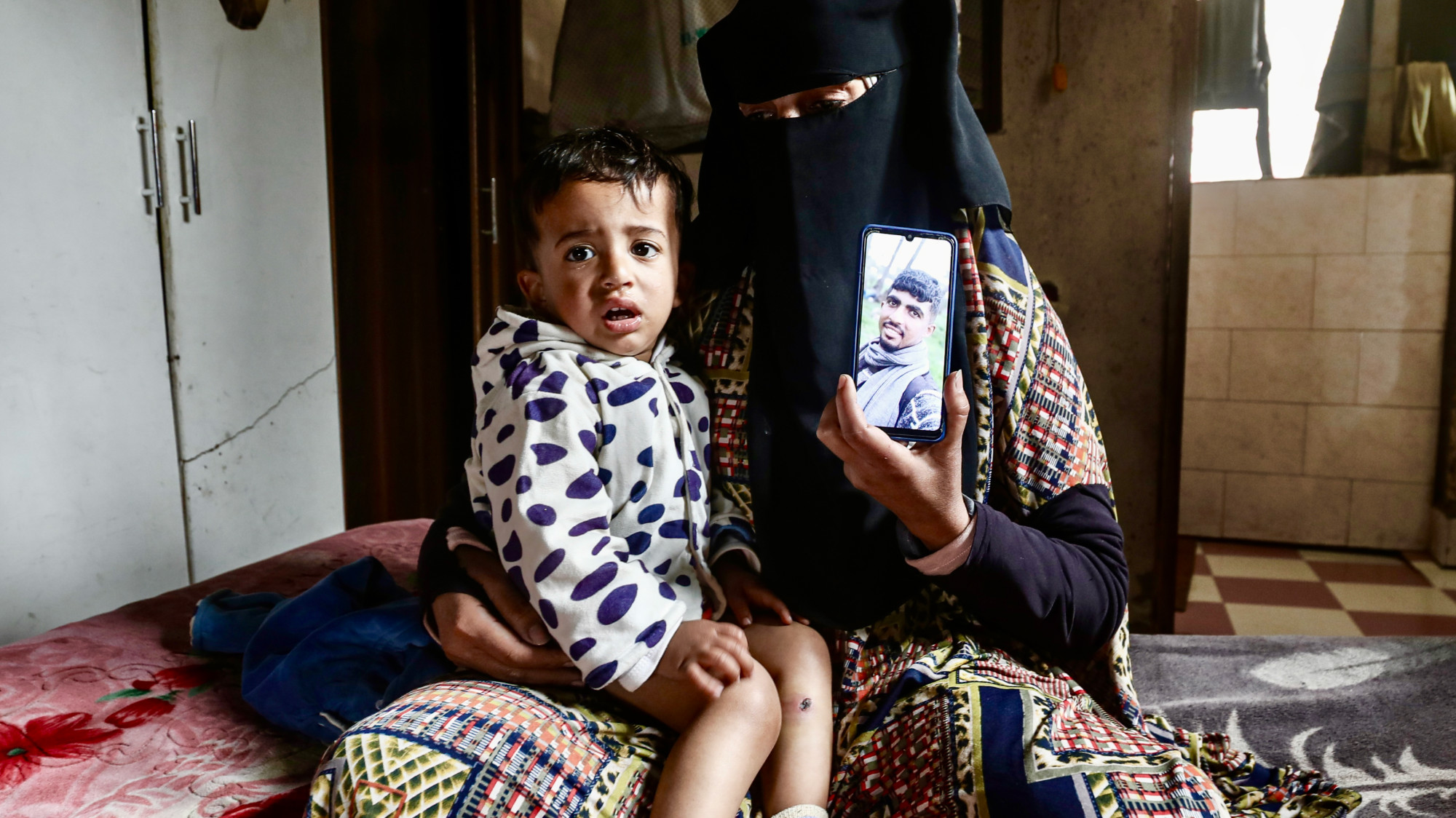
Gaza toddler released from Israeli custody with ‘cigarette burn’ wounds
A 21-month-old Palestinian child has been returned to his family bearing injuries consistent with torture after being held for ten hours by Israeli military personnel in the Gaza Strip. Medical documentation indicates the presence of cigarette burns and puncture wounds on the toddler’s body, raising serious allegations of abuse during detention.
Jawad Abu Nassar was taken into custody alongside his father, Osama Abu Nassar, on March 19 in central Gaza. The incident occurred when Osama, reportedly suffering from severe war-related trauma after losing his home, unborn child, and livelihood, wandered toward Israeli military positions near the Maghazi refugee camp. Eyewitnesses reported that Israeli forces approached Osama after a quadcopter drone sighting, leading to both being detained.
The International Committee of the Red Cross (ICRC) facilitated Jawad’s release approximately ten hours later. Family members discovered blood stains on the child’s clothing and subsequent medical examination revealed concerning injuries. Physicians documented swelling around the knees and wounds consistent with cigarette burns, alongside a penetrating injury suggesting puncture by a sharp object.
According to grandfather Muhammed Husni Abu Nassar, the child has exhibited severe psychological distress since returning home, experiencing high fever, vomiting, and persistent crying while clinging constantly to his mother. When attempting to communicate, Jawad could only utter fragmented words referring to blood and his father’s disappearance.
The Israeli military has categorically denied these allegations, stating through an official spokesperson that claims of abuse are “completely unfounded and serve Hamas propaganda.” The military maintains that the child received appropriate medical care and supervision during detention, describing the father as a “Hamas operative” who endangered the child by bringing him into a dangerous operational area.
This incident occurs amid ongoing tensions along the Gaza ceasefire demarcation line, where numerous Palestinians have reported abuse during detention by Israeli forces. The case has drawn international attention to the treatment of detainees, particularly vulnerable populations, in the conflict zone.
-
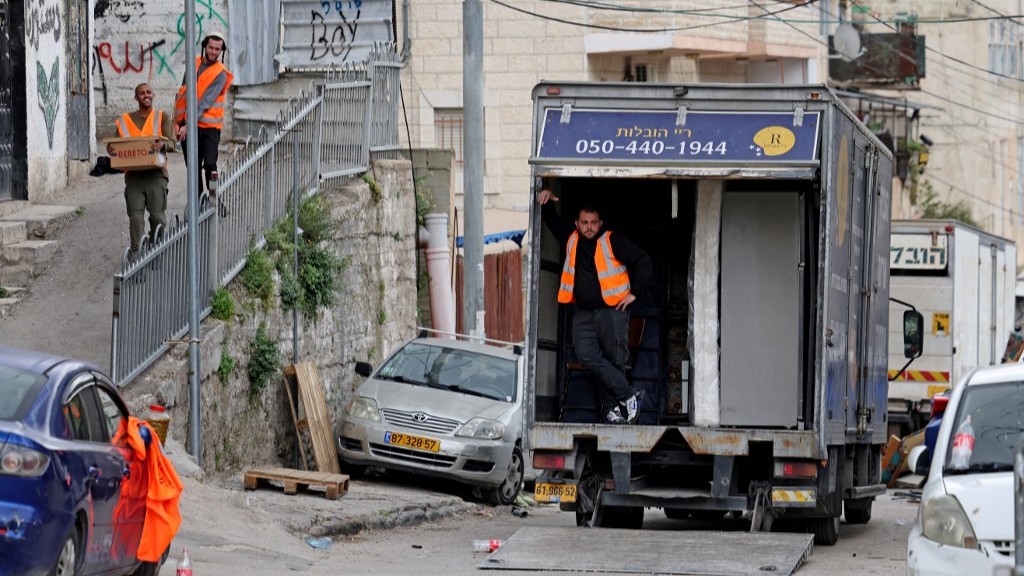
‘Ethnic cleansing’: Israel evicts 11 Palestinian families from Jerusalem neighbourhood
Israeli security forces accompanied settlers into the Batn al-Hawa sector of Silwan, a neighborhood in occupied East Jerusalem, on Wednesday to forcibly displace eleven Palestinian families from their residences. The operation, facilitated by the Ateret Cohanim organization which promotes Jewish settlement in Palestinian areas, resulted in the seizure of thirteen apartments.
Documented video evidence shows settlers discarding Palestinian belongings from windows and hoisting Israeli flags atop the captured buildings. According to the Israeli rights organization B’Tselem, approximately 2,200 Silwan residents currently face imminent threat of forced displacement.
The human rights group condemned these actions as ‘ethnic cleansing,’ alleging the Israeli government is exploiting international focus on tensions with Iran to advance settlement expansion into territories captured during the 1967 war. B’Tselem characterized these measures as systematic, institutionalized violence designed to alter demographic balances through discriminatory laws and achieve ‘Judaization’ of sensitive areas.
Concurrently, escalating violence erupted across the West Bank as dozens of Israeli settlers conducted coordinated attacks against Palestinian communities. Security footage from Saturday shows multiple structures ablaze in the villages of Jalud, Fandaqumiya, Silat ad-Dhahr and Qaryut, with residents attempting emergency evacuations.
The Israeli military confirmed numerous arson attacks by settlers occurred Sunday night. Medical services reported three Palestinians injured from settler assaults in Jalud, with six others wounded near Jenin. The Palestinian news agency Wafa documented additional injuries, noting no arrests have been made in connection with the violence.
-
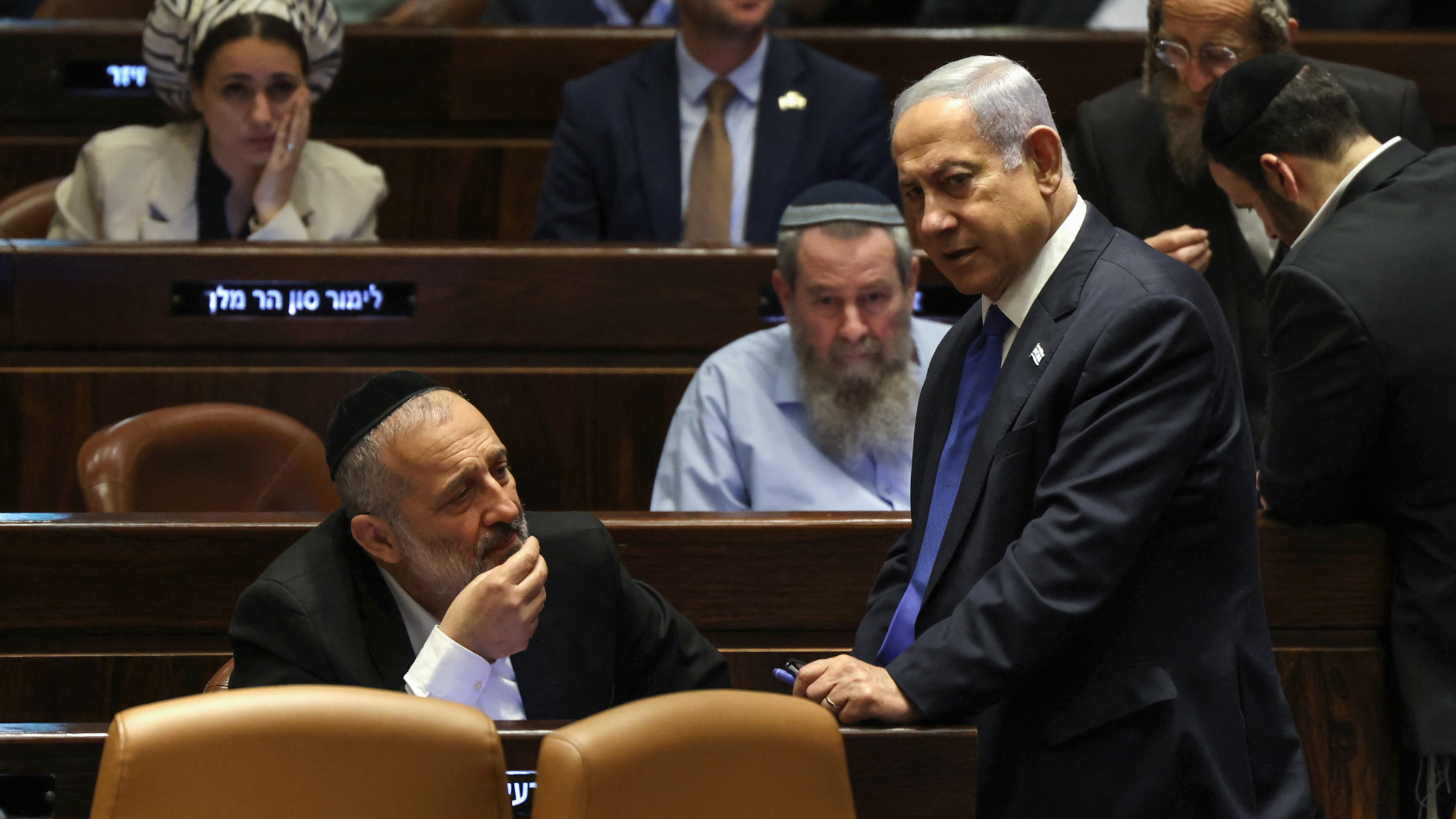
Netanyahu aide’s racist slurs about Mizrahi Jews spark outrage
A major political controversy has erupted in Israel following the disclosure of deeply offensive recordings featuring Prime Minister Benjamin Netanyahu’s close aide making racist comments about Mizrahi Jews. Israeli Channel 12 News revealed Tuesday that Ziv Agmon, serving as Netanyahu’s personal spokesperson and interim chief of staff, made disparaging remarks about several members of the ruling Likud party who are of Mizrahi descent.
In the leaked audio, Agmon referred to Likud parliament members using dehumanizing language, calling Nissim Vaturi a ‘baboon’ and describing Eliyahu Revivo as a ‘retarded Moroccan.’ He additionally questioned how such figures were elected to parliament, suggesting party primaries should be replaced with hand-picked candidates. ‘Who would even know these people? What a bunch of baboons,’ Agmon stated, while dismissing Likud lawmaker Eli Dallal as ‘a nobody.’
The scandal has reignited longstanding tensions regarding ethnic divisions within Israeli society. Mizrahim—Jews with ancestral origins in Muslim-majority countries across North Africa and the Middle East—have historically faced discrimination from Israel’s predominantly Ashkenazi leadership of European descent. Recent studies continue to show significant socioeconomic gaps between these communities.
Agmon’s remarks extended beyond ethnic insults to include criticism of Netanyahu’s leadership. In comments made after the October 2023 Hamas attack, Agmon stated that Netanyahu ‘is finished’ and ‘needs to step down.’ He also made disparaging comments about Sara Netanyahu, the prime minister’s wife, and suggested Egypt should release recordings of conversations with Netanyahu that might imply prior warnings about the attack.
Despite Agmon denying holding racist views and claiming he has been ‘seriously wronged,’ multiple Likud figures have demanded his immediate dismissal. Energy Minister Eli Cohen stated that Agmon’s remarks ‘deserve unequivocal condemnation,’ while Aryeh Deri, leader of the ultra-Orthodox Shas party, criticized Netanyahu’s silence on the matter. Israeli media reported Wednesday that Netanyahu is seeking a replacement for Agmon, who is expected to be removed from his position.
-
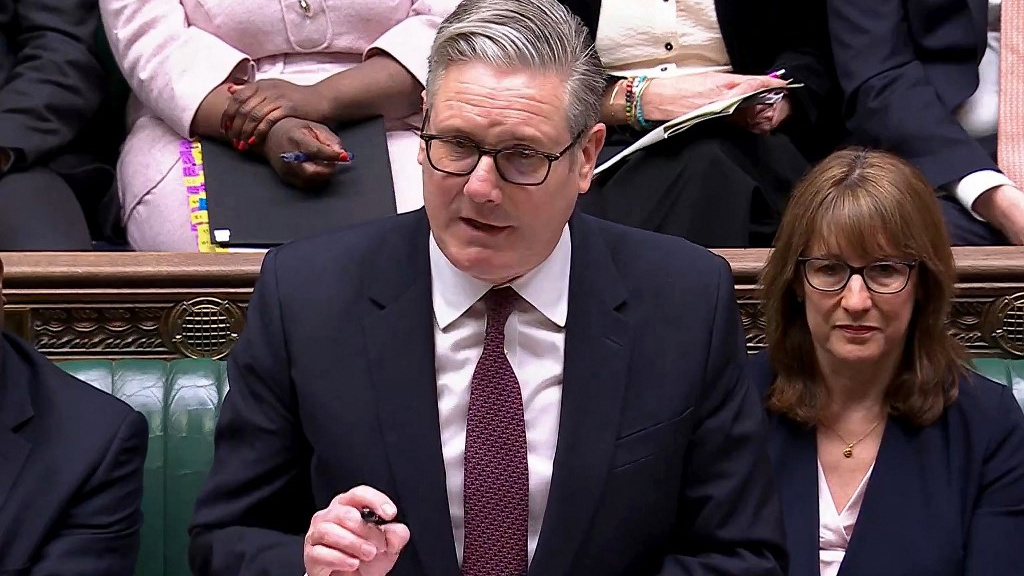
Starmer reaffirms UK support for ICC when asked about Karim Khan exoneration report
British Prime Minister Keir Starmer has publicly reaffirmed the United Kingdom’s institutional support for the International Criminal Court while carefully avoiding commentary on internal proceedings concerning Chief Prosecutor Karim Khan. The declaration came during Wednesday’s parliamentary session when Independent Alliance MP Iqbal Mohamed questioned the prime minister about recent Middle East Eye reports revealing divisions within the ICC’s governing body.
According to exclusive MEE reporting, a judicial panel comprising three senior judges has exonerated Khan of misconduct allegations following a United Nations investigation into sexual misconduct complaints. Despite this clearance, a minority faction within the 21-member bureau of the Assembly of State Parties—the court’s executive governing body—reportedly seeks to disregard the judicial findings, creating significant institutional tension.
The situation emerges against a backdrop of intense political pressure on the ICC regarding its investigation into Israeli officials. Previous reporting indicates that the UK’s former Conservative government, through then-Foreign Secretary David Cameron, allegedly threatened to defund the court and withdraw from the Rome Statute should it pursue arrest warrants against Israeli leaders. Khan formally documented these threats in a December submission to the ICC.
Pressure on Khan escalated notably during key periods: in April 2024 as he prepared warrants for Israeli Prime Minister Benjamin Netanyahu and Defense Minister Yoav Gallant, and again in October 2024 preceding the formal issuance of warrants. The prosecutor faced multiple forms of intimidation including sanctions from the Trump administration, security concerns prompted by alleged Mossad presence in The Hague, and coordinated media leaks regarding misconduct allegations.
Legal experts warn that political interference in judicial matters could severely undermine the ICC’s credibility. International law specialists emphasize that the bureau’s potential disregard of the unanimous judicial findings—despite having appointed the panel itself—would establish a dangerous precedent prioritizing political interests over judicial independence.
The bureau currently faces a complex decision-making process with strict timelines: 30 days for preliminary assessment following the March 9 report delivery, another 30 days for Khan’s response, and a final 30-day period for conclusive determination. With two meetings already conducted without consensus, the outcome remains uncertain as diplomatic maneuvering continues behind closed doors.
-
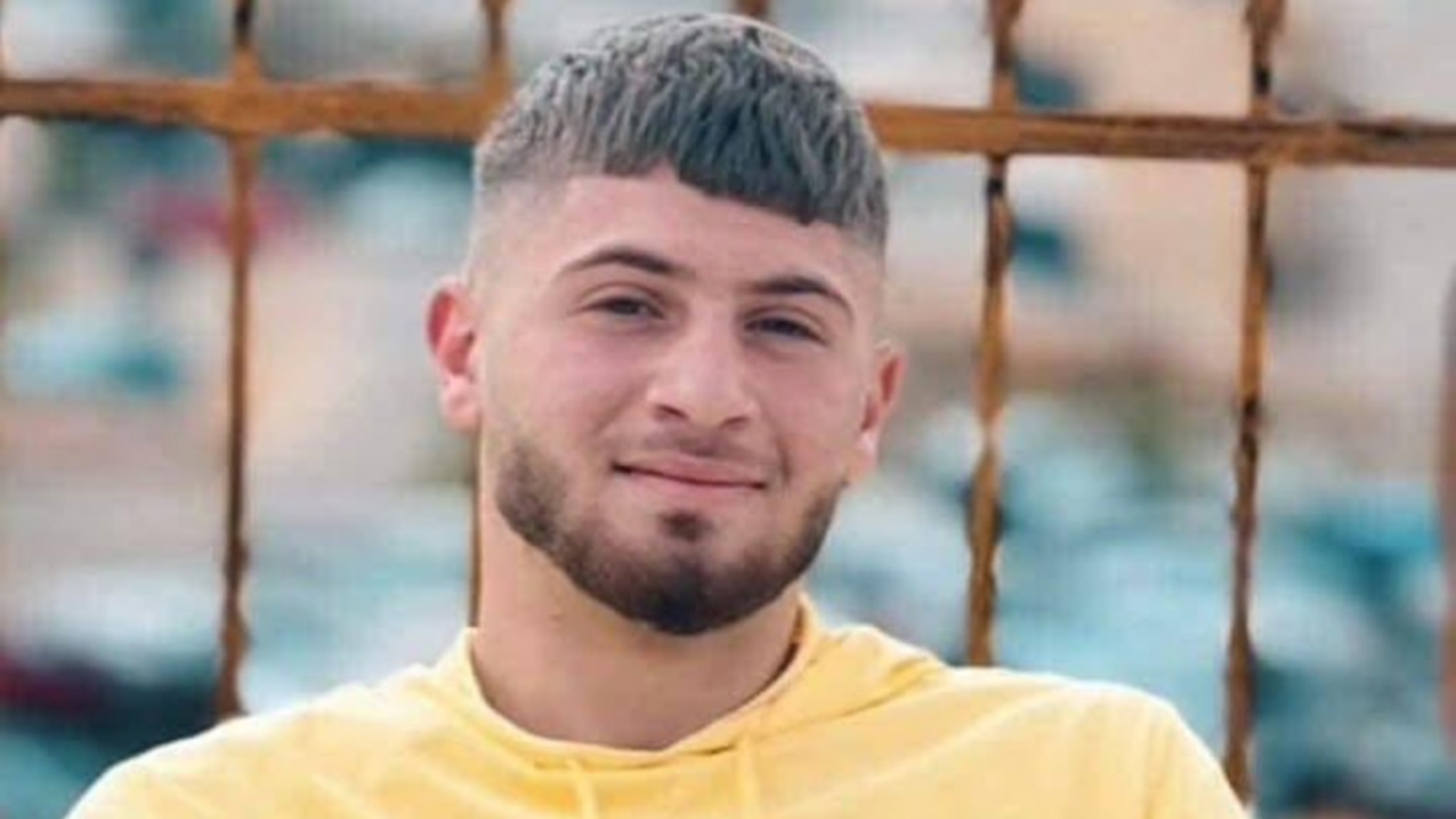
Israeli court closes case into Palestinian teen’s death despite evidence of starvation
A controversial ruling by an Israeli court has ignited widespread condemnation after it terminated the investigation into the death of Walid Ahmad, a 17-year-old Palestinian who perished in custody in March 2025. The teenager, detained six months prior for allegedly throwing stones in the occupied West Bank, died following a significant deterioration in his health, with evidence pointing to severe weight loss and infection.
Judge Ehud Kaplan presided over the decision to close the case, asserting that no direct causal link could be established between the documented physical decline and the immediate cause of death. The ruling, previously under a gag order, became public knowledge on Tuesday, revealing a legal stance that human rights advocates describe as dangerously narrow.
Human rights lawyer Nadia Dakka, who has meticulously followed the proceedings, criticized the judicial outcome as emblematic of a system ill-equipped to address systemic institutional failures. ‘There are clear indications that he died as a result of starvation, yet the court’s discussion was reductively focused on whether starvation was the direct, proximate cause,’ Dakka stated in an interview with Middle East Eye, highlighting the inherent challenge in attributing criminal responsibility in environments of pervasive neglect.
Testimonies gathered by Defence for Children International depict a harrowing final moments for Ahmad. Fellow detainees reported the teenager collapsing from dizziness on March 22, 2025. Their pleas for assistance were allegedly ignored by guards, forcing them to carry Ahmad to a yard gate before he was finally taken away. His detention was further marred by denial of access to legal counsel and family visits.
This incident is not isolated. According to Physicians for Human Rights-Israel (PHRI), at least 94 Palestinians have died in Israeli custody between October 2023 and August 2025, with many fatalities linked to severe medical neglect, physical abuse, and significant health deterioration. Naji Abbas, director of PHRI’s Prisoners and Detainees Department, confirmed a drastic decline in food quality post-October 2023, describing it as a ‘complete change’ rather than a minor deterioration. In some facilities, daily caloric intake reportedly plummeted below 1,200 calories—a stark contrast to the World Health Organisation’s baseline of 2,100 calories for maintaining health in emergency settings.
Dakka and other activists assert that this caloric reduction is part of a declared policy of deterrence. ‘Harsh prison conditions are intended to make potential detainees think twice,’ she explained. This policy is documented through prisoner testimonies, submitted menus, and medical records showing drastic weight loss, with some prisoners losing over 20 kilograms within a year.
The systemic pressure extends beyond prison walls. The Palestinian Prisoners’ Society reports intensified measures against prisoners released via exchange deals, including repeated re-arrests and field interrogations. Approximately 100 such individuals have been re-detained, some multiple times, under military orders that expand authorities’ power to summon and arrest.
The UN’s special rapporteur on Palestine, Francesca Albanese, recently warned in a report that torture in Israel has become ‘state doctrine,’ creating a ‘torturous environment’ that erodes human dignity. This climate has reportedly worsened since National Security Minister Itamar Ben Gvir took office in 2022, fostering a more punitive penal environment characterized by medical neglect, poor hygiene, and overcrowding.
The Sde Teiman facility, where leaked footage previously showed soldiers allegedly raping a detainee, remains a point of contention. Despite sparking investigations, military prosecutors dropped key charges against several soldiers in March 2026, citing evidence handling issues.
Dakka further illustrated the disparity in treatment by recalling an incident during the Iran conflict sirens, where Israeli personnel were instructed to seek shelter while Palestinian detainees were left exposed in their cells. This incident underscores a broader reality where detainee safety is consistently treated as secondary, even during direct security threats, reflecting a deep-seated systemic bias and a culture of impunity.
-
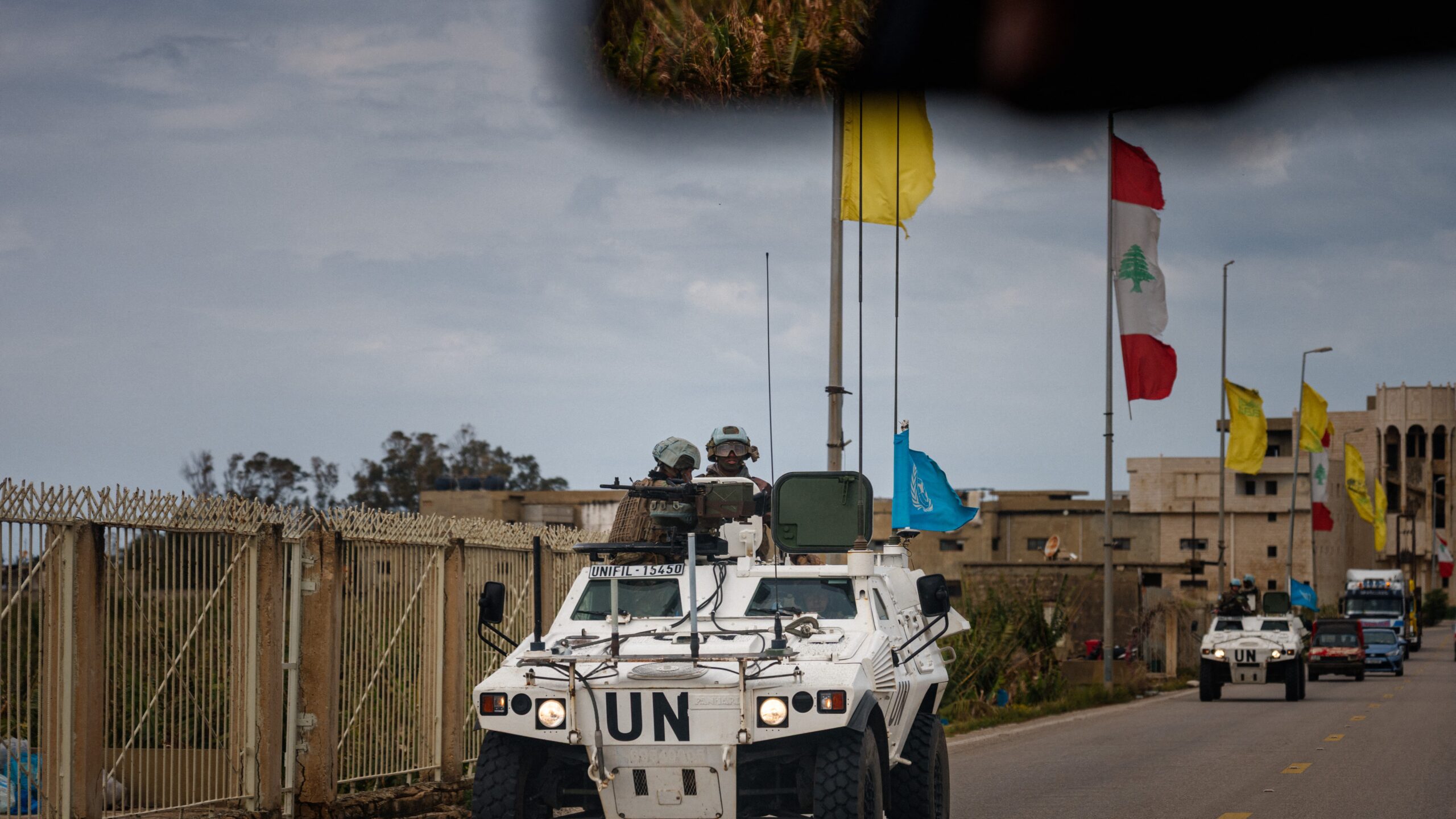
UN confirms Gaza security force to include Kazakhstan, Indonesia and Morocco
The United Nations has formally disclosed the national composition of a proposed international military force intended to maintain stability in the Gaza Strip following recent hostilities. During a pivotal address to the UN Security Council on Tuesday, UN High Representative for Gaza Nickolay Mladenov confirmed that Indonesia, Morocco, Kazakhstan, Kosovo, and Albania have pledged troop contributions to the International Stabilization Force (ISF).
This multinational force represents a central component of the Comprehensive Plan to End the Gaza Conflict, an initiative originally brokered by former US President Donald Trump in September 2025. The strategy envisions the ISF assuming security responsibilities in areas presently under Hamas control, facilitating a transitional period toward sustainable governance.
Mladenov’s announcement marks the first high-level confirmation of participating nations, coming months after a nominal ceasefire agreement took effect in October. Despite this truce, the Palestinian Ministry of Health reports that Israeli operations have resulted in at least 673 fatalities in Gaza since the ceasefire declaration. The broader conflict has claimed over 72,000 Palestinian lives and devastated approximately 80% of Gaza’s infrastructure.
Concurrent with military planning, Mladenov reported progress in establishing the National Committee for the Administration of Gaza—a technocratic transitional body mandated with overseeing reconstruction and governance until the Palestinian Authority can resume control. The committee has reportedly advanced in vetting thousands of civilian police candidates.
Diplomatic challenges continue to complicate the stabilization effort. Indonesia previously threatened withdrawal from Trump’s ‘Board of Peace’ overseeing ISF creation if the arrangement fails to serve Palestinian and Indonesian interests, citing the US-Israeli tensions with Iran as an additional complicating factor. Israeli Prime Minister Benjamin Netanyahu has openly opposed Turkish participation in the force, discouraging contributions from other potential partners including Azerbaijan, Pakistan, and Saudi Arabia. Conversely, Trump expressed openness to Turkish involvement, praising Turkey’s potential contribution.
Mladenov concluded his address by revealing that a comprehensive framework for decommissioning and reintegrating armed groups in Gaza has been developed with US, Egyptian, Turkish, and Qatari support. He urged UN members to encourage Hamas and all Palestinian factions to accept this framework promptly, emphasizing that full implementation of the Comprehensive Plan represents the only viable pathway to durable Israeli security and Palestinian self-determination.