标签: Asia

亚洲

  • Dubai alerts residents to avoid stepping out unless ‘necessary’ till Friday noon

    Dubai alerts residents to avoid stepping out unless ‘necessary’ till Friday noon

    Dubai authorities have escalated emergency preparedness measures as meteorological forecasts indicate deteriorating weather conditions across the United Arab Emirates. The Dubai Police Department has issued an official directive strongly advising residents to refrain from non-essential outdoor activities until Friday at noon due to anticipated severe weather patterns.

    Meteorological authorities project rapid weather deterioration within hours, with the National Centre of Meteorology (NCM) activating a yellow alert status effective until 4:00 PM Friday. The warning specifically identifies western and coastal regions, including Fujairah, as high-risk zones for intense precipitation and electrical storms. Concurrently, powerful winds are forecast to generate substantial dust and sand dispersion, significantly compromising horizontal visibility across affected areas.

    Temperature metrics are expected to drop considerably, with Abu Dhabi anticipating ranges between 17°C and 22°C, while Dubai and Sharjah may experience temperatures of 16-23°C and 15-21°C respectively. This thermal decrease accompanies the predicted precipitation events, creating potentially hazardous conditions for transportation and outdoor activities.

    The advisory emerges within a broader context of regional emergency preparedness initiatives, including recent cancellations of public gatherings such as the Simbang Gabi event originally scheduled for Thursday. These precautionary measures reflect enhanced coordination between meteorological services and civil protection agencies aiming to minimize weather-related risks to public safety and infrastructure.

    Authorities continue to monitor atmospheric developments closely, with digital communication channels remaining active for real-time updates. The coordinated response demonstrates the UAE’s evolving emergency management protocols designed to address increasingly volatile weather patterns in the region.

  • Cambodia counts the cost of its border war with Thailand

    Cambodia counts the cost of its border war with Thailand

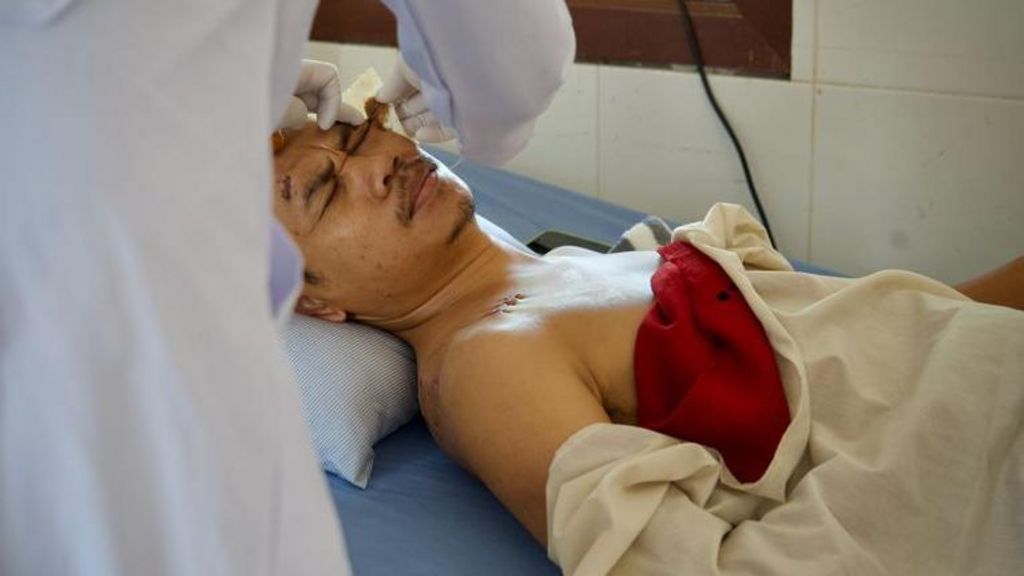
    The simmering border conflict between Thailand and Cambodia has erupted into its most destructive phase in decades, with mounting casualties and infrastructure damage revealing the stark asymmetry between the two Southeast Asian nations. At Mongkol Borei hospital in northwestern Cambodia, the human cost is painfully visible as medical staff treat soldiers with catastrophic injuries from sustained artillery exchanges and airstrikes.

    Dr. Sar Chanraksmey, an anesthetist at the facility, displayed graphic images of blast injuries on his trembling phone while pleading for international attention. ‘My heart aches,’ he told reporters. ‘Please tell the world we just want peace.’

    The current hostilities, which resumed on December 7th, represent the second major outbreak of violence in six months and have already surpassed July’s five-day conflict in both duration and destructiveness. The fighting centers on disputed forested hilltops along the 800-kilometer border, but has expanded to include strategic bombing campaigns deep inside Cambodian territory.

    Thailand’s military superiority has proven decisive. With Cambodia possessing limited air defenses and no meaningful air force, Thai F-16 jets have conducted bombing runs with impunity. A key Chinese-built bridge over the Me Teuk river in Pursat province now bears a 20-meter gap where Thai bombs struck, severing a vital transportation link between Cambodia’s southern border regions and the interior.

    The human toll appears dramatically lopsided. While Thailand acknowledges 21 military fatalities, estimates suggest Cambodian losses number in the hundreds—a disparity underscoring Thailand’s better-equipped armed forces. Civilian displacement has reached crisis levels, with approximately 480,000 Cambodians uprooted from their homes and over 700,000 migrant workers returning from Thailand amid rising hostility.

    The economic impact continues to deepen with the complete cessation of the $5 billion annual border trade. Meanwhile, Thailand has strategically targeted casino complexes associated with Cambodia’s lucrative scam industry, exploiting what international observers see as a vulnerability in Cambodia’s moral standing.

    Diplomatic efforts have stalled against Thailand’s hardened position. Prime Minister Auntin Chanvirakul has rejected ceasefire appeals from both Cambodia and international mediators including former President Trump, stating bluntly: ‘We don’t have to listen to anyone.’ Thai military commanders insist fighting must continue until Cambodia ‘no longer poses a threat on the border.’

    The conflict’s roots extend beyond the 120-year territorial dispute. Thailand remains embittered by what it perceives as Cambodian provocation, including leaked diplomatic communications by Cambodian leader Hun Sen that contributed to the collapse of Thailand’s previous government, and allegations that Cambodian forces laid landmines during the July ceasefire.

    With Thailand facing elections in February and nationalist sentiments surging on both sides, the prospects for near-term de-escalation appear dim. Both nations have embraced familiar narratives—Cambodia playing the victim seeking international intervention, Thailand positioning itself as the bully enforcing regional stability—but the amplification of these stereotypes through social media has created unprecedented public animosity that constrains diplomatic flexibility.

  • Visa-free measures spur surge in visitors

    Visa-free measures spur surge in visitors

    China’s tourism landscape has undergone a remarkable transformation following the implementation of its expanded visa-free transit policy, with official statistics revealing unprecedented growth in foreign arrivals. According to the National Immigration Administration, China welcomed approximately 40.6 million foreign nationals through its ports in the past year, representing a substantial 27.2% year-on-year increase.

    The cornerstone of this tourism boom is the optimized 240-hour visa-free transit policy, officially launched on December 17, 2024. This comprehensive policy unified and extended previous 72-hour and 144-hour transit options, now permitting citizens from 55 eligible countries to stay for up to 10 days without a visa. The program encompasses 65 open ports across 24 provincial regions, with Indonesia joining the list of eligible countries on June 12, 2025, and five additional ports incorporated on November 5.

    Major metropolitan centers have witnessed extraordinary uptake of the policy. Beijing recorded over 3.4 million foreign arrivals, with 55% utilizing visa-free transit. Shanghai saw nearly 5.35 million inbound foreign visitors, 56% benefiting from the policy, while Guangzhou Baiyun International Airport processed more than 3.2 million foreign entries, with over 57% opting for visa-free transit.

    Infrastructure enhancements have been crucial to managing the increased traffic. Transportation hubs have implemented “one-stop processing” and online declaration services, with Beijing reducing average waiting times by 15 minutes per traveler. Multilingual service teams now provide guidance and consultation services throughout major ports.

    The policy’s impact extends beyond tourism, significantly improving China’s business environment by allowing sufficient time for commercial inspections, negotiations, and conferences. Arjun Dev Grover, an American traveler, shared his experience: “This is perfect—it’s too good to be true. Since my stay in China was under 10 days, I didn’t have to pay anything for the application process.” He particularly noted China’s modern infrastructure, friendly locals, and safe, clean environment.

    Data from Qunar.com reveals that bookings by foreign passport holders increased by 20% year-on-year in 2025, covering 175 destination cities. Smaller municipalities like Datong in Shanxi province and Yichun in Jiangxi province experienced over 300% growth in foreign visitors. Japan, South Korea, Vietnam, Malaysia, Singapore, and the United States emerged as top source countries.

    Veteran tour guide Zeng Liangliang, with 20 years of experience in Xiamen, confirmed that foreign tourist numbers have “surged multiple times” in major cities, with increasing numbers arriving for family visits and conferences, signaling a broad-based positive impact on China’s tourism and business sectors.

  • ‘We are not from Bangladesh, we are Indian. Why did they do this to us?’

    ‘We are not from Bangladesh, we are Indian. Why did they do this to us?’

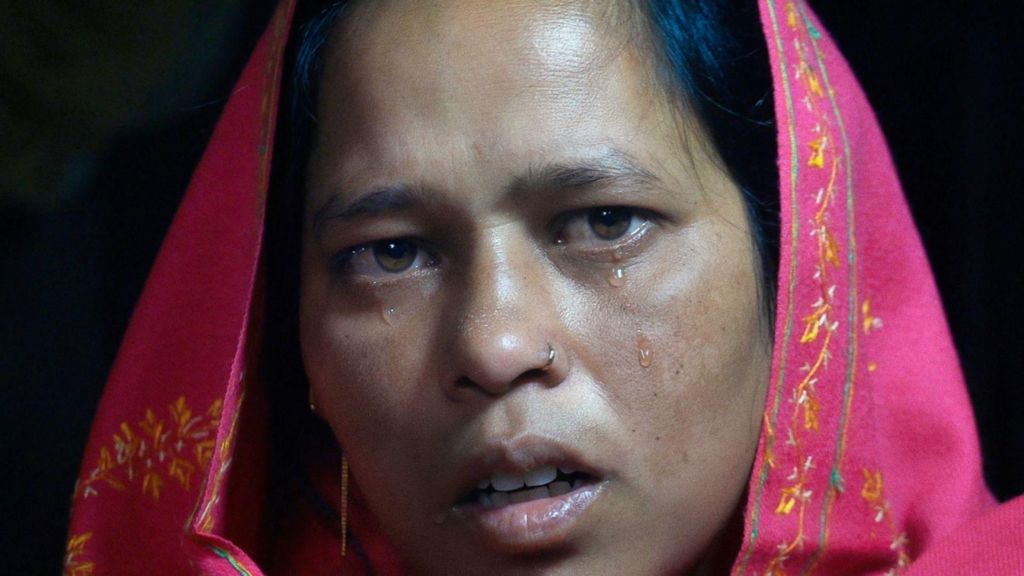
    A pregnant Indian woman’s ordeal has exposed alarming practices in India’s immigration enforcement, raising serious questions about due process and human rights protections. Sunali Khatun, 25, returned to India earlier this month after being forcibly deported to Bangladesh with her family in June, despite claiming Indian citizenship throughout the process.

    The domestic worker from West Bengal was detained in Delhi alongside her husband, Danish Sheikh, and their eight-year-old son. Authorities accused them of being illegal immigrants from Bangladesh and proceeded with deportation without verifying their claims with their home state—a violation of standard protocol according to West Bengal Migrant Workers Welfare Board chairman Samirul Islam.

    Khatun’s case represents hundreds of similar incidents occurring in recent months. While Delhi hasn’t released official deportation statistics, Bangladeshi government sources indicated over 1,200 people were ‘illegally pushed in’ during May alone, coinciding with an All India Radio report documenting approximately 700 deportations from Delhi that same month.

    The family endured more than 100 days in a Bangladeshi prison under harsh conditions. Khatun describes inadequate food for her pregnancy and cells without proper sanitation facilities. ‘I was scared because it was just my son and me. All we did was cry,’ she recounts.

    India’s Supreme Court eventually intervened on humanitarian grounds, permitting Khatun and her son to return while her citizenship undergoes investigation. Her husband remains in Bangladesh, released on bail but separated from his family. Their seven-year-old daughter was left behind in India during the initial detention, creating additional trauma.

    Khatun alleges disturbing details about their forced removal: after detention by Delhi police, they were flown to the India-Bangladesh border and ‘pushed’ across by Border Security Force personnel into dense forest terrain. When they attempted to re-enter India using routes suggested by locals, BSF guards allegedly beat members of their group and returned them to the forest.

    The case has sparked significant political controversy, with the West Bengal government accusing the federal Bharatiya Janata Party-led administration of conducting deportations without cause. Rights activists note a concerning pattern suggesting these actions disproportionately target Bengali-speaking Muslims, despite the cultural and linguistic similarities between West Bengal and Bangladesh that have historically facilitated migration across their porous 4,096-kilometer border.

    Khatun now lives with her parents in West Bengal, anxious about her husband’s situation and uncertain how she will support her two children and impending newborn. ‘We may not make enough money to eat three square meals if we live here,’ she acknowledges, ‘but I will never go back to Delhi.’

    The Supreme Court continues to hear her case as questions mount about India’s deportation practices and their compliance with human rights standards.

  • Spotlight on Bhupat Seemar as Meydan gears up for Festive Friday

    Spotlight on Bhupat Seemar as Meydan gears up for Festive Friday

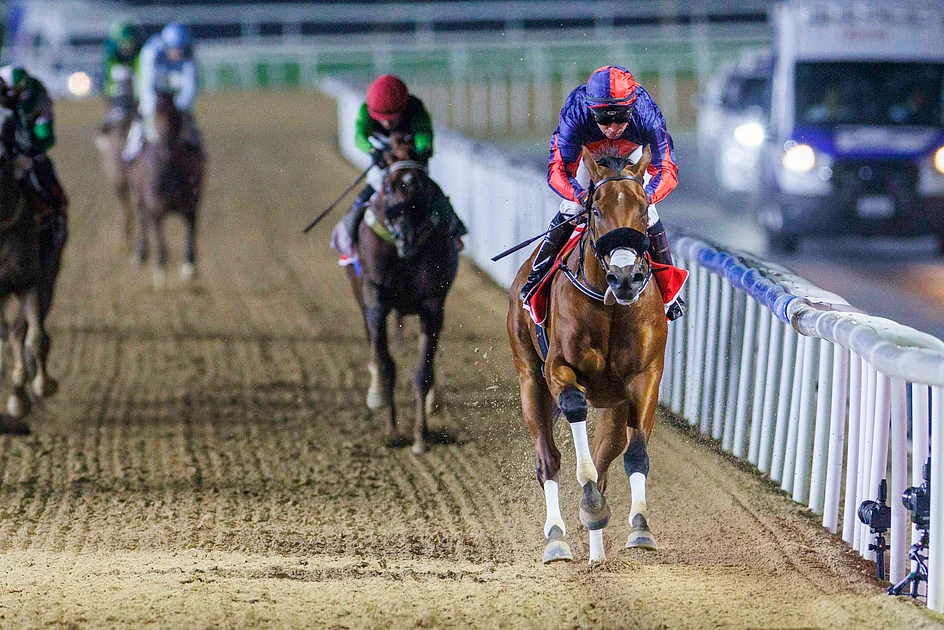
    The Meydan Racecourse launches its 2025-2026 Dubai Racing Carnival with a spectacular Festive Friday event, blending elite thoroughbred competition with holiday celebrations. This meeting marks the first of three themed race nights leading into a landmark 2026 season that will celebrate the 30th anniversary of the $12 million Dubai World Cup, among the globe’s most prestigious flat races.

    Featuring nine high-stakes races worth over $30.5 million in total prize money, the evening offers crucial insights for the March 28 World Cup meeting while providing festive entertainment for both casual spectators and racing purists. Emaar, the UAE’s premier property developer and pillar partner of the Dubai Racing Carnival, sponsors the entire race card.

    The centerpiece event is the Dh1 million Al Maktoum Mile (G2), a one-mile dirt contest renowned for producing Dubai World Cup contenders. This year’s edition features an unprecedented participation from former two-time UAE champion trainer Bhupat Seemar, who saddles eight of the 13 runners—the highest number ever fielded by a single trainer in the race’s three-decade history. Seemar’s contingent includes Imperial Emperor, a G2 Al Maktoum Classic winner who progressed to last season’s Dubai World Cup, along with promising runners Mendelsson Bay, Killer Collect, and Kentucky Derby participant West Saratoga.

    Challengers to Seemar’s dominance include proven Group 1 winner King Gold, last year’s Godolphin Mile runner-up, and defending champion Meshtri attempting to become only the second horse to achieve back-to-back victories in this contest.

    The turf feature is the Dh850,000 Al Rashidiya (G2), serving as an early indicator for the G1 $5 million Dubai Turf on World Cup night. Godolphin trainer Charlie Appleby, a five-time winner of this race, fields a powerful trio including the highly-regarded Opera Ballo, four-time Group 1 winner Nations Pride, and Meydan-proven First Conquest. They face international competition from Irish raider Chicago Critic and French Group winner Caramelito in what promises to be a tactical 1800-meter contest.

    For newcomers, Festive Friday provides an ideal introduction to Dubai’s world-class racing scene, featuring a mix of Group 1, Group 2, and Listed contests that showcase both established champions and emerging talent.

  • President’s proposal to subsidise hair loss treatment splits South Korea

    President’s proposal to subsidise hair loss treatment splits South Korea

    South Korean President Lee Jae Myung has ignited a national debate by proposing that the country’s national health insurance should cover treatments for hereditary hair loss. During a government briefing this week, President Lee challenged the conventional classification of hair loss treatments as merely cosmetic, asserting they should be recognized as “a matter of survival” for many citizens.

    This proposition has generated polarized reactions across the nation. While many social media users have praised the initiative, hailing Lee as the “best president in history,” others remain skeptical of its necessity and financial viability. Current policy already covers hair loss resulting from medical conditions, but Health Minister Jeong Eun-kyeong clarified that hereditary pattern baldness is excluded because it is not life-threatening.

    The debate unfolds against the backdrop of South Korea’s renowned beauty standards, where appearance holds significant social and professional weight. Official data reveals that 40% of the 240,000 people who sought medical help for hair loss last year were in their 20s and 30s, highlighting a pressing concern among the youth. Individuals like Lee Won-woo, 33, describe how hair loss severely impacts self-confidence and daily life, though he questions the financial logic of subsidization given the insurance system’s record deficit of 11.4 trillion won ($7.7 billion) last year.

    Critics, including the Korean Medical Association, argue that limited public funds should prioritize more severe diseases and vulnerable groups. Many citizens have expressed frustration on social media, comparing the proposal to a “bad joke” when issues like high suicide rates and misogyny demand greater attention. President Lee, who first championed this policy during his unsuccessful 2022 campaign, has also suggested adding obesity drugs to the insurance scheme, emphasizing the need to address youth-specific concerns. Political analysts speculate the move may be a strategic gesture to consolidate support among young male voters ahead of the 2026 local elections, though serious implementation remains uncertain.

  • With only quarter of her vision, how this Emirati artist uses camera as her ‘second eye’

    With only quarter of her vision, how this Emirati artist uses camera as her ‘second eye’

    Abu Dhabi-based cinematographer Aldana Alhashmi has redefined creative possibility by transforming profound visual impairment into a unique artistic advantage. Diagnosed with bilateral retinoblastoma—an exceptionally rare eye cancer—at just six months old, Alhashmi now navigates the world with only 25% vision in her left eye after extensive chemotherapy and radiation treatments.

    Her childhood, marked by lengthy international medical visits, became the foundation for her artistic journey. “My family brought sketchbooks and art supplies to hospital appointments to keep me occupied during endless waits for scans and tests,” Alhashmi recalls. This early exposure evolved into exceptional artistic skill, earning her recognition as the youngest Emirati fashion designer by age eight.

    Rather than viewing her condition as a limitation, Alhashmi describes her camera as a technological extension of herself—a “second eye” that captures details she might otherwise miss. “When I look through the viewfinder, I use one side of my eye, much like how vintage cameras operate. It felt tailor-made for me,” she explains. This perspective has fueled her professional success, including assistant director roles on three Netflix series filmed in the UAE and a recently completed master’s degree in cinematography.

    Alhashmi’s journey involved significant educational barriers. She recounts how her mother became a daily advocate at her school, fighting for inclusion during the UAE’s early efforts toward educational integration. A particularly impactful challenge came from a school principal who repeatedly denied her opportunities to participate in stage performances. “This rejection forced me to mature quickly and fueled my determination to exceed even able-bodied expectations,” she notes.

    Her advocacy recently culminated in the Dome of Inclusion project, a collaborative installation with Canadian University Dubai, Dubai Holding Entertainment, and ImInclusive. Alhashmi contributed tactile elements representing Emirati culture—Sadu-inspired textures and fabrics symbolizing sea, sun, sand, and desert—ensuring blind visitors could experience the art through touch. The project, which also featured 3D tactile artworks and sign language components, received a memorable visit from Sheikha Latifa, whom Alhashmi describes as a role model for arts advocacy.

    “I integrate disability into my art not for sympathy, but for empathy,” Alhashmi emphasizes. “My goal is to foster understanding and empowerment, encouraging society to see capability beyond physical limitations.”

  • UAE cements position among world’s fastest-growing economies in 2025

    UAE cements position among world’s fastest-growing economies in 2025

    The United Arab Emirates has solidified its status as one of the world’s premier economic growth stories in 2025, demonstrating remarkable resilience and diversification beyond its traditional oil sector. According to recently released data, the nation’s non-oil foreign trade surged by an impressive 24.5% during the first half of the year, reaching Dh1.7 trillion—a growth rate approximately fourteen times faster than the global average.

    This economic transformation stems from multiple strategic factors including robust foreign and domestic investment, business-friendly regulatory reforms, and a flexible economic environment. The UN Conference on Trade and Development’s World Investment Report 2025 positioned the UAE tenth globally for inbound foreign direct investment, recording Dh167.6 billion in 2024.

    Financial institutions have responded positively to the UAE’s economic trajectory. The International Monetary Fund upgraded its 2025 growth forecast to 4.8%, while major rating agencies including Fitch, Moody’s, and S&P Global reaffirmed the country’s sovereign ratings, highlighting strong economic performance and prudent fiscal management.

    The Central Bank of the UAE reported substantial growth in banking sector assets, which climbed to Dh5.19 trillion by September 2025, with gross credit expanding to Dh2.47 trillion. Simultaneously, the institution launched the National Financial Inclusion Strategy 2026–2030 to enhance financial service accessibility and strengthen systemic stability.

    Real GDP expanded by 4.2% year-on-year to Dh929 billion in H1 2025, with non-oil GDP growing even faster at 5.7% to Dh720 billion. This represents a significant structural shift, with non-oil activities now constituting 77.5% of real GDP while oil-related contributions account for just 22.5%.

    The government has further demonstrated its commitment to economic development through the approval of a record Dh92.4 billion Federal Budget for 2026. Industrial development received a major boost through the Ministry of Industry and Advanced Technology’s agreements with national banks, securing over Dh40 billion in financing. The “Make it in the Emirates” platform concluded its fourth edition with industrial projects valued at more than Dh11 billion and unprecedented attendance exceeding 122,000 visitors.

    Strategic vision documents approved in 2025 include the National Investment Strategy 2031, featuring twelve programs and thirty initiatives designed to increase annual foreign investment inflows from Dh112 billion in 2023 to Dh240 billion by 2031. The strategy aims to expand the UAE’s total foreign investment stock from Dh800 billion to Dh2.2 trillion. Complementary initiatives include the establishment of a National Investment Fund with initial capital of Dh36.7 billion and the UAE Strategy for Islamic Finance and Halal Industry to cement the country’s global hub status.

    Entrepreneurship and business formation have flourished, with the launch of the “UAE Future 50” initiative across fifteen sectors and a national campaign positioning the country as a global capital for entrepreneurs. The program targets the training and incubation of 10,000 entrepreneurs. Business registration data reveals extraordinary activity, with over 220,000 new companies established between January and November, accompanied by more than 36,000 new trademarks—a 48.2% increase from the previous year.

    The UAE has additionally strengthened its position as an international trade gateway through expanded comprehensive economic partnership agreements. The introduction of the “UAE Global Centre of Trade” program targets the world’s top 1,000 international trading companies, while a new digital gateway connects thousands of UAE exporters to global markets. Intellectual property protection has seen remarkable growth, with 402,311 registered national and international trademarks by September—including nearly 20,000 registered in the first half of 2025 alone, representing a 129% year-on-year increase.
  • Heavy rains in UAE: Public parks, outdoor attractions close as unstable weather hits country

    Heavy rains in UAE: Public parks, outdoor attractions close as unstable weather hits country

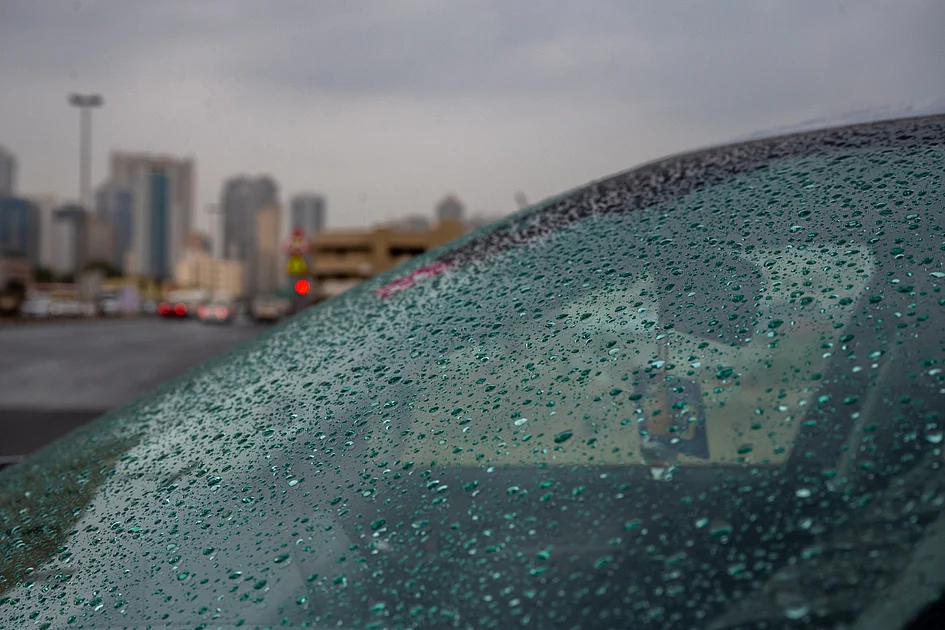
    A significant low-pressure weather system has prompted comprehensive safety measures across the United Arab Emirates, resulting in the temporary closure of numerous public facilities and attractions. Municipal authorities in Dubai, Sharjah, and Ajman have proactively shut down public parks, beaches, and open-air markets through Friday, December 19th, prioritizing resident and visitor safety amid deteriorating conditions.

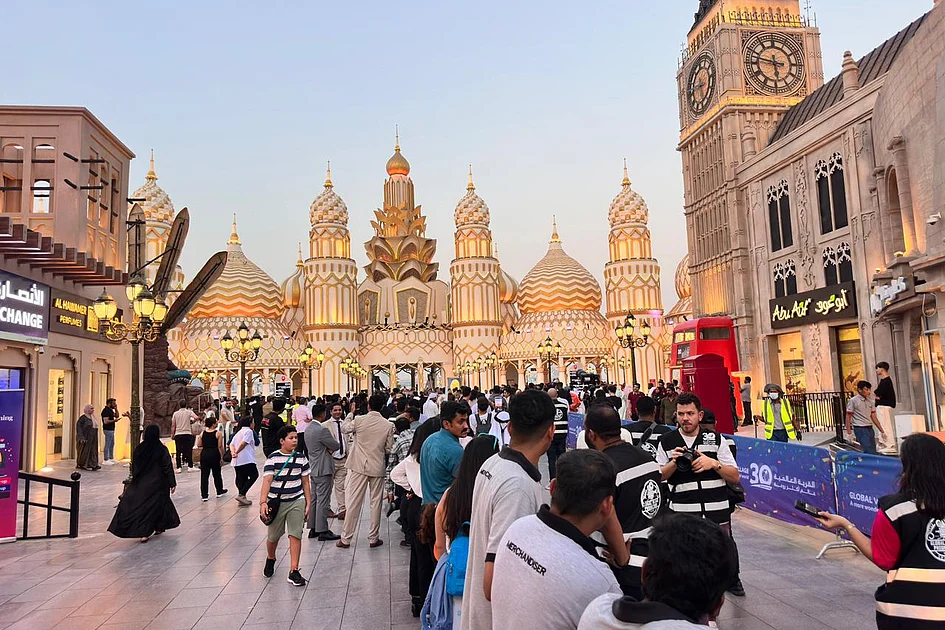
    The precautionary measures extend beyond recreational areas, with Dubai Safari Park and Sharjah Safari Park both announcing closures to ensure the welfare of both animals and guests. Global Village, a major entertainment destination, has suspended operations until further notice, while Al Shindagha Museum closed its doors Thursday afternoon, monitoring conditions for potential Friday reopening.

    Event cancellations and postponements have also been implemented across the Emirates. The traditional Filipino Simbang Gabi outdoor mass in Dubai was cancelled due to weather conditions, while Ras Al Khaimah’s Department of Economic Development postponed the Lamsat Wataniah 2025 Exhibition indefinitely, promising new dates once conditions stabilize.

    Meteorological reports indicate the unstable weather pattern is expected to intensify into thunderstorms Thursday night and Friday morning, bringing heavy rains and strong winds that have already caused waterlogged roads and challenging commute conditions throughout the region. Authorities continue to monitor the situation closely and urge residents to follow official instructions and weather updates.

  • Why motherhood is a career accelerator, not a pause

    Why motherhood is a career accelerator, not a pause

    A transformative perspective is emerging that redefines motherhood not as a career interruption but as a powerful leadership incubator. Contrary to persistent workplace myths that frame maternity leave as professional stagnation, evidence reveals this life transition actually cultivates exceptional executive capabilities.

    The maternal journey represents a profound metamorphosis that sharpens critical leadership competencies. Women returning from maternity breaks demonstrate enhanced decision-making capacities forged through managing complex domestic scenarios. They develop Olympian-level emotional intelligence by interpreting subtle cues and micro-expressions, skills directly transferable to team management and client relations.

    Motherhood instills ruthless prioritization abilities, eliminating performative busyness in favor of focused productivity. The constant negotiation required with young children creates master negotiators who understand persuasion dynamics. Perhaps most significantly, mothers develop unwavering boundary-setting skills, recognizing that time represents both economic value and personal sustainability.

    Despite these transformative gains, many returning professionals face workplace reintegration challenges. The solution lies in strategic negotiation centered on four pillars: role clarity discussions that eliminate ambiguity, productivity-focused schedule architecture that frames flexibility as a business advantage, resource allocation for reintegration support, and compensation negotiations that reflect expanded capabilities rather than diminished value.

    Organizations that recognize maternal acceleration as leadership development stand to gain immensely. The very skills that make effective mothers—decisiveness, emotional intelligence, negotiation mastery, and strategic boundary-setting—represent precisely the competencies that drive organizational success in today’s complex business environment.