标签: Asia

亚洲

  • Hong Kong mourns firefighter killed in city’s deadliest fire in decades

    Hong Kong mourns firefighter killed in city’s deadliest fire in decades

    Hong Kong observed a somber day of mourning as citizens gathered outside Universal Funeral Parlour on Friday to honor firefighter Ho Wai-ho, among the 160 victims of the city’s most devastating fire in recent decades. The 37-year-old perished while combating an inferno that consumed seven buildings at Wang Fuk Court housing complex on November 26, subsequently receiving posthumous recognition as senior fireman for his ultimate sacrifice.

    The funeral procession witnessed profound displays of collective grief and respect. Mourners dressed in black offered floral tributes and bowed solemnly before the funeral home, where thank-you cards from grateful residents adorned the walls. Hong Kong’s leadership, including Chief Executive John Lee, joined uniformed personnel and civilians in paying final respects.

    Ceremonial honors unfolded as pallbearers carried Ho’s flag-draped coffin past dozens of saluting firefighters. The hearse, bearing the fallen hero’s portrait, proceeded to the fire’s origin site at Wang Fuk Court for additional memorial rites before continuing to his former station. There, colleagues formed an honor guard flanking the vehicle in a final procession toward Gallant Garden, the designated resting place for civil servants who die in service.

    Personal testimonials highlighted Ho’s character and unmet potential. Retiree Tse Pak-yin noted the firefighter’s unmarried status as particularly tragic, while resident Andy Fong expressed how the tragedy ‘saddened every Hong Konger’ despite personal unfamiliarity. Ho is survived by parents, two brothers, and a fiancée.

    The fire department formally remembered Ho as ‘industrious, polite and dedicated’ in an official statement, emphasizing his respected standing among peers. Meanwhile, the November blaze—the territory’s deadliest since 1948—has prompted serious safety evaluations after investigations revealed substandard plastic netting and foam window boards accelerated flame propagation across renovation scaffolding.

    With thousands displaced into temporary accommodations, the catastrophe has ignited public scrutiny over building maintenance oversight. Authorities have established a judge-led investigative committee tasked with determining causation within nine months, concurrently implementing enhanced netting standards checks to prevent future tragedies.
  • What to know about the possible impact of Japan’s rate hike

    What to know about the possible impact of Japan’s rate hike

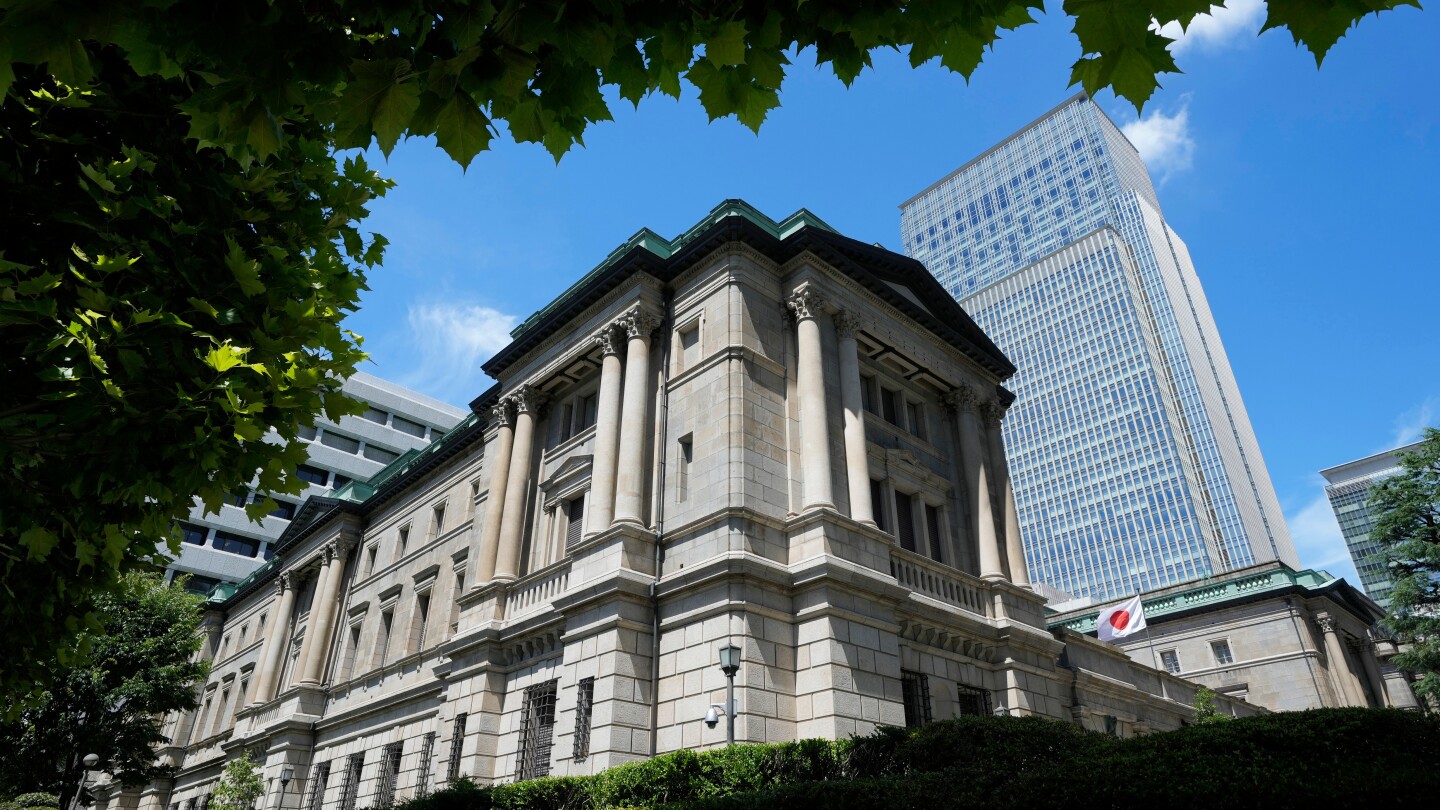
    Financial markets worldwide are preparing for potential turbulence as the Bank of Japan concludes its final policy meeting of the year with expectations of implementing its first significant interest rate increase in decades. Analysts project the central bank will raise its benchmark rate by 0.25 percentage points to 0.75%, marking the highest level since September 1995 and representing a dramatic shift from Japan’s long-standing ultra-loose monetary policy.

    This anticipated move comes despite Japan’s economy contracting at a 2.3% annual rate in the most recent quarter, contrasting sharply with other major economies where central banks have begun cutting rates after previous hikes to combat inflation. The BOJ’s potential decision reflects mounting concerns about entrenched inflation pressures and improved business sentiment, signaling a fundamental policy normalization after years of negative or near-zero rates designed to combat deflation.

    The Japanese yen’s significant depreciation against the U.S. dollar—currently trading near 156 yen to the dollar, nearly double its 2012 value—has accelerated imported inflation, particularly for essential goods like food and fuel. This currency weakness, combined with strong global demand for dollar-denominated AI-related investments, has created sustained price pressures that now outweigh the BOJ’s traditional deflation concerns.

    Market analysts warn that even this modest rate increase could disrupt the popular ‘carry trade’ strategy, where investors borrow cheap yen to invest in higher-yielding assets abroad. Such disruption could trigger cascading effects across global markets, including cryptocurrencies, as witnessed recently when bitcoin prices dropped below $86,000 on rate hike speculation.

    BOJ Governor Kazuo Ueda faces the delicate challenge of timing further normalization while supporting economic growth, with market participants closely monitoring his Friday remarks for clues about future rate trajectory. The central bank’s shift represents a historic departure from the ‘big bazooka’ easing policies initiated in 2013 and underscores Japan’s ongoing struggle to balance inflation containment with sustainable economic expansion amid demographic challenges.

  • India’s push for battery recycling promises jobs, clean energy and mineral security

    India’s push for battery recycling promises jobs, clean energy and mineral security

    BENGALURU, India — India’s emerging battery recycling sector represents a critical frontier in the nation’s transition to clean energy, presenting both substantial opportunities and complex challenges. Over the past decade, a nascent industry has developed to extract valuable minerals—including lithium, cobalt, and nickel—from electric vehicle batteries, smartphones, and consumer electronics. These recovered materials are increasingly feeding India’s expanding electric vehicle market and solar power infrastructure, potentially reducing the country’s reliance on imported critical minerals.

    According to a November study by renewable energy think tank RMI, a formalized battery recycling system could generate approximately 100,000 green jobs while satisfying nearly 40% of India’s demand for essential minerals. The report projects this recycling industry could reach a valuation of $9 billion as battery demand—primarily driven by electric vehicles—continues to surge dramatically.

    Marie McNamara, RMI India program manager and report co-author, emphasizes the unique advantage of battery materials: “Unlike plastics, these materials can be recycled perpetually while maintaining their material strength and quality after refinement.”

    Despite this potential, significant obstacles remain. India currently possesses 60,000 tons of battery recycling capacity, though not all is utilized due to underdeveloped supply chains connecting recovered materials to manufacturing facilities. This gap partially stems from India’s extensive informal recycling workforce, estimated at four million workers who handle various scrap materials without formal contracts or regulatory oversight.

    India’s government demonstrated policy initiative by implementing battery waste management rules in 2022, mandating environmentally safe disposal practices and establishing specific collection and recycling targets for battery producers. The regulations include substantial penalties for violations but lack established outlets for discarded batteries, forcing companies to develop individual recycling systems. Energy expert Jaideep Saraswat of the Vasudha Foundation notes that while India has moved “surprisingly fast from a policy perspective,” the essential recycling supply chain remains underdeveloped.

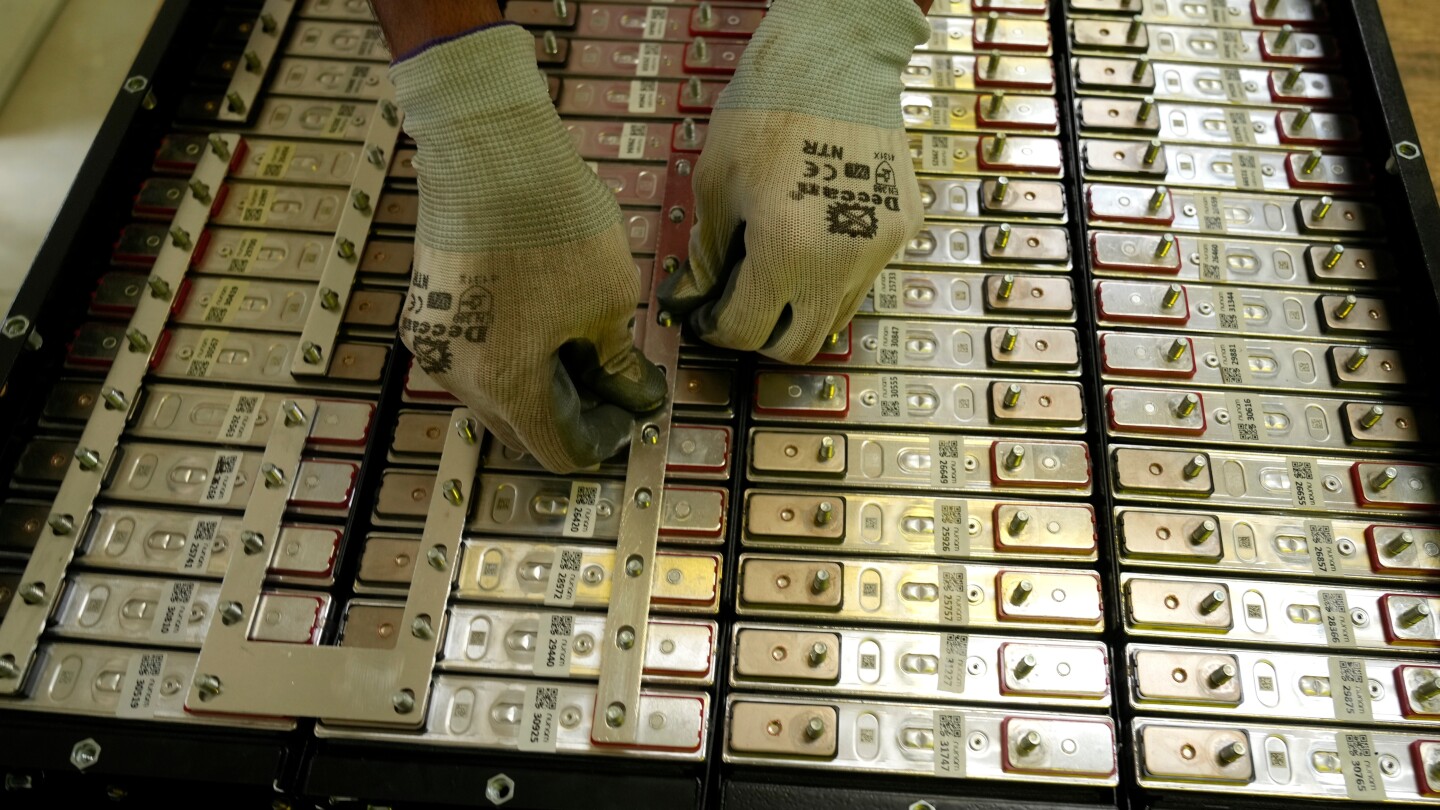
    Technical processes for battery recycling typically involve either shredding battery modules into fine powder or smelting them in industrial furnaces, followed by chemical treatment with acids to recover specific metals. Alternatively, discarded batteries can be repurposed for solar and wind energy storage after thorough testing and component cleaning. Properly executed, these processes can extract up to 90% of an EV battery’s contents.

    Environmental concerns persist, however. Nishchay Chadha, CEO of U.S.-based ACE Green Recycling, warns that improper recycling can release carbon monoxide and hazardous gases, while wastewater containing heavy metals may contaminate soil and water if disposed of incorrectly. “We’ve not expanded much in India because we don’t see much appreciation for clean operations,” Chadha noted.

    McNamara advocates for government-supported training programs to help informal workers transition to formal employment, emphasizing that “formalization will really help drive safety and accountability, especially considering that batteries are both defined by their toxicity as well as their potential.”

    Globally, critical minerals remain dominated by China’s mining, refining, and processing operations, according to the International Energy Agency. With no operational lithium mines currently, India depends heavily on imports. Effective mineral recovery from used products could significantly address this dependency, though Chadha cautions that India should take “baby steps first,” noting that China treats recycling as an essential—if sometimes unprofitable—component of its broader supply chain strategy.

    Despite challenges, industry optimism persists. Rajat Verma, founder and CEO of Lohum Cleantech, envisions substantial growth: “If the momentum that is there in India today continues, we can probably create five multibillion-dollar giants in this industry.” This sentiment reflects the broader recognition that battery recycling represents not just an environmental imperative but a strategic economic opportunity in India’s clean energy transition.

  • India signs trade pact with Oman as it expands Middle East ties

    India signs trade pact with Oman as it expands Middle East ties

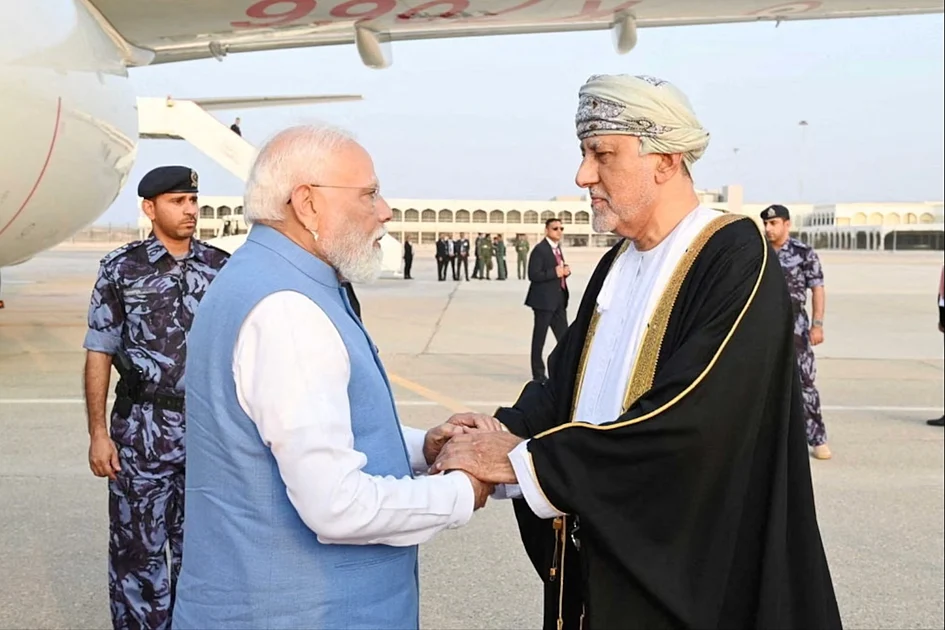
    In a significant move to strengthen economic ties with Middle Eastern nations, India has formally established a comprehensive economic partnership agreement with Oman. The pact, signed on Thursday, represents a strategic effort by New Delhi to diversify its trade relationships amid escalating tariff pressures from the United States.

    Under the newly ratified agreement, Oman will extend zero-duty market access on more than 98% of its tariff lines, effectively covering the vast majority of Indian exports. This preferential treatment encompasses key Indian export sectors including precious gems and jewelry, textile manufacturing, pharmaceutical products, and automotive industries.

    In reciprocal arrangements, India will implement tariff reductions on approximately 78% of its tariff classifications, accounting for nearly 95% of imports from Oman by total value. The bilateral trade relationship between the two nations currently exceeds $10 billion annually.

    Prime Minister Narendra Modi emphasized the agreement’s broader significance, stating that the partnership would ‘establish a renewed momentum for our trade relations, strengthen investment confidence, and create opportunities across multiple sectors.’ The agreement marks India’s second major trade pact this year, following similar arrangements with the United Kingdom.

    The timing of this agreement carries particular importance as Indian exporters face unprecedented tariff pressures from the United States. In late August, the Trump administration doubled duties on Indian goods to 50%—the highest rate globally—including a 25% retaliatory levy targeting India’s purchases of Russian oil.

    Strategic analysts note that the agreement extends beyond mere economic considerations. Ajay Srivastava of the Global Trade Research Initiative observed that the pact is ‘as much about geopolitics and regional presence as it is about tariffs.’ Oman’s geographic position as gateway to the Strait of Hormuz—a critical global oil transit corridor between Oman and Iran—enhances the agreement’s strategic value.

    Industry representatives project substantial benefits, with gem and jewelry exports anticipated to surge from $35 million to approximately $150 million within the next three years, according to Kirit Bhansali of the Gems & Jewellery Export Promotion Council.

    The agreement excludes certain sensitive commodities including dairy products, tea, coffee, rubber, and tobacco. Additionally, it creates new opportunities in Oman’s $12.5 billion services import market, where India currently maintains just a 5.3% market share.

  • Tecom Group launches Dh615 million Innovation Hub Phase 4 in Dubai Internet City

    Tecom Group launches Dh615 million Innovation Hub Phase 4 in Dubai Internet City

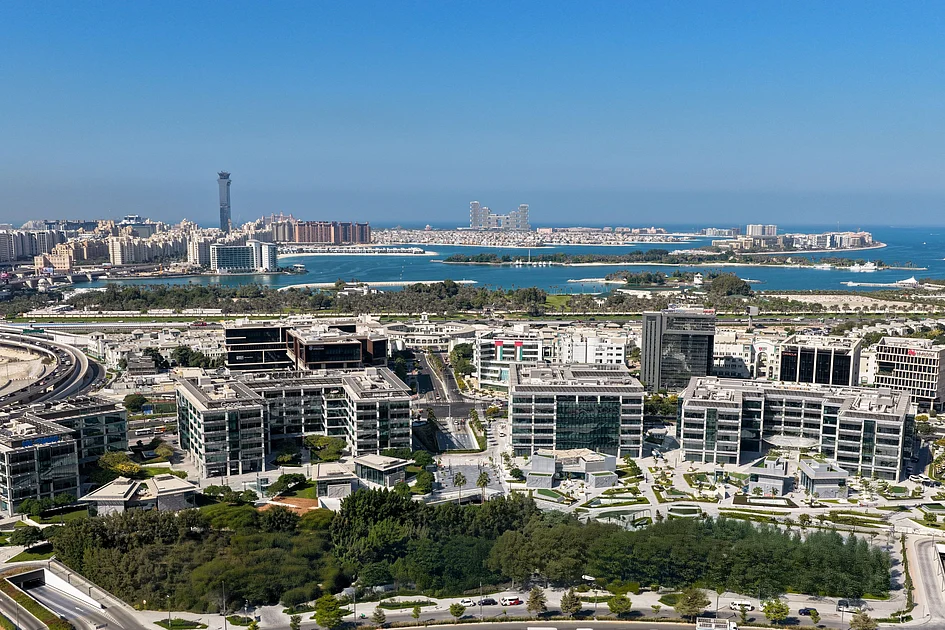
    Dubai’s technology sector receives a significant boost as Tecom Group PJSC announces the launch of Innovation Hub Phase 4, a Dh615 million ($167 million) development within Dubai Internet City. This strategic expansion addresses the growing demand for premium office spaces from multinational corporations operating in future-oriented economic sectors.

    The new development spans 263,000 square feet of gross leasable area, marking the fourth phase of the Innovation Hub project. This investment brings Tecom Group’s total commitment to the Innovation Hub initiative to approximately Dh2 billion, significantly strengthening Dubai Internet City’s position as the Middle East’s premier technology ecosystem.

    The decision to launch Phase 4 follows remarkable commercial success of previous phases. Innovation Hub Phase 3 achieved full occupancy ahead of its 2027 completion schedule, while Phase 2 is entirely leased to Fortune 500 companies and digital economy leaders. The original Phase 1 continues to serve as a cornerstone for global technology giants including Google and Gartner.

    Abdulla Belhoul, Chief Executive Officer of Tecom Group PJSC, emphasized the development’s strategic importance: ‘This launch demonstrates our ongoing commitment to supporting future-focused economic activity in Dubai and the UAE. Our nation’s pro-business environment, combined with visionary strategies like the UAE’s Digital Economy Strategy and Dubai Economic Agenda ‘D33′, continues to attract innovative global enterprises.’

    The project will be financed through Tecom Group’s existing resources while maintaining healthy leverage and liquidity positions. This expansion follows the Group’s strong financial performance in 2025, with nine-month revenues exceeding Dh2.1 billion representing 20% year-on-year growth, and net profit surpassing Dh1.1 billion with an 18% increase compared to the same period in 2024.

    Established in 1999, Dubai Internet City has evolved into the region’s largest technology hub, currently contributing to 65% of Dubai’s technology GDP. The district hosts a comprehensive ecosystem featuring premium Grade-A offices and 20 Research & Development and Innovation Centres, serving as a unifying base for digital economy companies worldwide.

    Innovation Hub Phase 4 is scheduled for completion in 2028 and will further enhance Tecom Group’s portfolio of commercial assets across its specialized business districts, which include Dubai Media City, Dubai Production City, and Dubai Design District among others.

  • XDC Network hosts ADFW leaders’ as institutions accelerate blockchain adoption

    XDC Network hosts ADFW leaders’ as institutions accelerate blockchain adoption

    Abu Dhabi has emerged as the epicenter for institutional blockchain integration as XDC Network, in collaboration with Zodia Markets, convened an exclusive gathering of financial titans during Abu Dhabi Finance Week (ADFW). The private luncheon, titled “Capital OnChain,” assembled senior representatives from Citi, State Street, Coinbase, Circle, Galaxy, Bitgo, Standard Chartered, and other leading institutions to advance strategic dialogues on distributed ledger technology.

    The closed-door forum facilitated candid discussions on three critical industry priorities: enhancing cross-border settlement efficiency, overcoming institutional adoption barriers, and developing frameworks for real-world asset tokenization. This high-level convergence signals a significant acceleration in blending traditional finance with blockchain infrastructure.

    Atul Khekade, Co-Founder of XDC Network, emphasized the transformative momentum: “The integration of distributed ledger technology into global capital markets requires precisely this type of collaborative environment where major institutions and blockchain innovators can forge essential partnerships.”

    Hosted by Abu Dhabi Global Market (ADGM), ADFW has rapidly established itself as a cornerstone of global financial leadership, attracting institutions managing over $42 trillion in assets. The event featured participation from regulatory bodies including VARA, alongside prominent market participants such as Brevan Howard, Further Ventures, DRW, Selini Capital, and 3iQ Corp.

    Industry participants highlighted the UAE’s evolution into a global digital asset hub, underpinned by ADGM’s clear regulatory frameworks and strong governmental support for financial innovation. The discussions reflected a growing institutional shift toward on-chain finance solutions that promise enhanced operational efficiency, reduced costs, and innovative financial product development.

    The consensus among attendees confirmed that such exclusive forums are instrumental in accelerating blockchain adoption within traditional finance, positioning infrastructure platforms like XDC Network as foundational elements in the evolving digital asset ecosystem.

  • NGOs condemn UN agreement with Saudi security chief implicated in Khashoggi murder

    NGOs condemn UN agreement with Saudi security chief implicated in Khashoggi murder

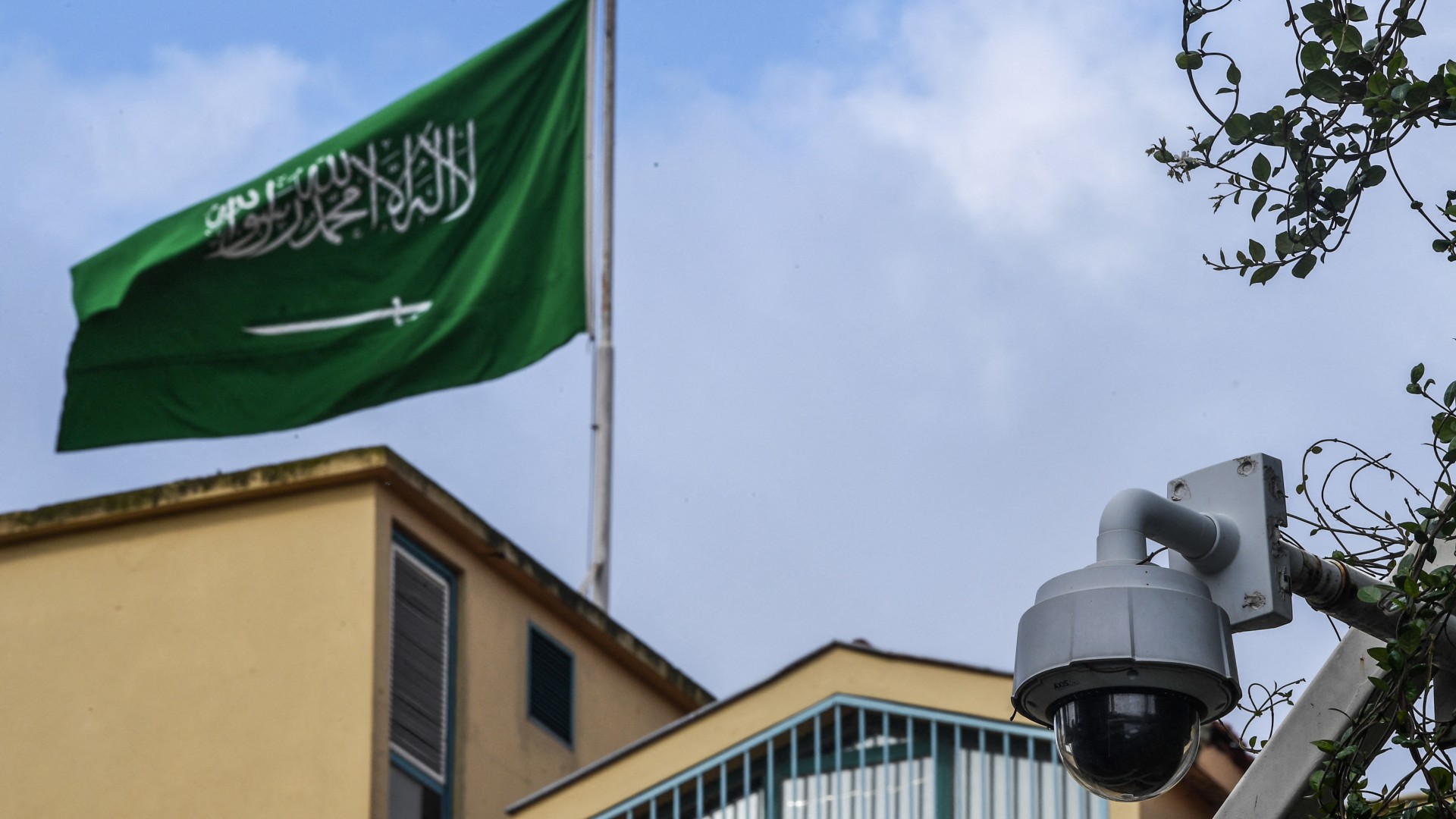
    Human rights organizations Alqst and MENA Rights Group have formally protested to the United Nations regarding its counterterrorism office’s controversial partnership agreement with Saudi Arabia’s security apparatus, led by an official implicated in the assassination of journalist Jamal Khashoggi.

    In a letter addressed to Alexandre Zouev, the UN’s acting undersecretary general for counterterrorism, the groups expressed “profound alarm” over the memorandum of understanding signed between the UN Counter-Terrorism Centre (UNCCT) and Saudi Arabia’s Presidency of State Security (PSS) during Zouev’s recent visit to Riyadh.

    The agreement was signed with PSS chief Abdulaziz al-Howairini, whom a UN investigation by former Special Rapporteur Agnes Callamard directly linked to the 2018 Istanbul consulate murder of the Washington Post columnist. US intelligence agencies believe Crown Prince Mohammed bin Salman authorized the assassination.

    Callamard’s definitive report documented how Saudi state security officials coordinated all aspects of the operation, including private jet travel and accommodations for the assassination team. Additional reporting by The Guardian in December 2021 placed Howairini at luxury Riyadh villas housing individuals charged with Khashoggi’s murder.

    The rights organizations revealed they had previously urged Zouev’s office to adhere to UN principles and international law before finalizing any agreement, receiving only generic responses that ignored their specific concerns. Three weeks later, the UN signed the partnership despite its own human rights due diligence policy requiring assessment of potential support to security forces implicated in violations.

    Tanya Boulakovski of MENA Rights Group stated the agreement “formalizes a partnership with a state security apparatus responsible for widely documented human rights abuses, including arbitrary detention, torture, and enforced disappearance of peaceful dissidents.”

    Saudi Arabia has repeatedly been accused of weaponizing counterterrorism legislation to suppress dissent through executions, torture, and political imprisonment. UN human rights experts have extensively documented these violations across multiple committees and special rapporteurs.

    In a concerning development, Saudi Arabia was additionally selected to chair a new working group on “countering terrorist travel” despite its systematic use of travel bans against human rights defenders and their families, as exemplified by women’s rights activist Loujain al-Hathloul and her parents.

  • US sanctions two ICC judges for rejecting Israel’s appeal against Gaza investigation

    US sanctions two ICC judges for rejecting Israel’s appeal against Gaza investigation

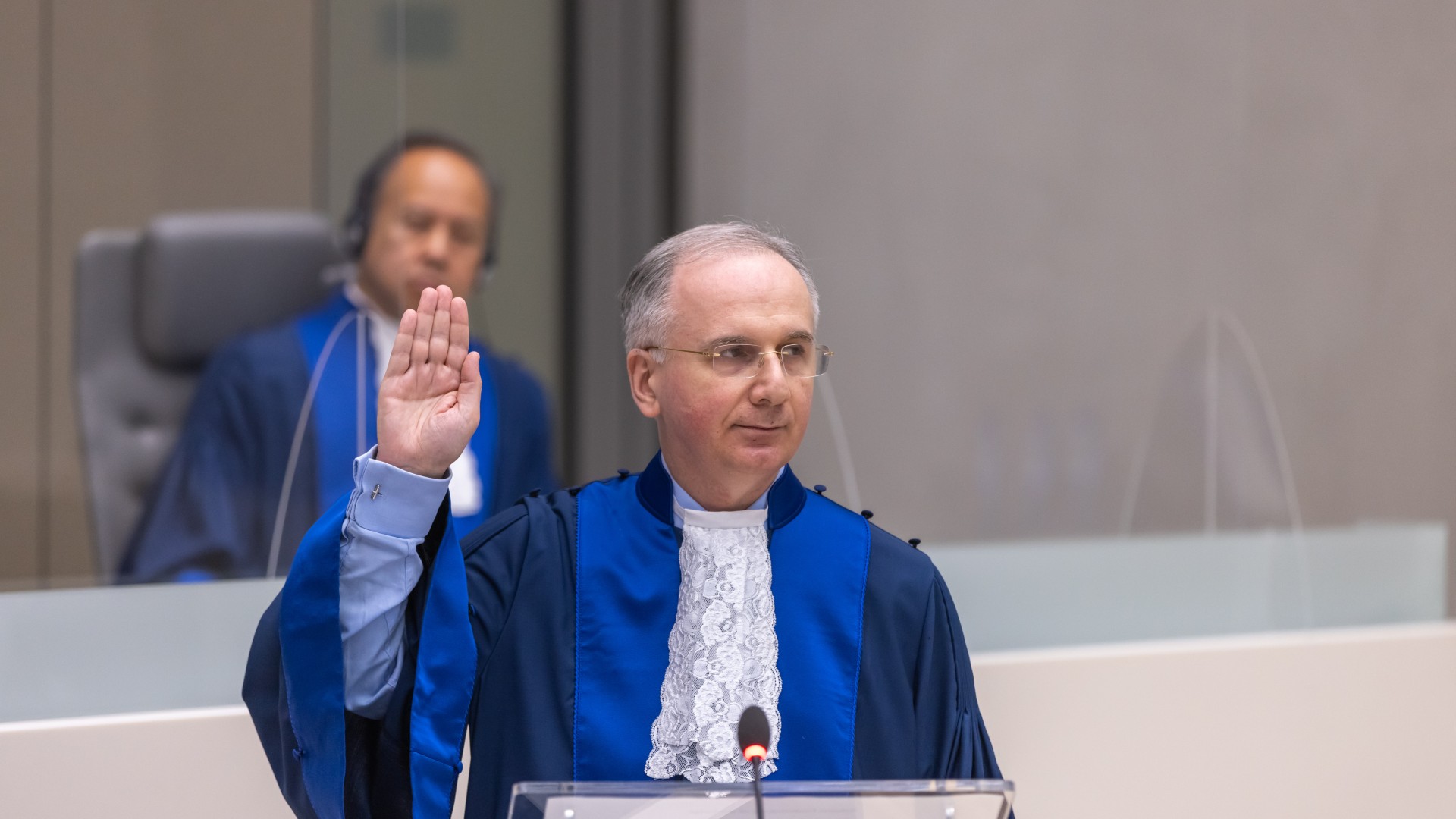
    The United States has intensified its confrontation with the International Criminal Court by imposing sanctions on two additional judges involved in the Gaza war crimes investigation. Judges Gocha Lordkipanidze of Georgia and Erdenebalsuren Damdin of Mongolia, both members of the ICC’s appeals chamber, were targeted following their recent decision to reject Israel’s appeal against the investigation into alleged crimes in Gaza post-October 2023.

    This development marks a significant escalation in the ongoing standoff between the Trump administration and the international judicial body. The sanctioned judges were part of the majority that dismissed Israel’s arguments challenging the validity of the investigation that previously resulted in arrest warrants for Israeli Prime Minister Benjamin Netanyahu and former Defence Minister Yoav Gallant in November 2024.

    US Secretary of State Marco Rubio issued a statement condemning what he characterized as “politicized actions targeting Israel” that “set a dangerous precedent for all nations.” The statement emphasized Washington’s rejection of the court’s jurisdiction over US and Israeli nationals and promised “significant and tangible consequences” for what it termed ICC “lawfare and overreach.”

    The sanctions have created substantial practical difficulties for affected officials, including frozen assets, travel bans, and exclusion from global financial systems. Peruvian judge Luz del Carmen Ibanez Carranza, previously sanctioned for her role in the Afghanistan investigation, revealed the personal impact including inability to use credit cards, banking systems utilizing US dollars, or money transfer services like Western Union.

    Despite these measures, ICC officials remain resolute. Judge Carranza stated that the sanctions have actually strengthened judicial solidarity, noting that “we are more united than ever” in maintaining their independence and continuing their duties.

    The legal foundation of the investigation traces back to Palestine’s 2018 referral, with the ICC initiating formal proceedings in 2021. Since November 2023, seven additional nations—South Africa, Bangladesh, Comoros, Bolivia, Djibouti, Chile, and Mexico—have filed separate referrals supporting the investigation.

    Israel’s appeal centered on procedural arguments, claiming the prosecutor should have issued fresh notifications after the new referrals pursuant to Article 18(1) of the Rome Statute. The appeals chamber unanimously determined that the original 2021 notification adequately covered subsequent developments, including post-October 2023 events, making additional notifications unnecessary.

    The ICC has implemented confidential countermeasures to protect its operations from sanction impacts, though specific details remain undisclosed to preserve their effectiveness. With these latest sanctions, all but one member of the appeals chamber (Judge Tomoko Akane of Japan) now face US restrictions, creating unprecedented challenges for international justice mechanisms.

  • UAE was secret buyer of billion dollar Israeli defence deal: Report

    UAE was secret buyer of billion dollar Israeli defence deal: Report

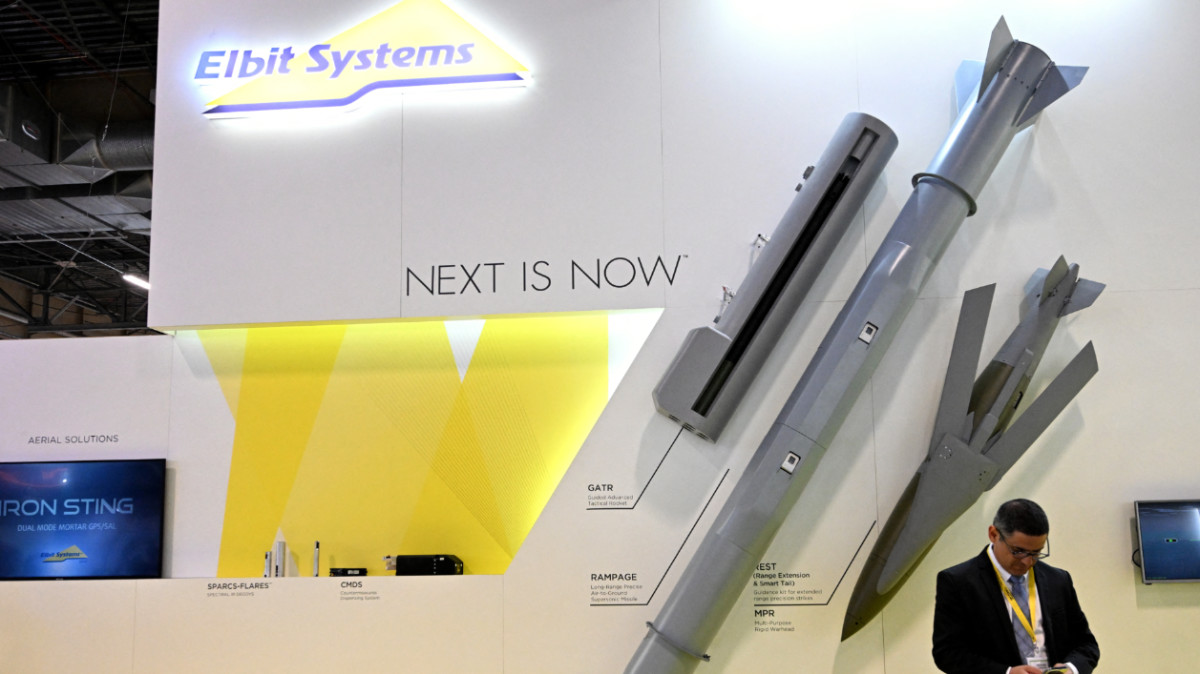
    France-based Intelligence Online has identified the United Arab Emirates as the previously undisclosed customer in a monumental $2.3 billion defense agreement with Israel’s Elbit Systems, originally announced in November. The eight-year contract represents one of the most significant arms deals between the two nations since normalizing relations through the Abraham Accords.

    The procurement centers on Elbit’s advanced J-Music aircraft protection system, which employs cutting-edge laser technology to neutralize surface-to-air missile sensors targeting both civil and military aircraft. This sophisticated electronic defense capability substantially enhances the UAE’s aerial security infrastructure.

    Despite Israel’s ongoing military operations in Gaza—actions characterized by numerous Arab leaders and UN experts as genocidal—the UAE has maintained its defense cooperation with Israeli firms. This stance distinguishes Abu Dhabi from neighboring Gulf states, with analysts noting the Emirates’ willingness to disrupt regional consensus regarding Israel.

    The partnership extends beyond Elbit Systems to include collaborations with Emirati state-owned defense conglomerate Edge, which has actively pursued Israeli technology partnerships even during the Gaza conflict. In November 2021, Edge partnered with Israel Aerospace Industries to develop unmanned vessels for anti-submarine warfare, and recently acquired a 30% stake in Israeli drone detection specialist Thirdeye Systems.

    This deepening military relationship has drawn attention in Washington, where officials express concern over the UAE’s simultaneous strengthening of defense ties with China. The Gulf nation recently conducted its third joint air force drill with China, while US intelligence assessments indicate continued Chinese military presence at Abu Dhabi facilities potentially serving dual purposes.

    The convergence of Israeli technology transfer and Emirati-Chinese military cooperation creates complex geopolitical considerations for US policymakers, particularly regarding the potential diversion of advanced defense systems to strategic competitors.

  • Runs aplenty: New Zealand declares at 575 and West Indies 110-0 after Day 2 of the 3rd test

    Runs aplenty: New Zealand declares at 575 and West Indies 110-0 after Day 2 of the 3rd test

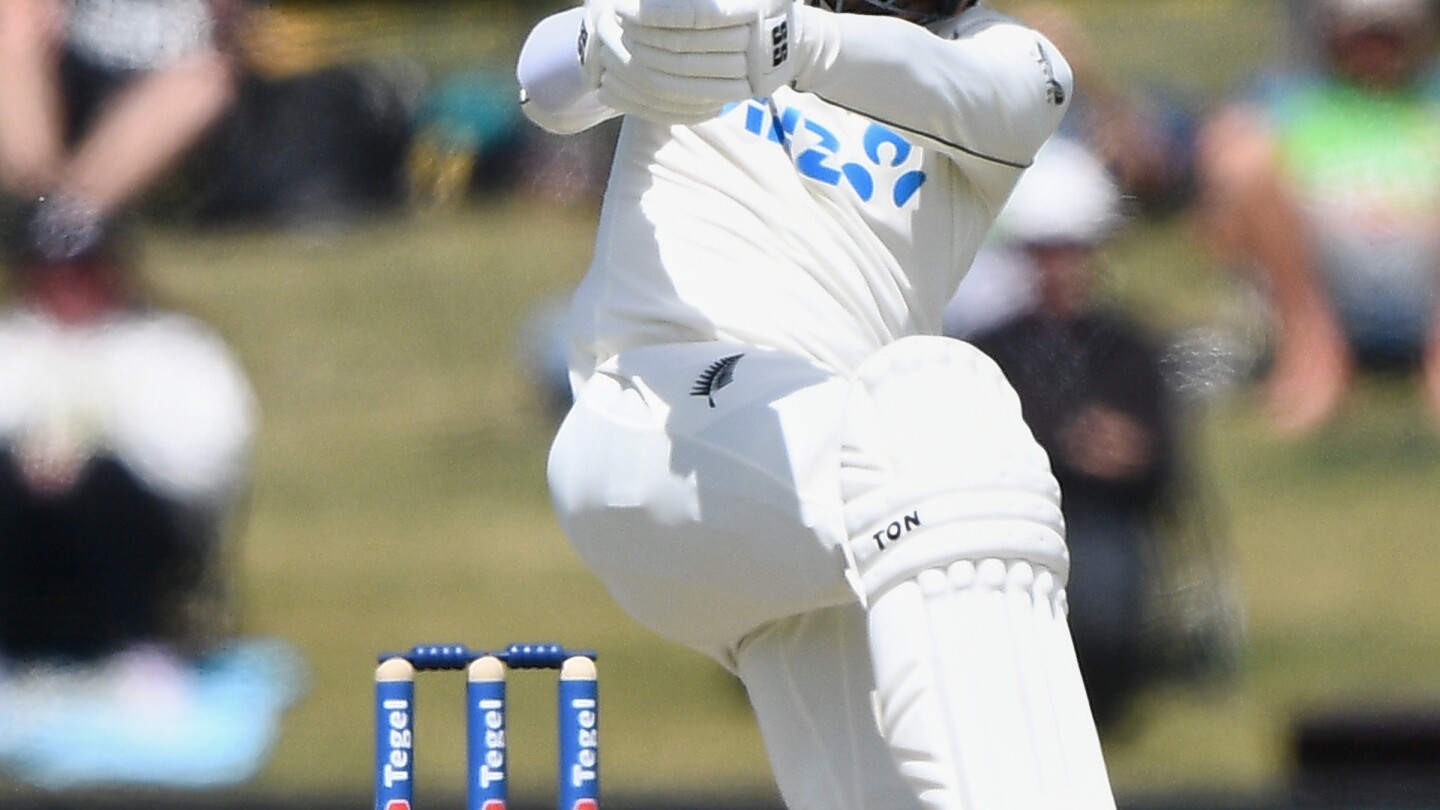
    MOUNT MAUNGANUI, New Zealand — Devon Conway delivered a masterclass in test cricket batting, smashing an extraordinary 227 runs to propel New Zealand to a formidable 575-8 before declaring on day two of the third test against the West Indies. This monumental innings marked Conway’s second test double century, surpassing his previous highest score of 200 made during his debut test at Lord’s in 2021.

    The left-handed batsman’s marathon effort spanned 508 minutes at the crease, facing 367 deliveries and striking 31 boundaries. His dominant performance formed the cornerstone of New Zealand’s imposing total, which included a massive 323-run opening partnership with Tom Latham, who contributed 145 on the opening day.

    Despite the daunting target and challenging light conditions, West Indies openers responded with remarkable aggression, racing to 110 without loss in just 23 overs before stumps. Brandon King led the charge with an unbeaten 55 from 63 balls, while John Campbell remained not out on 45, showcasing the visitors’ fighting spirit.

    The match situation intensified as West Indies faced bowling limitations with spearhead Kemar Roach sidelined by a hamstring injury and batsman Shai Hope absent due to illness. Justin Greaves emerged as the most effective West Indies bowler, claiming 2-83 from 29 overs.

    New Zealand’s declaration strategy nearly backfired as their pace attack struggled with inconsistent lengths, allowing the West Indies openers to score freely. Zak Foulkes proved particularly expensive, conceding 39 runs from just six overs.

    Rachin Ravindra, who remained unbeaten on 72 with six fours and two sixes, acknowledged the challenge ahead: ‘We would have liked a wicket at the end but that’s the way the cookie crumbles. They both batted well and showed the ability to punish when we missed.’

    The match continues with New Zealand leading the three-match series 1-0 after drawing the first test and securing a nine-wicket victory in the second.