标签: Asia

亚洲

  • China’s clean power shift hailed as scientific breakthrough, spotlighting global leadership

    China’s clean power shift hailed as scientific breakthrough, spotlighting global leadership

    China’s unprecedented transformation toward renewable energy has received prestigious international recognition, with leading scientific journals Science and Nature both highlighting the nation’s clean power transition as one of 2025’s most significant scientific milestones. According to their recent publications, China’s massive renewable expansion has effectively stalled the growth of greenhouse emissions domestically while accelerating the possibility of a global carbon peak.

    Science magazine specifically designated China’s renewable energy surge as the 2025 Breakthrough of the Year, attributing this achievement to the country’s formidable industrial capacity. The journal reported that China currently manufactures 80% of global solar cells, 70% of wind turbines, and 70% of lithium batteries at unmatched competitive prices.

    Supporting this assessment, Nature magazine featured China’s clean energy accomplishments among its ‘feel-good science stories to restore faith in 2025,’ noting that renewables have overtaken coal as the world’s primary energy source for the first time. This shift was propelled by China’s remarkable achievement of surpassing 1 terawatt of installed solar capacity in May 2025. During the first half of the year alone, China installed new solar systems with twice the capacity of the rest of the world combined.

    The statistics demonstrate extraordinary growth: China’s wind and solar capacity exceeded thermal power for the first time in history by March, reaching 1.67 billion kilowatts by June—13.6% higher than thermal power capacity. Over the past five years, China has developed the world’s largest and fastest-growing renewable energy system, increasing renewables’ share in installed power capacity from approximately 40% to 60%.

    Concurrently, China has implemented the world’s most extensive carbon market, regulating over 60% of national carbon dioxide emissions through effective permit systems. The country has also announced ambitious new Nationally Determined Contributions for 2035, including reducing economy-wide net greenhouse gas emissions by 7-10% from peak levels—marking China’s first absolute emissions reduction target covering all greenhouse gases across the entire economy.

    Beyond domestic transformation, China’s renewable expansion has generated substantial global impact. According to National Energy Administration data, China’s wind and solar exports have helped avoid approximately 4.1 billion tonnes of global carbon emissions over five years. The country has collaborated with over 100 nations on green energy projects, reducing worldwide wind and photovoltaic power generation costs by 60% and 80% respectively. Since 2016, China has provided more than $25 billion in climate funding to developing countries.

    As Science editors concluded: ‘China’s burgeoning exports of green tech are transforming the rest of the world too—producing clean energy technologies better, vastly cheaper, and in staggering quantities for global consumption.’

  • Magic Awaits: Step Into Wafi City’s
Whimsical Wonderland

    Magic Awaits: Step Into Wafi City’s Whimsical Wonderland

    Dubai’s Wafi City has unveiled an extraordinary festive transformation, converting its premier shopping destination into a magical seasonal experience dubbed ‘Wafi’s Whimsical Wonderland’. From December 2025, both Wafi City Mall and the architecturally stunning Khan Murjan Souk have been reimagined as an immersive holiday paradise, offering families across the UAE an enchanting escape into the spirit of the season.

    The comprehensive festive installation features breathtaking decorative elements including elaborate light displays, whimsical thematic installations, and numerous photo opportunities that capture the essence of holiday magic. Visitors are greeted by costumed performers bringing seasonal characters to life while holiday melodies fill the air, creating a multisensory experience that delights all ages.

    Children can participate in hands-on creative workshops and craft stations where they produce personalized holiday keepsakes, embark on treasure hunts through the atmospheric corridors of Khan Murjan Souk, and explore interactive play zones designed to stimulate imagination. Adult visitors can enjoy seasonal culinary offerings, browse unique market stalls, and take advantage of exclusive festive promotions available through a special coupon booklet.

    The centerpiece remains the ticketed Santa Experience, set within an elaborately themed grotto where children can share their holiday wishes, receive specially commissioned Wafi City festive toys, and capture the moment with professional keepsake photography. Families participating in the Santa encounter also receive complimentary seasonal beverages from premium outlets including Tyne, Icons Coffee, and Elements.

    Adding to the excitement, Wafi City has introduced a major raffle draw with two grand prizes of AED 10,000 in gift vouchers each. Visitors purchasing the festive booklet are automatically entered into the December 31 drawing, with additional surprise giveaways and seasonal treats enhancing the celebratory atmosphere throughout the event duration.

  • Ten keywords to highlight China’s carbon reduction progress in 2025

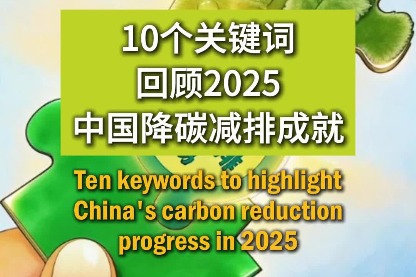
    Ten keywords to highlight China’s carbon reduction progress in 2025

    China has demonstrated remarkable acceleration in its climate initiatives throughout 2025, transforming its ambitious ‘dual carbon’ pledges into concrete action. The nation’s comprehensive approach to emissions reduction has yielded significant environmental milestones while contributing substantially to global climate mitigation efforts.

    The country’s decarbonization journey can be understood through ten critical developments that have characterized this transformative year. These encompass breakthroughs in renewable energy infrastructure, with Sichuan Province achieving unprecedented hydropower capacity exceeding 100 million kilowatts. Technological innovation has been equally impressive, showcased by AI-operated smart zero-carbon terminals in Tianjin that optimize energy efficiency without human intervention.

    Urban sustainability initiatives have gained substantial momentum, as evidenced by Chongqing’s pioneering symposium on multi-sensory urban planning that integrates environmental considerations into city development. Concurrently, agricultural modernization programs in regions like Pinggu have established new benchmarks for low-carbon farming practices.

    China’s cultural connection to environmental stewardship has manifested through widespread public engagement, including Winter Solstice celebrations that emphasized ecological awareness. The expansion of winter tourism facilities like the Harbin Ice and Snow World, while maintaining environmental considerations, demonstrates the balance between economic development and sustainability.

    The regulatory framework has been strengthened through new public reading promotions that include environmental education components, while space technology advancements led by experts like Qi Faren have contributed to climate monitoring capabilities. These coordinated efforts across multiple sectors illustrate China’s holistic strategy toward achieving its carbon neutrality commitments and fostering a global transition to sustainable development.

  • China Vanke default watch is Xi’s moment to let markets lead

    China Vanke default watch is Xi’s moment to let markets lead

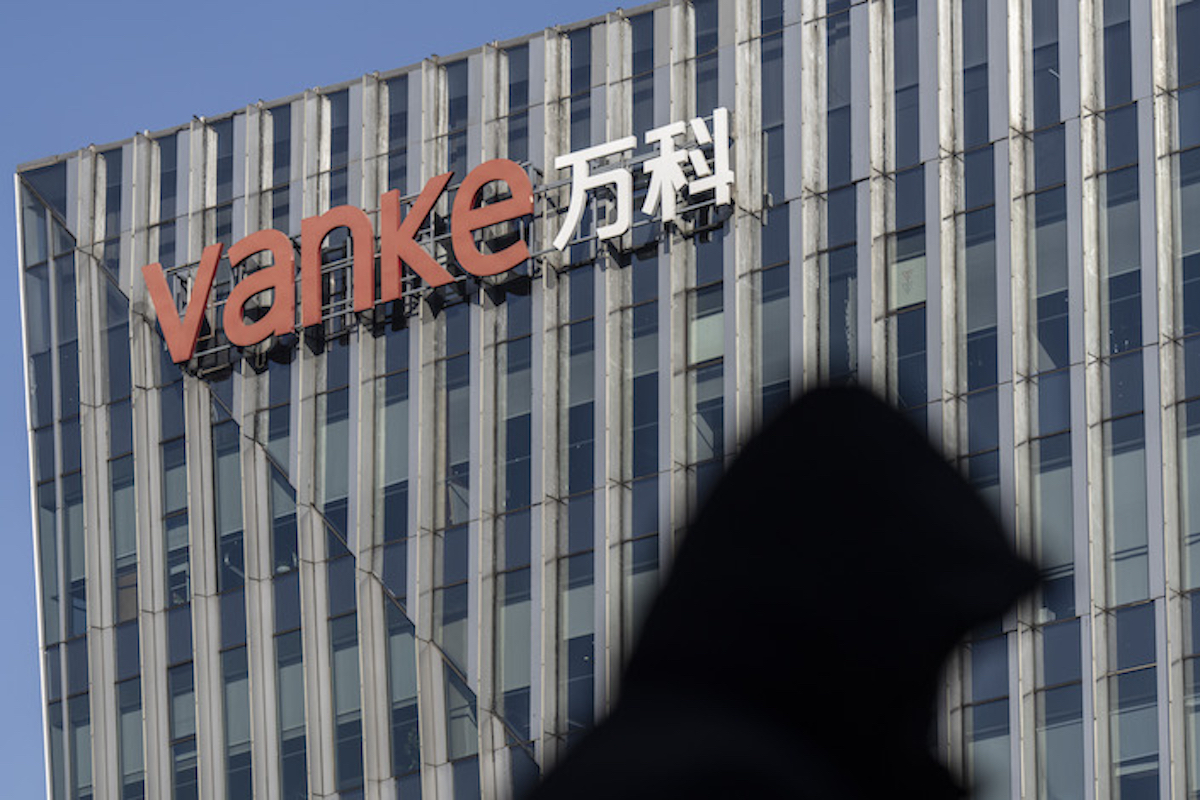
    As 2025 concludes, Fitch Ratings has delivered a stark warning to China investors with its downgrade of property giant China Vanke Co to ‘C’ status from ‘CCC-‘. This move highlights escalating pressures on one of China’s last major surviving developers amid a prolonged property sector crisis, raising fresh concerns about potential default risks.

    The deteriorating situation coincides with concerning November economic indicators showing broad-based momentum loss across China’s economy. New home sales in China’s 70 largest cities declined 0.39% from October, while prices dropped 0.45%—the sharpest monthly decrease in twelve months. These developments occur despite ambitious government pledges to stabilize the property market and as China enters its fourth consecutive year of deflation.

    Economic analysts express growing concerns about China’s trajectory. Capital Economics China economist Zichun Huang notes that while policy support might drive partial recovery in coming months, growth is likely to remain weak throughout 2026. Barclays economist Yingke Zhou warns that persistent deflation pressures could exacerbate trade tensions with non-US economies as China continues relying on export-led growth.

    The situation draws uncomfortable parallels with Japan’s economic stagnation since the 1990s, though comparisons remain imperfect. The property sector’s collapse—historically accounting for 25-33% of China’s annual growth—has sparked ‘Japanification’ concerns that will likely continue into 2026.

    Compounding these challenges, China faces a 47.5% US tariff that poses significant threats to its export-dependent economy. Despite this, China recorded its first-ever $1 trillion trade surplus in November, achieved through strategic market diversification to Southeast Asia and Europe since the Trump administration’s initial trade war.

    This massive trade surplus masks underlying domestic weaknesses. While exports grew 5.9% year-on-year in November, imports increased only 1.9%, reflecting Chinese households’ reluctance to spend their $22 trillion in savings. The return of default risks among major developers could further undermine consumer confidence.

    Paradoxically, global investors are returning to Chinese stocks, attracted by technology sector optimism and China’s latest Five-Year Plan (2026-2030) emphasizing high-quality growth, capital market reforms, and technological self-reliance. The plan’s focus on structural upgrades to boost domestic consumption through enhanced social safety nets has also improved market sentiment.

    However, household perspectives differ markedly from investor optimism. Chinese consumers face persistent trade tensions, weak wage growth, near-record youth unemployment, declining property values, and perceived insufficient government action. Many question the authenticity of official economic data, particularly the ‘around 5%’ growth target that appears disconnected from provincial-level realities.

    The Vanke situation presents particular concerns given its reputation as China’s best-managed developer. Its potential default could trigger approximately $50 billion in debt vulnerabilities. While few anticipate a ‘Lehman moment’ given previous defaults by larger developers like Evergrande and Country Garden, Vanke’s stumble significantly damages confidence in China’s property sector recovery.

    Deutsche Bank economist Yi Xiong highlights additional risks from China’s substantial dollar-denominated debt—approximately $750 billion in outstanding bonds, with one-third maturing within two years. How authorities handle Vanke’s crisis could set the tone for China’s 2026 economic approach, potentially reducing Beijing’s willingness to let market forces play a ‘decisive role’ in property price-clearing.

    Fitch Ratings analyst Tyran Kam notes that authorities appear to see limited systemic risk from Vanke’s situation, with policymakers prioritizing completion of unfinished housing projects over bailouts for non-state-owned developers. However, banks’ continued reluctance to lend reflects pessimistic outlooks for housing sales recovery, which Fitch expects to decline 7-8% in 2026.

    The fundamental challenge remains convincing Chinese households to increase spending amid persistent property sector uncertainty. As 2026 approaches, Chinese leadership faces critical decisions about embracing market forces and implementing structural reforms that could determine whether China avoids Japan’s prolonged economic stagnation.

  • Sichuan breaks 100-m-kw mark in hydropower installed capacity

    Sichuan breaks 100-m-kw mark in hydropower installed capacity

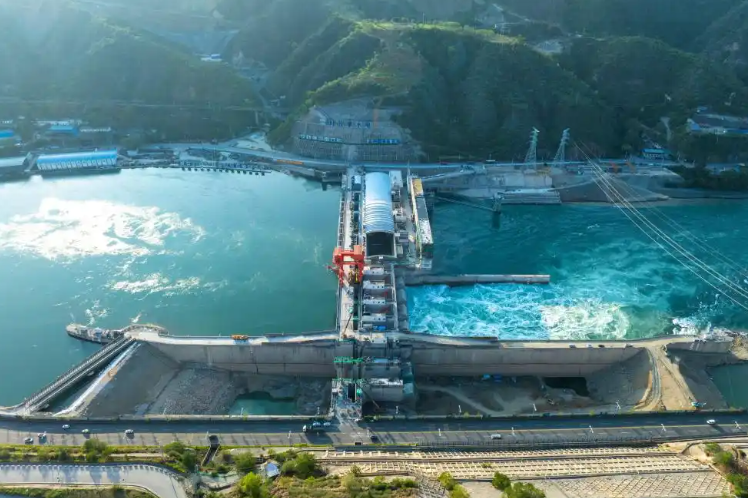
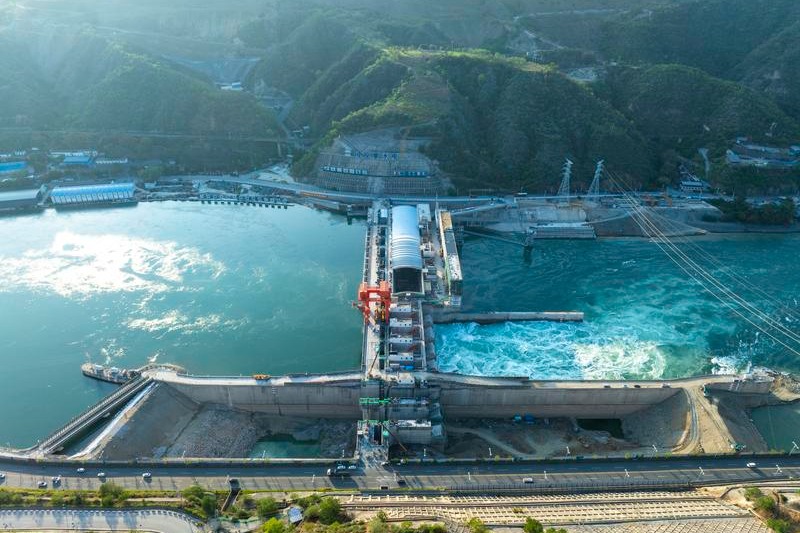
    Southwest China’s Sichuan province has reached a historic milestone in renewable energy development, with its total installed hydropower capacity exceeding 100 million kilowatts (100 GW) on December 19, 2025. This achievement represents approximately one-quarter of China’s total hydropower capacity and establishes Sichuan as the nation’s preeminent hydropower generation hub.

    The milestone was reached when the final generating unit at the Yinjiang Hydropower Station in Panzhihua City was successfully connected to the power grid. Located on the Jinsha River, this facility boasts a total installed capacity of 390,000 kilowatts. Once fully operational, the station is projected to deliver over 1.6 billion kilowatt-hours of clean electricity annually, reducing carbon dioxide emissions by an estimated 1.3 million tonnes.

    Sichuan has served as the cornerstone of China’s ambitious west-to-east power transmission initiative since 1998. The province annually transmits approximately one-third of its generated electricity to other regions. According to State Grid Sichuan Electric Power Company, Sichuan has delivered more than 1.9 trillion kilowatt-hours of clean electricity to central and eastern China over the past 27 years—sufficient to power Jiangsu, Zhejiang, and Anhui provinces combined for an entire year.

    The province’s remarkable hydropower development stems from its abundant water resources, earning it the nickname ‘province of a thousand rivers.’ This natural advantage has positioned Sichuan as a critical component in China’s transition toward cleaner energy and carbon reduction goals.

  • Canadian University Dubai concludes Entrepreneur Mentorship Series with high-impact pitch showcases

    Canadian University Dubai concludes Entrepreneur Mentorship Series with high-impact pitch showcases

    Canadian University Dubai has successfully concluded its groundbreaking Entrepreneur Mentorship Series, marking a significant milestone in bridging academic theory with practical entrepreneurial execution. This cross-campus initiative, designed to foster purpose-driven ventures with tangible real-world impact, aligns with the UAE’s national ambition to maintain its top global ranking as an entrepreneurship and innovation hub.

    Under the leadership of President and Vice Chancellor Professor Karim Chelli, the program embodied CUD’s position as a downtown university integrated within Dubai’s innovation ecosystem. The series supported ongoing efforts by the UAE’s Ministry of Economy and Ministry of Investment to advance entrepreneurship through strategic national partnerships and innovation frameworks.

    The comprehensive program featured four intensive sessions where students engaged with distinguished industry leaders. The inaugural session welcomed Mohamed Jassim Al Rais, Executive Director of Al Rais Group, and Rayan Chelli, former CSO of Zip Trust FZCO and McGill University PhD candidate, who shared invaluable perspectives on innovation and business success.

    Subsequent sessions addressed critical entrepreneurial fundamentals: legal foundations for UAE startup establishment with experts from Dubai Economic Department and Habib Al Mulla & Partners; customer behavior and brand storytelling insights from Moaza Buti Alyouha, VP of Brand and Event Marketing Operations at Dubai Economic Department & Tourism, and Mahmoud Bartawi, founder of Under500; and financial strategy guidance from Amer Al Ahbabi, Group Chairman of Vertix Holdings, and business strategist Jad Jubaili.

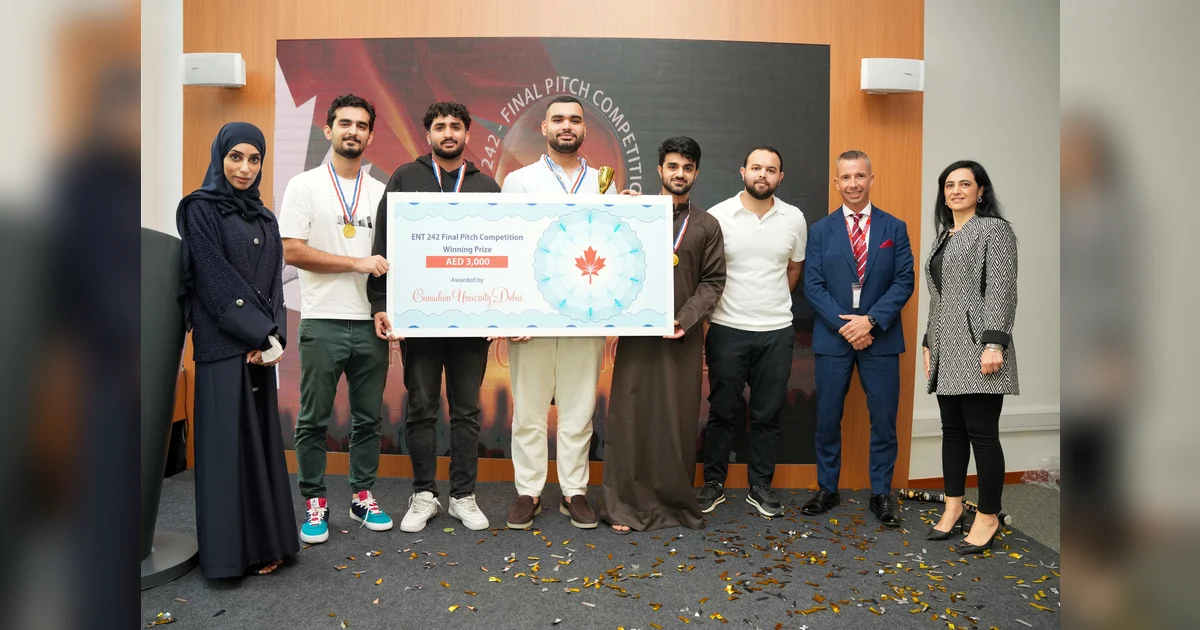
    The series culminated in two prestigious pitch competitions. At the Brand Me Summit, students presented their concepts before an elite jury including Dr. Mohammed Naji (MonaJi Group founder), Matthias Mende (Bonuz Market founder), Jeremy Schneider (musician and creative entrepreneur), and Ghazy Al Yaman (Brand Me Summit CEO). Team EVENTA secured the AED 3,000 CUD Prize for their outstanding concept and presentation.

    A separate ENT 242 Final Pitch Competition saw shortlisted teams demonstrating innovative ideas developed through weeks of applied learning, with AR Robot claiming an additional AED 3,000 prize for their creative and feasible entrepreneurial solution.

    Chancellor Buti Saeed Al Ghandi emphasized: “Dubai moves at the speed of the future, and so do we. Our downtown incubator prepares students to think boldly, act entrepreneurially, and lead with the same unstoppable energy that defines Dubai’s success.”

    Professor Chelli highlighted the university’s role in cultivating founders: “By bringing industry directly into the classroom, we’ve helped students build the aptitude, mindset, and networks to transform ideas into ventures with real-world impact.”

    Dr. Khulood Shebib Khansaheb, Assistant Professor and Incubator Manager, noted the program’s alignment with UAE’s vision to establish the Emirates as the region’s entrepreneurship capital, providing students direct engagement with founders and industry leaders throughout the entire startup journey.

  • Major Developments announces launch of Dh1.7 billion “Ice Beach” landmark project on Marjan Beach

    Major Developments announces launch of Dh1.7 billion “Ice Beach” landmark project on Marjan Beach

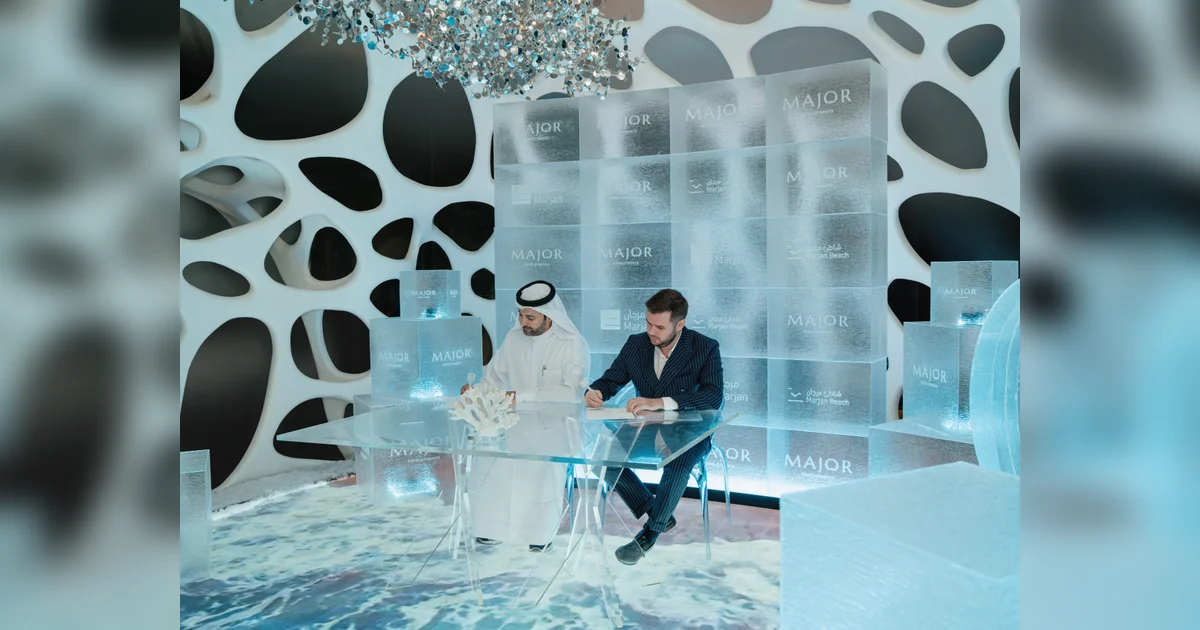
    Ras Al Khaimah’s coastline is poised for transformation as Major Developments announces a landmark Dh1.7 billion (approximately $463 million) project titled ‘Ice Beach’ within the emerging Marjan Beach masterplan. The agreement, formally signed between Marjan Group CEO Abdulla Al Abdouli and Major Developments CEO Andrei Charapenak, represents a significant advancement in the United Arab Emirates’ ambitious coastal development strategy.

    The ‘Ice Beach’ project marks Major Developments’ third major undertaking in Ras Al Khaimah, positioned within an 85-million-square-foot coastal development zone that features 3 kilometers of pristine beachfront and 6.5 million square feet of landscaped open spaces. This luxury residential development is projected to attract over 180,000 annual visitors upon completion, capitalizing on Ras Al Khaimah’s growing status as an investment and tourism destination.

    Strategic partnerships form the cornerstone of this development, with Bayaty Architects—led by globally recognized Dr. Muthana Bayaty—spearheading the architectural design. The firm brings its signature approach of sculptural architecture and experiential interiors to create what developers describe as an ‘intentionally unconventional’ design language that will redefine the regional coastal skyline.

    Marjan Beach distinguishes itself through strategic connectivity advantages, positioned minutes from Al Marjan Island with forthcoming bridge infrastructure linking Wynn Al Marjan Island to the mainland. The development benefits from proximity to Al Hamra Village, Ras Al Khaimah Economic Zone, and the E11 highway, enhancing both tourism accessibility and long-term investment potential.

    The project emerges against a backdrop of remarkable growth in Ras Al Khaimah’s real estate market, where non-resident investment has multiplied between 2020 and 2024. Tourism demand continues to outpace hospitality supply projections through 2030, creating favorable conditions for luxury developments. Major Developments’ previous projects, including Manta Bay on Al Marjan Island and Colibri Views in RAK Central, have established regional benchmarks for innovation and hospitality-focused amenities.

    Andrei Charapenak emphasized the transformative vision behind the project: ‘This collaboration allows us to redefine what luxury tourism and living mean on a global stage. Our approach integrates next-generation amenities with sweeping sea views to create one of the most defining structures in the district.’

    The ‘Ice Beach’ project represents the latest evolution in Ras Al Khaimah’s strategic transformation into a global lifestyle and investment hub, combining architectural innovation with strategic location advantages to create what developers anticipate will become a benchmark for waterfront living.

  • Lionel Messi visits Vantara, immersed in sacred Indian traditions and wildlife conservation

    Lionel Messi visits Vantara, immersed in sacred Indian traditions and wildlife conservation

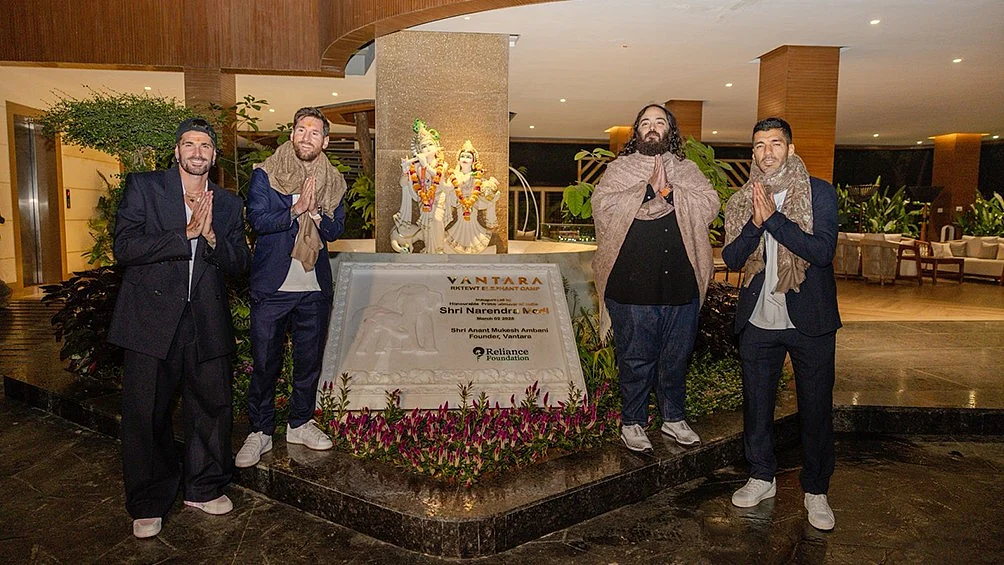
    In a remarkable fusion of global sports stardom and ecological philanthropy, football legend Lionel Messi embarked on an immersive journey through India’s wildlife conservation landscape during his recent visit to Vantara. The Inter Miami superstar, accompanied by teammates Luis Suárez and Rodrigo De Paul, experienced the profound integration of traditional Indian spirituality and cutting-edge animal welfare at the sanctuary founded by Anant Ambani.

    The visit commenced with elaborate Sanatana Dharma rituals, including a ceremonial Maha Aarti featuring Ambe Mata Puja, Ganesh Puja, and Shiv Abhishek—an spiritual initiation emphasizing reverence for all living beings. Messi then explored Vantara’s expansive ecosystem, witnessing firsthand the facility’s revolutionary approach to wildlife rehabilitation.

    Throughout his tour, Messi engaged with rescued big cats, observed specialized veterinary procedures at the multi-specialty wildlife hospital, and participated in enrichment activities—including an impromptu football session with Maniklal, an elephant calf rescued from logging industry exploitation. The emotional pinnacle emerged when Anant and Radhika Ambani honored the athlete by naming a lion cub ‘Lionel’ in recognition of his inspirational legacy.

    The football icon expressed profound admiration for Vantara’s operations, noting in Spanish: ‘What Vantara does is truly beautiful… We had a wonderful time, felt completely at ease throughout, and it is an experience that stays with you.’ He further acknowledged Prime Minister Narendra Modi’s national conservation efforts and highlighted the alignment between Vantara’s mission and his own Leo Messi Foundation’s humanitarian work.

    The visit concluded with traditional Nariyal Utsarg and Matka Phod rituals, symbolizing auspicious beginnings and shared commitment to compassionate conservation—bridging sporting excellence with ecological stewardship in an unprecedented cross-cultural exchange.

  • At least 9 wounded in Taipei smoke grenade and knife attack

    At least 9 wounded in Taipei smoke grenade and knife attack

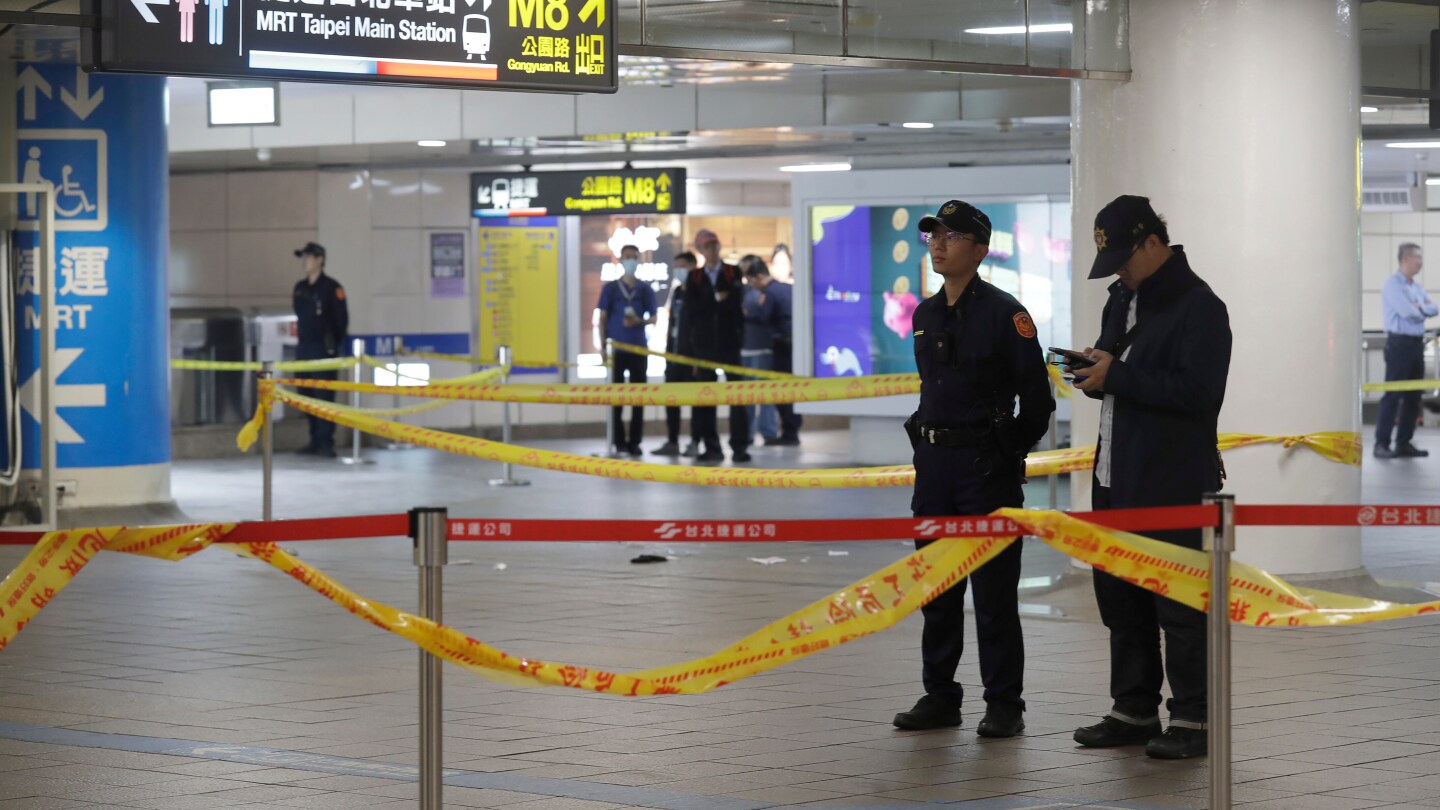
    TAIPEI — A chaotic series of attacks unfolded in central Taipei on Friday when an unidentified assailant launched smoke grenades and wielded a knife at pedestrians, resulting in at least nine injuries before the suspect apparently jumped from a building to evade capture. Authorities confirmed the suspect’s death at a local hospital following the incident.

    The violence began at Taipei Main Station, the city’s major transportation hub, where the perpetrator detonated smoke grenades, triggering panic among commuters. Surveillance footage from broadcaster EBC showed the individual subsequently boarding the metro, traveling one stop, and continuing his assault by releasing additional smoke devices on street level.

    Armed with a knife, the attacker menaced pedestrians before barricading himself inside a commercial establishment, prompting terrified screams from bystanders. Taipei Mayor Chiang Wan-an confirmed that four victims sustained serious injuries during the ordeal.

    Taiwanese Premier Cho Jung-tai provided additional details, noting that one victim experienced cardiac arrest after being knocked to the ground during the attack. Another individual suffered respiratory complications due to smoke inhalation. Authorities have launched a comprehensive investigation into the suspect’s background and motives while implementing heightened security measures across Taiwan’s rail and metro networks.

  • Dubai calls on private schools to put staff safety first, avoid outdoor activities

    Dubai calls on private schools to put staff safety first, avoid outdoor activities

    In response to challenging weather conditions, Dubai’s educational authorities have issued a formal directive to all private schools across the emirate, emphasizing the paramount importance of staff safety and welfare. The advisory, released on Friday, December 19, 2025, specifically calls for the immediate suspension of all outdoor activities until further notice.

    The comprehensive safety measures come as part of the city’s proactive approach to risk management during periods of adverse weather. Educational institutions have been instructed to implement alternative indoor programs and ensure that all staff members are provided with appropriate protection and accommodations. The directive underscores the administration’s commitment to maintaining operational continuity while prioritizing the wellbeing of educational personnel.

    This weather-responsive protocol represents Dubai’s ongoing efforts to enhance safety standards within its educational ecosystem. Private schools have been requested to maintain constant communication with relevant authorities and promptly report any weather-related concerns that may affect normal operations or compromise safety standards.

    Educational administrators across Dubai have welcomed the clear guidelines, which provide a structured framework for decision-making during unpredictable weather patterns while ensuring minimal disruption to academic activities through appropriate contingency planning.