标签: Asia

亚洲

  • UAE announces reverse charge mechanism for VAT on scrap-metal trading

    UAE announces reverse charge mechanism for VAT on scrap-metal trading

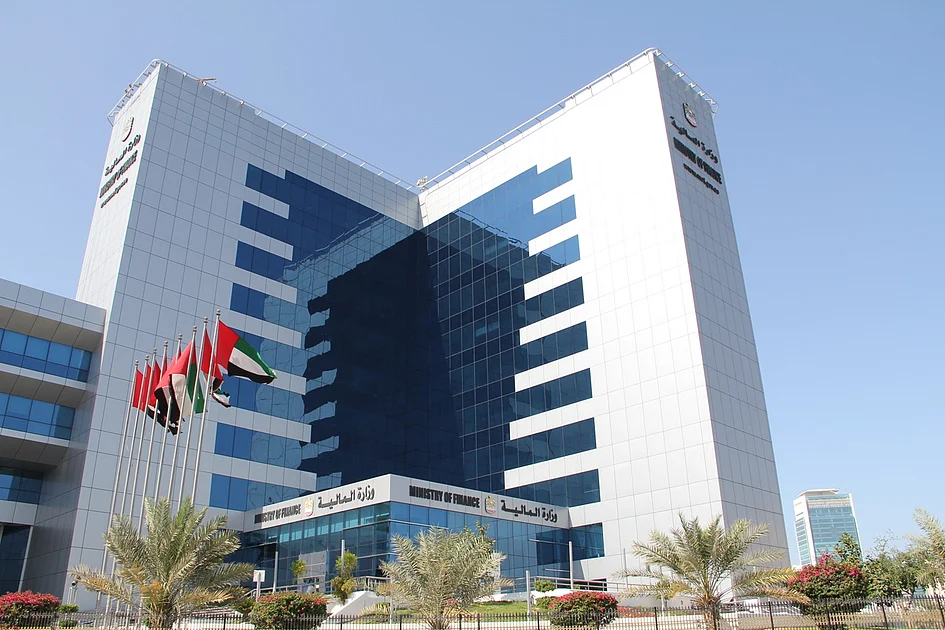
    The United Arab Emirates has unveiled a significant tax policy shift targeting the scrap metal industry, with Cabinet Decision No. 153 of 2025 introducing a reverse charge mechanism for Value Added Tax (VAT) on transactions between registered businesses. Effective January 14, 2026, this reform fundamentally alters tax accountability by transferring VAT calculation responsibilities from suppliers to purchasers in qualified scrap metal trades.

    The Ministry of Finance emphasized that this strategic initiative forms part of broader governmental efforts to enhance tax system efficiency and eliminate fraudulent activities within the metal recycling sector. The mechanism specifically applies to transactions where buyers acquire scrap metal either for resale purposes or for processing into raw materials suitable for manufacturing new products.

    Under the new framework, purchasing entities must assume complete responsibility for VAT accounting and fulfill all associated tax obligations. Suppliers, conversely, will be exempt from charging VAT on these transactions. Both parties must adhere to stringent procedural requirements, including written declarations from recipients confirming their intended use of materials and FTA registration status. Suppliers must verify these registrations, retain documentation, and explicitly note the reverse charge application on all invoices.

    This regulatory development follows successful implementations of similar mechanisms in the electronic devices and precious metals sectors. Authorities anticipate substantial reductions in tax evasion and improved administration of tax refund processes. The policy aligns with the UAE’s vision of establishing a transparent, sustainable financial ecosystem that fosters voluntary compliance and maintains competitive business environments.

  • Macao thrives as collaboration deepens

    Macao thrives as collaboration deepens

    As Macao prepares to commemorate the 26th anniversary of its return to Chinese sovereignty on December 20, 2025, the special administrative region demonstrates remarkable progress in regional integration and economic diversification through its deepening collaboration with Guangdong province. This partnership has significantly enhanced quality of life while facilitating seamless cross-boundary movement of people, goods, and vehicles.

    The Guangdong-Macao In-Depth Cooperation Zone in Hengqin has emerged as a cornerstone of this integration, with official statistics revealing over 30,000 Macao residents now living and working in the zone. The area has attracted more than 1,300 Macao professionals and approximately 7,500 Macao-invested enterprises, creating substantial economic interconnection between the regions.

    Entrepreneurial success stories abound, exemplified by Macao resident Zhang Haoren, who established Guangdong True Health Medical Technology Development in Hengqin. His enterprise has evolved into a nationally recognized high-tech organization with cutting-edge innovation capabilities, leveraging Guangdong’s industrial infrastructure and Macao’s international connections.

    Younger generations are equally engaged, with aspiring businessman Chan Wai Nam recently launching a cross-border venture with Italian partners in Hengqin. He emphasized the zone’s role as a strategic ‘bridgehead’ for Macao youth seeking mainland opportunities, noting comprehensive support systems including subsidies, entrepreneurial guidance, and tax consultation services.

    The Macao New Neighborhood in Hengqin represents another integration milestone, offering residents like finance professional Franke Ke living conditions comparable to those in Macao. This comprehensive community integrates residential spaces with educational institutions, healthcare facilities, and elderly care centers. Ke particularly praised the educational convenience and unrestricted internet access that enables seamless international financial operations.

    Logistical integration continues to strengthen, with Gongbei Port serving as a vital supply channel. Customs data reveals over 5 million tons of fresh produce—including fruits, vegetables, poultry, and seafood—have been transported to Macao since 1999, with current daily averages exceeding 600 tons across approximately 120跨境 trucks. Customs officer Hu Bengang highlighted continuous improvements in inspection efficiency and typhoon contingency planning to ensure supply stability.

    Transportation accessibility has likewise expanded, with the 2023 initiative permitting Macao-registered vehicles to enter Guangdong via the Hong Kong-Zhuhai-Macao Bridge for short-term business, family, or leisure purposes. The program has grown substantially, registering 73,655 participants and recording 4 million cross-boundary vehicle trips by October 2025.

  • Bangladesh government urges calm in wake of student leader’s killing, as election looms

    Bangladesh government urges calm in wake of student leader’s killing, as election looms

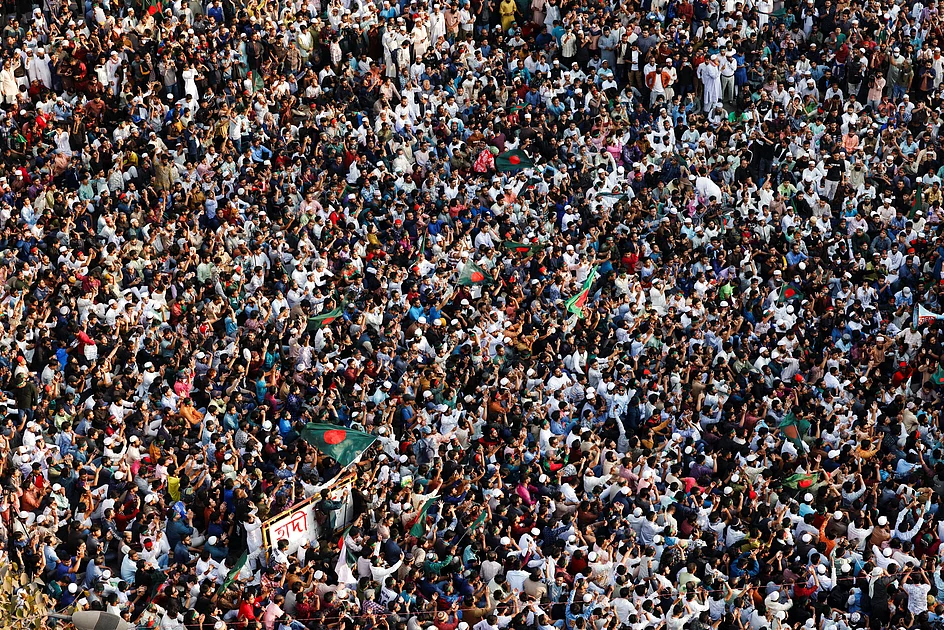
    Bangladesh’s interim administration has issued urgent appeals for national calm amid escalating violence triggered by the assassination of prominent youth leader Sharif Osman Hadi. The 32-year-old revolutionary figure was fatally shot by masked assailants during his electoral campaign launch in Dhaka last Friday, succumbing to injuries after six days on life support in Singapore.

    The killing has ignited widespread demonstrations across major urban centers, with protesters targeting media institutions and diplomatic facilities. The offices of leading newspapers Prothom Alo and Daily Star faced severe vandalism, requiring military intervention to rescue trapped journalists. In Chittagong, demonstrators assaulted the Indian Assistant High Commission, reflecting deteriorating relations with neighboring India since former Prime Minister Sheikh Hasina’s exile to Delhi in August 2024.

    This violence presents the most significant challenge to Nobel laureate Muhammad Yunus’s caretaker government, which oversees the nation during this transitional period. The administration has characterized the unrest as orchestrated by “fringe elements” seeking to destabilize Bangladesh’s democratic transition. With parliamentary elections scheduled within two months, the government emphasizes the critical importance of maintaining stability for the nation’s 175 million citizens.

    The political landscape remains fractured following Hasina’s ouster during student-led protests, with her banned Awami League party threatening further disruptions. Independent human rights organization Ain O Salish Kendra has warned that these coordinated attacks indicate dangerous extremist proliferation, potentially creating permanent crises for democratic institutions and human rights protections unless addressed decisively.

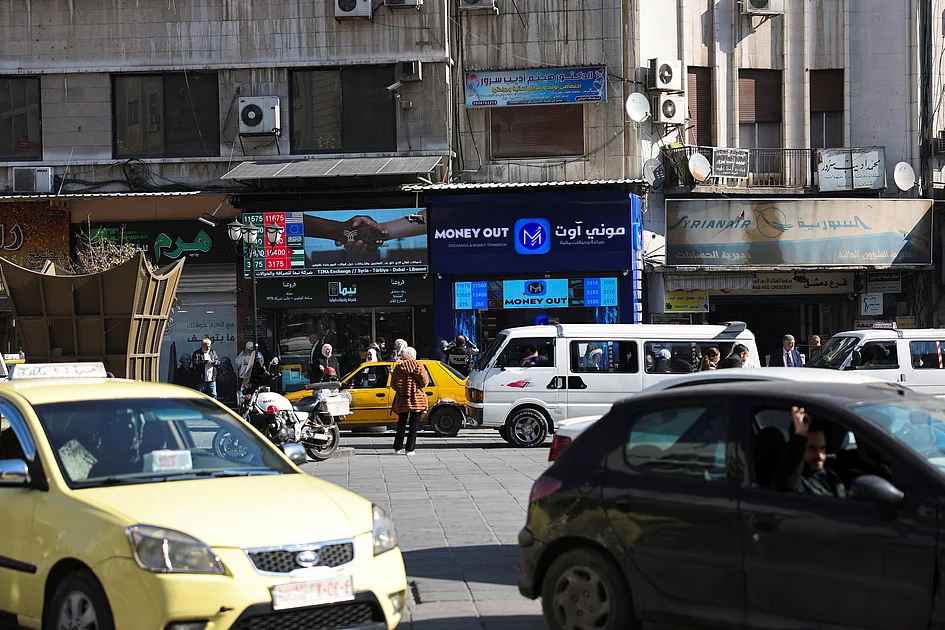
  • Syria hails permanent end to US sanctions, calls on citizens to rebuild

    Syria hails permanent end to US sanctions, calls on citizens to rebuild

    Damascus has officially welcomed the United States Congress’ decisive move to permanently terminate the stringent Caesar Act sanctions against Syria, marking a pivotal turning point for the war-torn nation’s economic future. The legislative action, finalized on Wednesday, eliminates measures that had crippled foreign investment and severed Syria’s access to international banking networks for years.

    Named after an anonymous photographer who documented human rights atrocities within Syrian detention facilities, the Caesar Act had effectively isolated the Syrian economy through comprehensive restrictions. The Syrian Foreign Ministry released an official statement characterizing this development as ‘the gateway to reconstruction and developmental progress,’ while passionately appealing to all Syrian citizens both domestically and abroad to actively participate in national recovery initiatives.

    The sanctions framework had been temporarily suspended on two previous occasions under the administration of former US President Donald Trump, following diplomatic appeals from key regional allies Saudi Arabia and Turkey. Both nations support the current government led by former jihadist figure Ahmed al-Sharaa, who had persistently advocated for a complete and irreversible revocation of the sanctions.

    Sharaa’s administration argued that the mere existence of the sanctions on legislative record created unsustainable legal uncertainties, deterring international businesses and investors apprehensive about potential repercussions in the world’s largest economy. The permanent removal is now anticipated to unlock substantial foreign capital, facilitate the restoration of banking channels, and accelerate the rebuilding of critical infrastructure devastated by years of conflict.

  • ‘Every border lasts until the next war’: Israel’s settlers gather to ‘raise flag’ in Gaza

    ‘Every border lasts until the next war’: Israel’s settlers gather to ‘raise flag’ in Gaza

    Hundreds of Israeli settlers convened at the Sderot lookout point overlooking Gaza on Thursday for a controversial demonstration organized by the Nachala settlement movement. The gathering, titled “Raising the Flag in Gaza,” explicitly advocated for establishing permanent Jewish settlements within the besieged Palestinian territory and called for the expulsion of Gaza’s Palestinian population.

    The event unfolded against a backdrop of widespread destruction in northern Gaza, where Israeli military operations have systematically flattened entire neighborhoods over two years of conflict. The Sderot viewpoint has ironically become a tourist attraction for Israelis observing the devastation in real-time.

    Organizers distributed traditional Hanukkah pastries as supporters arrived from West Bank settlements and within Israel. The gathering featured speeches from right-wing politicians and settler leaders who declared Gaza part of their “ancestral inheritance” that must be permanently reclaimed. The only dissent came from a small group of left-wing activists from the Standing Together movement, who briefly stormed the stage with shirts proclaiming “We are not returning to Gaza.”

    Settler leader Daniella Weiss asserted that raising Israeli flags in Gaza represented a rejection of international dictates, particularly criticizing potential Turkish or Qatari involvement in postwar governance. The event occurred despite the defense ministry denying permission for activists to physically cross into Gaza, though reports indicate dozens of settlers later breached the border fence at other locations to plant flags.

    Multiple speakers employed the term “voluntary migration” to describe the desired removal of Palestinians from Gaza—a euphemism for ethnic cleansing. Knesset member Limor Son Har-Melech stated that achieving this outcome merely required Israeli “will,” while settler Yehoshua Sokol argued international borders remain fluid “until the next war.”

    The demonstration revealed growing tensions within Israel’s right-wing coalition regarding Gaza’s future, with settlers pressuring the government to resist international agreements and pursue permanent territorial control through population transfer.

  • UAE gears up for next phase of plastic ban despite high costs, need for local raw materials

    UAE gears up for next phase of plastic ban despite high costs, need for local raw materials

    The United Arab Emirates is pressing forward with the second phase of its comprehensive nationwide ban on single-use plastics, set for enforcement by the Ministry of Climate Change and Environment (MOCCAE) starting January. This significant environmental policy expansion targets a specific range of products including beverage cups and lids, cutlery, plates, straws, stirrers, and Styrofoam food containers, while also implementing a full prohibition on plastic bags thinner than 50 microns.

    Despite the clear regulatory direction, the transition presents substantial challenges for local manufacturers. Industry experts identify high production costs and limited availability of locally sourced recycled raw materials as primary obstacles. François de Bie, Chief Commercial Officer of Emirates Biotech, emphasizes that UAE-based manufacturers serve as the crucial ‘engine room’ for this ecological transition. Their role extends beyond production to include adapting machinery for plant-based materials and designing products with environmentally conscious end-of-life considerations.

    The policy strategically exempts products manufactured from PLA biopolymers and other plant-based materials, shifting the national strategy from mere prohibition to promoting restorative and innovative sustainable solutions. Local industry leader Hotpack exemplifies this adaptation, having invested heavily over the past decade in research, development, and advanced machinery capable of utilizing up to 100% recycled materials.

    According to Abdul Jebbar, Group CEO and Managing Director of Hotpack, the company has developed numerous alternatives including green polymers, reusable product ranges, and packaging solutions derived from paper, board, aluminum, molded fiber, and various biodegradable compounds. Notably, they’ve engineered an innovative alternative that reduces material usage by 30% while maintaining full recyclability and physical integrity.

    The economic realities remain challenging, with recycled raw materials costing significantly more than virgin plastics. Additionally, the limited local infrastructure for recycling creates supply constraints. Both industry leaders emphasize the critical importance of public education on waste sorting and the development of domestic supply chains, including local PLA stocks and warehousing, to reduce dependence on imported alternatives with their associated long wait times and high shipping costs.

    While the market remains in a preparation phase as retailers work to break established habits, the emergence of localized supply chains indicates significantly better preparedness compared to a year ago, positioning the UAE for substantial progress in its sustainability objectives.

  • ACM Winter Village brings the magic of a European festive town to Arabian Center with free family experiences

    ACM Winter Village brings the magic of a European festive town to Arabian Center with free family experiences

    Dubai’s Arabian Center has inaugurated an immersive winter wonderland, transporting visitors to the heart of a traditional European festive village without leaving the city. Running from December 18, 2025, through January 4, 2026, the meticulously crafted Winter Village at Entrance B offers complimentary daily access from 2:00 PM to 10:00 PM, creating an accessible seasonal destination for multigenerational families.

    The installation features snow-dusted cottages, castle-inspired architecture, and glowing lanterns amidst rich seasonal décor, establishing a storybook atmosphere that evokes nostalgic European winter celebrations. This visually stunning environment provides numerous photo opportunities and immersive exploration experiences both during daylight hours and under evening illumination.

    Central to the activation are diverse complimentary activities designed for family engagement. The Enchanted Craft Workshop enables children to create winter-themed keepsakes through hands-on artistic expression. The Royal Dress-Up & Photo Booth permits families to transform into royalty and knights, with professional photography services capturing these moments for lasting memorabilia.

    Thematic programming includes regularly scheduled Story Time with the Wizard, where theatrical storytelling sessions bring magical narratives to life three times daily. Interactive elements continue with Medieval Market Mini Games that recreate traditional village fair challenges, while professional face painters provide festive designs enhancing the imaginative experience.

    Additional attractions include daily themed giveaways while supplies last and specially scheduled roaming entertainment on key dates throughout the activation period. On December 19-20, 25-26, 2025, and January 2-3, 9-10, 2026, visitors can experience dynamic performances including winter characters, Christmas entertainers, bubble shows, and vibrant parades at 5:00 PM, 6:00 PM, 7:00 PM, and 8:00 PM throughout the mall complex.

    This comprehensive activation represents Arabian Center’s commitment to creating inclusive community experiences that celebrate festive traditions through imagination and togetherness, offering Dubai families an opportunity to create lasting holiday memories in an accessible urban setting.

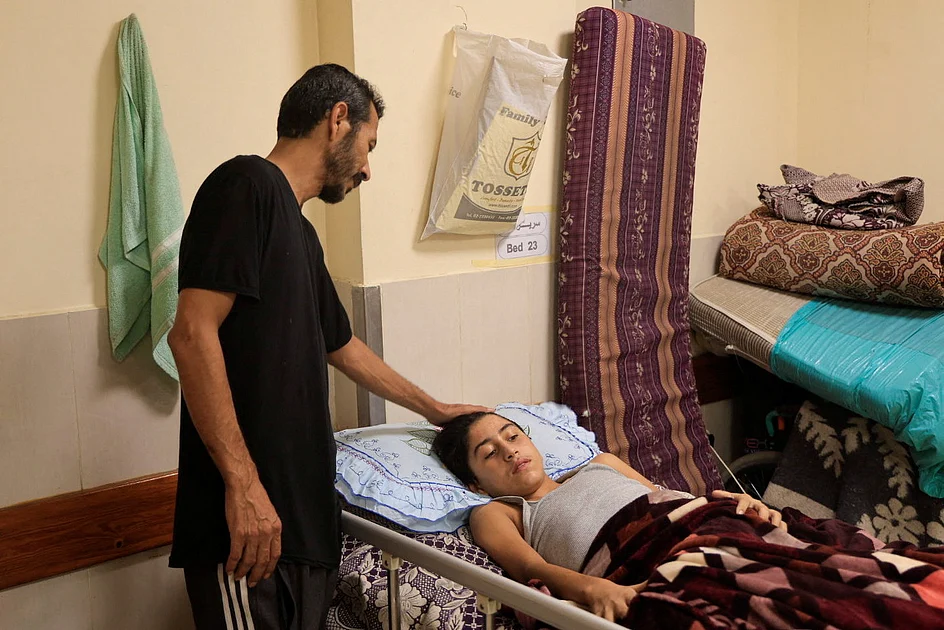
  • Over 1,000 patients have died awaiting evacuation from Gaza since July 2024, says WHO

    Over 1,000 patients have died awaiting evacuation from Gaza since July 2024, says WHO

    The World Health Organization has revealed a devastating humanitarian crisis unfolding in Gaza, with more than 1,000 patients having perished while awaiting urgent medical evacuation between July 2024 and November 2025. WHO Director-General Tedros Adhanom Ghebreyesus disclosed these alarming figures through an official statement, emphasizing that the actual death toll is likely significantly higher due to underreporting.

    Despite successful medical evacuations of approximately 10,600 critically ill patients from Gaza—including more than 5,600 children—since the conflict began over two years ago, the situation remains dire. WHO spokesperson Tarik Jasarevic confirmed that an estimated 18,500 patients still require immediate treatment outside Gaza’s decimated healthcare system, with over 4,000 being children.

    The medical evacuation process faces severe challenges, with only about 30 countries having accepted patients from Gaza. Egypt and the United Arab Emirates have borne the brunt of this medical burden, accepting the majority of evacuated cases. The WHO has issued an urgent appeal for more nations to open their doors to Gaza’s medical patients and to restore evacuation routes to the West Bank and East Jerusalem.

    This medical emergency persists despite a US-brokered ceasefire that took effect on October 10, following Hamas’s attack on Israel on October 7, 2023. However, the truce remains precarious, with both sides regularly accusing each other of violations. Medical organizations on the ground, including Doctors Without Borders, warn that the WHO’s figures represent only registered patients, and the actual number requiring emergency evacuation is substantially higher.

    The WHO’s statement underscores the critical nature of timely medical intervention, with spokesperson Jasarevic stressing that ‘many of these people don’t have time to wait’ for the political and logistical obstacles to be resolved.

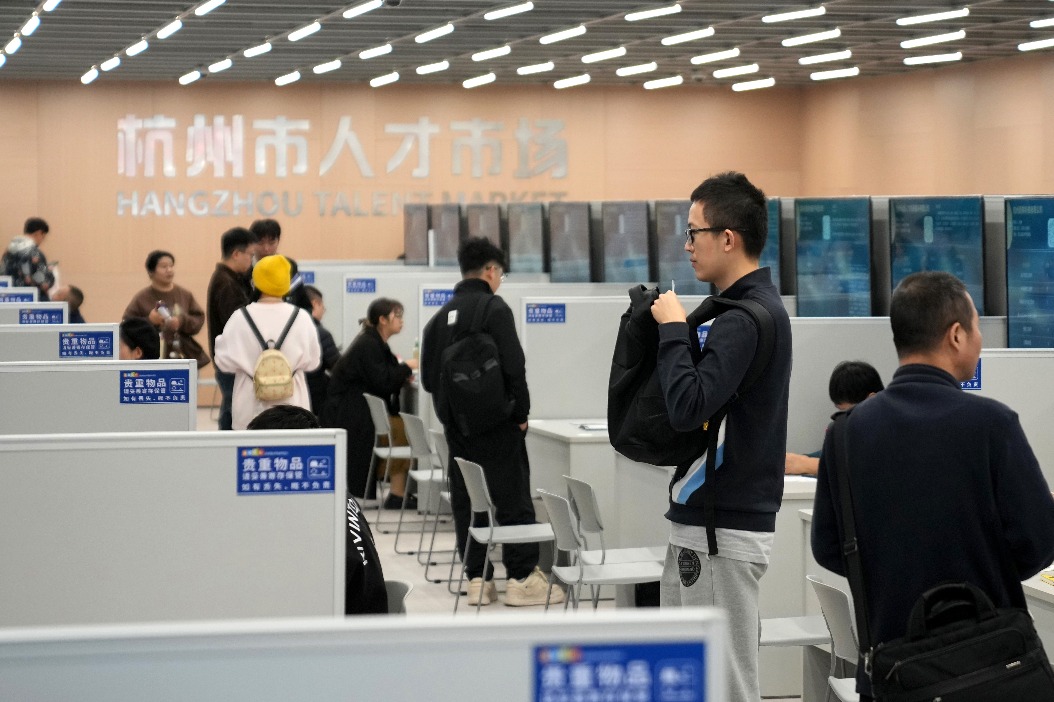
  • Ministry to launch month-long program aimed at promoting youth employment

    Ministry to launch month-long program aimed at promoting youth employment

    China’s Ministry of Human Resources and Social Security has announced a comprehensive month-long employment promotion program commencing in mid-December 2025, specifically designed to address youth employment challenges. The initiative strategically targets three key demographic groups: impending 2026 university graduates, recent graduates still seeking employment opportunities, and participants in the national ‘Sanzhi Yifu’ program involving grassroots service commitments.

    The program will deliver enhanced employment services through coordinated efforts between local human resources bureaus, employment service agencies, and talent markets. These entities will develop tailored employment opportunities while organizing both digital and physical job fairs to maximize accessibility. Special emphasis will be placed on providing structured campus recruitment services throughout the implementation period.

    A distinctive feature of the initiative involves comprehensive educational components focused on identifying employment scams and fraudulent recruitment practices. The ministry aims to strengthen risk prevention awareness among young job seekers while ensuring orderly conduct throughout the recruitment process. This multidimensional approach represents China’s latest effort to stabilize youth employment markets amid evolving economic conditions.

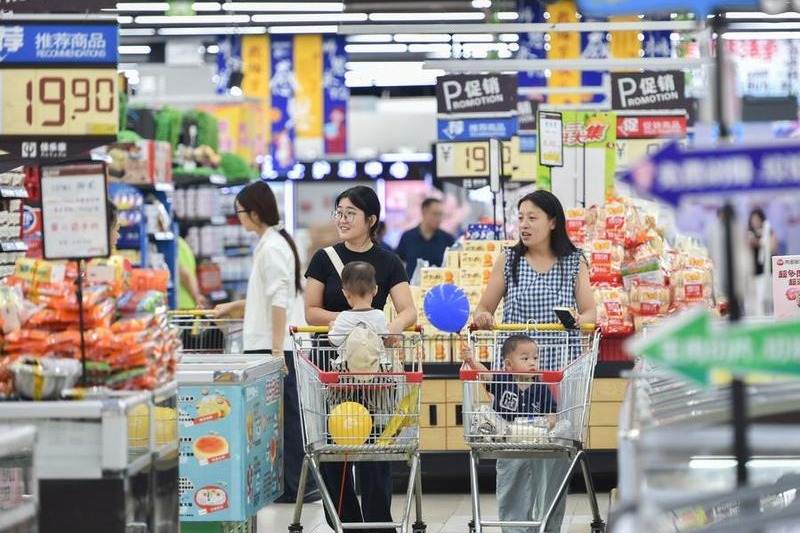
  • National health body asks consumers to read nutritional information on food labels

    National health body asks consumers to read nutritional information on food labels

    In a significant move to bolster public health awareness, China’s National Health Commission (NHC) has issued a nationwide appeal for consumers to actively scrutinize nutritional information on food packaging. The initiative accompanies the upcoming implementation of revised labeling standards for prepackaged foods, with a strong emphasis on digital innovation to enhance accessibility.

    NHC spokesman Yang Jinrui announced that updated ‘General Rules for Nutrition Labeling of Prepackaged Foods’ are scheduled to take full effect on March 16, 2027. However, food manufacturers are being actively encouraged to adopt these enhanced standards ahead of the mandatory deadline. The revised regulations introduce a critical update by classifying saturated fats and sugars as mandatory core components that must be prominently displayed alongside existing requirements for total fat and sodium.

    A groundbreaking aspect of the new framework involves the integration of digital labeling technology. Food enterprises will be incentivized to incorporate QR codes on packaging, which consumers can scan to access comprehensive product information through digital interfaces. These smart labels will feature adjustable font sizes, voice recognition capabilities, and video playback functions—innovations specifically designed to assist elderly consumers and those with visual impairments.

    Furthermore, the updated labeling standards will provide clearer contextual information by indicating what percentage of the recommended daily intake a single serving of the product contributes for each nutrient. Health authorities emphasize that developing the habit of reading nutritional information represents a fundamental step toward making informed dietary choices and safeguarding long-term family health, particularly as China addresses nutrition-related public health challenges.

    The commission’s announcement reflects China’s broader commitment to utilizing technological solutions and regulatory measures to promote preventive healthcare and consumer empowerment in nutritional decision-making.