标签: Asia

亚洲

  • High-speed passenger train kills 7 elephants crossing railway tracks in northeast India

    High-speed passenger train kills 7 elephants crossing railway tracks in northeast India

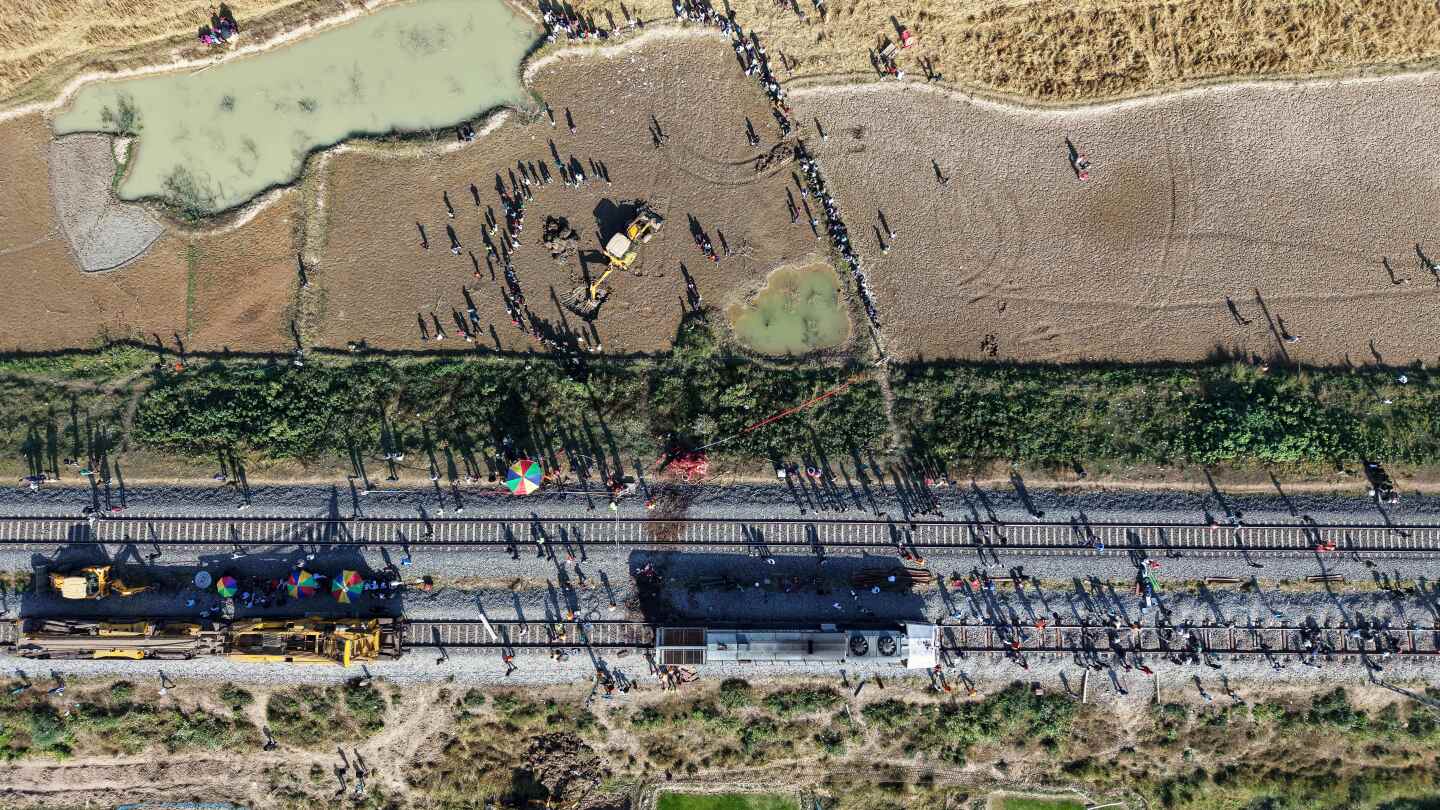
    A devastating railway collision claimed the lives of seven wild Asiatic elephants and injured a calf in northeastern India’s Assam state during the early hours of Saturday. The Rajdhani Express train, transporting 650 passengers from Sairang to New Delhi, struck the elephant herd while traversing through forested terrain approximately 78 miles southeast of Guwahati, Assam’s capital.

    According to Indian Railways spokesman Kapinjal Kishore Sharma, the locomotive operator detected the massive herd of approximately 100 elephants and immediately engaged emergency braking systems. Despite these preventive measures, the high-speed passenger train could not avoid impact with multiple animals. The collision resulted in the derailment of five coaches and the engine, though remarkably no human passengers sustained injuries.

    Veterinary specialists conducted postmortem examinations on the deceased elephants, with burial procedures scheduled for later the same day. Railway authorities confirmed that the accident occurred outside designated elephant crossing corridors, though the region is known for frequent elephant movements.

    Following the incident, railway personnel separated the unaffected coaches, allowing the main train to continue its journey to New Delhi. Approximately 200 passengers from the derailed compartments were transferred to Guwahati via alternative transportation.

    This tragedy highlights an ongoing conservation challenge in Assam, which hosts an estimated 7,000 wild Asiatic elephants—among India’s highest population densities for the species. Since 2020, train collisions have killed at least a dozen elephants statewide. The problem intensifies annually during harvest season, when elephants increasingly venture into human-occupied areas near railway tracks.

  • US tech enabled China’s surveillance empire. Now Tibetan refugees in Nepal are paying the price

    US tech enabled China’s surveillance empire. Now Tibetan refugees in Nepal are paying the price

    KATHMANDU, Nepal — The iconic Boudhanath Stupa, with its serene Buddha eyes gazing over Nepal’s capital, once symbolized sanctuary for Tibetans fleeing Chinese persecution. Today, this spiritual haven exists under the unblinking gaze of thousands of Chinese-made surveillance cameras that monitor every movement in what has become one of the world’s most intensely monitored refugee communities.

    An Associated Press investigation reveals how China has transformed Nepal into a testing ground for its global surveillance exports, with technology originally developed by American companies now being deployed to suppress Tibetan dissent. Through thousands of government procurement documents, corporate materials, and interviews with over 40 sources, AP documented how Chinese technology firms have established comprehensive monitoring systems across at least 150 countries worldwide.

    The surveillance architecture in Nepal includes facial recognition cameras, AI-powered tracking systems, and digital communication networks provided by Chinese companies like Hikvision, Dahua, and Uniview—many using technology originally developed by U.S. firms. This digital infrastructure has effectively crushed the once-vibrant Free Tibet movement, reducing annual refugee arrivals from thousands to single digits.

    Chinese companies now offer complete surveillance suites with few restrictions on usage or customers. According to Sheena Greitens, a political scientist at the University of Texas at Austin, “China pitches itself as a global security model with low crime rates, contrasting its record with the United States. They’re certainly exporting the tools and techniques that are very important to authoritarian rule.”

    The investigation found that American technology transfer played a crucial role in China’s surveillance capabilities. Companies like HP, IBM, and Motorola initially provided technology through joint ventures and research partnerships in China, only to see their Chinese partners become global competitors in the surveillance industry.

    The impact on Tibetans in Nepal has been devastating. The population has plummeted from over 20,000 to less than half that number today. Those who remain live in constant fear, with predictive policing systems allowing authorities to identify and arrest potential protesters before demonstrations even occur.

    Sonam Tashi, a 49-year-old former protester, described how those considered likely to protest are picked up in advance around sensitive dates. “There are cameras everywhere,” he said while attempting to secure his 10-year-old son’s escape to India. “There is no future.”

    China’s Foreign Ministry denied allegations of coercing Western companies or collaborating with Nepal to surveil Tibetans, calling such claims “sheer fabrication driven by ulterior motives.” Neither the Nepali government nor Chinese-controlled Tibetan authorities responded to requests for comment.

    The surveillance network extends beyond urban centers to Nepal’s northern border regions, where China has constructed observation domes and monitoring systems that effectively seal the once-porous frontier. These installations are part of what Chinese officials term a “Great Wall of Steel” featuring fences, sensors, and AI-powered drones.

    For Tibetan refugees, the message is clear: silence has become survival. As one café owner anonymously stated, “Now you can only be Tibetan in private.” Another refugee, Namkyi, arrested at 15 for protesting Chinese rule, summarized the reality: “Even though we are free, the surveillance cameras mean we’re actually living in a big prison.”
  • US terminates green card lottery as it totes ‘Trump Gold Card’ fees

    US terminates green card lottery as it totes ‘Trump Gold Card’ fees

    In a significant policy shift, the Trump administration has announced the immediate suspension of the Diversity Visa Lottery Program (DV-1), citing national security concerns following a tragic shooting incident. The decision comes after investigators identified Claudio Neves Valente, a 48-year-old Portuguese national, as the perpetrator behind a mass shooting at Brown University and the subsequent killing of an MIT professor. Secretary of Homeland Security Kristi Noem confirmed that Valente had entered the United States through the diversity lottery system in 2017 and was granted permanent residency.

    The administration’s move coincides with the controversial launch of premium immigration options. Commerce Secretary Howard Lutnick revealed the successful generation of $1.3 billion within days through the sale of ‘Trump Gold Cards,’ which offer expedited permanent residency. The program requires a $15,000 processing fee, a $1 million contribution to the United States, and successful background checks for applicants seeking accelerated residency status.

    Furthermore, the administration is introducing an even more exclusive ‘Trump Platinum Card’ tier, demanding a $5 million contribution alongside the processing fee. This premium option grants holders the ability to spend up to 270 days annually in the United States without being subject to U.S. taxes on foreign-sourced income.

    While the administration presents these measures as enhanced security protocols, critics argue the timing suggests financial motivations. The diversity lottery, established in 1995, has historically provided up to 55,000 permanent resident visas annually to individuals from countries with traditionally low immigration rates to the United States. This recent suspension follows previous immigration restrictions targeting several Arab and African nations, which the administration justifies as necessary for vetting and screening purposes, though opponents contend these policies disproportionately affect Muslim-majority regions.

  • Appleby and Seemar dominate on Festive Friday as William Buick rides four winners

    Appleby and Seemar dominate on Festive Friday as William Buick rides four winners

    The Meydan Racecourse concluded its 2025 Dubai Racing Carnival calendar with a spectacular Festive Friday event, serving as a pivotal precursor to the upcoming 30th Dubai World Cup in March 2026. The evening witnessed extraordinary dominance from racing’s elite, with trainers Charlie Appleby and Bhupat Seemar orchestrating remarkable one-two-three finishes across multiple races, a rare achievement in such competitive fixtures. Godolphin’s premier jockey William Buick further electrified the event by securing an impressive quartet of victories, three adorned in the stable’s iconic royal blue silks. The high-stakes program offered crucial early indicators for the season’s trajectory, with several performances positioning horses as serious contenders for the prestigious $12 million Dubai World Cup. The featured AED1 million G2 Al Maktoum Mile was commandeered by Bhupat Seemar’s Imperial Emperor, who delivered a powerful comeback under jockey Tadhg O’Shea. The Deva Racing-owned gelding demonstrated superior tactical speed to secure victory ahead of stablemates Commissioner King and Mendelssohn Bay. Simultaneously, the G2 Al Rashidiya was captured by Godolphin’s Opera Ballo, a promising colt trained by Charlie Appleby and ridden by Buick. The son of a champion middle-distance specialist displayed breathtaking acceleration to defeat a quality field, including four-time Group 1 winner Nations Pride, by a decisive three-length margin. Buick’s mastery extended throughout the card with additional wins aboard Mysterious Night in the Listed Business Bay Challenge and Cover Up in the Listed Ertijaal Dubai Dash. The evening also celebrated international talent, with YAS Racing’s Muraad making a triumphant UAE debut and British raider Heart Of Honor showcasing exceptional stamina in the Listed Entisar Stakes. Michael Costa of Jebel Ali Stable completed the night’s narrative of training excellence by saddling his own one-two-three finish, underscoring the depth of competition present at the Carnival.

  • Three killed in Taipei metro attacks, suspect dead

    Three killed in Taipei metro attacks, suspect dead

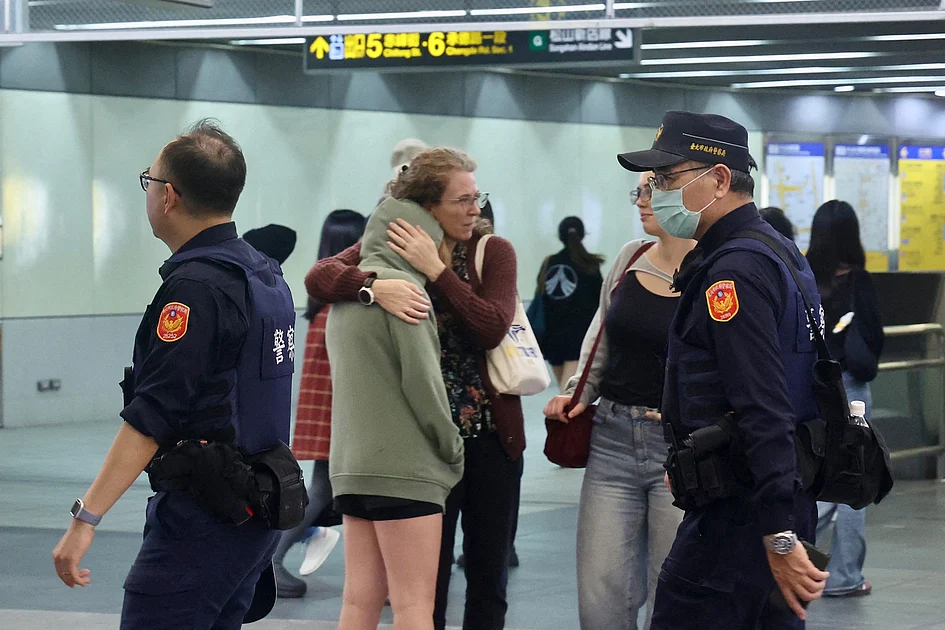
    Taipei was shaken by a series of coordinated attacks at multiple metro stations on Friday, resulting in three civilian fatalities and multiple injuries before the suspected perpetrator was found dead in an apparent suicide. The incident has triggered heightened security alerts across Taiwan.

    According to official reports from Taipei’s Fire Department, the attacks occurred at both Taipei Main Station and Zhongshan Station, involving the deployment of smoke grenades and stabbings. Taiwanese Premier Cho Jung-tai confirmed the incidents were ‘a deliberate act,’ though investigators have not yet determined a specific motive.

    The suspect, identified as a 27-year-old male, wore a gas mask and bulletproof vest during the assaults. Witness accounts describe him throwing multiple canisters that released thick clouds of white smoke while armed with a knife. One heroic victim lost his life while attempting to subdue the attacker at Taipei Main Station.

    Mayor Chiang Wan-an revealed the suspect was previously wanted for evading military service and reportedly jumped from a building to evade capture. His death was subsequently confirmed by authorities.

    Medical reports indicate victims suffered from cardiac arrest, stab wounds, and blunt force trauma. Five injured individuals received medical treatment following the attacks.

    In response to the violence, Taiwanese authorities have implemented enhanced security measures at critical transportation infrastructure nationwide, including railways, highways, and airports. President Lai Ching-te pledged a thorough investigation and assured citizens that ‘there will be no leniency’ in ensuring public safety.

    This tragic event marks the most significant violent incident on Taipei’s metro system since 2014, when a stabbing spree resulted in four deaths, disrupting the island’s reputation for public safety.

  • UN declares famine over in Gaza, says ‘situation remains critical’

    UN declares famine over in Gaza, says ‘situation remains critical’

    The United Nations has formally rescinded its famine declaration for Gaza, marking a significant yet fragile improvement in the Palestinian territory’s food security situation. According to the UN’s Integrated Food Security Phase Classification (IPC) initiative, no areas in Gaza currently meet the technical criteria for famine—a stark reversal from the organization’s August 2025 declaration, the first such designation ever issued in the Middle East.

    The improvement is attributed to the partial easing of restrictions on humanitarian aid following the October ceasefire between Israel and Hamas. However, the IPC emphasized that the entire Gaza Strip remains classified at emergency levels of food insecurity, with approximately 1.6 million people projected to face crisis-level hunger through mid-April.

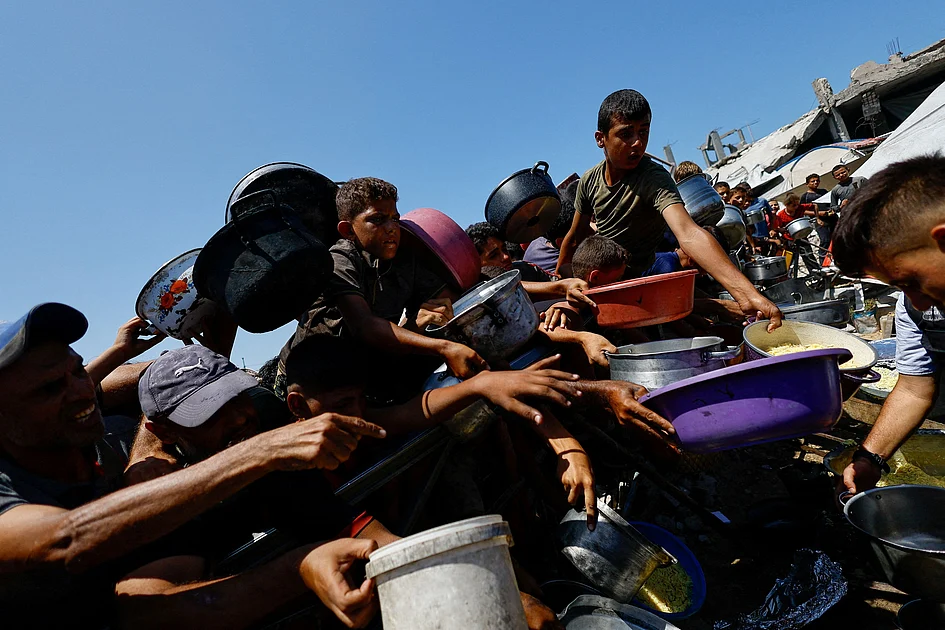
    Aid distribution continues to face severe challenges, with delivery described as limited, uneven, and fluctuating daily. The ceasefire remains fragile, with both parties regularly accusing each other of violations. UN agencies warned that without sustained access, supplies, and funding, several regions—including North Gaza, Gaza Governorate, Deir al-Balah, and Khan Younis—could rapidly deteriorate into famine conditions if hostilities resume.

    The humanitarian situation extends beyond food security, with over 70% of Gaza’s population living in makeshift shelters. Winter floods and plummeting temperatures have increased risks of hypothermia, while severely limited access to water, sanitation, and hygiene facilities has created conditions ripe for disease outbreaks. Agricultural infrastructure has been devastated, with over 96% of cropland damaged or inaccessible and livestock populations decimated.

    Israeli officials acknowledged the improved situation but criticized the IPC’s methodology, claiming it presented a distorted picture by overemphasizing UN aid trucks while ignoring other assistance channels. Meanwhile, humanitarian organizations like Oxfam accused Israel of continuing to block critical aid, with millions of dollars worth of supplies reportedly stranded at border crossings.

    UN Secretary-General Antonio Guterres called for expanded access points, reduced restrictions on critical items, and safe routes within Gaza, while also highlighting the rapidly deteriorating situation in the West Bank where Palestinians face escalating violence and movement restrictions.

  • US and Israel ‘planted’ media leaks alleging tensions before Iran attack: Report

    US and Israel ‘planted’ media leaks alleging tensions before Iran attack: Report

    A groundbreaking investigation by The Washington Post has exposed a meticulously orchestrated disinformation campaign between the United States and Israel, revealing that both nations collaboratively planned a military strike on Iran while deliberately misleading global media about their strategic alignment. Contrary to widespread media narratives suggesting diplomatic tensions between President Donald Trump and Israeli Prime Minister Benjamin Netanyahu, the two allies were in fact coordinating an attack strategy while simultaneously negotiating with Tehran.

    The covert operation, executed in June, involved the intentional leaking of false stories to major news outlets suggesting discord between Washington and Jerusalem. This calculated misinformation campaign aimed to lull Iranian officials into a false sense of security during nuclear negotiations. According to insider sources cited in the report, the perception of US-Israel tensions was deliberately cultivated to enable attack planning without international detection.

    Middle East Eye corroborates that Israel launched surprise strikes on June 13th using modified American F-35 aircraft and other US-supplied weaponry, just two days before scheduled nuclear talks that involved US Arab partners including Saudi Arabia, the UAE, and Qatar. The attack proceeded despite numerous media reports, including from The Wall Street Journal and Axios, asserting that the US had refused to provide offensive support or participate directly in Israeli military actions.

    In reality, the Trump administration had been thoroughly briefed on Israel’s attack plans and never ruled out participation. The US ultimately approved the use of advanced weapon systems including F-35 and F-16 fighter jets, while simultaneously supplying additional missiles to Israel in the days preceding the operation. The military campaign culminated in US strikes against Iranian nuclear facilities on June 22nd, directly contradicting dozens of media reports that had claimed American non-involvement.

    Prior to the attack, the US delivered a restrictive final ultimatum to Iran demanding the complete cessation of financial support to groups including Hezbollah, the Houthis, and Hamas. The proposal also required Iran to replace the Fordow Enrichment Plant with facilities prohibiting uranium enrichment entirely, in exchange for sanctions relief. While alternative solutions including regional uranium enrichment consortia had been discussed, the military option proceeded as planned.

  • Sri Lanka tea workers struggle in poverty. Flooding cost many their lives

    Sri Lanka tea workers struggle in poverty. Flooding cost many their lives

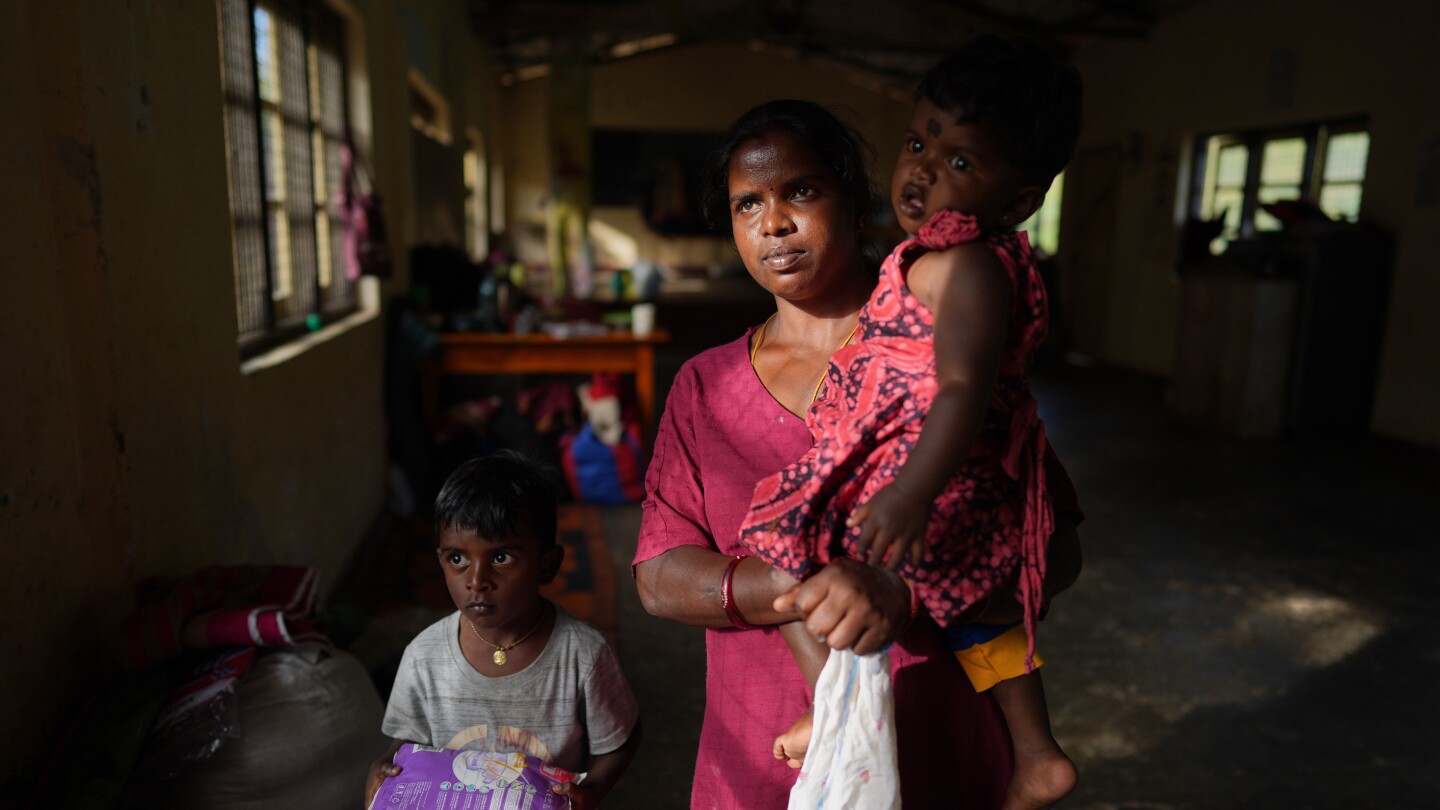
    The devastating impact of Cyclone Ditwah has laid bare the extreme vulnerabilities facing Sri Lanka’s tea plantation communities, where centuries-old systemic inequalities have amplified a natural disaster into human tragedy. In the hilly central regions, entire communities of Malaiyaha Tamil workers—descendants of indentured laborers brought from India during British colonial rule—have been virtually erased by catastrophic landslides and flooding.

    Survivors like Kumaran Elumugam returned from work to discover his home completely buried, claiming six family members including his wife, mother-in-law, and grandchildren. “The small one is still under the mud,” he lamented, encapsulating the horrifying human toll. Across the affected regions, over 640 lives were lost with hundreds more missing, while more than 100,000 homes were destroyed or damaged.

    The disaster disproportionately impacted tea workers who typically inhabit primitive 150-year-old colonial-era structures measuring barely 100 square feet, often housing eight family members with inadequate sanitation facilities. Climate researcher Melanie Gunathilaka noted that while tea plantations on flatter ground remained largely unaffected, worker settlements situated near dangerous mountain slopes were completely destroyed—a stark illustration of how little value has been placed on these communities’ safety.

    These communities, representing Sri Lanka’s fourth-largest ethnic group, survive on wages well below the minimum of 1,200 rupees ($4) per day with limited access to education, healthcare, or alternative employment. The catastrophe has exposed how climate vulnerability intersects with preexisting socioeconomic disparities.

    The government has promised compensation packages and new housing initiatives, including an Indian-assisted project to build 7,000 homes. Deputy Minister Sundaralingam Pradeep confirmed negotiations with tea companies to identify safer lands for reconstruction. However, survivors report continuing to work under dangerous conditions as companies provide no support without labor.

    Beyond immediate recovery, Sri Lanka faces profound climate adaptation challenges. The nation accounts for less than 1% of global emissions yet ranks among the most vulnerable to climate impacts. According to UN estimates, Sri Lanka loses over $300 million annually to climate-related disasters, with 19 million citizens living in disaster-prone areas.

    The country’s massive debt burden—owing billions to the IMF, multilateral banks, and national creditors—severely hampers climate resilience efforts. As analyst Sandun Thudugala observed, “Disasters don’t break the system. They expose the already broken systems.” Without debt relief and significant investment in climate-resilient infrastructure, early warning systems, and adaptive housing, Sri Lanka’s most marginalized communities remain trapped in a cycle of vulnerability despite contributing minimally to the global climate crisis.

  • Kebabs, biryani and much more: Indian city on Unesco culinary list

    Kebabs, biryani and much more: Indian city on Unesco culinary list

    The northern Indian city of Lucknow has received international recognition as UNESCO designated it a Creative City of Gastronomy, placing it among 408 cities worldwide committed to leveraging creativity for sustainable urban development. This prestigious accolade makes Lucknow only the second Indian city after Hyderabad to join this exclusive network.

    UNESCO’s Regional Director for South Asia, Tim Curtis, emphasized that this designation serves as a testament to Lucknow’s profound culinary heritage and dynamic food ecosystem, simultaneously honoring its cultural legacy while creating opportunities for global collaboration.

    The city’s gastronomic identity traces back to the 18th and 19th centuries when it served as the capital of the Awadh region under wealthy Muslim rulers known as Nawabs. Their royal kitchens became centers of culinary innovation, blending Persian and Indian techniques to create what is now known as Awadhi cuisine. Among their most significant contributions was the Dum pukht method—slow-cooking ingredients in a sealed pot with dough—developed during Nawab Asaf-ud-Daulah’s reign to address famine conditions through a work-for-food program.

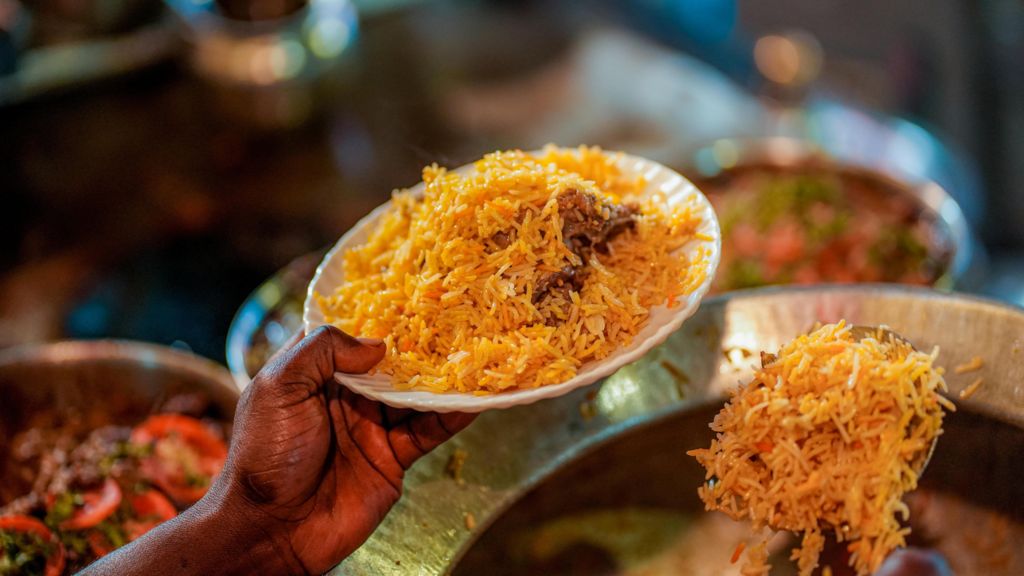
    Lucknow’s culinary landscape features iconic dishes including melt-in-the-mouth kebabs like the galouti kebab, created for a toothless nawab using finely minced meat with papaya and spices. The city’s distinctive biryani, kormas, sheermal (saffron flatbread), and shahi tukda (bread pudding) further demonstrate its rich gastronomic diversity.

    Beyond meat-based specialties, Lucknow offers a vegetarian paradise with seasonal delights and street food like chaat. The city boasts generations-old establishments such as Sharmaji Tea Stall, operating since 1949 and famous for its masala chai served in clay glasses, and Netram, a 150-year-old institution renowned for kachoris and jalebis.

    Seasonal specialties include makkhan malai, a frothy winter dessert created through a scientific process of dew-exposed, hand-churned milk. However, concerns exist about the preservation of such traditional methods as younger generations show declining interest in these culinary arts.

    Local advocates including celebrity chef Ranveer Brar and Madhavi Kuckreja of the Sanatkada Trust emphasize that UNESCO recognition should spotlight lesser-known eateries and family recipes that constitute Lucknow’s living culinary history. They hope this international acknowledgment will encourage global visitors to explore the stories behind each dish and sustain the city’s food traditions for future generations.

  • Make Korea great again: The right-wing group wooing disenchanted youth

    Make Korea great again: The right-wing group wooing disenchanted youth

    In a remarkable political reversal, imprisoned former South Korean President Yoon Suk Yeol has emerged as an unexpected symbol of resistance for a generation of disaffected youth, despite facing life imprisonment for his attempted martial law declaration in December 2024.

    The movement, spearheaded by 24-year-old Park Joon-young and his right-wing youth organization Freedom University, has gained significant traction among young South Koreans who feel abandoned by the political establishment. What began as campus protests against Yoon’s impeachment has evolved into a full-fledged youth rebellion movement that mirrors tactics and rhetoric from America’s MAGA movement.

    Park founded Freedom University in opposition to what he characterizes as a corrupt, left-wing political status quo that has failed South Korea’s younger generation. The group has rapidly expanded through aggressive social media campaigns, drawing thousands to rallies where attendees pose for selfies with images of the imprisoned former leader.

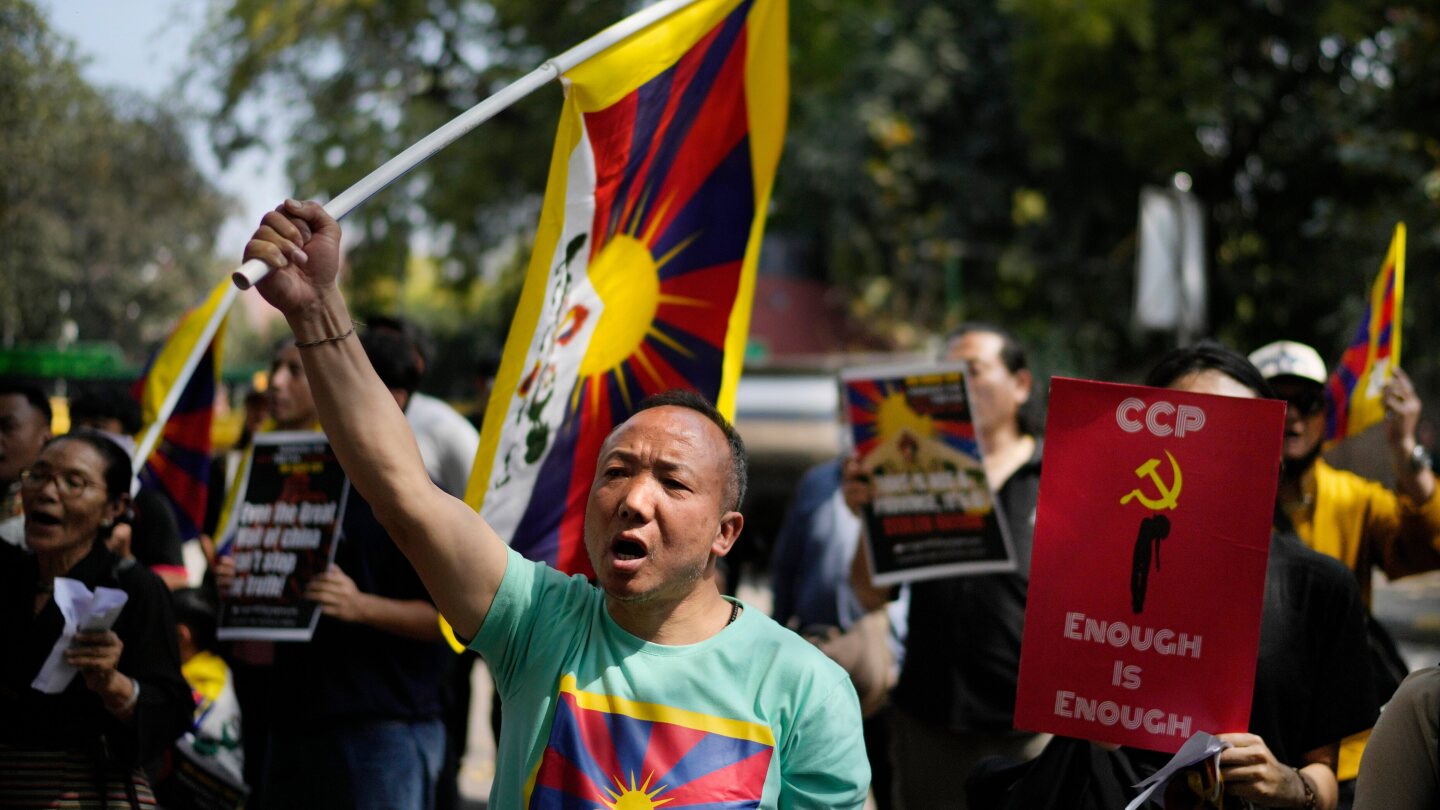
    The movement’s ideology combines economic discontent with nationalist fervor. Their banners proclaim “Korea for Koreans” and demand the expulsion of the “Chinese Communist Party,” reflecting widespread Sinophobia in a country that consistently ranks among the world’s least favorable toward China. The group promotes unsubstantiated claims about Chinese interference in Korean elections and society.

    This youth mobilization represents a dramatic shift in political allegiances. Yoon, who was deeply unpopular among young voters during his presidency, has been reinvented as a martyr figure following his failed power grab. His December 3, 2024 declaration of martial law—which alleged without evidence that North Korean sympathizers and Chinese spies were conspiring to steal elections—was defeated within hours by public resistance and parliamentary action.

    The movement’s growth reflects South Korea’s deepening political polarization and the economic anxieties of its youth. Recent surveys show nearly 75% of young South Koreans believe the economy is in poor shape compared to their parents’ generation, with home ownership rates at historic lows despite the country’s world-class education system. Median monthly income remains approximately $1,600, creating widespread disillusionment.

    Psychiatrist Kim Hyun Soo warns that without offering new visions of hope, South Korea risks further polarization as frustrated youth turn to movements like Freedom University. The group’s effectiveness lies in its ability to channel economic frustration, cultural resentment, and nationalist sentiment into a cohesive political force that continues to gain momentum despite being supported by only 27% of the general population.