标签: Asia

亚洲

  • Yunnan trains offer stools for standing passengers without seats

    Yunnan trains offer stools for standing passengers without seats

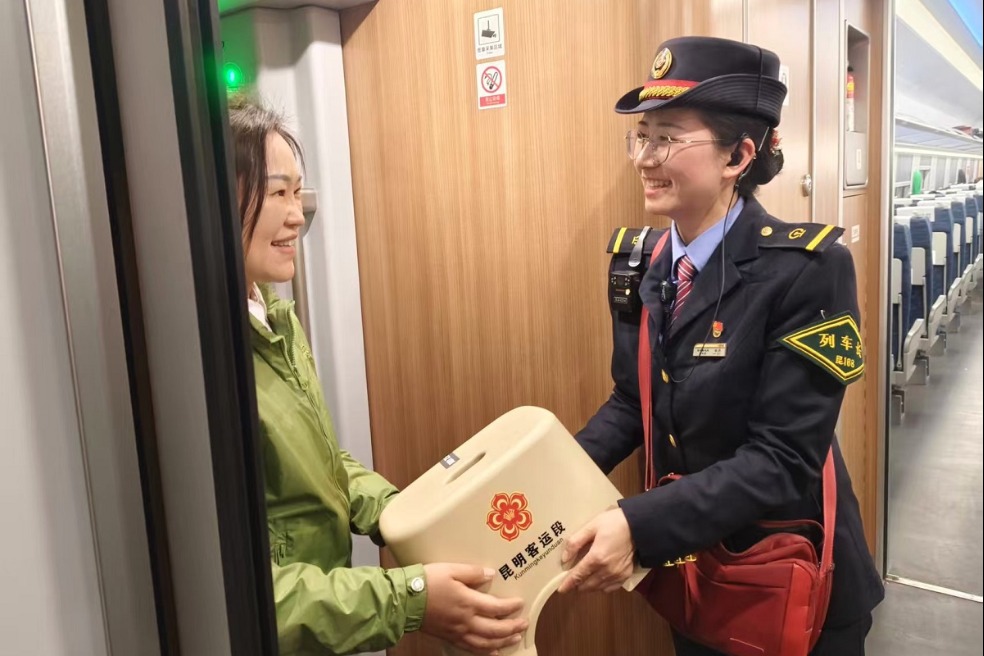
    In an innovative approach to passenger comfort, China Railway Kunming Group has implemented a novel solution for travelers holding standing-room tickets on trains across Yunnan province. The initiative provides complimentary plastic stools to passengers without assigned seating, significantly enhancing journey quality during peak travel periods.

    The service gained attention when a passenger identified as Ms. Wang utilized one such stool during her approximately four-hour trip from Kunming to Xishuangbanna Dai Autonomous Prefecture on Wednesday. According to reports from Yunnan Radio and Television Station, the simple addition transformed her travel experience, providing unexpected comfort despite her lack of formal seating.

    Photographic evidence circulating online shows neatly stacked plastic stools readily available within train carriages, demonstrating the practical implementation of this passenger-focused service. The initiative has generated substantial positive feedback across Chinese social media platforms, where netizens have applauded the railway group’s attention to passenger welfare and creative problem-solving.

    This development represents a significant improvement in addressing the common challenge of overcrowded trains during high-demand periods. Rather than simply selling standing tickets without additional support, the railway operator has acknowledged the discomfort of extended standing and implemented a low-cost but high-impact solution that demonstrates thoughtful passenger consideration.

    The timing of this initiative coincides with increased regional travel within Yunnan, a popular tourist destination known for its diverse ethnic cultures and tropical landscapes. The service particularly benefits travelers making shorter journeys between destinations within the province, where standing tickets are more frequently issued due to high passenger volume.
  • China releases full text of government work report

    China releases full text of government work report

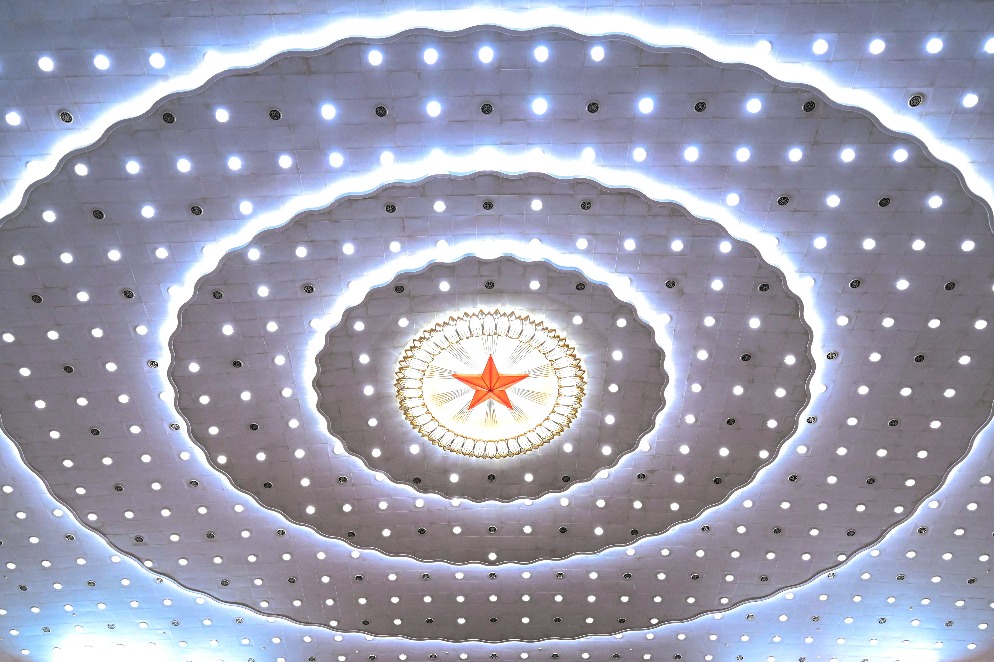
    The Chinese government has formally released the complete text of its highly anticipated Government Work Report through the official Xinhua News Agency. This comprehensive document, which received official approval during the concluding session of the 14th National People’s Congress on March 12, outlines the nation’s strategic direction for the coming year and beyond.

    Premier Li Qiang presented the report that encompasses four critical sections: a thorough evaluation of China’s accomplishments throughout 2025; primary objectives and significant missions for the 15th Five-Year Plan period; fundamental requirements and policy directions for socioeconomic advancement in 2026; and key undertakings scheduled for implementation this year.

    The report establishes precise economic targets for 2026, projecting GDP expansion within the range of 4.5% to 5%, with aspirations to surpass these benchmarks where feasible. Additional economic indicators include maintaining urban unemployment at approximately 5.5%, generating over 12 million new urban employment opportunities, and containing consumer price inflation around 2%.

    Further provisions address environmental sustainability, with commitments to reduce carbon dioxide emissions per GDP unit by roughly 3.8% and maintain grain production at approximately 700 million metric tons. The document also emphasizes balanced economic development through ensuring personal income growth maintains parity with overall economic expansion and preserving equilibrium in international payments.

  • China’s allure grows for travelers in US

    China’s allure grows for travelers in US

    China is rapidly ascending as a top-tier travel destination for American families, particularly those prioritizing cultural richness, safety, and diverse experiences. This growing appeal was prominently showcased at the recent Los Angeles Travel & Adventure Show, one of the nation’s largest tourism exhibitions featuring over 450 destinations.

    Amy Tarpein, founder and CEO of the acclaimed accessible family travel platform Elijah’s Baby Bucket List, reports that China consistently features on the bucket lists of her global community of over half a million followers. “My kids added the Great Wall a long time ago because they want to see all of the things,” Tarpein noted, highlighting the country’s architectural marvels, artistic heritage, culinary diversity, and welcoming people as particularly compelling factors.

    The China National Tourist Office in Los Angeles capitalized on this interest by hosting a media briefing and cultural showcase. Director Wu Dawei emphasized the global shift toward immersive, experience-driven tourism, stating: “Travel preferences are evolving from simply choosing destinations to focusing more on experiences. Travelers today pay greater attention to seasonality, flexibility and local culture.”

    In response to these trends, China’s tourism industry has dramatically expanded its offerings beyond iconic landmarks like the Forbidden City and Terracotta Warriors. Modern infrastructure developments—including extensive high-speed rail networks, enhanced tourism services, and widespread digital technology adoption—have made regional exploration more accessible than ever.

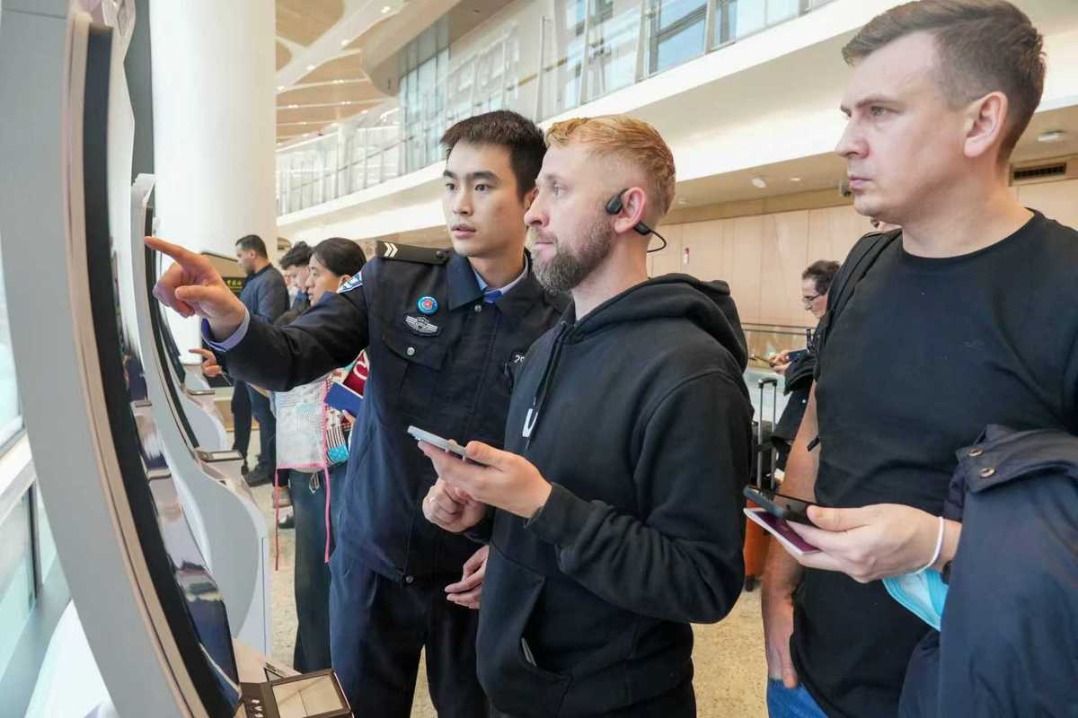
    The practical aspects of visiting China are also becoming more traveler-friendly. American Spring Travel’s general manager Ye Menglei reported strong interest in China’s streamlined visa policies, particularly the China Port E-Visa system and the 240-hour visa-free transit policy that allows up to 10 days of exploration in designated regions.

    Professional perspectives from various American travelers reinforce this trend. Chelsea Borders, vice-president of Emblem Outdoor, expressed particular interest in visiting Chongqing to experience its renowned culinary scene. Meanwhile, professional basketball player Matthew Kyle, having previously visited China, reported such positive impressions that he’s considering returning both for travel and potential business opportunities.

  • China advances to the Women’s Asian Cup semifinals with a 2-0 extra-time win over Taiwan

    China advances to the Women’s Asian Cup semifinals with a 2-0 extra-time win over Taiwan

    PERTH, Australia — The Chinese women’s football team secured a hard-fought 2-0 victory against Taiwan in a politically charged Women’s Asian Cup quarterfinal clash on Saturday. The match, which remained scoreless through regular time, saw Shao Ziqin break the deadlock just three minutes into extra time before a late own goal sealed China’s progression to the semifinals.

    The victory guarantees China a place in both the tournament semifinals against host nation Australia and the 2027 World Cup in Brazil. The match represented more than just football, occurring against the backdrop of longstanding geopolitical tensions between the two nations.

    China demonstrated clear dominance throughout the contest, ultimately deserving their victory after maintaining consistent pressure on the Taiwanese defense. The team’s advancement continues their defense of the Asian Cup title they won in the previous tournament.

    In other quarterfinal action, Australian superstar Sam Kerr propelled the host nation to a 2-1 victory over North Korea on Friday, securing Australia’s World Cup qualification. South Korea faced Uzbekistan in Saturday’s later match, while Japan prepared to meet the Philippines on Sunday, entering the contest with a perfect record of three wins and an impressive 17 goals scored without conceding.

    The tournament structure guarantees World Cup qualification for all four semifinalists, while fifth and sixth-placed teams will have another opportunity through a playoff system. North Korea will compete in such a playoff next Thursday in Australia for a chance to secure their World Cup place.

    The competition has not been without controversy, as the group stage concluded earlier this week amid reports of Iran’s departure from the tournament and asylum claims from members of their delegation.

  • China advances biotech innovation: Expert

    China advances biotech innovation: Expert

    In a significant move to bolster technological sovereignty, China has officially elevated biomanufacturing to a cornerstone of its national strategy within the newly finalized 15th Five-Year Plan (2026-2030). This designation signals Beijing’s intensified focus on achieving self-reliance and global competitiveness in cutting-edge biotechnology sectors, particularly pharmaceuticals.

    The initiative builds upon substantial growth during the previous five-year cycle, where China’s biomanufacturing sector expanded to a valuation exceeding 1.1 trillion yuan ($152 billion). Current strategy emphasizes bridging research with commercial-scale production through expanded pilot platforms, with ambitions to establish dominant global bioeconomic leadership by 2035.

    International expert Joseph Scheeren, member of the French National Academy of Pharmacy, contextualizes this development: “China’s drive stems from dual objectives—domestic pharmaceutical self-sufficiency and future export capabilities. The nation possesses remarkable talent resources and industrial knowledge that can be leveraged to build sophisticated manufacturing capacities.”

    Scheeren, whose extensive career includes R&D leadership across three continents, highlighted China’s rapidly evolving innovation ecosystem. Having witnessed the transformation firsthand since 2007, he noted the dramatic increase in high-impact scientific publications, patent filings, and research output over the past decade—all indicators of sustained technological advancement.

    Complementing these efforts, China’s “AI plus” strategy is accelerating biomanufacturing innovation, particularly in pharmaceutical development where artificial intelligence tools are dramatically reducing both research timelines and associated costs. Official data confirms the core AI industry surpassed 1 trillion yuan in scale by 2025, with biomedicine emerging as a pillar sector.

    While the United States maintains advantages in certain technological domains, China demonstrates accelerating leadership in research output and manufacturing capabilities. A recent Center for Strategic and International Studies report reveals 79% of U.S. pharmaceutical companies now depend on Chinese contract manufacturers, underscoring the strategic implications of China’s biotech advancement.

  • Security Council divided over sanctions

    Security Council divided over sanctions

    Deep divisions within the United Nations Security Council surfaced during a contentious session on Thursday regarding Iran’s nuclear program and the reinstatement of sanctions mechanisms. The meeting, convened under the United States’ March presidency, exposed significant geopolitical rifts concerning Middle East tensions and diplomatic approaches to Tehran.

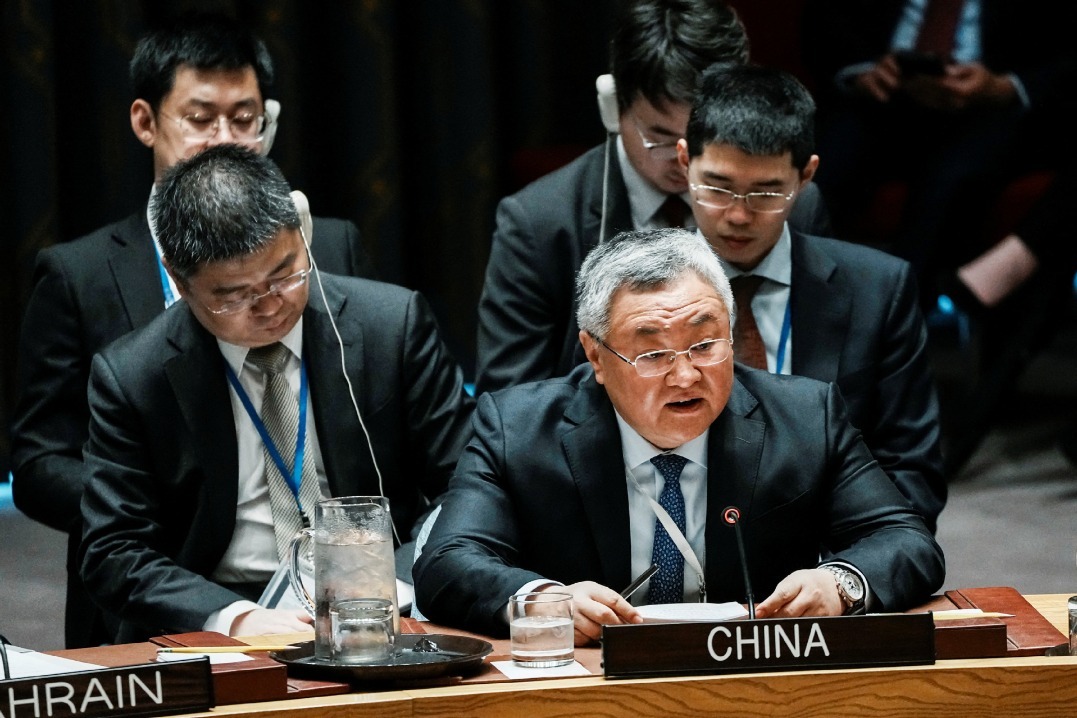
    China’s Permanent Representative to the UN, Ambassador Fu Cong, delivered a stern critique of the proceedings during a mandated meeting of the 1737 Sanctions Committee. He expressed grave concerns that the American decision to convene the meeting would exacerbate regional conflicts and undermine prospects for political resolution of the Iranian nuclear issue.

    Ambassador Fu emphasized that holding the meeting amid renewed Middle East hostilities and an increasingly complex nuclear landscape would only intensify confrontations among parties. The diplomatic clash centered on the legal status of the sanctions committee established in 2006 to monitor restrictions on Iran’s nuclear activities, which was suspended following the 2015 Joint Comprehensive Plan of Action (JCPOA).

    The current controversy stems from August actions by France, Germany, and the United Kingdom (the E3) triggering the JCPOA’s ‘snapback’ mechanism to restore UN sanctions after the US withdrawal from the agreement in 2018. While Western nations maintain Iran seeks nuclear weapons capabilities, Tehran consistently denies these allegations.

    China and Russia opposed the US move to resume the committee’s reporting, with Ambassador Fu asserting that Resolution 2231 expired in October last year, terminating the Security Council’s formal consideration of Iran’s nuclear dossier. He supported Russian Ambassador Vasily Nebenzya’s procedural motion and declined to comment on the committee’s work, citing its obsolete status.

    The Chinese diplomat called for immediate cessation of US and Israeli military operations against Iranian facilities under International Atomic Energy Agency safeguards, warning against further regional escalation. He attributed the current crisis to Washington’s unilateral abandonment of the nuclear accord and subsequent military actions during negotiations with Iran, which he characterized as violations of international law and UN Charter principles.

    Ambassador Fu urged European nations to contribute constructively to de-escalation efforts rather than exacerbating tensions, emphasizing that the Security Council must not serve as an instrument for individual countries’ sanctions agendas or political objectives.

  • Fighting persists in Middle East

    Fighting persists in Middle East

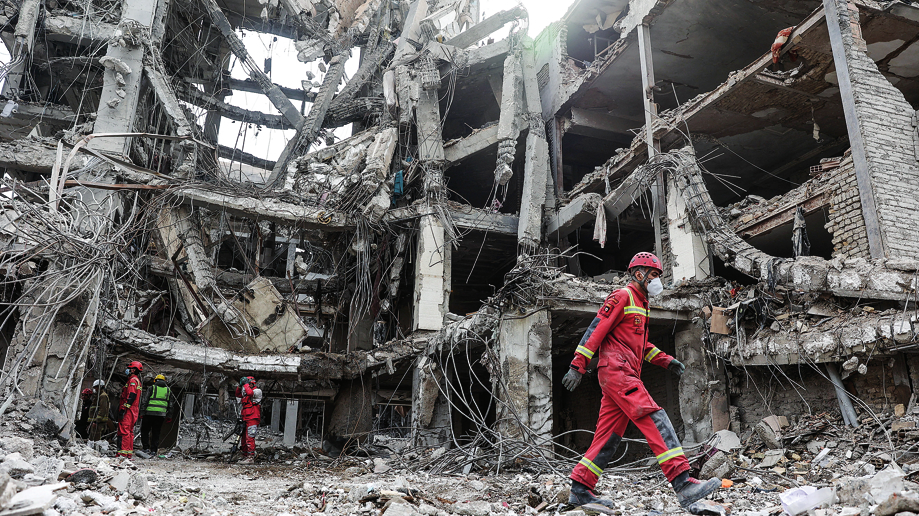
    The Middle East conflict involving Israel, the United States, and Iran has intensified dramatically as it enters its third week, with regional casualties surpassing 2,000 amid growing international concerns about a potential global energy crisis.

    In a significant humanitarian response, the Red Cross Society of China has pledged $200,000 in emergency assistance to the Iranian Red Crescent Society. This special funding is designated specifically to support families affected by the devastating attack on Shajareh Tayyebeh primary school in Iran’s Hormozgan Province, where numerous children were among the 175 reported fatalities.

    Foreign Ministry spokesman Guo Jiakun expressed profound condolences, stating: “Attacking schools and harming children constitutes a serious violation of international humanitarian law and gravely offends the moral conscience of humanity.” Preliminary military investigations suggest a US missile may have struck the educational facility.

    The maritime theater witnessed heightened tensions as Iran’s navy claimed to have launched coastal anti-ship missiles toward the USS Abraham Lincoln approximately 340 kilometers from Iran’s maritime borders in the Sea of Oman. Iranian state television reported the aircraft carrier and its strike group were observed “fleeing the area at high speed,” though US officials promptly dismissed these claims, asserting no evidence supported the allegation of targeting or impact.

    Energy markets face unprecedented disruption as approximately 1,000 commercial vessels remain gridlocked in the Persian Gulf, creating a shipping crisis that analysts warn could surpass the scale of the 1980s Tanker War. Despite the International Energy Agency’s coordinated release of 400 million barrels from global petroleum reserves—the largest in the agency’s history—oil prices continue hovering around $100 per barrel.

    Retired Royal Navy officer Tom Sharpe noted: “There was a much higher tolerance to run the gauntlet back then but the threat was less and the Iranians had nothing like the missile and drone arsenal they have now, which is more like the tanker wars on steroids.”

    The conflict has expanded geographically with heavy exchanges of drones and missiles reported across multiple nations. Saudi Arabia’s Defense Ministry confirmed intercepting over 50 drones, including one targeting the Diplomatic Quarter in Riyadh. The UAE engaged 278 ballistic missiles, 15 cruise missiles, and 1,540 drones since hostilities began, with debris from intercepted projectiles falling in central Dubai.

    In a concerning development, a US military refueling plane crashed in Iraq, with the Islamic Resistance in Iraq claiming responsibility for downing the aircraft and killing all crew members. Meanwhile, France announced its first military casualty in the Erbil region, signaling the conflict’s expanding international footprint.

  • School spring breaks set to spur tourism

    School spring breaks set to spur tourism

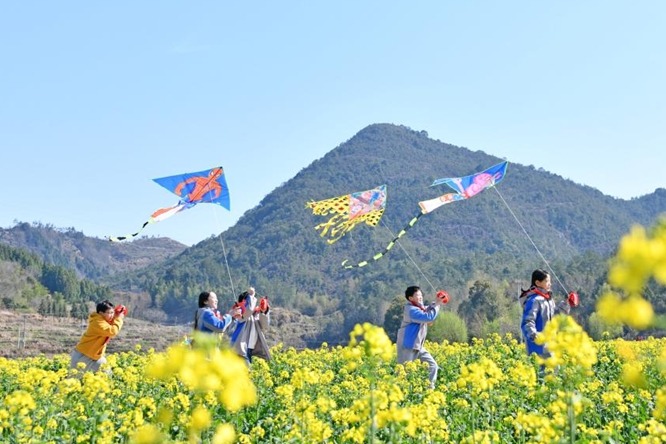
    China’s domestic tourism sector anticipates significant growth as multiple provinces implement spring break policies for primary and secondary students. The initiative, recently endorsed in the Government Work Report during the National People’s Congress sessions, represents a coordinated effort to stimulate consumer spending while addressing educational wellbeing.

    Several regions have already announced concrete plans, with Chengdu in Sichuan Province leading the way by scheduling a three-day spring break from April 1-3. When combined with the upcoming Tomb Sweeping Day holiday (April 4-6), students could enjoy a continuous six-day vacation period. Similar arrangements have been confirmed in Jiangsu Province cities including Nanjing and Suzhou.

    The tourism industry reports surging interest in both domestic and international destinations. Data from online travel platform LY.com indicates flight searches and bookings for the late March to early April period have doubled compared to previous weeks. Popular domestic choices include Sanya’s tropical landscapes, Kunming’s mild climate, and Guangzhou’s culinary attractions. International destinations such as Hong Kong, Macao, Bangkok, and Singapore also feature prominently in family travel plans.

    Industry experts highlight the strategic timing of these breaks. Qi Chunguang, Vice-President of travel portal Tuniu, noted that some regions have scheduled breaks in late April or early May, potentially creating eight-day holiday periods when combined with the May Day holiday. This extended timeframe enables more substantial family trips to cultural and natural attractions, particularly benefiting off-peak travel segments.

    Academic and policy experts emphasize the broader implications. Lu Ming, Professor at Shanghai Jiao Tong University’s Antai College of Economics and Management and member of the National Committee of the Chinese People’s Political Consultative Conference, advocates for nationwide implementation. He suggests that synchronized paid leave policies for parents would maximize the initiative’s benefits, creating opportunities for family bonding while stimulating economic activity through tourism expenditure.

    The policy represents a multifaceted approach to addressing contemporary needs—balancing educational pressures on students with growing consumption demands as household incomes rise. By creating structured opportunities for family travel during shoulder seasons, authorities aim to distribute tourism revenue more evenly throughout the year while enhancing overall life satisfaction.

  • Green method to recycle spent batteries’ lithium

    Green method to recycle spent batteries’ lithium

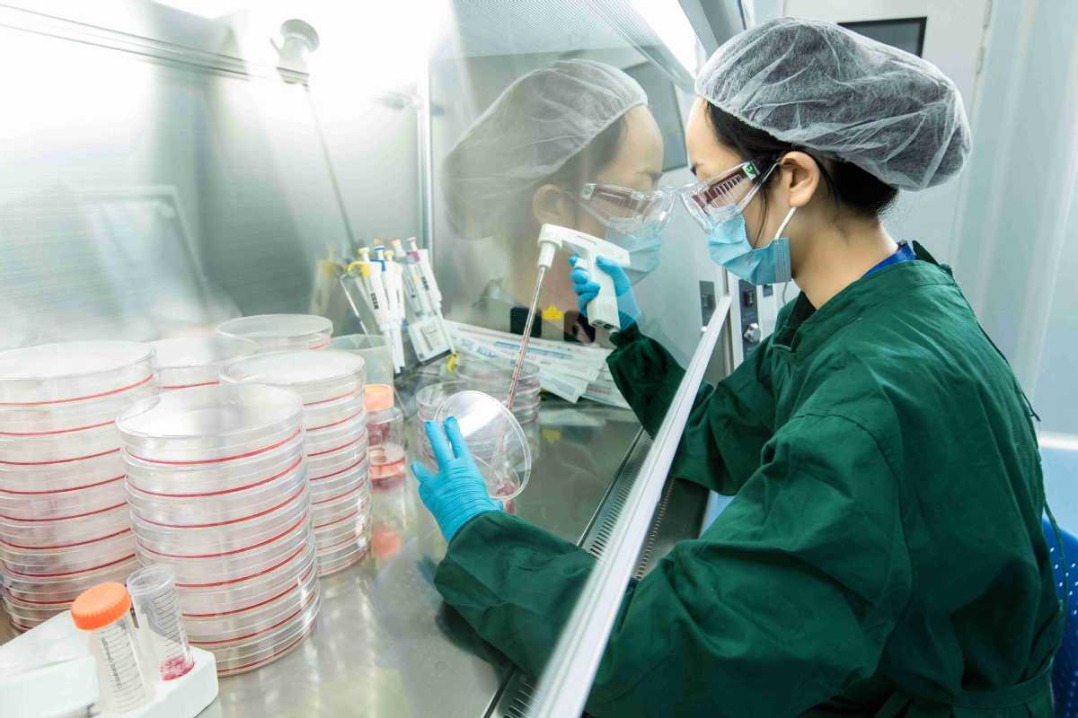
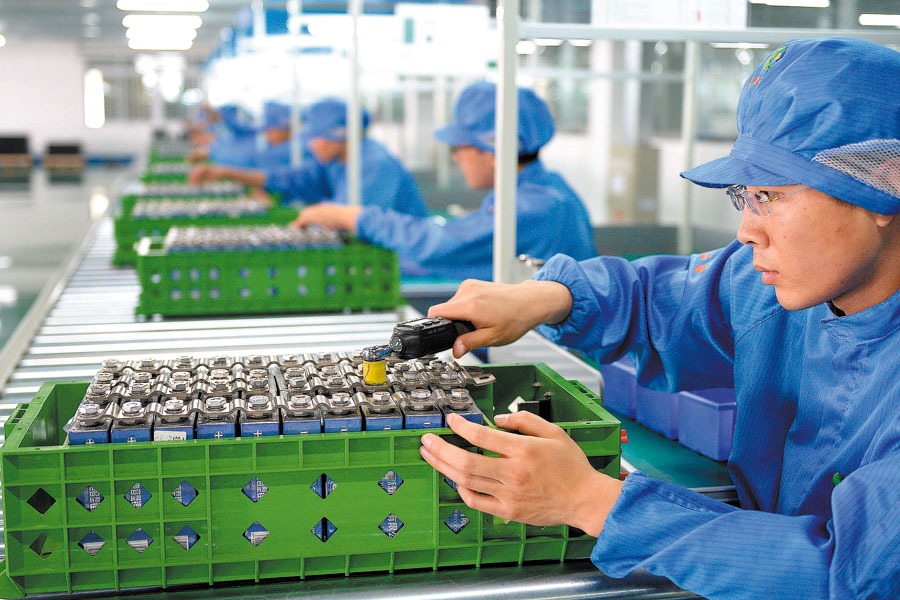
    A groundbreaking green recycling technology developed by Chinese scientists promises to transform how the world handles end-of-life lithium-ion batteries. With electric vehicles and energy storage systems generating massive volumes of retired batteries, this innovation arrives as a critical solution to a growing environmental challenge.

    Research published in Nature Communications reveals a novel approach that leverages carbon dioxide and water to extract lithium with exceptional efficiency. The method achieves over 95% lithium recovery under mild conditions while simultaneously converting other battery metals into valuable catalysts and capturing carbon dioxide in the process.

    Professor Sun Zhi from the Chinese Academy of Sciences’ Institute of Process Engineering, the study’s corresponding author, explained the urgency: “Lithium-ion batteries typically degrade after five to eight years, making recycling essential for conserving strategic metals like lithium, cobalt and nickel, while preventing pollution and managing safety risks.”

    The technology addresses significant shortcomings of conventional recycling methods. Traditional pyrometallurgical processes require energy-intensive melting at temperatures exceeding 1,000°C, while hydrometallurgical approaches involve multiple chemical steps that generate wastewater and hazardous byproducts.

    The innovative process begins by mechanically grinding cathode material from spent batteries to disrupt its crystalline structure. This causes lithium atoms to migrate to the particle surface while nickel and cobalt remain in the crystal framework. Scientists then introduce carbon dioxide into water containing the prepared material, creating a reaction similar to carbonating beverages.

    Trace hydrogen ions from dissolved carbon dioxide react specifically with lithium, dissolving it into a lithium bicarbonate solution while leaving other metals intact. Through simple heating, researchers obtain battery-grade lithium carbonate with purity exceeding 99.5%. Remarkably, the solid residue transforms into a high-performance catalyst that maintains stability for over 200 hours of operation.

    “This process, which operates at low chemical consumption, offers an innovative green solution for recycling spent lithium-ion batteries,” Sun stated, emphasizing its alignment with China’s dual carbon goals of peaking emissions by 2030 and achieving carbon neutrality by 2060.

    The research team plans to explore using industrial flue gas containing low-concentration carbon dioxide in future applications, potentially enhancing both environmental and economic benefits of this circular approach to battery recycling.

  • US warned of China rare earth curbs if Section 301 tariffs expand

    US warned of China rare earth curbs if Section 301 tariffs expand

    Tensions between the United States and China have escalated significantly following Washington’s initiation of new Section 301 trade investigations, prompting Chinese commentators to warn of potential retaliatory measures including restrictions on rare-earth exports and suspension of soybean purchases.

    The United States Trade Representative announced simultaneous investigations into 16 nations’ trade practices and 60 economies regarding forced labor imports, specifically mentioning Xinjiang cotton among concerning products. This move has been characterized by Chinese observers as “trouble-making” ahead of the anticipated summit between President Xi Jinping and former President Donald Trump scheduled for late March or early April.

    Officially, China’s Commerce Ministry spokesperson stated that Beijing has fulfilled its obligations under the Phase One Agreement signed in January 2020, including commitments on intellectual property protection and market access reforms. The spokesperson accused the US of violating the agreement’s spirit through export controls, investment restrictions, and continuous escalation of trade measures since early 2020.

    The diplomatic exchange occurs amid preparations for the upcoming leadership summit, with US Treasury Secretary Scott Bessent and Chinese Vice Premier He Lifeng scheduled to meet in Paris from March 14-17 to establish groundwork for the high-stakes discussion.

    Chinese commentators highlighted Beijing’s potential leverage points, noting that the US military’s Middle East operations have increased demand for critical minerals where China maintains dominant market position. Industry experts estimate US defense contractors may only possess months—not years—of rare-earth stockpiles, with production lines for advanced weaponry including F-35 stealth fighters dependent on Chinese-supplied components.

    The Section 301 investigations target China alongside the EU, Singapore, Switzerland, and 12 other economies, focusing on sectors where China maintains substantial trade surpluses including electronics, machinery, automobiles, steel, and batteries. The USTR cited evidence suggesting China’s industrial capacity is rising, accounting for 54% of global excess steel capacity in Q3 2025.

    Separate forced labor investigations encompass 60 economies, building upon previous additions to the List of Goods Produced by Child Labor or Forced Labor that currently includes 34 downstream goods connected to forced labor allegations.

    China’s Foreign Ministry dismissed forced labor claims as “disinformation” and condemned unilateral tariff measures, while warning that Beijing would “take all necessary measures to firmly safeguard its lawful rights and interests” if the US proceeds with tariffs or restrictive measures.