标签: Asia

亚洲

  • New York Post slammed for smearing Ms Rachel after Mamdani inauguration pick

    New York Post slammed for smearing Ms Rachel after Mamdani inauguration pick

    The appointment of children’s content creator Ms. Rachel to New York City Mayor-elect Zohran Mamdani’s inaugural committee has ignited significant controversy, revealing deep divisions over Palestinian solidarity discourse in American politics. The New York Post’s characterization of Ms. Rachel as a ‘controversial YouTube star’ has drawn widespread criticism from activists and parents who argue that humanitarian advocacy for Gazan children is being deliberately misrepresented.

    Ms. Rachel (Rachel Griffin Accurso), an educational content creator with 18 million followers, has utilized her platform to call for an end to child casualties in Gaza. Her inclusion on the 400-member transition team—one of the largest in NYC history—alongside figures like actor Cynthia Nixon and Jewish Voice for Peace’s Beth Miller, reflects Mamdani’s commitment to a progressive coalition that propelled his electoral victory.

    The controversy extends beyond media framing to institutional responses. Both Ms. Rachel and Nixon were previously named finalists on StopAntisemitism’s ‘Antisemite of the Year’ list, a designation critics argue is increasingly weaponized against voices critical of Israeli policy rather than addressing genuine antisemitism. Ms. Rachel revealed on Instagram that resulting harassment forced her to hire personal security due to false allegations supporting Hamas.

    While pro-Israel organizations like the Anti-Defamation League have criticized the appointments, claiming 20% of transition team members have anti-Zionist affiliations, supporters maintain the selections reflect humanitarian principles rather than religious hostility. One appointee, Catherine Almonte Da Costa, resigned after decade-old antisemitic posts surfaced, which she disavowed as no longer reflecting her views.

    Mamdani has defended the selections as representative of diverse viewpoints within his progressive coalition, emphasizing that advocacy for Palestinian rights and opposition to Israeli government violence are legitimate political positions. The inauguration, scheduled for January 1, 2026, will feature a public block party in downtown Manhattan framed as an inclusive civic celebration rather than an exclusive political ceremony.

    This confrontation over a routine political process has evolved into a significant flashpoint, exposing fundamental tensions regarding Middle East discourse, media representation of dissent, and the boundaries of acceptable political speech in American public life.

  • ALA Developments signals entry into Dubai’s luxury real estate market with Dh1 billion development pipeline

    ALA Developments signals entry into Dubai’s luxury real estate market with Dh1 billion development pipeline

    Dubai’s luxury property sector welcomes a sophisticated new player as ALA Developments announces its strategic entry with a Dh1 billion development pipeline targeting the city’s discerning high-end market. Established in early 2025 and headquartered in Dubai, the developer brings together decades of cross-sector business expertise to create exclusive residential communities prioritizing architectural excellence, privacy, and enduring value.

    The company emerges during a significant market evolution where buyer preferences have shifted toward quality-driven properties rather than volume-based development. Founded by UAE-based entrepreneurs with over thirty years of multifaceted business experience, ALA Developments represents the formal consolidation of operational and investment expertise into a dedicated real estate platform.

    Chairman Hassan Raza emphasized the changing market dynamics: ‘Dubai’s real estate landscape has matured beyond mere scale. Contemporary buyers are globally aware and particularly attentive to design quality and long-term performance. Our development philosophy directly addresses this paradigm shift.’

    Under the leadership of Zaman Abbas, the company leverages deep expertise spanning hospitality, retail, consumer electronics manufacturing, and real estate through established ventures including Iraz Developments, Star Track, Alfstar, and Kobe Sizzlers. This diverse background informs the company’s disciplined, design-first methodology anchored in sustainable fundamentals rather than short-term market fluctuations.

    The flagship project, Creek Views at Jaddaf Waterfront, currently under development with anticipated completion by Q4 2026, exemplifies the company’s commitment to architectural refinement and lifestyle-oriented planning. Simultaneously, three additional luxury residential projects valued collectively at approximately Dh1 billion are advancing through design and planning stages, all scheduled for launch in 2026.

    ALA Developments operates through a design-centric philosophy, collaborating with prominent architects and consultants to deliver residences characterized by thoughtful layouts, material sophistication, and timeless aesthetics. The company integrates privacy-focused planning, gated environments, and sustainable standards as core components of its development approach.

    Positioning itself as a next-generation luxury developer, ALA Developments enters the market with focus on disciplined growth, architectural integrity, and legacy-oriented value creation as Dubai continues to attract long-term residents and global investors seeking refined living experiences.

  • Saudi Arabia: Man jumps from upper floor of Masjid Al Haram, ‘attempts to take own life’

    Saudi Arabia: Man jumps from upper floor of Masjid Al Haram, ‘attempts to take own life’

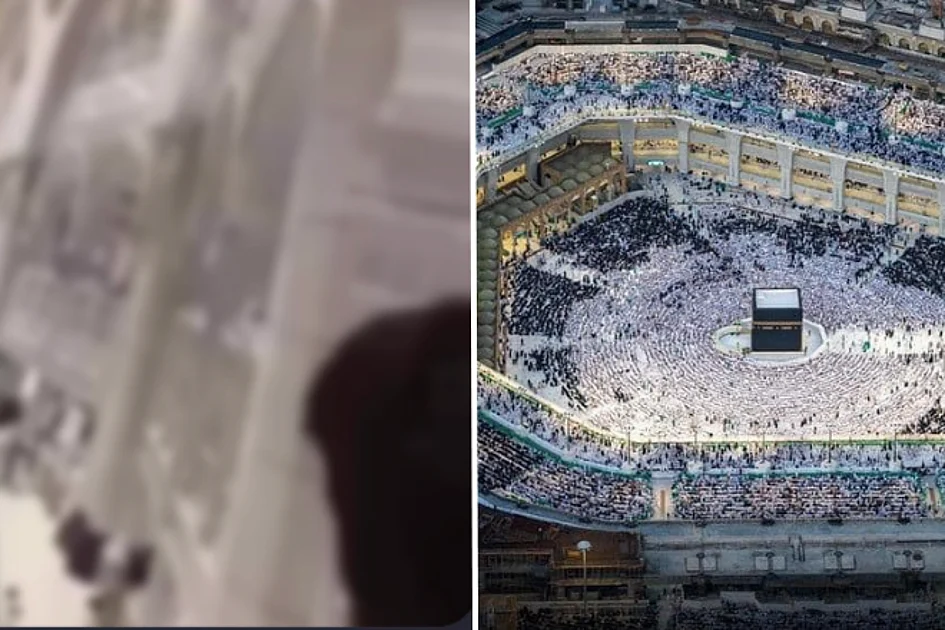
    A distressing incident unfolded at Islam’s holiest site on December 25, 2025, when an individual attempted suicide by jumping from an upper floor of Masjid Al Haram in Mecca. According to Saudi Arabia’s Ministry of Interior, security personnel from the Special Force for the Security of the Grand Mosque immediately responded to the emergency situation.

    During the intervention, a security officer sustained injuries while attempting to break the fall of the individual. Both the would-be suicide victim and the injured officer were promptly transferred to medical facilities for emergency treatment. Authorities confirmed that all necessary legal procedures have been completed following the incident.

    The Haram security forces issued an official statement clarifying: ‘There was an incident of a person attempting to take his own life from the upper floors of the Grand Mosque. A security officer was injured while trying to prevent him from hitting the ground at the moment of his fall.’ The statement emphasized that both individuals received immediate medical attention and that official protocols were followed.

    This event marks a rare security and humanitarian challenge at one of the world’s most frequently visited religious sites, which typically sees millions of worshippers annually during pilgrimage seasons. The incident highlights both the ongoing mental health challenges in society and the dedication of security forces tasked with protecting visitors to the holy site.

  • UAE: 3 types of official New Year holidays announced to welcome 2026

    UAE: 3 types of official New Year holidays announced to welcome 2026

    The United Arab Emirates has taken a decisive step toward safeguarding its younger generation with the introduction of comprehensive legislation designed to protect children from digital risks. This pioneering law establishes a robust framework to ensure the secure and responsible use of technology among minors, addressing growing concerns about online safety in an increasingly digital world.

    The legislation mandates strict guidelines for technology providers, educational institutions, and parents to collaboratively create a protected digital environment. It encompasses measures against cyberbullying, inappropriate content exposure, data privacy violations, and other potential threats that children might encounter online. The law also emphasizes digital literacy programs to empower children with the knowledge to navigate the digital landscape safely.

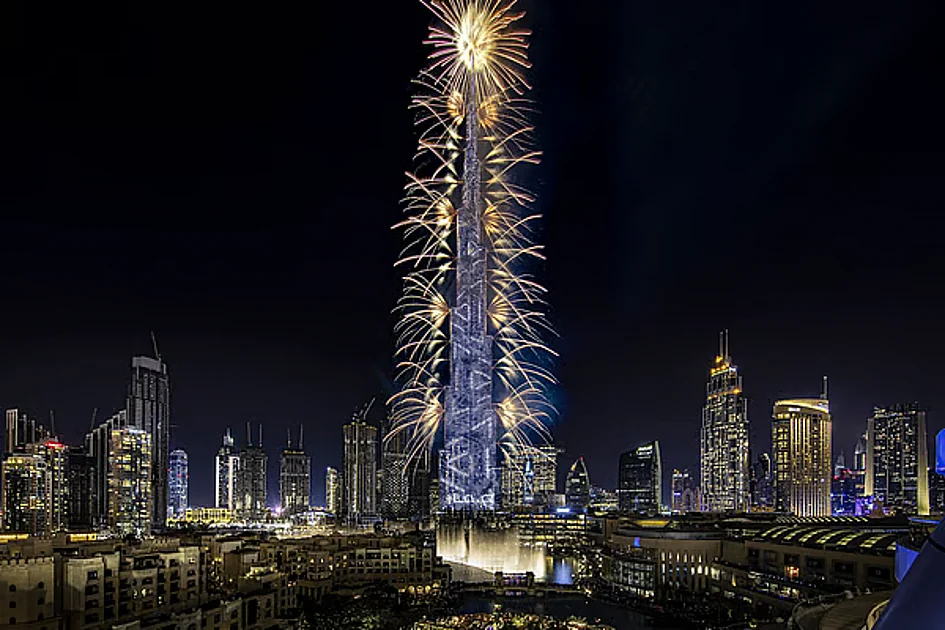
    Concurrently, Dubai continues its tradition of spectacular celebrations with announcements of an expansive New Year’s Eve display for 2026. The emirate plans to illuminate the sky with 48 synchronized fireworks displays across 40 different locations, creating a breathtaking panorama that will be visible throughout the city. This ambitious project underscores Dubai’s position as a global hub for tourism and grand-scale events, combining technological innovation with cultural celebration.

    The simultaneous revelation of these developments presents a striking contrast between the UAE’s forward-thinking approach to digital child protection and its commitment to maintaining its reputation for world-class entertainment and tourism experiences.

  • Trump-backed candidate of Palestinian origin wins Honduras presidential election

    Trump-backed candidate of Palestinian origin wins Honduras presidential election

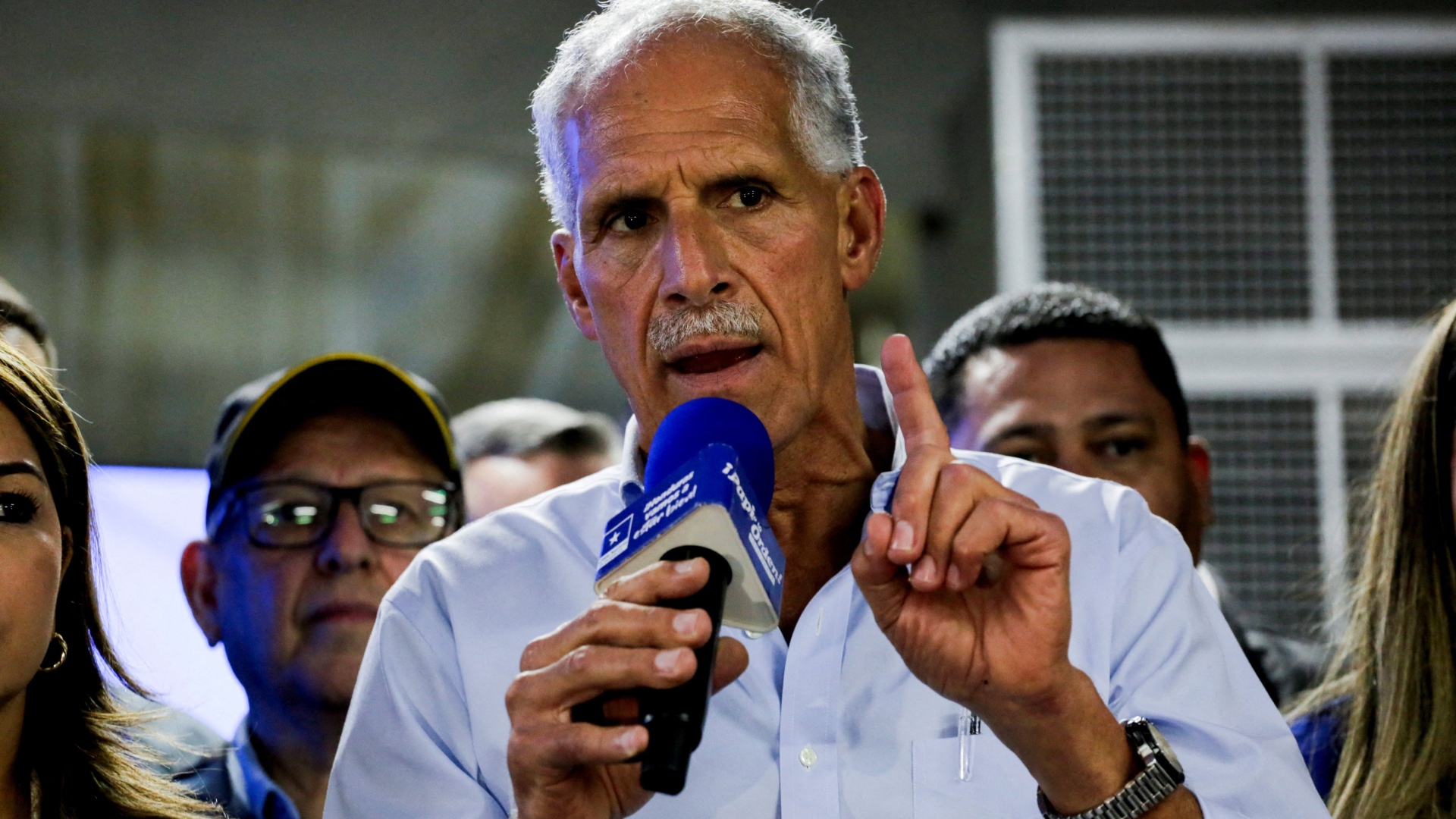
    After a protracted month-long tabulation process marred by technical complications and allegations of electoral misconduct, Honduras has officially declared Nasry ‘Tito’ Asfura as its next president. The announcement on Christmas Eve concludes a highly polarized electoral period that saw unprecedented involvement from the United States.

    Asfura, a 67-year-old conservative former mayor of Tegucigalpa and established business figure, secured victory with a razor-thin margin of 0.74 percentage points over centrist rival Salvador Nasralla. The electoral council reported that approximately 15 percent of ballots required manual counting due to disputes and technical challenges, ultimately delivering Asfura just over 40 percent of the total vote.

    The Trump administration had positioned itself decisively behind Asfura’s candidacy, with President Donald Trump threatening to切断 all American aid to Honduras if Asfura failed to prevail. This extraordinary intervention marked a significant elevation of Asfura’s profile and underscored Washington’s strategic priorities in the region.

    Secretary of State Marco Rubio promptly extended congratulations, stating the United States looks forward to collaborating with Asfura’s administration on bilateral security cooperation, curbing illegal immigration, and strengthening economic ties. Rubio further urged all parties to respect the officially confirmed results.

    Despite these calls for acceptance, both Nasralla and the president of the Honduran Congress have rejected the outcome, alleging that legitimate ballots were improperly discarded during the counting process. Nevertheless, with international recognition already extending to the declared winner, challenges to the result appear unlikely to alter the final outcome.

    This development represents another strategic victory for the Trump administration’s foreign policy reorientation toward the Western Hemisphere. The pattern of supporting conservative leaders across Latin America includes backing Nayib Bukele in El Salvador, congratulating Chile’s recently elected conservative José Antonio Kast, and endorsing Argentina’s far-right president Javier Milei.

    Asfura’s victory ensures Honduras will transition from left-wing leadership under Xiomara Castro to a government aligned with Washington’s geopolitical interests. The incoming administration has pledged to oppose Venezuelan President Nicolás Maduro and counter China’s expanding influence in the region—both key objectives of current U.S. foreign policy.

    Notably, many prominent political figures across Central and South America, including Asfura, Nasralla, and Bukele, trace their ancestry to Palestinian Christian families who immigrated during the early 20th century. This demographic phenomenon has produced the ironic circumstance of leaders with Middle Eastern heritage frequently aligning with Israeli interests to maintain favorable relations with Washington and secure vital economic assistance.

  • Saudi Arabia: 5-year jail, 10 million riyal fine for importing, making fake pesticides

    Saudi Arabia: 5-year jail, 10 million riyal fine for importing, making fake pesticides

    Saudi Arabia has unveiled stringent legislative amendments targeting the manufacturing and importation of prohibited or counterfeit pesticides, introducing penalties among the most severe globally for agricultural violations. The Kingdom’s Ministry of Environment, Water and Agriculture has advanced a proposal to overhaul penalty provisions within the Gulf Cooperation Council’s Pesticides Law framework.

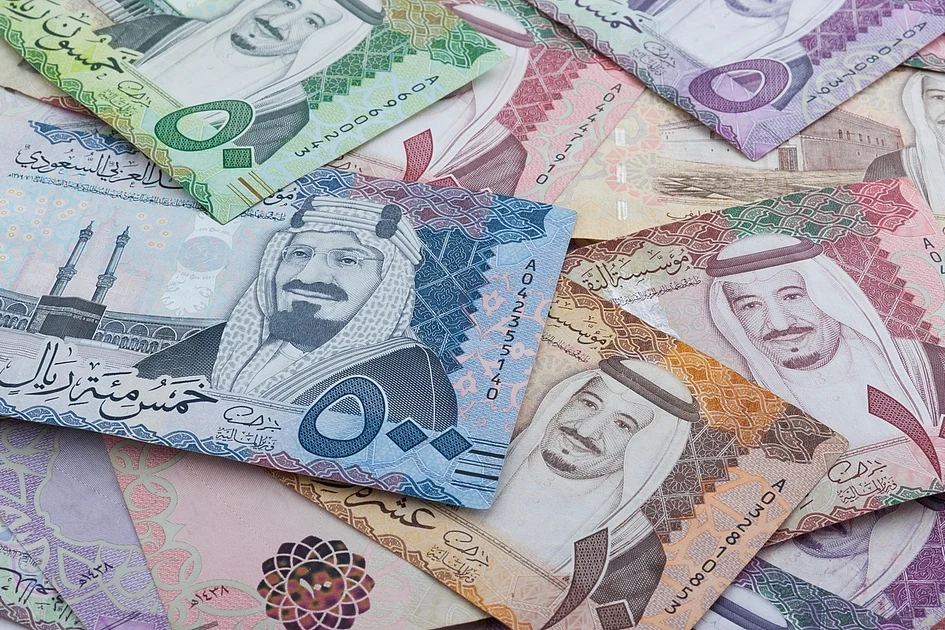
    Under the proposed regulations, violators face imprisonment for up to five years and financial penalties reaching 10 million Saudi riyals (approximately $2.67 million). The Public Prosecution retains authority to double these sanctions for repeat offenses occurring within a three-year timeframe.

    The legislative framework incorporates a tiered enforcement approach. Initial violations that cause no demonstrable harm to human health, animal welfare, plant life, or environmental systems will trigger official warnings and grace periods for compliance. However, violations resulting in documented damage will face immediate criminal prosecution through specialized courts.

    Additional consequences include mandatory destruction of confiscated materials by certified chemical disposal firms or repatriation to country of origin—with all associated costs borne by the violator. Regulatory authorities may impose temporary operational suspensions of up to six months or permanent facility closures for egregious violations. Affected parties retain rights to appeal through the Administrative Court’s established judicial procedures.

    This regulatory strengthening reflects Saudi Arabia’s escalating commitment to environmental protection and agricultural safety within its Vision 2030 diversification initiatives, signaling heightened vigilance against hazardous materials entering its supply chains.

  • England wins the toss and sends Australia in to bat in the 4th Ashes test

    England wins the toss and sends Australia in to bat in the 4th Ashes test

    MELBOURNE, Australia — Under overcast skies at a capacity Melbourne Cricket Ground, England captain Ben Stokes made a bold tactical decision by winning the toss and electing to bowl first in the pivotal fourth Ashes test on Friday. The move came as Australia, having already retained the urn following three consecutive victories, fielded an all-pace attack featuring recalled quicks Jhye Richardson and Michael Neser.

    Weather conditions appeared to favor England’s strategy, with a maximum temperature of 18°C (65°F) and considerable cloud cover creating an environment conducive to swing and seam bowling. The pitch itself showed a noticeable green tinge, prompting Stokes to remark at the toss about the “nice coverage of grass” and emphasizing that execution would be paramount.

    The match represents England’s final opportunity to salvage pride in the series after suffering defeats in the first three tests within just eleven days of play. The visitors’ campaign suffered a significant setback with the confirmed absence of star bowler Jofra Archer for the remainder of the series, including the fifth test scheduled for Sydney in January.

    England’s lineup features two notable changes: 22-year-old Jacob Bethell, capped four times previously, replaces the omitted Ollie Pope, while Gus Atkinson fills the void left by Archer’s injury.

    Australia’s lineup remains formidable with Travis Head and Jake Weatherald opening the batting, followed by the prolific middle order of Marnus Labuschagne, Steve Smith, and Usman Khawaja. The hosts’ bowling arsenal, now strengthened by Richardson and Neser joining Mitchell Starc and Scott Boland, presents a formidable challenge to England’s batting order.

    The tactical decision to bowl first represents a high-risk approach for England, banking on their pace attack to exploit the favorable conditions and finally gain an early advantage against their dominant hosts.

  • US defense policy act fuels Taiwan tensions

    US defense policy act fuels Taiwan tensions

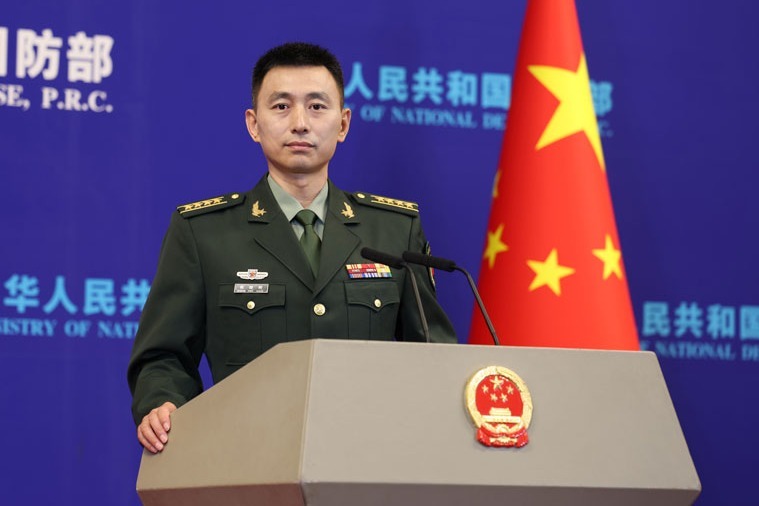
    China has issued a stern condemnation of the United States’ recently enacted National Defense Authorization Act for Fiscal Year 2026, characterizing the legislation as a severe violation of Chinese sovereignty that dangerously escalates tensions surrounding Taiwan. The forceful response came during a press briefing by China’s Ministry of National Defense spokesperson Zhang Xiaogang on Thursday.

    The controversial defense bill, signed into law by President Donald Trump last week, contains multiple China-specific provisions including approximately $1 billion allocated for the ‘Taiwan Security Cooperation Initiative’ – a program designed to enhance weapons sales to Taiwan. Chinese officials maintain that this constitutes blatant interference in China’s internal affairs and represents a serious breach of established diplomatic protocols.

    Zhang accused the United States of reneging on its commitments by intensifying military support for Taiwan, warning that such actions would inevitably embolden separatist forces and push cross-strait relations toward potential conflict. ‘Attempts to use Taiwan to contain China are doomed to fail, and seeking independence through force will only lead to self-destruction,’ Zhang stated emphatically.

    The defense spokesman specifically criticized Taiwan’s Democratic Progressive Party authorities for what he characterized as sacrificing Taiwanese interests to serve American strategic objectives. Zhang singled out regional leader Lai Ching-te, describing him as ‘an instigator of war’ for his policies of military expansion and alignment with US interests.

    Concurrently, Xu Dong, spokesperson for the Foreign Affairs Committee of China’s National People’s Congress, expressed ‘strong dissatisfaction and firm opposition’ to the US legislation. Xu warned that continued implementation of the act’s China-related provisions would compel Beijing to take ‘resolute measures’ to protect its sovereignty and development interests.

    Chinese officials urged the US to recognize the extreme sensitivity of Taiwan-related matters, adhere strictly to the one-China principle, and handle cross-strait issues with maximum caution. The coordinated responses from both defense and legislative bodies underscore China’s escalating concerns over what it perceives as increasingly provocative US actions regarding Taiwan.

  • India’s solar boom faces a hidden waste problem

    India’s solar boom faces a hidden waste problem

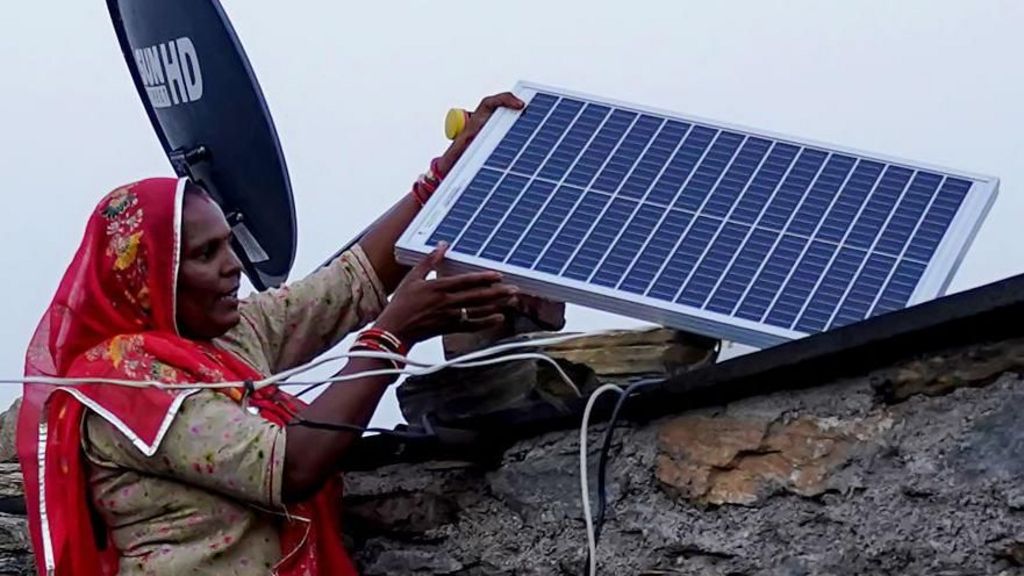
    India’s remarkable transformation into a global solar energy leader is confronting an emerging environmental challenge: the impending tidal wave of solar panel waste. Having ascended to become the world’s third-largest solar producer within just a decade, the nation now faces the complex task of managing the lifecycle of its renewable infrastructure.

    The solar revolution has visibly transformed India’s landscape, with vast utility-scale parks and millions of rooftop installations feeding power into the national grid. Government statistics reveal nearly 2.4 million households have adopted solar technology through subsidy programs, significantly reducing reliance on coal-fired generation despite thermal power still dominating over half of installed capacity.

    While solar energy generation itself produces minimal emissions, the disposal of decommissioned panels presents significant environmental risks. Solar modules contain potentially toxic materials including lead and cadmium that can contaminate soil and water systems if improperly handled. With panels typically lasting 25 years, the first major wave of installations from the mid-2010s will begin reaching end-of-life within the next decade.

    Current estimates suggest India has already accumulated approximately 100,000 tonnes of solar waste, with projections indicating this could swell to 600,000 tonnes by 2030 and exceed 11 million tonnes by 2047. A comprehensive study by the Council on Energy, Environment and Water (CEEW) calculates that managing this volume would require nearly 300 dedicated recycling facilities and an investment approaching $500 million over the next two decades.

    The regulatory framework remains underdeveloped. Although India brought solar panels under e-waste management rules in 2022, making manufacturers responsible for collection and recycling, enforcement remains inconsistent. This is particularly problematic for distributed rooftop installations, which constitute 5-10% of capacity but are significantly more challenging to track and process.

    Environmental expert Sai Bhaskar Reddy Nakka warns: “Solar power creates an illusion of clean energy for two decades, but without serious recycling planning it risks leaving behind a graveyard of modules rather than an environmental legacy.”

    Despite these challenges, the situation presents substantial economic opportunities. Efficient recycling could reclaim 38% of materials for new panel production by 2047 while preventing 37 million tonnes of carbon emissions from virgin material extraction. Markets already exist for glass and aluminum components, while precious metals including silicon, silver and copper can be recovered for reuse across industries.

    Energy analyst Rohit Pahwa notes: “As waste volumes increase, so will demand for companies specializing in processing these materials.” Currently, most recycling focuses on low-value components through basic methods, with precious metals frequently lost or damaged during extraction.

    Experts emphasize that the coming decade will be decisive for India’s renewable ambitions. Building a regulated, self-sustaining recycling ecosystem requires urgent action—including integrating waste management into business models, raising consumer awareness, and ensuring manufacturers and profiteers assume responsibility for end-of-life processing. Without these measures, today’s clean energy triumph risks becoming tomorrow’s environmental burden.

  • Indonesians raise white flags as anger grows over slow flood aid

    Indonesians raise white flags as anger grows over slow flood aid

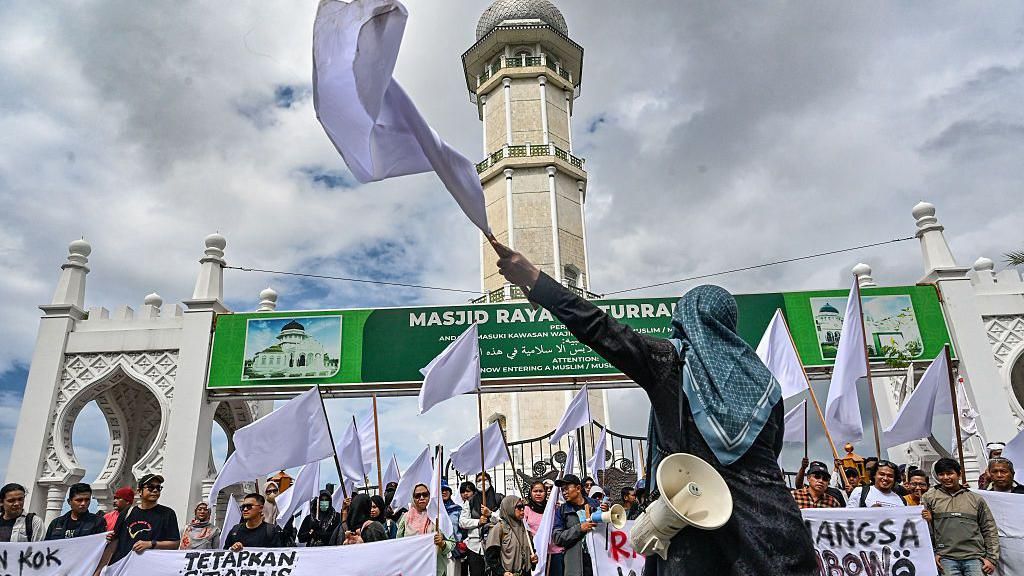
    In Indonesia’s Aceh province, a sea of white flags has emerged as a powerful symbol of desperation following catastrophic November floods. The disaster, triggered by an unusual cyclone, claimed over 1,000 lives across Sumatra with Aceh accounting for nearly half the fatalities. Despite widespread destruction that displaced hundreds of thousands, survivors face critical shortages of clean water, food, electricity, and medical supplies.

    The crisis has exposed deepening tensions between local authorities and President Prabowo Subianto’s administration. North Aceh Governor Ismail A Jalil emotionally pleaded for recognition of the devastation, while Prabowo has refused international assistance, asserting Indonesia can handle the disaster independently. His government has declined to declare a national disaster—a move that would unlock emergency funds and streamline relief operations.

    Protesters in Banda Aceh have transformed the white flag from a surrender symbol to an international distress call. ‘They are a signal to grab attention about the terrible conditions in Aceh,’ explained rally participant Husnul Khawatinnissa. The demonstrations highlight growing frustrations with what critics describe as reactive and disorganized governance.

    The situation evokes painful memories of the 2004 tsunami, with residents noting that despite that disaster’s greater scale, relief arrived more promptly. The current administration has allocated 60 trillion rupiah ($3.6 billion) for reconstruction, but many communities remain isolated with destroyed infrastructure.

    Analysts suggest Prabowo’s refusal of foreign aid represents a political calculation prioritizing sovereignty perceptions over practical crisis management. This stance has drawn criticism from researchers who note the government appears increasingly out of touch with ground realities. Meanwhile, flood survivors like Rindu Majalina describe fighting ‘like zombies’ for scarce supplies, highlighting the human toll of the political impasse.