标签: Asia

亚洲

  • Trump’s call for countries to send warships to protect the Strait of Hormuz brings no promises

    Trump’s call for countries to send warships to protect the Strait of Hormuz brings no promises

    International responses to U.S. President Donald Trump’s appeal for a multinational naval coalition to secure the Strait of Hormuz remained notably non-committal on Sunday, as escalating Middle East tensions continue to disrupt global oil supplies. The strategic waterway, typically handling 20% of worldwide oil exports, has become a focal point in the ongoing Iran conflict.

    Despite Energy Secretary Chris Wright’s expressed confidence in China becoming “a constructive partner” in reopening the vital shipping lane, no concrete commitments emerged from the nations contacted. Meanwhile, Iranian Foreign Minister Abbas Araghchi revealed that Tehran has granted passage to vessels from “different countries” while maintaining the strait’s closure to U.S. and allied ships.

    The diplomatic stalemate persists amid Araghchi’s firm stance against negotiations with Americans, citing coordinated U.S.-Israeli attacks on February 28 that occurred during indirect nuclear talks. The foreign minister explicitly stated Iran has “no plan to recover” enriched uranium damaged in last year’s attacks.

    European and Asian responses reflected cautious deliberation. U.K. Energy Secretary Ed Miliband emphasized that ending the war represents the “best and surest” solution, while South Korea’s Foreign Ministry acknowledged it would “closely coordinate and carefully review” the situation. France previously discussed potential international escort missions with European and Asian partners, though only when “circumstances permit.”

    The International Energy Agency announced emergency measures to stabilize markets, increasing its planned oil stock release from 400 million to nearly 412 million barrels—described as “by far the largest ever” collective action. Asian members will release stocks immediately, with European and American reserves following from late March.

    Regional violence intensified with Gulf Arab states reporting new missile and drone attacks, following Iran’s unprecedented threat against United Arab Emirates ports. Bahrain, Saudi Arabia and the UAE activated defense systems against incoming projectiles, while Iran accused the U.S. of launching strikes from Emirati territory—a claim both U.S. Central Command and UAE officials denied.

    Humanitarian costs mounted across the region, with the International Committee of the Red Cross reporting over 1,300 fatalities in Iran alone, including 223 women and 202 children. Israeli authorities confirmed 12 deaths from Iranian missile strikes, while at least 13 U.S. military personnel have perished—including six in a recent Iraq plane crash. Lebanon’s Health Ministry documented 820 fatalities since Hezbollah began strikes against Israel, displacing approximately 800,000 people amid severe weather conditions.

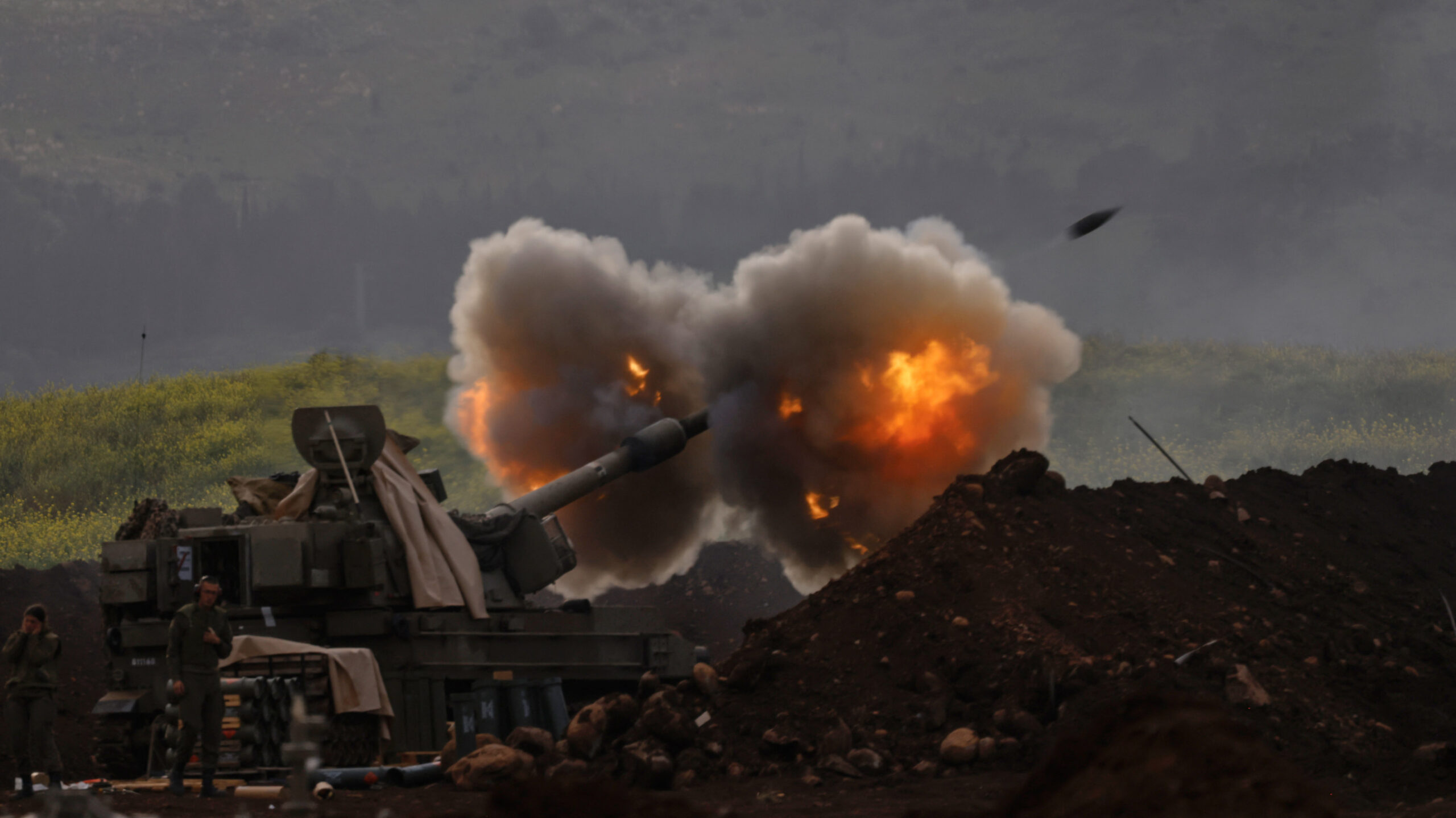
    Military analysts note Iran’s evolving tactics, including use of cluster bombs capable of evading air defenses and striking multiple locations simultaneously, as evidenced by damage across 23 sites in central Israel and Tel Aviv.


  • Venezuela rallies to beat Shohei Ohtani and defending champ Japan 8-5, advance to WBC semis

    Venezuela rallies to beat Shohei Ohtani and defending champ Japan 8-5, advance to WBC semis

    In a stunning reversal at the World Baseball Classic quarterfinals, Venezuela mounted a dramatic comeback to defeat Shohei Ohtani’s Japan 8-5 on Saturday night, snapping Japan’s 11-game tournament winning streak and advancing to the semifinals for the first time since 2009.

    The game featured explosive offense from both sides, with Japan building an early 5-2 lead through a four-run third inning highlighted by Shota Morishita’s tiebreaking three-run homer off Venezuelan starter Ranger Suárez. Ohtani, the 2023 WBC MVP, contributed to Japan’s offense with a massive 427-foot solo shot to center field in the first inning—his third home run of the tournament.

    Venezuela’s comeback began in the fifth inning when Maikel Garcia ignited the rally with a two-run homer against Japanese pitcher Chihiro Sumida, narrowing the deficit to 5-4. The game completely turned in the sixth inning when Wilyer Abreu delivered the decisive blow—a 409-foot, three-run homer on Hiromi Itoh’s 2-1 fastball that gave Venezuela a permanent lead at 7-5.

    Venezuela added an insurance run in the eighth when Ezequiel Tovar doubled and subsequently scored on a throwing error by Japanese reliever Atsuki Taneichi during a pickoff attempt.

    The victory secured Venezuela not only a semifinal berth against unbeaten Italy on Monday but also clinched their qualification for the six-nation baseball tournament at the 2028 Olympics, joining the United States and Dominican Republic.

    Venezuela’s bullpen proved instrumental in preserving the lead, with Enmanuel De Jesus earning the win after pitching 2 1/3 scoreless innings, and Daniel Palencia securing the save by getting Ohtani to pop out for the final out.

  • Counterespionage thriller is first Chinese movie to get backing of intelligence agency

    Counterespionage thriller is first Chinese movie to get backing of intelligence agency

    In an unprecedented move, China’s traditionally secretive Ministry of State Security (MSS) has entered the world of cinematic storytelling with its officially endorsed spy thriller ‘Scare Out.’ Directed by Oscar-nominated filmmaker Zhang Yimou, the film represents a significant departure from the agency’s conventional opacity, marking the first motion picture to receive direct support from China’s intelligence apparatus.

    The high-octane production features dramatic sequences including drone-assisted pursuits through Shenzhen’s glass-walled skyscrapers, showcasing sophisticated intelligence operations against espionage threats. Starring acclaimed actors Jackson Yee and Zhu Yilong, the narrative centers on hunting a mole within China’s intelligence service who leaks classified information about a new fighter jet.

    This cinematic project forms part of MSS’s broader strategy toward public engagement, transitioning from complete secrecy to controlled transparency. The ministry, which established its social media presence just two years ago, has increasingly utilized platforms like WeChat to share educational content, including real case studies, comics, and mini-films about national security.

    According to security experts, the film represents a sophisticated effort to mobilize public support for national security initiatives. ‘It wants to build public and popular support to encourage people to share information,’ observed Sheena Greitens, associate professor at the University of Texas at Austin, noting the agency’s attempt to make national security ‘entertaining and fun to support.’

    The production benefited from direct MSS involvement, with state security officers accompanying the filming process to ensure authenticity. Zhang emphasized in a People’s Daily op-ed that this guidance was crucial for achieving realism in depicting intelligence operations.

    Since its February 17 release coinciding with Chinese New Year, the film has achieved substantial commercial success, generating 1.1 billion yuan ($160 million) within two weeks and receiving international screenings in the U.S., Canada, and Australia. Audience responses have varied from unexpected enjoyment to appreciation for its patriotic educational value compared to traditional lectures.

    The release coincides with heightened intelligence tensions, particularly as the CIA has recently circulated Mandarin-language recruitment videos targeting Chinese officials. China’s Ministry of Foreign Affairs has condemned these efforts, pledging to prevent foreign infiltration attempts.

  • Hamas congratulates Iran’s new leader, urges Tehran not to hit neighbours

    Hamas congratulates Iran’s new leader, urges Tehran not to hit neighbours

    The Palestinian organization Hamas has issued a formal condemnation of the joint military campaign conducted by the United States and Israel against Iran, characterizing the offensive as a clear breach of international legal standards. In an official communiqué released on Saturday, the movement articulated its position that the ongoing hostilities fundamentally contradict the broader interests of both the Islamic world and the Middle Eastern region, emphasizing the critical necessity for an immediate cessation of all military operations.

    Beyond its condemnation, Hamas actively called upon regional governments to initiate coordinated diplomatic measures aimed at de-escalating the conflict. Striking a nuanced position, the group also appealed directly to Iranian leadership, urging strategic restraint and specifically requesting that Tehran avoid extending military operations into neighboring nations’ territories. This dual approach reflects Hamas’s attempt to balance its ideological alignment with Iran against the practical realities of regional stability.

    This significant political statement emerges against a backdrop of escalating tensions that threaten to transform the current conflict into a broader regional confrontation. The offensive, initiated on February 28th by American and Israeli forces, resulted in the deaths of numerous high-ranking Iranian officials, including the country’s Supreme Leader Ayatollah Ali Khamenei.

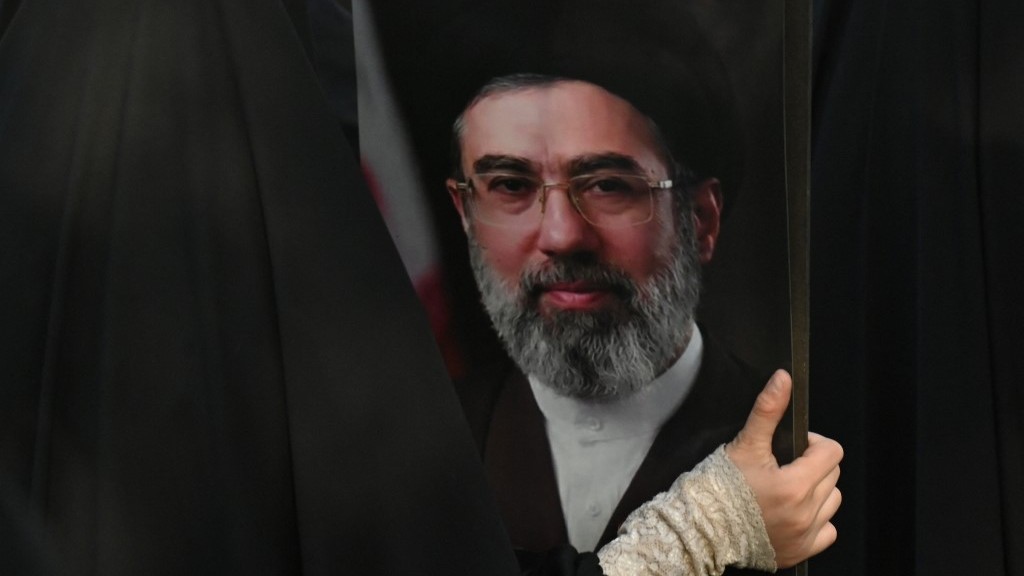
    In a related development, Hamas extended formal congratulations to Ayatollah Sayyid Mojtaba Husseini Khamenei following his appointment as Iran’s new Supreme Leader. Mohammad Darwish, presiding chairman of Hamas’s leadership council, conveyed the movement’s confidence in the new leader’s capability to navigate Iran through this period of regional instability while maintaining the foundational principles of the Islamic Revolution.

    The organization further expressed its expectation that Iran would continue its decades-long policy of supporting the Palestinian cause and their resistance movement. Iranian forces have responded to the initial offensive with coordinated missile and drone attacks targeting both Israeli territory and American interests throughout the region, significantly widening the scope of the conflict and increasing concerns about prolonged regional warfare.

  • Beyond the racetrack: F1 Chinese Grand Prix showcases Shanghai culture

    Beyond the racetrack: F1 Chinese Grand Prix showcases Shanghai culture

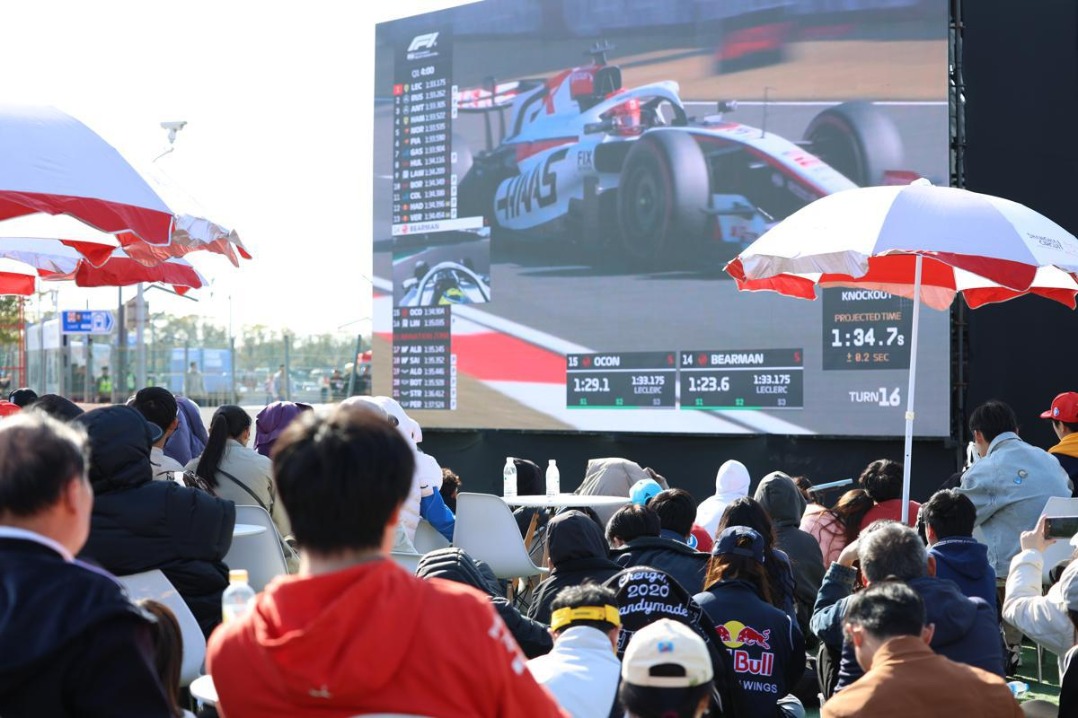
    The 2026 Formula 1 Heineken Chinese Grand Prix has evolved into far more than a premier motorsport competition, serving as a vibrant cultural showcase of Shanghai’s rich heritage. From March 13-15, the Shanghai International Circuit’s Fountain Plaza has been transformed into a bustling fan zone that welcomes both ticket holders and the general public, creating a carnival atmosphere that extends well beyond the high-speed action on the asphalt.

    While world-class drivers compete for supremacy on the track, the surrounding areas have become immersive cultural destinations. The fan zone’s food court has emerged as a major attraction, featuring authentic Shanghai culinary specialties. Visitors are lining up to sample nostalgic favorites including Shanghai pork toast and the star attraction—Nanxiang xiaolongbao. These delicate soup dumplings, recognized as a national intangible cultural heritage item from Jiading district, have proven so popular that they’re being served to racing teams in the paddock, giving international participants a direct taste of local culinary traditions.

    The retail experience seamlessly blends motorsport culture with local identity. At the expansive 750-square-meter Juss event merchandise store, shoppers can purchase items that creatively combine Shanghai’s urban character with designs celebrating the Year of the Horse and popular F1 terminology like “box box”—the radio instruction for pit stops. A dedicated pop-up store featuring Jiading-themed cultural and creative goods further highlights the district’s artistic heritage and traditional crafts.

    For international visitors like Russian F1 enthusiasts Kristina Rakitina and Sergey Klimenov, the event provides a dual-purpose opportunity to experience both racing and local culture. Many are using the Grand Prix weekend to explore Shanghai’s broader attractions, including historic sites like Zhujiajiao Ancient Town with its traditional scenery and waterways.

    Additional attractions include a centennial auto exhibition tracing automotive history and racing simulators that allow fans to test their driving skills. These elements contribute to the multifaceted, festive atmosphere that now defines the Chinese Grand Prix weekend, demonstrating that in Shanghai, the race represents just one component of a much broader cultural journey.

  • North Korean leader Kim observes test of rocket launch systems with his daughter

    North Korean leader Kim observes test of rocket launch systems with his daughter

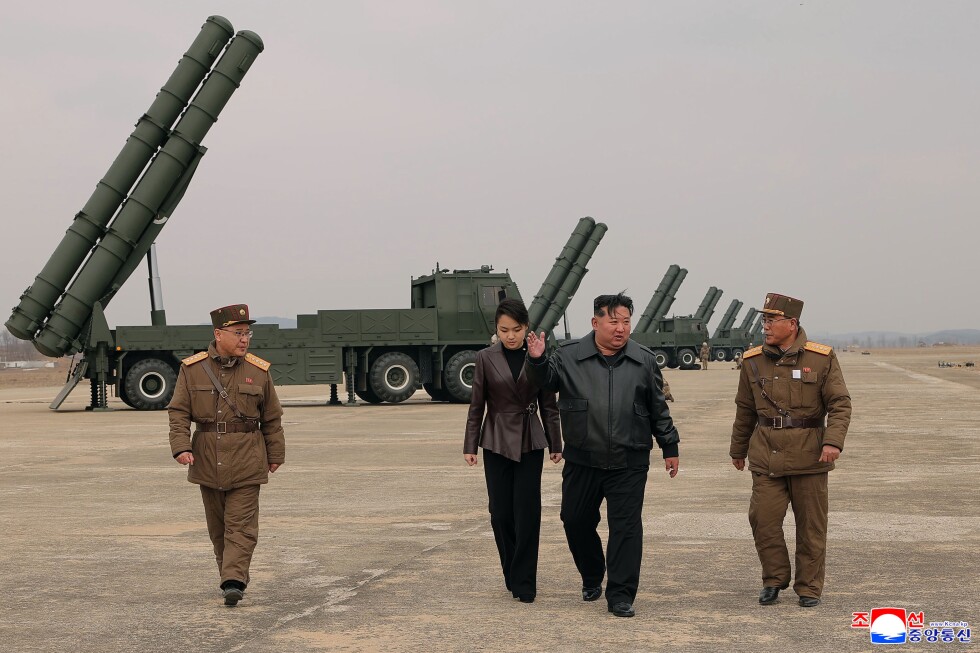
    In a demonstrative response to ongoing joint military exercises between the United States and South Korea, North Korean leader Kim Jong Un personally supervised a live-fire test of multiple rocket launch systems this weekend. The event, which notably featured the presence of his approximately 13-year-old daughter Kim Ju Ae, signifies Pyongyang’s continued pattern of military provocation during regional training operations.

    According to state media reports from the Korean Central News Agency (KCNA), the exercise involved twelve 600mm-caliber ultra-precision rocket launchers deployed along North Korea’s eastern coastline. Concurrently, South Korea’s military surveillance detected approximately ten ballistic missiles launched from the capital region toward eastern waters, characterizing the actions as clear violations of United Nations Security Council resolutions.

    Kim Jong Un explicitly framed the drill as a tactical nuclear demonstration, asserting that these weapons systems would subject adversaries within their 420-kilometer (260-mile) operational range to substantial psychological pressure and physical destruction. The North Korean leader emphasized that any military infrastructure within this strike zone would be rendered completely inoperable if engaged with these capabilities.

    Military analysts note that North Korea’s large-caliber rocket launchers represent a significant technological advancement, blurring traditional distinctions between artillery systems and ballistic missiles through their self-propulsion and guided delivery mechanisms. The consistent presence of Kim’s daughter at high-profile military events continues to generate international speculation regarding her potential political succession role.

    The timing coincides with the Freedom Shield exercises, a computer-simulated command post training operation between U.S. and South Korean forces scheduled through March 19. North Korea has historically responded to such joint military preparations with heightened weapons testing and aggressive rhetoric, reflecting ongoing tensions on the Korean Peninsula.

  • Why Trump emphasizes US Kharg attack preserved Iran oil lifeline

    Why Trump emphasizes US Kharg attack preserved Iran oil lifeline

    Amid escalating military operations against Iran, the Trump administration continues its assertive rhetoric claiming devastating impacts on Iranian capabilities. Defense Secretary Pete Hegseth described March 10 as witnessing the “most intense” day of strikes, while President Trump asserted the conflict would conclude rapidly due to diminishing targets.

    The White House frames this campaign as systematically dismantling Iran’s capacity to threaten American interests and global security. While previous strikes focused primarily on military and nuclear installations, recent operations have expanded to include critical civilian infrastructure. Israeli forces targeted two oil refineries and storage facilities near Tehran on March 8, with Iran additionally accusing the US of attacking a desalination plant.

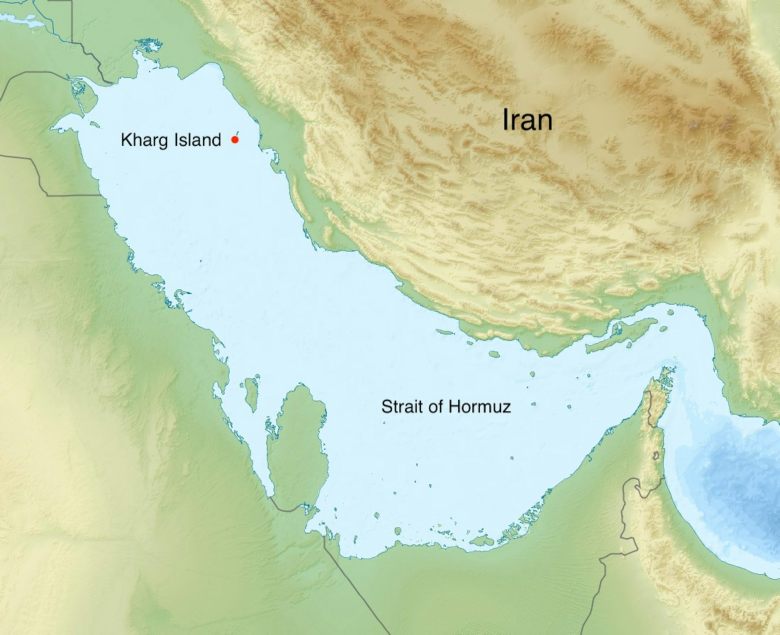
    However, Kharg Island—Iran’s paramount oil export terminal handling approximately 90% of crude exports—remained conspicuously untouched until limited strikes on Friday. Notably, Trump emphasized through Truth Social that the operation exclusively targeted military assets on the island, specifically avoiding damage to oil infrastructure.

    US Central Command corroborated this approach, stating their precision strike destroyed naval mine storage facilities, missile bunkers, and over 90 military targets while deliberately preserving oil operations.

    Kharg’s strategic significance cannot be overstated. This coral island processes millions of barrels daily through subsea pipelines from Iranian oil fields, predominantly supplying China. The terminal generates tens of billions in annual government revenue, making it irreplaceable to Iran’s economy.

    Unlike other major oil producers that diversify export capabilities, Iran concentrates virtually all export capacity at this single location. Historical factors including post-revolution self-reliance policies and geographical advantages (deep-water access for supertankers) cemented Kharg’s dominance since its modern development began in 1958.

    Paradoxically, the very vulnerability that makes Kharg an obvious target also protects it. Comprehensive destruction would cripple Iran’s economy for years, potentially triggering global oil prices reaching $150 per barrel—compared to the $100+ levels during the Ukraine invasion that contributed significantly to inflation crises. With American voters prioritizing cost-of-living concerns ahead of midterm elections, Trump faces balancing military objectives against economic stability.

    Additional complicating factors include avoiding actions that would undermine claims of acting in the Iranian people’s interests, as any successor government would inherit a devastated economy. For now, strategic economic considerations appear to outweigh military advantage in preserving Kharg’s operational capacity.

  • Iran hits UAE oil hub, vows retaliation for US strike on Kharg Island

    Iran hits UAE oil hub, vows retaliation for US strike on Kharg Island

    The strategic Persian Gulf region faces escalating military and economic turmoil as Iran issued direct threats against United States interests within the United Arab Emirates. This development follows a disruptive drone attack on a major Emirati energy installation this Saturday, marking the conflict’s entry into its third consequential week.

    Military escalation intensified when US forces executed precision strikes on Iran’s critical Kharg Island oil export terminal this past Friday. Former President Donald Trump characterized these operations as having ‘obliterated every MILITARY target’ while deliberately preserving energy infrastructure.

    Tehran issued stark warnings through official channels that US-associated energy facilities would be reduced to ‘a pile of ashes’ if Iranian oil infrastructure faced additional attacks. Iranian authorities subsequently identified several UAE locations as legitimate military targets, asserting these sites facilitated operations against Kharg Island.

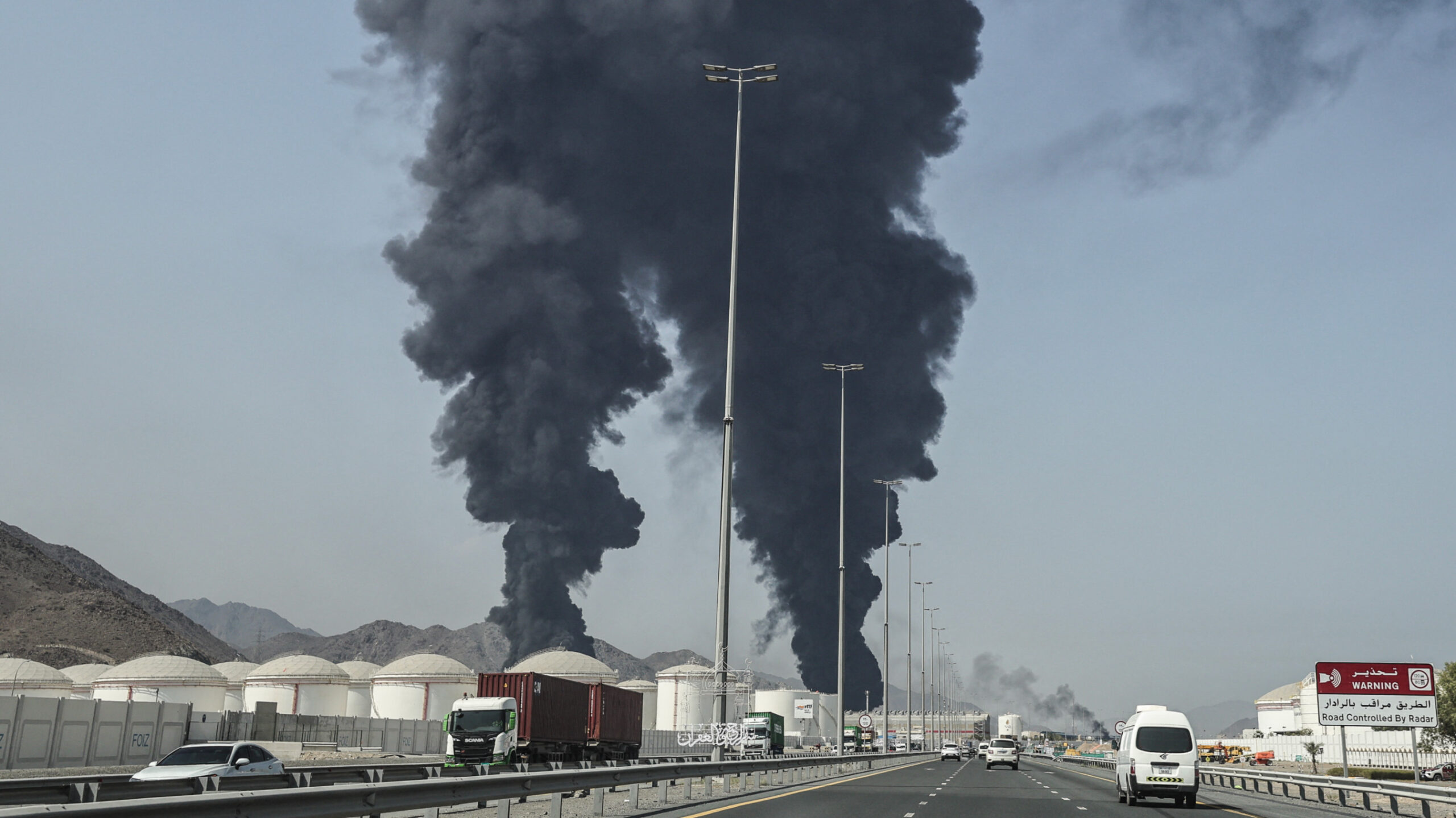
    The Iranian military issued unprecedented evacuation advisories for civilian populations near key maritime facilities, specifically naming Jebel Ali port in Dubai (the Middle East’s busiest container terminal), Abu Dhabi’s Khalifa port, and Fujairah’s crucial oil storage and export complex. This warning manifested in tangible form as plumes of black smoke ascended over Fujairah shortly after the evacuation notice, coinciding with the suspension of oil-loading operations according to industry sources.

    The broader conflict has precipitated the most significant oil supply disruption in recorded history, with crude prices skyrocketing by 40%. Iran’s strategic blockade of the Strait of Hormuz – a maritime passage handling 20% of global oil shipments – has compounded attacks on Gulf energy infrastructure, creating unprecedented energy security concerns.

    Former President Trump utilized his Truth Social platform to advocate for international naval cooperation, urging multiple nations to deploy warships for securing the vital Strait of Hormuz. While specifically mentioning China, France, Japan, South Korea, and Britain as potential contributors, Trump simultaneously confirmed continued US bombing campaigns along Iran’s coastline targeting naval assets.

    The regional violence extended beyond the Persian Gulf as the US Embassy in Iraq sustained drone damage – the second such incident since hostilities began. Additional attacks targeted the Emirati consulate in Iraqi Kurdistan, while Qatar implemented emergency downtown evacuations following missile interceptions. Kuwait reported casualties and property damage from drone strikes on a base housing US military personnel.

    Civilian casualties mounted with reports confirming at least 15 fatalities from a US-Israeli strike on a civilian manufacturing facility in Isfahan, central Iran, that produced heaters and refrigerators, underscoring the conflict’s expanding humanitarian impact.

  • Israeli strike in south Lebanon kills 17 medical staff

    Israeli strike in south Lebanon kills 17 medical staff

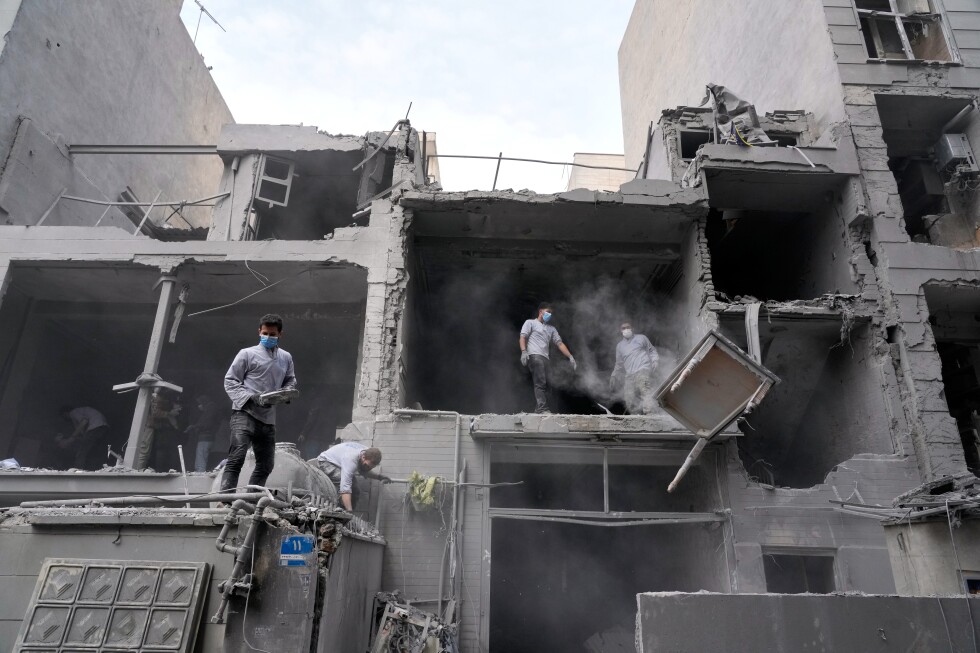
    A direct Israeli military strike on a primary healthcare center in the southern Lebanese village of Burj Qalawiyeh has resulted in the deaths of 17 medical personnel, according to statements from Lebanese health authorities on Saturday. The attack, which occurred late Friday in the Bint Jbeil district, claimed the lives of doctors, nurses, and paramedics performing critical medical duties.

    Lebanon’s Health Ministry has formally accused Israel of systematically targeting emergency medical teams during rescue operations, reporting that 31 paramedics have been killed since hostilities began on March 2. The ministry’s statement condemned what it characterized as repeated attacks on healthcare infrastructure and personnel.

    The Israeli military, through its Arabic-language spokesperson Avichay Adraee, countered these allegations by asserting that Hezbollah has been utilizing ambulances for military purposes. Adraee issued warnings that Israel would continue to target any medical facilities or vehicles believed to be supporting Hezbollah’s military operations.

    This incident represents the most significant single loss of medical life since the conflict erupted following Hezbollah’s rocket attacks against Israel, which the group stated were in retaliation for the killing of Iran’s supreme leader. The ongoing violence has triggered massive displacement, with approximately one million people forced from their homes across southern Lebanon and parts of Beirut according to the Norwegian Refugee Council, affecting roughly 14% of Lebanon’s territory.

    The humanitarian crisis continues to deepen with Lebanon’s Health Ministry reporting 826 fatalities, including 65 women and 106 children, and 2,009 wounded since the conflict’s inception. In a separate incident Friday night, a family of six including four children were killed in an airstrike on their home in Nabatieh.

    In a significant escalation, Israeli forces destroyed a bridge over the Litani River, describing it as a “key crossing” for Hezbollah operations despite providing no concrete evidence. This marks the first acknowledged attack on Lebanese public infrastructure since the conflict began. Simultaneously, Israel distributed leaflets over Beirut threatening “Gaza-scale devastation” and further infrastructure attacks unless Hezbollah is disarmed, with Defense Minister Israel Katz warning that Lebanon’s government would “pay increasing costs through damage to infrastructure and loss of territory.”

  • AWE 2026: A glance at tech for the future

    AWE 2026: A glance at tech for the future

    Shanghai is currently hosting the prestigious Appliance & Electronics World Expo (AWE) 2026, establishing itself as the definitive global platform for technological innovation. This premier event serves as both a showcase for international tech giants and a visionary preview of future smart living solutions.

    In a special feature, China Daily’s ‘Science Matters’ program provides an exclusive tour of the exhibition, highlighting groundbreaking AI-driven products that are redefining consumer technology. The expo demonstrates significant advancements in artificial intelligence integration across home appliances, personal electronics, and interconnected living systems.

    The timing of AWE 2026 positions it as a critical mid-decade indicator of technological trajectory, offering insights into how artificial intelligence will continue transforming everyday experiences. Exhibitors are presenting sophisticated solutions that blend machine learning, intuitive interfaces, and predictive analytics to create more responsive and adaptive environments.

    Beyond consumer applications, the expo reveals how AI technology is evolving to address broader societal needs including sustainability, accessibility, and energy efficiency. The innovations on display represent collaborative efforts between research institutions, technology corporations, and design experts working toward creating more intelligent and seamless living ecosystems.