标签: Asia

亚洲

  • Israel demolishes homes en masse in West Bank refugee camp

    Israel demolishes homes en masse in West Bank refugee camp

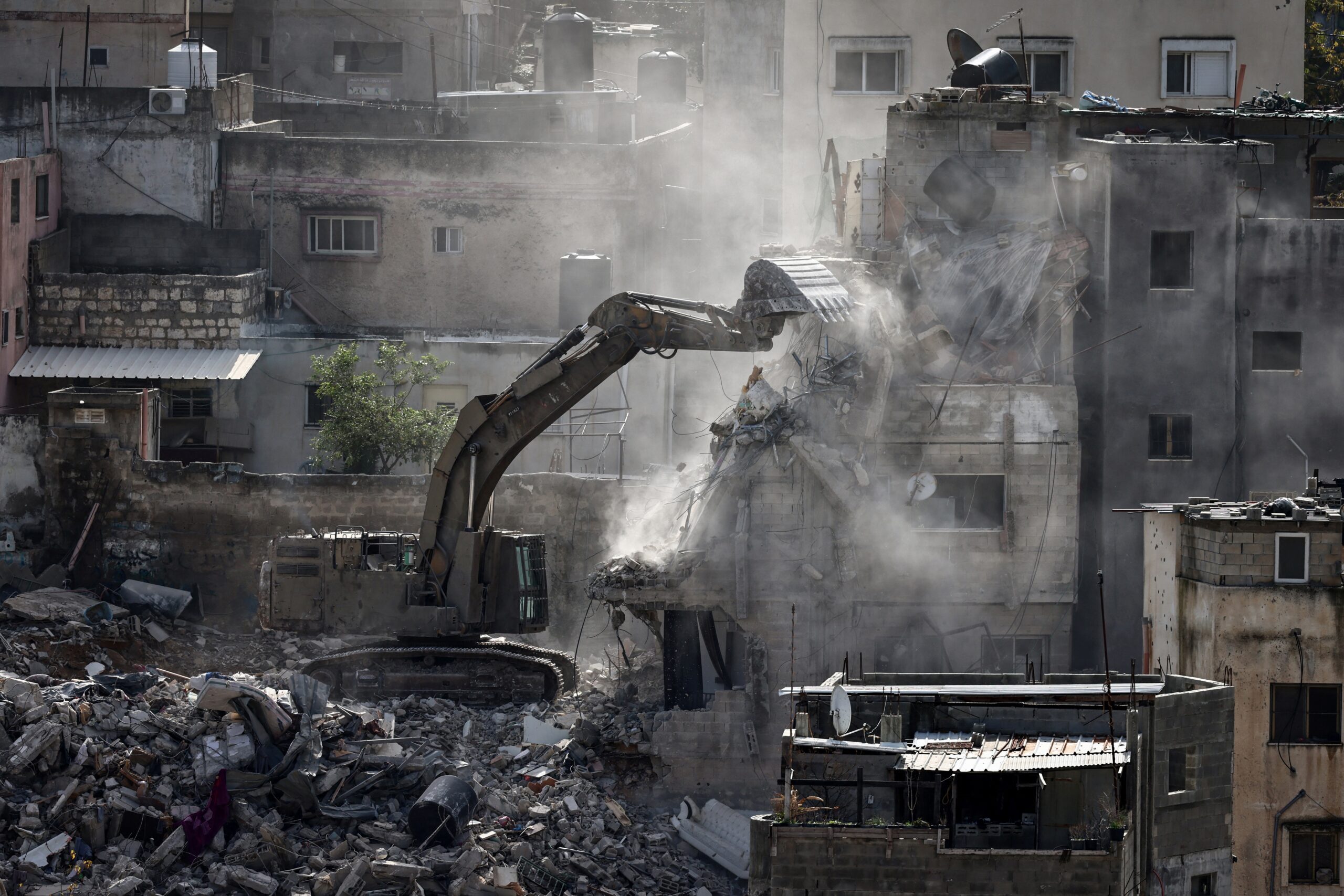
    The Israeli military initiated extensive demolition operations in the occupied West Bank on Wednesday, leveling residential structures in the Nur Shams refugee camp near Tulkarm and rendering approximately 100 Palestinian families homeless. This action represents one of the largest single-day displacement events in recent months.

    According to eyewitness accounts and local officials, at least 25 buildings containing roughly 100 apartments were destroyed, affecting an estimated 400 residents. The demolitions followed a December 24th Israeli Supreme Court decision that rejected appeals from Palestinian residents against military demolition orders. The court reportedly relied on classified intelligence material submitted by the Israeli Public Prosecution, which was not disclosed to the petitioners or their legal representatives.

    Yasser al-Sayes, one of the displaced residents, described watching Israeli bulldozers demolish his family home remotely, nearly one year after Israeli forces initially expelled them during a major military operation in the northern West Bank. His building housed sixteen people, predominantly children, who were forced to evacuate under military pressure at the beginning of the incursion.

    Residents received merely two weeks’ notice before the demolitions and were granted only brief access to retrieve minimal belongings. Many salvaged nothing more than a few clothing items, with possessions now scattered throughout the streets without storage options. The displaced families face severe economic hardship, with most adults unemployed and unable to afford stable housing.

    The Tulkarm Governorate condemned the demolitions as a ‘dangerous escalation’ and symbolic attack on refugee camps that represent living monuments to the Nakba. Local authorities characterized the policy as collective punishment that violates international law and human rights conventions.

    According to Ibrahim al-Nimr of the Nur Shams camp emergency committee, approximately 60% of the camp’s homes—about 400 residential units—have been either fully or partially destroyed since the Israeli military operation began eleven months ago. All 11,300 original residents have been displaced, with many forced to inhabit substandard rental accommodations while facing winter conditions without adequate shelter, employment, or financial resources.

    International and local support systems have proven inadequate, with insufficient assistance from UNRWA, the Palestinian Authority, and the Department of Refugee Affairs. Despite repeated protests demanding cessation of demolitions and permission to return, Israeli officials have indicated the army will maintain its presence indefinitely, with troops having established barracks within abandoned Palestinian homes.

  • Farmers can now learn how much aid they will get from the Trump administration

    Farmers can now learn how much aid they will get from the Trump administration

    The U.S. Department of Agriculture has finalized payment rates for its $12 billion agricultural relief program, providing crucial details to farmers grappling with trade war disruptions. The aid package, announced by the Trump administration earlier this month, establishes specific per-acre compensation rates: $48.11 for sorghum, $44.36 for corn, and $30.88 for soybeans—the crop most severely impacted by China’s cessation of American agricultural purchases.

    While officials guarantee payments will reach farmers by February’s end, the timing presents logistical challenges. Most agricultural producers have already secured financing and placed orders for next season’s seeds and fertilizers before learning their specific aid allocations. The compensation formula, based on USDA production cost calculations, aims to help farmers withstand trade disruptions until two key developments materialize: China’s fulfillment of its October agreement to resume soybean purchases and the implementation of provisions within Trump’s massive budget bill.

    Agricultural leaders acknowledge the assistance but emphasize its limitations. Kentucky soybean farmer Caleb Ragland, former president of the American Soybean Association, characterized the payments as “a Band-Aid on a deep wound,” stressing that market competition and expanded opportunities remain essential for long-term viability. National Corn Growers Association President Jed Bower echoed these concerns, noting that multiple years of low corn prices and high input costs have created sustained financial pressure across the industry.

    The relief program includes $11 billion for row crop producers with an additional $1 billion reserved for specialty crops and sugar, though details for these allocations remain pending. Eligibility restrictions cap payments at $155,000 per farmer or entity, excluding operations with adjusted gross incomes exceeding $900,000—a provision designed to prevent large-scale operations from exploiting loopholes that previously allowed some farms to collect millions in aid.

    Despite the challenges, most farmers maintain support for the administration, believing improved trade deals will ultimately emerge from current negotiations. Recent purchases by China have provided encouragement, with over 1 million metric tons of sorghum and approximately 6.6 million metric tons of soybeans acquired in recent weeks, though Beijing has not formally confirmed its commitment to purchase 12 million metric tons by February as announced by the White House.

  • Why new year doesn’t mean ‘new you’: Here’s what to do instead

    Why new year doesn’t mean ‘new you’: Here’s what to do instead

    As 2026 approaches, conventional New Year’s resolution strategies face rigorous scientific challenge from leading breathwork specialist Dr. Espen Wold-Jensen. The Norwegian researcher, who combines quantum physics with conscious business mentoring, argues that sustainable personal transformation requires nervous system mastery rather than superficial habit changes.

    Dr. Wold-Jensen’s methodology emerged from profound personal adversity. Growing up in traumatic circumstances in Norway, followed by a near-fatal 2006 motorcycle accident in Australia that nearly cost him his leg, he discovered breathwork’s transformative potential during medical crisis. His recovery, which he describes as “an emotional detox clearing decades of stored trauma in minutes,

    forms the foundation of his current practice.

    The specialist identifies chronic “sympathetic dominance” – the body’s fight-or-flight mode – as the primary obstacle to meaningful change. “Stress isn’t just a ‘feeling’, it’s a physiological state that suppresses immunity, digestion, cognition, and healing,” he explains. Modern lifestyles reinforce this through shallow mouth breathing, which activates stress responses, unlike nasal breathing that promotes parasympathetic activation for recovery and creativity.

    Dr. Wold-Jensen proposes three evidence-based practices for 2026:

    1. The 30-Day Nasal Breathing Challenge: Consciously replacing mouth breathing with nasal respiration to recalibrate autonomic nervous system function

    2. Emotional Auditing: Seven-day journaling to identify primary emotional states using Dr. David Hawkins’ Scale of Consciousness model

    3. Tech-Free Morning Practice: 60-90 minutes of device-free time upon waking to prevent cortisol spikes and establish intentional daily foundation

    With Generation Z reporting unprecedented anxiety levels and lifestyle-related chronic diseases increasing, Dr. Wold-Jensen emphasizes that breathwork serves as accessible biological technology. “We can be victims of our story, or we can choose to be masters of our destiny,” he concludes. “This doesn’t negate trauma’s pain, but allows transforming pain into power through the superpower hidden right underneath our noses.”

  • Cyprus agitated as Netanyahu drags it into Israel–Turkey tensions

    Cyprus agitated as Netanyahu drags it into Israel–Turkey tensions

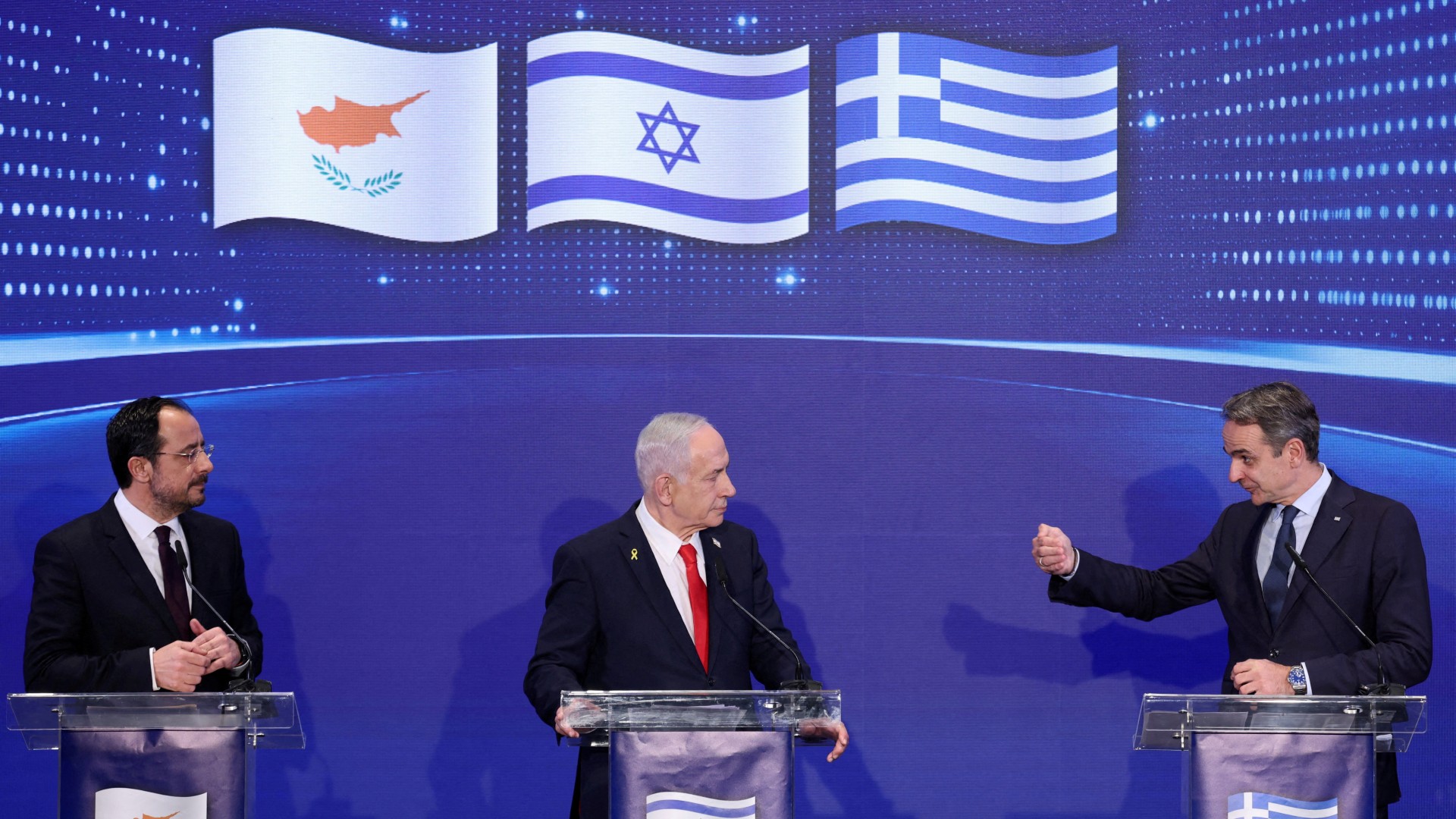
    Cyprus has voiced significant diplomatic unease regarding Israel’s utilization of recent trilateral discussions with Greece to escalate regional tensions with Turkey. According to reports from Politis, a leading Cypriot newspaper, Israeli Prime Minister Benjamin Netanyahu deliberately employed provocative rhetoric during the Jerusalem summit to advance his domestic political standing, thereby compromising the strategic interests of other participating nations.

    The tenth trilateral meeting between Cyprus, Greece, and Israel occurred against a backdrop of heightened regional instability, shortly after the signing of a new military-planning agreement. Netanyahu’s explicit references to Turkey—urging abandonment of imperial ambitions—reportedly aimed to position Ankara as a mutual adversary, a move Cypriot officials found diplomatically reckless.

    Nicosia’s discontent stems from four primary concerns: Netanyahu’s inflammatory remarks implying collective defense against Turkey; potential disruption to Cyprus reunification talks following the election of Turhan Erhurman in Northern Cyprus; unauthorized leaks suggesting a joint military brigade; and Israel’s unilateral announcement of a new military agreement without coordinated disclosure from Cyprus or Greece.

    Cyprus’s imminent presidency of the Council of the European Union further complicates matters, necessitating cautious diplomacy toward Turkey. The nation recently enhanced its defensive capabilities with the Israeli-made Barak MX air defense system, which provides surveillance coverage extending into southern Turkish airspace—a detail adding strategic complexity to the diplomatic friction.

    Regional officials confirmed that Israel’s approach reflects a pattern of leveraging international platforms for domestic messaging, often disregarding the nuanced diplomatic positions of its partners. While the trilateral format remains valuable, the recent episode underscores the challenges of maintaining balanced alliances in a volatile geopolitical landscape.

  • Yunnan rose named after uncle ‘who looks like a flower’

    Yunnan rose named after uncle ‘who looks like a flower’

    In an unexpected turn of events during an online naming competition, a newly cultivated Chinese rose variety from the Yunnan Academy of Agricultural Sciences has been officially named after a Shandong province resident’s maternal uncle. The flower, characterized by its distinctive white petals with pinkish-purple edges, will be marketed as the ‘Baohua Chinese Rose’ in recognition of Liu Baohua, whom the nominating netizen described as resembling a flower.

    The Yunnan Academy had initially organized the digital naming initiative, receiving numerous poetic suggestions including ‘Jinghong,’ ‘Water Sleeves,’ and ‘Silk.’ However, the humorous proposal from the Shandong-based internet user unexpectedly captured public imagination, sparking widespread support across social media platforms.

    Research Fellow Cai Yanfei from the academy’s flower research institute confirmed to xinhuanet that despite initial reservations about the unconventional naming suggestion, the ‘Liu Baohua Chinese Rose’ secured a decisive victory during the final voting phase. The academic institution had initially questioned the appropriateness of naming a flower after a private individual but ultimately respected the democratic process and public sentiment.

    The newly christened horticultural product is scheduled to enter commercial distribution in multiple formats—including seedlings, fresh cuts, and preserved specimens—with anticipated market availability beginning August 2025. This incident demonstrates how digital public participation can influence scientific nomenclature while adding a human-interest dimension to botanical development.

  • Over 100 injured in India as two monorail trains crash at hydropower site

    Over 100 injured in India as two monorail trains crash at hydropower site

    A significant industrial accident occurred at a major hydropower construction site in northern India on Tuesday night, resulting in mass casualties when two monorail trains collided within an underground tunnel. The incident took place at the Pipalkoti hydropower project in Uttarakhand state, operated by Tehri Hydro Development Corp (THDC), a joint venture partially owned by NTPC Ltd.

    According to Gaurav Kumar, the district’s chief administrative officer, the collision was triggered by catastrophic brake failure in one of the monorail vehicles. These transport systems are critical infrastructure at the construction site, primarily used for ferrying personnel and moving construction materials through the extensive tunnel network.

    The collision resulted in 109 workers sustaining injuries, with medical officials reporting that most victims suffered minor trauma while four individuals sustained serious fractures. Emergency response teams were immediately deployed to the remote mountainous region to provide medical assistance and extract injured workers from the confined tunnel environment.

    Despite the severity of the incident, Kumar confirmed that track clearance operations were completed promptly, with project managers anticipating a resumption of construction activities on Wednesday. The quick recovery highlights the project’s strategic importance to India’s energy infrastructure development.

    This accident brings attention to India’s ambitious hydropower expansion program. Currently, hydropower constitutes approximately 51 gigawatts of the nation’s 505-gigawatt total installed capacity. Uttarakhand state, where this incident occurred, hosts more than ten operational hydropower facilities with approximately 2.0 gigawatts of combined capacity, alongside numerous projects under development.

  • Hunan becomes fourth city to host Chinese-built C919 jet

    Hunan becomes fourth city to host Chinese-built C919 jet

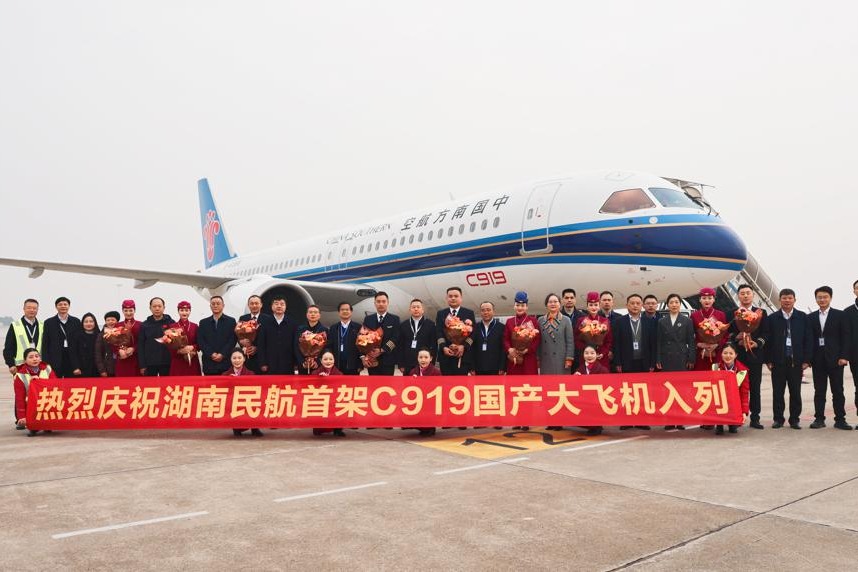
    Hunan Province has entered a new era of aviation connectivity as China’s domestically developed C919 passenger jet commenced dual-base operations from Changsha Huanghua International Airport. The aircraft (registered B-658N) completed its inaugural landing on Wednesday, establishing Hunan’s capital as the fourth Chinese metropolitan center to integrate the homegrown jetliner into regular service, following Beijing, Shanghai, and Guangzhou.

    China Southern Airlines, the pioneering carrier operating the C919, confirmed this strategic expansion represents a significant milestone in China’s commercial aviation advancement. The airline has initiated a dual-base operational model connecting Guangzhou and Changsha, enhancing regional connectivity while demonstrating growing confidence in the aircraft’s performance capabilities.

    Since its initial deployment to Hunan in January, the C919 has been actively serving seven major domestic routes from Changsha to key economic hubs including Guangzhou, Beijing, Shanghai, and Chengdu. Operational data reveals impressive performance metrics with over 1,400 completed flights transporting more than 170,000 passengers to date. Travelers and aviation experts have particularly noted the aircraft’s enhanced comfort features and operational reliability during this period.

    The expansion continues with China Southern Airlines announcing plans to introduce a second C919 aircraft to Hunan prior to the February Spring Festival travel season. According to Du Haibo, Deputy General Manager of China Southern’s Hunan branch, the additional aircraft will support three crucial routes during the peak travel period, connecting Changsha with Guangzhou, Beijing, and Shanghai.

    This strategic deployment underscores China’s accelerating progress in aerospace manufacturing and commercial aviation infrastructure development, positioning the C919 as an increasingly important component of the country’s transportation network.

  • Iran prosecutor vows ‘decisive’ response if protests destabilise country

    Iran prosecutor vows ‘decisive’ response if protests destabilise country

    Iran’s Prosecutor General Mohammad Movahedi-Azad delivered a stark warning on Wednesday regarding ongoing economic demonstrations, drawing a clear distinction between legitimate grievances and what authorities perceive as destabilizing activities. While acknowledging the validity of peaceful livelihood protests as “social and understandable realities,” the senior judicial official emphasized that any attempts to transform economic discontent into security threats would trigger a “legal, proportionate and decisive response.

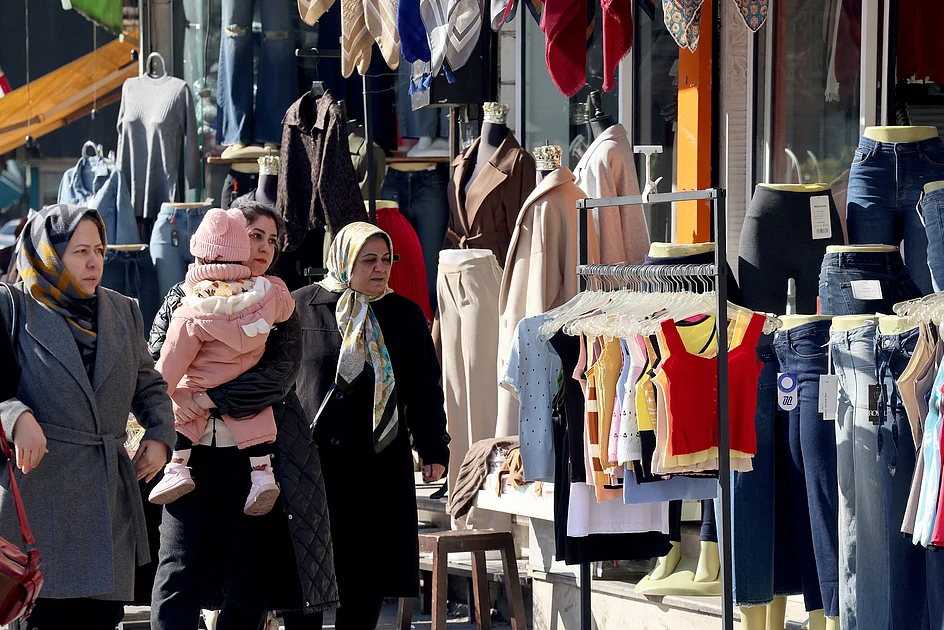
    The demonstrations, initially sparked by shopkeepers at Tehran’s largest mobile phone market on Sunday, have since gained momentum with students from at least ten universities across the country joining the movement. The protests emerge against a backdrop of severe economic challenges, with Iran’s currency losing over a third of its value against the US dollar since last year amid persistent hyperinflation and crippling international sanctions.

    Notably, the protests remain geographically concentrated in central Tehran, with most of the metropolis’s 10 million residents continuing daily life unaffected. The timing of the demonstrations coincides with curious administrative decisions, including a last-minute bank holiday announced with just one day’s notice. Officials attributed closures of schools, banks and public institutions to cold weather and energy conservation needs, though temperatures remain typical for the season.

    The geopolitical dimension intensified when Israel’s Mossad intelligence agency posted messages in Persian on social media, expressing solidarity with protesters and encouraging street demonstrations. This external involvement likely contributed to the Iranian government’s heightened security concerns, particularly given the country’s history of major protests in 2019 (triggered by fuel price hikes) and 2022 (following Mahsa Amini’s death in custody).

    Despite the current demonstrations showing significantly smaller scale than previous nationwide movements, authorities appear prepared to implement stringent measures to prevent escalation, reflecting the delicate balance between addressing economic distress and maintaining state security.

  • Aid agencies warn of ‘devastating’ impact on Gaza after Israeli ban

    Aid agencies warn of ‘devastating’ impact on Gaza after Israeli ban

    A sweeping Israeli directive targeting 37 humanitarian organizations operating in Gaza has sparked grave concerns among international aid agencies, with suspensions set to take effect January 1st. The Israeli Ministry of Diaspora Affairs announced the measure Tuesday, citing non-compliance with newly implemented security and transparency protocols, including requirements to submit detailed staff lists for security vetting.

    Major global aid providers including Médecins Sans Frontières (MSF), Oxfam, ActionAid, and the Norwegian Refugee Council are among those affected. These organizations have played critical roles in delivering healthcare, sanitation, shelter, and essential supplies throughout the ongoing humanitarian crisis in the besieged territory.

    Oxfam’s policy lead for Palestinian territories, Bushra Khalidi, characterized the new regulations as a politicized mechanism that effectively obstructs humanitarian operations. ‘The core issue here is not a legal technicality,’ Khalidi told Middle East Eye. ‘It’s the use of a politicized registration to restrict life-saving aid—that’s against international humanitarian law.’

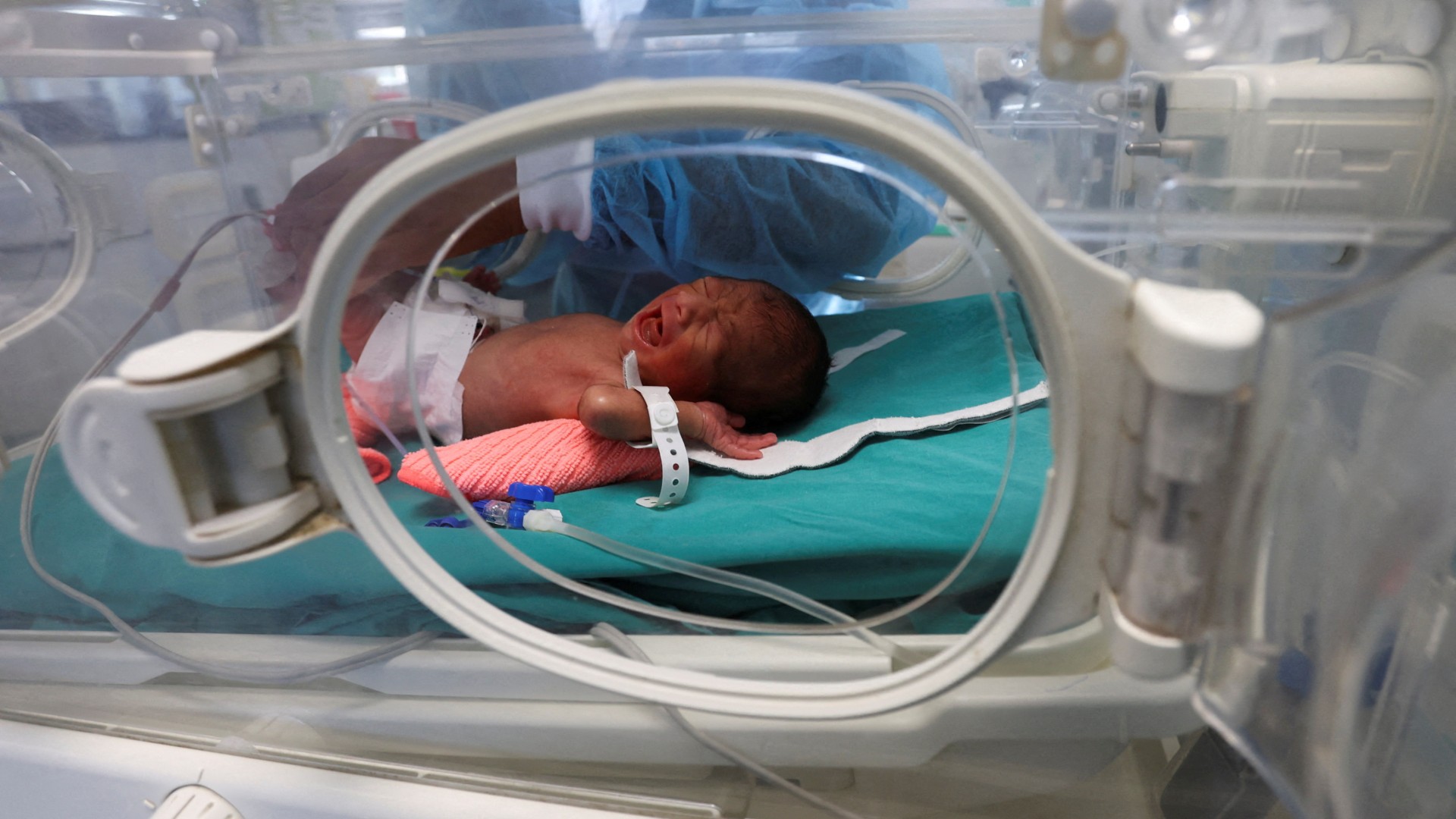
    MSF, which provides approximately 20% of hospital bed capacity and supports one-third of all childbirth deliveries in Gaza, warned of ‘devastating consequences’ if forced to cease operations. The medical organization stated it had received no official notification despite the impending deadline and vehemently denied Israeli allegations of cooperation with Hamas.

    The humanitarian crisis has been exacerbated by severe winter weather that has flooded makeshift camps, damaged over 42,000 shelters, and claimed the lives of at least three children from exposure. Aid groups report that Israeli restrictions have already limited essential supplies entering Gaza, with only approximately 20,000 trucks allowed entry since October compared to the agreed-upon 48,000.

    Concurrently, the Israeli parliament approved legislation cutting utilities to UNRWA offices in Jerusalem, further complicating the humanitarian response. Aid organizations indicate they will pursue legal challenges against any formal deregistration decisions while emphasizing that court proceedings cannot substitute for unimpeded humanitarian access.

  • Rockets for Taiwan like ‘porcupine in glass box’: expert

    Rockets for Taiwan like ‘porcupine in glass box’: expert

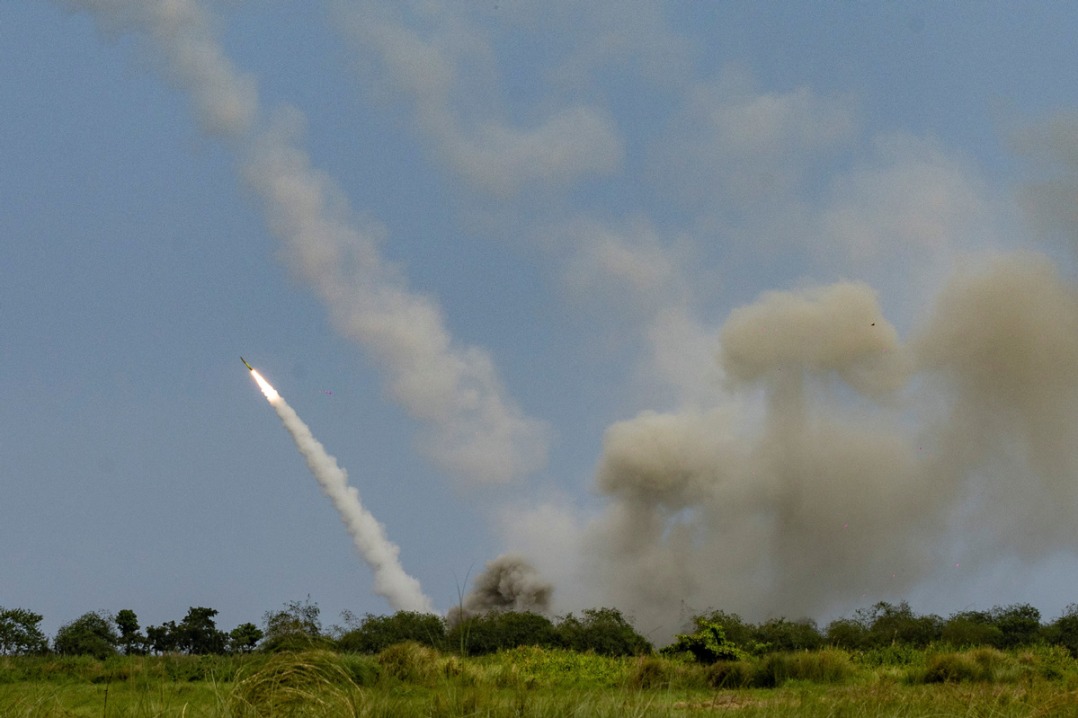
    A senior Chinese military analyst has characterized the High Mobility Artillery Rocket Systems (HIMARS) deployed to Taiwan as fundamentally flawed due to the island’s geographical constraints, comparing them to ‘a porcupine confined within a transparent enclosure.’

    Fu Zhengnan, research fellow at the People’s Liberation Army Academy of Military Science, presented this assessment following the United States’ December 17 announcement of an $11.1 billion arms package for Taiwan. The expert contends that Taiwan’s distinctive topography—characterized by narrow mountainous terrain and high population density—severely undermines the operational effectiveness of the mobile rocket systems.

    While HIMARS are engineered for optimal performance in expansive, open environments such as deserts and plains where their shoot-and-scoot capabilities excel, Fu argues that these very advantages become theoretical limitations within Taiwan’s confined operational space. ‘Despite its defensive capabilities,’ Fu elaborated, ‘the system lacks adequate room for evasion, concealment, or tactical maneuvering across the island.’

    Furthermore, the researcher highlighted a critical vulnerability: while external forces can readily detect the HIMARS platforms, Taiwanese operators inside would struggle to identify incoming threats promptly, rendering the systems conspicuously exposed and susceptible to targeting.

    Fu contrasted Taiwan’s predicament with the PLA’s own rocket artillery capabilities, noting that China’s coastal-based systems operate with superior range, firepower, and sustained strike capacity from protected positions with greater strategic depth. This comparative analysis suggests Taiwan’s newly acquired systems would face significant survival challenges in high-intensity combat scenarios.