标签: Asia

亚洲

  • Several reported killed in Iran protests over economic woes

    Several reported killed in Iran protests over economic woes

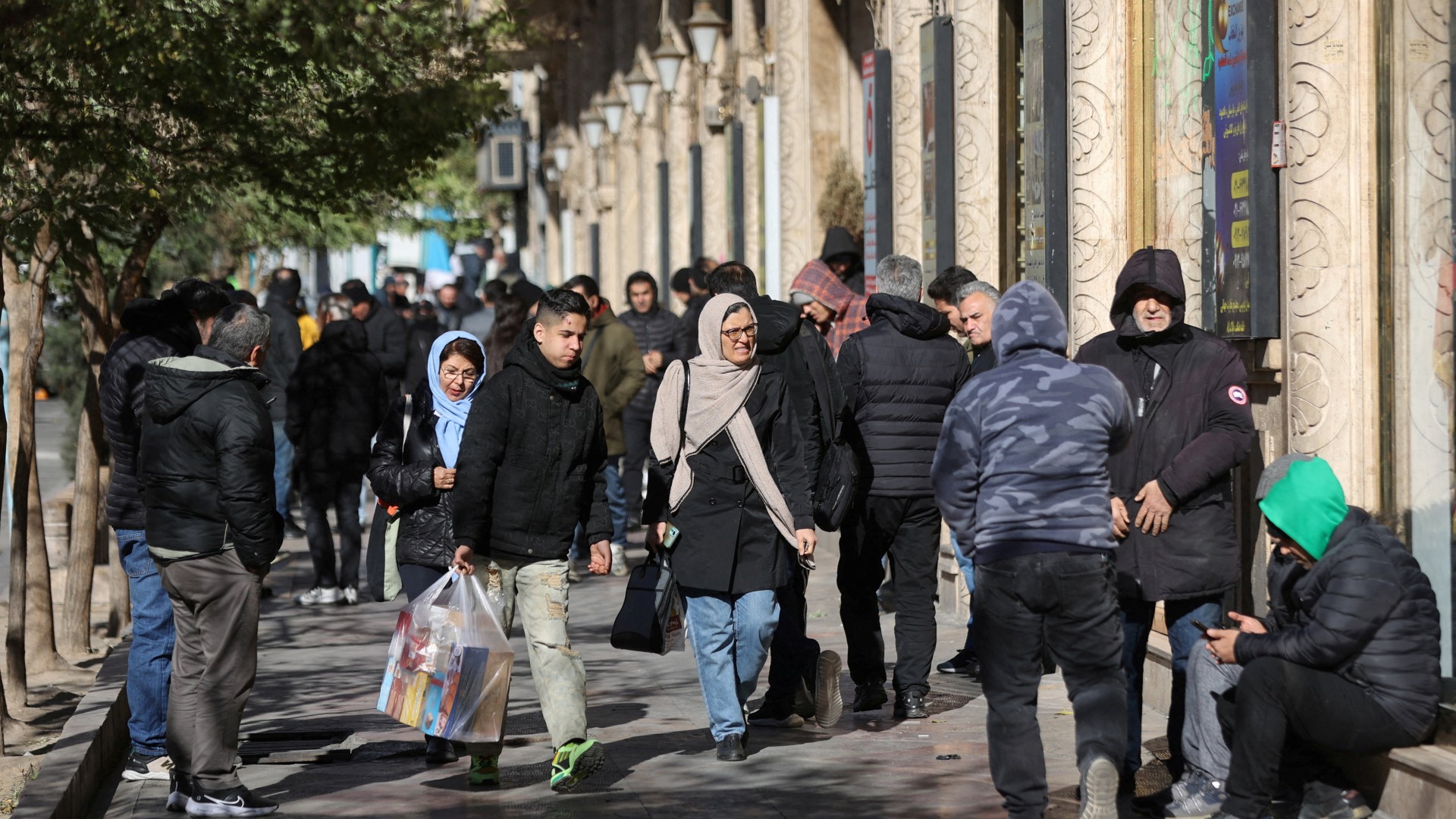
    Iran has been plunged into a new wave of civil unrest as nationwide protests over a severe economic crisis turned fatal, marking the most significant challenge to the clerical establishment in three years. Multiple casualties have been reported following violent clashes between security forces and demonstrators across several regions.

    According to reports from the semi-official Fars news agency and the human rights organization Hengaw, fatalities occurred in the western city of Lordegan. Official authorities confirmed one death in Kuhdasht, while Hengaw documented an additional fatality in Iran’s central Isfahan province. The Revolutionary Guards acknowledged that one member of its Basij paramilitary volunteer unit was killed and thirteen others wounded in Kuhdasht, attributing the violence to demonstrators who allegedly exploited the protest atmosphere.

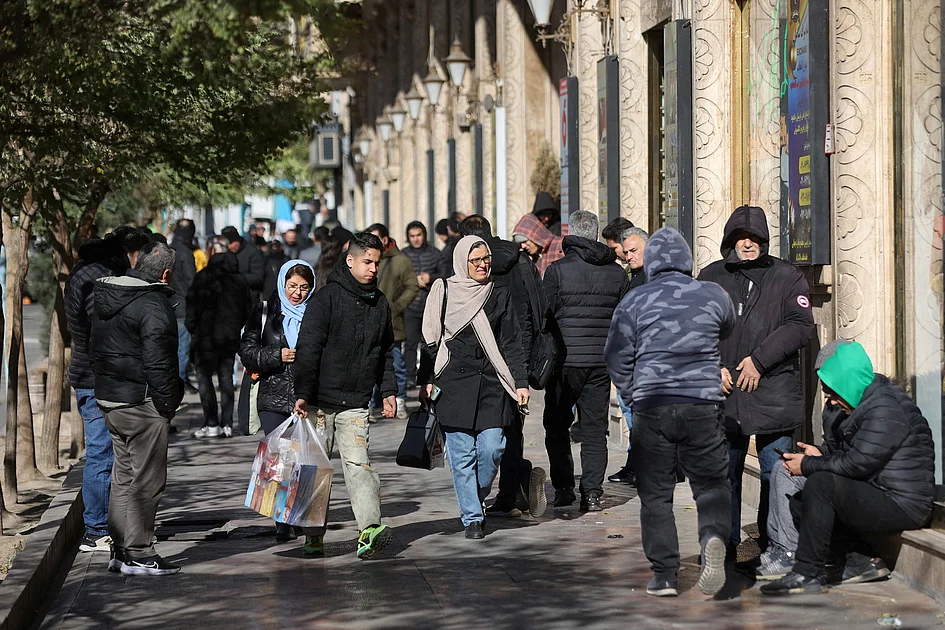
    The current turmoil represents a dangerous escalation from initial demonstrations that began on Sunday when merchants and shopkeepers initiated strikes to protest the government’s handling of a catastrophic currency devaluation and spiraling inflation. The protests have since expanded to include student demonstrations and widespread bazaar closures, prompting the government to declare an official holiday on Wednesday citing cold weather conditions.

    This outbreak of civil disobedience occurs at a particularly vulnerable moment for Iran’s leadership. The nation’s economy has been crippled by comprehensive Western sanctions targeting its nuclear program, exacerbated by a costly 12-day aerial conflict with Israel in June 2025. These cumulative pressures have devastated Iran’s financial stability, with the national currency losing approximately half its value against the U.S. dollar throughout 2025 while inflation surged to 42.5 percent by December.

    In response to the escalating crisis, government spokesperson Fatemeh Mohajerani announced plans for direct dialogue with trade union and merchant representatives, signaling a potential conciliatory approach alongside the established security crackdown. Historically, Iranian authorities have employed stringent security measures and mass arrests to suppress protests concerning economic hardship, environmental crises, and civil liberties.

    The international community continues to monitor the situation closely as developments unfold across multiple Iranian provinces including Kermanshah, Khuzestan, and Hamedan, where Hengaw reports numerous detentions have occurred.
  • World Sports Summit concludes, signals Dubai’s growing influence on global stage

    World Sports Summit concludes, signals Dubai’s growing influence on global stage

    Two significant international developments have emerged, involving covert intelligence operations and a tragic criminal investigation. According to a Reuters exclusive report, the U.S. Central Intelligence Agency (CIA) successfully cultivated a high-level informant within the inner circle of the Venezuelan government. This asset provided critical intelligence that assisted American agencies in monitoring the activities and movements of President Nicolás Maduro. The revelation underscores the depth of U.S. intelligence penetration into the Caracas administration amid prolonged political tensions and sanctions. Separately, in a devastating incident in Switzerland, authorities have launched a criminal investigation into the management of a nightclub following a lethal fire. Swiss prosecutors are pursuing charges of killing by negligence against the club’s managers, alleging that a failure to adhere to safety protocols directly contributed to the fatalities. The investigation will scrutinize whether adequate fire prevention measures, emergency exits, and crowd management procedures were in place, highlighting a grim failure in public venue oversight.

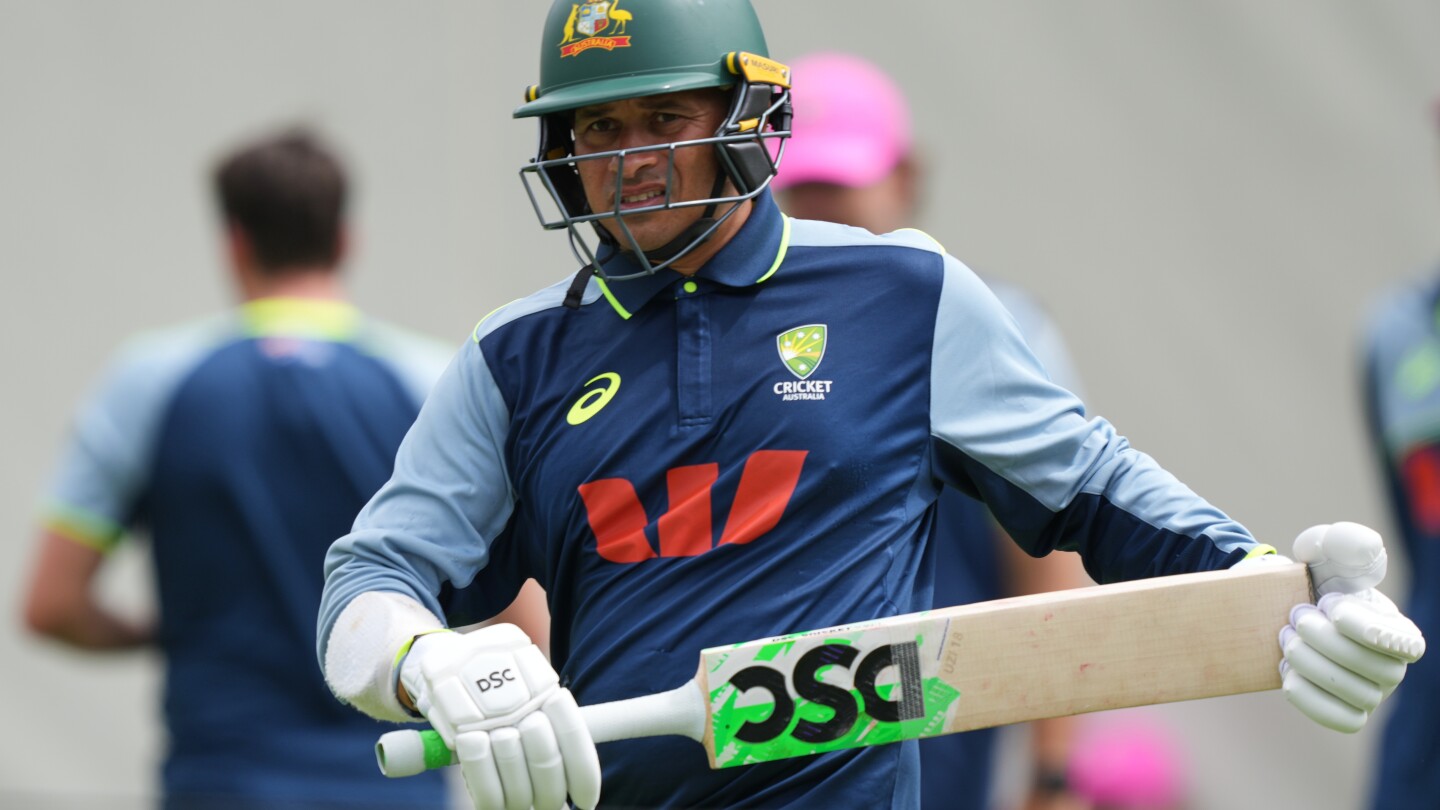
  • Pakistan-born Australian Khawaja, set to retire from cricket, criticizes racial stereotypes

    Pakistan-born Australian Khawaja, set to retire from cricket, criticizes racial stereotypes

    Australian cricket stalwart Usman Khawaja has revealed he will conclude his international career following the fifth Ashes Test at Sydney Cricket Ground, commencing this Sunday. The 39-year-old opener, who made history as Australia’s first Muslim cricketer, utilized his retirement announcement to deliver a powerful critique of the racial prejudice he encountered throughout his professional journey.

    Khawaja’s final appearance will mark his 88th Test match, appropriately staged at the same venue where he launched his first-class career. The Sydney Cricket Ground holds particular significance for the batsman, serving as the site where he notched his maiden Ashes century with 171 runs against England in 2018. Remarkably, the same ground witnessed his spectacular career resurgence at age 35, where twin centuries against England ignited one of cricket’s most impressive late-career revivals—yielding seven centuries over the subsequent two years.

    Despite his accomplishments, Khawaja faced intense scrutiny this season after back spasms prevented him from opening in Perth’s first Ashes Test and subsequently sidelined him for the Brisbane match. His position became uncertain until Steve Smith’s vertigo created an opportunity for his return in Adelaide, where his 82-run first innings performance secured his place for Melbourne’s fourth Test. Australia enters the final match holding a 3-1 series lead, having already retained the Ashes.

    During a Sydney press conference, Khawaja articulated the differential treatment he experienced due to his Pakistani heritage and Muslim faith. He recounted facing relentless media and former player criticism for five consecutive days regarding his injury, noting how racial stereotypes emerged depicting him as ‘lazy.’ The cricketer highlighted the double standard in coverage, contrasting the silence when white Australian players engaged in similar pre-match activities with the condemnation he received for golfing twice before the Perth match.

    Khawaja reflected that he anticipated this series would conclude his career, expressing satisfaction at departing on his own terms. His statistical legacy includes 6,206 runs at a 43.49 average across 87 Tests, featuring 16 centuries and 28 half-centuries. Cricket Australia CEO Todd Greenberg praised Khawaja’s dual contributions—both as one of Australia’s most elegant and determined opening batters (including ICC Test Cricketer of the Year honors) and through his off-field work with the Usman Khawaja Foundation. The retiring cricketer identified ‘contentment’ as his predominant emotion, hoping his journey has inspired others throughout his groundbreaking career.

  • Cummins, Hazlewood in spin-heavy Australia squad for T20 World Cup

    Cummins, Hazlewood in spin-heavy Australia squad for T20 World Cup

    Two significant international developments have emerged, revealing covert intelligence operations and a tragic criminal investigation. According to exclusive Reuters reporting, the U.S. Central Intelligence Agency (CIA) successfully cultivated a high-level informant within the Venezuelan government apparatus. This clandestine asset provided critical intelligence that significantly enhanced American efforts to monitor and track the activities of President Nicolás Maduro. The penetration of Maduro’s inner circle represents a major intelligence coup, offering insights into the regime’s operations and decision-making processes, though U.S. officials have maintained a strict policy of not publicly commenting on matters of intelligence sourcing.

    In a separate incident in Switzerland, a devastating nightclub fire has triggered a serious criminal investigation. Swiss authorities have confirmed that managerial staff of the affected establishment are now formally under investigation for allegations of killing by negligence. The probe focuses on potential safety oversights and regulatory failures that may have contributed to the lethal blaze. The investigation will scrutinize compliance with fire codes, emergency exit accessibility, and overall safety protocols that were in place at the time of the incident, which resulted in fatalities.

  • India: At least 4 die in Indore after drinking contaminated water; official fired

    India: At least 4 die in Indore after drinking contaminated water; official fired

    A severe public health emergency has unfolded in Indore, Madhya Pradesh, where contaminated water consumption has resulted in four fatalities and hospitalized 149 individuals. The crisis has triggered swift governmental response and disciplinary measures against officials responsible for water supply management.

    District Magistrate Shivam Verma confirmed ongoing medical treatment for all affected residents under direct orders from Chief Minister Mohan Yadav. Medical teams are continuously monitoring hospitalized patients while health authorities conduct extensive door-to-door surveys to identify additional cases and prevent further illness spread. To date, approximately 2,700 households have been screened with the operation expanding to neighboring communities.

    In response to the tragedy, the state administration has implemented strict disciplinary actions. The Assistant Engineer and Zonal Officer overseeing water supply have been suspended, while a sub-engineer has been dismissed from service. A comprehensive investigation is underway to determine the contamination source and restore safe drinking water to affected areas.

    Chief Minister Yadav announced substantial financial assistance of ₹200,000 (approximately $2,400) for each bereaved family and guaranteed free medical treatment for all impacted individuals. During hospital visits to assess patient conditions, Yadav emphasized that the government would not tolerate negligence in water management, particularly in zones with previously reported supply issues.

    Health workers including ANM and ASHA personnel are actively distributing oral rehydration solution (ORS) packets as preventive measures. Official data indicates that over 40,000 residents have been screened, with 2,456 suspected cases identified and 212 hospitalizations recorded. While 50 patients have recovered and been discharged, 162 remain under medical care with all reported in stable condition.

  • Oman: Premarital medical tests become compulsory starting January 1

    Oman: Premarital medical tests become compulsory starting January 1

    Beginning January 1, 2026, Omani citizens planning marriage must undergo compulsory premarital medical examinations under a new royal decree issued by Sultan Haitham bin Tarik. The landmark legislation, Royal Decree No. 111/2025 on Regulation of Premarital Medical Examination, establishes comprehensive health screening requirements for all nationals seeking to marry, whether their marriage contract is finalized within Oman or abroad.

    The mandate requires both prospective spouses to complete medical evaluations at authorized health institutions. These facilities are responsible for confidentially disclosing examination results directly to the individuals involved and providing appropriate medical counseling based on the findings. Crucially, test results are protected from third-party disclosure under the new regulations.

    Following examination, health institutions must issue an official certificate confirming compliance with the screening requirement. Marriage officiants are legally prohibited from solemnizing any union until this documentation is presented by both parties.

    Significant penalties await those violating the decree, including imprisonment ranging from ten days to six months and/or financial penalties between 100 and 1,000 Omani Riyals. The legislation represents Oman’s latest public health initiative aimed at identifying potential health concerns before marriage.

    The move aligns with regional trends, as neighboring UAE implemented its own mandatory premarital screening program in January 2025, including genetic testing components for all citizen couples. Oman’s approach emphasizes both public health protection and individual privacy safeguards while creating a standardized national framework for marital health screening.

  • Syria says Daesh planned attacks on churches, gatherings on New Year’s Eve 2026

    Syria says Daesh planned attacks on churches, gatherings on New Year’s Eve 2026

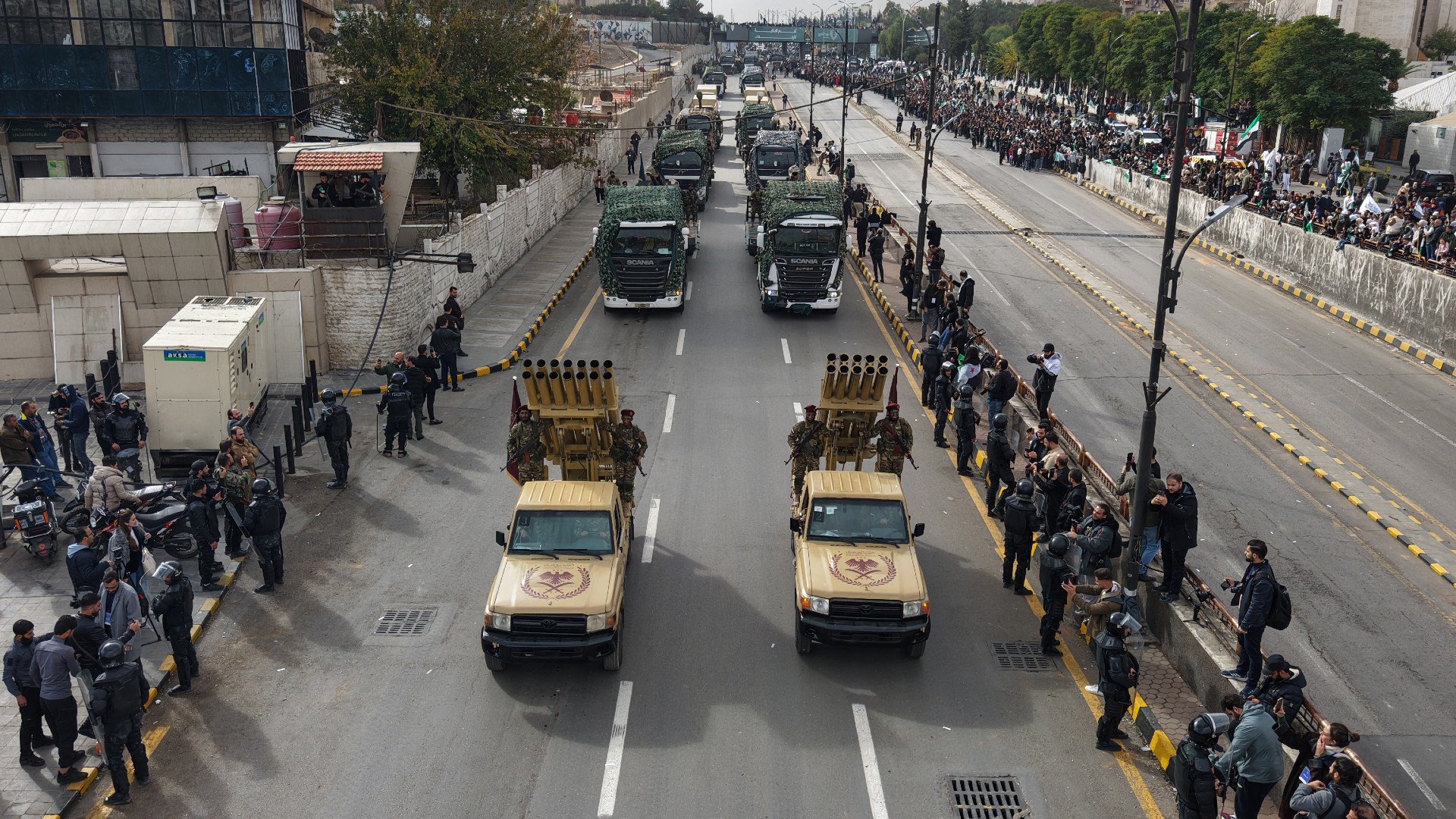
    Syrian security forces have successfully disrupted a sophisticated terrorist plot orchestrated by the Islamic State (Daesh) targeting New Year’s Eve celebrations across multiple governorates. According to an official statement from Syria’s Interior Ministry released Thursday, intelligence indicated planned suicide operations specifically aimed at churches and civilian gathering points in Aleppo and other regions.

    The threat materialized in Aleppo’s Bab al-Faraj neighborhood where security personnel identified and engaged a suspected Daesh operative. During interrogation attempts, the suspect opened fire, resulting in the death of one police officer before detonating an explosive device that wounded two additional officers.

    This incident represents the latest in a series of escalated attacks by Daesh in government-controlled territories. The group was previously responsible for a December assault in Palmyra that killed three American citizens, prompting retaliatory strikes by U.S. forces against numerous Daesh targets in Syria.

    Syrian authorities have intensified counter-terrorism operations since November when President Ahmed al-Sharaa formally committed Syria to the U.S.-led coalition against Daesh during his Washington visit. The Sharaa administration, which assumed power following the December 2024 collapse of Bashar al-Assad’s regime, faces significant security challenges amid ongoing sectarian violence.

    Recent months have witnessed tragic incidents including the March massacre of Alawite civilians, July clashes in Druze-majority Sweida province, and a June suicide bombing at a Damascus church that killed 25 worshippers. While Syrian authorities attributed the church attack to Daesh, responsibility was claimed by Saraya Ansar al-Sunna, a shadowy Sunni extremist group that analysts identify as a Daesh front organization.

    The successful prevention of the New Year’s Eve attacks demonstrates improved intelligence capabilities but underscores the persistent threat posed by terrorist networks within Syria’s complex security landscape.

  • Plunge in Iran’s currency sparks strikes and protests: Press review

    Plunge in Iran’s currency sparks strikes and protests: Press review

    A perfect storm of economic, political, and environmental crises is gripping Iran, placing unprecedented strain on the nation’s stability. The Iranian rial has plummeted to a historic nadir, with the US dollar trading at approximately 1.4 million rials on the open market before a slight recovery to 1.35 million. This dramatic devaluation has triggered merchant strikes at Tehran’s Grand Bazaar and sparked protests in cities nationwide, raising grave concerns about the currency’s future trajectory.

    Economists are issuing stark warnings that governmental promises to arrest the currency’s decline are futile without first tackling the nation’s rampant inflation, which has surged beyond 40%. Mohammad Kohandal, an economic analyst, emphasized that controlling inflation is the fundamental prerequisite for exchange rate stability, stating that expecting a stable rate amidst such chronic economic problems is unrealistic. Further compounding the economic distress, former central bank official Seyyed Kamal Seyyed Ali pointed to additional pressures from rising fuel prices and the persistent risk of reduced oil exports due to international sanctions.

    Amid the economic turmoil, significant political fractures are emerging within the ruling system. Supporters of President Masoud Pezeshkian report intensifying political pressure from internal rivals, which is weakening his government and deepening divisions. Although ultimate authority rests with Supreme Leader Ali Khamenei and the Islamic Revolutionary Guard Corps (IRGC), rival factions continue to fiercely compete for influence. Ali Soufi, a former minister and government supporter, cautioned that hardline parliamentary pressure may yield short-term gains but will ultimately fuel public dissatisfaction, advocating for the supreme leader to grant the president greater authority. This sentiment was echoed by political activist Mehdi Shirzad, who criticized the hardliners’ partisan demands for diverting the government from the country’s main priorities.

    In a contrasting development, the head of the Iranian Space Organisation, Hassan Salarieh, announced an ambitious plan to build and launch 30 satellites within the next two years, following the recent launch of three satellites aboard a Russian rocket. Salarieh stated that Iran has moved beyond acquiring basic space technology and is now focused on establishing a stable program and developing a ‘space economy’ for applications like imaging and disaster tracking. However, this announcement has been met with skepticism from Western sources, who raise concerns about potential links between the space program and missile development.

    Simultaneously, Iran is battling severe climate-related disasters. Following an exceptionally dry summer and autumn, the winter season has commenced with devastating floods in the southwest and heavy snowfall in mountainous regions. The Iranian Red Crescent Society reported nine individuals missing after floods swept through Khuzestan and Kohgiluyeh and Boyer Ahmad provinces, with social media videos showing severe flooding in urban areas. In the west, heavy snowfall has disrupted daily life and caused casualties, including a border guard who died from frostbite during a patrol. Earlier blizzard conditions in Kurdistan led to 14 people being reported missing before they were successfully rescued by Red Crescent teams.

  • New Year’s Eve: 62-minute fireworks, 6,500-drone show break records at Sheikh Zayed Festival

    New Year’s Eve: 62-minute fireworks, 6,500-drone show break records at Sheikh Zayed Festival

    Two significant international incidents have come to light, revealing operational intelligence successes and tragic public safety failures. According to a Reuters exclusive, the U.S. Central Intelligence Agency (CIA) successfully cultivated and managed a high-level informant embedded within the inner circle of the Venezuelan government. This clandestine asset provided the United States with critical intelligence, facilitating the tracking and monitoring of activities and movements of Venezuelan President Nicolás Maduro. The operation represents a major intelligence coup, underscoring the deep penetration of U.S. espionage networks within regimes considered adversarial. The information supplied by the source was instrumental in shaping Washington’s understanding of the Maduro administration’s dynamics.

    In a separate development in Switzerland, a devastating nightclub fire has triggered a serious criminal investigation. Following the blaze that resulted in multiple fatalities, local judicial authorities have placed the establishment’s management team under formal investigation. The managers are facing preliminary charges of ‘killing by negligence,’ a serious criminal offense. Prosecutors are examining whether egregious safety lapses, including potential violations of fire codes, overcrowding, or locked emergency exits, contributed to the tragic loss of life. The investigation aims to determine the chain of responsibility and whether criminal neglect played a role in the catastrophe.

  • Senior Assad commander reveals plan to destabilise Syria to ‘fake Israeli agent’

    Senior Assad commander reveals plan to destabilise Syria to ‘fake Israeli agent’

    A groundbreaking investigation by Al Jazeera has uncovered explosive audio evidence revealing senior former Syrian military officials allegedly conspiring with Israeli intelligence to undermine the country’s current government. The revelations, broadcast on the network’s ‘The Investigator’ program, stem from over 74 hours of intercepted recordings and hundreds of documents that paint a disturbing picture of collaboration between former Bashar al-Assad loyalists and foreign interests.

    At the center of the scandal stands Suheil al-Hassan, once commander of the elite Tiger Forces unit, who is heard in recordings being assured of Israeli support by an individual posing as a Mossad operative. ‘The State of Israel, with all its capabilities, will stand with you,’ the purported intelligence officer tells Hassan, who responds by referencing coordination through Rami Makhlouf—a wealthy Syrian businessman and cousin of the deposed President Assad.

    The leaked conversations reveal not only potential coordination with Israel but also contain deeply offensive remarks from Hassan about various religious groups, including Palestinians, Shia and Sunni Muslims, and Christians. When the fake Mossad agent suggests most Sunnis in the region share Hamas’s ideology, Hassan retorts that ‘The Shias are the same and the Eastern Christians are even worse.’

    The investigation emerges against the backdrop of significant regional upheaval. Following the collapse of the Assad government after a rapid offensive by forces loyal to current President Ahmed al-Sharaa, Israel expanded its territorial control in southern Syria, seizing a UN-patrolled buffer zone in the Golan Heights in December 2024 and conducting hundreds of subsequent attacks.

    Additional high-ranking figures implicated in the leak include former brigadier general Ghiath Dalla, who validates Hassan’s claim of representing Syria’s mountainous coastal regions—traditional Assad strongholds. Syrian Interior Ministry spokesperson Nour al-Din al-Baba confirmed the recordings demonstrate how elements of the former administration were prepared to collaborate with hostile entities.

    The Al Jazeera report corroborates earlier New York Times findings that revealed exiled Assad-era figures were actively working to undermine Syria’s current government and reclaim control of coastal areas. Intercepted communications showed former intelligence chiefs and military commanders—many based in Russia and Lebanon—were rebuilding loyalist networks within the Alawi community, with Hassan reportedly meeting collaborators across multiple countries and allegedly maintaining detailed records of potential fighters and weaponry.

    The leaked communications date to April 2025, shortly after sectarian violence on Syria’s Mediterranean coast left over 1,600 dead, predominantly Alawis. The coordinated attacks against new government troops served as a rallying point for former regime figures seeking to mobilize fighters, capitalizing on economic hardship and fear within the Alawi community despite persistent resentment toward Assad’s rule.

    Further complicating matters, the investigation reveals Hassan’s alleged backing of the Beirut-based Foundation for the Development of Western Syria, which has spent millions on lobbying efforts in Washington. Disclosure filings show the foundation hired Tiger Hill Partners and former Trump administration official Joseph Schmitz under a $1 million contract, presenting itself as an advocate for Syrian minorities while allegedly advancing the interests of exiled regime elements.