标签: Asia

亚洲

  • UAE-backed southern Yemen separatists to hold independence referendum

    UAE-backed southern Yemen separatists to hold independence referendum

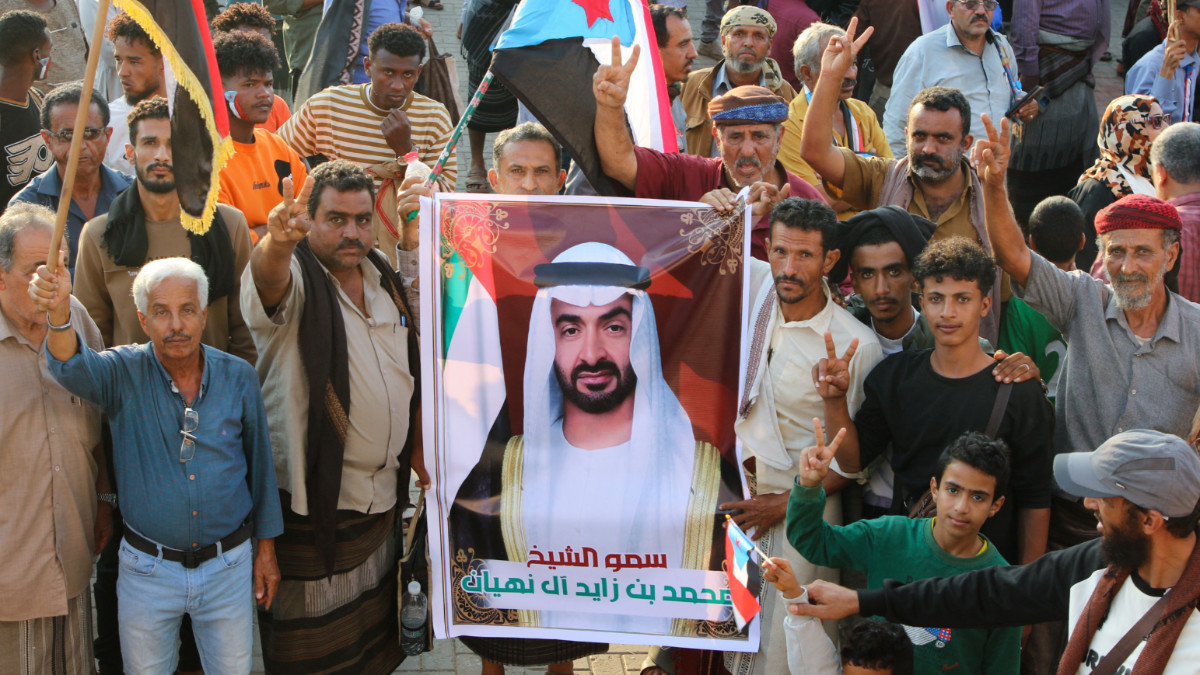
    Yemen’s Southern Transitional Council (STC), a secessionist faction with backing from the United Arab Emirates, has declared plans to conduct a referendum on independence within two years, escalating tensions with Saudi Arabia and its allied Yemeni government forces. The announcement comes amid intensified military confrontations that have exposed deepening fractures between the Gulf powerhouses.

    STC President Aidaros Alzubidi proclaimed the commencement of a transitional period in a televised address Friday, urging international mediation for north-south dialogue while threatening immediate independence declaration if southern territories face further military aggression. “This constitutional declaration shall be considered immediately and directly effective if the people of the south, their land, or their forces are subjected to any military attacks,” Alzubidi warned.

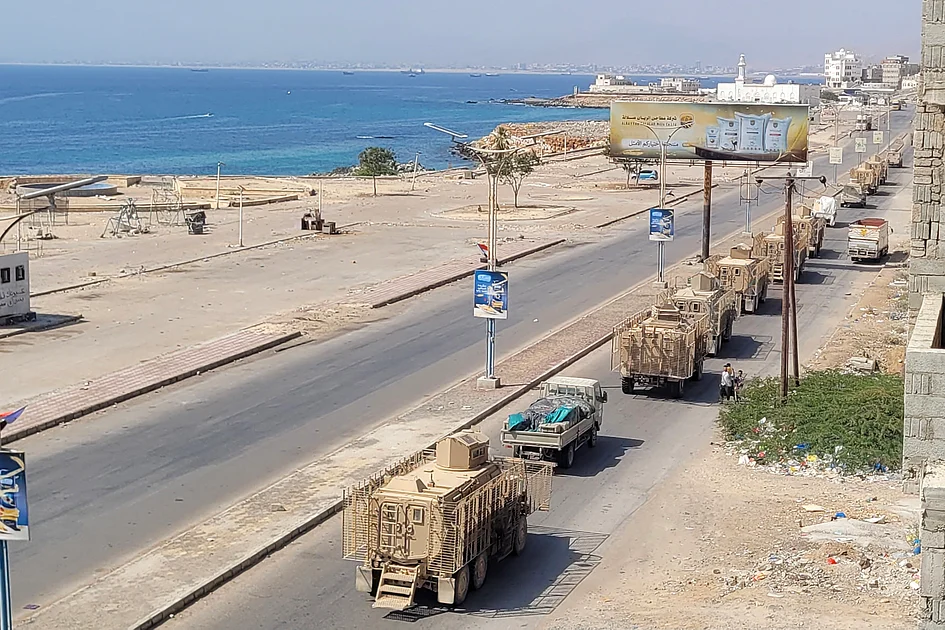
    The political maneuver coincides with lethal battlefield exchanges across southern Yemen. Saudi airstrikes targeted STC positions in Hadhramaut province Friday, resulting in 29 separatist fatalities according to STC officials. These operations supported government-aligned National Shield forces attempting to reclaim territory lost to the separatists in December.

    The conflict reveals deteriorating Saudi-Emirati coordination in Yemen, where both nations initially intervened against Houthi rebels a decade ago. Recent divergences extend beyond Yemen to include contrasting approaches toward Israel’s Gaza operations and Syrian normalization efforts. Notably, the UAE abstained from condemning Israel’s recognition of Somaliland independence—another breakaway region with Abu Dhabi ties—potentially establishing precedent for the STC’s self-determination push.

    Yemen’s internationally recognized government, backed by Riyadh, maintains opposition to southern secession. Hadhramaut Governor Salem al-Khanbashi echoed calls for peaceful dialogue Friday, stating: “We renew the emphasis on the justice of the southern cause, while rejecting the path of military control and confrontation.” The STC nevertheless asserts their constitutional declaration aligns with international law, as spokesperson Anwar al-Tamimi emphasized to Al Jazeera.
  • ‘Locked and loaded’: Trump threatens Iran over protester deaths

    ‘Locked and loaded’: Trump threatens Iran over protester deaths

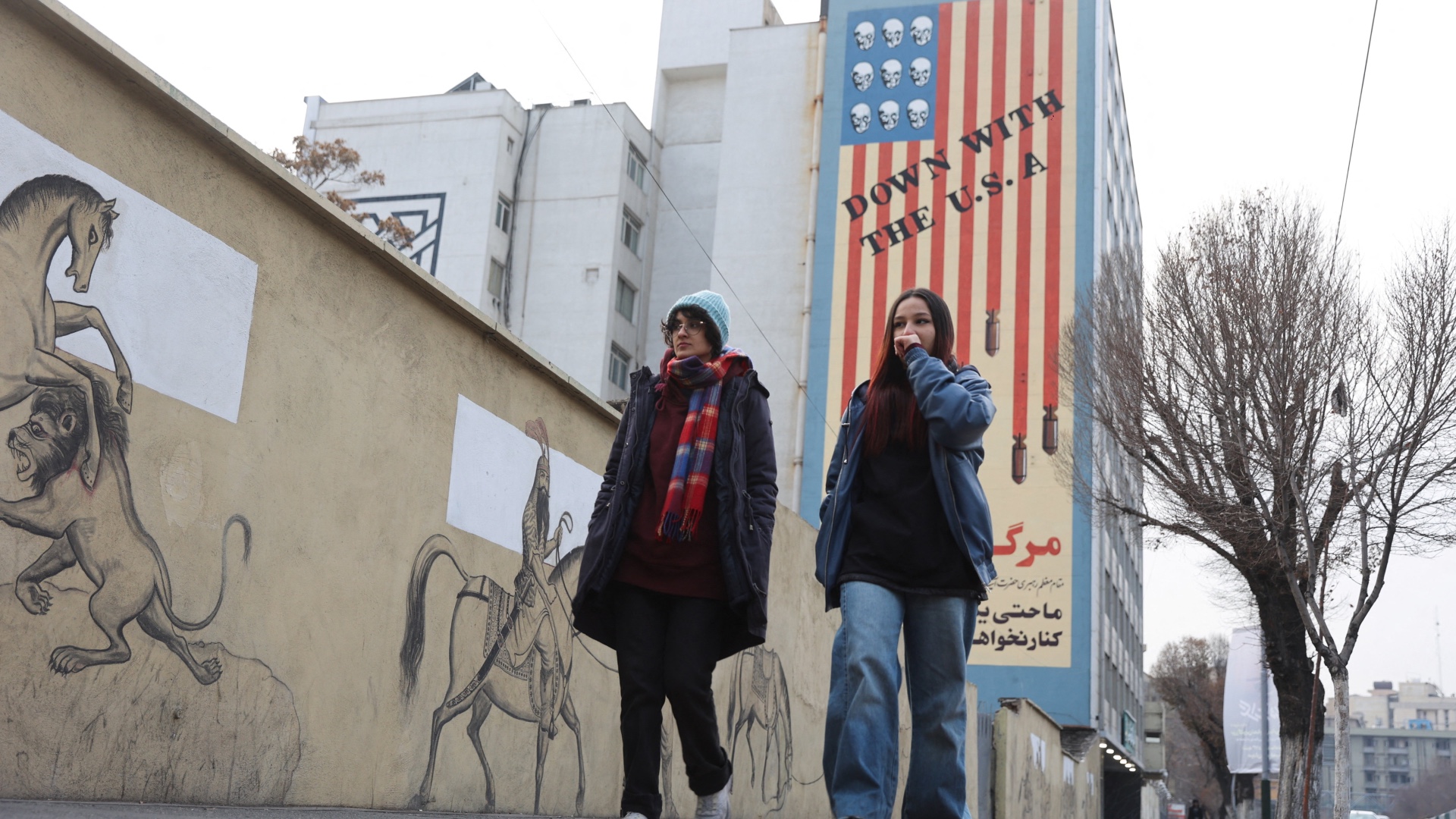
    Former US President Donald Trump has issued a direct threat of military intervention against Iran, warning that American forces stand ready to “rescue” Iranian citizens if their government continues its violent suppression of ongoing protests. The declaration came via Trump’s TruthSocial platform, where he stated: “If Iran shoots and violently kills peaceful protesters, which is their custom, the United States of America will come to their rescue. We are locked and loaded and ready to go.

    The protests have emerged in response to a severe economic crisis that has seen Iran’s currency effectively collapse under the weight of US sanctions. Current exchange rates show one US dollar equivalent to over 42,000 Iranian Rial (IRR), with the unofficial daily currency, the Toman (equivalent to 10 IRR), driving basic living costs to unsustainable levels. A traditional meal now costs approximately 600 Toman, highlighting the economic pressure on citizens.

    Iran’s leadership responded swiftly to Trump’s threats. Ali Larijani, secretary of Iran’s Supreme National Security Council, warned on social media platform X that US intervention “corresponds to chaos in the entire region and the destruction of US interests,” likely referencing Iran’s capability to target US military bases in the region. Larijani further cautioned American citizens to “take care of their own soldiers,” accusing Trump of initiating “adventurism.”

    The exchange occurs against the backdrop of recent meetings between Trump and Israeli Prime Minister Benjamin Netanyahu, where Iran’s nuclear program featured prominently on their agenda. Trump claimed that US and Israeli actions had previously “obliterated” Iranian nuclear sites, though Iran disputes this assertion. The former president added that if Iran attempts to rebuild its nuclear capabilities, “we’re going to have to knock them down… We’ll knock the hell out of them,” while leaving open the possibility of diplomatic resolution.

    Netanyahu, during his US visit, continued his longstanding advocacy for military action against Iran, alleging Tehran’s involvement in “exporting terrorism” throughout the Middle East and even to Venezuela. His comments aligned with the Trump administration’s concurrent threats against Venezuelan President Nicolas Maduro, including multiple strikes on vessels in the Caribbean Sea that the US claims are drug boats originating from Venezuela.

  • Yemen: STC announce two-year transition towards independence in south

    Yemen: STC announce two-year transition towards independence in south

    The Southern Transitional Council (STC), a major secessionist force in Yemen, has formally declared the commencement of a two-year transitional process aimed at achieving full independence for the nation’s southern regions. The landmark announcement was delivered by STC leader Aidarus al-Zubaidi in a primetime televised address on Friday, January 2nd, 2026.

    This decisive move follows the STC’s military successes, wherein its forces have effectively seized and consolidated control over substantial territories across southern Yemen. The council’s strengthened position on the ground has provided the impetus for this political maneuver towards statehood.

    “Guided by the overwhelming desire and sovereign will of our southern people to reclaim and proclaim their independent state, we hereby announce the beginning of a transitional phase set to last for two years,” stated al-Zubaidi, framing the decision as a direct response to the populace’s aspirations.

    The proclamation signals a critical juncture in Yemen’s complex geopolitical landscape, potentially fracturing the country further and redrawing the map of a region already embroiled in a prolonged and devastating multi-party civil war. The STC’s roadmap challenges the existing framework of a unified Yemen and could significantly alter the dynamics of both the ongoing conflict and future diplomatic negotiations, presenting a new challenge to the internationally recognized government and other warring factions.

  • UAE: How new law enables minors to manage financial assets, inherited funds

    UAE: How new law enables minors to manage financial assets, inherited funds

    In a landmark legislative reform, the United Arab Emirates has enacted significant amendments to its Civil Transactions Law that fundamentally alter how minors can engage with financial assets. The revised legislation reduces the age at which young individuals may seek court authorization to manage their financial affairs from 18 Hijri years (based on the Islamic lunar calendar) to 15 Gregorian years (solar calendar), representing a substantial shift in legal capacity recognition.

    The reform simultaneously lowers the age of majority from 21 lunar years to 18 Gregorian years, effectively streamlining the transition to full legal adulthood. This dual adjustment addresses previous complexities arising from the coexistence of different calendar systems in age calculations.

    Judicial oversight remains the cornerstone of this new framework. Minors seeking financial management privileges must demonstrate sufficient maturity and capability through a formal court application process. Judges retain discretionary authority to impose specific conditions or limitations to safeguard the minor’s interests, ensuring each case receives individualized assessment rather than granting automatic financial independence.

    According to legal expert Samara Iqbal, Founder of Aramas International Lawyers, these provisions specifically target scenarios involving inherited wealth, business interests, or investment portfolios rather than establishing blanket financial autonomy. ‘Judicial oversight remains key,’ Iqbal emphasized, ‘as the court assesses the minor’s competence and may impose limits or conditions to protect their interests.’

    The amendments form part of broader legal modernization initiatives within the UAE, reflecting the nation’s commitment to aligning its legal framework with contemporary social and economic realities. Additional reforms within the same legislative package include updates to proprietary rights, enhanced protection of individual autonomy, expanded judicial assistance provisions, and adjustments to blood money regulations in certain cases.

    This progressive legal evolution aims to foster youth participation in economic activities while maintaining appropriate safeguards, potentially supporting young entrepreneurs and enabling responsible financial management under supervised conditions.

  • The year angry men dominated Bollywood – and what it means for India

    The year angry men dominated Bollywood – and what it means for India

    India’s cinematic landscape experienced a dramatic pendulum swing in 2025 as hypermasculine action thrillers reclaimed box office dominance, abruptly ending what many had hoped would become a sustained era of feminist storytelling. The year’s defining hit, Ranveer Singh’s espionage thriller ‘Dhurandhar,’ set against India-Pakistan tensions, became the cultural touchstone for a industry-wide reversion to aggressive, male-driven narratives packed with graphic violence and gangland politics.

    This marked a stark departure from 2024’s groundbreaking achievements when women-led productions including Payal Kapadia’s ‘All We Imagine As Light,’ Shuchi Talati’s ‘Girls Will Be Girls,’ and Kiran Rao’s ‘Laapataa Ladies’ earned global acclaim. Film critic Mayank Shekhar characterized 2024 as “a moment of truth” that established Indian women filmmakers as “leading global voices rather than marginal ones.”

    Despite these breakthroughs, 2025’s top ten box office performers featured exclusively male-centric narratives except for the Malayalam-language superhero film ‘Lokah.’ The trend extended beyond action genres with romance blockbuster ‘Saiyaara’ featuring a troubled male rockstar ‘rescuing’ his partner from Alzheimer’s, while southern superstar Dhanush’s ‘Tere Ishk Mein’—despite criticism for romanticizing toxic masculinity—became his highest-grossing Hindi release at 1.55 billion rupees ($17.26 million).

    Industry analysts note this regression reflects deep structural inequalities. Priyanka Basu, Senior Lecturer in Performing Arts at King’s College London, observes that Hindi cinema has historically marginalized women protagonists, with persistent disparities in casting, pay, and opportunities. The male-centric fixation traces back to Amitabh Bachchan’s 1970s ‘angry young man’ archetype, with even Shah Rukh Khan’s romantic era giving way to action-heavy blockbusters like ‘Pathaan’ and ‘Jawan.’

    Alarmingly, streaming platforms once considered safe havens for diverse storytelling have mirrored theatrical trends. An Ormax Media analysis of 338 Hindi streaming shows revealed male-led action/crime thrillers now constitute 43% of content, while female-led stories plummeted from 31% in 2022 to just 12% in 2025.

    Yet hope persists through regional cinema and independent filmmakers. Telugu’s ‘The Girlfriend,’ Tamil’s ‘Bad Girl,’ and Malayalam’s ‘Feminichi Fathima’ explore feminist narratives with nuance, while streaming series ‘The Great Shamsuddin Family’ earns praise for capturing modern Muslim women’s complexities. As screenwriter Anu Singh Choudhary notes, “It’s a quieter movement working from the margins—and it isn’t going to disappear.”

  • More than 50 NGOs warn Israeli bans will gravely impede aid access in Gaza

    More than 50 NGOs warn Israeli bans will gravely impede aid access in Gaza

    A coalition of 53 international non-governmental organizations operating in occupied Palestinian territories has issued an urgent warning that Israel’s recent registration measures could paralyze humanitarian operations during Gaza’s most severe crisis. The organizations, including prominent groups like Amnesty International, Doctors Without Borders, and Oxfam, revealed that 37 NGOs received official notifications on December 30th indicating their registrations would expire immediately, triggering a two-month countdown to operational cessation across Gaza, the West Bank, and East Jerusalem.

    Israel’s Ministry of Diaspora Affairs justified the licensing suspensions by citing failures to meet “security and transparency requirements,” specifically mentioning organizations that declined to provide lists of Palestinian employees for terrorism screening. The NGOs collectively challenged this rationale, emphasizing their existing compliance with rigorous international standards including donor-mandated audits, counterterror financing controls, and due diligence protocols.

    The humanitarian groups articulated profound ethical concerns about transferring sensitive employee data to conflict parties, noting such actions would violate fundamental humanitarian principles, duty of care obligations, and data protection standards. They highlighted the extreme risks facing aid workers, with over 500 humanitarian personnel killed since October 2023.

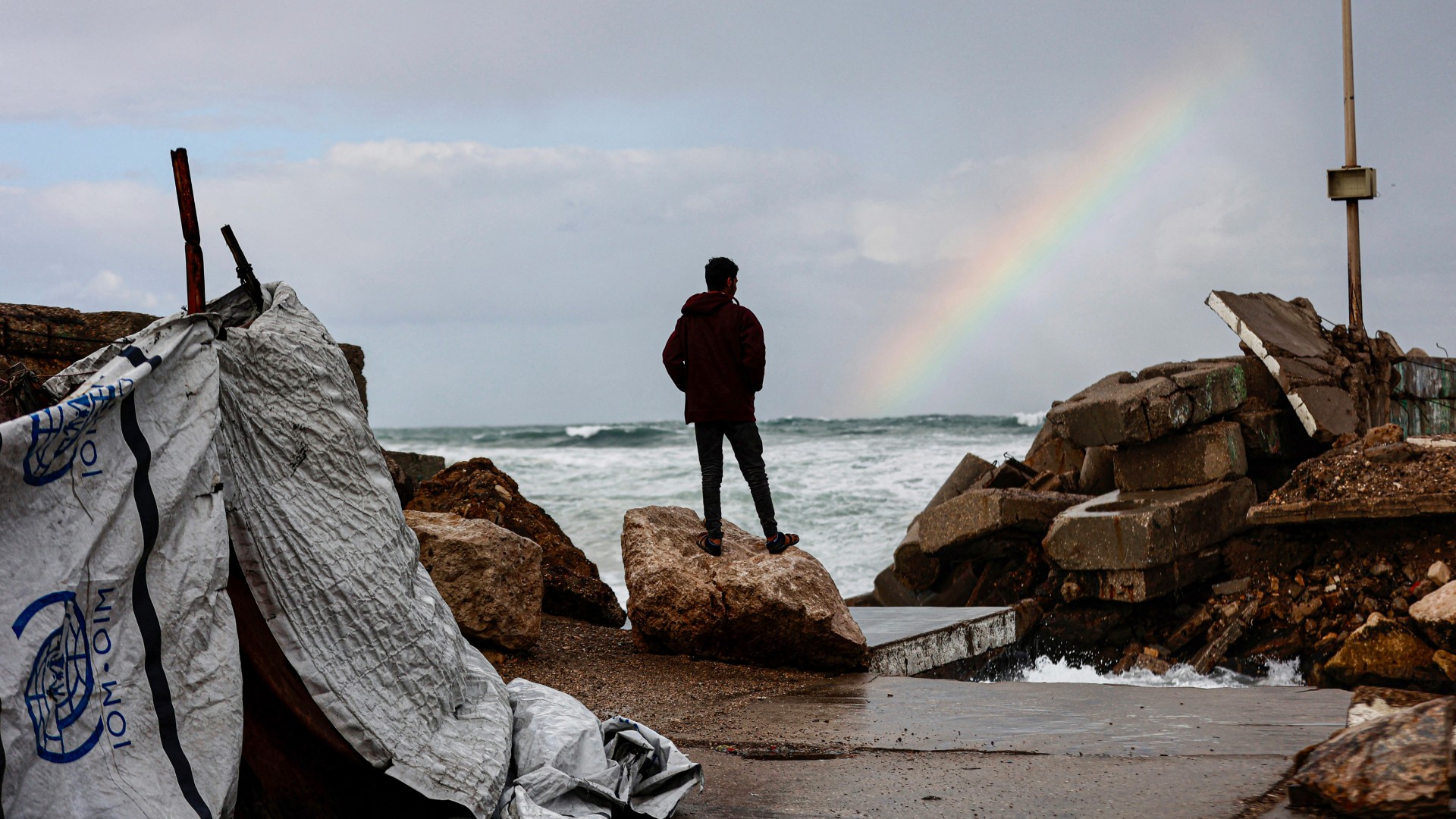
    This regulatory confrontation occurs amid deteriorating environmental conditions in Gaza, where heavy rains and powerful winds have flooded and destroyed thousands of tents, exacerbating the already catastrophic living conditions. The Shelter Cluster reports more than 42,000 tents and makeshift shelters damaged between December 10-17 alone, affecting approximately 250,000 residents. Tragically, at least three children have died from exposure to cold weather since December, with 17 additional fatalities resulting from storm-related structural collapses.

    Concurrently, eight Muslim-majority nations—Saudi Arabia, UAE, Jordan, Indonesia, Turkey, Pakistan, Qatar, and Egypt—issued a joint statement expressing deep concern about the compounded humanitarian crisis. Their foreign ministers criticized the slow pace of essential material entry into Gaza and demanded Israel ensure unimpeded operation of UN agencies and international NGOs. The ministers urged the international community to pressure Israel, as the occupying power, to immediately lift constraints on aid distribution and open the Rafah Crossing for bidirectional access.

  • Former Israeli prime minister accuses government of backing ‘murderous’ settler violence

    Former Israeli prime minister accuses government of backing ‘murderous’ settler violence

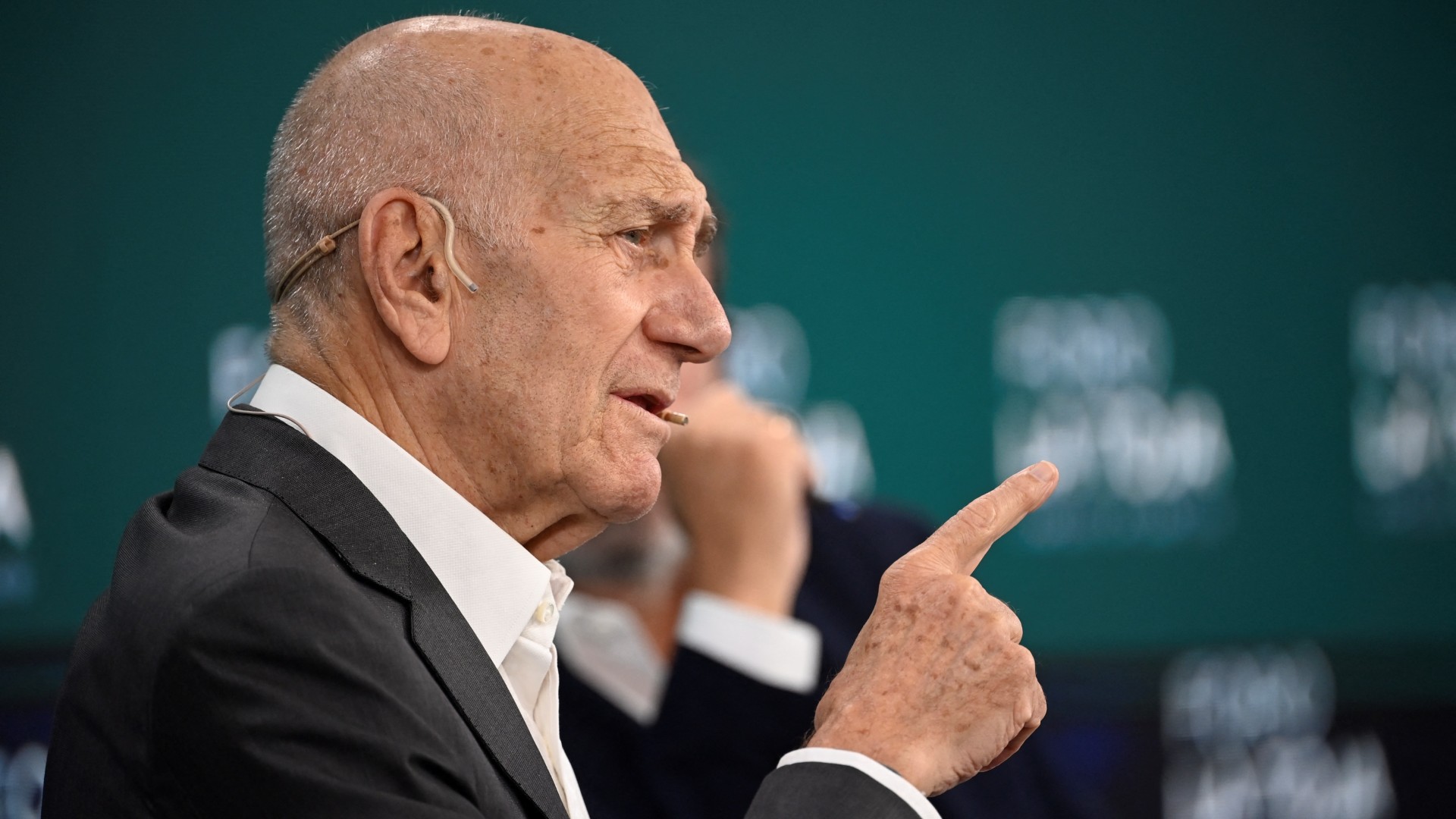
    In a scathing indictment of current Israeli leadership, former Prime Minister Ehud Olmert has characterized settler violence against Palestinians in the occupied West Bank as a government-enabled campaign amounting to “violent, murderous war.” Writing in Haaretz newspaper, Olmert rejected Prime Minister Benjamin Netanyahu’s characterization of the violence as the work of marginalized youth, instead describing it as a systematic effort toward “ethnic cleansing and mass expulsion.”

    The timing of Olmert’s article follows Netanyahu’s recent attempt to downplay the surge in attacks amid increasing international scrutiny, particularly from the United States. According to UN data, October witnessed over 260 settler attacks—the highest monthly tally since record-keeping began in 2006—with more than 3,200 Palestinians forcibly displaced as a result.

    Olmert, who himself authorized settlement expansion during his 2006-2009 premiership, asserted that armed settler groups operate with near-total impunity, often under the direct observation of Israeli security forces. He identified the government’s decision to halt administrative detention for Jewish suspects as a pivotal moment that emboldened violent actors, creating what he called a “comprehensive, coordinated and well-financed campaign” supported by political leaders and local authorities.

    The former leader specifically rejected the notion that violence stems from fringe elements, stating: “This isn’t the ‘hilltop youth’ or a small group of delinquents… it’s a military, terrorist, violent militia that murders, torches, beats, shoots, and in a systematic, planned and organised manner destroys everything in the territories that isn’t Jewish.”

    Olmert further warned of escalating internal political strife, accusing far-right ministers of creating conditions conducive to political assassination. He drew parallels between Finance Minister Bezalel Smotrich’s rhetoric toward Supreme Court President Isaac Amit and the inflammatory language that preceded the 1995 murder of Prime Minister Yitzhak Rabin. Despite Smotrich’s aides claiming his “run him over” comment was metaphorical, Olmert dismissed this as disingenuous, calling it “an invitation to murder, to physical elimination.”

    The article portrays a government systematically dismantling institutional checks through intimidation of judicial figures, with Olmert concluding that current leadership has abandoned the rule of law in favor of violent expansionism.

  • How Israel’s recognition of Somaliland risks destabilising the region

    How Israel’s recognition of Somaliland risks destabilising the region

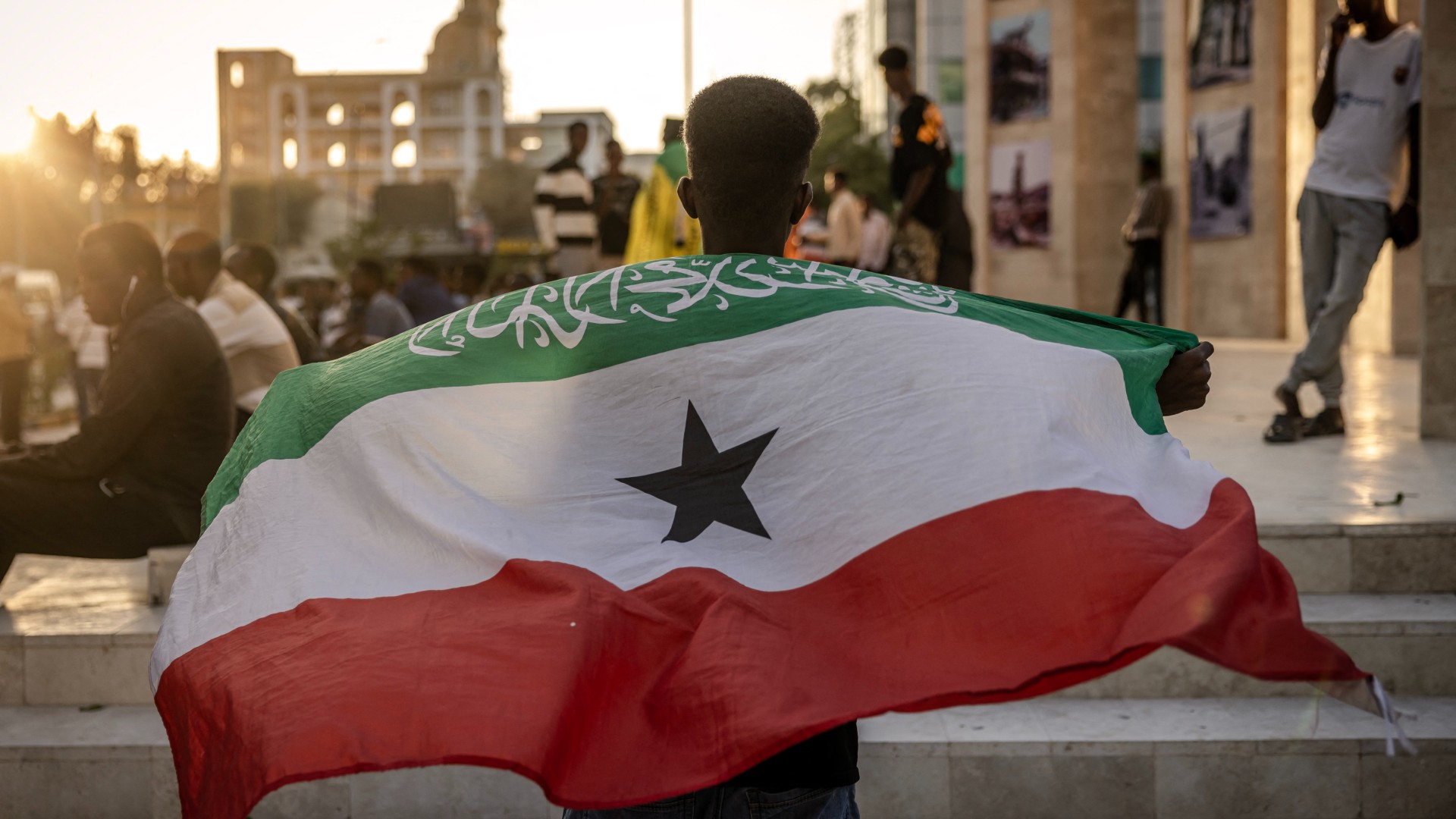
    A seismic shift in Horn of Africa geopolitics unfolded as Israel’s unilateral recognition of Somaliland’s independence triggered widespread protests and heightened security alerts across the region. Prime Minister Benjamin Netanyahu’s December announcement formally acknowledging Somaliland’s sovereignty has drawn immediate condemnation from Somalia and raised alarms among international observers.

    The strategic significance of this move cannot be overstated. Somaliland occupies critical coastline along the Gulf of Aden and Red Sea maritime corridors that facilitate approximately 30% of global trade. This positioning has transformed the territory into a geopolitical prize amid escalating regional competitions.

    Security analysts warn that Israel’s endorsement has effectively inserted Somaliland into Middle Eastern power rivalries. Samira Gaid, a Horn of Africa security specialist, notes the development positions Somaliland within a broader contest involving Israel versus Iran, Turkey, Saudi Arabia, and other Gulf states—a dangerous geopolitical realignment.

    The recognition has exposed Somaliland’s internal vulnerabilities. Former Somali intelligence chief Fahad Yasin revealed that Hargeisa exercises limited control over extensive territories, particularly in northeastern regions and Awdal province where separatist movements have gained momentum. These areas have witnessed violent clashes and declarations of alternative regional states aligned with Somalia’s federal government.

    Regional armed groups including al-Shabab and Yemen’s Houthi movement have declared Israeli presence in Somaliland legitimate military targets. Abdul Malik al-Houthi specifically warned that any Israeli facilities would face immediate retaliation, potentially transforming the strategic waterways into conflict zones.

    Somali President Hassan Sheikh Mohamud identified three primary motivations behind Israel’s move: potential Somaliland accession to the Abraham Accords, relocation of Palestinians from Gaza, and establishment of an Israeli military base along the Gulf of Aden. This latter objective particularly unsettles Red Sea states that perceive Israeli proximity as a national security threat.

    The recognition faces procedural challenges within Israel itself. Opposition leader Yair Lapid revealed that Netanyahu’s decision bypassed both government and security cabinet approval, raising questions about its legal validity under Israeli domestic governance procedures.

    International law experts note the move contravenes United Nations and African Union charters emphasizing respect for member states’ sovereignty and territorial integrity. This unilateral action may establish a destabilizing precedent for separatist movements across conflict-prone regions, potentially encouraging similar claims in Ethiopia and other nations facing internal self-determination disputes.

    The development represents the latest manifestation of Middle Eastern powers projecting their rivalries into the Horn of Africa through port development, military bases, financial leverage, and political patronage networks—with Somaliland now becoming an unexpected flashpoint in this expanding strategic competition.

  • How K-beauty went from a viral trend to an economic powerhouse

    How K-beauty went from a viral trend to an economic powerhouse

    The Korean beauty industry has evolved from a cultural curiosity into a formidable global economic force, revolutionizing skincare standards worldwide. At the core of this transformation lies an unprecedented innovation engine that consistently delivers groundbreaking products—from snail mucin serums to salmon sperm formulations—that capture international attention through viral social media challenges.

    South Korea’s cosmetics sector achieved a monumental milestone in 2025, surpassing France to become the world’s second-largest beauty exporter after the United States. The domestic market alone reached a valuation of approximately $13 billion in 2024, with exports surging 15% in early 2025 to a record $5.5 billion, putting the nation on track to exceed $10 billion in annual beauty exports.

    The industry’s explosive growth is fueled by a sophisticated ecosystem comprising approximately 30,000 brands supported by specialized Original Development Manufacturers (ODMs). This infrastructure enables remarkably swift product development cycles—as brief as six months compared to the 1-3 years typical for Western brands—while maintaining competitive pricing through extensive automation.

    Major conglomerates like Amorepacific (controlling roughly half the domestic market) and LG Household & Health Care dominate the landscape, yet they actively collaborate with agile independent brands to maintain innovation momentum. This symbiotic relationship has proven extraordinarily effective, with Amorepacific reporting $6.2 billion in 2024 sales while acquiring pioneering brands like CosRX to enhance their innovative capabilities.

    Social media has been instrumental in K-beauty’s globalization, with TikTok, Instagram, and YouTube creating unprecedented demand for concepts like ‘glass skin’ and multi-step routines. However, industry leaders acknowledge growing concerns about the psychological impact of beauty standards and excessive consumerism, prompting more responsible marketing approaches.

    Market dynamics continue to shift as Western multinationals increasingly incorporate K-beauty ingredients into their formulations, while Chinese market dominance wanes in favor of growing North American, European, and Middle Eastern markets. Despite challenges including Trump-era tariffs and intense competition squeezing profit margins, the South Korean government recently designated K-beauty a strategic national asset, ensuring continued institutional support for this extraordinary economic success story.

  • UAE: Over 300,000 workers take part in New Year festivities across 30 locations

    UAE: Over 300,000 workers take part in New Year festivities across 30 locations

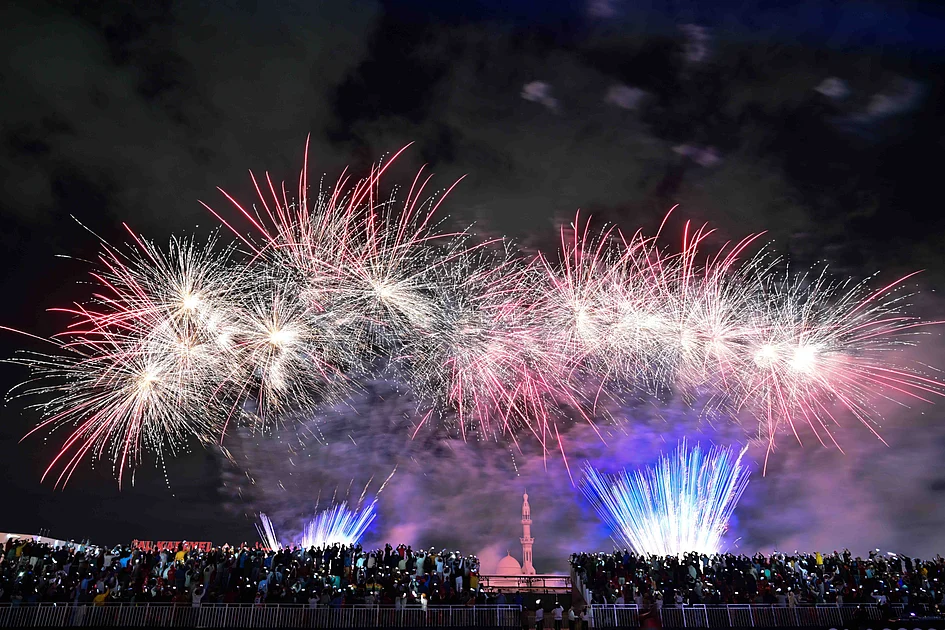
    In a monumental nationwide celebration, the United Arab Emirates ushered in 2026 by hosting special New Year festivities for its workforce, with participation exceeding 300,000 laborers across more than 30 venues. Orchestrated under the unifying banner ‘With You and Through You, We Step into the New Year,’ the events showcased the nation’s profound commitment to its labor community.

    The celebrations, characterized by a vibrant array of activities, featured competitive games, captivating entertainment shows, and traditional folk dance performances. A highlight for many attendees was a series of high-value prize draws, with grand offerings including a brand-new car and international travel tickets, complemented by widespread gift distributions.

    This large-scale initiative was spearheaded by the Ministry of Human Resources and Emiratisation (MoHRE), which coordinated an extensive coalition of federal and local government partners. Key collaborators included the Ministry of Interior, the Federal Authority for Identity, Citizenship, Customs & Port Security (ICA), and the police headquarters of Abu Dhabi, Dubai, and Sharjah. Support was also extended by numerous municipalities, the Abu Dhabi Ports Group, and the General Directorate of Residency and Foreigners Affairs in Dubai (GDRFA Dubai).

    Enhancing operational and logistical support were entities such as the Abu Dhabi and Dubai Civil Defence authorities, the Dubai Event Security Committee, the Roads and Transport Authority (RTA) in Dubai, the National Ambulance service, and the Al Ihsan Charity Association.

    Demonstrating a robust culture of corporate social responsibility, several prominent private companies organized parallel events in solidarity with the national program. Notable participants included Sobha Constructions, Granada Europe Construction LLC, DULSCO Group, and Innovo Build LLC.

    This event is part of a sustained, strategic approach by MoHRE and its partners to honor the contributions of workers during national occasions. The initiative is designed to foster happiness, enhance overall well-being, and strengthen psychological and social stability within the workforce, thereby reinforcing their sense of community belonging and motivating their continued role in the nation’s development trajectory.

    The festivities were made possible through significant sponsorship from ten major corporations. DAMAC and Aldar Properties served as Diamond sponsors, while The Insurance Pool and Sobha Realty provided Platinum support. Gold category sponsors included du, Emarat, Electronic Document Centre, National Marine Dredging Company, and Al Ansari Exchange, with AW Rostamani Group contributing as a Silver sponsor.