标签: Asia

亚洲

  • Indonesian rescuers find a second body as search for Spanish soccer coach and 2 children extended

    Indonesian rescuers find a second body as search for Spanish soccer coach and 2 children extended

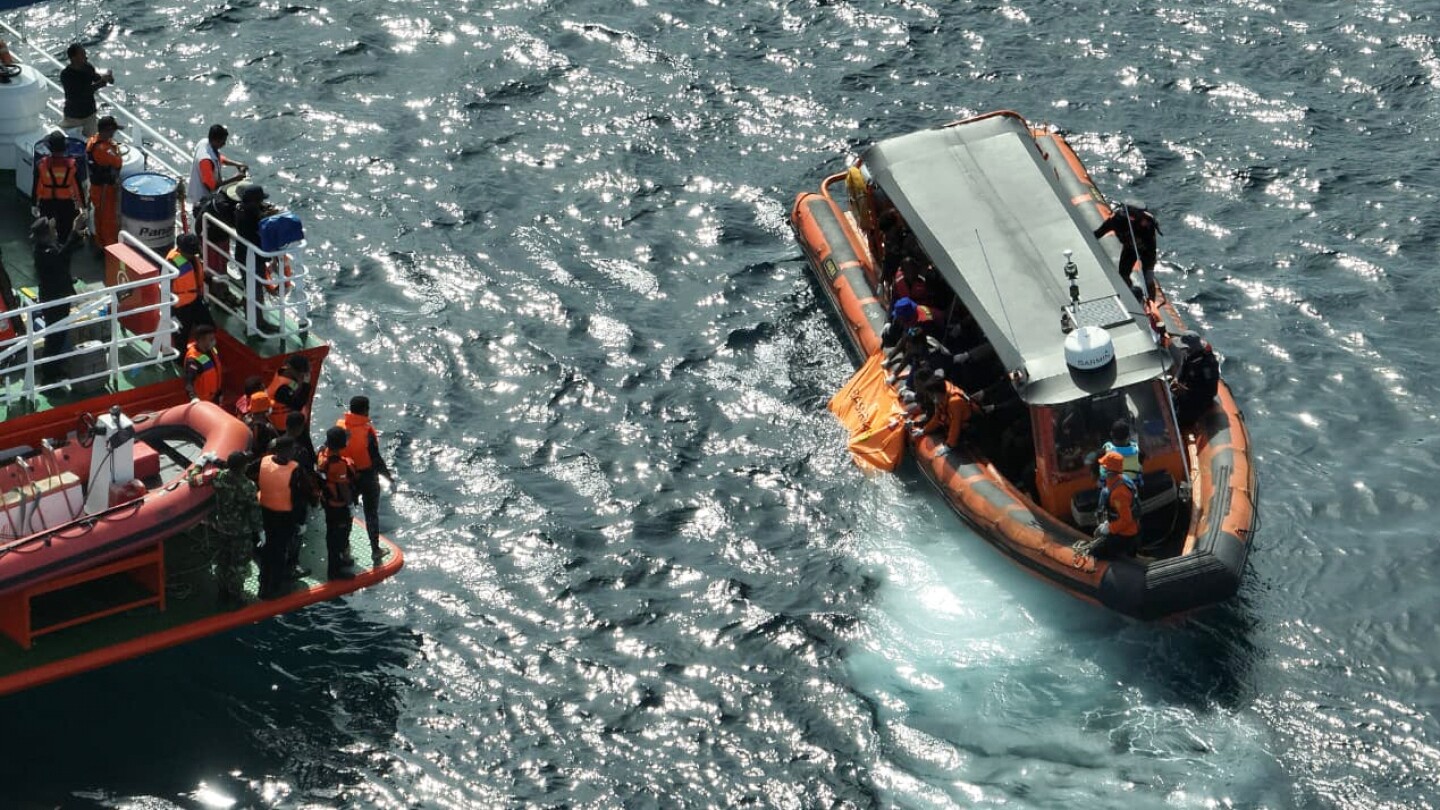
    Indonesian search and rescue teams have recovered a second body in their ongoing operation to locate a Spanish soccer coach and his children following a tragic boating incident during their Christmas holiday. The recovery occurred near Padar Island, approximately 2 kilometers from the original sinking site in Komodo National Park.

    The victim, yet to be formally identified, is believed to be part of the Spanish family whose holiday turned catastrophic on December 26th. The boat carrying Valencia CF Women’s B coach Fernando Martín, 44, his wife, their four children, four crew members, and a local guide sank after experiencing engine failure.

    While Martín’s wife, one child, and all five crew members were rescued shortly after the incident, Martín himself and three children remained missing. The first victim, identified as Martín’s 12-year-old daughter, was recovered three days after the accident near Serai Island waters.

    Search and Rescue Office Chief Fathur Rahman confirmed the recovered body has been transported to Labuan Bajo Hospital for formal identification procedures. The Spanish government, through its ambassador, has formally requested continued reinforcement of search efforts despite Indonesian protocols typically limiting operations to seven days.

    The joint SAR team has extended operations through January 4th, deploying over 160 personnel from multiple agencies including police and naval forces. The intensive search encompasses four sectors within the UNESCO World Heritage site waters, utilizing inflatable boats, navy ships, specialized rescue vessels equipped with sonar technology, and underwater navigation equipment. Dive teams have also been actively deployed in the operation.

    Komodo National Park, renowned for its dramatic landscapes and endangered Komodo dragons, attracts thousands of international visitors annually for diving and wildlife tourism. Indonesia’s vast archipelago of more than 17,000 islands relies heavily on marine transportation, where safety standards remain inconsistent and overcrowding frequently leads to maritime accidents.

  • Myanmar’s military government releases more than 6,100 prisoners on independence anniversary

    Myanmar’s military government releases more than 6,100 prisoners on independence anniversary

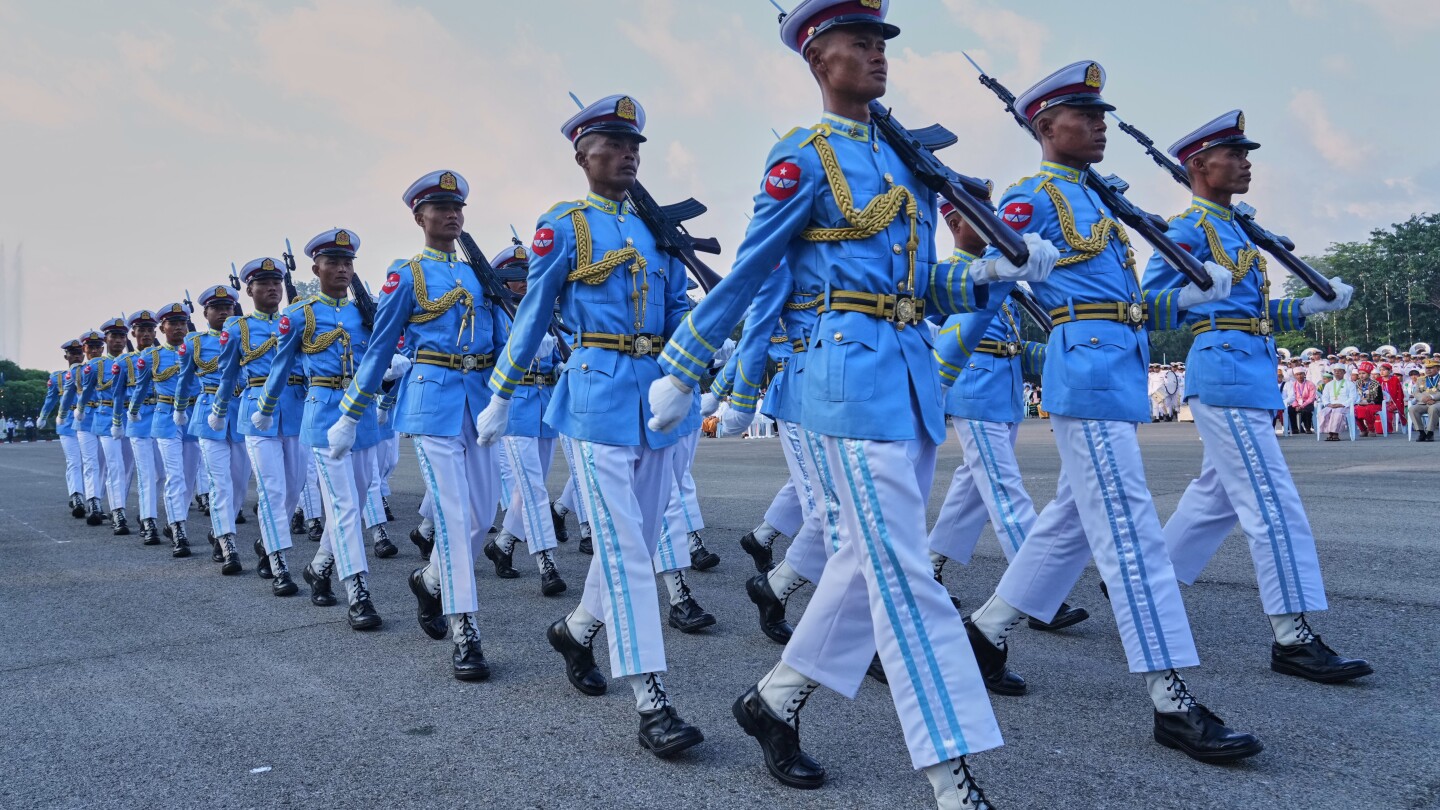
    BANGKOK — Myanmar’s military regime has authorized the release of over 6,100 prisoners while simultaneously reducing sentences for numerous others in observance of the nation’s 78th Independence Day anniversary. The mass clemency, announced through state-controlled broadcaster MRTV, was enacted under the directive of Senior General Min Aung Hlaing, the country’s current military leader.

    Despite the extensive prisoner release, authorities have not disclosed whether any political detainees were included in the amnesty. The move coincides with the military government’s ongoing three-stage electoral proceedings, which international critics have denounced as a calculated effort to manufacture legitimacy for the current regime.

    Official statements confirm that 52 foreign nationals will be deported following their release, though no comprehensive roster of freed individuals has been made public. The pardon excludes individuals convicted of severe criminal offenses including homicide and sexual assault, as well as those detained under various national security statutes.

    A stringent condition accompanies the releases: any re-offenders will be required to serve their original sentence remainder in addition to new penalties. Prisoner releases commenced Sunday and are anticipated to span several days for full implementation.

    At Yangon’s notorious Insein Prison—historically used for housing political dissidents—families gathered expectantly outside facility gates. However, there was no indication that the amnesty would include Nobel laureate Aung San Suu Kyi, who remains imprisoned under a 27-year sentence following what her supporters characterize as politically motivated prosecutions.

    According to data from the Assistance Association for Political Prisoners, an independent monitoring organization, Myanmar currently detains over 22,000 political prisoners as of last Tuesday. Many face charges of ‘incitement’—a broadly interpreted offense frequently employed against government critics, carrying penalties of up to three years imprisonment.

    The prisoner release occurs against the backdrop of intensifying armed resistance movements that emerged following the 2021 military coup, which abruptly terminated Myanmar’s brief democratic experiment.

  • Fireworks guaranteed as Sam Curran, Kieron Pollard eye ILT20 season 4 trophy

    Fireworks guaranteed as Sam Curran, Kieron Pollard eye ILT20 season 4 trophy

    The Dubai International Stadium prepares to host the grand finale of DP World ILT20 Season 4 on Sunday, featuring a championship battle between the Desert Vipers and MI Emirates. This showdown presents a classic narrative of first-time glory versus historic achievement, with the Vipers seeking their maiden title while MI Emirates aim to become the tournament’s first two-time champions.

    Desert Vipers captain Sam Curran emphasized the team’s collective approach during pre-final preparations. “Our focus remains on executing team strategies rather than individual brilliance,” stated the English all-rounder. “Finals bring unique pressure and atmosphere, but these are precisely the moments we train for. We’re prepared mentally and tactically for this challenge.”

    MI Emirates skipper Kieron Pollard, drawing from previous final experience, projected calm confidence. “We’re comfortable embracing the underdog role,” Pollard remarked. “Cricket ultimately simplifies to performance execution on the day. We’ve earned this opportunity through resilience, and now we must maintain composure under pressure.”

    The statistical backdrop reveals remarkably balanced contention. The Vipers boast a slight historical advantage with 29 victories from 46 matches across four seasons, while MI Emirates follow closely with 27 wins. Their most recent encounter saw the Vipers secure a decisive 45-run victory in Qualifier 1, powered by Andries Gous’ spectacular unbeaten 120.

    Desert Vipers dominated the league phase with unprecedented consistency, becoming the first franchise to qualify for playoffs after six consecutive opening victories. They concluded the group stage with a record-breaking eight wins from ten matches, advancing to their second consecutive final.

    Curran has been instrumental in their campaign, contributing 323 runs including two half-centuries and claiming seven wickets. He received substantial support from Max Holden (318 runs) and Emirati bowler Khuzaima Tanveer, whose 15 wickets demonstrate the growing impact of local talent.

    MI Emirates’ journey to the final featured a remarkable mid-season resurgence. After winning only two of their initial five matches, the Season 2 champions mounted a five-match winning streak to secure second position. Their qualification was sealed through a comprehensive seven-wicket victory against Abu Dhabi Knight Riders in the eliminator.

    The Emirates’ campaign has been highlighted by Muhammad Waseem’s exceptional form, with the UAE international leading both batting (344 runs) and local player rankings. English batsman Tom Banton (320 runs) and bowler Allah Ghazanfar (15 wickets) have provided crucial support throughout the tournament.

    The championship carries significant prestige and financial rewards, with the winners claiming $700,000 and the runners-up receiving $300,000. Individual excellence will be recognized through specialized belts—Green (Best Batter), White (Best Bowler), Red (MVP), and Blue (Best UAE Player)—each accompanied by a $15,000 prize, underscoring the tournament’s commitment to recognizing both team and individual prowess.

  • South Korean president visits China following Beijing’s rising tensions with Japan over Taiwan

    South Korean president visits China following Beijing’s rising tensions with Japan over Taiwan

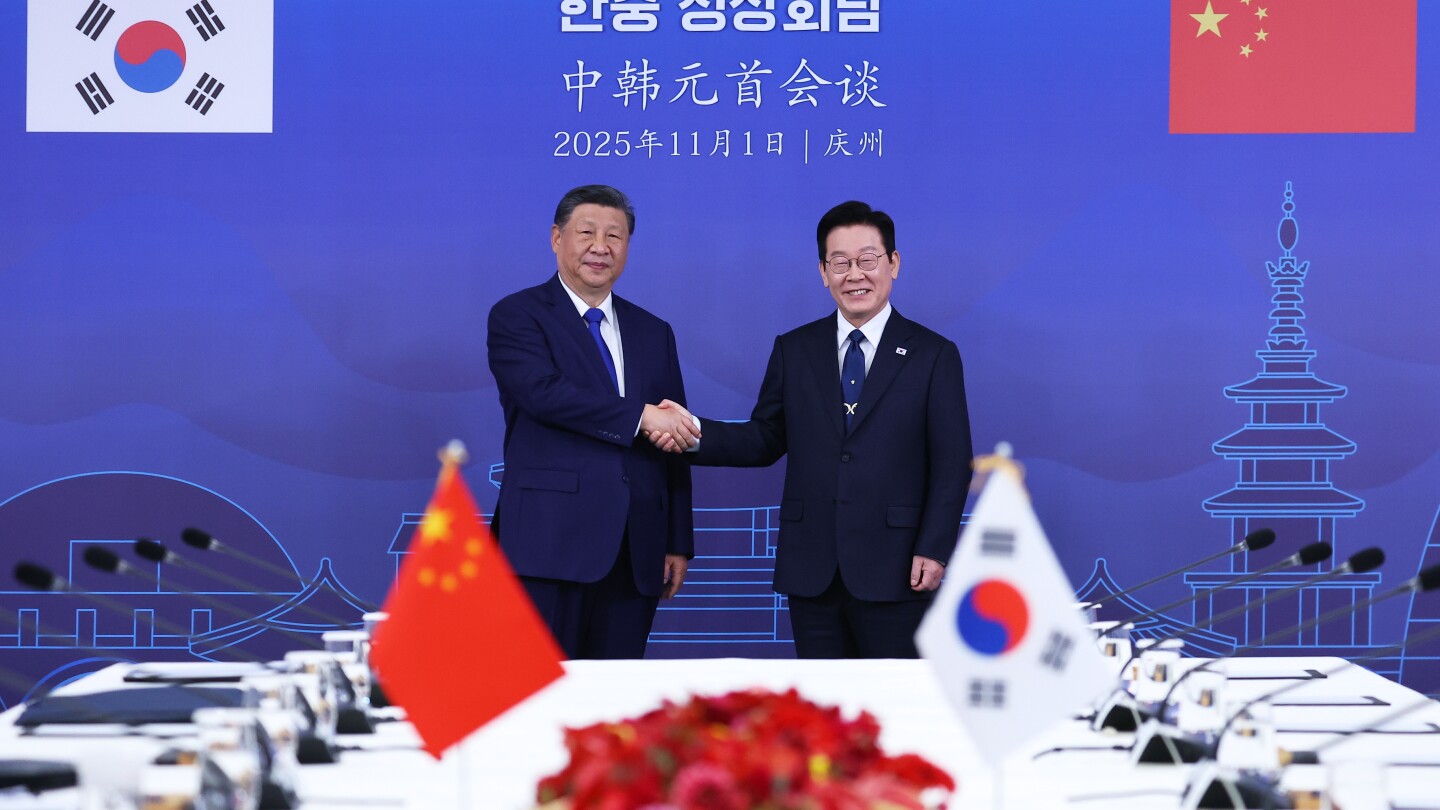
    South Korean President Lee Jae Myung commenced a pivotal four-day diplomatic mission to China on Sunday, marking his inaugural visit since assuming office in June. The carefully timed diplomatic engagement unfolds against a backdrop of escalating regional tensions, particularly concerning Taiwan and the Korean Peninsula.

    President Lee’s itinerary features a highly anticipated meeting with Chinese President Xi Jinping, representing their second bilateral summit within a two-month period. In pre-visit remarks broadcast through China’s state-owned CCTV network, President Lee articulated Seoul’s steadfast commitment to the “One-China” policy regarding Taiwan while characterizing President Xi as a “genuinely reliable neighbor.” The South Korean leader emphasized that robust bilateral relations must be founded upon mutual respect and understanding.

    The diplomatic overture occurs amidst complex geopolitical dynamics. Recent months have witnessed heightened military posturing, including China’s substantial military exercises around Taiwan and North Korea’s continued ballistic missile testing. President Lee’s administration seeks to navigate these challenges while maintaining strategic partnerships with both China and the United States.

    National Security Adviser Wi Sung-lac outlined the visit’s dual objectives: strengthening economic cooperation and addressing security concerns on the Korean Peninsula. South Korean officials will specifically request China’s constructive involvement in persuading North Korea to resume denuclearization talks and abandon its nuclear weapons program. The discussions will also explore tangible economic benefits for citizens of both nations.

    The visit follows December’s contentious U.S. arms sales to Taiwan, which prompted Chinese sanctions against American defense contractors. President Lee’s mission aims to transform historical misunderstandings into opportunities for elevated bilateral cooperation, potentially establishing a new framework for Northeast Asian security architecture.

  • South Korea says North Korea has launched ballistic missiles toward the sea

    South Korea says North Korea has launched ballistic missiles toward the sea

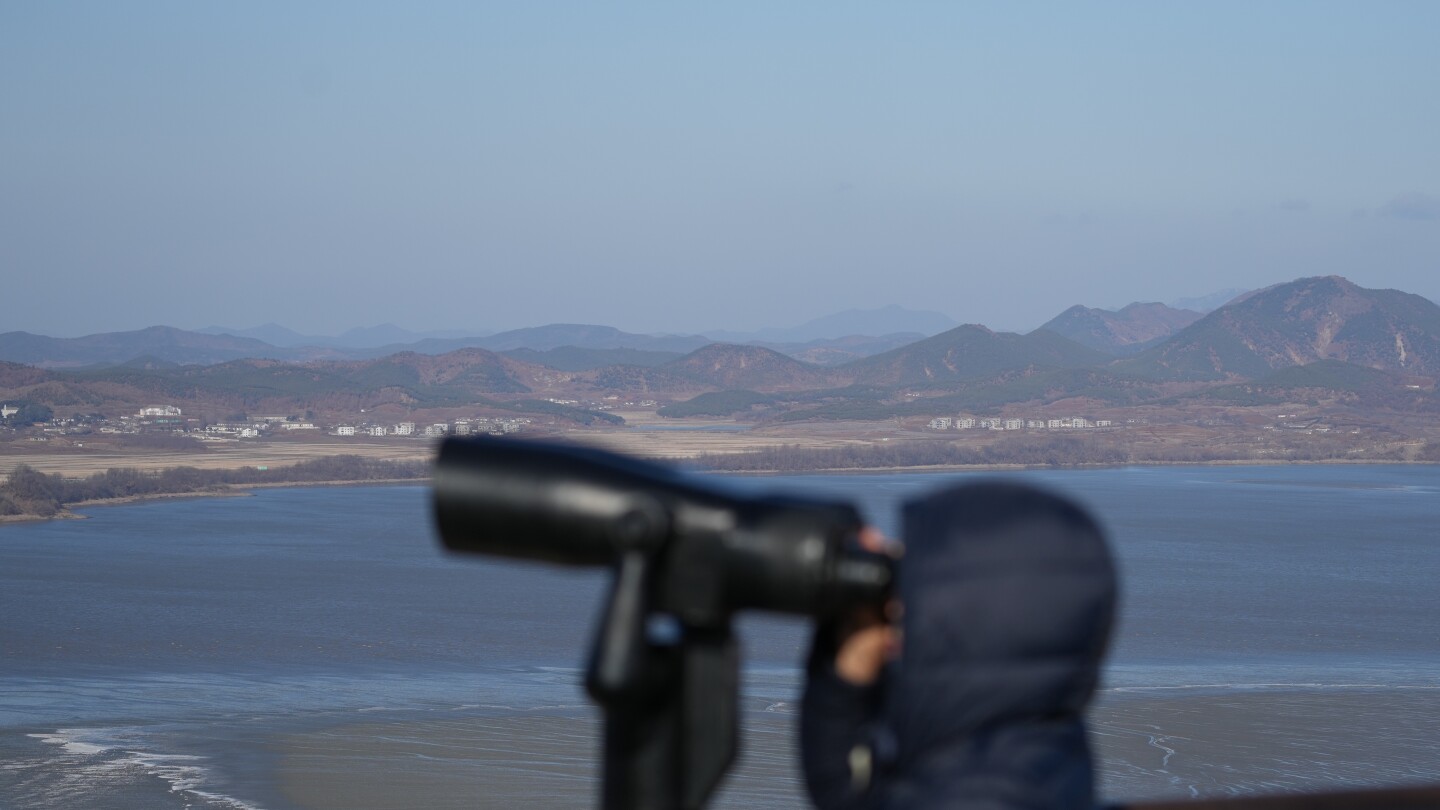
    SEOUL, South Korea — North Korea initiated multiple ballistic missile launches toward its eastern waters on Sunday morning, according to South Korea’s military authorities. The launches occurred approximately at 7:50 a.m. from the capital region, marking the latest in a series of weapons demonstrations by the reclusive nation.

    South Korea’s Joint Chiefs of Staff confirmed the missile activity but withheld specific details regarding flight distance or trajectory. The military agency emphasized enhanced surveillance measures and ongoing intelligence coordination with United States and Japanese counterparts regarding North Korea’s provocative actions.

    Japanese defense officials concurrently reported detecting suspected missile launches from North Korean territory. Initial assessments indicated no immediate threats to maritime vessels or aircraft in the targeted area.

    Security analysts interpret these tests as strategic displays of military capability preceding North Korea’s Workers’ Party congress—the first such gathering in five years. The international community anticipates potential policy announcements concerning U.S. relations and possible resumption of dormant diplomatic talks during this significant political event.

    The timing of these launches coincides with South Korean President Lee Jae Myung’s departure for China, where he is scheduled to engage in bilateral discussions with President Xi Jinping. During this four-day diplomatic mission, President Lee intends to advocate for China’s constructive involvement in fostering stability across the Korean Peninsula.

    Recent weeks have witnessed escalating weapons demonstrations from North Korea, including tested long-range cruise missiles and visible advancements in nuclear-powered submarine development, further complicating regional security dynamics.

  • England wins the toss and batting first in final Ashes test amid heavy security at SCG

    England wins the toss and batting first in final Ashes test amid heavy security at SCG

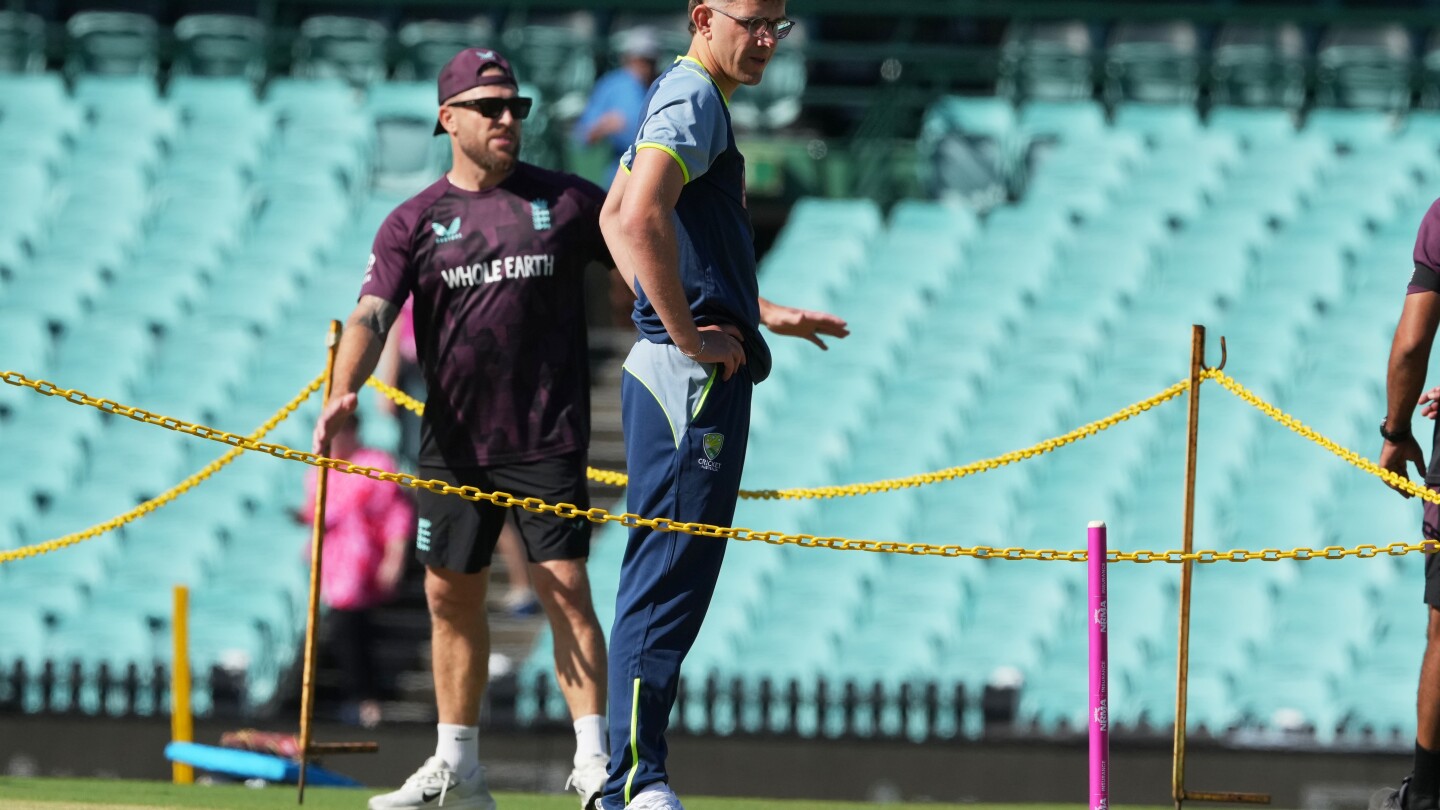
    SYDNEY — The fifth and decisive Ashes test commenced at Sydney Cricket Ground under unprecedented security measures following recent tragic events in Bondi Beach. England captain Ben Stokes won the toss and elected to bat first in what marks Usman Khawaja’s farewell appearance in his 88th and final test match for Australia.

    Both teams implemented strategic changes to their lineups. England introduced pace bowler Matthew Potts as replacement for injured Gus Atkinson, while Australia gave all-rounder Beau Webster his series debut in place of Jhye Richardson. Notably, Webster’s inclusion marks Australia’s first test at SCG without a specialist spinner since the 1887-88 season, a decision captain Steve Smith attributed to current pitch conditions favoring pace over spin.

    The match began with solemn tributes honoring victims and first responders of the recent Bondi Beach attack that claimed 15 lives three weeks prior. The emotional pre-game ceremony featured a guard of honor and collective applause from the capacity crowd.

    Security presence exceeded normal sporting event protocols, with tactical police units, mounted officers, and riot squad personnel deployed throughout the venue. England enters the final test having broken their losing streak with a four-wicket victory in the Boxing Day test, though previous matches saw Australia retain the Ashes within just 11 days of play.

    Lineups:
    Australia: Travis Head, Jake Weatherald, Marnus Labuschagne, Steve Smith (captain), Usman Khawaja, Alex Carey, Cameron Green, Beau Webster, Michael Neser, Mitchell Starc, Scott Boland.
    England: Zak Crawley, Ben Duckett, Jacob Bethell, Joe Root, Harry Brook, Ben Stokes (captain), Jamie Smith, Will Jacks, Matthew Potts, Brydon Carse, Josh Tongue.

  • How UK plush toy Jellycat conquered China

    How UK plush toy Jellycat conquered China

    In the midst of pandemic-era uncertainty, a surprising emotional lifeline emerged for young Chinese adults: the soft, whimsical plush toys of British brand Jellycat. What began as children’s toys has evolved into a global phenomenon, particularly in China where disenchanted youth have embraced them as tools for emotional regulation and social connection.

    The journey of Stella Huang illustrates this cultural shift. Her first Jellycat purchase in 2021, a gingerbread house plushie discovered on Chinese social platform RedNote, marked the beginning of a collection that now numbers 120 toys with a total value exceeding 36,000 yuan ($5,145). For Stella, now a 32-year-old tourism sales manager in Beijing, these aren’t mere collectibles but emotional companions in challenging times. “At my age, there are many things you can’t share with others,” she reflects. “The plushies help me regulate my emotions.

    Jellycat’s remarkable success story is rooted in strategic market positioning and perfect timing. The company’s Amuseable line—featuring inanimate objects like toilet rolls and boiled eggs with tiny faces—became breakout products that resonated deeply with Gen-Z and millennial audiences globally. According to Statista analyst Kasia Davies, these toys “appeal to a wide Gen-Z and millennial audience” by tapping into contemporary desires for comfort and companionship.

    The brand’s ascent coincided with broader demographic challenges facing toy manufacturers. With birth rates declining worldwide, companies needed to identify new markets. Jellycat had already established Chinese market presence in 2015, providing crucial groundwork for pandemic-era expansion. Business consultant Kathryn Read, with 15 years’ China experience, notes the company “captured the tone of the pandemic” when people sought comfort amid heightened uncertainty.

    Jellycat’s commercial performance has been extraordinary. Recent Companies House accounts reveal the UK-based firm’s revenue surged by two-thirds to £333m ($459m) in 2024. Chinese consumers purchased approximately $117m worth of Jellycat toys through major e-commerce platforms, according to Beijing-based Moojing Market Intelligence.

    This success reflects broader trends in China’s collectible toy market, projected to exceed 110bn yuan this year according to a 2024 report by the Chinese Academy of Social Sciences. The phenomenon parallels the success of domestic brands like Pop Mart’s Labubu elf-like dolls, highlighting growing appetite for emotional comfort objects among Chinese youth.

    Professor Erica Kanesaka of Emory University identifies this as part of a global “kidult” trend where young adults question “outdated understandings of adulthood.” Market research company Circana reports that while global toy sales declined slightly in 2024, collectible toy sales increased by nearly 5% to record highs.

    Jellycat’s marketing strategy has been particularly effective in China. Limited edition releases, pop-up experiences featuring celebrity partnerships (including A-list actress Yang Mi in Shanghai), and strategic localization— offering fish and chips plushies in London while featuring teapot designs in Beijing—have created buzz and exclusivity. Many Chinese consumers describe this approach as “hunger marketing,” driving social media desirability.

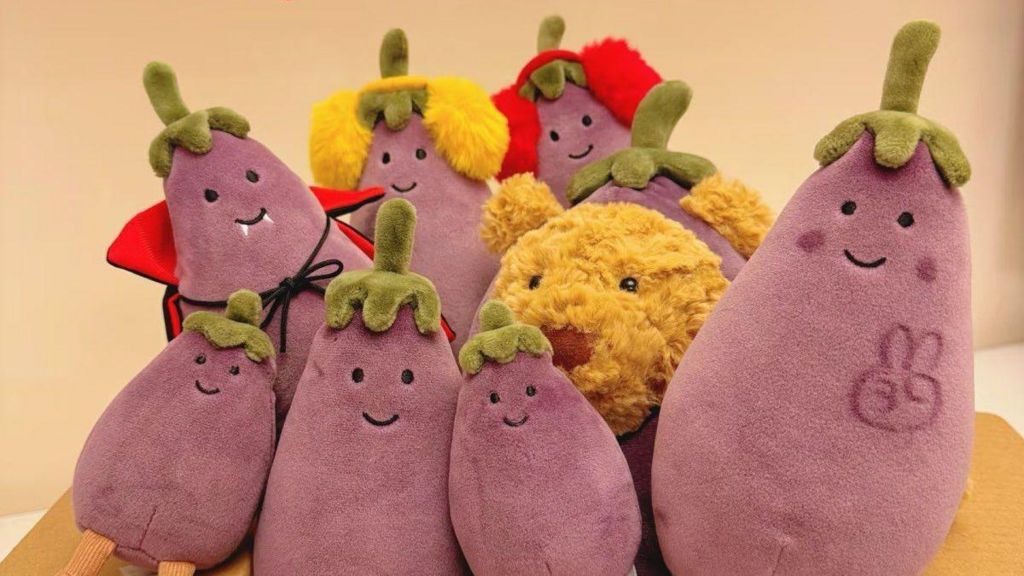
    The toys have also become vehicles for cultural expression. The Amuseable aubergine, nicknamed “the boss” by Chinese fans, has spawned numerous memes where users depict the vegetable in various states of emotional distress—complete with drawn dark circles and glasses—to humorously represent workplace exhaustion. Hong Kong marketing professional Wendy Hui posted her modified aubergine on Threads captioned: “The mental state of workers on Monday.”

    For many young Chinese, Jellycat represents an accessible luxury in economically challenging times. As 34-year-old medical sales representative Jessie Chen notes: “You have to consider for a long time before buying a luxury bag. But you don’t need to do that for a Jellycat.” The brand’s practical offerings, including bags costing just a few hundred yuan, offer both emotional and functional value.

    However, signs suggest China may have reached peak Jellycat, with some fans noting decreased social media discussion. Some collectors are turning to more affordable alternatives like Teletubbies blind boxes, while others consider “quitting the pit”—Chinese slang for retiring a hobby. As Stella Huang observes: “It is so difficult to buy them. Our daily life is not easy already and why should we make things harder for ourselves?”

    Despite these challenges, Jellycat’s impact on China’s emotional economy remains significant, offering soft comfort in hard times and illustrating how global brands can successfully adapt to local emotional landscapes.
  • First super moon of 2026 makes appearance in sky

    First super moon of 2026 makes appearance in sky

    The night sky unveiled a breathtaking astronomical phenomenon on January 3, 2026, as the first super moon of the year made its spectacular appearance. This celestial event, characterized by the moon’s unusually close orbital proximity to Earth, created a visually larger and significantly brighter lunar display than typical full moons.

    The remarkable phenomenon was captured in stunning photographs over Tongjiang city in Northeast China’s Heilongjiang province, where the super moon appeared as a magnificent luminous orb against the night canvas. This occurrence marks the initial of several super moons anticipated throughout 2026, each offering unique opportunities for astronomical observation and photography.

    Super moons occur when the moon’s elliptical orbit brings it to the closest point to Earth (perigee) simultaneously with the full moon phase. This orbital alignment can make the moon appear up to 14% larger and 30% brighter compared to its appearance at the farthest point (apogee). The scientific community emphasizes that while super moons create visually striking appearances, they remain a predictable orbital phenomenon rather than an unusual astronomical event.

    The January super moon attracted attention from both amateur stargazers and professional astronomers worldwide, serving as a reminder of the dynamic relationships within our celestial neighborhood. Such events continue to inspire public interest in astronomy and space science while providing researchers with opportunities to study the moon’s surface features under enhanced lighting conditions.

  • Iran protests: What is driving the unrest?

    Iran protests: What is driving the unrest?

    Iran has been plunged into a state of escalating civil unrest as merchant strikes originating in Tehran’s historic Grand Bazaar have rapidly transformed into nationwide protests, resulting in violent confrontations with security forces and multiple casualties.

    The initial demonstrations emerged Sunday in central Tehran near key commercial districts, quickly spreading to over thirty urban centers. The protests have claimed at least seven lives with dozens injured, marking a significant escalation from economic discontent to broader political opposition against the ruling authorities.

    Economic instability served as the primary catalyst, with the Iranian rial experiencing catastrophic devaluation. The currency has plummeted from approximately 55,000 rials to the US dollar in 2018 to a staggering 1.45 million rials currently—a decline accelerated by recent regional conflicts, international sanctions targeting Iran’s energy exports, and widespread banking restrictions.

    Additional economic pressures include the government’s introduction of a three-tiered gasoline pricing system and a proposed budget increasing taxes on businesses while projecting reduced oil revenues. These measures exacerbated existing frustrations over inflation and economic management.

    Tehran’s bazaar merchants, historically influential in Iranian politics, initiated the strikes in a tradition dating back to the Constitutional Revolution of 1905-1911. Their actions created political space for broader public participation, with protests particularly concentrated in western and southwestern regions home to ethnic minorities.

    The government response has included economic concessions such as tax breaks and subsidized currency access, the resignation of Central Bank governor Mohammad Reza Farzin, and the shutdown of state offices under the pretext of weather conditions. Universities have transitioned to online instruction to prevent campus gatherings.

    Despite these measures, demonstrations have continued with significant violence reported in cities including Kuhdasht and Azna. The situation has drawn international attention, with former US President Donald Trump threatening intervention if protesters are harmed—a statement Iranian authorities have characterized as foreign interference.

    Security forces including riot police and Basij paramilitary units maintain heavy deployment across multiple cities, with pro-government media accusing protesters of acting as foreign pawns. The unrest echoes previous anti-government movements while demonstrating distinct geographical patterns of resistance outside the capital.

  • Thick fog at Dubai’s Half Desert turns camping nights into rare, unreal experiences

    Thick fog at Dubai’s Half Desert turns camping nights into rare, unreal experiences

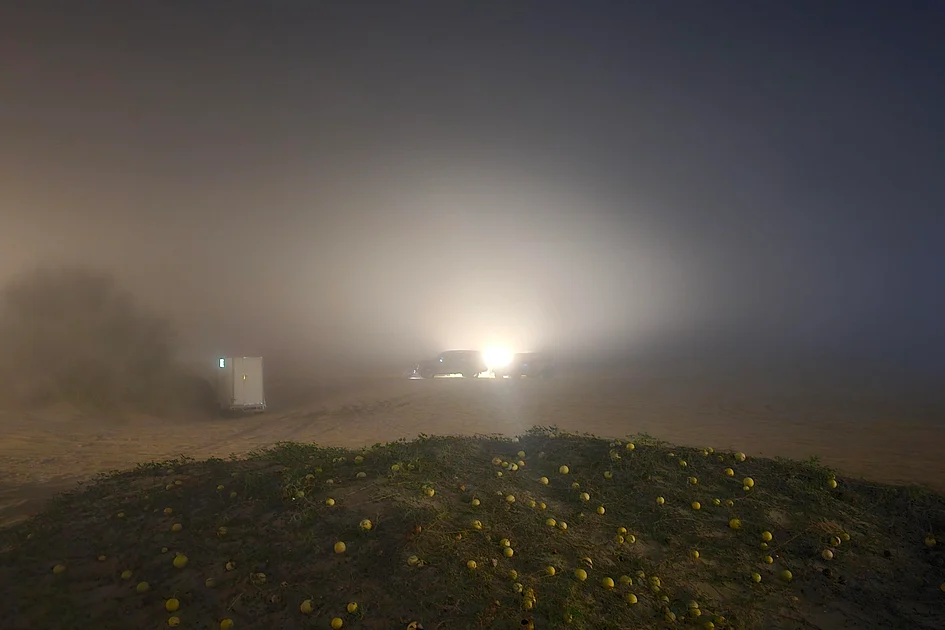
    An extraordinary meteorological event transformed Dubai’s Half Desert into an ethereal landscape as unusually dense fog enveloped the region in the early hours of January 3, 2026. What began as a typical clear night for desert campers rapidly evolved into a rare atmospheric phenomenon that reduced visibility to near-zero conditions, creating both magical experiences and significant travel challenges.

    According to eyewitness accounts, the fog system began developing around 1:30 AM, gradually obscuring sand dunes and access roads with an impenetrable white blanket. Mohammed Ardashir, an Iranian resident camping with friends, described the surreal transformation: ‘The desert appeared completely enveloped in clouds. We could scarcely see the adjacent tents, creating an almost supernatural atmosphere that defied our typical desert expectations.’

    While some adventurers embraced the unusual conditions as a unique natural spectacle, others prioritized safety considerations. Mantuf Khan and his camping group made the cautious decision to depart around 4:30 AM, navigating desert roads at reduced speeds below 30 km/h with hazard lights activated. ‘The driving conditions became exceptionally challenging with virtually no visibility beyond our immediate vicinity,’ Khan reported. ‘All vehicles maintained extended following distances and extreme caution.’

    Local desert caretaker Shahnawaz Khan provided meteorological context, noting that such dense fog formations represent characteristic winter weather patterns typically occurring during December and January. However, the intensity and duration of this particular event distinguished it from ordinary seasonal occurrences, potentially persisting throughout the weekend according to historical weather patterns.

    The phenomenon generated contrasting responses among desert visitors. Those who remained described an exceptionally tranquil environment where the typical auditory landscape became muffled and transformed. The experience of observing fog movement around traditional camping arrangements while consuming warm beverages created unexpectedly peaceful moments despite the unusual circumstances.

    This event highlights the dynamic intersection between desert tourism and natural weather variability in the UAE region, demonstrating how environmental conditions can rapidly alter recreational experiences while emphasizing the importance of safety preparedness during winter camping expeditions.