标签: Asia

亚洲

  • Iranian women soccer players granted asylum in Australia are pictured training in Brisbane

    Iranian women soccer players granted asylum in Australia are pictured training in Brisbane

    In a significant development following their high-profile asylum case, two members of Iran’s women’s national football team have commenced training with Australian professional club Brisbane Roar. Fatemeh Pasandideh and Atefeh Ramezanisadeh were photographed enthusiastically participating in their first public training session since being granted humanitarian protection by Australian authorities.

    The images, shared on Brisbane Roar’s official Instagram account, depict the athletes smiling while adorned in the club’s colors alongside the women’s elite squad. Club CEO Kaz Patafta emphasized the organization’s commitment to “providing a supportive environment for them whilst they navigate the next stages” of their transition.

    This development concludes a complex diplomatic episode that unfolded during the Women’s Asian Cup tournament. The situation escalated when Australia’s government extended humanitarian visa offers to multiple team members following Iran’s elimination from the competition. Initially, seven players and staff accepted asylum, though five subsequently reversed their decisions and rejoined the team in Malaysia before their eventual return to Oman.

    The two athletes have expressed gratitude for their reception, with Ramezanisadeh commenting “Thank you for everything” on the club’s social media post. Both women have been relocated to undisclosed secure locations and are receiving governmental assistance as they settle into their new circumstances.

    The original controversy emerged when several team members remained silent during Iran’s national anthem during early tournament matches—an act interpreted by some observers as symbolic protest amid ongoing regional conflicts. These actions drew criticism from hardline commentators in Iran, who labeled the players “wartime traitors,” while Iranian officials maintained that returning athletes would face no security concerns.

    Australian immigration authorities conducted private interviews with team members at airports without team supervision before their departure. The final squad members departed from Kuala Lumpur to Oman on Monday, with travel arrangements coordinated by the Iranian embassy, according to Asian Football Confederation officials.
  • More registered US voters view Israel negatively than positively, poll finds

    More registered US voters view Israel negatively than positively, poll finds

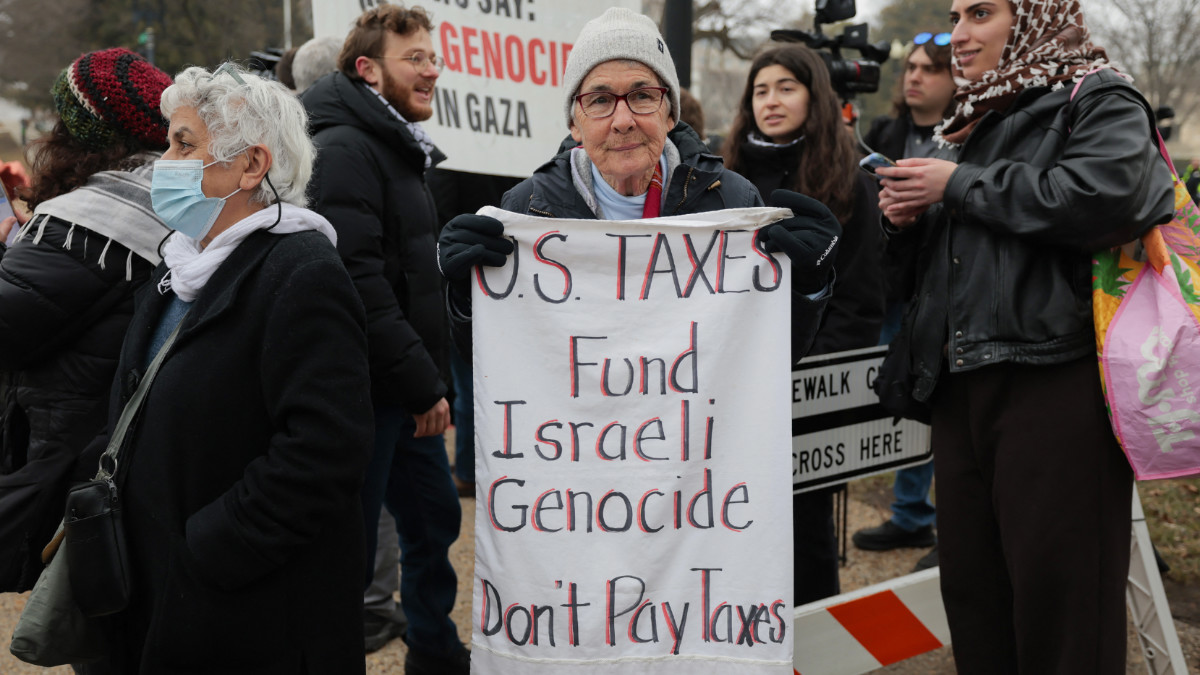
    A landmark NBC News survey reveals a dramatic reversal in American public opinion toward Israel, with registered voters now expressing significantly more negative than positive views. The poll, released Monday, shows 39% of US voters hold unfavorable perceptions of Israel compared to 32% with positive attitudes—marking a substantial decline from 2023 when 47% viewed Israel favorably against just 24% negatively.

    The most striking transformation has occurred among independent voters, a crucial demographic that contributed to President Donald Trump’s 2024 electoral victory. Their support for Israel has collapsed from 40% favorable and 22% unfavorable in 2023 to merely 21% favorable versus 48% unfavorable in 2026—more than doubling negative perceptions.

    This seismic shift follows Israel’s military response to Hamas’ October 2023 attack that killed approximately 1,200 Israelis. Israel’s subsequent offensive in Gaza has resulted in over 72,000 Palestinian casualties, with the United Nations, human rights experts, and numerous world leaders concluding that Israel has committed acts of genocide. The Gaza conflict expanded into broader regional hostilities involving Israeli strikes against Lebanon, Syria, and Qatar, eventually escalating into a devastating joint US-Israel war with Iran.

    Concurrently, sympathy for Palestinians has reached unprecedented levels. The poll indicates 40% of Americans now sympathize with Palestinians compared to 39% siding with Israel—a remarkable transformation from November 2013 when only 13% supported Palestinians.

    Partisan divisions reveal astonishing realignments: 67% of registered Democrats currently support Palestinians, versus just 17% backing Israel—a complete reversal from 2013 when only 18% favored Palestinians. While Republican support remains strong at 69%, significant generational fractures are emerging. A complementary Pew Research study from April 2025 shows 50% of Republicans under 50 now view Israel unfavorably.

    The most pronounced anti-Israel sentiment appears among young voters (18-34), with 63% holding negative views and only 13% maintaining positive perceptions—a dramatic drop from 2023 when 37% were negative, 26% positive, and 37% neutral. All age demographics show declining favorability, with the most severe drop occurring among 50-64-year-olds, where positive ratings plummeted from 58% to 37% while negative views doubled from 15% to 30%.

  • Trump clashes with Nato countries over refusal to help reopen Strait of Hormuz

    Trump clashes with Nato countries over refusal to help reopen Strait of Hormuz

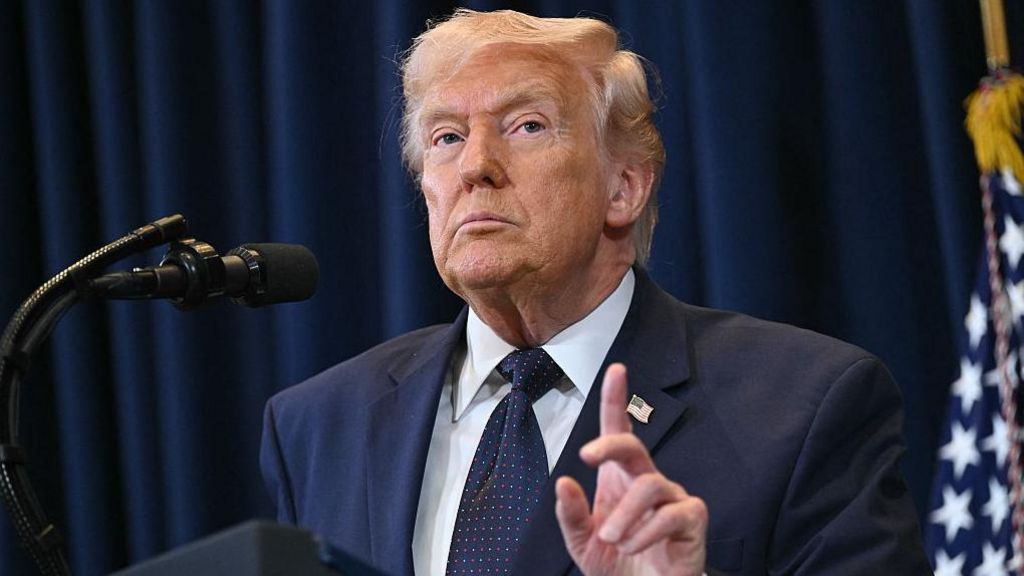
    President Donald Trump has publicly vented his frustration with NATO member states for their insufficient support in a joint effort to reopen the strategically vital Strait of Hormuz. This critical maritime passage, through which over 20% of global crude oil normally transits, has become the focal point of escalating US-Iranian hostilities.

    Speaking to reporters, Trump revealed that while ‘numerous countries have told me they’re on the way,’ he expressed particular disappointment with several longstanding allies. ‘Some are very enthusiastic about it, and some countries that we’ve helped for many, many years—we’ve protected them from horrible outside sources—and they weren’t that enthusiastic,’ Trump stated, emphasizing that ‘the level of enthusiasm matters to me.’

    European powers including Germany, France, and the United Kingdom have already declined participation, citing concerns about being drawn into an expanded conflict with Iran. European leaders view the initial US-Israeli military actions against Iran as lacking proper United Nations authorization.

    Trump specifically mentioned his surprise and dissatisfaction with the UK’s response, criticizing Prime Minister Keir Starmer for consulting advisors rather than making an immediate commitment. ‘I said, ‘You don’t need to meet with a team. You’re the prime minister, you can make your own decision,” Trump recounted.

    The President further suggested that NATO allies owe Washington substantial support given America’s disproportionate funding of the alliance and its significant military assistance to Ukraine against Russian aggression. ‘You can ask [Russian President Vladimir] Putin. Putin fears us. He has no fear of Europe whatsoever,’ Trump asserted.

    Despite his appeals for international cooperation, Trump simultaneously claimed self-sufficiency: ‘We’re the strongest nation in the world. We have the strongest military by far. We don’t need them.’ He described his outreach as essentially testing allied commitment, noting ‘I want to find out how they react, because I’ve been saying for years that [if] we ever did need them, they won’t be there.’

    Security experts have warned that any military escort mission through the strait would constitute a ‘very dangerous mission.’ The economic stakes are enormous—the waterway facilitates 20-25% of global seaborne oil trade valued at approximately $600 billion annually, plus 20% of worldwide liquefied natural gas shipments.

    As oil prices surge past $100 per barrel with global economic repercussions, Trump has intensified calls for international naval protection of commercial tankers. However, such moves would likely be perceived by Iran as direct provocation, potentially escalating the conflict further.

    The administration faces criticism for apparent lack of contingency planning despite anticipating the strait’s closure. Gulf states hosting US assets have borne the brunt of Iranian retaliatory strikes, with Kuwait reporting eleven fatalities including American and Kuwaiti military personnel.

    While Trump insists Iran seeks negotiations, Tehran has publicly denied any diplomatic engagement until certain preconditions are met, creating further uncertainty about conflict resolution.

  • India’s outsourcing industry is worth $300bn. Can it survive AI?

    India’s outsourcing industry is worth $300bn. Can it survive AI?

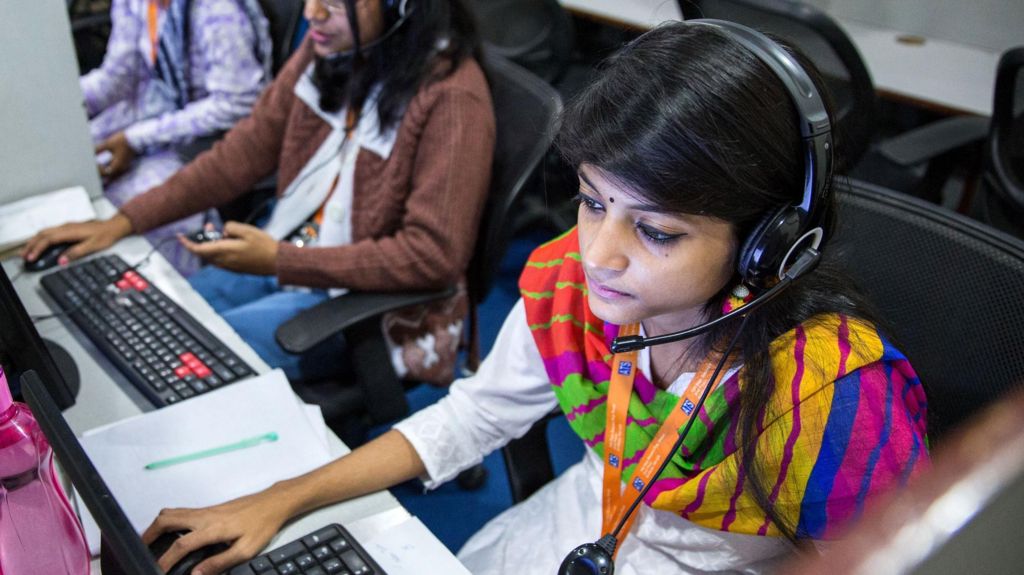
    India’s monumental $300 billion IT outsourcing industry is confronting its most significant technological challenge in decades as artificial intelligence triggers massive market volatility and existential concerns. The Nifty IT index, tracking the nation’s top software firms, has plummeted approximately 20% this year, erasing tens of billions in market valuation amid fears that AI could fundamentally dismantle the labor-intensive outsourcing model that propelled India’s economic transformation.

    The crisis emerged in February when Anthropic’s Claude agent unveiled automation tools capable of handling legal, compliance, and data processes—core services underpinning India’s IT exports. Subsequent warnings from industry founders predicting the potential disappearance of traditional IT services by 2030, with AI potentially eliminating 50% of entry-level white-collar positions, intensified market panic.

    This technological upheaval strikes at the heart of an industry that created millions of middle-class jobs over 35 years, fueling urban development and consumer economies in cities like Bengaluru, Hyderabad, and Gurugram. The sector represents approximately 80% of India’s total services exports, making its stability crucial to the national economy.

    Despite the alarm, industry leaders and analysts present divergent perspectives. Indian IT giants have attempted to calm markets, asserting that AI will generate new opportunities despite undoubtedly transforming traditional operations. Global investment bank Jefferies warned that client engagements will structurally shift toward advisory services, with application managed services (representing 22-45% of revenues) facing substantial deflation.

    JPMorgan Chase characterizes IT firms as ‘the plumbers of the tech world,’ arguing against simplistic assumptions that AI can match the customization capabilities of established software companies. Instead, they foresee collaborative partnerships between AI tool developers and IT service providers creating novel work domains.

    Infosys CEO Salil Parekh supports this optimistic narrative, suggesting AI expands opportunities for firms equipped to modernize legacy systems. According to Infosys projections, while generative AI might displace 92 million positions like front-end developers, it could create approximately 170 million new roles in data annotation, AI engineering, and leadership.

    HSBC’s recent report ‘Software Will Eat AI’ contends that IT services companies will actually drive AI adoption across global enterprises, arguing that large-scale AI systems remain ‘inherently flawed’ for replacing mission-critical enterprise software developed over decades with unparalleled reliability.

    The industry’s transition is already underway. Nasscom, India’s software industry body, confirms 2025 marked a pivotal shift from AI experimentation to deployment, though AI projects currently generate merely $10 billion of the sector’s $315 billion total revenue. Overall sector growth is projected at a modest 6% this year—a dramatic decline from historical double-digit expansion—with hiring expected to increase by just 2.3% in 2026.

    Compounding technological challenges, visa restrictions in the United States—the largest market for Indian IT services—threaten to increase operating expenses by $100-250 million for top firms, approximately 1% of revenues according to Moody’s Analytics.

    Analysts from Nuvama Institutional Equities predict short-term revenue reduction with AI benefits materializing only medium-term, ensuring unavoidable transitional pain for an industry facing its most profound transformation since its inception.

  • Trump seeks to delay China summit due to Iran war

    Trump seeks to delay China summit due to Iran war

    President Donald Trump announced on Monday a significant postponement of his scheduled diplomatic visit to China, citing operational demands related to the ongoing Iran conflict as the primary reason. The high-profile meeting with Chinese President Xi Jinping, originally planned for March 31 to April 2, will now be delayed approximately one month according to White House statements.

    Addressing journalists at the White House, Trump emphasized that the decision stemmed from strategic necessity rather than diplomatic tensions. “We’ve requested that we delay it a month or so,” the president stated, underscoring his perceived responsibility to remain physically present in Washington to oversee military operations. The escalating Middle Eastern conflict has increasingly dominated presidential attention, creating substantial demands on executive availability.

    The Iran war situation has unexpectedly reshaped American foreign policy priorities, creating complex challenges including global oil supply disruptions and potential economic repercussions. These developments have forced the administration to recalibrate its diplomatic calendar, particularly regarding crucial bilateral engagements.

    This scheduling shift follows Trump’s recent remarks to the Financial Times suggesting potential postponement unless China provided assistance in securing the Strait of Hormuz—a vital maritime corridor for global energy transportation. The president has concurrently appealed to multiple nations to ensure safe passage through these strategically critical waters.

    Despite the delay, Trump characterized U.S.-China relations as positively constructive, noting: “I’m looking forward to being with him. We have a very good relationship.” He further dismissed suggestions of hidden motivations behind the rescheduling, stating plainly: “There’s no tricks to it either. It’s very simple. We’ve got a war going on. I think it’s important that I be here.”

    Simultaneously, diplomatic channels remain active with recent negotiations between American and Chinese representatives in Paris addressing ongoing trade considerations, including investment protocols, tariff structures, and economic sanctions. The Chinese Embassy in Washington has not yet issued an official response to the postponement announcement.

  • Reza Pahlavi’s supporters in Iran are turning against him

    Reza Pahlavi’s supporters in Iran are turning against him

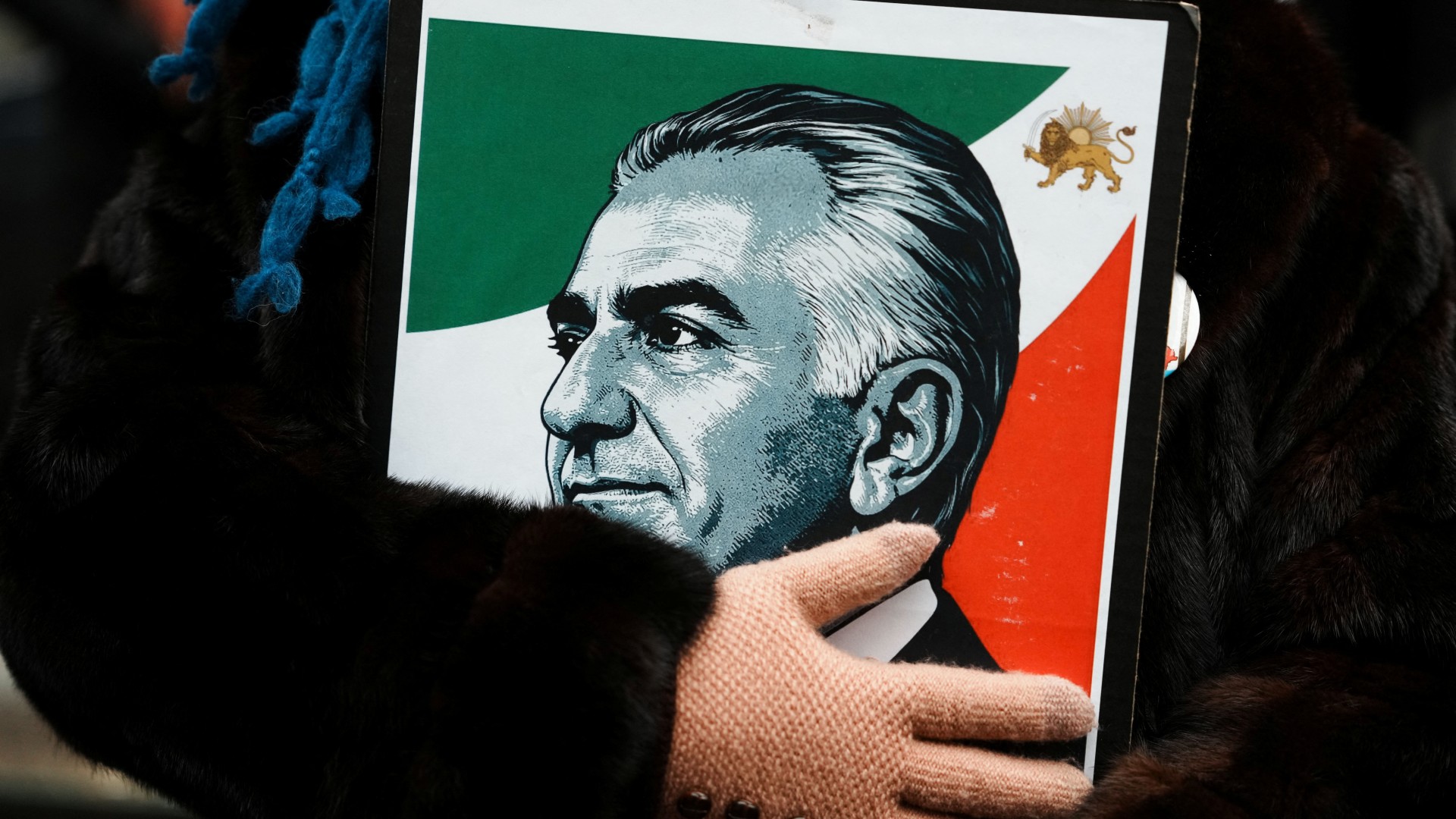
    Amidst the ongoing military engagement between the United States, Israel, and Iran, a significant shift in sentiment is emerging among segments of the Iranian populace. Reza Pahlavi, the exiled son of Iran’s last monarch, once viewed by many as a potential unifying figure for the fragmented opposition, is now facing growing disillusionment and criticism from his former supporters.

    The catalyst for this erosion of trust varies. For some, the turning point occurred prior to the outbreak of open conflict, when Pahlavi persistently called for public uprisings against the Islamic Republic—a move many saw as dangerously irresponsible given the regime’s history of brutal crackdowns. For others, his recent encouragement of public demonstrations during the traditional Persian festival of Chaharshanbe Suri, while major cities are under constant aerial bombardment, has been perceived as profoundly out of touch with the grim realities of daily life.

    Interviews conducted with Iranians, who are identified by pseudonyms for their security, reveal a deep sense of betrayal. Dina, a 39-year-old from Tehran, once held hope that Pahlavi could channel the widespread discontent into a coherent movement. Now, she laments his apparent lack of political acumen, stating, ‘I wish he had even a fraction of his father’s political judgment… he would know how to use the enormous energy among people.’ Her sentiment is echoed by Majid, a 21-year-old student who witnessed a friend killed by security forces during earlier protests. He questions the call for celebration while citizens live in fear of airstrikes, asking, ‘Does he even know what life is like here?’

    The criticism extends to Pahlavi’s perceived alignment with foreign powers. His communications, particularly on social media platform X, have drawn controversy for offering condolences for fallen American soldiers while remaining conspicuously silent on the deaths of hundreds of Iranian civilians, including children, in coalition strikes. This disparity has led many to question his priorities and his claim to represent the Iranian people.

    Furthermore, his political consistency is under scrutiny. Analysts and critics like Amir, 40, from northern Iran, point to Pahlavi’s fluctuating rhetoric—at times pleading for U.S. support and at other times insisting on its irrelevance—as a sign of strategic uncertainty and an attempt to align with the perceived whims of international players like former U.S. President Donald Trump.

    The atmosphere within Iran is increasingly tense. Iranian authorities, represented by national police commander Ahmad Reza Radan, have issued explicit threats, warning that security forces are ‘ready to pull the trigger’ on anyone protesting at the ‘enemy’s request.’ This has rendered the prospect of public demonstrations even more perilous.

    While Pahlavi retains a base of support among those who still see him as a viable figure for a potential transitional government, the opposition landscape is now markedly divided. The emerging trends indicate a growing cohort of the disillusioned who feel misled by unmet promises of support and a coherent plan, while those who were always skeptical now feel empowered to voice their criticisms openly. The overarching sentiment is one of being trapped—caught between a repressive regime and an opposition leadership that many believe has failed its people.

  • China, US hold candid, in-depth, constructive talks on economic, trade issues

    China, US hold candid, in-depth, constructive talks on economic, trade issues

    PARIS — In a significant diplomatic engagement, Chinese and American officials concluded two days of intensive economic discussions on Monday, marking a renewed effort to address longstanding trade disputes between the world’s two largest economies.

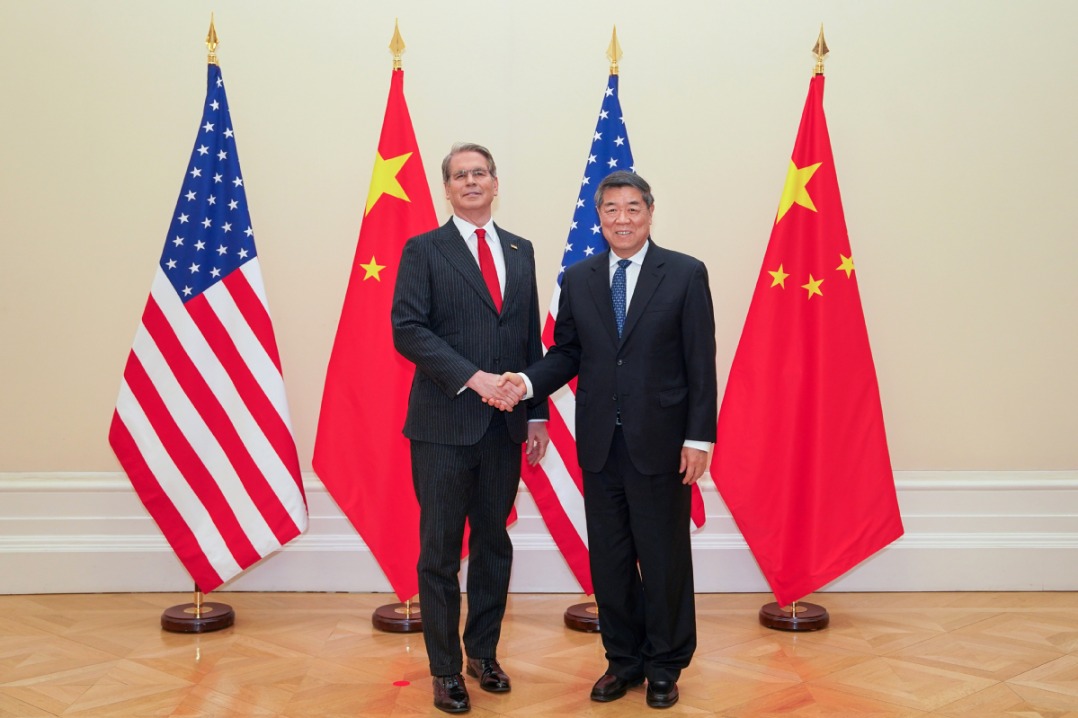
    The high-level negotiations, led by Chinese Vice Premier He Lifeng and US Treasury Secretary Scott Bessent alongside US Trade Representative Jamieson Greer, produced what both sides characterized as “candid, in-depth and constructive” dialogues. The talks focused on critical issues including tariff arrangements, bilateral trade enhancement, investment facilitation, and maintaining previously established consultation agreements.

    This latest round of economic diplomacy builds upon five previous rounds of talks conducted throughout last year, operating under the strategic guidance of mutual understandings reached between the Chinese and American heads of state. Vice Premier He emphasized that these ongoing discussions have already generated substantial outcomes that contribute significantly to stabilizing bilateral economic relations and reinforcing global economic predictability.

    The negotiations occurred against a complex backdrop of recent trade policy developments. He specifically referenced the US Supreme Court’s landmark ruling declaring tariffs imposed under the International Emergency Economic Powers Act unlawful. Subsequently, the US administration implemented a comprehensive 10% import surcharge on all trading partners utilizing Section 122 of the Trade Act of 1974, while simultaneously initiating multiple restrictive measures targeting China, including Section 301 investigations, corporate sanctions, and market access limitations.

    China’s delegation reiterated its firm opposition to unilateral American tariffs, urging complete elimination of these trade barriers and other restrictive policies. Vice Premier He stated unequivocally that China would undertake necessary measures to protect its legitimate rights and interests while expressing hope that both nations would move cooperatively toward implementing leadership consensus, expanding collaborative domains, and minimizing contentious issues.

    American representatives acknowledged the critical importance of stable Sino-American economic relations for both nations and the global community, particularly regarding worldwide economic growth, supply chain security, and financial stability. Both parties committed to reducing trade frictions, preventing escalation of tensions, and resolving differences through continued consultation.

    The delegations agreed to explore establishing a formal cooperation mechanism dedicated to promoting bilateral trade and investment, while continuing to utilize existing economic consultation frameworks. This includes enhancing dialogue channels, appropriately managing disagreements, expanding practical cooperation, and fostering sustained, stable development of economic and trade relations between the two economic superpowers.

  • The Gulf’s expat El Dorado faces a costly recovery after the war

    The Gulf’s expat El Dorado faces a costly recovery after the war

    The gleaming metropolises of Dubai, Abu Dhabi, and Doha have long represented humanity’s closest approximation to extraterrestrial colonization—self-contained ecosystems sustained through imported labor, materials, and residents. Now, these Gulf artificialities face their most severe survival test as the escalating US-Israel-Iran conflict transforms their perceived invulnerability into profound vulnerability.

    While the United Arab Emirates, Qatar, Bahrain, and Kuwait possess distinct national identities, their demographic realities reveal extraordinary dependency on transient populations. In the UAE, Emirati citizens constitute barely 10% of the 11-million population, with expatriates and migrant workers comprising the overwhelming majority. This structural fragility becomes critical during security crises, as mobile populations can rapidly repatriate to India, Bangladesh, Philippines, or Western nations, potentially triggering economic collapse.

    The immediate casualties of this geopolitical turmoil are tourism and aviation sectors—industries built on perceptions of safety and luxury. Travelers possess abundant alternatives and will likely avoid war zones indefinitely. Historical parallels suggest prolonged recovery periods: Egypt required nearly a decade to restore tourism numbers after the 2011-14 revolutions, further delayed by pandemic complications.

    Beyond tourism, the conflict jeopardizes emerging economic diversification initiatives. Data centers designed to attract AI companies and financial services dependent on expatriate wealth now face existential threats. While hydrocarbon industries may benefit from elevated oil prices, security and insurance costs for critical infrastructure—including desalination plants and energy facilities—will skyrocket amid missile and drone attack risks.

    The region’s fundamental advantages—strategic East-West positioning, tax benefits, and discreet financial environments—retain long-term value. Dubai has historically succeeded as an offshore haven for global wealth, transitioning from European criminal hideouts to legitimate international business hub. Yet post-conflict reputation rehabilitation will demand massive investment and time, with the allure of sun-drenched security likely diminished for years.

    Ultimately, the Gulf’s artificial economies face not extinction but transformation. Their recovery trajectory will depend on conflict duration, security restoration effectiveness, and their ability to reinvent themselves amidst fundamentally altered global perceptions of regional stability.

  • Exclusive: Judges clear ICC’s Karim Khan over sexual misconduct claims

    Exclusive: Judges clear ICC’s Karim Khan over sexual misconduct claims

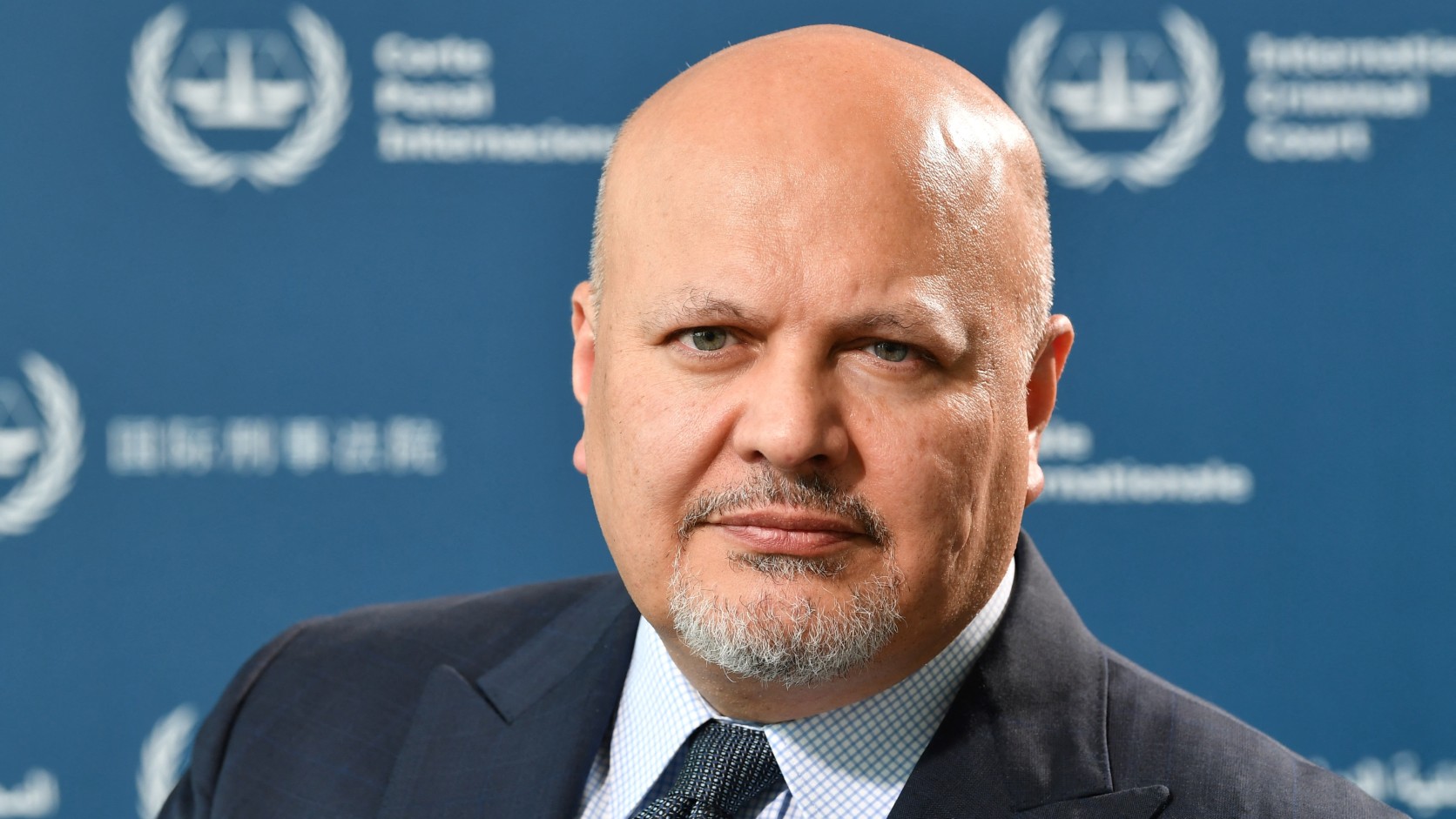
    In a decisive legal ruling, International Criminal Court Chief Prosecutor Karim Khan has been exonerated of all misconduct allegations by a special judicial panel reviewing United Nations investigation findings. Middle East Eye has exclusively obtained details of the confidential report submitted to the ICC’s executive oversight body on March 9th, which concludes the UN Office of Internal Oversight Services’ findings “do not establish any misconduct or breach of duty” by the prosecutor.

    The three-judge panel, appointed by the Assembly of States Parties, conducted a comprehensive three-month review of the 150-page OIOS report and over 5,000 pages of supporting evidence. Applying the criminal law standard of “beyond reasonable doubt,” the judges unanimously determined that the factual findings failed to substantiate allegations of either serious or less serious misconduct against Khan, who has vigorously denied all accusations.

    This development occurs against the backdrop of heightened geopolitical tensions surrounding Khan’s office’s pursuit of war crimes investigations against Israeli officials regarding the Gaza conflict. The prosecutor has faced intense international pressure, including financial and visa sanctions from the Trump administration targeting Khan, his deputies, and several ICC judges. The United Kingdom has additionally threatened defunding and withdrawal from the court over the Israel-Palestine investigation.

    The misconduct allegations initially emerged in May 2024, coinciding with Khan’s preparations to seek arrest warrants for Israeli Prime Minister Benjamin Netanyahu and Defense Minister Yoav Gallant. According to documentation filed by Khan, he was informed of the sexual misconduct claims on May 2, 2024—the same day he planned to announce the warrants—though Israel has alleged the timing suggests procedural rushing rather than misconduct.

    The ICC’s Bureau now faces a 30-day deadline to issue its preliminary assessment, after which Khan will have 30 days to respond before a final determination is made. Meanwhile, the court continues to examine both Israel’s challenge to ICC jurisdiction over Palestine and a separate complaint seeking Khan’s disqualification for alleged lack of impartiality.

  • War on Iran: Who are the Kurds and what does Trump want from them?

    War on Iran: Who are the Kurds and what does Trump want from them?

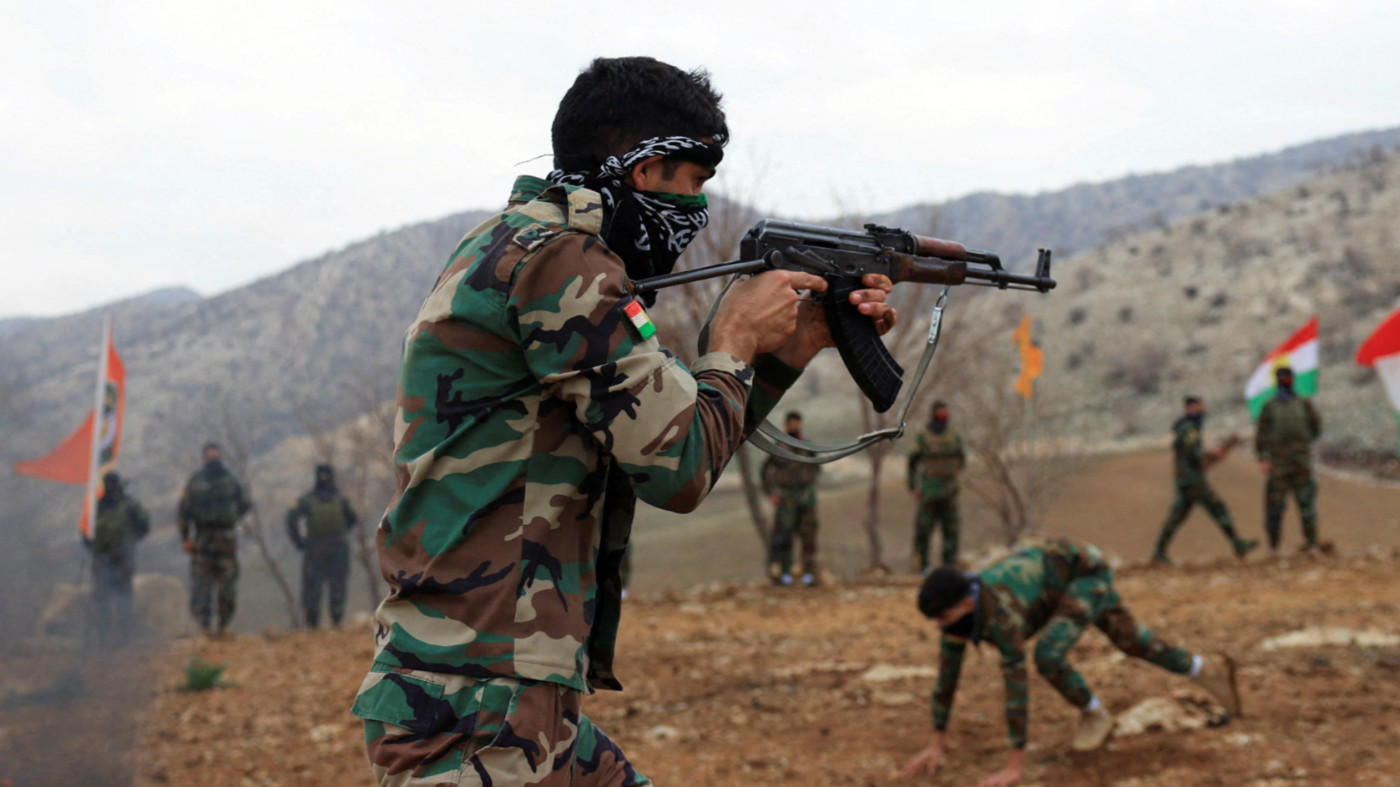
    Amid escalating tensions in the US-Israeli campaign against Iran, President Donald Trump’s administration has sent mixed signals regarding Kurdish involvement in the conflict. Initially encouraging Iranian Kurdish forces to cross from Iraq into Iran on March 5th—calling such action “wonderful”—Trump subsequently reversed his position days later, stating he had “ruled that out” to avoid further complicating the war.

    This diplomatic maneuvering occurs against a backdrop of historical Kurdish mistrust toward US alliances. Many Kurdish factions remember previous betrayals, particularly during the 1991 uprising against Saddam Hussein when US support failed to materialize, leading to devastating consequences. The Kurdish Regional Government (KRG) in Iraq has actively discouraged armed Iranian Kurds from engaging in the conflict, while Tehran has already targeted Kurdish bases in Iraq, prompting US missile defenses to protect Erbil, the regional capital.

    The Kurdish people, numbering 30-40 million across the Middle East, represent the fourth-largest ethnic group in the region. Their historical pursuit of autonomy has been met with persistent resistance from regional governments. In Iran specifically, Kurdish opposition groups recently formed the Coalition of Political Forces of Iranian Kurdistan (CPFIK), advocating for decentralized governance within Iran rather than full independence.

    Regional dynamics further complicate potential Kurdish involvement. The Iraqi government has explicitly warned the KRG against allowing Kurdish groups to be drawn into the conflict, threatening to secure the border if necessary. Iranian military official Ali Akbar Ahmadia warned on March 6th that the Kurdistan Region in Iraq would be “widely targeted” should Kurdish forces cross into Iran, with Tehran withdrawing support previously provided during the ISIS conflict.

    Despite some exiled Kurdish groups expressing openness to intervention, leadership remains cautious. Abdullah Mohtadi of the Iranian Kurdish Komala party stated they would only intervene if the Iranian government was significantly weakened, noting “We will not send our forces to the slaughterhouse.” Qubad Talabani, deputy prime minister of the KRG, unequivocally stated: “Our forces would not get involved under any circumstances. This is not our war, and we’ve made that very clear.”