标签: Asia

亚洲

  • Australia: Boycott calls after art festival pulls Palestinian author in wake of Bondi attack

    Australia: Boycott calls after art festival pulls Palestinian author in wake of Bondi attack

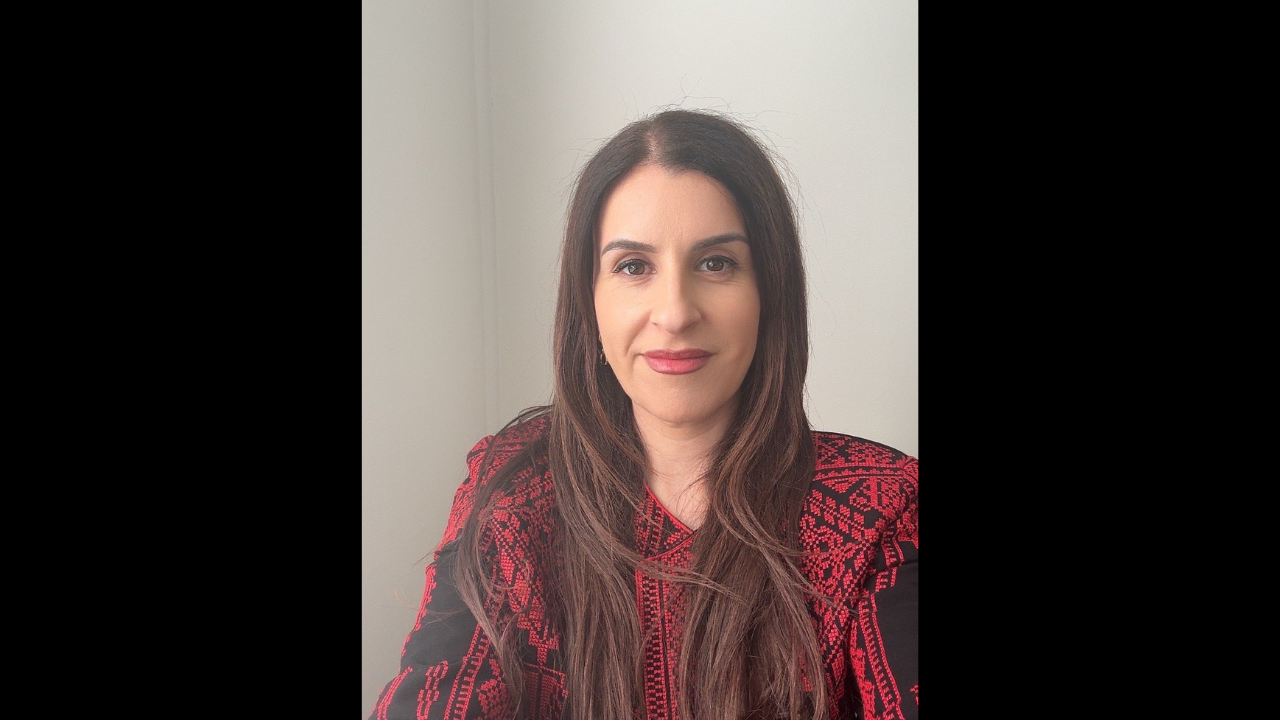
    Australia’s prestigious Adelaide Festival is confronting significant backlash and mounting boycott calls following its controversial decision to cancel Palestinian-Australian author Dr. Randa Abdel-Fattah’s scheduled appearance. The festival board justified its action by citing concerns about “cultural sensitivity” in the aftermath of the Bondi Beach attack that occurred during a Hanukkah celebration in December.

    In an official statement released Thursday, the festival board clarified they “do not suggest in any way that Dr. Randa Abdel-Fattah or her writings have any connection with the tragedy at Bondi,” but referenced “her past statements” as the determining factor. This rationale has sparked widespread condemnation across Australia’s literary and academic communities.

    Dr. Abdel-Fattah, a prominent scholar and award-winning novelist, denounced the decision as “a blatant and shameless act of anti-Palestinian racism” in her response on social media platform X. She rejected any association with the Bondi massacre, stating the board’s reasoning suggests “my mere presence is ‘culturally insensitive’; that I, a Palestinian who had nothing to do with the Bondi atrocity, am somehow a trigger for those in mourning.”

    The cancellation has triggered a domino effect of withdrawals from the festival’s Writers’ Week program. At least eleven authors have officially withdrawn their participation, with prominent writer Jane Caro declaring “authoritarianism is rising” and refusing to participate in what she characterized as the festival’s “censoring [of] ideas it does not like.”

    Poet Evelyn Araluen announced her boycott, asserting that “removing Palestinians from writers’ festivals won’t prevent antisemitism,” while expressing disappointment at “yet another absurd and irrational capitulation to the demands of a genocidal foreign state from the Australian arts sector.”

    The Australia Institute, an independent think tank that was sponsoring festival events, has withdrawn its support, stating that “censoring and cancelling authors is not in the spirit of an open and free exchange of ideas.”

    Social media platforms have erupted with calls for a comprehensive festival boycott, with users praising the withdrawing authors and condemning what many characterize as racist censorship. One user emphasized that “Palestinians had absolutely nothing to do with the Bondi shooting,” while another noted it’s “very disturbing that so many institutions can reproduce vicious assertions without evidence about the link between Palestinian rights campaigns and the Bondi killings.”

    This incident marks the second time Dr. Abdel-Fattah has been at the center of censorship controversies in Australian literary festivals, following a similar incident at the Bendigo Writers’ Festival in 2025 where she was among 50 authors who boycotted over censorship concerns.

    The Adelaide Festival has not responded to media requests for comment regarding the growing backlash and boycott movement.
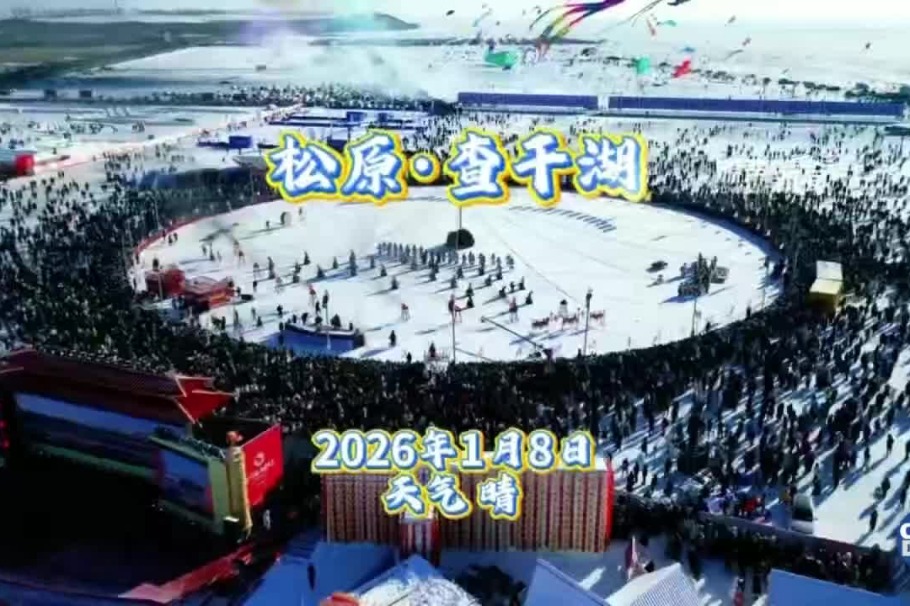

  • Jilin winter fishing festival fetches record auction, visitors

    Jilin winter fishing festival fetches record auction, visitors

    The 24th Chagan Lake Ice and Snow Fishing and Hunting Cultural Tourism Festival commenced in Songyuan, Jilin province, drawing massive crowds to witness the spectacular winter fishing traditions. The event’s opening ceremony witnessed an extraordinary auction where the season’s inaugural catch—a massive 19-kilogram fish—commanded a record-breaking price of 1,699,999 yuan (approximately $243,453). All proceeds from this historic auction were dedicated to the Chagan Lake Ecological Environment Protection Charity Fund, supporting vital conservation efforts for the lake’s water quality and aquatic ecosystems.

    The festival showcased rich cultural performances, including traditional Buddhist dances by local lamas and ceremonial chants by head fishermen paying homage to heaven, earth, and the lake. These rituals, deeply rooted in regional heritage, symbolize prayers for bountiful harvests and safe fishing operations throughout the season.

    Local resident Hao Yingjia expressed profound appreciation for the ceremonies, noting: ‘This ancient tradition powerfully demonstrates humanity’s reverence for nature. It’s both a visual spectacle and cultural treasure that deserves global recognition.’

    The festival will continue through early March, featuring 57 national and provincial events including snow football leagues and ice hockey tournaments. To enhance accessibility, Songyuan city has implemented complimentary direct bus services connecting urban centers to Chagan Lake for both tourists and residents.

  • Saudi Arabia bans poultry, eggs from France, Poland over avian disease outbreaks

    Saudi Arabia bans poultry, eggs from France, Poland over avian disease outbreaks

    Saudi Arabia’s Food and Drug Authority (SFDA) has implemented an immediate temporary prohibition on poultry and table egg imports originating from France and Poland. This decisive action comes in response to confirmed outbreaks of highly pathogenic avian influenza (HPAI) and Newcastle disease (ND) within both European nations. The ban follows official advisories issued by the World Organization for Animal Health (OIE) regarding the escalating health crisis affecting poultry populations.

    The regulatory measure includes specific exemptions for products that have undergone sufficient heat treatment to eliminate pathogenic viruses, provided they meet established health standards. All permitted imports must be accompanied by official health certification from competent authorities in the exporting countries confirming either virus-free status or successful viral eradication.

    Current epidemiological data reveals concerning patterns of HPAI H5N1 transmission across European regions, with France and Poland experiencing particularly severe outbreaks in both domestic poultry and wild bird populations. The European Food Safety Authority (EFSA) has documented 2,896 H5 virus detections across 29 European countries between September and November, primarily affecting wild birds (2,454 cases) with 442 outbreaks in poultry facilities.

    The global H5N1 outbreak, ongoing since 2021, has now expanded to affect over 50 mammalian species, presenting unprecedented challenges for containment strategies. While human infections remain relatively uncommon with 19 confirmed cases across four nations resulting in two fatalities, health authorities maintain vigilant surveillance for potential viral mutations that could enable human-to-human transmission.

    Migratory bird patterns have contributed to an earlier-than-typical outbreak season this year, with significant wild bird mortality observed along migration routes through Germany, France, and Spain. Despite reduced mammalian infections compared to 2022-2023 levels, the persistent circulation of avian influenza viruses continues to threaten global food security and agricultural stability.

  • Emergency crews battle wildfire in Shenzhen

    Emergency crews battle wildfire in Shenzhen

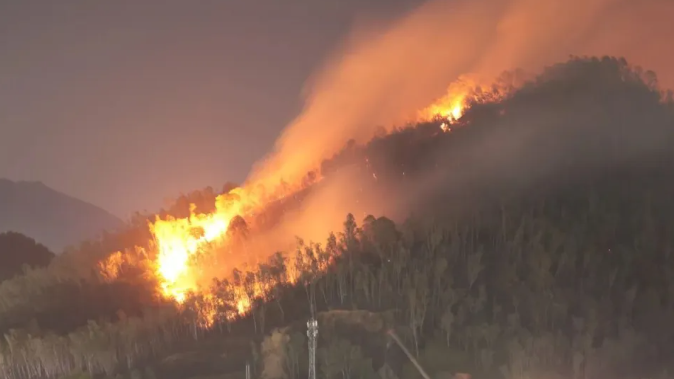
    Emergency response teams in Shenzhen are engaged in intensive firefighting operations against a significant wildfire that ignited in the Shijing area of Pingshan District on Thursday afternoon. According to an initial report from China Central Television, the blaze remained uncontained as of 7:30 pm local time on the day it started.

    The municipal emergency management system has been fully activated, with multiple departments coordinating efforts to combat the spreading flames. The specific cause of the wildfire outbreak and the exact scale of the affected area have not been immediately disclosed by authorities. The response highlights the city’s rapid mobilization capabilities in addressing public safety emergencies.

    This incident occurs amid global concerns regarding climate patterns and wildfire frequency. The emergency operation continues as firefighters work to establish containment lines and prevent the fire from threatening residential zones or critical infrastructure within the district.

  • India plans to scrap curbs on Chinese firms bidding for government contracts, sources say

    India plans to scrap curbs on Chinese firms bidding for government contracts, sources say

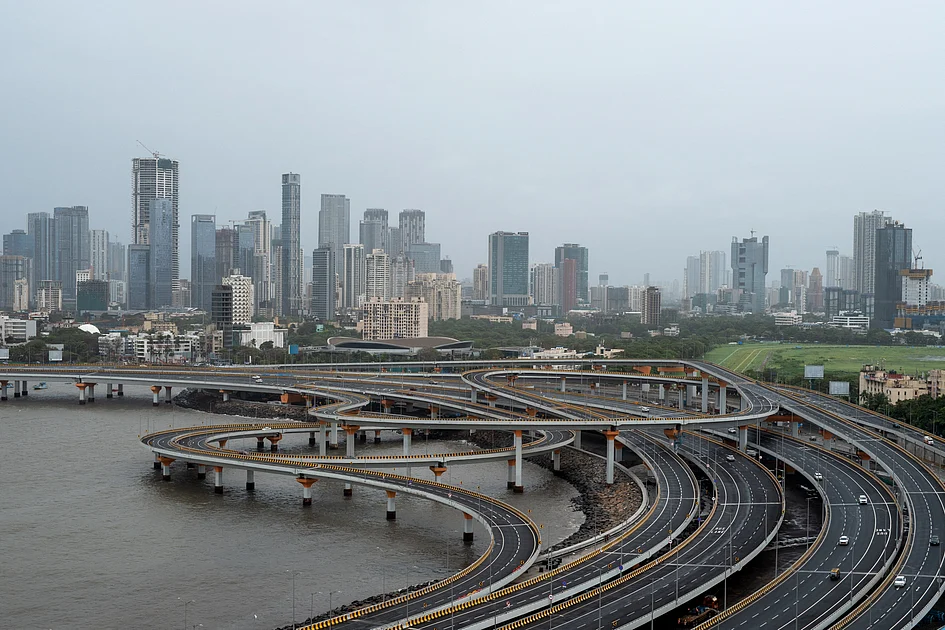
    India’s Finance Ministry is preparing to dismantle significant restrictions that have prevented Chinese companies from bidding on government contracts since 2020, according to sources familiar with the matter. The proposed policy shift signals a substantial warming of commercial relations between the two Asian powers following years of diplomatic tension.

    The restrictions, originally implemented after deadly border clashes between Indian and Chinese troops, mandated that Chinese bidders undergo rigorous registration processes with a specialized government committee and obtain comprehensive political and security clearances. These measures effectively created a substantial barrier to entry, resulting in Chinese firms being excluded from government contracts collectively valued between $700 billion and $750 billion.

    Two government officials, speaking on condition of anonymity, revealed that ministry officials are actively working to eliminate the registration requirements for bidders from nations sharing borders with India. The final decision rests with Prime Minister Narendra Modi’s office, which will evaluate the proposal’s broader implications.

    The 2020 restrictions produced immediate tangible effects. China’s state-owned CRRC Corporation was disqualified from competing for a $216 million train manufacturing contract shortly after the rules were implemented. According to a 2024 Observer Research Foundation report, the value of new projects awarded to Chinese bidders plummeted 27% year-over-year to $1.67 billion in 2021.

    The push for policy revision stems from multiple government departments experiencing significant project delays and equipment shortages directly attributable to the restrictions. Particularly affected is India’s power sector, where import constraints on Chinese equipment have hampered plans to expand thermal power capacity to approximately 307 gigawatts over the coming decade.

    A high-level committee chaired by former Cabinet Secretary Rajiv Gauba has endorsed easing the restrictions, adding weight to the Finance Ministry’s proposal. The diplomatic context surrounding this potential policy shift includes Prime Minister Modi’s first visit to China in seven years, during which both nations committed to enhancing commercial cooperation. This rapprochement occurred against the backdrop of former U.S. President Donald Trump’s imposition of 50% punitive tariffs on Indian goods and warming relations between Washington and Pakistan.

    Despite these positive developments, India maintains a cautious approach, with foreign direct investment restrictions on Chinese companies remaining firmly in place. The United States continues to send ambiguous signals regarding a potential Washington-New Delhi trade agreement, creating geopolitical conditions that experts suggest may facilitate improved India-China relations.

  • Huge anti-government protests in Tehran and other Iranian cities, videos show

    Huge anti-government protests in Tehran and other Iranian cities, videos show

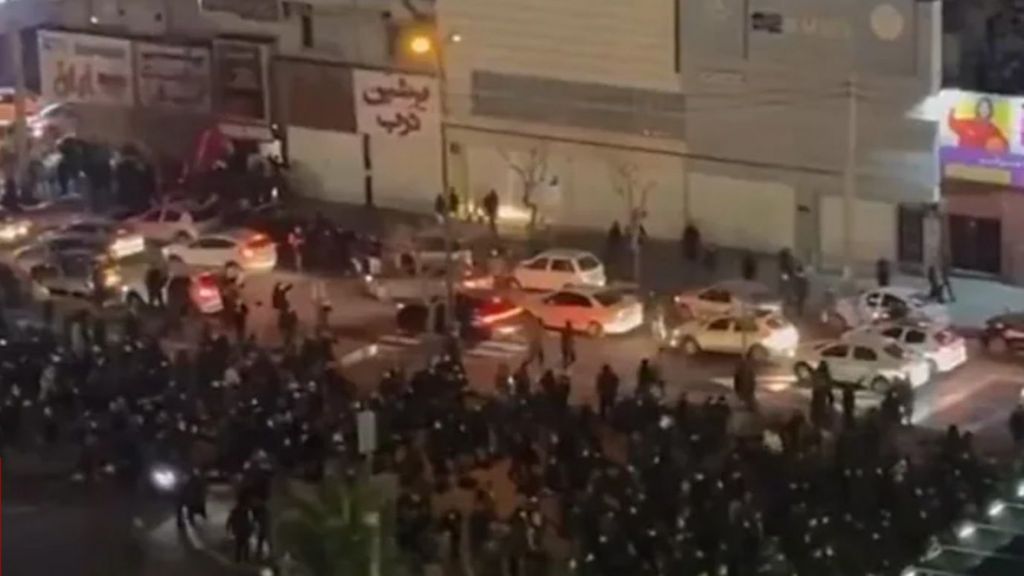
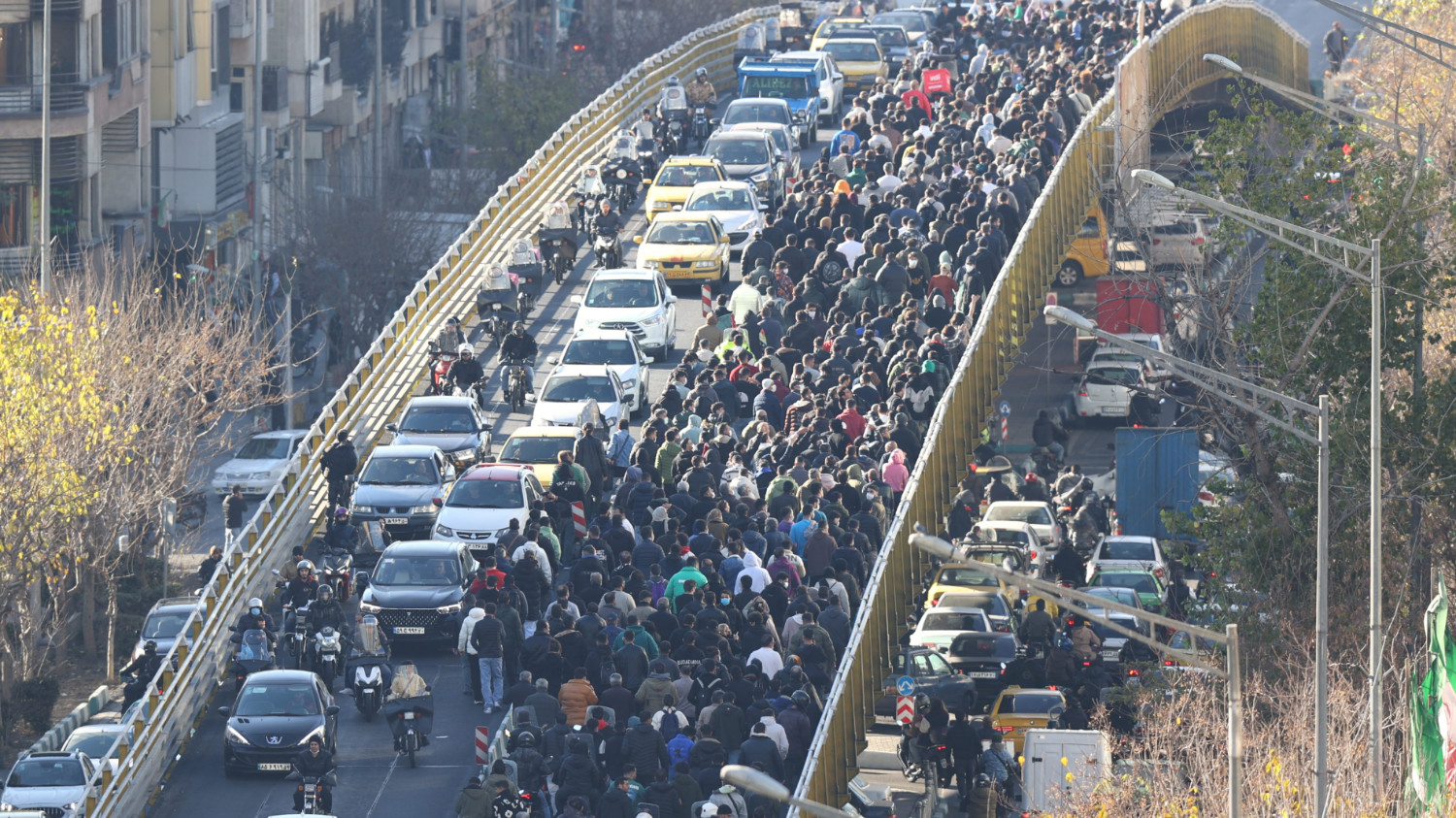
    Tehran has become the epicenter of escalating civil unrest as Iran enters its twelfth consecutive day of widespread demonstrations. Verified footage from multiple sources reveals substantial crowds marching through the capital and other urban centers, marking the most significant challenge to Iran’s clerical leadership in recent years.

    The protests originated on December 28th when merchants took to Tehran’s streets to voice frustration over the Iranian rial’s catastrophic devaluation. The currency has plummeted to unprecedented lows against the US dollar, with parallel inflation rates surging to approximately 40%. This economic collapse stems from international sanctions targeting Iran’s nuclear program, compounded by systemic government mismanagement and corruption.

    What began as economic demonstrations has rapidly evolved into broader political dissent. University students have joined the movement, with protests now confirmed across 140 municipalities spanning all 31 Iranian provinces. In Mashhad, Iran’s second-largest city, protesters openly demanded the removal of Supreme Leader Ayatollah Ali Khamenei and advocated for the return of Reza Pahlavi, exiled son of the former Shah.

    The human cost continues to mount amid conflicting casualty reports. The US-based Human Rights Activist News Agency documents at least 34 protester fatalities and seven security personnel deaths, alongside 2,270 arrests. Norway-based Iran Human Rights presents higher figures, claiming at least 45 protesters including eight children have been killed by security forces. BBC Persian has independently verified 21 fatalities, while Iranian authorities acknowledge five security personnel deaths.

    Notably, security forces have permitted some peaceful rallies to continue without intervention, though Wednesday witnessed violent clashes in multiple urban centers. The persistence of demonstrations across nearly two weeks suggests deepening societal fractures and represents the most sustained challenge to Iran’s establishment in years.

  • Yemen: STC control evaporates in Aden as its would-be capital switches sides

    Yemen: STC control evaporates in Aden as its would-be capital switches sides

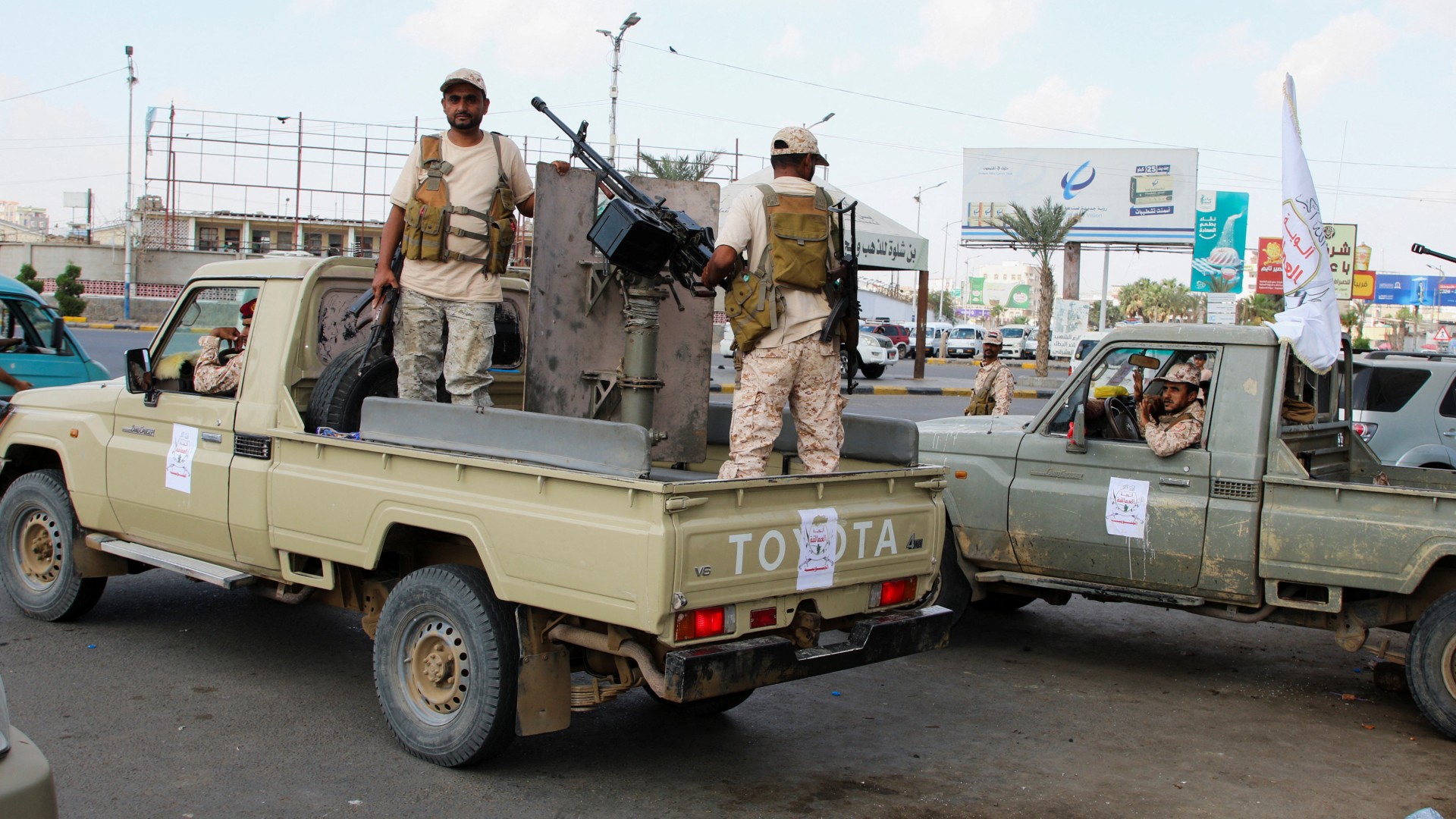
    Aden has witnessed a dramatic political transformation as Yemen’s national flag now flies over government buildings for the first time in years, replacing the separatist banner of the Southern Transitional Council (STC). The blue triangle and red star flag representing the former South Yemen has been removed from public display following a swift military reversal that saw STC fighters replaced by Salafist Giants Forces pledging allegiance to the Saudi-backed Presidential Leadership Council (PLC).

    The strategic port city, which had served as the envisioned capital for the STC’s proposed independent state of South Arabia, has experienced a remarkable shift in territorial control. Saudi-backed Homeland Shield Forces (HSF), operating with air support from Riyadh, have rapidly reversed the stunning gains the separatists made last month in Hadhramaut and al-Mahrah provinces.

    STC leader Aidarous al-Zubaidi faces accusations from Saudi authorities of having fled to the United Arab Emirates via Somaliland. Meanwhile, residents of Aden report a sense of relief and normalization after years of conflict. Local shopkeeper Saif al-Maqtari expressed cautious optimism, stating: “I’m happy this morning, not necessarily because of the new forces, but because I see Aden is safe and life is normal.”

    The transition has been facilitated by significant defections from within the STC ranks, with many soldiers now patrolling the city under the command of Abu Zaraa al-Mahrami—a PLC member and Zubaidi’s former deputy. This change in military alignment occurred despite the STC’s substantial popular support in al-Dhale governorate, Zubaidi’s hometown, which remains the last stronghold for loyalists.

    The recent escalation began on January 2nd when Saudi air strikes targeted STC positions across southern and eastern Yemen, accompanied by ground offensives from HSF fighters. The conflict has resulted in numerous casualties over the past week, with Saudi-backed forces entering Aden governorate on Wednesday.

    Political undercurrents continue to influence the situation, as some residents expressed dissatisfaction with the STC’s governance approach. Alaa, an accountant from Aden, described feelings of regional marginalization: “I felt neglected by the STC. They appointed management from al-Dhale governorate in almost all public institutions.”

    The political dimension expanded earlier this month when Saudi Arabia invited southern separatists to a “southern forum” in Riyadh. While the STC initially agreed to participate, Zubaidi ultimately sent a delegation of over 50 members instead of attending personally. This delegation has reportedly been out of contact since arriving in the Saudi capital, with senior STC official Amr al-Bidh suggesting their phones were confiscated.

    Despite the apparent setback, some STC supporters maintain their allegiance, with one anonymous source praising Zubaidi’s “refusal to surrender to Saudi pressure” and insisting the leader remains in Yemen preparing for his eventual return to prominence.

  • Pakistanis in UAE, GCC allowed to import used cars under new rules

    Pakistanis in UAE, GCC allowed to import used cars under new rules

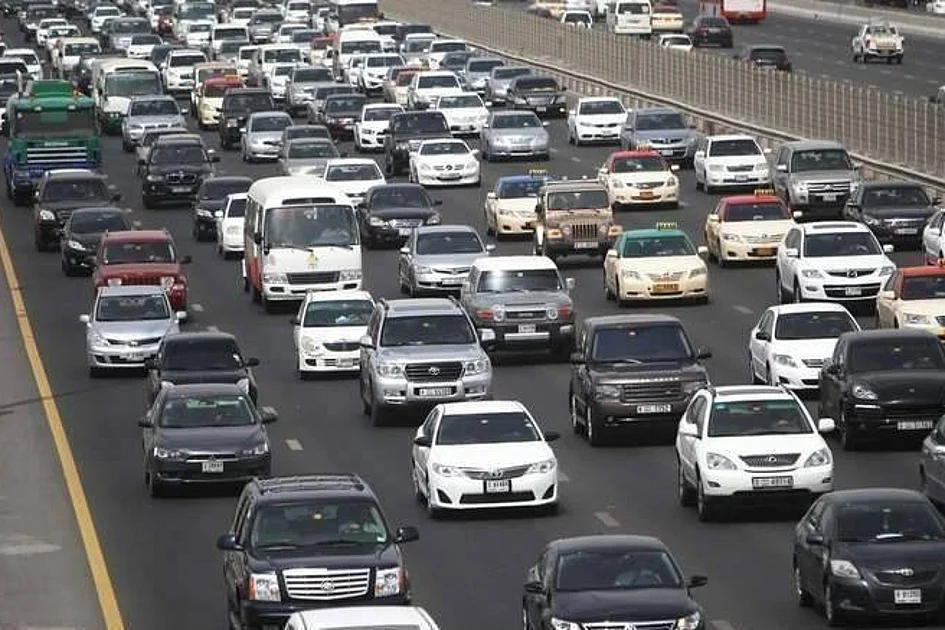
    In a significant policy shift, Pakistan has officially authorized its overseas citizens residing in the UAE, GCC nations, and other countries to import used vehicles under revised regulatory frameworks. The federal cabinet has ratified a decision from the Economic Coordination Committee, dated December 9, 2025, which specifically permits the import of cars up to three years old. This provision is exclusively available through two channels: the Gift Scheme and the Transfer of Residence Scheme.

    The Federal Board of Revenue (FBR) has issued clarifications, stating that eligibility is restricted to non-resident Pakistanis utilizing these specific schemes. A notable condition mandates that any imported vehicle cannot be sold or transferred to a new owner for a minimum period of one year after importation. Conversely, the government has explicitly excluded the Personal Baggage scheme from this new allowance, maintaining previous restrictions on that category.

    This legislative amendment addresses long-standing requests from the vast Pakistani diaspora, which includes over 1.7 million individuals in the UAE and more than 5.5 million across GCC member states. The global community of overseas Pakistanis exceeds nine million. Many families seeking to repatriate after extended periods abroad have expressed a desire to bring personal assets, including vehicles, with them. The policy revision aims to facilitate their return while mitigating concerns among some officials about potential misuse of such import facilities, which had previously led to calls for the program’s discontinuation.

  • Nigel Farage met senior UAE officials to discuss Muslim Brotherhood on funded trip

    Nigel Farage met senior UAE officials to discuss Muslim Brotherhood on funded trip

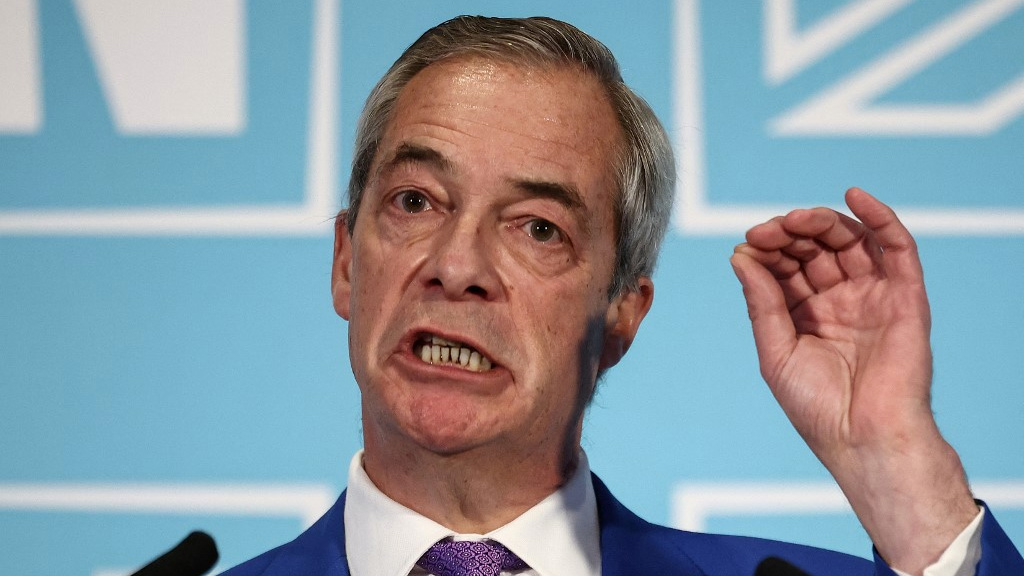
    Reform UK leader Nigel Farage accepted a fully-funded trip to Abu Dhabi in early December, with expenses covered by the United Arab Emirates government. The visit, valued at approximately £1,000 and documented in the parliamentary register of interests, included accommodation and premium access to a Formula 1 event. During his two-day stay, Farage engaged in high-level discussions with senior Emirati officials.

    The Financial Times revealed that the UAE’s outreach to Reform UK stemmed from mutual opposition to the Muslim Brotherhood. This alignment was publicly demonstrated at Reform’s September conference, where Farage pledged to proscribe the organization as a terrorist entity if elected, criticizing both Conservative and Labour parties for their perceived inaction.

    Founded in Cairo in 1928, the Muslim Brotherhood represents one of the world’s most prominent political Islam groups. While it maintains a commitment to peaceful political participation, numerous Middle Eastern autocratic regimes, including Egypt, Saudi Arabia, Bahrain, and the UAE, have banned the organization due to its electoral successes in limited democratic processes within the region.

    The relationship has drawn criticism from academic experts. Dr. Andreas Krieg of King’s College London characterized Farage as a ‘useful idiot’ for the UAE’s political influence operations in Europe, noting Abu Dhabi’s emergence as a hub for far-right European politicians.

    This development occurs alongside the UAE’s January 2025 designation of eight British organizations as terrorist groups over alleged Muslim Brotherhood connections—none of which have violated UK laws. Reform MP Richard Tice subsequently pressured the Labour government to take action against these groups.

    The controversy extends to Farage’s recent appointments, including senior advisor James Orr, who faced racism allegations in 2023 for comments about Arab immigration, and Matthew Goodwin, accused of promoting racist views regarding immigrant assimilation. The party also appointed Alan Mendoza of the Henry Jackson Society, a neoconservative think tank with internal criticism regarding its racial stance.

    Farage’s historical comments about British Muslims have further complicated the narrative. In a Sky News interview, he explicitly linked his concerns about un-British values to Muslim communities, drawing criticism from advocacy groups like the Council for the Advancement of Arab-British Understanding, which highlighted his ‘entrenched aversion to Muslims generally.’

  • Rising prices, rising anger: Inside Iran’s new wave of economic unrest

    Rising prices, rising anger: Inside Iran’s new wave of economic unrest

    A severe economic crisis has triggered significant civil unrest across Iran, with protests spreading to dozens of cities in the most substantial challenge to the Islamic Republic since the 2022-23 Women, Life, Freedom movement. The demonstrations originated from public fury over hyperinflation and the rial’s historic depreciation but have rapidly evolved into broader expressions of political dissent.

    Iranians from diverse backgrounds report an increasingly unmanageable economic reality where basic commodity prices fluctuate dramatically within days. “In just a few days, prices have multiplied. How can it be this disastrous?” questioned Mani, a 27-year-old demonstrator from Mashhad. This sentiment echoes throughout the country as routine purchases become financial uncertainties, with one Tehran resident reporting sunflower oil prices more than doubling within 72 hours.

    Government response has been characterized by suppression and attribution of blame to external forces. Security forces have employed firearms and teargas against protesters, resulting in violent clashes. Rights organizations estimate between 25-38 fatalities, including minors, with thousands detained. Iranian authorities acknowledge two security force casualties and numerous injuries.

    The political establishment has framed the unrest as foreign-instigated violence. Supreme Leader Ayatollah Ali Khamenei declared that “rioters must be put back in their place,” while Judiciary Chief Gholamhossein Mohseni Ejei accused external forces of exploiting economic grievances, specifically referencing statements from Israel and the United States.

    Protesters uniformly reject these allegations. “Every time we get tired of this situation and come out to the streets, we are suddenly called Israelis or CIA agents,” Mani countered. For many, official warnings have reinforced rather than deterred dissent. “Our lives and our youth have been wasted under the Islamic Republic. Now they threaten us. What do we really have left to lose?” expressed Mehdi, a 31-year-old from Isfahan province.

    The protests have revealed emerging political divisions regarding Iran’s future. Supporters of Reza Pahlavi, the exiled son of Iran’s last shah, have become visible at demonstrations, while others express wariness about replacing religious rule with monarchy. Despite these differences, most protesters currently prioritize immediate economic survival and opposition to the current system over specific political alternatives.

    Political observers note that while these demonstrations are generally smaller than the 2022 uprising, their geographic scope and intensity raise concerns within the establishment. The government has historically combined limited concessions with repression to weather protest waves, but some analysts warn that these scattered protests across multiple cities might coalesce into a more substantial movement capable of systemic challenge.