标签: Asia

亚洲

  • Xi on Party self-governance and anti-graft

    Xi on Party self-governance and anti-graft

    China Daily Information Co (CDIC) has established stringent copyright protection protocols governing all content published across its digital platforms. The comprehensive policy explicitly prohibits unauthorized republication or utilization of any materials—including text, photographs, and multimedia information—without obtaining prior written consent from CDIC.

    The company specifies technical requirements for optimal user experience, recommending display resolutions of 1024*768 or higher for accessing its digital properties. CDIC maintains multiple official licensing credentials, including Publishing Multimedia Online License 0108263 and Registration Number 130349, underscoring its formal operational status.

    Beyond content protection measures, the organization provides clear channels for external engagement through dedicated sections for advertising inquiries, general communications, and employment opportunities—including specific provisions for expatriate recruitment. The policy framework also encourages audience connection through official social media channels, facilitating ongoing dialogue with its readership base.

  • Inter-Korean relations will not change: senior DPRK official

    Inter-Korean relations will not change: senior DPRK official

    In a definitive statement from Pyongyang, senior North Korean official Kim Yo-jong has emphatically declared that inter-Korean relations will remain unchanged, dashing hopes for diplomatic thaw between the two nations. The announcement, reported by the official Korean Central News Agency (KCNA), comes as a direct rebuttal to South Korea’s Ministry of Unification which had previously suggested potential openings for communication and detente.

    Kim, who serves as vice department director of the Central Committee of the Workers’ Party of Korea, characterized Seoul’s aspirations for improved relations as “hope-filled wild dreams” that would never materialize. The high-ranking official accused South Korea of committing “grave provocation by infringing upon the sovereignty of the DPRK” through repeated drone incursions into North Korean airspace.

    The diplomatic confrontation centers on allegations that South Korea dispatched surveillance drones over Pyongyang in October 2024 and again at the beginning of the new year. Kim demanded that Seoul authorities “admit and apologize” for these violations and implement measures to prevent recurrence, positioning these actions as prerequisites for any potential dialogue.

    This hardening position represents a significant setback for inter-Korean diplomacy, which had shown tentative signs of possible engagement following Kim’s earlier statement that left room for interpretation regarding communication channels. The latest remarks eliminate any ambiguity about North Korea’s current stance, indicating a return to confrontational rhetoric and emphasizing sovereignty violations as a non-negotiable barrier to relations.

  • US slaps tariffs on Iran partners

    US slaps tariffs on Iran partners

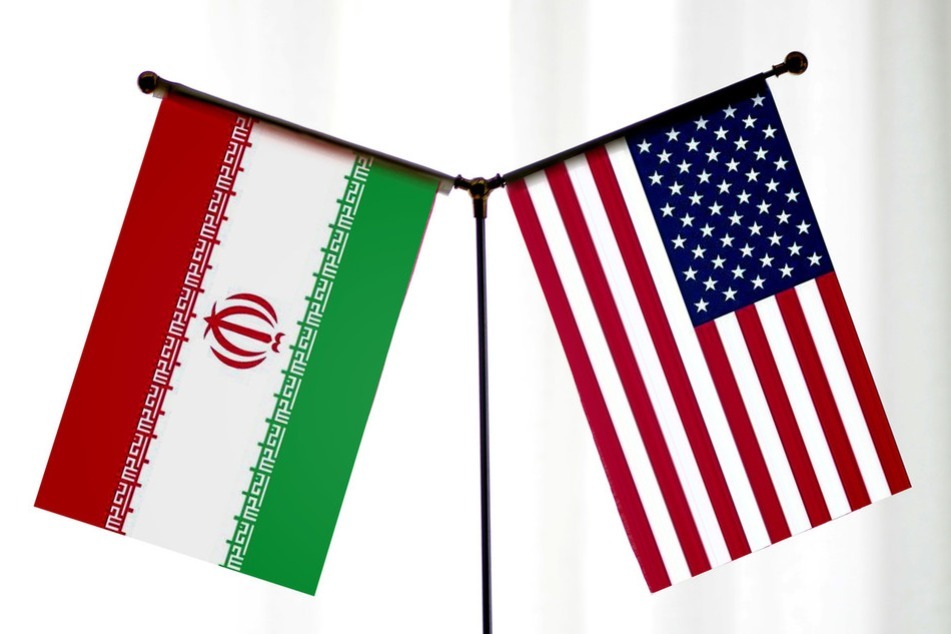
    The United States has dramatically escalated geopolitical tensions by imposing severe economic measures against nations conducting business with Iran. President Donald Trump announced via social media the immediate implementation of a 25 percent tariff on all trade between the US and any country engaging commercially with Iran, coupled with explicit warnings of potential military action.

    This aggressive economic maneuver triggered immediate market reactions, with oil prices climbing significantly due to concerns over disruptions to Iran’s substantial contribution to global oil production. The announcement represents the latest development in an increasingly volatile standoff between Washington and Tehran.

    Iran responded with defiant rhetoric, with Foreign Minister Abbas Araghchi stating the nation maintains “large and extensive military preparedness” and stands ready for conflict if Washington chooses to “test” military options. Despite this posture, Araghchi indicated communication channels remain open while questioning America’s readiness for “fair and just negotiations.”

    China, a significant trading partner with Iran, swiftly condemned the US measures. Foreign Ministry spokeswoman Mao Ning articulated Beijing’s position, emphasizing that “there are no winners in a tariff war” while vowing to “take all necessary measures to safeguard its legitimate rights and interests.” Mao further expressed China’s opposition to interference in internal affairs and use of force in international relations.

    The Pentagon has reportedly presented President Trump with an expanded range of military options against Iran, including potential strikes on nuclear facilities and ballistic missile sites, though narrower options such as cyberattacks are considered more likely according to officials familiar with the planning.

    Meanwhile, the US virtual embassy in Iran urged American citizens to depart immediately via land routes to Armenia or Türkiye, reflecting growing concerns about potential conflict. Domestic unrest in Iran continues as well, with both anti-government protests and massive pro-government demonstrations filling Tehran’s streets, each side blaming external actors for the country’s instability.

  • At least 28 killed after crane collapses on train in Thailand

    At least 28 killed after crane collapses on train in Thailand

    A catastrophic construction accident in north-eastern Thailand has resulted in significant casualties after a massive crane collapsed onto a moving passenger train. The incident, which occurred at approximately 09:00 local time (02:00 GMT), claimed 28 lives and left 64 people injured, including eight in critical condition. Among the wounded were passengers ranging from a one-year-old infant to an 85-year-old elderly person.

    The train, traveling from Bangkok to Ubon Ratchathani province with 195 passengers onboard, was struck by the falling crane from an elevated railway construction project. The impact derailed the train and crushed multiple carriages, with one carriage catching fire immediately after the collision. Emergency responders worked tirelessly to evacuate all passengers from the mangled wreckage, transporting the injured to regional hospitals for treatment.

    The construction crane was part of a China-backed infrastructure initiative to connect Bangkok with neighboring Laos through a new railway system. This project parallels the existing Chinese-built high-speed line that already operates between Laos and south-western China.

    Thai Prime Minister Anutin Charnvirakul has demanded accountability for the tragedy, stating that ‘accidents like this can only happen due to negligence, skipped steps, deviations from the design, or the use of incorrect materials.’ The government has launched a formal investigation into the incident, which represents the latest in a series of fatal accidents attributed to safety lapses in Thailand’s construction industry. Survivor Thirasak Wongsoongnern, a train staff member, described being thrown into the air along with other passengers upon impact.

    This tragedy highlights ongoing concerns about construction safety standards in Thailand, where weak enforcement of regulations has previously led to similar deadly incidents.

  • New strategy to fight cancer developed

    New strategy to fight cancer developed

    A groundbreaking cancer treatment approach that forces malignant cells to reveal themselves to the body’s immune defenses has been developed by Chinese researchers, potentially overcoming the protective mechanisms that enable cancers to proliferate undetected. The innovative strategy, conceptualized as an ‘intratumoral vaccine,’ represents a significant advancement in immuno-oncology research.

    The pioneering work emerged from a collaborative effort between Shenzhen Bay Laboratory and Peking University, spearheaded by principal investigators Chen Peng, Zhang Heng, and Xi Jianzhong. Their research, documented in the January 7 edition of Nature, outlines a sophisticated methodology that simultaneously dismantles cancer cells’ defensive barriers and marks them for immune recognition.

    This novel approach addresses a critical limitation of existing immunotherapies. While current immune checkpoint blockade treatments attempt to release the biological brakes that restrain T-cells—the immune system’s specialized combat units—they frequently prove ineffective because cancers remain exceptionally adept at evasion. Clinical data indicates more than 60% of non-small cell lung cancer patients and over 70% of melanoma patients in China show minimal response to conventional checkpoint inhibitors.

    The newly developed technique leverages the GlueTAC platform, originally established by Chen Peng’s team in 2021 as a generalized system for membrane target elimination. The centerpiece of this breakthrough is the iVAC molecule, which executes two coordinated functions: degrading the PD-L1 protein that cancers employ as an immunological shield, while concurrently delivering viral-antigen markers to tumor cell surfaces.

    This dual-action mechanism essentially tricks the immune system into perceiving cancer cells as virus-infected entities, thereby activating dormant T-cells that already possess viral combat capabilities. The resultant immune response triggers a targeted assault on the identified tumor cells.

    Experimental validation using both animal models and patient-derived organoids—miniature lab-grown human cancer replicas—has demonstrated promising efficacy across multiple cancer types, including colorectal, gastric, and hepatic malignancies. Research teams are currently advancing preparatory work for translational drug development.

    Despite the encouraging results, researchers acknowledge the substantial journey ahead before clinical application. Zhang Heng estimates a three-to-five-year timeline before human trials might commence, noting the considerable financial investment required and inherent uncertainties of medical research. The team maintains an openly collaborative stance, hoping to accelerate development and ultimately benefit cancer patients worldwide.

  • Trump’s Iran tariff threat risks reigniting US-China trade war

    Trump’s Iran tariff threat risks reigniting US-China trade war

    Former President Donald Trump’s proposal to impose 25% tariffs on nations trading with Iran has triggered concerns about renewed economic confrontation between the United States and China. This policy initiative, while ostensibly targeting Tehran, directly challenges Beijing as China remains Iran’s largest trading partner.

    The emerging situation threatens to undermine the fragile diplomatic truce established between the two economic superpowers in late 2023. That interim understanding had temporarily halted years of escalating tariffs, export controls, and retaliatory measures, providing businesses with cautious optimism about stabilizing trade relations.

    Analysts suggest that a 25% tariff represents more than a technical adjustment—it signals a fundamental shift toward using trade policy as an instrument of confrontation rather than negotiation. Market observers recognize the pattern that typically follows such moves: initial warnings hardening into retaliation, ultimately reshaping the entire economic relationship landscape.

    Agricultural sectors would face immediate impact, with American soybean exports to China particularly vulnerable. Previous trade conflicts demonstrated how quickly market access evaporates when politics infiltrates supply chains. However, the implications extend far beyond agriculture, affecting technology, energy, manufacturing, and logistics—all industries dependent on predictable trade flows and stable policy frameworks.

    The maximum pressure strategy behind the tariff threat creates impossible choices for companies forced to balance commercial survival against compliance with shifting political demands. Such conditions discourage long-term investment, accelerate supply chain fragmentation, and weaken global growth foundations.

    Energy markets already reflect mounting tension, as Iran’s role in global oil supply amplifies every policy signal. Layering tariff threats atop existing sanctions raises risk premiums across commodities, potentially driving higher energy costs that filter into inflation and tighten financial conditions worldwide.

    Diplomacy historically provided buffers against such cycles, with trade agreements creating off-ramps and negotiations allowing cooling periods before disputes hardened into prolonged standoffs. Recent signals suggest movement in the opposite direction, with tariffs transitioning from bargaining chips to default responses.

    Both nations face difficult calculations: China must balance resisting external pressure against avoiding domestic perceptions of weakness, while Washington weighs appearing indecisive against reopening trade conflicts that previously inflicted deep damage on global growth.

    Investors recognize familiar patterns in these developments, recalling how earlier tariff escalation cycles began with measures framed as limited before yielding to retaliation rounds that raised barriers and deepened mistrust. The outcomes consistently delivered higher prices, fractured supply chains, and lasting erosion of confidence between major economies.

    Asia stands particularly exposed, with regional supply chains threading through Chinese factories, Southeast Asian ports, and energy corridors dependent on stable global trade rules. Any renewed confrontation sends immediate shockwaves through regional growth, currencies, and capital flows, with consequences extending far beyond the two primary nations involved.

    Political leaders often underestimate how rapidly confidence evaporates under such conditions. Markets move faster than diplomacy, and companies freeze investment plans long before negotiations resume, tightening financial conditions ahead of formal policy changes.

    The world learned painful lessons from earlier tariff escalation cycles. Those lessons now face a fresh decisive test as trade policy increasingly generates instability rather than leverage, potentially reopening wounds that global commerce spent years trying to heal.

  • Fudan’s AI guidelines aid both students, teachers

    Fudan’s AI guidelines aid both students, teachers

    Fudan University has unveiled comprehensive guidelines for generative artificial intelligence implementation in educational settings, marking a significant shift in pedagogical approaches for both faculty and students. The framework redefines educators’ roles from traditional knowledge transmitters to dynamic learning architects and intelligent mentors, while students are encouraged to evolve into collaborative decision-makers working synergistically with AI systems.

    The guidelines empower instructors to leverage AI for creating immersive teaching scenarios, designing progressive problem gradients, generating customized exercises, and enriching classroom examples. This technological integration enables professors to dedicate more attention to facilitating discussions, guiding cognitive processes, and delivering personalized feedback—a strategic adaptation to the rapidly evolving digital landscape.

    For the student population, AI serves as an autonomous learning companion that handles routine cognitive tasks including information retrieval and format organization. This delegation allows learners to concentrate on developing higher-order capabilities such as critical analysis, complex problem-solving, and enhanced emotional intelligence.

    The comprehensive document addresses multiple educational dimensions including classroom innovation, learning methodologies, evaluation systems, administrative management, faculty development, and scientific research. These standards represent China’s latest effort to establish ethical boundaries for generative AI in academic environments, with particular emphasis on academic integrity, usage transparency, and stakeholder accountability.

    This initiative follows similar movements within China’s academic community. In June 2024, East China Normal University and Beijing Normal University jointly released AI usage guidelines limiting AI-generated content to 20% of assignments with mandatory disclosure. Three months later, Tsinghua University established protocols requiring AI use disclosure in thesis work while prohibiting academic misconduct and sensitive data training.

    Fudan University had previously implemented AI regulations for undergraduate theses in late 2024, and the new guidelines reinforce that AI cannot replace fundamental academic activities including topic selection, ethical framework construction, data interpretation, or conclusion formulation.

    According to Lin Wei, Dean of Fudan’s Academic Affairs Office, “The central challenge for universities isn’t whether to adopt generative AI, but how to maintain educational essence amid rapidly expanding technological capabilities.” This perspective aligns with China’s first national guidelines for AI in education issued by the Ministry of Education in November, emphasizing teachers’ primary role supported by AI assistance.

    The guidelines provide specific implementation strategies: teaching teams may use AI to optimize course modules, learning tasks, and activity flows, creating cohesive learning cycles from lecture to reflection. General education courses can employ AI to generate interdisciplinary cases enhancing real-world relevance, while specialized courses benefit from AI’s ability to track field advancements and update materials. Practical courses leverage AI for designing programming environments, virtual simulations, and providing real-time operational feedback.

    Early implementations show promising results. Associate Professor Zhang Hao redesigned semiconductor device physics curriculum using AI methodologies, receiving enthusiastic student response. Professor Wang Yanjin from the School of Stomatology developed AI virtual patients with diverse personalities, allowing students to simulate clinical interactions and deepen pathological understanding through enhanced engagement.

  • City league to vitalize soccer in Northeast

    City league to vitalize soccer in Northeast

    Northeast China is poised to launch an innovative football league system that represents a groundbreaking approach to sports development and regional cooperation. The Northeast Football City League, colloquially known as ‘Dongbeichao,’ will commence on May 23rd with eight city-based teams representing major urban centers across three provinces and one autonomous region.

    The league emerges as a strategic initiative jointly organized by the sports bureaus of Liaoning, Jilin, Heilongjiang provinces and the Inner Mongolia autonomous region. This timing intentionally coincides with the region’s peak tourism season, creating a synergistic relationship between athletic competition and cultural tourism. The format represents China’s first cross-provincial mass sports event, establishing a new model for regional sports cooperation.

    Participating cities include Shenyang and Dalian from Liaoning, Changchun and Yanbian from Jilin, Harbin and Jixi from Heilongjiang, alongside Hohhot and Tongliao representing Inner Mongolia. Each team must deeply embody its city’s identity through home ground operations and community connections, fostering local pride and civic engagement among residents.

    The league structure features a single round-robin format with a regular season running from May 23 to August 15, followed by knockout stages from September 5 to October 1. Matches will primarily occur on weekends with a maximum of one round per week to maintain competitive intensity and spectator interest.

    Notably strict eligibility criteria require all players to be Chinese male citizens aged 16-40 who meet at least one condition of household registration, academic enrollment, local residence, or social security in their representative city. The rules explicitly prohibit current or previously registered players from professional clubs in the Chinese Super League, China League One, and China League Two, ensuring the platform remains dedicated to amateur enthusiasts and non-professional athletes.

    Infrastructure requirements mandate each team to maintain a fixed stadium featuring either natural grass or artificial turf, complete lighting systems for night games and television broadcasts, and a minimum spectator capacity of approximately 20,000. The simultaneous opening ceremonies across four regional capital cities—Shenyang, Changchun, Harbin, and Hohhot—will create unprecedented promotional synergy and rapidly generate audience enthusiasm.

    This initiative aligns with the State Council’s August policy directives promoting high-quality development in the sports industry, which aims to cultivate world-class sports events and achieve a sector valuation exceeding 7 trillion yuan by 2030. The Northeast region brings particular advantages to this endeavor, including extensive grassroots soccer participation, well-established youth training systems, and a deeply embedded fan culture that promises strong community support.

  • China to launch top-tier international science journal

    China to launch top-tier international science journal

    China is poised to make a significant entry into the global academic publishing arena with the inaugural launch of Vita, a premier international journal dedicated to life sciences and biomedicine. Spearheaded by Westlake University in collaboration with Higher Education Press and the Life Science Open Alliance, this groundbreaking publication is scheduled for its digital debut in early 2026, followed by print issuance in June.

    The journal’s nomenclature, derived from the Latin term for ‘life,’ embodies both its disciplinary focus and commitment to fostering borderless academic collaboration. According to Editor-in-Chief Li Dangsheng, the name reflects the publication’s vision of inclusive scientific discourse that transcends geographical boundaries.

    Extensive preparatory measures are currently underway, including the establishment of an international serial number and formation of an expert advisory committee comprising nearly 100 distinguished scientists from across the globe. The inaugural edition, featuring original research articles currently undergoing final review, represents China’s strategic response to address the disparity between its rapidly advancing research capabilities in life sciences and the development of high-quality domestic publishing platforms.

    Shi Yigong, President of Westlake University, emphasized the critical necessity for China to establish internationally recognized scientific publications that match its growing research prominence. ‘The creation of a world-class scientific journal led by China is not merely necessary but urgently required to complement our nation’s scientific advancement,’ Shi stated.

    The publication will maintain rigorous academic standards through a dedicated professional editorial team, ensuring both the innovativeness and credibility of published research. This initiative marks a significant milestone in China’s broader efforts to enhance its influence within global scientific communities and establish leadership in academic publishing.

  • Military push tests postwar pacifist stance

    Military push tests postwar pacifist stance

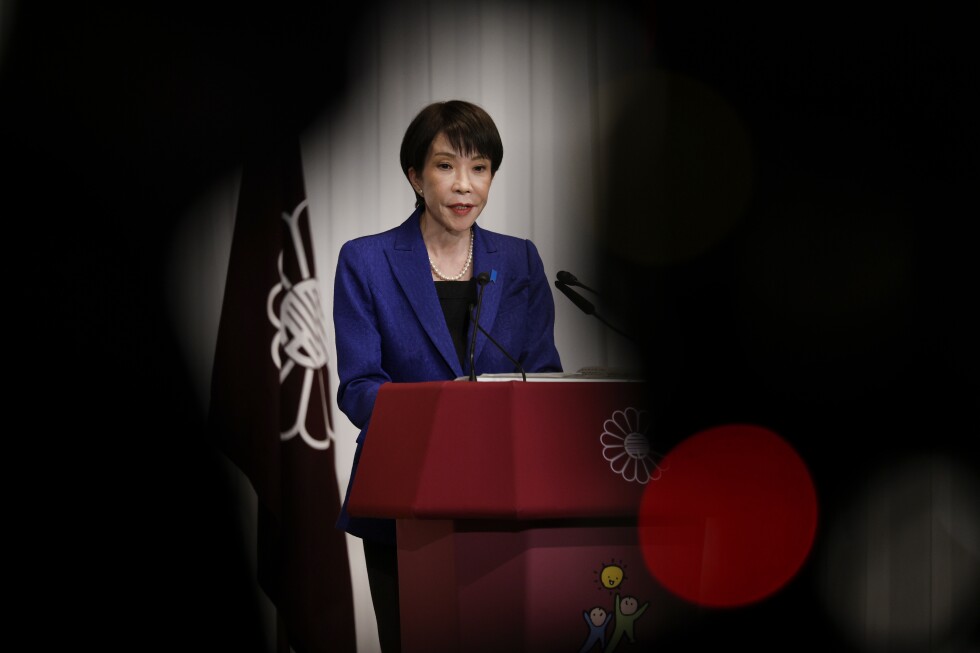
    Japan’s postwar pacifist identity, meticulously crafted over eight decades, faces unprecedented challenges under Prime Minister Sanae Takaichi’s administration. Since assuming office in October 2025, the government has initiated a comprehensive military transformation that experts warn fundamentally contradicts constitutional principles of exclusively defense-oriented posture.

    The acceleration began with November’s supplementary budget approval for fiscal 2025, catapulting defense spending to approximately 11 trillion yen ($70 billion). This achievement marks a significant milestone—reaching the NATO-inspired 2% of GDP defense expenditure target two years ahead of schedule. According to Shimbun Akahata calculations, this translates to an annual defense burden exceeding 90,000 yen ($570) per citizen.

    Prime Minister Takaichi’s autumn policy speech outlined ambitious security revisions scheduled for 2026, including modernization of Japan’s three key security documents. These revisions aim to institutionalize controversial counterstrike capabilities—frequently criticized as unconstitutional—while elevating total defense expenditure for the 2023-2027 period to approximately 43 trillion yen. The Yomiuri Shimbun additionally reports planned incorporation of ‘strengthening Pacific defense’ initiatives within these revised frameworks.

    Beyond budgetary expansions, the administration pursues substantive policy shifts including complete elimination of restrictions on lethal weapons exports, reexamination of the Three Non-Nuclear Principles, and substantial relaxation of arms export controls. Government plans indicate submission of related motions next month with implementation guidelines for the ‘Three Principles on Transfer of Defense Equipment and Technology’ scheduled for revision in April.

    Current guidelines restrict defense exports to five noncombat categories including rescue and transport operations. Their removal would authorize export of combat-capable systems including fighter aircraft and main battle tanks.

    Hiroshi Shiratori, Professor at Tokyo’s Hosei University, emphasizes the fundamental incompatibility of these policies with Japan’s constitutional pacifist principles. ‘If Japan manufactures and exports weapons, causes harm abroad and profits from it,’ Shiratori notes, ‘such thinking fundamentally conflicts with the country’s postwar national identity. It would mean that Japan is no longer a peaceful nation.’

    Regional security experts caution that these developments could revive historical memories of Japanese military actions during the Pacific War, potentially undermining international trust and triggering regional arms races. The easing of defense equipment restrictions signals Japan’s deliberate expansion of its military-industrial sector, potentially encouraging neighboring nations to pursue similar capabilities.

    Former senior Foreign Ministry official Ukeru Magosaki, now Director of the East Asian Community Institute, suggests these policy shifts respond primarily to United States strategic requirements rather than domestic needs. With American defense production struggling to meet global demand, Washington increasingly relies on allies to supply weapons to supported governments. Recent Reuters reports confirm Lockheed Martin’s seven-year Defense Department agreement to increase PAC-3 Patriot missile interceptor production from 600 to 2,000 units annually.

    Concurrently, Japan’s major manufacturers including Mitsubishi Heavy Industries report substantial increases in defense-related contracts, with military revenue comprising growing portions of corporate earnings. Toyo Keizai Online documents how expanding defense budgets positively impact medium-term sales projections across Japan’s defense industrial base.

    Magosaki concludes that unrestricted arms exports regardless of destination would heighten regional instability and be perceived as Japan’s strategic alignment with American interests, potentially further straining diplomatic relations with neighboring states.