标签: Asia

亚洲

  • 1,200 jobs in GCC: New premium airline announced in Bahrain

    1,200 jobs in GCC: New premium airline announced in Bahrain

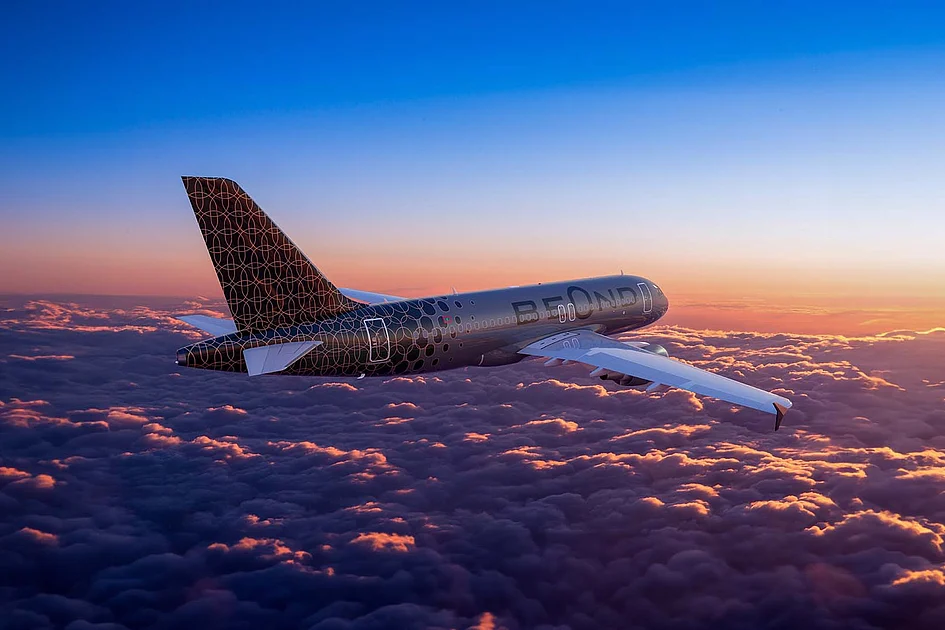
    Bahrain has announced a strategic partnership with premium leisure airline beOnd to establish a new aviation hub in the Gulf region. The agreement, signed on Monday, February 16, 2026, marks a significant development in Bahrain’s aviation sector and economic diversification efforts.

    The ambitious initiative will see beOnd operate up to 10 aircraft from Bahrain by 2030, connecting the kingdom to key markets across Europe, the Middle East, Asia, and North America. The airline projects a substantial economic contribution of approximately $1.2 to $1.5 billion to Bahrain’s GDP during its first five years of operations.

    Employment generation stands as a cornerstone of this venture, with plans to create over 1,200 direct high-skilled positions and support an additional 6,000 indirect jobs across tourism, hospitality, logistics, and associated service sectors. The project aligns with Bahrain Economic Vision 2030, focusing on job creation for both nationals and foreign workers while stimulating private-sector growth.

    beOnd will establish a comprehensive center of excellence featuring structured training programs for pilots, cabin crew, engineers, and ground staff. The airline plans to implement advanced technologies including artificial intelligence across operations, maintenance, revenue management, distribution, and passenger experience enhancement.

    CEO Tero Taskila described the Bahrain expansion as “a natural next step in our multi-jurisdictional strategy,” emphasizing the opportunity to “build a premium aviation platform that strengthens connectivity, develops specialized talent, and supports innovation across the travel value chain.”

    Dr. Shaikh Abdulla bin Ahmed Al Khalifa, Bahrain’s Minister of Transportation and Telecommunications, expressed enthusiasm for welcoming beOnd aircraft with Bahraini Air Operator Certificate, noting the airline’s valuable addition to the kingdom’s aviation ecosystem.

    The announcement reflects the growing luxury aviation market in the Gulf region, where several charter operators increasingly cater to high-net-worth individuals and affluent families. beOnd continues its regional expansion following its December 2025 announcement regarding Air Operator Certificate proceedings in Saudi Arabia.

  • China’s green push colliding with America’s fossil fixation

    China’s green push colliding with America’s fossil fixation

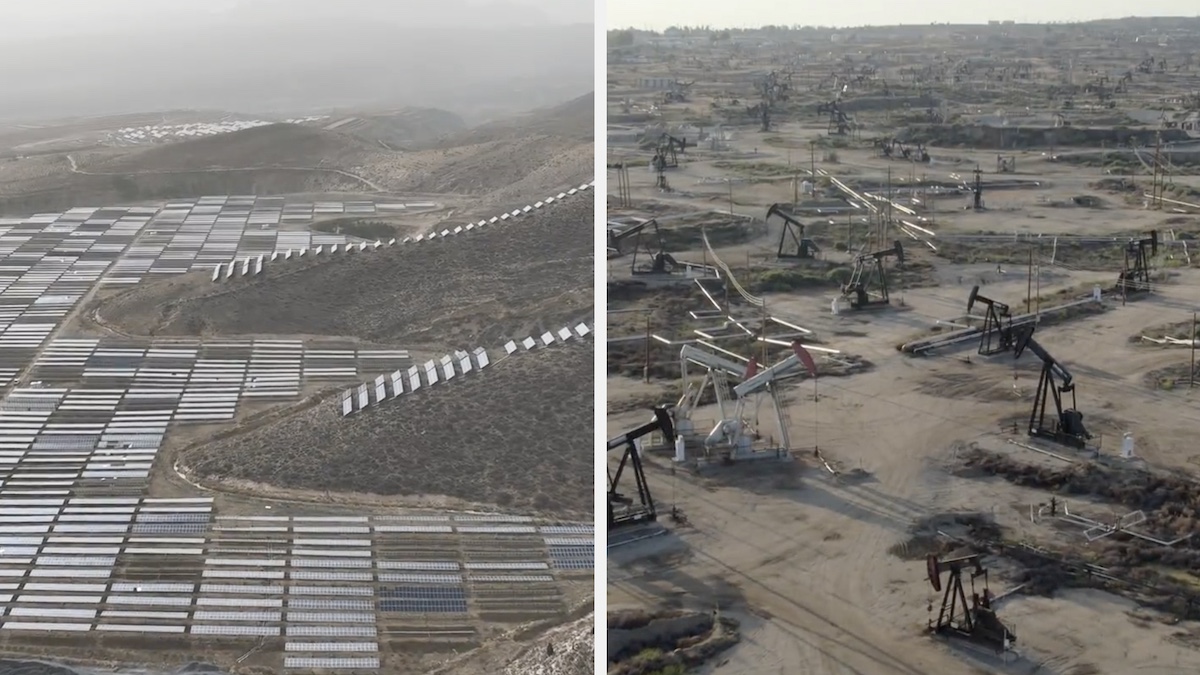
    The world’s two economic superpowers are pursuing radically different energy strategies that will determine the industrial architecture of the 21st century. China is executing a comprehensive industrial policy focused on dominating clean-energy sectors including solar manufacturing, battery supply chains, electric vehicles, and grid infrastructure. This strategic push accounted for a substantial portion of China’s economic growth in 2025 and represents more than environmental policy—it’s a calculated play for long-term economic and geopolitical advantage.

    Meanwhile, the United States presents a contradictory energy landscape. While federal policy emphasizes fossil fuel development and slower renewable approvals, private sector investment and state-level initiatives maintain robust clean-energy funding. This creates a national dichotomy where Washington’s rhetoric conflicts with market realities that continue supporting renewable development based on economic viability.

    Both approaches carry significant risks. China’s clean-energy surge coexists with continued coal dependency, as Beijing approves new coal capacity to ensure energy security and satisfy powerful provincial interests. The US struggles with policy inconsistency that undermines its ability to transform innovation into durable industrial advantage.

    The competition extends beyond climate considerations to fundamental questions about who will manufacture and control the hardware of modern life: power generation systems, storage solutions, transmission networks, EVs, and charging infrastructure. China’s early recognition that energy transition represents industrial transition has allowed it to build manufacturing ecosystems that competitors cannot quickly replicate, creating cost advantages that make Chinese technology the default choice for many developing nations.

    This technological dominance introduces new security concerns as clean energy becomes increasingly connected through software, sensors, and data flows. Governments worldwide worry about potential vulnerabilities in networked systems, creating what security experts call ‘kill switch anxiety.’ These concerns are mutual—China itself restricts Tesla operations in sensitive areas, recognizing that networked machines represent critical infrastructure.

    For Asian economies positioned between these competing systems, the path forward involves strategic diversification: sourcing affordable hardware while insisting on verifiable cybersecurity standards, transparent data governance, and procurement rules that prevent single-supplier dependency. ASEAN members and major manufacturers can benefit from supply-chain rebalancing by building trusted capacity in critical mineral processing and battery ecosystems.

    The ultimate gamble reflects historical precedent—the nation that builds the infrastructure others depend on typically shapes the rules. China bets that clean-energy dominance will yield economic and geopolitical leverage despite coal contradictions, while America wagers that fossil fuel abundance and market dynamism will preserve its primacy despite policy volatility. The outcome will determine not just energy futures but global economic leadership for decades to come.

  • Ramadan at the races: Iftar, Emirates Super Saturday and more

    Ramadan at the races: Iftar, Emirates Super Saturday and more

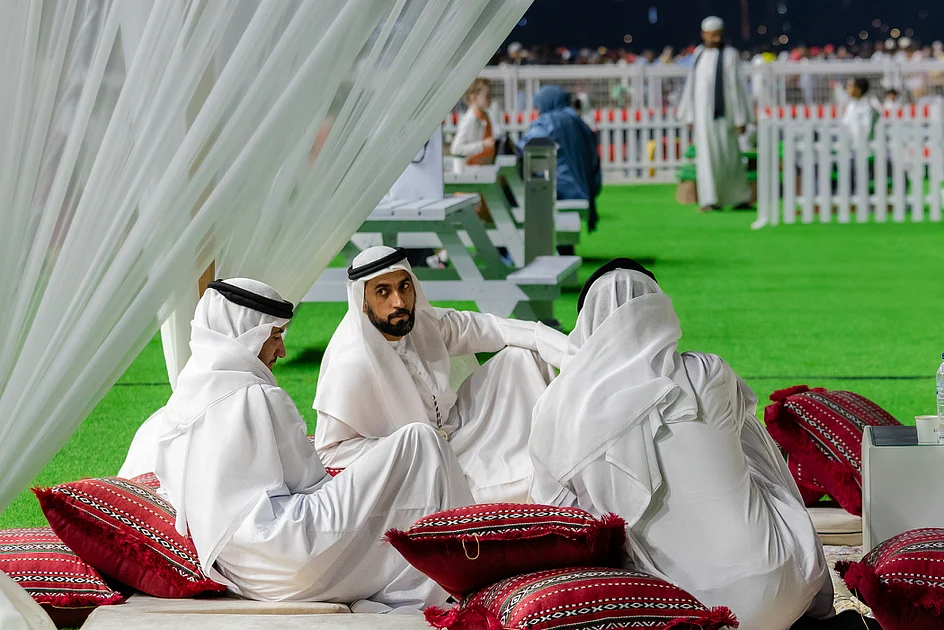
    The Dubai Racing Club has unveiled an innovative cultural experience for Ramadan 2026, seamlessly integrating spiritual observance with elite horseracing at Meydan Racecourse. Throughout four select evenings in February and March, the venue transforms into a multi-sensory destination where traditional Iftar celebrations converge with the excitement of the Dubai Racing Carnival.

    The experience centers around Suite 304, where guests can break their fast overlooking the illuminated track as live racing unfolds below. The carefully orchestrated evening begins at Maghrib and continues until 10pm, featuring extended race intervals during Iftar to ensure comfortable observance of religious traditions. Dedicated prayer facilities are conveniently located adjacent to hospitality areas.

    Culinary offerings highlight authentic regional specialties including ouzi, harees, and traditional Ramadan beverages such as qamar el dein and jallab. The Dh350 adult package provides access to both the racing program and elevated dining experience.

    Beyond the track, the racecourse immerses visitors in cultural elements including live Arabic calligraphy demonstrations, traditional Oud performances, and Ramadan-themed décor throughout the venue. The program also showcases Emirati artists, with visual artist Mona Mohammed Amin Al Khaja exhibiting on February 20, followed by contemporary artists Hamad Al Shamsi and Faris Alhammadi presenting equestrian-inspired works during the prestigious Emirates Super Saturday event on February 28.

    This signature race night serves as the primary precursor to the Dubai World Cup, attracting international racing elites and often revealing future champions. Organizers note that while designed for corporate and social gatherings, current demand predominantly comes from individual guests and small groups seeking a distinctive Ramadan experience within a dynamic sporting environment.

  • Pakistan ex-PM Imran Khan’s family doctor denied from meeting him, says sister

    Pakistan ex-PM Imran Khan’s family doctor denied from meeting him, says sister

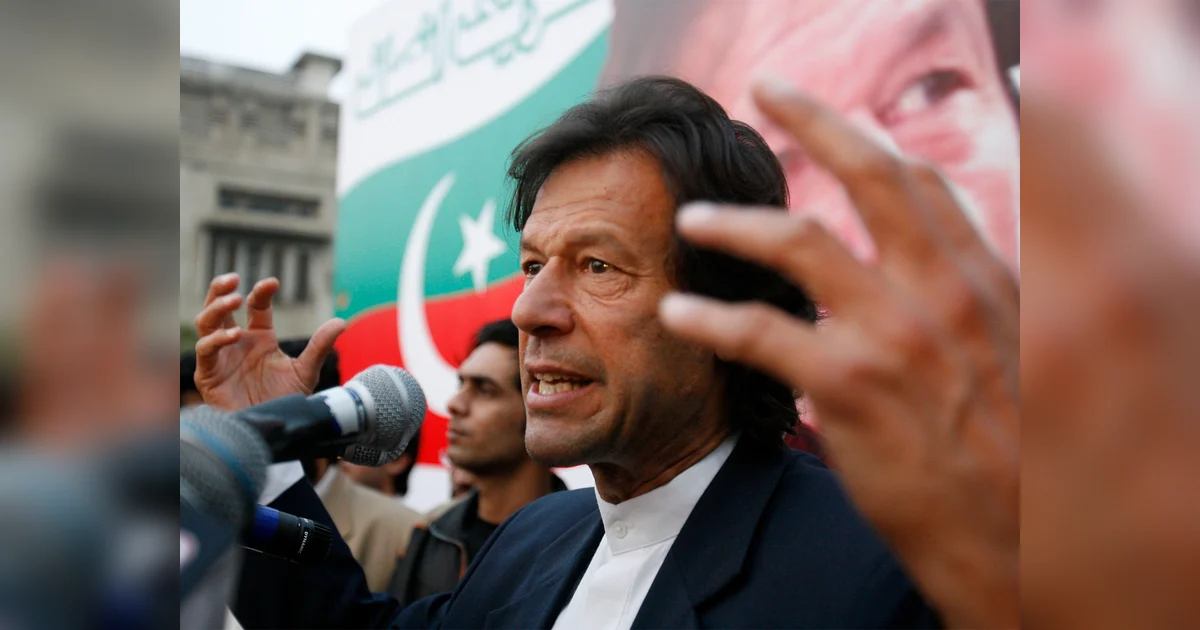
    Pakistan’s imprisoned former Prime Minister Imran Khan faces escalating health concerns as prison authorities systematically reject medical advocacy from his family and personal physicians. Khan, now incarcerated for over 800 days at Adiala Jail in Rawalpindi, has experienced significant vision deterioration with his right eye reportedly retaining only 15% visual capacity.

    The situation reached a critical juncture when Khan’s sister Aleema Khanum publicly denounced the government’s obstruction of proper medical care. Through detailed social media statements, she revealed that authorities repeatedly rejected qualified family representatives despite multiple compliance attempts. Initially proposing Dr. Asim Yousaf (Khan’s personal physician) accompanied by family member Uzma Khan, the government dismissed both the specialist and family representation. Subsequent nomination of cousin Dr. Nausherwan Burki—another medically qualified relative—was similarly rejected.

    This medical standoff follows a Supreme Court directive mandating proper medical evaluation and permitting communication with his children before February 16. While a five-doctor medical team conducted preliminary eye examinations, blood tests, and blood pressure monitoring on Sunday, the family maintains these measures are insufficient without independent medical supervision.

    The prison administration has characterized hospital transfer rumors as unfounded, asserting that Khan merely underwent scheduled examinations. However, the family’s concerns intensify as they question whether authorities deliberately exclude medically knowledgeable family members to control diagnostic outcomes. The pattern of rejected medical advocates and delayed proper treatment has raised alarms about political victimization manifesting through healthcare denial, transforming Khan’s imprisonment into both a political and humanitarian crisis.

  • Celebrate Chinese New Year in Shandong style

    Celebrate Chinese New Year in Shandong style

    As the Year of the Horse dawns, Shandong province emerges as a premier destination for experiencing authentic Chinese New Year celebrations. The eastern Chinese region transforms into a vibrant tapestry of cultural festivities, combining ancient traditions with contemporary energy.

    The provincial celebrations feature spectacular night markets buzzing with activity, where visitors can immerse themselves in local culinary delights and traditional crafts. Heritage folk arts take center stage, showcasing Shandong’s rich cultural legacy through performances and interactive experiences. Ancient cities throughout the province undergo a magical transformation, illuminated by thousands of traditional lanterns that create breathtaking nocturnal landscapes.

    Beyond mere observation, the celebrations offer participatory experiences that engage all senses. The festival atmosphere represents more than seasonal observance—it embodies a continuous celebration of culinary excellence, cultural heritage, and communal energy that defines Shandong’s unique approach to Spring Festival traditions.

    The provincial tourism authorities emphasize that these celebrations provide both domestic and international visitors with unparalleled access to authentic Chinese New Year experiences, positioning Shandong as a cultural hub during the most important festival in the Chinese calendar.

  • Our shared festival: How do Malaysian Chinese celebrate the Chinese New Year?

    Our shared festival: How do Malaysian Chinese celebrate the Chinese New Year?

    As the Year of the Horse commenced across Malaysia, the nation’s Chinese community demonstrated remarkable cultural preservation during Spring Festival celebrations. The festival, recognized as an official statutory holiday in the multicultural Southeast Asian nation, continues to serve as a powerful connective tissue for families and cultural identity.

    Fourth-generation Malaysian Chinese Jess Lee provided exclusive insights to China Daily regarding the enduring traditions maintained within her community. Despite generations of settlement in Malaysia, Lee expressed both surprise and delight at how comprehensively numerous customs originating from China have been maintained within Malaysian Chinese households.

    The preservation effort extends beyond superficial rituals to encompass profound family values and intergenerational bonding. Lee emphasized that regardless of geographical displacement from the cultural homeland, the fundamental significance of traditional festivals remains unchanged: family reunification and cultural transmission across generations. This perspective highlights the adaptive resilience of cultural practices within diaspora communities while maintaining core values.

    The Malaysian Chinese approach to Spring Festival illustrates how traditional customs can flourish outside their country of origin, developing unique characteristics while preserving essential elements. The community’s dedication to maintaining these practices demonstrates the powerful role of cultural heritage in maintaining identity within multicultural societies.

  • Australian citizens with alleged IS ties depart Syria’s Roj camp for repatriation

    Australian citizens with alleged IS ties depart Syria’s Roj camp for repatriation

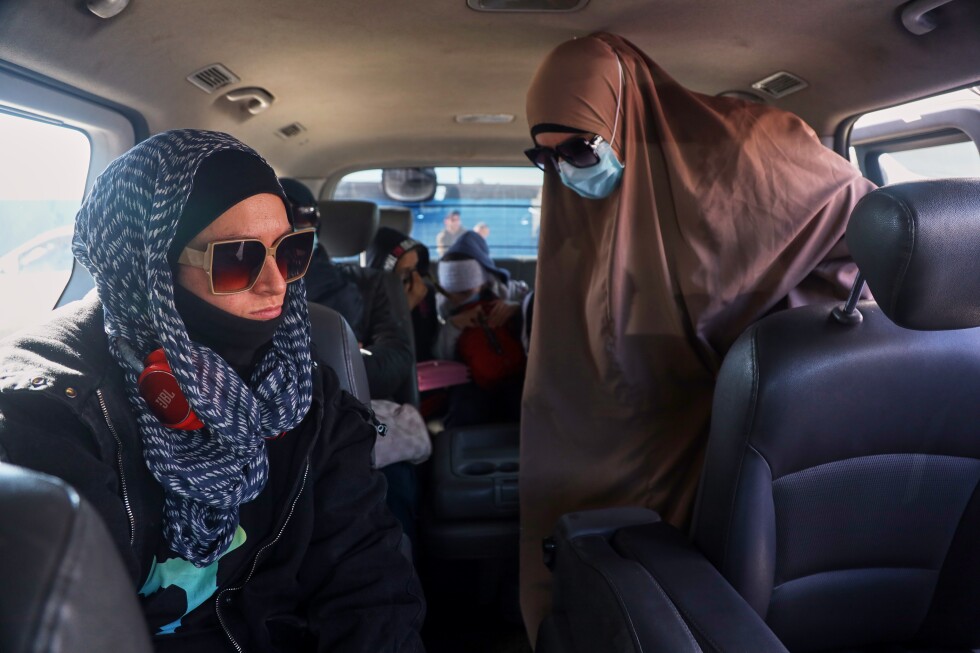
    In a significant repatriation operation, 34 Australian nationals departed from the Roj detention camp in northeastern Syria on Monday, marking the first such transfer this year. The group, comprising 11 families with alleged connections to Islamic State militants, embarked on their journey home accompanied by relatives who had traveled from Australia specifically for this purpose.

    According to Hakmiyeh Ibrahim, director of the Roj facility, the repatriated individuals will travel to Damascus before boarding flights to Australia. The camp currently houses approximately 2,200 residents from nearly 50 countries, primarily women and children who have been effectively detained without formal charges or prisoner status under the control of Kurdish-led Syrian Democratic Forces.

    Among the camp’s most notable former residents is Shamima Begum, the British woman who gained international attention after leaving London at age 15 in 2015 to join IS fighters in Syria. Begum recently lost her appeal against the British government’s decision to revoke her citizenship.

    This repatriation follows previous operations that saw 16 families from various European nations returned to their home countries last year, including three Australian families in 2022. The ongoing debate surrounding camps like Roj and the larger al-Hol facility continues, with human rights organizations highlighting concerning living conditions and widespread violence within these centers.

    The geopolitical landscape in northeastern Syria has shifted recently, with government forces assuming control of al-Hol camp last month after seizing territory previously held by Kurdish forces. Meanwhile, the U.S. military has transferred thousands of accused IS militants from Syrian detention centers to Iraq to face trial proceedings.

  • Ramadan 2026: Rediscover Manila’s Islamic origins as Quiapo prepares for the holy month

    Ramadan 2026: Rediscover Manila’s Islamic origins as Quiapo prepares for the holy month

    As Ramadan 2026 approaches, Manila’s Quiapo district reveals a hidden historical narrative that contrasts sharply with its contemporary identity as Asia’s epicenter of Catholic devotion. This bustling urban quarter, now preparing for Islamic celebrations, was originally a thriving Muslim community before Spanish colonization.

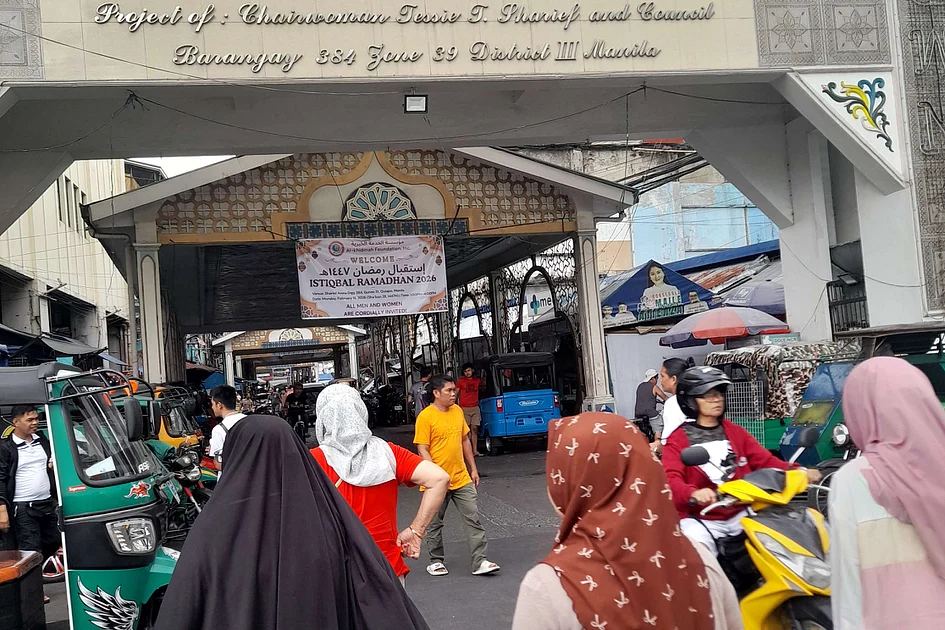
    Community leader Hadji Ali Alawi, founder of Quiapo’s Arabic School, extends an open invitation for all to participate in the Istiqbal celebrations marking Ramadan’s commencement. The district has adorned itself with welcome banners and erected reception tents around the Golden Mosque, creating an atmosphere of inclusive religious celebration.

    The historical significance of Quiapo traces back to the pre-colonial Rajahnate of Manila, which functioned as a coalition of barangays (indigenous communities) heavily influenced by Islamic traditions, particularly along the Pasig River. Spanish conquest eventually dismantled these Muslim-ruled kingdoms that once stretched from Batangas to Pampanga.

    The etymology of ‘Quiapo’ itself reflects this cultural intersection. While commonly believed to derive from ‘kiyapo’ water plants, an alternative oral history suggests the name originated when a Muslim resident responded ‘Kay Apo’ (I am going to the old man’s house) to Spanish inquiries, which colonizers subsequently heard as ‘kiyapo’ and spelled according to Spanish conventions.

    Modern Quiapo presents a unique religious dichotomy: the western portion dominated by the Minor Basilica housing the venerated Black Nazarene (which attracted 10 million Catholic devotees in January 2026), while the eastern sector has reemerged as a Muslim community since postwar migration from Mindanao began in the 1940s. Quezon Boulevard now neatly divides these two religious spheres.

    The district has gained culinary prominence through social media vlogging, with its Muslim section offering halal cuisine influenced by global Islamic traditions. Alawi particularly highlights palapa, an indigenous Maranao sauce made from Lanao del Sur’s unique sakurab onions, turmeric, chili, and ginger, which he describes as ‘potent in waking up one’s blood and mind.’

    This Ramadan celebration symbolizes both religious devotion and cultural reclamation, as Quiapo’s Muslim community invites all Manileños to rediscover the district’s Islamic origins and participate in their spiritual traditions.

  • When Trump’s bluff meets reality on Iran

    When Trump’s bluff meets reality on Iran

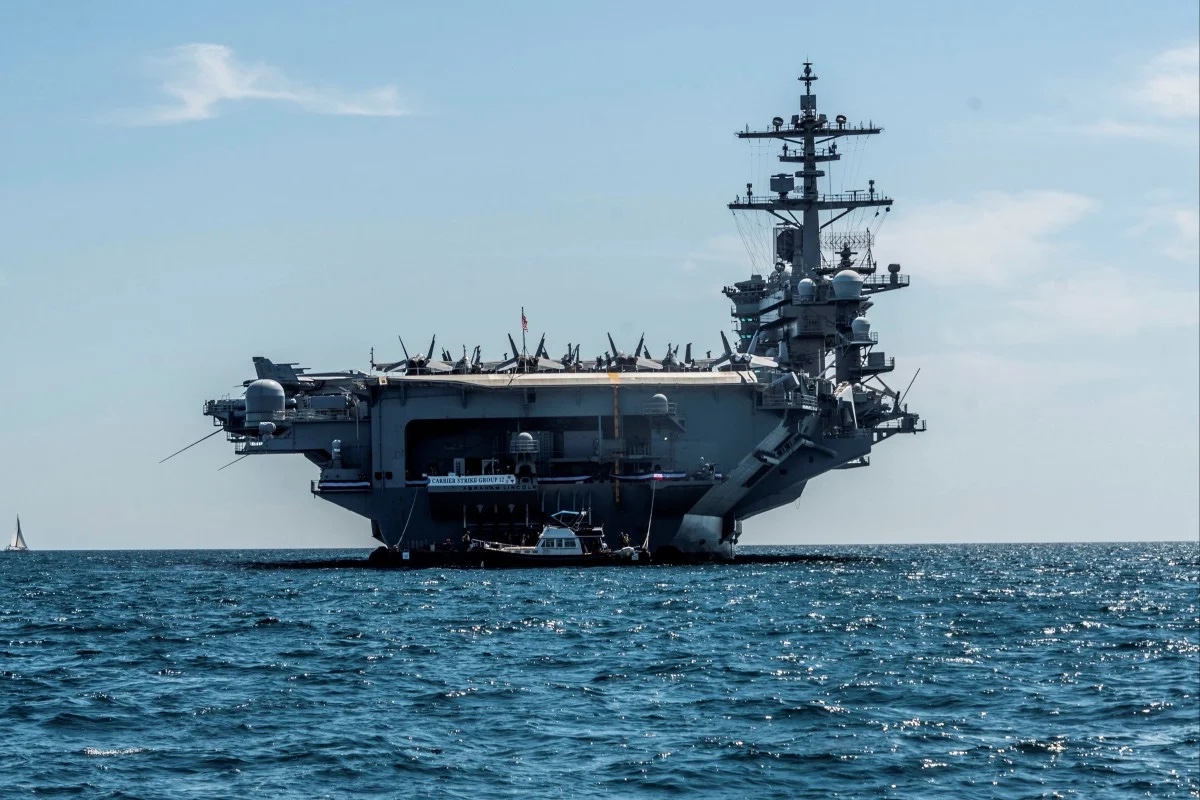
    The longstanding geopolitical tension between the United States and Iran has entered another predictable cycle of military posturing and diplomatic maneuvering. Current tensions, ignited by Iran’s severe suppression of domestic protests and the US deployment of the USS Abraham Lincoln carrier strike group to the Persian Gulf, follow a familiar pattern of escalation and de-escalation that has characterized four decades of bilateral relations.

    While President Trump threatens severe action against Iran, his administration simultaneously engages in backchannel negotiations through Omani intermediaries. Iran’s Supreme Leader Ali Khamenei warns of regional war while his foreign minister pursues what he characterizes as “fair and equitable” negotiations. Regional powers including Turkey, the UAE, and Saudi Arabia find themselves scrambling to prevent a conflict that none desire.

    Historical precedent suggests this confrontation will likely conclude not with military conflict but with a reluctant return to the status quo, framed by both sides as strategic victory. The persistent American fantasy that maximum pressure combined with military threats would force Iranian capitulation has repeatedly proven flawed. The Trump administration’s 2018 withdrawal from the Joint Comprehensive Plan of Action (JCPOA) and subsequent maximum pressure campaign failed to cripple Iran—instead driving Tehran to enrich uranium to near-weapons-grade levels.

    The June 2025 Israeli-American strikes on Iranian nuclear facilities similarly failed to eliminate Iran’s nuclear program, instead potentially accelerating Tehran’s determination to acquire deterrent capability. Current proposals for additional carrier deployments and sustained bombing campaigns ignore the fundamental contradiction of demanding negotiations from a position of weakness while simultaneously pursuing military aggression.

    Operational realities further complicate military options. Even a sustained air campaign against Iranian nuclear and military facilities—potentially requiring weeks of operations—would trigger formidable retaliation. Tehran’s missile arsenal can reach every US base from Qatar to Iraq, while its proxies retain capacity to strike across the region. The Strait of Hormuz, through which 20% of global oil passes, remains particularly vulnerable.

    The critical question overlooked by Washington planners remains: what happens after bombing stops? Historical parallels from American military interventions in Lebanon (1983), Iraq (2003), and Libya (2011) consistently demonstrate outcomes worse than the original problems they aimed to solve. Rather than producing a pliant regime, military action would likely strengthen hardliners, accelerate nuclear weapons development with domestic political legitimacy, and transform a manageable adversarial relationship into a genuine blood feud.

    Despite Iran’s domestic upheaval and genuine legitimacy challenges, American military action would likely rally Iranians around the flag rather than empower democratic forces—a fundamental misunderstanding of nationalism’s power. Regional actors, despite differences with Tehran, show no enthusiasm for full-scale US-Iran war, recognizing such conflict would destabilize the entire region, disrupt global energy markets, and potentially draw in Russia and China.

    The actual resolution will likely emerge through the unglamorous diplomatic engagement already underway in Muscat. While comprehensive solutions remain unlikely given the complex US-Iran relationship, temporary arrangements addressing immediate concerns represent the most realistic pathway forward. These might include restrictions on Iranian enrichment in exchange for limited sanctions relief, understandings about regional behavior, and mechanisms to prevent military incidents from escalating.

    This outcome won’t satisfy hawks or hardliners but represents a preferable alternative to unwinnable military conflict. Recent polling shows 85% of Americans oppose war with Iran, a statistic unlikely to change despite renewed claims that “this time will be different.”

    The Trump administration faces a critical choice between continuing the fantasy that threats and pressure will produce Iranian collapse—risking catastrophic conflict—or embracing the messy reality that sustainable arrangements with adversarial powers require mutual accommodation rather than unilateral demands. This doesn’t mean abandoning American interests or ignoring Iranian malign activities, but rather pursuing core security concerns—preventing nuclear weapons and protecting American personnel—through sustainable policies rather than unenforceable maximalist positions.

    The current crisis will likely conclude where most such crises end: with both sides stepping back from the brink while claiming achieved objectives, as fundamental tensions remain unresolved. Iran will continue enriching uranium at levels maintaining nuclear threshold capability without crossing into weapons production, while the US maintains military presence and sanctions alongside episodic diplomatic engagement.

    This unsatisfying conclusion reflects the reality that some geopolitical problems cannot be solved—only managed. In the Middle East, where American attempts at problem-solving have consistently worsened situations, management begins to resemble wisdom. The alternative—another American war against a more formidable regional adversary than previously faced—would ironically accelerate precisely what Iran most desires: American disengagement from a region where US military presence has become more liability than asset.

    Ultimately, dealing with Iran requires not the fantasy of military dominance but the hard work of diplomatic engagement, regional coalition-building, and patient acceptance of outcomes short of total victory. The current confrontation will eventually end through diplomatic channels—the only question remains how much damage will be inflicted before all parties accept this reality.
  • China grants UK and Canada visa-free entry, raising total to 79 countries

    China grants UK and Canada visa-free entry, raising total to 79 countries

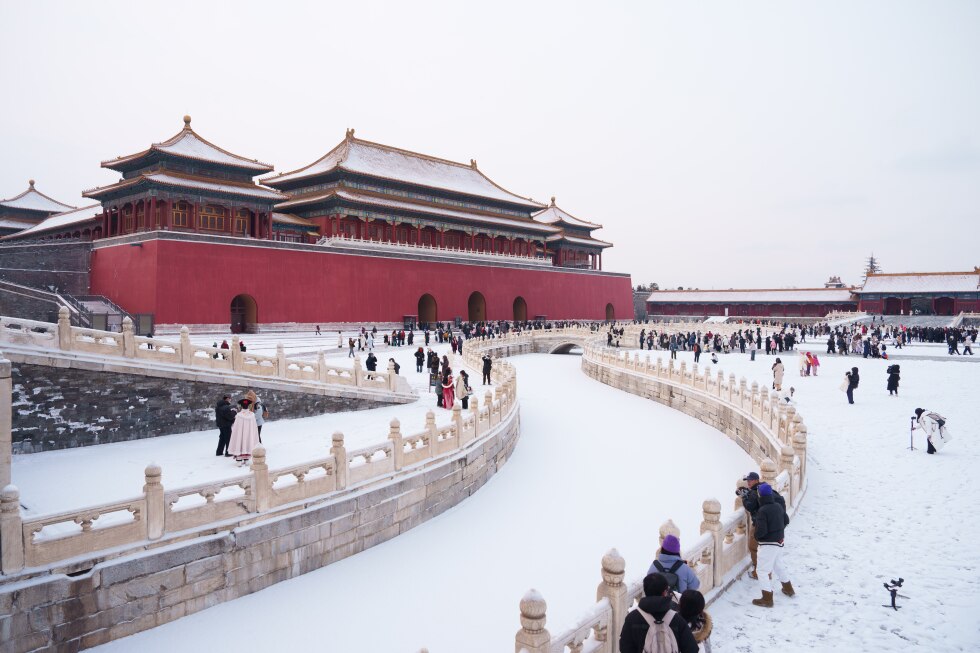
    China has implemented a significant visa policy expansion effective Tuesday, granting British and Canadian citizens visa-free entry privileges. This strategic move brings the total number of countries enjoying visa-free access to China to 79, marking a substantial diplomatic and economic opening.

    The new policy permits stays of up to 30 days for various purposes including business engagements, tourism activities, cultural exchanges, and visits to relatives and friends. This development represents China’s continued effort to streamline entry procedures and foster international connectivity after significantly broadening eligibility criteria over the past two years.

    European nationals continue to constitute the majority of visa-free beneficiaries, with the program now extending to select nations across Latin America, Southeast Asia, and the Middle East. Additionally, citizens from several countries including the United States and Indonesia can avail themselves of 10-day visa-free transit privileges when continuing to a third destination.

    The policy change has been met with enthusiasm from business leaders and tourists alike, particularly those who previously navigated China’s comprehensive visa application process. The inclusion of the UK and Canada follows high-level diplomatic engagements last month involving British Prime Minister Keir Starmer and Canadian Prime Minister Mark Carney, both recently appointed leaders seeking to recalibrate relationships with Beijing after periods of diplomatic strain.

    While the visa-free arrangement is currently set to expire at year’s end for most participating countries, historical precedent suggests possible extensions based on bilateral relations and program effectiveness.