标签: Asia

亚洲

  • Technology transforming creativity

    Technology transforming creativity

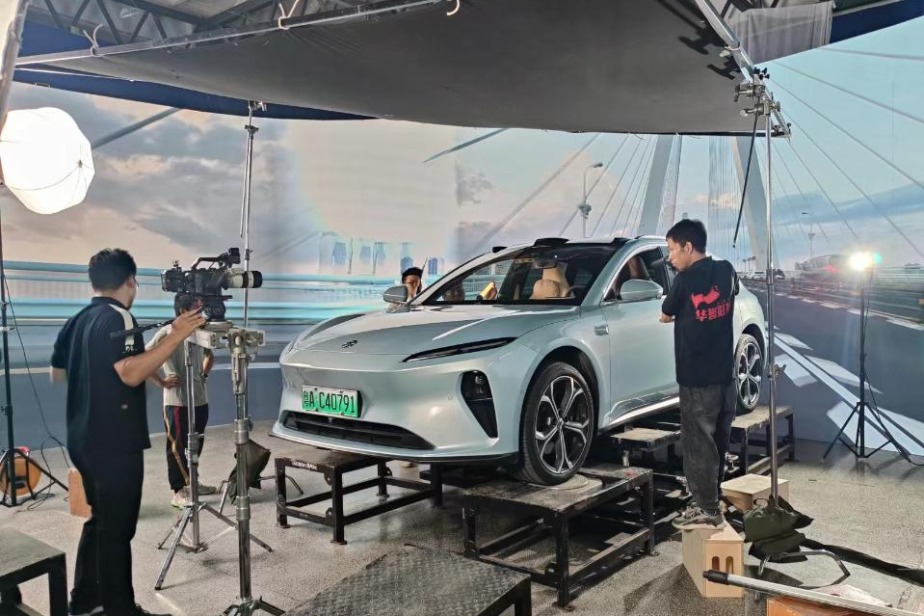
    At Malanshan Video Cultural and Creative Industrial Park in Changsha, Hunan province, a technological revolution is quietly transforming how Chinese cultural content reaches global audiences. Rows of screens display scripts translated into Arabic, Spanish, Thai, and French through advanced AI systems, while characters speak in flawless English despite originally performing in Mandarin just hours earlier.

    The transformation stems from China’s first large-scale intelligent translation and production center for short dramas, launched in April 2025 at the Malanshan Audio and Video Laboratory. This cutting-edge facility integrates large language models, speech recognition, voice cloning, and synthesis technologies to automate translation, dubbing, and subtitle generation across multiple languages.

    Laboratory director Tu Yongfeng highlights the dramatic efficiency gains: “Previously, manually translating a two-hour micro-drama required one to two weeks. Now the process completes within mere hours.” This technological leap has accelerated international distribution, with the laboratory already releasing over 3,000 works that have attracted tens of millions of overseas viewers while significantly reducing production costs.

    These developments align with China’s broader national strategy to integrate culture and technology—a priority emphasized by President Xi Jinping during his 2020 inspection tour in Changsha. President Xi described culture as a “sunrise industry” and stressed that deep integration with technology drives rapid growth while creating substantial talent reservoirs deserving sustained support.

    Dubbed “China’s V Valley,” the Malanshan park now hosts more than 4,000 culture and technology enterprises and over 64,000 professionals. From 2020 to 2024, companies in the park generated combined revenues of 277.1 billion yuan ($38.5 billion) with annual growth averaging over 11%.

    The laboratory serves as the core engine driving this transformation, focusing on technologies across the entire audio-video chain from production and editing to transmission and display. Innovations include set-top boxes delivering 4K ultra-high-definition images from devices no larger than USB drives, and AI dual-lens livestreaming cameras that respond to hand gestures and simulate cinematic depth of field.

    This technological advancement reflects national policy directions outlined during the third plenary session of the 20th Central Committee of the Communist Party of China, which called for exploring effective mechanisms to integrate culture with science and technology.

    The integration extends beyond micro-dramas to major cultural institutions nationwide. The Palace Museum in Beijing has embraced digital transformation through its digital mini-program, allowing millions to explore the former imperial palace via panoramic tours and interactive exhibitions. Meanwhile, the Mogao Caves in Gansu province have seen advanced scanning technologies digitally recreate the famed Library Cave, earning UNESCO recognition.

    According to Xu Guobao, vice-president of the China Culture Administration Association, deeper integration requires not only new technologies but also institutional mechanisms that improve innovation resource allocation. This approach stimulates creativity and accelerates new cultural business models while enhancing China’s cultural soft power globally.

    As AI tools continue maturing, researchers anticipate further improvements in accuracy and efficiency, providing Chinese cultural products increasingly natural pathways to global audiences while balancing development with necessary security measures and ethical oversight.

  • Spirit, stamina and survival: Svitolina conquers Gauff in Dubai epic

    Spirit, stamina and survival: Svitolina conquers Gauff in Dubai epic

    In a monumental display of resilience and athletic prowess, Ukrainian tennis star Elina Svitolina secured a hard-fought victory over American phenom Coco Gauff in the semifinals of the Dubai Duty Free Tennis Championships. The grueling encounter, which stretched to three hours and three minutes, culminated in a 6-4, 6-7 (13-15), 6-4 decision that showcased the finest elements of women’s tennis.

    The match reached its climax on Svitolina’s sixth match point, concluding with Gauff’s forehand return finding the net. An emotionally overwhelmed Svitolina immediately covered her face in disbelief after surviving what she described as a ‘high-intensity’ battle featuring ‘incredible shot-making’ from both competitors.

    This victory carries profound significance for the 29-year-old Ukrainian, who now stands one win away from securing her third Dubai title. A triumph in the final would place her alongside tennis legend Venus Williams as the second-most successful champion in the tournament’s history, trailing only Belgian great Justine Henin’s four titles.

    The path to victory was anything but straightforward. The match featured a spectacular 28-point second-set tiebreak where Gauff demonstrated remarkable composure, saving four match points to force a decisive third set. This resilience from the young American highlighted why she remains one of the sport’s most promising talents despite the semifinal setback.

    Svitolina now faces the challenge of physical and mental recovery before confronting world number five Jessica Pegula in Saturday’s final. The Ukrainian acknowledged Pegula’s formidable form after the American’s comeback victory against Amanda Anisimova in the other semifinal, emphasizing the need for peak physical condition given Dubai’s demanding playing conditions.

    For Gauff, the defeat marks another narrow loss to Svitolina following their Australian Open quarterfinal encounter just weeks earlier. Despite the disappointment, the world number four maintained perspective, noting her satisfaction with reaching the semifinals after initially aiming simply to win one match in the tournament.

    Svitolina’s achievement becomes more remarkable considering her recent return from maternity leave, with this final appearance representing her first in a WTA 1000 event in seven years—a testament to her dedication and the inspiring comeback she has engineered since becoming a mother.

  • UAE non-oil GDP grows 6.1% in first nine months of 2025

    UAE non-oil GDP grows 6.1% in first nine months of 2025

    The United Arab Emirates has demonstrated remarkable economic resilience with its non-oil sector expanding by 6.1% during the first nine months of 2025, according to official data released by the Federal Competitiveness and Statistics Centre (FCSC). This robust performance contributed significantly to the nation’s overall GDP growth of 5.1% year-on-year, bringing total economic output to approximately Dh1.4 trillion.

    Minister of Economy and Tourism Abdulla bin Touq Al Marri announced on Friday that the non-oil sector’s value exceeded Dh1 trillion, highlighting the success of the country’s strategic diversification efforts. The minister credited this economic achievement to the UAE’s ongoing transition toward a knowledge-based economy supported by competitive legislative frameworks and business-friendly policies aligned with the ‘We the UAE 2031’ vision.

    Sectoral analysis reveals financial and insurance activities led the expansion with 9% growth, followed closely by construction at 8.7%, real estate at 7.9%, and manufacturing at 6.9%. In terms of overall contribution to non-oil GDP, wholesale and retail trade maintained the largest share at 16.1%, with manufacturing accounting for 13.9%, financial services 13.5%, and construction 11.9%.

    Hanan Ahli, Managing Director of the FCSC, emphasized that these results demonstrate the resilience of the UAE’s economic model amid global economic shifts. She noted that the integration of advanced technologies and artificial intelligence into national statistical systems has significantly enhanced policy efficiency and development planning capabilities. The sustained growth positions the UAE favorably to achieve its ambitious goal of doubling the national GDP to Dh3 trillion within the next decade.

  • Wadan Developments introduces Tresora, marking another successful launch

    Wadan Developments introduces Tresora, marking another successful launch

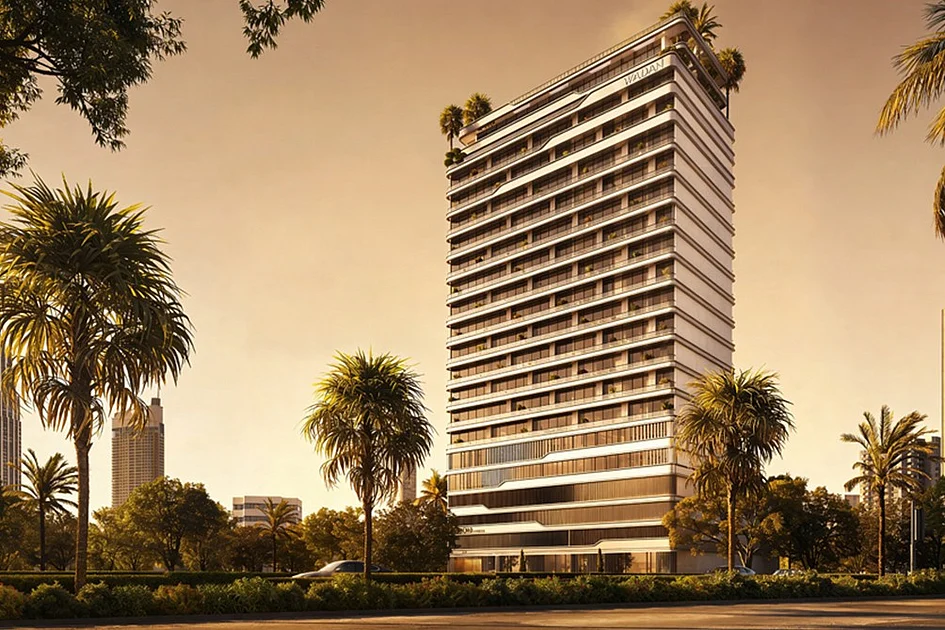
    Dubai’s real estate landscape welcomes another innovative development as Wadan Developments launches Tresora, its fourth major project, signaling continued expansion in the UAE property market. This 23-story integrated tower in Jumeirah Village Circle represents a sophisticated approach to urban living by combining residential, commercial, and office spaces within a single connected ecosystem.

    The strategically positioned development capitalizes on JVC’s status as one of Dubai’s most dynamic and centrally located communities. With upcoming metro infrastructure enhancing accessibility, Tresora promises unprecedented connectivity to key urban centers while maintaining the appeal of a established residential neighborhood. This transit-oriented development strategy positions Tresora for long-term valuation growth and sustained market relevance.

    Architecturally, Tresora employs a vertically layered design philosophy with retail and commercial establishments at the foundation levels, contemporary office spaces in the middle tiers, and residential apartments occupying the upper floors. This intentional spatial organization creates a self-contained microenvironment where professional, commercial, and domestic activities seamlessly intersect.

    Residential units feature intelligent space optimization with premium finishes and minimalist aesthetics, emphasizing functional elegance over mere ornamentation. The development incorporates advanced smart-home technology through the proprietary Wadan App, enabling residents to control environmental systems and access building services via mobile devices.

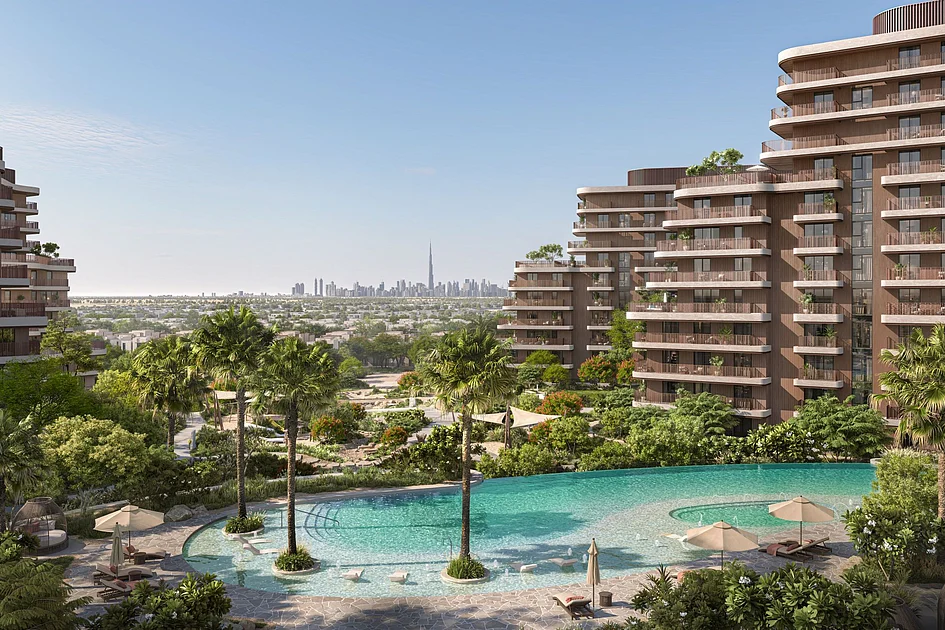
    Amenities include comprehensive wellness facilities with a fully-equipped fitness center, swimming pool, and dedicated relaxation areas. Community spaces have been carefully curated to foster social interaction, featuring children’s play zones and collaborative work environments. Additional premium services include secured parking, elegantly appointed lobbies, and professionally managed common areas.

    The project launch event at Wadan’s sales gallery demonstrated strong investor confidence and industry support, highlighting Tresora’s strategic positioning and investment potential. This successful unveiling marks Wadan’s fourth consecutive project launch, underscoring the developer’s operational capacity and market understanding.

    Tresora embodies Wadan’s brand philosophy of ‘A Vision Beyond Luxury,’ focusing on practical sophistication, locational advantage, and genuine quality of life enhancements rather than superficial extravagance. The development represents the evolving paradigm in urban property development where integrated living solutions take precedence over isolated residential concepts.

  • Abu Dhabi’s Aldar issues $1 billion hybrid notes to Apollo

    Abu Dhabi’s Aldar issues $1 billion hybrid notes to Apollo

    In a landmark financial maneuver, Abu Dhabi’s premier real estate developer, Aldar Properties, has successfully executed a $1 billion private placement of subordinated hybrid notes with global asset management titan Apollo Global Management. This strategic transaction, finalized on February 20, 2026, now stands as the single largest corporate hybrid private placement ever recorded within the region.

    The sophisticated capital restructuring initiative involves the issuance of notes at the parent company level. The net proceeds are subsequently being channeled as an equity infusion into Aldar Investment Properties (AIP), the entity responsible for managing Aldar’s portfolio of income-generating real estate assets. A significant component of this arrangement includes the full repayment of $500 million in perpetual subordinated notes previously held by Apollo in AIP, which originated from the asset manager’s initial $1.4 billion investment into Aldar back in 2022.

    This latest financial injection elevates the total capital commitment from Apollo-managed affiliates, funds, and clients to approximately $2.9 billion over a four-year period, significantly deepening the strategic partnership between the two firms. The transaction is meticulously designed to fortify the capital structures of both Aldar and AIP, providing enhanced balance sheet resilience and bolstering the company’s capacity to pursue its ambitious growth agenda. Consequently, Aldar’s ownership stake in its lucrative AIP subsidiary has increased to a commanding 90%, with Apollo retaining a 10% share.

    Faisal Falaknaz, Group Chief Financial and Sustainability Officer at Aldar, emphasized the strategic value of the deal, stating it provides ‘long-term, flexible capital’ that empowers the company to capitalize on compelling market opportunities. He further highlighted that the move amplifies Aldar’s share of stable, recurring income derived from AIP’s high-quality and diversified portfolio, which is poised for further expansion through acquisitions and a substantial develop-to-hold pipeline valued at nearly $5 billion.

    Echoing the sentiment, Jamshid Ehsani, a Partner at Apollo, commended the transaction as a testament to Apollo’s expertise in structuring adaptable capital solutions that align with the objectives of corporate clients and investors alike. He praised Aldar’s ‘robust performance and portfolio expansion’ under experienced management and reaffirmed Apollo’s sustained commitment to the Abu Dhabi market and the broader Middle East region. The hybrid notes feature a long-term structure with an extended non-call period of 10.25 years, mirroring the terms of a recent public issuance by Aldar.

  • US ambassador Huckabee says Israel has right to take over ‘all’ of Middle East

    US ambassador Huckabee says Israel has right to take over ‘all’ of Middle East

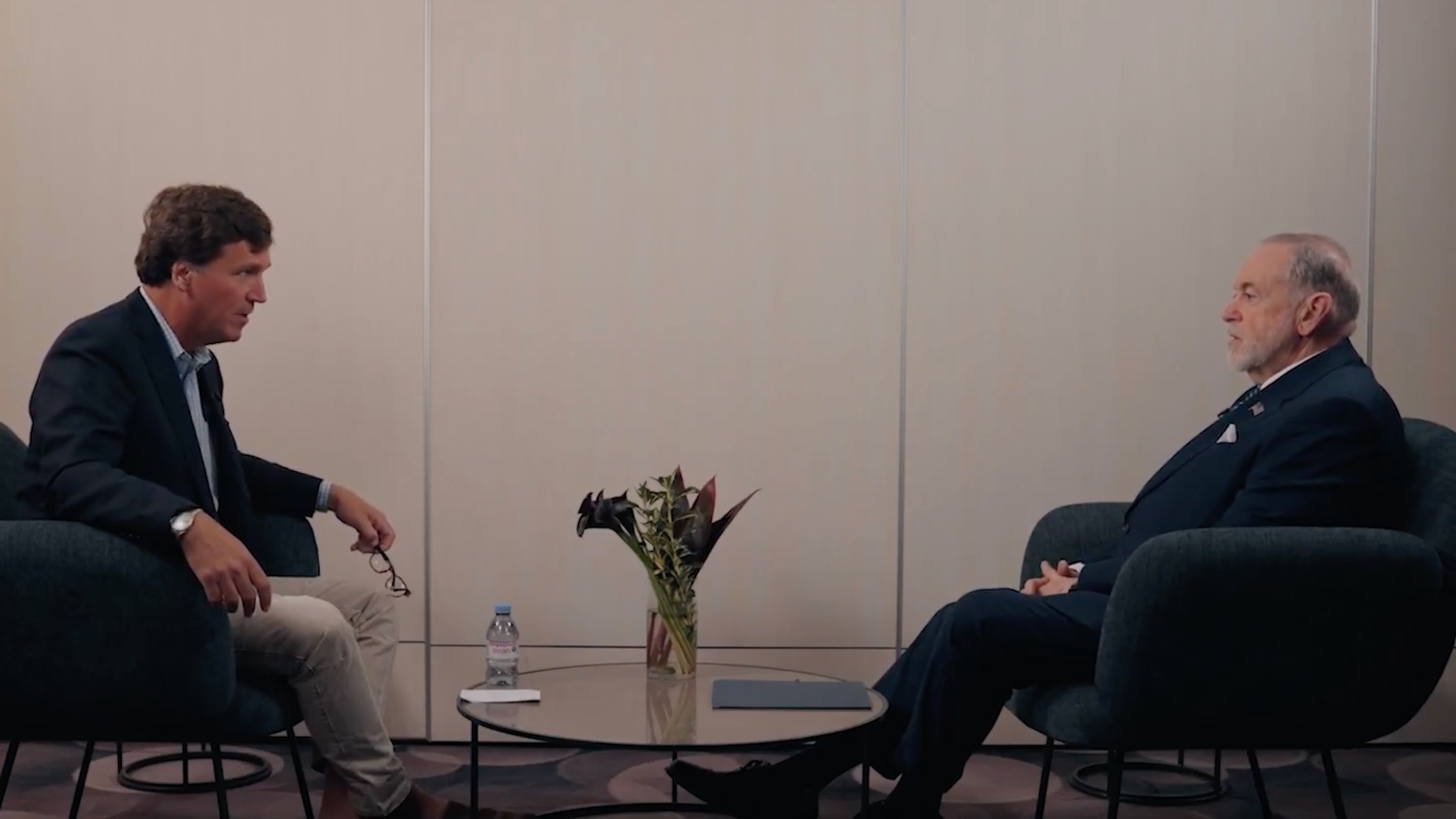
    In a televised exchange that has ignited significant controversy, US Ambassador to Israel Mike Huckabee engaged in a theological and geopolitical debate with conservative commentator Tucker Carlson regarding Israel’s territorial rights. The discussion, aired on Friday’s episode of The Tucker Carlson Show, centered on biblical interpretations of land promised to the Jewish people.

    Carlson directly questioned Huckabee about the boundaries described in Genesis 15, which references territory spanning from the Nile to the Euphrates rivers—encompassing approximately five modern nations alongside currently occupied Palestinian territories. When pressed on whether Israel held divine entitlement to this extensive region, Huckabee responded that “it would be fine if they took it all,” though he subsequently characterized this as “somewhat of a hyperbolic statement.

    The ambassador later clarified his position, asserting that Israel seeks only to protect its citizens rather than actively conquer neighboring states. However, he notably added that if Israel were attacked and subsequently victorious in such conflicts, the acquisition of additional territory would become “a whole other discussion.”

    This exchange occurs against the backdrop of Huckabee’s June statements to Bloomberg News, where he declared that establishing a Palestinian state in the occupied West Bank no longer represents US policy objectives. The ambassador suggested instead that Israel’s “Muslim neighbours” might surrender land to facilitate Palestinian statehood.

    The interview concluded with unexpected consequences for Carlson’s production team. Following his sit-down with Huckabee in Israel, Carlson reported that Israeli security officials detained him and confiscated passports, questioning his executive producer about the interview’s content. Carlson subsequently criticized both Israeli authorities and the American embassy for their handling of the incident, asserting that American citizens cannot expect their government to prioritize their interests over those of the Israeli government.

    The full 165-minute interview, released Friday, has sparked renewed debate about Christian Zionism, US foreign policy in the Middle East, and the appropriate role of religious texts in modern geopolitical discourse.

  • ‘Board of Peace’ debut sparks fears for Gaza’s future

    ‘Board of Peace’ debut sparks fears for Gaza’s future

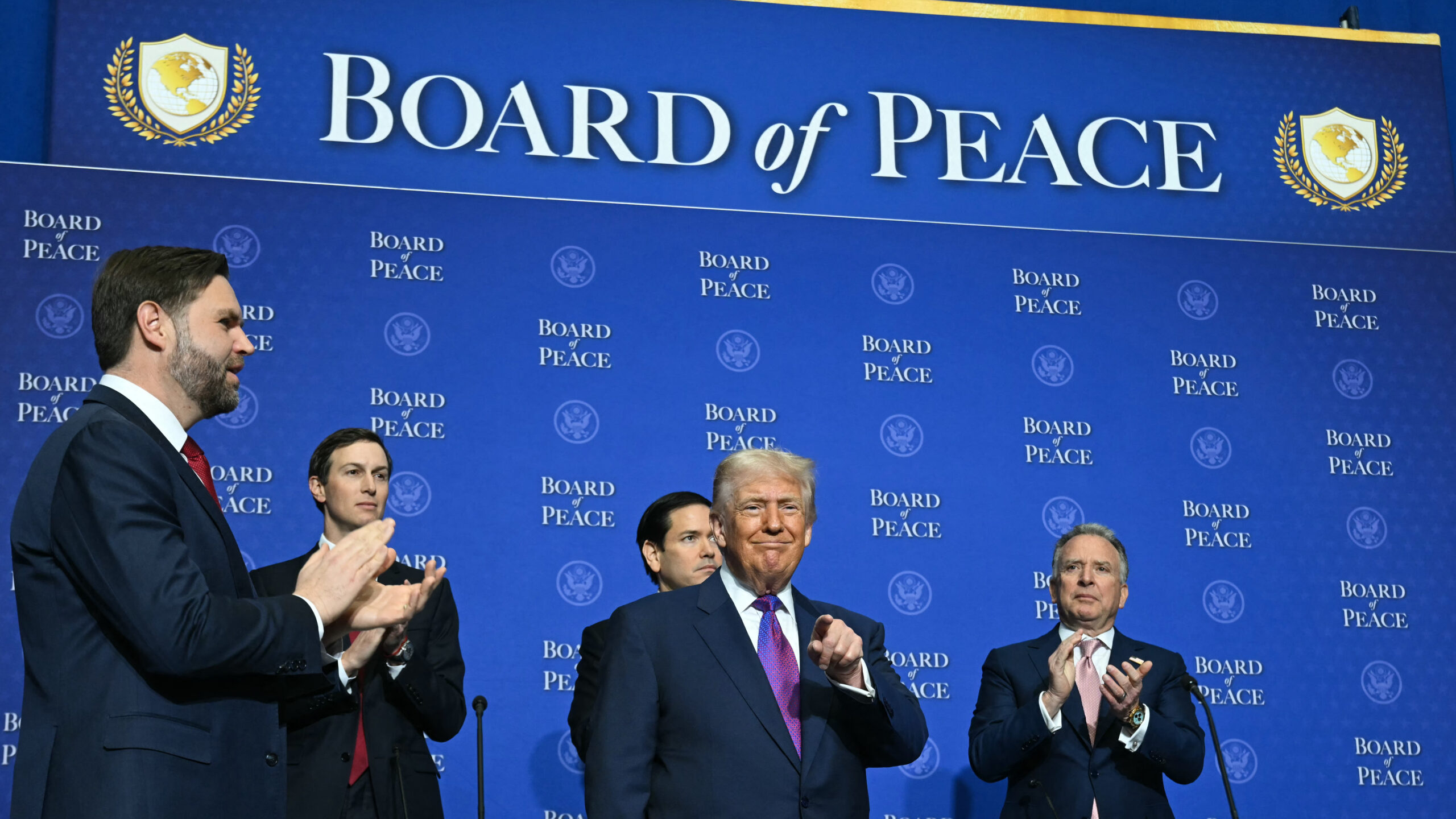
    The inaugural session of the Trump-proposed Board of Peace for Gaza convened Thursday at the newly renamed Donald J Trump Institute for Peace in Washington DC, generating immediate controversy across multiple fronts. President Trump, designated as the board’s lifetime chairman, presided over a meeting that outlined a $7 billion commitment from nine nations toward Gaza relief efforts and revealed plans for a controversial $10 billion allocation of U.S. taxpayer funds for the board’s broader operations.

    Bulgarian diplomat Nickolay Mladenov, appointed to oversee Gaza’s demilitarization, reported that police recruitment with 2,000 Palestinian enlistments was already underway, emphasizing that reconstruction would not commence until Hamas was fully disarmed. The proceedings were immediately met with fierce criticism from lawmakers and social media users who questioned the legality of allocating federal funds without Congressional approval.

    The meeting featured several controversial moments, including Jared Kushner’s assertion that no participants would “personally” profit from Gaza’s reconstruction—a statement many observers found deliberately misleading given Kushner’s unofficial role as a government volunteer. Billionaire Apollo Global Management CEO Marc Rowan raised additional concerns by quantifying Gaza’s coastline as “$50 billion of value alone” that needed “unlocking and financing.”

    International reactions drew particular scrutiny, with Pakistan’s Prime Minister Shehbaz Sharif labeling Trump the “saviour of South Asia” and Kazakhstan’s president presenting an award to Trump—gestures critics described as “beyond parody” and emblematic of a servile diplomatic culture. The absence of any mention of “Gaza” or “Palestinian” in the board’s charter, combined with the seating of Palestinian representative Ali Shaath without an identified title, further fueled accusations that the initiative disregarded Palestinian interests.

    Palestinian journalist Motasem Dalloul, reporting from Gaza, condemned the proceedings as primarily benefiting Israel while ignoring essential issues like ending the siege, allowing entry of food and medicine, and conducting reconstruction without “blackmail.” The meeting’s peculiarities—including Trump briefly falling asleep during speeches and the YMCA song playing during a group photo—added surreal elements to what many critics characterized as a potentially unlawful appropriation of public funds for private interests.

  • How photography helped the British empire classify India

    How photography helped the British empire classify India

    A groundbreaking exhibition titled ‘Typecasting: Photographing the Peoples of India, 1855-1920’ at Delhi’s DAG art gallery unveils nearly 200 rare photographs that reveal how the British Empire weaponized photography as a tool for social classification during colonial rule. Curated by historian Sudeshna Guha, the comprehensive display spans 65 years of visual anthropology that transformed India’s fluid social realities into fixed, knowable categories for colonial administration.

    The exhibition centers on folios from ‘The People of India,’ the influential eight-volume photographic survey published between 1868-1875, while expanding to include works by pioneering photographers including Samuel Bourne, Lala Deen Dayal, John Burke, and studio Shepherd & Robertson. These practitioners developed a visual language that both documented and actively shaped perceptions of Indian society through their lenses.

    Geographic diversity emerges as a central theme, with images ranging from Lepcha and Bhutia communities in the northeast to Afridis in the northwest, and from Todas in the Nilgiris to Parsi and Gujarati elites in western India. The colonial gaze particularly focused on those occupying society’s lower rungs—dancing girls, agricultural laborers, barbers, and snake charmers—transforming ordinary labor into ethnographic subjects.

    Women feature prominently throughout the collection, as seen in Edward Taurines’ 1890 image of Bombay women carrying cow dung cakes, deliberately repositioned outdoors from their typical domestic settings. Another striking portrait by Felix Morin captures both the ethnographic scrutiny and formal elegance characteristic of early photography.

    The exhibition also includes photographs from regions beyond direct British control, such as Sikkim, Bhutan, and Tibet, alongside images documenting Indian diaspora communities in Singapore and the Malay Peninsula. According to DAG CEO Ashish Anand, ‘This material tells the history of ethnographic photography and its effect on British administration and Indian population in a project which in size and depth has never before been seen in India.’

  • Saudi health authority summons medic for viral video with ‘misleading claims’

    Saudi health authority summons medic for viral video with ‘misleading claims’

    Saudi Arabia’s Ministry of Health has initiated disciplinary proceedings against a medical professional following the viral dissemination of a video containing dangerously misleading information about cholesterol medications. The controversial video, which circulated extensively across social media platforms, contained unsubstantiated claims regarding statin drugs that prompted numerous patients to abruptly discontinue their prescribed treatments without medical consultation.

    The health authority confirmed it has formally summoned the physician responsible for the content to provide an official statement regarding the circulated misinformation. The ministry emphasized that the unauthorized cessation of statin medications exposes patients to significant health risks, particularly those with existing cardiovascular conditions requiring consistent pharmaceutical management.

    In an official statement, the ministry reiterated that all medical decisions must be made exclusively under proper physician supervision rather than based on unverified social media content. The regulatory body further warned that legal measures will be enforced against any individual found to be distributing misleading medical information or violating established healthcare profession ethics.

    This incident represents the latest in Saudi Arabia’s ongoing efforts to combat medical misinformation online, following recent actions against individuals spreading false information about criminal cases and inciting public opinion through digital channels. The ministry’s prompt response demonstrates the government’s commitment to maintaining evidence-based medical practices and protecting public health from potentially dangerous misinformation.

  • Trump administration pursuing nuclear deal with Saudi Arabia, opening path to enrichment: Report

    Trump administration pursuing nuclear deal with Saudi Arabia, opening path to enrichment: Report

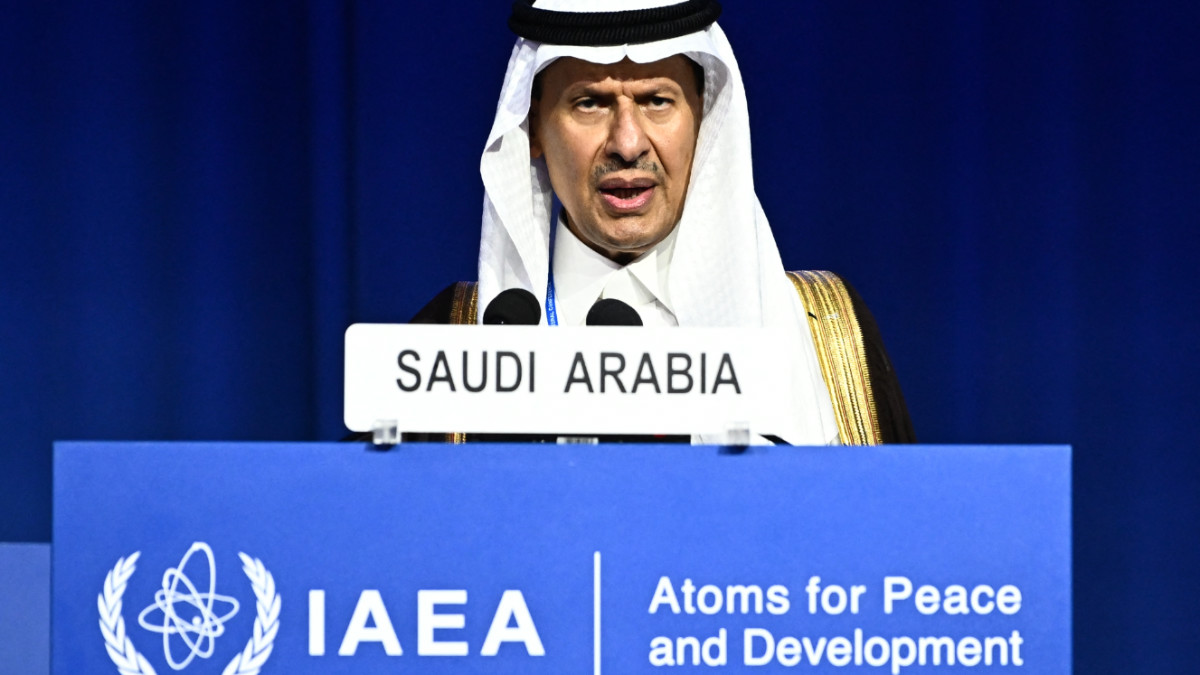
    The Trump administration has formally notified Congress of its intent to pursue a civil nuclear agreement with Saudi Arabia that notably omits stringent non-proliferation safeguards traditionally required by the United States, according to a Reuters exclusive. This proposed ‘123 Agreement’ marks a significant departure from established US policy by not explicitly prohibiting the kingdom from enriching uranium or reprocessing spent nuclear fuel.

    Unlike previous nuclear pacts with nations such as the United Arab Emirates (UAE), which made US cooperation conditional on a commitment to forgo enrichment, the preliminary document with Saudi Arabia stipulates only ‘additional safeguards and verification measures’ for the most sensitive areas of cooperation. This language leaves the door open for Riyadh to potentially develop domestic enrichment capabilities—a move analysts consider far more transformative for the region than the concurrent pursuit of advanced F-35 fighter jet sales.

    US law mandates that a 123 Agreement must be in place before significant nuclear exports can be licensed. Furthermore, lawmakers have historically insisted that partners also adopt the ‘Additional Protocol,’ which grants the International Atomic Energy Agency (IAEA) enhanced inspection powers. The UAE, the only other Gulf state with a US nuclear partnership, signed this protocol in 2009. However, the Trump administration’s November notification to congressional committee heads indicated it is not pursuing this protocol with Saudi Arabia.

    The administration’s report positions US industry at the forefront of Saudi Arabia’s civil nuclear development. The finalized agreement could be submitted to Congress as early as February 22nd, triggering a 90-day review period. During this time, both the House of Representatives and the Senate would need to pass resolutions of disapproval to block the pact in its current form.

    This diplomatic approach underscores President Trump’s deal-centric foreign policy, which often prioritizes economic exports over the non-proliferation concerns of the traditional foreign policy establishment. The concession on enrichment appears to be a key to securing the deal, aligning with Saudi Crown Prince Mohammed bin Salman’s ambition to capitalize on the kingdom’s vast uranium reserves. Energy Minister Prince Abdulaziz bin Salman has publicly stated the intent to enrich and sell uranium, framing it as both an economic imperative and a matter of national pride.

    The nuclear negotiations are part of a broader suite of potential deals with Riyadh. Concurrent discussions on F-35s have involved assurances to lawmakers regarding the maintenance of Israel’s Qualitative Military Edge (QME), with sources indicating the proposed sale involves a lower-grade variant of the jet. Simultaneously, Saudi Arabia is exploring alternative defense partnerships, including a fighter jet co-production deal with Turkey and potential investment in a UK-Italy-Japan next-generation fighter program.