标签: Asia

亚洲

  • Qatar to invest in Canadian projects as Ottawa diversifies relationships

    Qatar to invest in Canadian projects as Ottawa diversifies relationships

    In a landmark diplomatic development, Qatar has pledged substantial investments into Canadian infrastructure and technology sectors, marking a significant strengthening of bilateral relations. The announcement followed an unprecedented visit by Canadian Prime Minister Mark Carney to Doha, where he conducted the first-ever meeting between a Canadian leader and Qatar’s Emir, Sheikh Tamim bin Hamad al-Thani.

    The partnership encompasses multiple dimensions of cooperation, including the establishment of a joint Canada-Qatar commission focused on economic, commercial, and technical collaboration. Both nations committed to accelerating investment across cutting-edge sectors such as artificial intelligence, quantum computing, aerospace, defense technologies, and advanced manufacturing. The agricultural and agri-food sectors will also receive significant attention under the new framework.

    A key component of the agreement involves finalizing the long-stalled Foreign Investment Promotion and Protection Agreement (FIPA) by summer, alongside the creation of a Canadian defense attache position in Doha. The nations will begin negotiations on a comprehensive framework for exchanging military and security expertise, enhancing their strategic alignment.

    To facilitate economic exchange, both countries are working toward a double-taxation agreement that would streamline cross-border investment and employment opportunities for their citizens. Additionally, air connectivity will be strengthened through increased flight frequencies between the two nations.

    The collaboration extends to international events, with both parties signing a letter of intent regarding cooperation during the 2026 FIFA World Cup, which Canada will co-host with the United States and Mexico. This follows Qatar’s successful hosting of the previous tournament in 2022.

    Beyond economic matters, the leaders discussed critical issues of global peace and stability in the Middle East. Both Carney and Sheikh Tamim have received invitations to join US President Donald Trump’s ‘Board of Peace’ for Gaza, reflecting their nations’ growing involvement in regional diplomacy. Canada’s recent recognition of a Palestinian state alongside European allies further underscores its evolving foreign policy approach.

    Prime Minister Carney’s Middle East engagement follows his significant diplomatic mission to China, where he secured trade concessions including reduced tariffs on Canadian canola oil and agreements on Chinese electric vehicle imports. These developments signal Canada’s strategic pivot toward diversifying its international relationships beyond its traditional partnership with the United States.

  • UAE President, PM Modi announce ‘House of India’ museum, discuss regional tensions

    UAE President, PM Modi announce ‘House of India’ museum, discuss regional tensions

    In a significant diplomatic engagement, UAE President Sheikh Mohamed bin Zayed Al Nahyan commenced an official state visit to India on January 19, 2026, receiving a ceremonial welcome from Prime Minister Narendra Modi at Palam Air Base in New Delhi. The high-level discussions marked a pivotal moment in bilateral relations, with both leaders reviewing the substantial progress achieved under their Comprehensive Strategic Partnership framework.

    The agenda encompassed extensive cooperation across economic, technological, and security domains, with particular emphasis on artificial intelligence, space exploration, renewable energy, and food security initiatives. Both nations demonstrated commitment to doubling bilateral trade to $200 billion by 2032, reflecting their shared growth ambitions and economic complementarity.

    A notable outcome included the announcement of ‘House of India,’ a cultural complex in Abu Dhabi featuring museum facilities dedicated to Indian art, heritage, and archaeological exhibits. This institution symbolizes the deepening cultural connectivity between the nations alongside their strategic economic alignment.

    The diplomatic dialogue extended to regional stability concerns, with the UAE leadership emphasizing peaceful conflict resolution through diplomatic channels in South Asia. President Sheikh Mohamed expressed support for India’s upcoming BRICS chairmanship and the February 2026 India AI Impact Summit, recognizing New Delhi’s growing influence in multilateral forums.

    Substantive agreements emerged from the summit, including:
    – Space collaboration between IN-SPACE and UAE Space Agency
    – Strategic defense partnership framework
    – Energy cooperation through HPCL-ADNOC Gas sales agreement
    – Food safety standards harmonization
    – Supercomputing cluster development in India
    – Digital infrastructure initiatives including potential ‘Digital Embassies’
    – Financial sector expansion through First Abu Dhabi Bank and DP World operations in GIFT City
    – Civil nuclear cooperation advancement
    – Youth exchange program establishment

  • Watch: India PM Modi gifts UAE President family swing, Pashmina shawl during visit

    Watch: India PM Modi gifts UAE President family swing, Pashmina shawl during visit

    Indian Prime Minister Narendra Modi extended a culturally significant welcome to UAE President Sheikh Mohamed bin Zayed Al Nahyan during his state visit to New Delhi on January 19, 2026. The Emirati leader, received at the Palam Air Base, was presented with carefully curated gifts symbolizing India’s diverse craftsmanship and cultural heritage.

    At the Prime Minister’s official residence, Modi presented a hand-carved wooden swing from Gujarat, known locally as a ‘Jhula.’ This intricately designed piece, featuring traditional floral patterns, represents familial bonding and intergenerational conversation—a theme particularly resonant given the UAE’s declaration of 2026 as the ‘Year of Family.’

    The second significant gift was a premium Pashmina shawl from Kashmir, meticulously crafted from fine wool and presented in an ornate silver box manufactured in Telangana. Prime Minister Modi personally assisted the UAE President in wearing the shawl, after which both leaders were photographed conversing warmly while seated on the Gujarati swing.

    In a thoughtful gesture extending to the UAE first family, Sheikha Fatima bint Mubarak Al Ketbi, the President’s mother, received a similar Pashmina shawl alongside premium Kashmiri saffron, renowned for its distinctive crimson color and intense aroma, also presented in decorative silver packaging.

    This visit marked Sheikh Mohamed’s third official trip to India since assuming presidency and his fifth overall in the past decade, underscoring the deepening diplomatic engagement between the two nations. The bilateral discussions focused on strengthening strategic partnerships across multiple sectors including economic cooperation, technological innovation, artificial intelligence, renewable energy initiatives, and food security. The meetings concluded with the signing of several Memoranda of Understanding, further cementing the comprehensive strategic partnership between India and the UAE.

    The UAE delegation included several high-ranking officials including Sheikh Hamdan bin Mohammed bin Rashid Al Maktoum, Crown Prince of Dubai; Sheikh Abdullah bin Zayed Al Nahyan, Foreign Minister; and numerous other ministers and senior government representatives.

  • Swiss councillors to vote on Uefa tax exemption over failure to suspend Israel

    Swiss councillors to vote on Uefa tax exemption over failure to suspend Israel

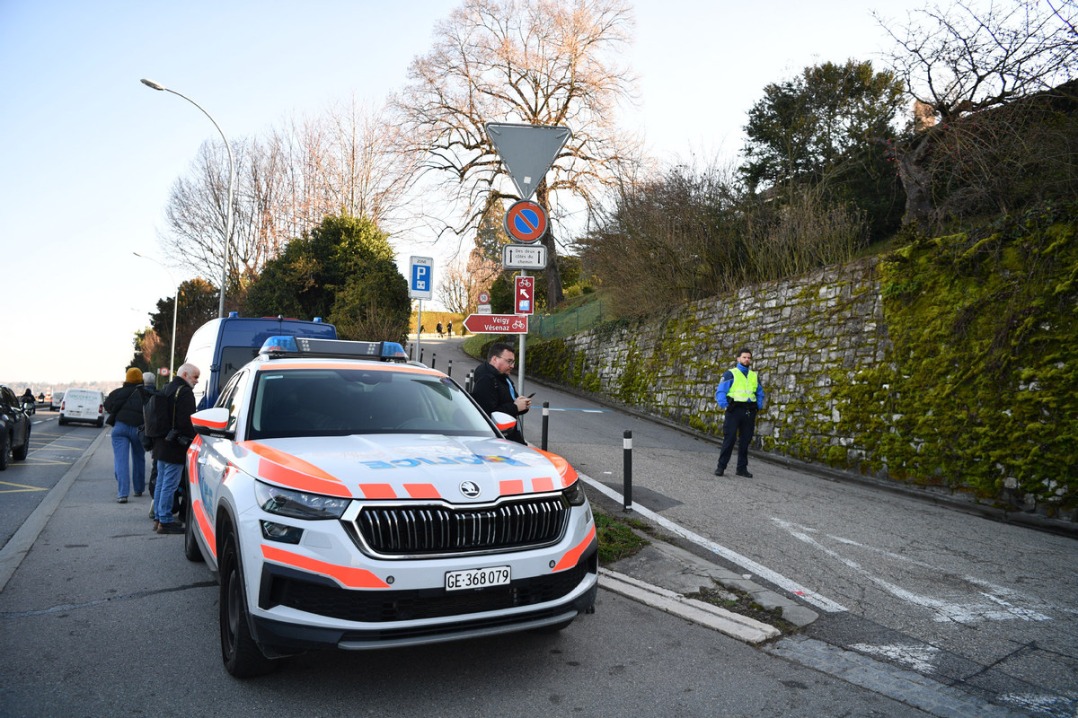
    The Canton of Vaud in Switzerland is poised to make a significant political statement regarding international sports governance as its councillors prepare to vote on a resolution challenging UEFA’s tax-exempt status. The initiative, led by councillor Theophile Schenker and supported by members across four political parties, emerges from UEFA’s continued recognition of the Israeli Football Association despite Israel’s occupation of Palestinian territories.

    European football’s governing body enjoys tax privileges in Nyon, Vaud, where numerous international sports federations are headquartered. These exemptions are contingent upon organizations demonstrating tangible efforts to promote peace and combat discrimination through their activities. The proposed resolution argues that UEFA’s failure to suspend the Israeli Football Association—particularly following the International Court of Justice’s advisory opinion on July 19, 2024, which deemed Israel’s occupation unlawful—directly contradicts these peace-promotion mandates.

    The resolution highlights apparent double standards in UEFA’s governance approach, noting the organization’s swift sanctions against Russia following its invasion of Ukraine while taking no comparable action against Israel. Schenker emphasized that UEFA’s tax exemption exists specifically because international sports federations are expected to uphold peace values, a condition he believes UEFA is currently failing to meet.

    Rather than immediately revoking tax privileges, the resolution would instruct the Vaud government to initiate formal proceedings requiring UEFA to justify how its current position aligns with its peace-promotion obligations. Depending on UEFA’s response, the government would then reassess the exemption eligibility. Even if successful, UEFA would retain the right to challenge any unfavorable decision in court.

    The political maneuver comes amid revelations that UEFA’s executive committee had planned to vote on suspending Israel on September 30, 2024, over allegations of genocide in Gaza, but paused proceedings following a ceasefire proposal from former US President Donald Trump. Campaigners argue that UEFA President Aleksander Ceferin’s decision to halt the vote represents either complicity or political naivete regarding Israel’s documented human rights abuses.

    While acknowledging the resolution’s primarily symbolic nature, Schenker believes parliamentary approval would send a powerful message to both the Vaud government and UEFA leadership, potentially providing ‘the missing energy’ needed for member associations to push for Israel’s suspension in alignment with international law.

  • Indonesian President nominates nephew as central bank deputy governor

    Indonesian President nominates nephew as central bank deputy governor

    Indonesian President Prabowo Subianto has formally nominated his nephew, Thomas Djiwandono, for a position on the central bank’s board of governors, triggering immediate concerns about the financial institution’s independence. The announcement was confirmed by State Secretariat Minister Prasetyo Hadi during a Monday press conference, revealing that multiple candidates had been submitted to parliament for consideration following the resignation of incumbent deputy governor Juda Agung.

    Djiwandono, who currently serves as deputy finance minister—a position he assumed in July 2024 under previous president Joko Widodo—now faces parliamentary scrutiny through a mandatory ‘fit-and-proper’ hearing process. The nomination comes at a critical juncture for Indonesia’s economic policy, with the central bank preparing to announce its latest benchmark interest rates this week.

    The development has reignited longstanding concerns about governance transparency in Southeast Asia’s largest economy, which has historically struggled with corruption and concentration of power among political elites. Bank Indonesia, tasked with maintaining monetary stability and overseeing the financial system, now faces questions about its operational independence from executive influence.

    Central bank spokesman Ramdan Denny Prakoso emphasized that ‘Bank Indonesia remains focused on its core mandates of currency stability, payment system integrity, and financial system security to support sustainable economic growth.’ The statement came as President Prabowo pushes an ambitious economic agenda aiming to accelerate growth from approximately 5% to 8% by 2029, adding significance to the central bank’s leadership composition.

  • Aid cuts push Yemen towards catastrophe as famine pockets feared: Report

    Aid cuts push Yemen towards catastrophe as famine pockets feared: Report

    Yemen is rapidly descending toward its most severe food security catastrophe since 2022, with the International Rescue Committee (IRC) warning that pockets of famine affecting over 40,000 people will emerge across multiple districts within the next sixty days. The humanitarian organization issued this grave assessment on Monday, indicating the nation is entering a dangerous new phase of widespread hunger.

    Projections indicate that more than half of Yemen’s population—approximately 18 million people—will experience deteriorating food security by early 2026. According to the latest Integrated Food Security Phase Classification (IPC) analysis, an additional one million individuals could be pushed into life-threatening hunger levels.

    This escalating crisis stems from a decade of relentless conflict and mass displacement that has systematically dismantled livelihoods and deprived communities of essential health and nutrition services. The situation has been exacerbated by a nationwide economic collapse that has severely diminished household purchasing power, coinciding with dramatic reductions in humanitarian funding.

    By the conclusion of 2025, the aid response was funded at less than 25% capacity—the weakest financial support level in ten years—while life-saving nutrition programs received under 10% of required funding. Humanitarian agencies identify these funding cuts as primary accelerants of the collapse, with more than 80% of US foreign aid programs cancelled alongside reductions from other international donors.

    The consequences are already visible: clean water systems have ceased operation in cholera-prone regions, healthcare services have shuttered, and millions have lost access to basic medical care. Less than 10% of the $2.5 billion required for Yemen’s 2025 humanitarian response has been secured.

    Caroline Sekyewa, IRC’s Country Director in Yemen, expressed grave concern about the alarming pace of deterioration. ‘The people of Yemen still remember when they didn’t know where their next meal would come from. I fear we are returning to this dark chapter again,’ she stated. ‘What distinguishes the current deterioration is its speed and trajectory. Food insecurity in Yemen is no longer a looming risk; it is a daily reality forcing parents into impossible choices.’

    Local organizations report dismantling fragile protection networks established over years, particularly for women, through the closure of safe spaces, suspension of psychosocial services, and halted legal aid.

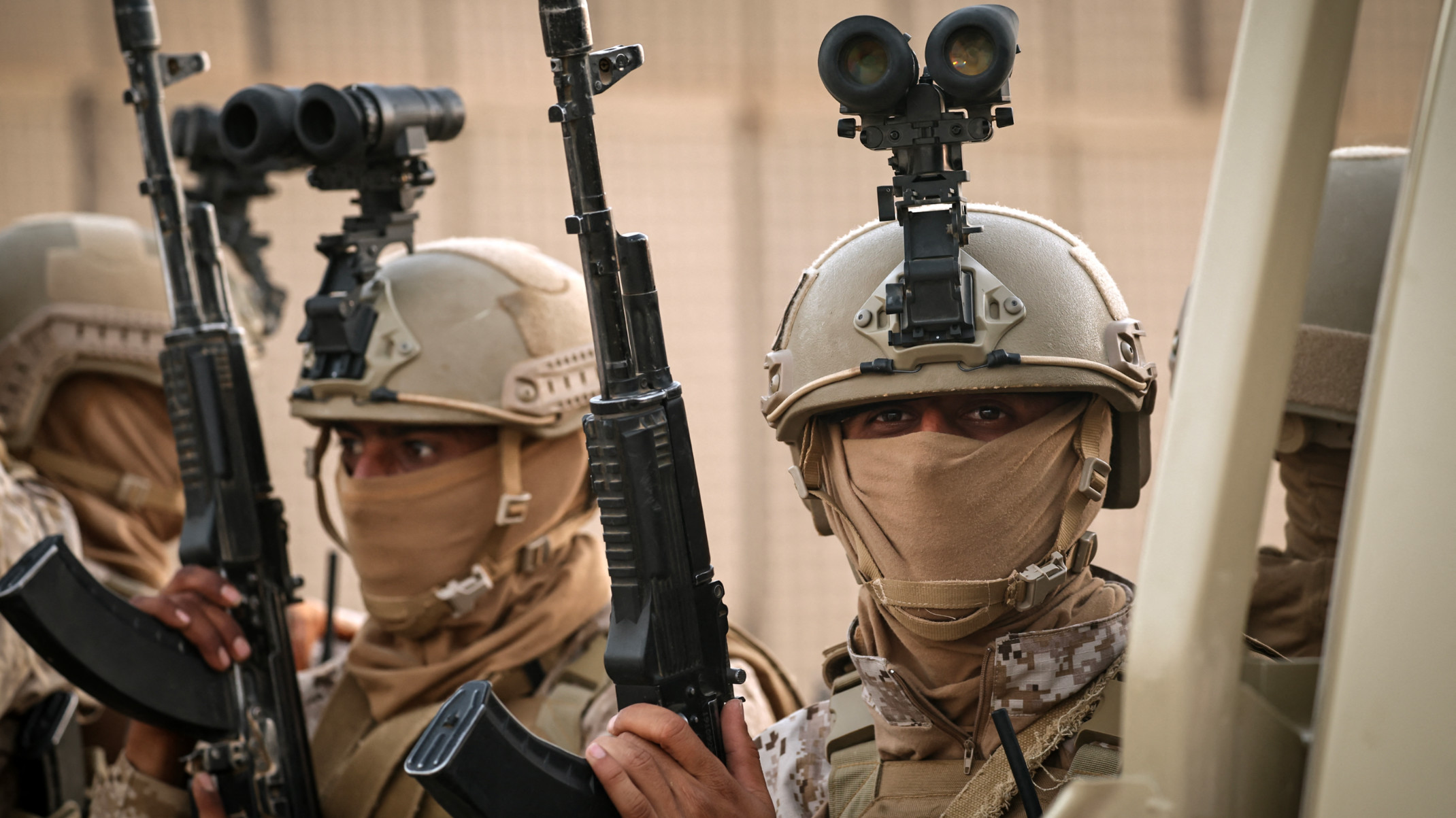
    Compounding the humanitarian disaster, political tensions are resurfacing. In early January, Saudi Arabia launched strikes against the UAE-aligned separatist Southern Transitional Council (STC) and targeted an Emirati arms shipment in Mukalla’s port city. Abu Dhabi subsequently withdrew its forces from Yemen, resulting in the collapse of STC control and government troops retaking Aden and surrounding areas. These developments have raised prospects of further escalation as regional powers continue to vie for influence over Yemen’s future.

  • Enterprise security strategies evolve as digital transformation accelerates across the Middle East

    Enterprise security strategies evolve as digital transformation accelerates across the Middle East

    The accelerating pace of digital transformation across Middle Eastern nations is fundamentally reshaping enterprise security paradigms, according to insights revealed at Intersec Dubai 2026. Government-led initiatives and private sector adoption are creating a new security landscape where traditional access control methods are rapidly giving way to sophisticated biometric authentication systems.

    Sam Cherif, Senior Director and Head of the Middle East at HID, emphasized that digital transformation is no longer a choice but a necessity driven by governmental vision programs including We the UAE Vision 2031 and Saudi Vision 2030. “The core challenge has shifted from whether to modernize to how to implement advanced security systems without introducing new vulnerabilities,” Cherif stated during the security technology exhibition.

    Biometric authentication has emerged as a cornerstone technology, particularly in high-traffic environments including corporate campuses, critical infrastructure sites, and transportation hubs. Organizations are increasingly implementing multi-factor authentication protocols that combine facial recognition with mobile credentials to secure sensitive areas.

    HID’s demonstration of its Amico biometric facial recognition readers highlighted the industry’s move toward contactless, high-throughput authentication systems. These next-generation devices represent a significant advancement over legacy biometric systems, which were often standalone devices with limited processing power and vulnerability to spoofing attacks.

    Modern biometric platforms function as secure identity endpoints incorporating real-time liveness detection, anti-spoofing measures, and hardware-based encryption. “They operate within a broader trusted identity ecosystem,” Cherif explained, “seamlessly integrating physical access control with cloud-based identity management solutions.

    The transition toward contactless access, accelerated during the global pandemic, continues to gain momentum with facial recognition and digital credentials replacing traditional authentication methods. Mobile credentials have become central to enabling fully contactless experiences, with over 60% of security leaders identifying them as the future of access control.

    This shift aligns with broader sustainability goals and the region’s digital evolution, positioning mobile and virtual credentials as key components in the Middle East’s security infrastructure. HID’s regional strategy remains focused on supporting organizations through this digital transition, with growth projections tied directly to the region’s continuing technological advancement.

  • All autonomous vehicle operations to be managed by transport authority in RAK

    All autonomous vehicle operations to be managed by transport authority in RAK

    Ras Al Khaimah has enacted groundbreaking legislation placing all autonomous vehicle operations under the regulatory oversight of the emirate’s transport authority. Sheikh Saud bin Saqr Al Qasimi, Supreme Council Member and Ruler of Ras Al Khaimah, officially issued Law No. (1) of 2026 on Monday, January 19, 2026, establishing a comprehensive regulatory framework for self-driving vehicles.

    The legislation designates Ras Al Khaimah Transport Authority (RAKTA) as the primary regulatory body responsible for establishing technical and legal standards for autonomous vehicle deployment. The law mandates stringent safety protocols including automatic transition to safe mode when autonomous operations cannot continue, secure connectivity with control centers, and maintenance of transparent operational records.

    Critical cybersecurity measures and data governance frameworks form a core component of the new regulations. The law explicitly defines operator responsibilities and ensures accessibility for all community segments, including People of Determination. Additionally, it requires public awareness campaigns and educational materials to facilitate safe public interaction with autonomous transportation systems.

    Esmaeel Hasan Al Blooshi, Director General of RAKTA, characterized the legislation as a strategic milestone that positions Ras Al Khaimah at the forefront of smart mobility innovation. The transport authority will implement continuous digital monitoring mechanisms and mandatory periodic reporting to ensure compliance with international safety and quality standards.

    The law took effect immediately upon its publication in the Official Gazette, with RAKTA assuming responsibility for issuing subsequent regulatory decisions to facilitate a structured transition toward autonomous transportation integration.

  • The full text of Trump’s ‘Board of Peace’ charter

    The full text of Trump’s ‘Board of Peace’ charter

    A newly obtained charter document reveals former US President Donald Trump’s proposed “Board of Peace” represents a direct challenge to established international institutions, particularly the United Nations. Middle East Eye has acquired the comprehensive charter outlining an alternative global governance framework that significantly centralizes power within its leadership structure.

    The initiative, originally conceptualized during Trump’s response to the Gaza conflict, has evolved into a broader institutional framework that pointedly criticizes existing peacebuilding approaches. The charter explicitly states that durable peace requires “the courage to depart from… institutions that have too often failed,” while advocating for a “more nimble and effective international peace-building body.”

    Notably, the charter establishes Donald J. Trump as the inaugural Chairman with extensive authority, treating the position as a personal role rather than one tied to the U.S. presidency. The document specifies that Trump “shall serve as inaugural Chairman” without reference to the presidential office or fixed term limits, while granting him exclusive authority to create, modify, or dissolve subsidiary entities.

    The governance structure establishes a two-tier system: a general assembly of Member States represented by their Heads of State or Government, and an Executive Board selected by the Chairman consisting of “leaders of global stature.” Decision-making power ultimately rests with the Chairman, who maintains veto authority over Executive Board decisions and final interpretation of the charter.

    Membership requires invitation from the Chairman and features unusual provisions, including three-year terms for most states except those contributing over $1 billion within the first year. The Chairman retains authority to remove member states subject to a two-thirds majority veto, while states can withdraw immediately with written notice.

    As of January 19th, dozens of countries including Turkey, Egypt, India, Pakistan, and Saudi Arabia have received invitations, though most governments have responded cautiously. Only Hungarian Prime Minister Viktor Orbán, a known Trump ally, has confirmed acceptance of membership.

    The charter establishes English as the official language and designates the United States as depositary for all official documents. Financial provisions rely on voluntary funding from member states and other sources, while granting the organization international legal personality with capacity to enter contracts, acquire property, and institute legal proceedings.

    The Board of Peace would continue indefinitely unless dissolved by the Chairman, with automatic dissolution at the end of every odd-numbered year unless renewed by November 21st. This structure creates a potentially parallel international system with significantly different governance principles from existing multilateral institutions.

  • Cameras in some Sharjah petrol stations to be linked with police systems

    Cameras in some Sharjah petrol stations to be linked with police systems

    Sharjah authorities have announced a significant security enhancement initiative that will integrate surveillance systems at ADNOC fuel stations with the emirate’s police operations center. This strategic move aims to substantially improve emergency response capabilities and optimize report-handling efficiency throughout the city’s petroleum distribution network.

    The groundbreaking security collaboration emerged from high-level discussions between Shaikha Al Khouri, Director of Operations Assurance at ADNOC Distribution, and senior Sharjah Police officials. The meeting, attended by numerous representatives from both organizations, focused on strengthening institutional cooperation and developing integrated approaches to public safety initiatives.

    This interagency partnership represents a concerted effort to bolster Sharjah’s comprehensive security infrastructure through technological integration. By establishing direct surveillance links between retail fuel locations and law enforcement command centers, authorities anticipate significantly reduced response times to incidents and enhanced monitoring capabilities across the urban landscape.

    The initiative forms part of broader strategy to implement smart security solutions that leverage existing infrastructure while creating new synergies between private enterprise and public safety organizations. This approach demonstrates Sharjah’s commitment to innovative crime prevention methodologies that prioritize community protection through public-private cooperation.