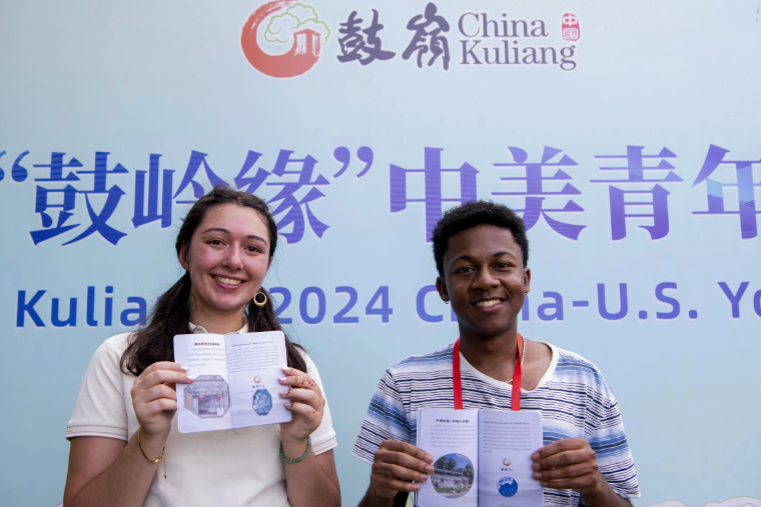
China has welcomed over 36,000 young Americans through exchange programs in the past two years, driven by President Xi Jinping’s ambitious ‘50,000 in Five Years’ initiative. This program, announced during a 2023 dinner hosted by US-friendly organizations, aims to strengthen ties between the peoples of China and the US, particularly among the younger generation. Vice-Minister of Education Xiong Sihao highlighted this achievement at a State Council Information Office press conference, emphasizing the program’s success in fostering cross-cultural friendships. For instance, a pickleball cultural exchange delegation from Maryland bonded with Chinese peers during a visit in April 2024. Beyond the US, China has established educational partnerships with 183 countries, signed academic degree recognition agreements with 61 nations, and launched joint education programs with 42. Over 190 countries have students pursuing education in China, and 86 nations have integrated Chinese language into their national curricula. These efforts create a platform for global youth to connect, inspire one another, and contribute to a shared future. Minister of Education Huai Jinpeng underscored China’s strides in building the world’s largest high-quality education system, ensuring equal access for all children. Higher education enrollment has surged from 30% in 2012 to 60.8%, reaching international standards. During the 14th Five-Year Plan (2021-25), China produced 55 million higher education graduates—equivalent to the population of many developed countries. While China does not rely solely on global rankings, its universities and disciplines have emerged as a significant global force. These advancements support national strategies for self-reliance in science and technology and the cultivation of innovative talent. China’s basic education system now matches the average level of high-income countries, further solidifying its position as a global education leader.
标签: Asia
亚洲
-

Huawei to boost AI chip output despite additional US curbs
Huawei Technologies is poised to significantly expand its artificial intelligence (AI) chip production capabilities, with plans to double the annual output of its flagship Ascend 910C processors to 600,000 units by 2026. This ambitious move comes in response to escalating export restrictions imposed by the United States on Chinese chipmakers and their supply chains, which have heightened Beijing’s drive for semiconductor self-sufficiency.
-

India and China to resume direct flights after a five-year ban
In a significant move towards the normalization of bilateral relations, India’s largest budget airline, IndiGo, announced the resumption of direct flights between Kolkata and Guangzhou starting October 26. This development comes as part of broader efforts to rebuild ties between India and China, which have been strained since the deadly border clashes in 2020. The Indian foreign ministry emphasized that the reinstatement of direct flights would enhance people-to-people contact and contribute to the gradual normalization of bilateral exchanges. The two nations share a contentious 3,440-kilometer border, with overlapping territorial claims that have historically fueled tensions. The 2020 Galwan Valley clash, which resulted in the deaths of at least 20 Indian and four Chinese soldiers, marked the first fatal confrontation since 1975 and led to a freeze in diplomatic relations. However, over the past year, both countries have engaged in high-level talks and implemented measures to de-escalate border tensions. These include patrolling arrangements along the disputed Himalayan border and the resumption of visa services for Chinese tourists by India. Additionally, China has permitted Indian pilgrims to visit religious sites in the Tibet Autonomous Region. The warming of India-China relations has also been influenced by India’s strained ties with the U.S. under former President Donald Trump’s tariff policies. In August, Chinese Foreign Minister Wang Yi visited Delhi, advocating for a partnership rather than rivalry between the two nations. Prime Minister Narendra Modi’s visit to China for the Shanghai Cooperation Organisation summit further underscored the commitment to normalizing relations. The resumption of direct flights symbolizes a tangible step towards rebuilding trust and fostering cooperation between the two Asian giants.
-
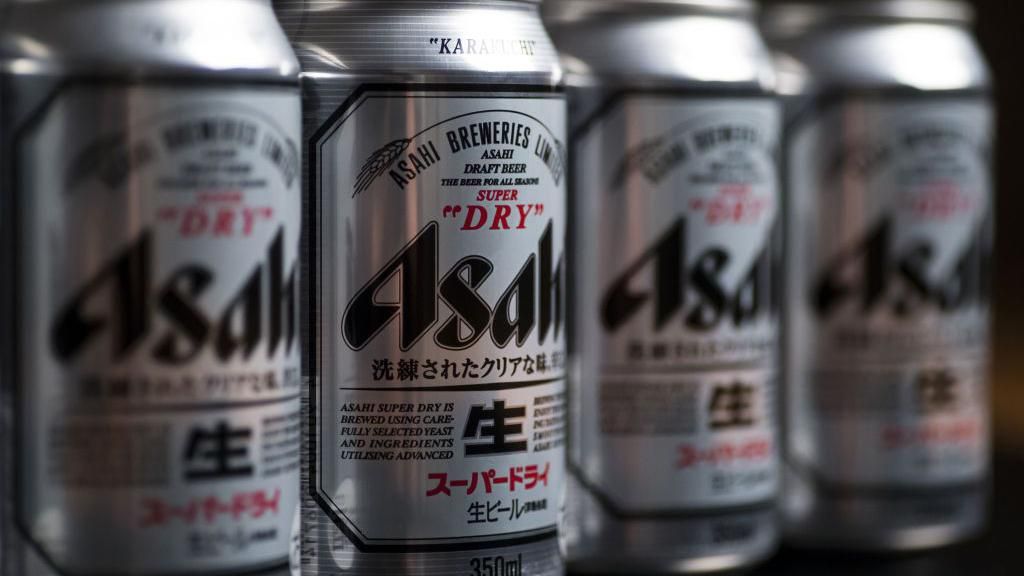
Japan faces Asahi beer shortage after cyber-attack
Japan is currently experiencing a significant shortage of Asahi products, including beer and bottled tea, as the global beverage giant struggles with the aftermath of a severe cyber-attack. The attack has disrupted Asahi’s ordering and delivery systems, forcing most of its factories in Japan to halt operations since Monday. This disruption has led to widespread supply chain issues, affecting both consumers and retailers across the country. Major convenience store chains, including FamilyMart and Lawson, have issued warnings to customers about potential shortages of Asahi products. FamilyMart, one of Japan’s largest convenience store chains, announced on Thursday that it has temporarily suspended orders and shipments of Asahi products, with no clear timeline for resumption. The retailer also expressed regret for the inconvenience caused and assured customers that it is collaborating with Asahi to restore product availability. Lawson, another prominent Japanese retailer, has similarly anticipated shortages and is preparing to stock alternative products to mitigate the impact on consumers. Asahi, Japan’s largest brewer and owner of international brands such as Peroni, Pilsner Urquell, and Grolsch, has confirmed that the cyber-attack has primarily affected its domestic operations. The company has assured that there is no evidence of a data breach involving customer information. However, the timeline for restoring normal operations remains uncertain as investigations into the cause of the attack continue. Japan accounts for approximately half of Asahi’s total sales, making the disruption particularly significant for the company. The incident underscores the growing vulnerability of global businesses to cyber threats and the potential impact on supply chains and consumer markets.
-
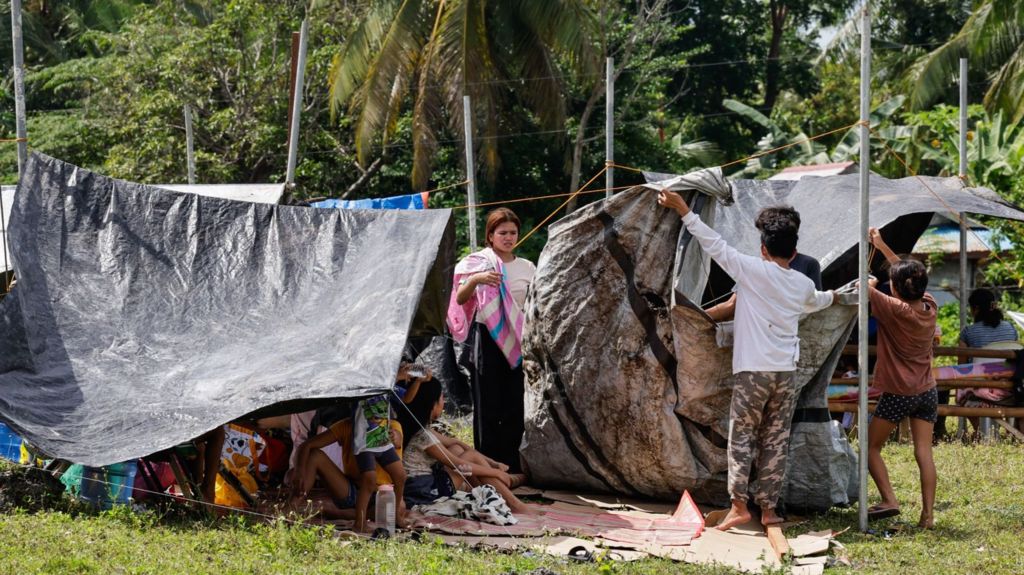
Sleeping in fields and struggling for basics: Filipinos contend with quake aftermath
A devastating magnitude 6.9 earthquake struck the northern coast of Cebu, one of the Philippines’ most populous islands, on the night of September 30, leaving at least 72 people dead and 300 injured. The quake, which occurred in a region already grappling with the aftermath of a fierce typhoon season, has displaced approximately 40,000 people, forcing many to seek temporary shelter in tents and under the open sky. Among the survivors is Arguel Estalicas, a 35-year-old tourism officer from Medellin town, who described the overwhelming fear and dizziness she continues to experience. ‘I still couldn’t process what has happened to us,’ she told the BBC. The earthquake caused widespread destruction, collapsing homes, buildings, and churches, and cracking roads. Social media images showed residents huddled under plastic bags for shelter during light rain, while others slept outdoors, clinging to whatever resources they had. Lourenze Pareja, a 25-year-old community journalist from San Remigio, recounted the chaos he witnessed during the quake, describing his once-vibrant town as now resembling a ‘ghost town.’ The Philippines, located on the geologically unstable ‘Ring of Fire,’ is no stranger to natural disasters. This earthquake is among the deadliest in recent years, following the 2013 Bohol quake that killed over 200 people. Rescue operations are ongoing, with authorities working to deliver food, restore power and communication lines, and clear debris. The Philippine military has been deployed to assist in relief efforts, but daily necessities remain scarce. Survivors like Ms. Estalicas and Mr. Pareja remain hopeful, drawing strength from the Filipino spirit of bayanihan, or community cooperation. ‘My only prayer is that help won’t be delayed,’ Mr. Pareja said, urging relief efforts to extend to neighboring municipalities.
-

Chinese invested directly in Musk’s SpaceX, insider testifies
Elon Musk’s SpaceX, a cornerstone of U.S. aerospace and defense, has reportedly accepted direct investments from Chinese investors, according to recently unsealed court testimony. This revelation, disclosed during a legal case involving a major SpaceX investor, Iqbaljit Kahlon, has ignited fresh debates over foreign ownership in one of America’s most critical military contractors. While Chinese investment in U.S. defense contractors is not prohibited, it is tightly regulated due to national security implications. Kahlon’s testimony, though not detailing the extent or identities of the Chinese investors, confirms their presence on SpaceX’s capitalization table, a list of shareholders. This marks the first acknowledgment of direct Chinese investment in the privately held company, which has long kept its ownership structure under wraps. Previously, Chinese investors were known to hold indirect stakes in SpaceX through intermediary funds. The disclosure has raised alarms among national security experts, who warn that such investments could provide China with access to sensitive information, potentially compromising U.S. security. SpaceX, which has secured significant government contracts, including those with NASA and the Pentagon, has not commented on the matter. The testimony emerged from a Delaware court case involving Kahlon, who has facilitated investments in SpaceX for wealthy individuals worldwide, including those from China. The U.S. government’s growing concerns over Chinese investments in sensitive industries have led to increased scrutiny, with House Democrats urging the Department of Defense to investigate SpaceX’s investment practices. Despite these concerns, SpaceX’s valuation continues to soar, with Musk’s 42% stake estimated at $168 billion, solidifying his position among the world’s wealthiest individuals.
-
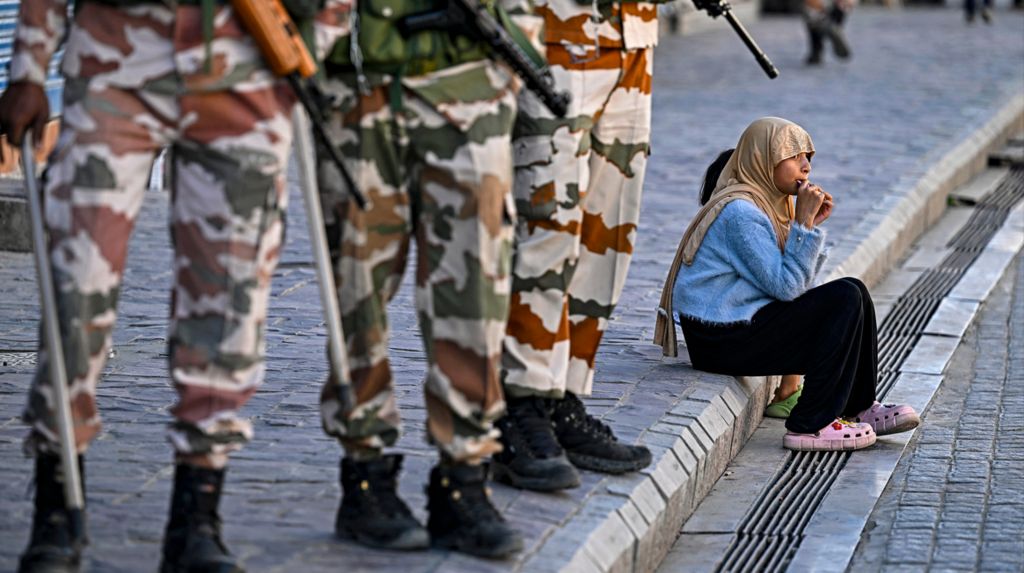
‘Broken promises’ and deadly violence push Himalayan beauty spot to the edge
Ladakh, a serene Himalayan region renowned for its spiritual allure and breathtaking landscapes, has been thrust into turmoil following violent protests demanding greater autonomy from India. Last week, peaceful demonstrations escalated into deadly clashes between protesters and police, resulting in four civilian deaths and over 80 injuries. The unrest marks the deadliest violence in the region in decades. Authorities responded by arresting Sonam Wangchuk, a prominent scientist and activist accused of inciting the crowd, and imposing a curfew in Leh, Ladakh’s capital. Internet services were cut, and paramilitary troops were deployed to restore order. The protests stem from long-standing grievances over the region’s political status and cultural preservation. In 2019, Ladakh was separated from Indian-administered Kashmir and placed under direct federal rule, a move initially welcomed by residents who hoped for greater autonomy. However, disillusionment grew as promises of economic development and cultural protection remained unfulfilled. The region’s Buddhist and Muslim communities, historically divided, have united in their demand for statehood, job quotas, and inclusion in the Sixth Schedule, which grants protections to tribal areas. The recent violence has deepened mistrust and fear among locals, with many accusing the government of prioritizing industrial interests over their rights. Political and defense experts warn that further escalation could destabilize this strategically sensitive region, which borders both China and Pakistan. Despite the crackdown, protesters vow to continue their struggle peacefully, emphasizing their demands are rooted in legitimate concerns for their identity and future. The road to reconciliation remains uncertain, with hundreds of soldiers stationed in Leh and many protesters fearing reprisals.
-
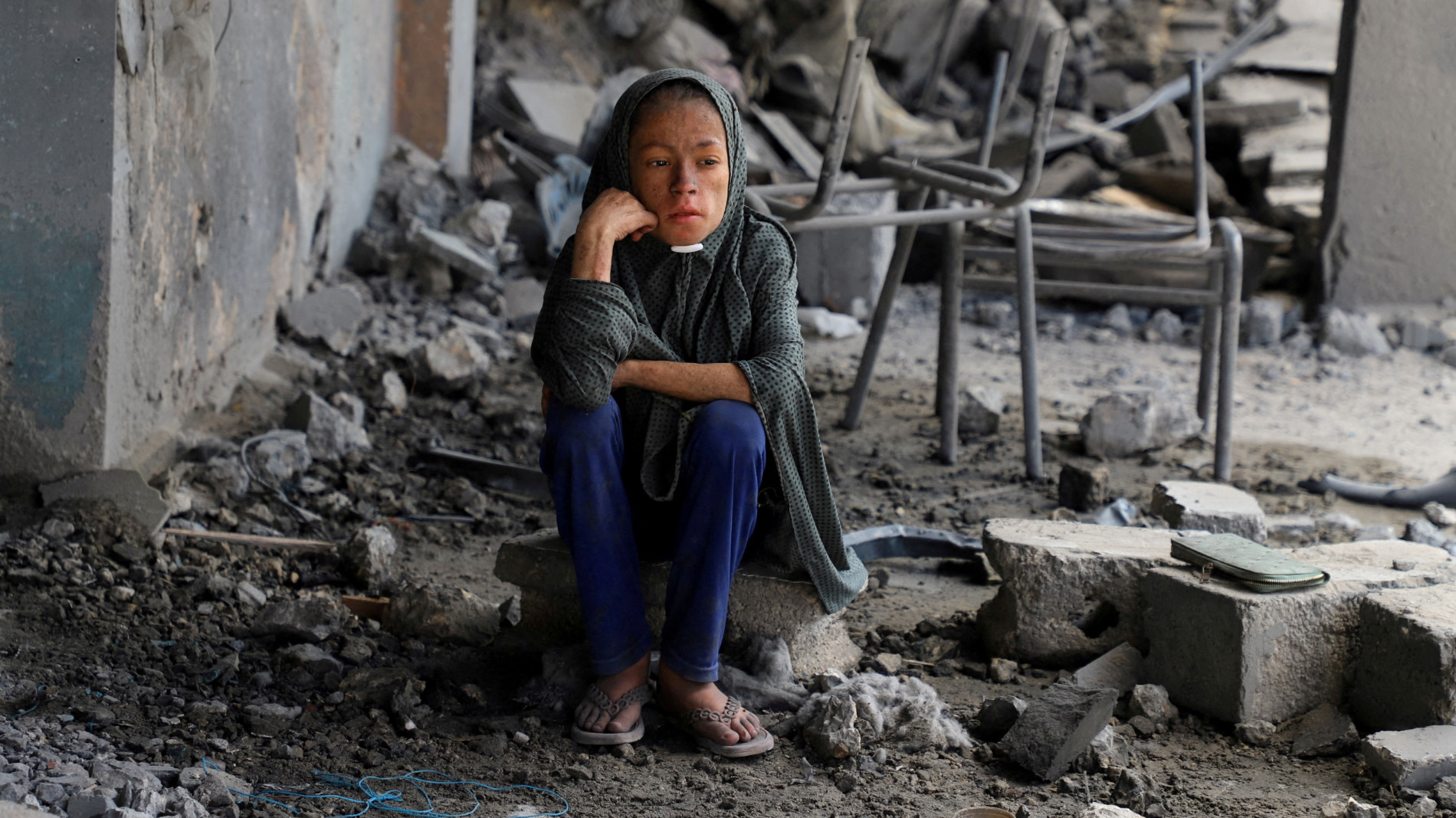
Growing up amid genocide: Gaza’s girls navigate puberty under siege and scarcity
In the midst of relentless Israeli air strikes, young girls in Gaza are enduring not only the horrors of war but also the profound challenges of puberty. This pivotal stage of life, marked by significant physical and emotional changes, is exacerbated by the dire conditions of the besieged enclave. With families struggling to survive, essential resources like menstrual products, clean water, and private spaces are scarce, leaving girls to navigate this transition in isolation and distress. Dima Mohammed, a 12-year-old displaced in Gaza City, shared her shock and unpreparedness for the onset of puberty, highlighting the scarcity of hygiene supplies and the overwhelming focus on survival. Her mother lamented the lack of medical care and the compounded physical and psychological suffering caused by the war. Similarly, Maryam Ahmed, another 12-year-old, expressed her unpreparedness for puberty, both mentally and physically, as her mother recounted the impossibility of providing the usual support and celebration due to the war’s devastation. The United Nations Population Fund (UNFPA) estimates that around 691,300 women and girls of menstruating age are living in Gaza, with a monthly need for approximately 10,369,500 menstrual pads. However, the Israeli blockade has severely restricted the entry of hygiene supplies, making these products either unavailable or unaffordable. Many women and girls have resorted to makeshift alternatives, such as torn pieces of cloth, further stripping them of dignity. Palestinian psychologist Anhar Farajallah emphasized the heightened physical and emotional risks faced by girls entering puberty under such conditions, noting the lack of privacy, clean water, and essential hygiene products. Umm Ibrahim, a displaced mother in Gaza City, spoke of her daughter’s severe abdominal pain during menstruation and the unaffordable cost of sanitary pads. Eleven-year-old Maria Sharif, despite being prepared by her mother, expressed her feelings of adding a burden to her family due to the high cost of sanitary pads, resorting to improvised alternatives. The war has not only disrupted the lives of these young girls but has also robbed them of the support and resources needed to navigate this crucial stage of life.
-
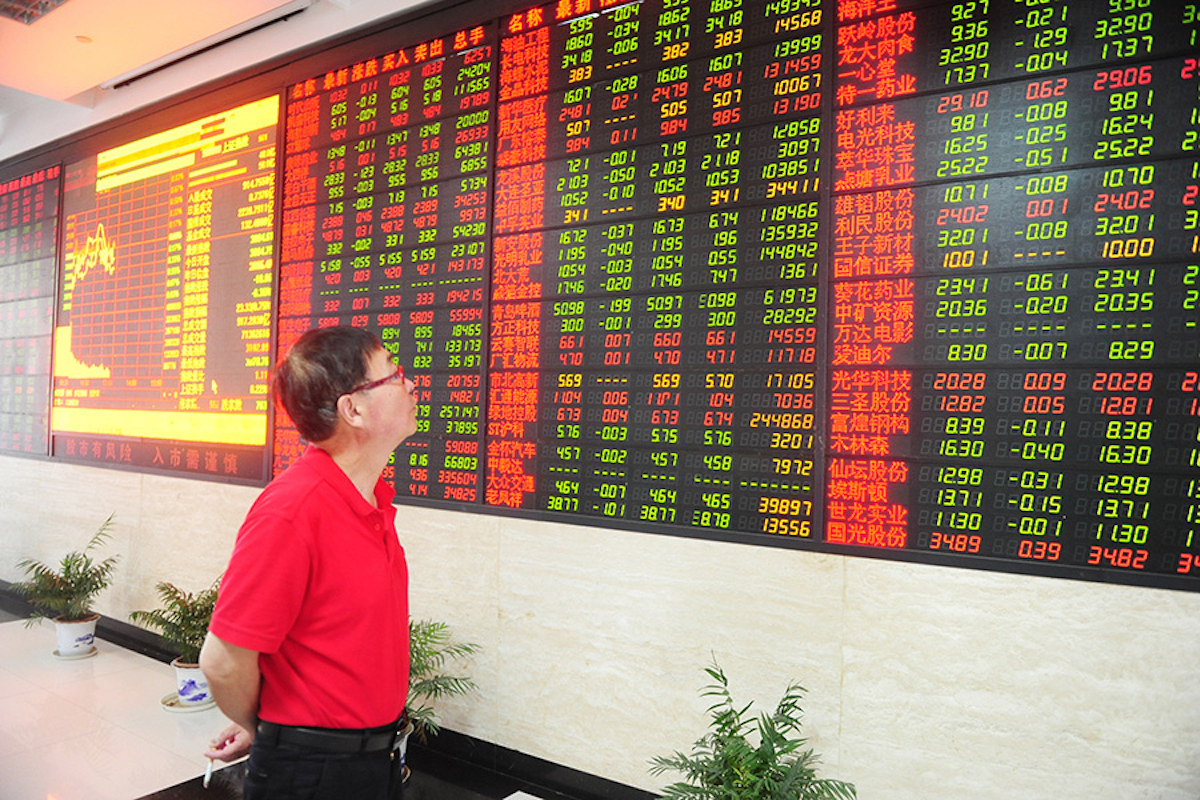
China’s $3 trillion stock rally is outrunning its economy
China’s equity markets have experienced one of their most significant rallies in recent years, with a combined market capitalization increase exceeding US$3 trillion across mainland China and Hong Kong. The CSI 300 index has soared by approximately 16% in 2025, while technology indices have reached their highest levels in a decade. This surge is primarily driven by retail investors, who, bolstered by substantial savings and state-backed liquidity support, are leading the charge. Despite slowing industrial output growth and underwhelming retail sales figures, investors are focusing on China’s long-term economic transformation, shifting away from property dependence toward innovation, advanced manufacturing, and green technology. This rally is distinct from previous speculative cycles, reflecting a deeper confidence in structural reforms and the government’s strategic direction. Individual investors dominate trading volumes, accounting for nearly 90% of daily flows, while Beijing’s efforts to deepen capital markets through policy support and foreign participation are further fueling the momentum. Although certain sectors, such as biotech and AI-linked firms, appear overvalued, the overall rally is seen as a sign of capital aggressively seeking exposure to China’s future economic drivers. The state’s active role in guiding this transition underscores the rally’s sustainability, with measures like widening access to stock options and strengthening market infrastructure laying the groundwork for long-term institutional participation. While caution is advised due to macroeconomic uncertainties and external pressures, the rally signals investors’ belief in China’s ability to reinvent its growth model. If reforms translate into tangible results, this surge could mark the early stages of a transformative economic evolution.
-

India’s most powerful Hindu nationalist organisation marks centenary
The Rashtriya Swayamsevak Sangh (RSS), a prominent Hindu nationalist organization and a key ideological force behind Indian Prime Minister Narendra Modi’s rise to power, celebrated its 100th anniversary with a grand event attended by thousands of volunteers. The centenary celebrations, held at the RSS headquarters in Nagpur, saw 3,800 participants donning the organization’s iconic khaki uniforms and performing synchronized exercises in a military-like formation. RSS chief Mohan Bhagwat addressed the gathering, touching on topics ranging from India’s recent conflict with Pakistan to climate change and economic inequality. He emphasized interdependence among nations, echoing Modi’s advocacy for self-reliance in the face of global challenges. Despite its claims of being a non-political entity, the RSS wields significant influence in Indian politics, particularly through its ties to the ruling Bharatiya Janata Party (BJP). Founded in 1925 by Keshav Baliram Hedgewar, the RSS has grown into the world’s largest volunteer organization, though its membership numbers remain undisclosed. Critics accuse the RSS of promoting divisive ideologies, particularly its alleged Islamophobia and exclusionary stance toward non-Hindus. The organization’s history is marred by controversies, including its involvement in the 1992 demolition of the Babri Mosque, which triggered nationwide riots. While the RSS has recently sought to soften its image through public outreach, minority communities remain skeptical of its core belief that India is primarily for Hindus. Prime Minister Modi, a former RSS member, lauded the organization during the celebrations and released commemorative stamps and coins, drawing criticism from opposition parties.