
The enduring legacy of Dr. Ruth V. Hemenway, a pioneering US missionary doctor who dedicated her life to serving the Chinese people during one of the nation’s most tumultuous periods, has been commemorated on the 80th anniversary of the victory in the Chinese People’s War of Resistance Against Japanese Aggression (1931-45) and the World Anti-Fascist War. Dr. Hemenway, who arrived in China in 1924, played a pivotal role in addressing the dire lack of medical resources and facilities during Japan’s brutal wartime occupation. Her unwavering commitment to saving lives amidst widespread atrocities, including bombings, looting, and violence, has left an indelible mark on Chinese history. Born in 1894 in Williamsburg, Massachusetts, Dr. Hemenway pursued her medical education at Tufts Medical School, graduating in 1921. Inspired by her missionary calling, she embarked on a journey to China, where she spent 17 years, primarily in Minqing, Fujian province. There, she directed a hospital that later became Minqing Liudu Hospital, expanding its services, establishing branch clinics, and improving healthcare access for rural communities. Dr. Hemenway’s contributions extended beyond medical care; she promoted vaccinations, disseminated health knowledge, and trained local medical personnel. Her dedication to serving the most vulnerable, even in the face of immense danger, has been hailed as a testament to her courage and compassion. Today, her descendants and admirers continue to honor her remarkable life and the profound impact she had on the lives of countless Chinese people.
标签: Asia
亚洲
-

Six patients killed in a fire at an ICU ward of India hospital
A devastating fire at the intensive care unit (ICU) of Sawai Man Singh Hospital in Jaipur, Rajasthan, has resulted in the deaths of six critically ill patients. The blaze, believed to have been caused by a short circuit, erupted late on Sunday night in the ICU’s storage area. At the time of the incident, eleven patients were in the unit, with two women and four men among the victims. Relatives of the deceased have accused hospital staff of negligence, a claim vehemently denied by hospital authorities. Rajasthan Chief Minister Bhajanlal Sharma announced an investigation into the tragedy, emphasizing that all measures are being taken to ensure patient safety and care for those affected. The fire, which started in the hospital’s trauma center just before midnight, quickly spread, forcing the evacuation of fourteen patients from a nearby ICU ward. Firefighters battled the flames for nearly two hours before gaining control. Families of the victims have expressed outrage, alleging that staff ignored initial warnings and that the hospital lacked essential firefighting equipment. Hospital Deputy Superintendent Jagdish Modi refuted these claims, stating that staff members risked their lives to evacuate patients. Prime Minister Narendra Modi expressed his condolences on social media, wishing a speedy recovery to the injured. This incident is part of a troubling pattern of hospital fires in India, with a 2024 fire in Jhansi claiming the lives of ten newborns. A 2023 analysis by The Indian Express revealed that 11 major hospital fires since 2019 have claimed 107 lives, often due to safety lapses and inadequate firefighting systems.
-
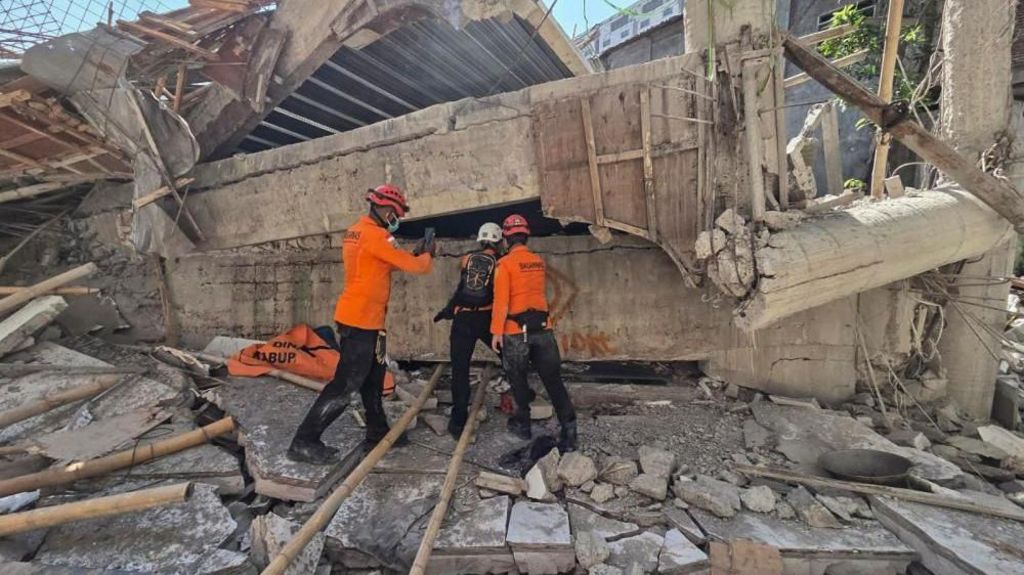
Death toll from Indonesia school collapse rises to 54
A devastating collapse at the Al Khoziny Islamic boarding school in East Java, Indonesia, has resulted in the death of 54 people, with rescuers still searching for over a dozen missing individuals. The incident occurred last Monday while the two-storey building was undergoing construction. Hundreds of students, predominantly teenage boys, were gathered for prayers when the structure gave way. This tragedy marks the deadliest disaster in Indonesia this year, according to the country’s disaster mitigation agency. Rescuers are expected to conclude their search for the remaining 13 victims trapped under the rubble by the end of the day. Investigators are probing the cause of the collapse, with some officials attributing it to an unstable foundation. Budi Irawan, a deputy at the disaster mitigation agency, stated that the death toll surpasses that of any other disaster in 2025, whether natural or man-made. The victims include at least two individuals who were rescued from the debris but later succumbed to their injuries in the hospital. Al Khoziny, a traditional Islamic boarding school known as a pesantren, operates in a largely informal sector with minimal regulation. It remains unclear whether the school had the necessary permits for the additional construction. The search and rescue operations have been particularly challenging due to the manner in which the building collapsed, leaving only narrow voids for rescuers to navigate. Survivors have recounted their terrifying escapes to local media, with 13-year-old Muhammad Rijalul Qoib describing the escalating sound of falling rocks before he managed to flee, albeit injured by debris from the roof.
-
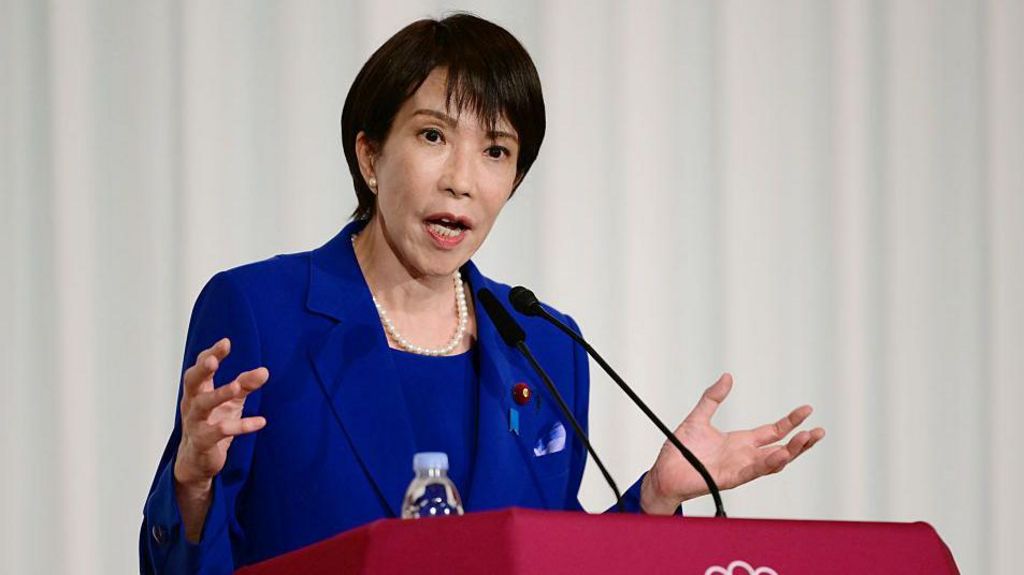
Japan stocks hit record after ruling party names pro-business leader
Japanese financial markets experienced a significant surge as Sanae Takaichi was elected the new leader of the ruling Liberal Democratic Party (LDP), setting the stage for her to become Japan’s next prime minister. The Nikkei 225 index soared by over 4%, surpassing the 47,000 mark for the first time in history. Takaichi, a pro-business politician, is renowned for her advocacy of increased public spending and reduced borrowing costs. Her admiration for former UK Prime Minister Margaret Thatcher and her free-market economic policies have further bolstered investor confidence. Following her victory in the LDP leadership race, shares in real estate, technology, and heavy industry sectors saw notable gains. However, the Japanese yen plummeted to a record low against the euro and dropped by more than 1.5% against the US dollar. If confirmed as the successor to Shigeru Ishiba later this month, Takaichi will make history as Japan’s first female prime minister. She faces the daunting tasks of revitalizing a sluggish economy, addressing rising household costs, and fostering wage growth. Additionally, Takaichi will need to manage the complex US-Japan relationship and finalize a tariff agreement with the Trump administration, a deal initiated by the Ishiba government.
-

How China is challenging Nvidia’s AI chip dominance
For decades, the United States has been the undisputed leader in the global technology market. However, China is making significant strides to challenge this dominance, particularly in the realm of advanced semiconductor technology. Nvidia CEO Jensen Huang recently remarked that China is merely ‘nanoseconds behind’ the US in chip development, signaling a narrowing gap in this critical industry.
-
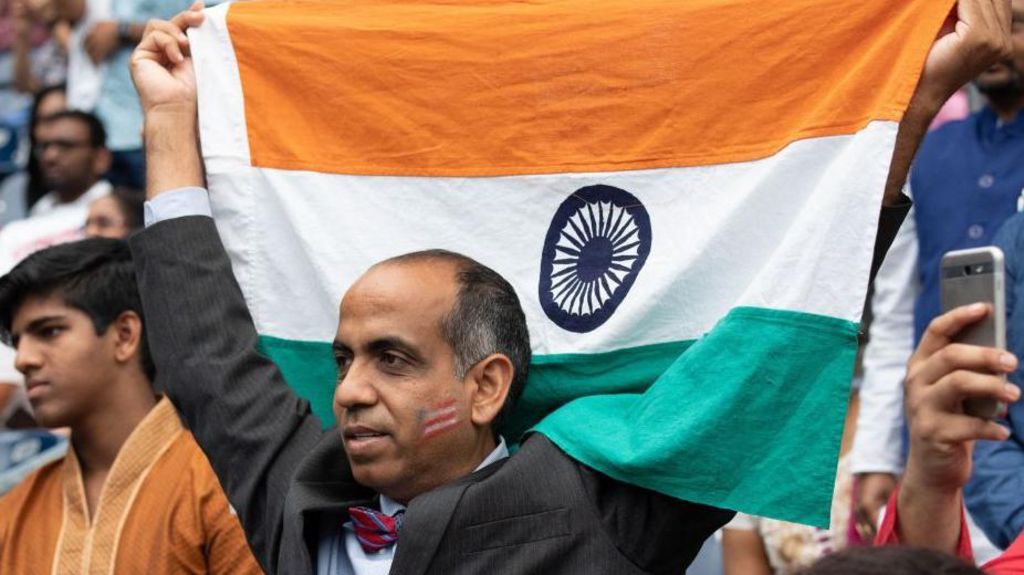
India wants to lure its best minds back from the US – but it won’t be easy
The recent decision by US President Donald Trump to increase H-1B visa fees to $100,000 has ignited a significant debate in India about reversing the decades-long brain drain. Indian policymakers are actively encouraging skilled professionals to return home and contribute to the nation’s development. A senior bureaucrat close to Prime Minister Narendra Modi revealed that the government is intensifying efforts to attract overseas Indians back to the country. Meanwhile, a member of the PM’s economic advisory council argued that the H-1B visa fee hike could benefit India by making it a more attractive destination for global talent. The core idea is to capitalize on the current situation to lure back highly skilled professionals in technology, medicine, and innovation who left India over the past 30 years. However, experts caution that while anecdotal evidence suggests some Indians are considering returning, large-scale reverse migration remains a challenge. Nithin Hassan, a former Meta employee who gave up a $1 million job to return to Bengaluru, exemplifies this trend. He launched B2I (Back to India), a platform assisting NRIs in navigating the complexities of relocating. Hassan noted a surge in inquiries following Trump’s policy shifts, with queries tripling since his second term began. Other headhunters, like Shivani Desai of BDO Executive Search, reported a 30% increase in Ivy League graduates exploring return options. The rise of Global Capability Centres (GCCs) in India has also created viable opportunities for returning professionals. Yet, critics like Sanjaya Baru, former media adviser to PM Manmohan Singh, argue that the government must take more proactive steps to identify and incentivize top talent to return. Despite these efforts, India faces significant push factors, including poor infrastructure, bureaucratic hurdles, and a challenging business environment, which have driven many high-earning Indians to seek citizenship elsewhere. To truly reverse the brain drain, experts emphasize the need for comprehensive reforms, including simplified tax laws, targeted incentives, and improved R&D ecosystems.
-

Nearly 1,000 people trapped on Mount Everest slopes
A severe snowstorm has left nearly 1,000 individuals stranded on the eastern slopes of Mount Everest in Tibet, prompting a large-scale rescue operation. Chinese state media reported that hundreds of local villagers and rescue teams have been mobilized to clear snow obstructing access to the area, which lies at an altitude exceeding 4,900 meters (16,000 feet). The heavy snowfall, which began on Friday evening, intensified over the weekend, causing tents to collapse and leaving some hikers suffering from hypothermia. The Tibet Blue Sky Rescue team responded to distress calls, and some tourists have already been rescued. In response to the crisis, the Tingri County Tourism Company has suspended ticket sales and entry to the Everest Scenic Area. The region is currently experiencing extreme weather conditions, with neighboring Nepal also facing devastating floods and landslides that have claimed at least 47 lives. Meanwhile, Typhoon Matmo has made landfall in China, forcing the evacuation of approximately 150,000 people. Mount Everest, the world’s highest peak at over 8,849 meters, remains a perilous destination for climbers, with recent years marked by overcrowding, environmental degradation, and fatal climbing incidents.
-
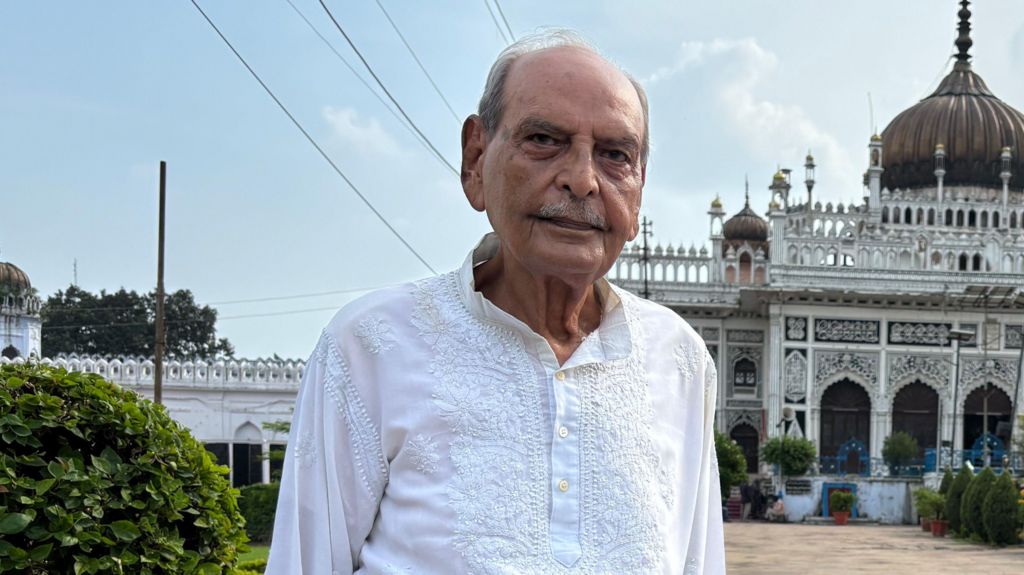
‘A legacy worth millions’ – India’s former royals who draw a meagre pension
In the historic town of Hussainabad, Uttar Pradesh, 90-year-old Faiyaz Ali Khan makes his annual pilgrimage to the Picture Gallery, a 19th-century relic of the city’s royal past. His mission: to collect his wasika, a royal pension granted to descendants of the Awadh royal family. This tradition, rooted in a 200-year-old agreement, continues to link modern India to its regal heritage. The wasika, derived from the Persian word for a written agreement, was initially established when members of the Awadh royal family lent money to the East India Company in the early 1800s, stipulating that the interest be paid as pensions to their descendants. Today, around 1,200 wasikedars, including Faiyaz Ali Khan, receive these pensions, though the amounts have dwindled significantly over generations. For many, the pension, though meager—just nine rupees and 70 paise ($0.11) a month—symbolizes a cherished connection to their illustrious ancestry. The payments are now managed by the Hussainabad Trust and the Uttar Pradesh government, with some beneficiaries receiving direct bank transfers while others collect cash. Critics argue that these pensions are outdated remnants of feudal privilege, but supporters view them as a sacred honor tied to historical promises. Shahid Ali Khan, a lawyer and beneficiary, emphasizes that the wasika is more about identity than money, using it exclusively for religious expenses. Despite appeals to increase the pension amounts to reflect modern interest rates, the payments remain unchanged, leaving recipients like Faiyaz Ali Khan to spend far more on travel than they receive. The grandeur of the tradition has also faded, with the once festive atmosphere of pension collection now a distant memory. As the debate over the relevance of these pensions continues, they remain a poignant reminder of India’s royal past.
-

‘They’re not just sharing needles, they’re sharing blood’: How HIV cases soared in Fiji
Fiji, a small South Pacific nation, is grappling with one of the world’s fastest-growing HIV epidemics, driven largely by intravenous drug use. Over the past decade, the number of HIV cases has surged from fewer than 500 in 2014 to nearly 5,900 by 2024, marking an elevenfold increase. In 2024 alone, Fiji recorded 1,583 new cases, with 41 of them involving individuals aged 15 or younger. The youngest known case, a ten-year-old boy, highlights the alarming spread of the virus among youth.
-
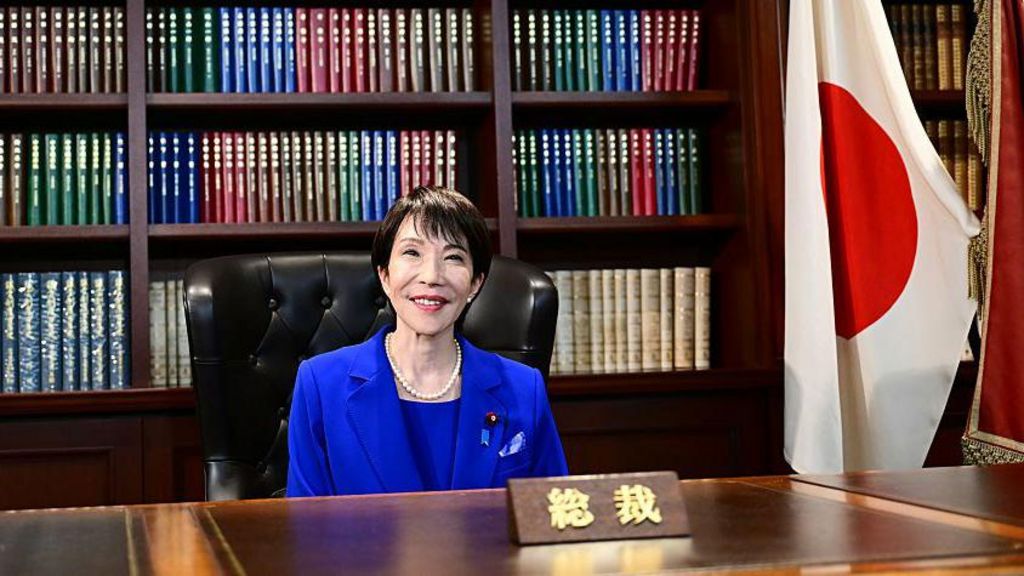
Who is Japan’s ‘Iron Lady’ Sanae Takaichi?
In a historic turn of events, Sanae Takaichi, a 64-year-old veteran politician, has been elected as the leader of Japan’s ruling Liberal Democratic Party (LDP), paving the way for her to become the nation’s first female prime minister. This milestone comes on the 70th anniversary of the LDP, a party that has long dominated Japanese politics but now faces significant challenges, including declining voter trust and a rising far-right movement. Takaichi, a former government minister and TV host, who once drummed in a heavy metal band, has overcome two previous failed attempts to secure the LDP leadership. Her victory marks a pivotal moment for Japan, as she aims to restore the party’s credibility and address pressing national issues. Born in Nara Prefecture in 1961, Takaichi’s journey into politics was unconventional. Her early career included stints as a television host and a heavy metal drummer, where she gained fame for her intense performances. Her political awakening came during the 1980s, amid US-Japan trade tensions, which shaped her determination to defend Japan’s autonomy. After losing her first parliamentary election in 1992, she persisted, eventually winning a seat in 1993 and joining the LDP in 1996. Over the years, she has held multiple senior government roles, including minister for economic security and internal affairs and communications. Takaichi’s conservative stance has been a defining feature of her political career. She has opposed legislation allowing married women to keep their maiden names and same-sex marriage, though she has recently softened her tone on some social issues. Her policy proposals focus on expanding women’s health services, improving childcare support, and addressing Japan’s aging population. A protégé of the late Shinzo Abe, she has pledged to revive his ‘Abenomics’ economic strategy. However, her leadership will be tested as she navigates the LDP’s declining majority and seeks to counter the rise of the far-right Sanseito party. Parliament is expected to confirm her as prime minister on October 15, ushering in a new chapter for Japan.