
In December 2023, South Africa brought a landmark case before the International Court of Justice (ICJ), accusing Israel of genocide in its military operations in Gaza. This marked the first time Israel’s actions were formally challenged on the global stage since the war began on October 7, 2023. The case has since become one of the most significant legal disputes in recent history, drawing widespread international attention. However, nearly two years later, the ICJ has yet to deliver a final judgment, with the process expected to extend into 2027 or beyond. The case has been characterized by its complexity, with multiple provisional measures issued against Israel, though compliance has been minimal. The death toll in Gaza has surged to over 66,000, according to the Gaza Health Ministry, underscoring the urgency of the situation. South Africa has pursued a multifaceted strategy, including diplomatic efforts and the formation of the Hague Group, to hold Israel accountable. Meanwhile, a recent UN commission of inquiry concluded that Israel has committed genocide in Gaza, further intensifying the legal and political stakes. The ICJ’s eventual ruling, while legally binding, faces enforcement challenges, particularly given the likelihood of a US veto in the UN Security Council. The case’s outcome could have profound implications for international law, Israel’s global standing, and the pursuit of justice for Palestinian victims.
标签: Asia
亚洲
-
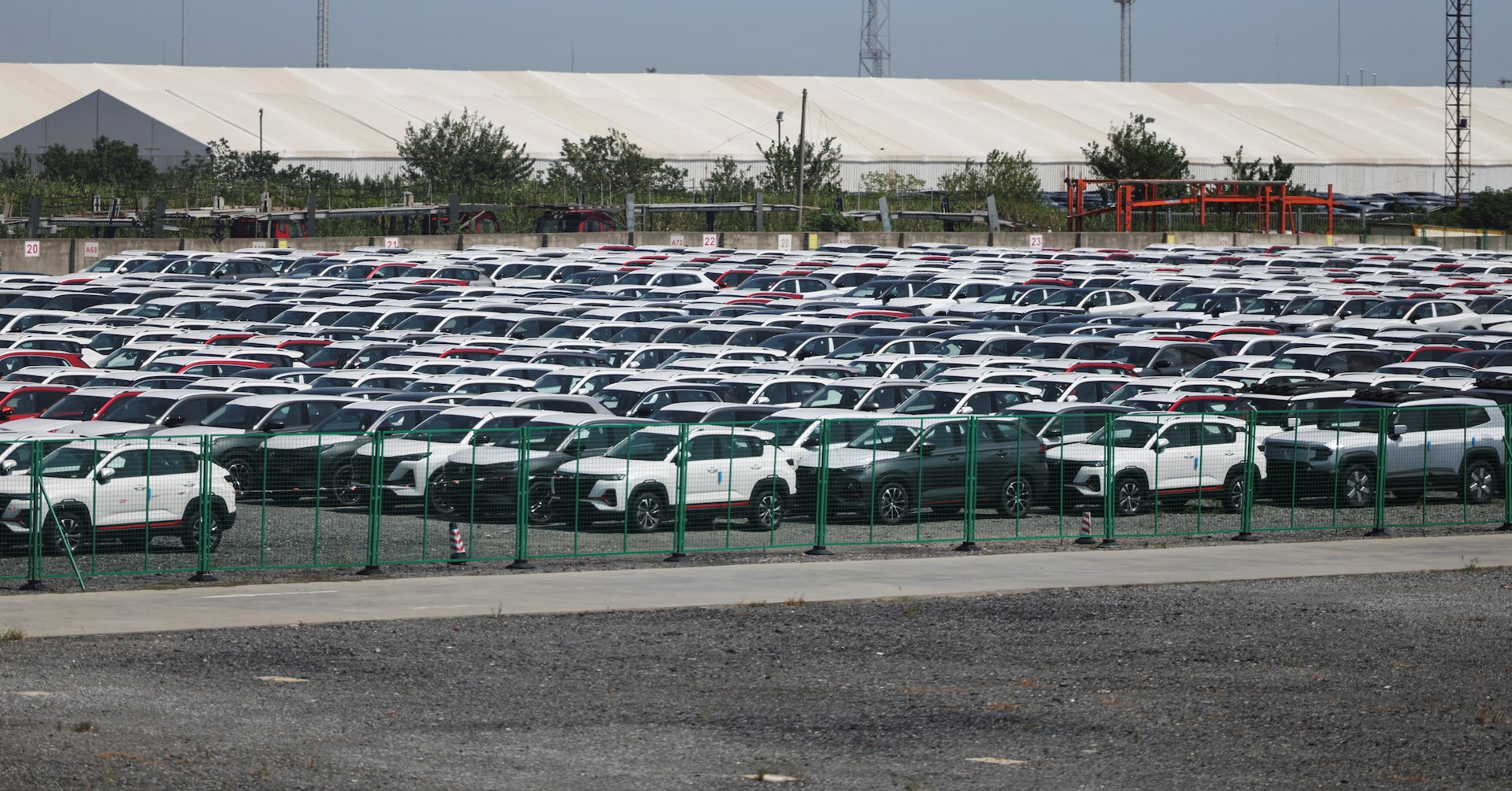
China auto industry body to launch discrimination probe into US chips
In a significant move, the China Association of Automobile Manufacturers (CAAM) announced on Friday the initiation of an anti-discrimination investigation into the effects of U.S. trade policies on the automotive sector, particularly concerning semiconductor chips. The probe, which calls for automakers to submit their inputs by October 13, follows a similar investigation launched by China’s commerce ministry on September 13 into alleged discrimination and dumping practices by U.S. chip manufacturers. This development comes just ahead of a new round of U.S.-China trade talks scheduled in Spain, highlighting the escalating tensions between the two economic powerhouses. The automotive industry, heavily reliant on semiconductor chips, faces potential disruptions as trade policies continue to evolve. The outcome of these investigations could have far-reaching implications for global supply chains and international trade relations.
-
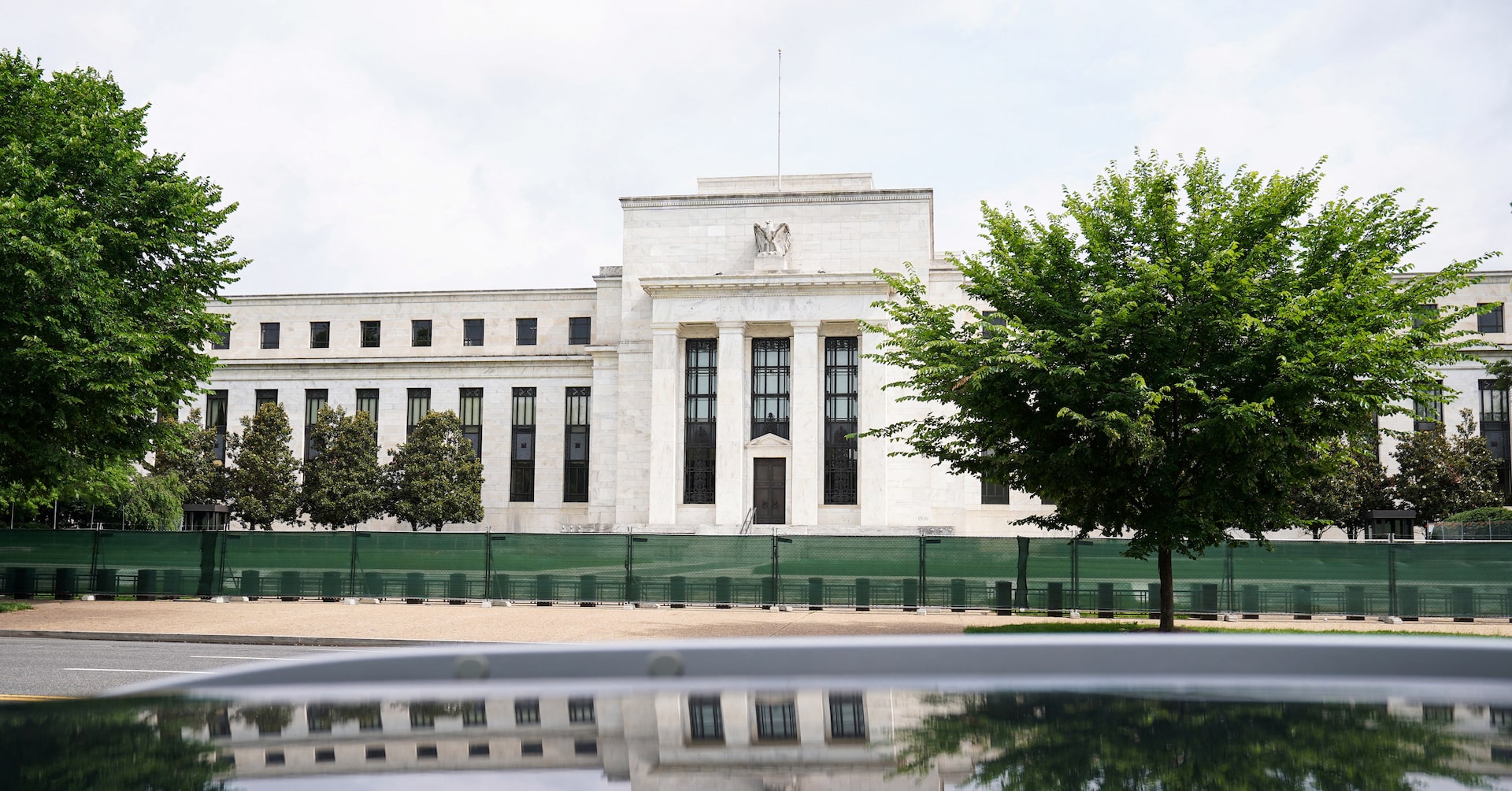
Fed resumes easing path, other major central banks on hold
In a week marked by significant monetary policy decisions, the U.S. Federal Reserve delivered its first rate cut since December, signaling a shift in its approach to economic challenges. This move contrasts sharply with other major central banks, including the Bank of England and the Bank of Japan, which opted to maintain their current rates. The divergence in policy reflects the varying economic conditions and inflation pressures across global markets. The Bank of Canada, however, reduced its key rate to a three-year low of 2.5%, citing a weak jobs market and subdued price pressures. Meanwhile, the European Central Bank (ECB) kept its rates steady, with markets anticipating limited further cuts. The Swiss National Bank also held its rates, though discussions about a potential return to negative rates persist. In the Asia-Pacific region, the Reserve Bank of New Zealand is expected to cut rates further, while the Bank of Japan maintained its short-term rates but hinted at future hikes. These decisions underscore the complex balancing act central banks face as they navigate inflation, growth, and employment dynamics in an uncertain global economy.
-

Three dead in Australia after Optus glitch disrupts emergency calls
A critical technical failure during a network upgrade at Optus, Australia’s second-largest telecommunications provider, has resulted in the tragic deaths of three individuals. The incident, which occurred on Thursday, disrupted emergency call services, leaving hundreds of customers in South Australia, Western Australia, and the Northern Territory unable to connect with emergency services. During welfare checks, authorities discovered three fatalities in households where attempts to make emergency triple zero (“000”) calls had failed. Optus CEO Stephen Rue expressed profound regret and offered heartfelt condolences to the affected families during a press conference on Friday. Rue emphasized that the company is conducting a thorough investigation into the failure and will publicly disclose the findings once completed. This incident follows a series of setbacks for Optus, including a $12 million fine for a nationwide outage in 2023 and a significant cyberattack in 2022 that compromised the data of nearly 9.5 million Australians. Rue, who assumed leadership in November 2024, vowed to address the systemic issues and restore public trust in the company.
-
Intel’s Nvidia deal expected to be a mixed blessing for Asian chipmakers
In a landmark move, Nvidia has announced a $5 billion equity investment in Intel, positioning itself as one of Intel’s largest shareholders with an approximate 4% stake. The deal, unveiled on Thursday, includes a collaborative effort to develop PC and data center chips, signaling a significant shift in the semiconductor industry. While Intel’s shares surged by 23% following the announcement, the implications for Asian chipmakers like TSMC and Samsung Electronics are more nuanced. Analysts suggest that Intel’s potential revival could alleviate U.S. regulatory pressure on foreign competitors, even as it intensifies long-term competition. TSMC, which currently dominates the AI chip market for U.S. companies, saw its shares dip by 1.6%, while Samsung’s shares fell by 1%. The partnership could bolster Intel’s next-generation manufacturing capabilities, a critical factor given its recent struggles. However, the deal also raises concerns about the future of TSMC’s business with AMD, a key competitor to Intel and Nvidia. As the U.S. government pushes for domestic semiconductor production, the dynamics of the global chipmaking industry remain uncertain, with Intel’s resurgence potentially reshaping the competitive landscape.
-
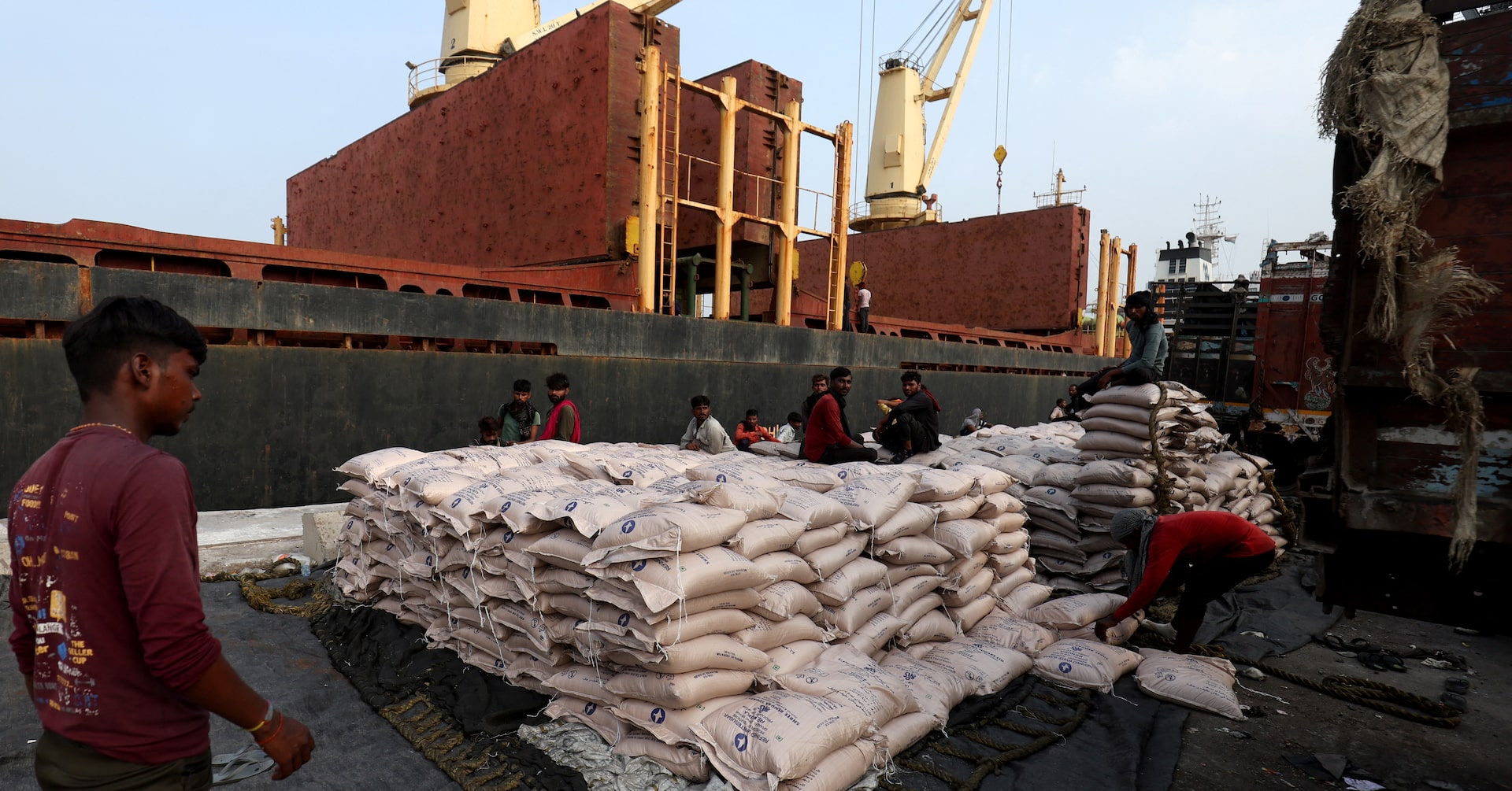
Indian sugar mills to miss export quota, ship around 775,000 tons, sources say
India’s sugar exports are projected to drop below 800,000 metric tons this season, significantly missing the government’s 1 million-ton quota. This decline is attributed to increased supplies from Brazil, which have driven global sugar prices to their lowest levels in over four years, making Indian shipments less competitive. Trade and government officials, who spoke on condition of anonymity, revealed that mills have so far contracted to export around 750,000 tons, with approximately 720,000 tons already shipped. Even under the most optimistic scenarios, exports are unlikely to exceed 775,000 tons by the end of the season on September 30, 2025. The slowdown in exports has been exacerbated by Brazilian sugar trading at more than $25 cheaper than Indian supplies, coupled with rising domestic prices in India. Traditionally, Indian sugar has held a competitive edge in Asia due to lower freight costs, but recent market dynamics have shifted the balance. With only a handful of export deals in recent weeks, mills may request the government to allow the export of the remaining 200,000-plus tons in the new season starting October 1. Despite the current challenges, India’s sugar output is expected to rise in the upcoming season, thanks to favorable monsoon rains, potentially improving export prospects. India, the world’s largest sugar producer and consumer, has been a key exporter to countries such as Afghanistan, Bangladesh, Indonesia, Sri Lanka, and the United Arab Emirates, averaging 6.8 million tons annually over the past five years.
-
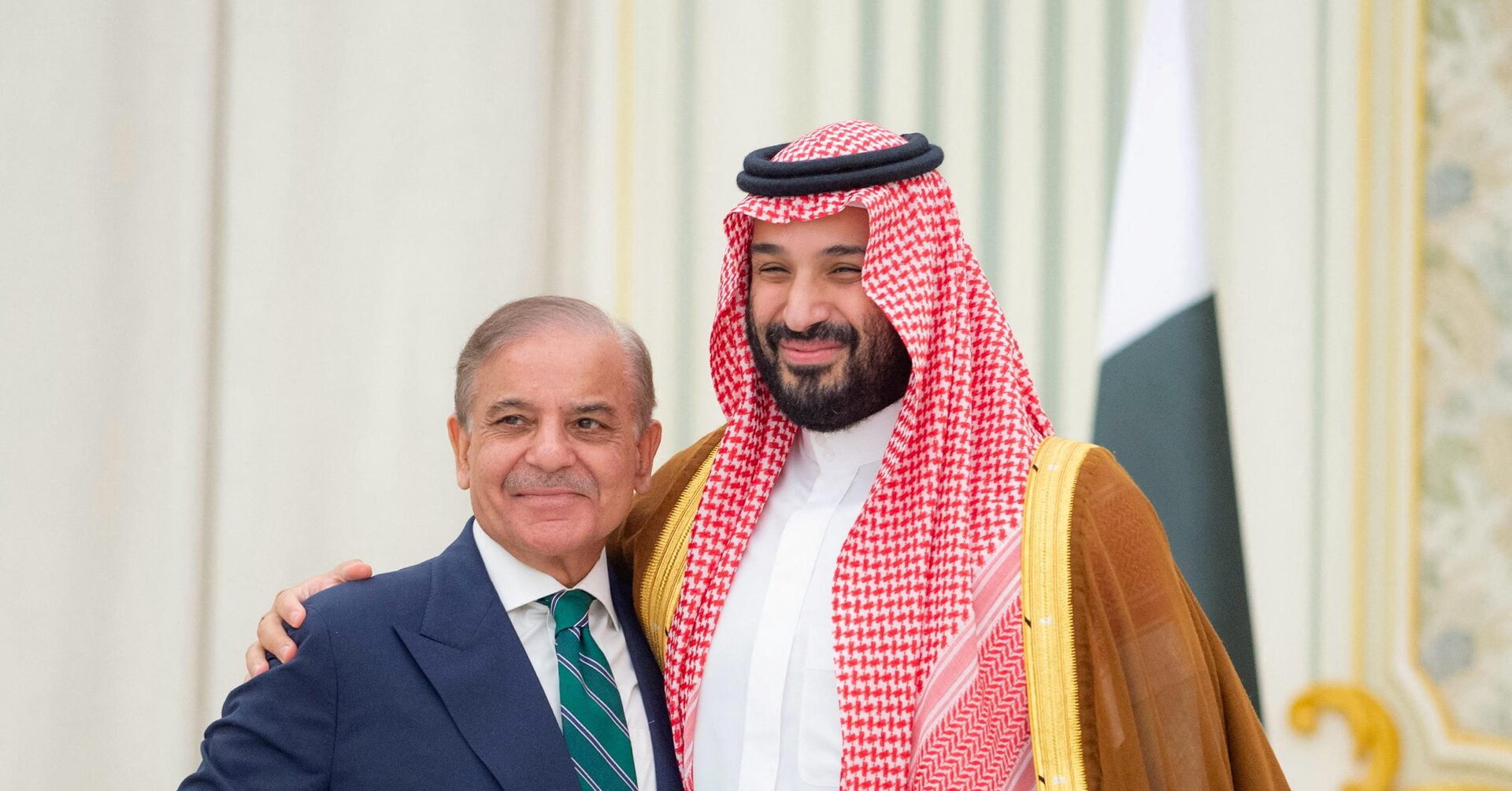
Saudi pact puts Pakistan’s nuclear umbrella into Middle East security picture
In a significant geopolitical move, Saudi Arabia and Pakistan have solidified their alliance through a landmark defense agreement, signed on September 17, 2025, in Riyadh. The pact, termed the ‘Strategic Mutual Defense Agreement,’ underscores a deepening partnership between the two nations, particularly in the face of escalating regional tensions. While the specifics of the agreement remain undisclosed, analysts suggest it effectively combines Saudi Arabia’s financial resources with Pakistan’s formidable military capabilities, including its nuclear arsenal. Pakistan, the sole nuclear-armed Muslim-majority nation, has historically maintained its nuclear doctrine focused on deterring India, its long-standing adversary. However, the agreement has sparked speculation about Riyadh’s potential access to a nuclear shield, a development that could significantly alter the security dynamics of the Middle East. Saudi Arabia, increasingly wary of Israel’s military actions and Iran’s nuclear ambitions, appears to be seeking alternative security assurances beyond its traditional reliance on the United States. The pact also reflects a broader trend of Gulf states diversifying their defense partnerships amid waning confidence in U.S. commitments to the region. Pakistan’s Prime Minister Shehbaz Sharif expressed gratitude to Saudi Crown Prince Mohammed bin Salman for fostering stronger economic and strategic ties. Meanwhile, the agreement has drawn attention from neighboring countries, including India and Iran, who are likely to assess its implications for regional stability. As the Middle East navigates a complex security landscape, the Saudi-Pakistan defense pact marks a pivotal moment in the region’s evolving geopolitical alliances.
-
Indonesia’s surprise rate cut, growth gambit put rupiah in the crosshairs
Investors are growing increasingly anxious about the independence of Bank Indonesia (BI) as President Prabowo Subianto pushes for aggressive economic growth, raising fears of a potential rupiah selloff. The central bank’s unexpected rate cut this week, which caught markets off guard, has intensified concerns that BI may be succumbing to political pressure to stimulate the economy at the expense of currency stability. This move comes amid broader global worries about the erosion of central bank independence, a trend highlighted by recent attacks on the U.S. Federal Reserve by former President Donald Trump. Since taking office last year, Prabowo has championed populist spending plans aimed at boosting Indonesia’s growth rate from 5% to 8%. However, investors fear that these policies could undermine fiscal credibility, worsen the current account deficit, and fuel inflation. The rupiah has already depreciated by 3% this year, making it Asia’s worst-performing currency. Analysts warn that while BI’s rate cuts may support growth, they risk destabilizing the currency, especially given Indonesia’s heavy reliance on imports and foreign capital. The central bank has cut rates by 150 basis points over the past year, with further reductions expected. Market participants are also concerned about a ‘burden-sharing’ agreement between BI and the government, which could expand the bank’s mandate and potentially politicize its operations. Despite Indonesia’s relatively stable macroeconomic indicators, the widening gap between short- and long-term bond yields reflects growing investor unease. Experts emphasize the need for clear communication and policy measures to restore confidence in BI’s independence and Indonesia’s economic management.
-

From Sudan to Ukraine: Why Colombian mercenaries keep fighting foreign wars
In the desolate plains of Sudan, where a brutal civil war has left the nation in ruins, a small convoy of makeshift militarized vehicles gathers. Amidst the chaos, the sounds of vallenato—traditional Colombian folk music—echo from a car radio, a stark reminder of the presence of Colombian mercenaries in this distant conflict. Their involvement has recently come under intense scrutiny after Sudan lodged a formal complaint with the UN Security Council, accusing the United Arab Emirates (UAE) of financing and deploying these mercenaries to fight alongside the Rapid Support Forces (RSF), a paramilitary group opposing the Sudanese military. The UAE has denied these allegations.
-
Japan’s SMBC raises stake in Jefferies to about 20%
In a significant move to strengthen its foothold in the U.S. financial sector, Japan’s Sumitomo Mitsui Banking Corporation (SMBC) has increased its equity ownership in Jefferies Financial Group, a prominent U.S. investment bank, to approximately 20%. The announcement was made jointly by both entities on Friday, September 19. Alongside the equity boost, SMBC has committed to providing Jefferies with $2.5 billion in new credit facilities, further solidifying the strategic partnership between the two institutions. This development underscores SMBC’s commitment to expanding its global financial services portfolio and leveraging Jefferies’ expertise in investment banking and capital markets. The collaboration is expected to enhance Jefferies’ liquidity and operational capabilities, while SMBC gains a stronger presence in the competitive U.S. financial landscape. The deal reflects the growing trend of cross-border financial alliances as institutions seek to diversify their portfolios and capitalize on emerging market opportunities.