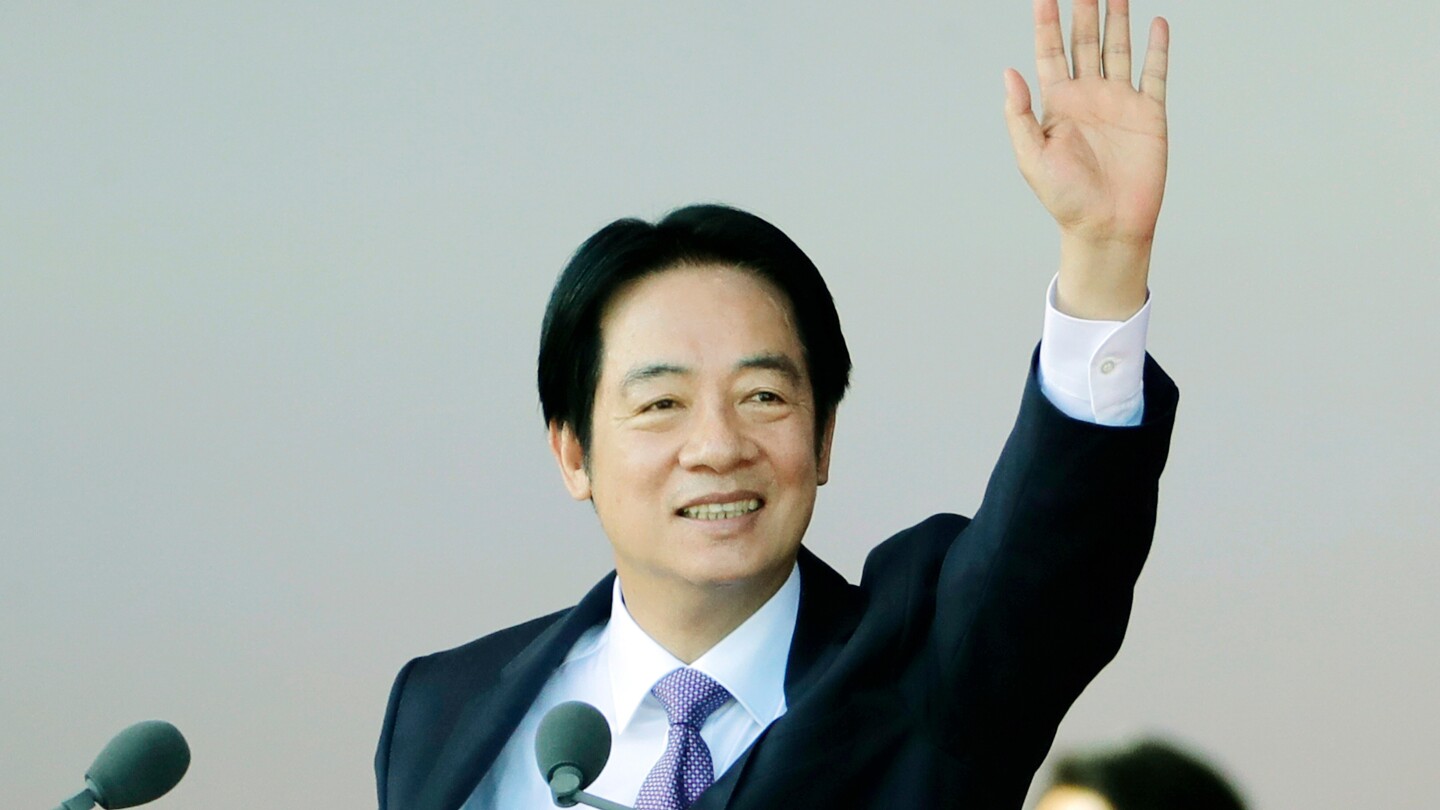
In response to escalating military threats from China, Taiwan is fast-tracking the development of a comprehensive air defense system, referred to as the “Taiwan Shield” or “T-Dome.” President Lai Ching-te announced this initiative during a public address on Taiwan National Day, emphasizing the need to bolster the island’s defense capabilities. Lai pledged to increase defense spending to over 3% of GDP by 2025, with a target of 5% by 2030, citing the necessity to counter external threats and foster the growth of Taiwan’s defense industries.
标签: Asia
亚洲
-
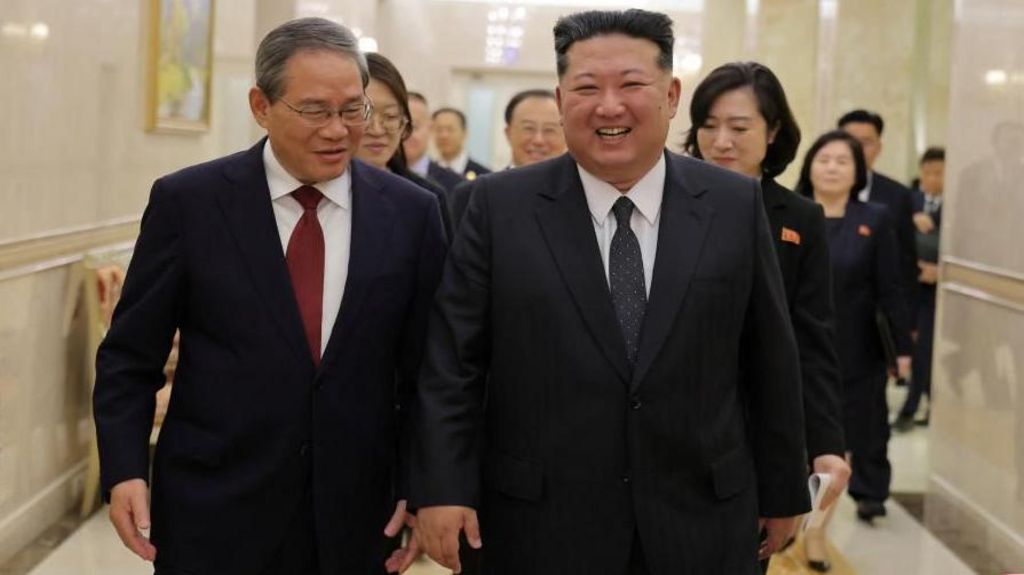
Kim lauds North Korea’s legacy at ruling party anniversary
North Korea marked the 80th anniversary of its ruling Workers’ Party with grand celebrations, welcoming high-ranking officials from allied nations, including Chinese Premier Li Qiang and Russia’s former President Dmitry Medvedev. The event, held in Pyongyang, showcased the country’s growing international prestige, according to North Korean leader Kim Jong Un. Kim emphasized that despite facing significant political and military pressure from adversaries, North Korea’s standing as a loyal member of the socialist bloc continues to strengthen. State media captured images of Kim warmly greeting foreign dignitaries and a spectacular fireworks display that illuminated the night sky. The festivities also included leaders from other socialist states, such as Vietnam’s Communist Party chief To Lam and Laos’s President Thongloun Sisoulith. Analysts suggest that the presence of such prominent figures underscores Pyongyang’s efforts to bolster diplomatic ties amid ongoing international sanctions. Premier Li’s attendance, in particular, signals a revival of North Korea-China relations, marking Beijing’s highest-level visit to Pyongyang since President Xi Jinping’s state visit in 2019. The celebrations also highlighted North Korea’s deepening alliance with Russia, as evidenced by the participation of Russian artists in the anniversary concert and the recent military pact between the two nations. The event culminated in a night-time military parade, where North Korea showcased its latest missile and weaponry advancements.
-
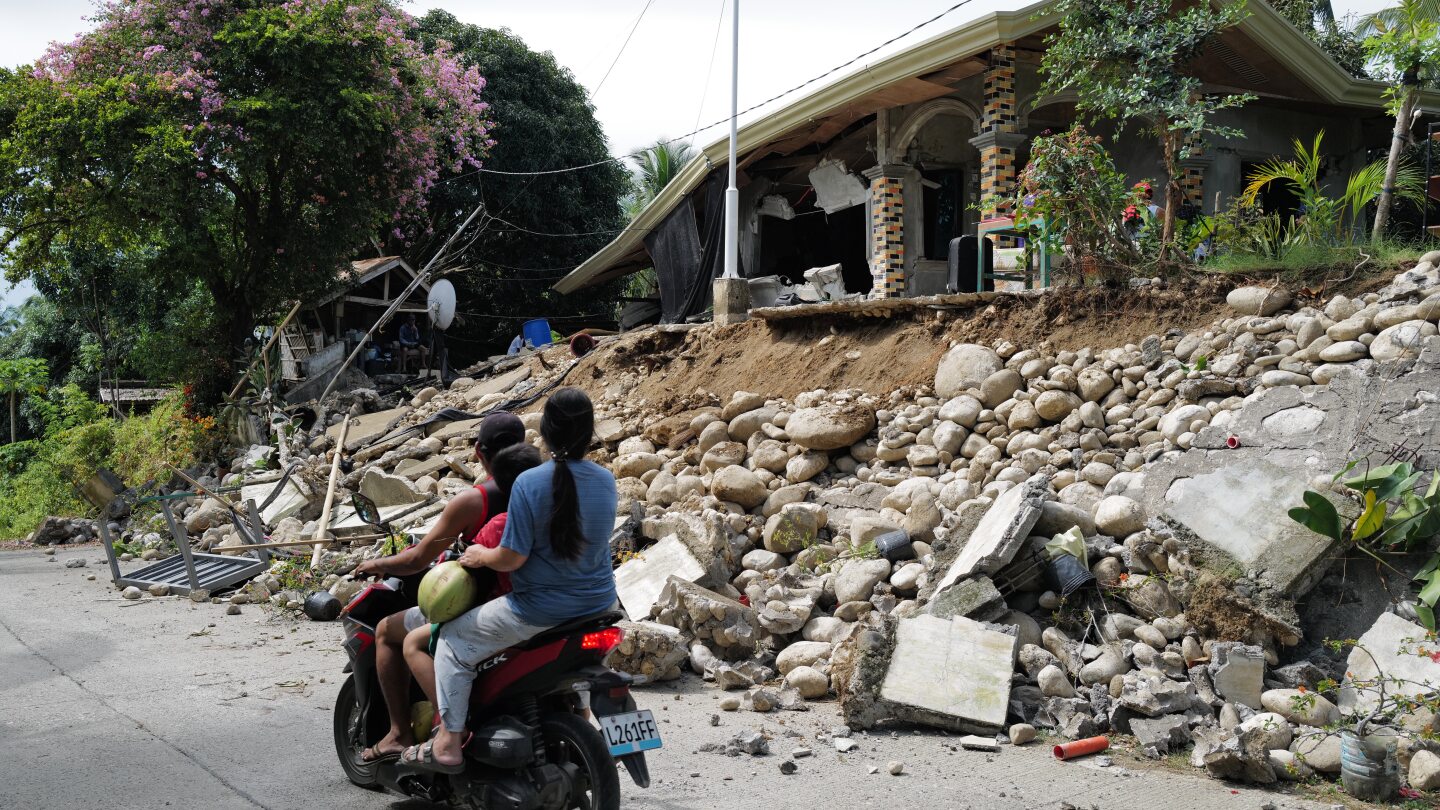
Two powerful quakes strike off southern Philippines, killing at least 7 people
The southern Philippines was struck by two powerful offshore earthquakes on Friday, causing significant damage, casualties, and widespread panic. The first earthquake, measuring 7.4 in magnitude, occurred in the Philippine Trench, 43 kilometers east of Manay town in Davao Oriental province. It resulted in at least seven fatalities, including two hospital patients who succumbed to heart attacks and a resident killed by debris in Mati city. The quake also triggered landslides in a remote gold-mining village in Pantukan town, where three villagers died and several others were injured. Hundreds of residents in Davao city sustained injuries, and buildings, including an international airport, suffered structural damage. Hours later, a second earthquake with a preliminary magnitude of 6.8 struck the same region, raising fears of further structural collapse. Both quakes prompted tsunami warnings, leading to evacuations in coastal areas. Small tsunami waves were detected in the Philippines and Indonesia, but the threat subsided without major incidents. President Ferdinand Marcos Jr. has mobilized rescue and relief efforts as the nation grapples with the aftermath of these disasters, compounded by recent storms and a deadly earthquake in September.
-
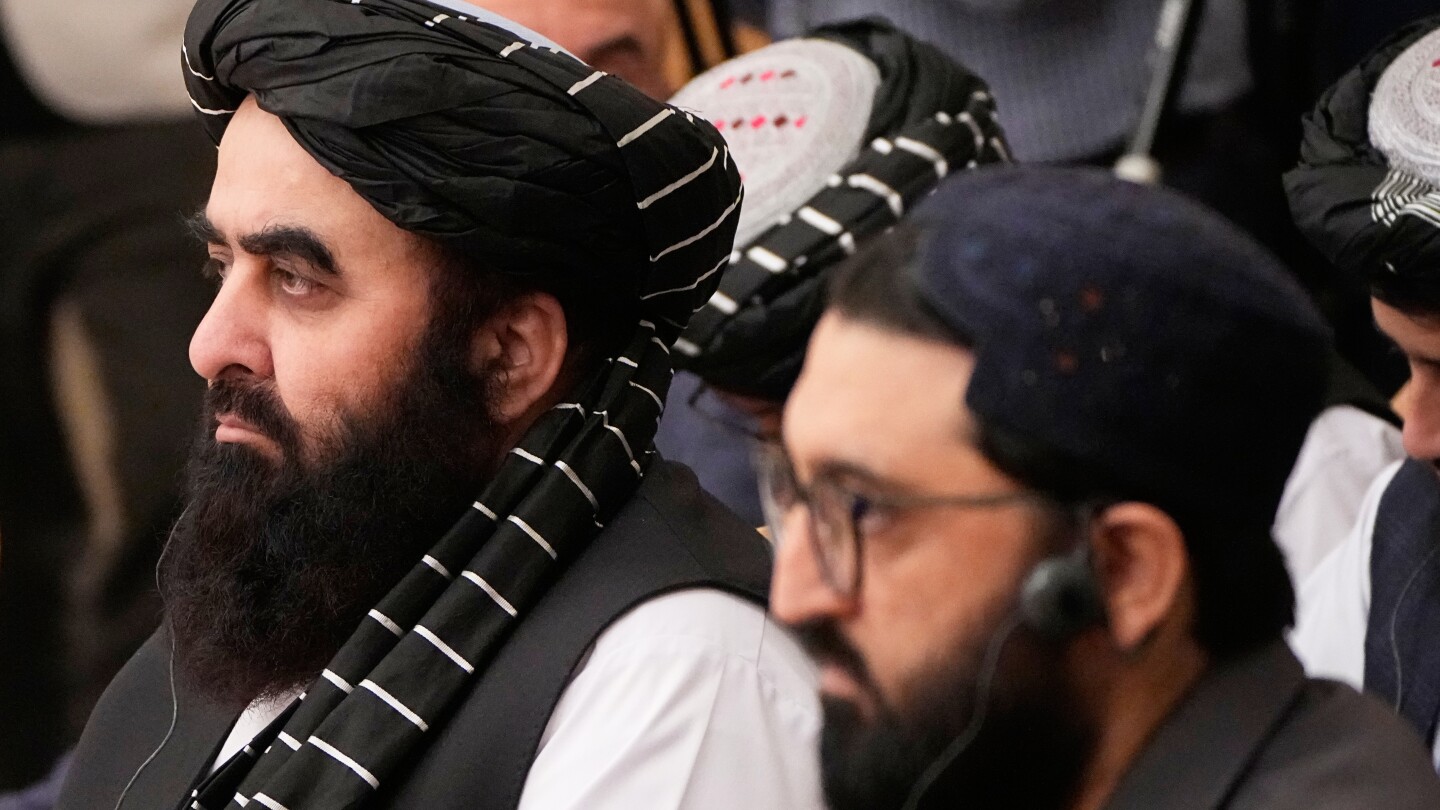
India to upgrade Kabul mission to full embassy, signaling deeper ties with Taliban
In a significant diplomatic move, India has announced the upgrade of its technical mission in Kabul to a full embassy, signaling a deepening engagement with Taliban-ruled Afghanistan. Indian Foreign Minister Subrahmanyam Jaishankar made the announcement on Friday following a meeting with his Afghan counterpart, Amir Khan Muttaqi, in New Delhi. This marks the first high-level diplomatic interaction since the Taliban’s return to power in 2021, ending two decades of U.S. military presence in the region. Jaishankar emphasized India’s commitment to Afghanistan’s sovereignty, development, and stability, pledging support in trade, health, and education sectors. He stated that closer cooperation between the two nations would foster regional resilience and stability. Muttaqi, who arrived in India after receiving a temporary travel exemption from U.N. sanctions, expressed Kabul’s desire for strong relations with India. His visit follows participation in an international meeting on Afghanistan in Russia, which included representatives from China, Pakistan, and Central Asian nations. India’s pragmatic outreach to the Taliban reflects a strategic recalibration aimed at countering regional rivals, particularly Pakistan and China, both of whom have significant influence in Afghanistan. Experts suggest that India’s engagement is driven by the need to avoid strategic isolation and to establish a foothold in a region where geopolitical rivalries are intensifying. Despite historical tensions and concerns over the Taliban’s governance, India has maintained steady contact with the group, focusing on humanitarian aid and development support. The move underscores India’s evolving foreign policy priorities and its bid to strengthen its position as a regional power.
-

Oman: 8 killed, 2 injured in major traffic accident
A devastating traffic accident in Oman’s Wilayat of Duqm has resulted in the deaths of eight individuals and left two others injured, according to a statement released by Oman’s Ministry of Health on Thursday. The collision involved two vehicles, marking one of the most severe road incidents in the region this year. In a related development, Oman Police announced the arrest of an individual of Asian nationality for recording a video of the crash. Authorities stated that the video depicted the bodies of the victims, prompting legal action against the individual. The incident has sparked discussions about road safety and the ethical implications of recording such tragic events. The police have not disclosed further details about the accident’s cause or the identities of those involved, but investigations are ongoing.
-
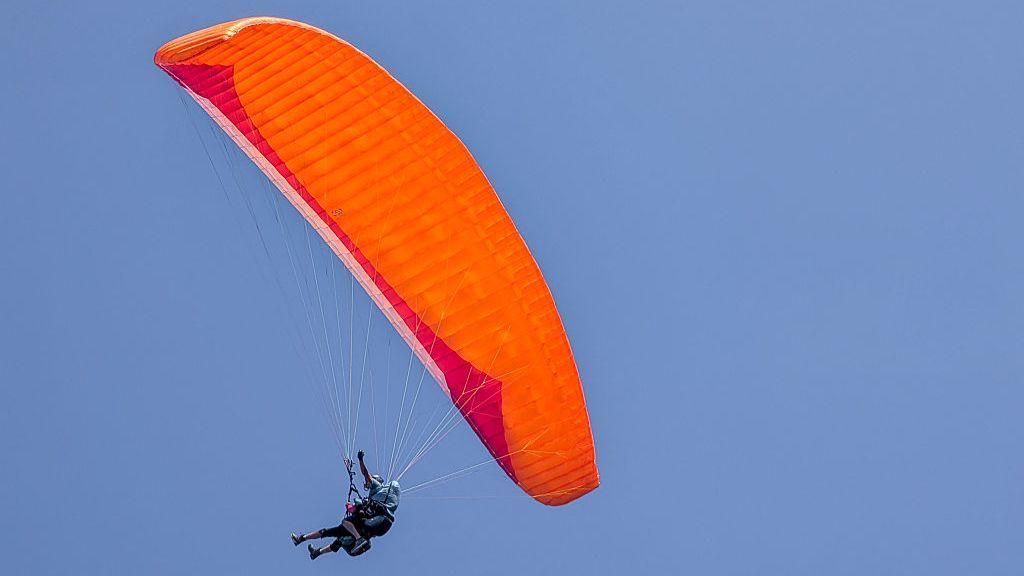
Paragliders: The army’s lethal new weapon in Myanmar’s civil war
In a chilling escalation of Myanmar’s ongoing civil war, paramotor attacks have surged in recent months, transforming these low-tech aerial devices into instruments of terror. The latest incident occurred during a Thadingyut festival in Chang U township, Sagaing region, where nearly 100 people had gathered to celebrate the full moon and protest against the military junta. The festive atmosphere turned to horror as a paramotor—a motorized paraglider—dropped bombs on the crowd, killing at least 26 people and injuring dozens more. Witnesses described the attack as ‘mass murder,’ with one survivor recounting the trauma of believing his lower body had been severed. This attack is part of a broader pattern of paramotor strikes that have become a grim hallmark of Myanmar’s conflict. These devices, which can carry up to 160kg of payload, including 120mm bombs, are cheap, easy to operate, and require minimal pilot training. Their low-altitude flight capability allows them to strike with precision, often under the cover of darkness. Military sources reveal that paramotors are produced at Myanmar’s state-owned Heavy Industry Number 10, making them a cost-effective alternative to conventional aircraft. However, their slow speed, vulnerability to ground fire, and inability to operate in severe weather limit their effectiveness. Despite these drawbacks, their use reflects the junta’s strategy of low-cost aerial dominance amid resource constraints. The conflict, which began with a military coup in 2021, has displaced millions and claimed thousands of lives. China’s increasing support for the junta, including arms sales and drone technology, has further complicated the situation. As paramotor attacks target civilian gatherings, the humanitarian crisis deepens, leaving residents with few defenses beyond makeshift bunkers. This new wave of terror underscores the evolving nature of warfare in Myanmar, where innovation meets brutality.
-
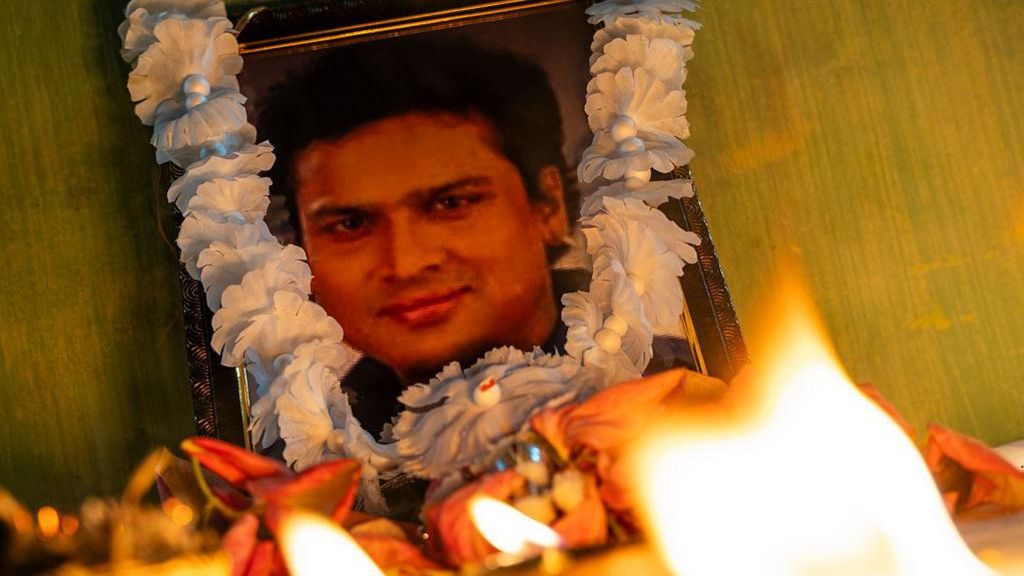
A beloved Indian singer drowned in Singapore. Now fans want answers
The untimely death of Zubeen Garg, a revered singer-composer from Assam, has plunged the Indian state into a state of collective mourning and unrest. Garg, often hailed as Assam’s ‘first true rockstar,’ tragically drowned during a yacht trip in Singapore on September 19, a day before he was scheduled to perform at a live concert. Initial reports from Singapore police ruled out foul play, but the circumstances surrounding his death have since sparked allegations of conspiracy and negligence, leaving his fans and family demanding answers.
Garg’s death has sent shockwaves through Assam, where he was not just a musician but a cultural icon. His career spanned 33 years, during which he sang in over 40 languages and dialects, earning nationwide fame with his hit song ‘Ya Ali’ from the 2006 Bollywood film ‘Gangster.’ Known for his flamboyant style and outspoken activism, Garg was deeply beloved by his fans, who saw him as a ‘king’ who championed the issues of northeast India.
In the wake of his death, Assam came to a standstill, with schools closed and markets deserted. Hundreds of thousands of mourners gathered to pay their last respects when his body was flown back to Guwahati, Assam’s main city. His cremation, conducted with state honors and a 21-gun salute, was attended by over a million people, many of whom sang lines from his popular song ‘Mayabini.’
However, grief has been accompanied by anger and suspicion. At least 60 complaints have been lodged with the state police, and five individuals who were with Garg in Singapore have been arrested on charges of negligence, criminal conspiracy, and culpable homicide. A special investigation team (SIT) and a judicial commission have been formed to probe the incident, but the lack of clarity about Garg’s final moments has fueled public outrage.
The controversy has also taken on political dimensions, with Assam’s ruling BJP and the opposition Congress trading accusations ahead of next year’s state assembly elections. Chief Minister Himanta Biswa Sarma has vowed to deliver justice, even urging the public to hold him accountable if he fails.
Meanwhile, Garg’s wife, Garima Saikia Garg, has spoken out about her husband’s health issues, questioning why he was allowed to swim despite being visibly tired and on medication. She has called for those responsible to face the ‘strictest punishment.’
As the investigation continues, the mystery surrounding Garg’s death has left his family and fans in limbo, unable to fully grieve until the truth is uncovered.
-
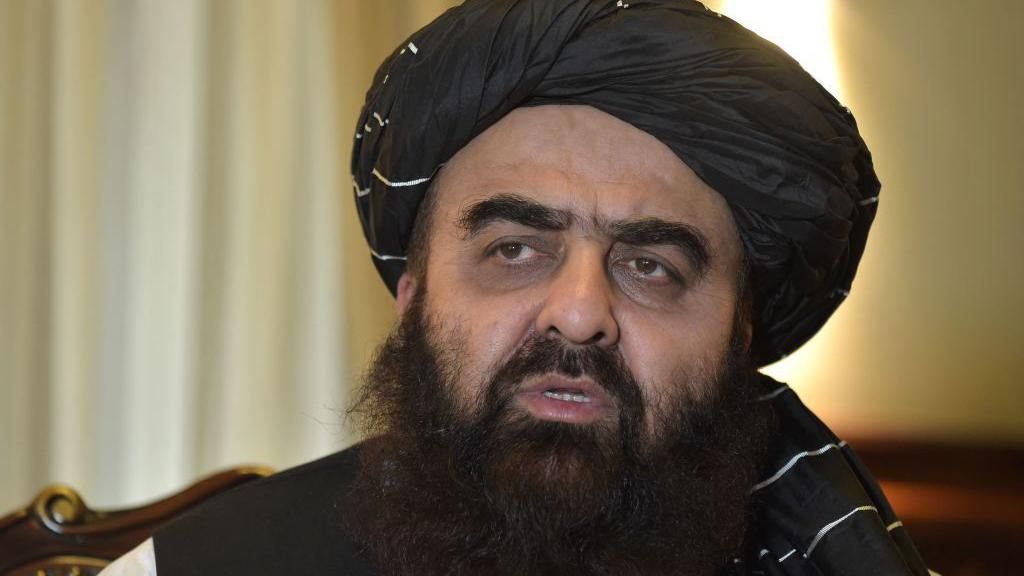
Why Taliban minister’s visit to India is so groundbreaking
In a significant diplomatic development, Afghan Taliban Foreign Minister Amir Khan Muttaqi arrived in India on Thursday for a week-long visit, marking the highest-level engagement between the Taliban and India since the group seized power in 2021. Muttaqi, accompanied by Afghan trade and foreign ministry officials, is set to hold discussions with India’s Foreign Minister S Jaishankar and other officials, focusing on enhancing diplomatic, trade, and economic ties. This visit underscores a pragmatic shift in India’s Afghan policy, as it seeks to deepen engagement with the Taliban-led government in Kabul. The trip is particularly notable given the historically strained relations between India and the Taliban, as well as the deteriorating ties between the Taliban and Pakistan, their traditional ally. Muttaqi’s visit, facilitated by a temporary exemption from UN sanctions, comes amid growing regional realignments. India, which once supported the Western-backed Afghan government ousted by the Taliban, has cautiously re-engaged with the new regime, re-establishing its diplomatic presence and providing humanitarian aid. Analysts view this visit as a strategic move by both sides to advance their interests, with the Taliban seeking legitimacy and India aiming to counterbalance Pakistan and China’s influence in the region. Despite the cautious optimism, the relationship remains tactical, shaped by past conflicts and domestic considerations.
-
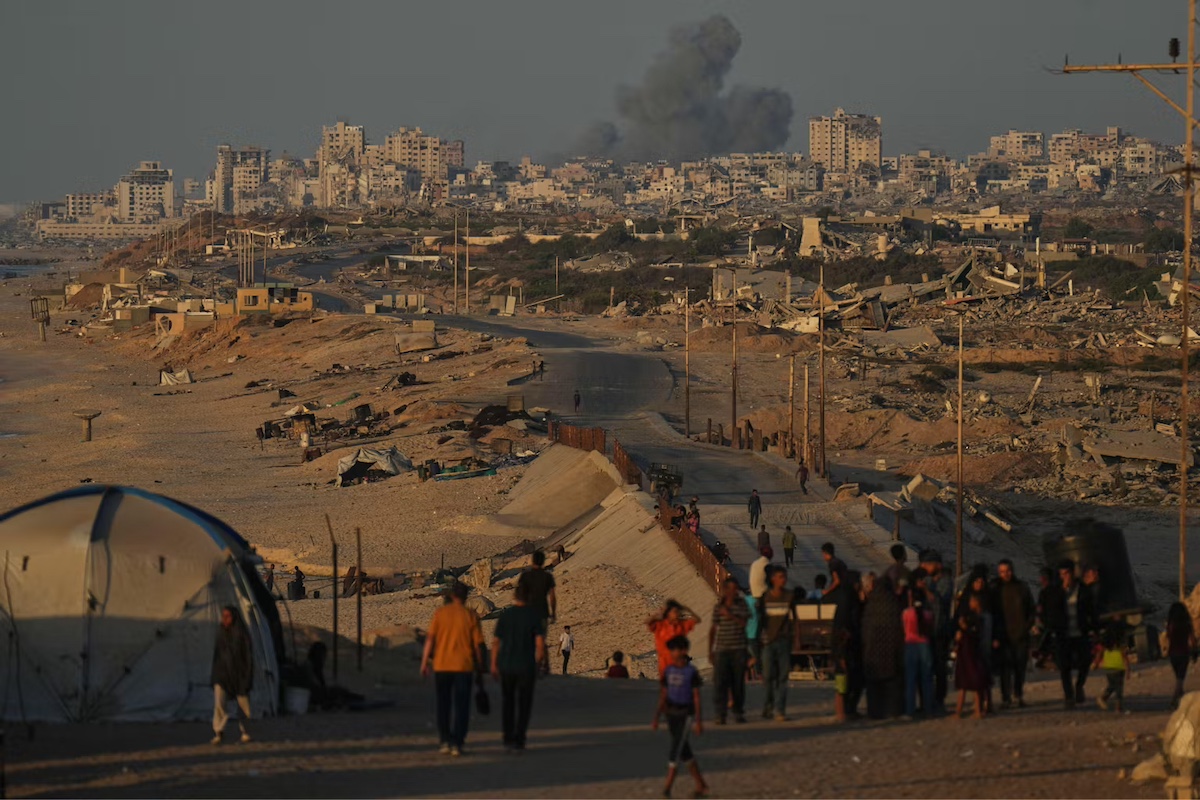
Israel-Hamas ceasefire and the sticking points ahead: expert Q&A
After two years of intense conflict resulting in the deaths of 68,000 Palestinians and over 1,200 Israelis, predominantly civilians, Hamas and the Netanyahu government are poised to sign a Phase 1 ceasefire agreement. This initial step is part of a 20-point plan championed by former U.S. President Donald Trump and backed by key Arab powers in the region. Under this agreement, Israel will halt its military operations in Gaza, while Hamas has committed to releasing the remaining 20 Israeli hostages still held in the territory. The deal marks a significant shift from previous ceasefires, as Hamas is releasing all hostages and recoverable bodies in exchange for an unspecified number of Palestinian detainees from Israeli prisons. This move effectively relinquishes Hamas’s primary leverage against Israeli military actions and the Netanyahu government’s control over aid to Gaza. However, critical elements of a lasting peace—such as the extent of Israel’s military withdrawal, the resumption of aid, and the establishment of governance in Gaza—remain unresolved. The agreement faces potential obstacles, including Israel’s demand for Hamas’s complete disarmament and the expulsion of certain Hamas officials, which Hamas is likely to reject. The composition of an international oversight board for Gaza is also unclear, with Trump declaring himself its chair and no provision for Palestinian representation. Arab states, particularly Qatar and Egypt, played a crucial role in brokering this deal, despite Israel’s recent airstrike in Qatar. The immediate focus is on the survival of Gaza’s civilians, with the pause in Israeli attacks offering a brief respite. However, the long-term recovery of Gaza, devastated by two years of conflict, will require more than just economic development; it will necessitate a sustainable solution for security and welfare. While the Phase 1 agreement is a step forward, the path to lasting peace remains fraught with challenges.
-
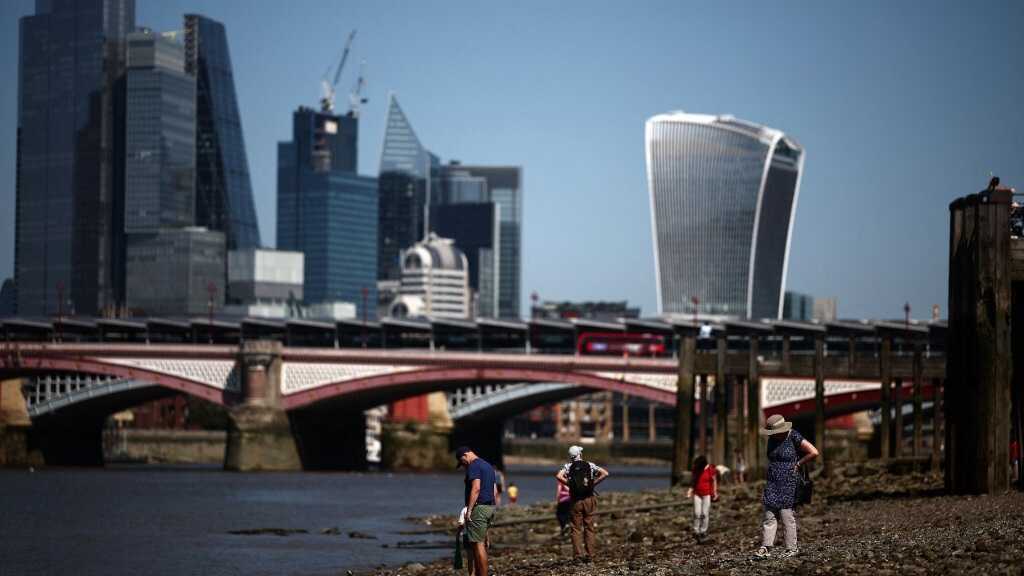
London’s £34bn pension fund complicit in Israeli genocide, report says
A recent report by ‘Shake the CIV,’ a London-wide divestment campaign, has uncovered that London’s £34 billion ($45 billion) pension fund has £7 billion invested in companies allegedly enabling Israel’s human rights violations against Palestinians. Published on Thursday, the report scrutinizes the London Collective Investment Vehicle (LCIV), the investment pool for London-based local government pension schemes, jointly owned by the City of London and all 32 London boroughs. Over a fifth of the LCIV’s portfolio, amounting to more than £7 billion, is tied to firms accused of facilitating these abuses. The LCIV manages pensions for approximately 700,000 Londoners. Last year, it divested £6.7 million in Israeli government bonds and is currently evaluating its investments in 12 unnamed companies. The report highlights nearly £1 billion invested in arms manufacturers, including £10 million in Israel’s Elbit Systems and £228 million in British arms giant BAE Systems. Additionally, £5.2 billion is invested in technology firms accused of enabling Israel’s surveillance and control of Palestinians, with over £2.5 billion allocated to Microsoft. Last month, Microsoft announced it would sever ties with Israel’s Unit 8200, a surveillance entity accused of spying on Palestinians using Microsoft’s Azure cloud platform. The LCIV clarified that £6.5 billion of the £7 billion cited in the report are ‘passive strategies’ managed by third-party fund managers, outside the LCIV’s control. The report calls for immediate and complete divestment from companies complicit in Israel’s alleged genocide and apartheid against Palestinians. Councillor Liam Shrivastava of Lewisham Council’s pension committee emphasized the moral and democratic imperative to act, drawing parallels to past divestments from apartheid South Africa and fossil fuels.