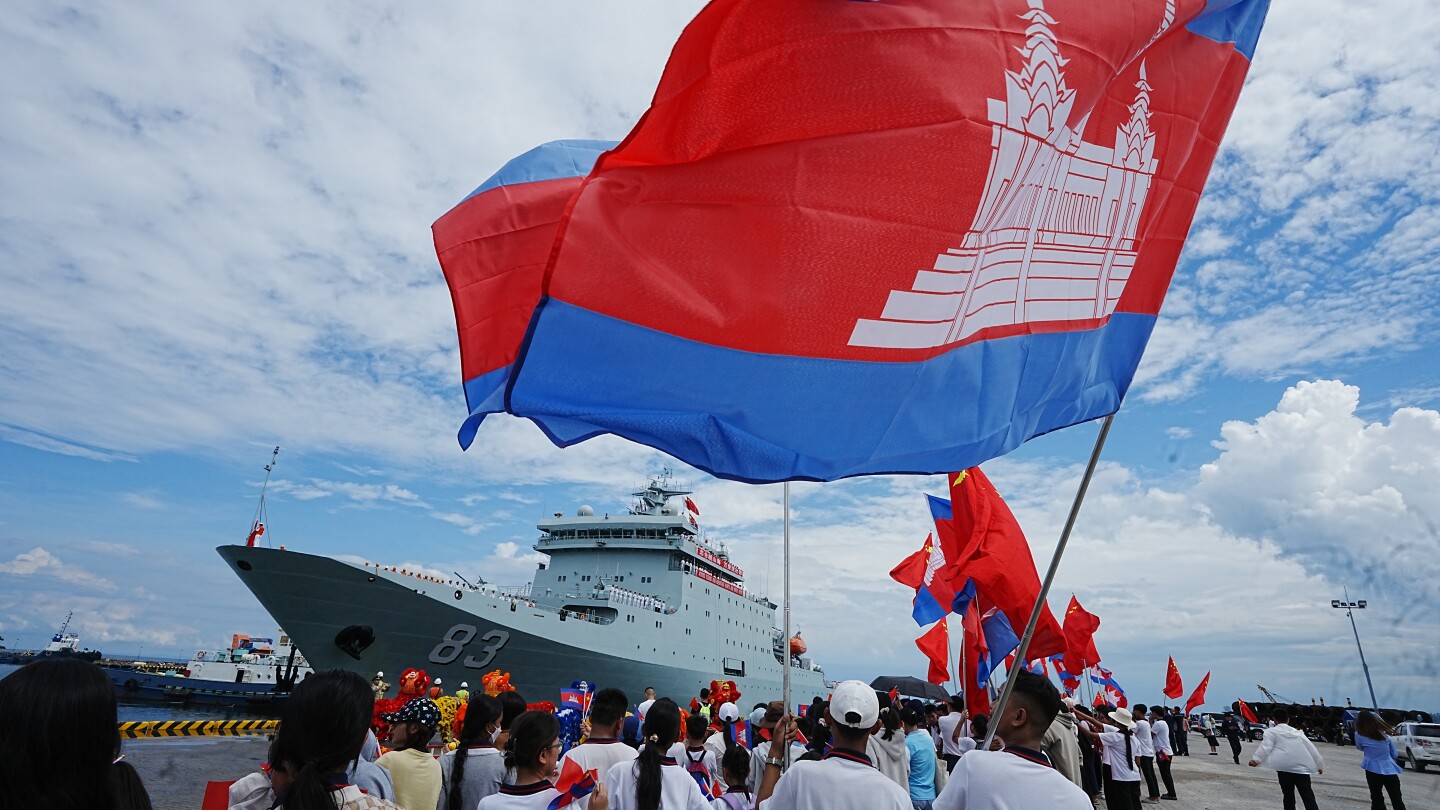
Two Chinese warships, the amphibious warfare ship Yimeng Shan and the training ship Qijiguang, arrived at Sihanoukville’s civilian port in Cambodia on Friday for a friendship and training visit. This visit underscores China’s strategic ties with Cambodia, its closest ally in Southeast Asia, amidst ongoing regional tensions. The warships are scheduled to depart next Tuesday and will subsequently visit Thailand and Singapore. The visit coincides with heightened diplomatic sensitivities, particularly between Cambodia and Thailand, which recently engaged in a five-day armed conflict over border disputes. China’s military support to Cambodia has reportedly caused friction with Thailand, and the unresolved border issues continue to strain relations. Cambodian navy spokesperson Sam Sokha emphasized that the visit aims to strengthen cooperation rather than signal support in the border dispute. Notably, the ships docked at a commercial port instead of the nearby Ream Naval Base, a move seen as an effort to ease political concerns. The Ream Naval Base has been a point of contention, with U.S. suspicions that China has secured exclusive access, a claim denied by Cambodian officials. The Gulf of Thailand, where Sihanoukville is located, is adjacent to the South China Sea, a region of strategic importance for China’s naval operations. Rear Adm. In Sokhemra of the Ream Naval Base highlighted that foreign ships frequently visit Cambodia for cooperative exercises, including those from China, the Philippines, Australia, and the United States. On the same day, the Australian Navy’s frigate HMAS Ballarat also docked nearby, part of its Regional Presence Deployment aimed at fostering regional security and cooperation. China’s Ambassador to Cambodia, Wang Wenbin, reiterated China’s commitment to supporting Cambodia’s sovereignty and development. The visit was met with enthusiasm from local ethnic Chinese communities, who welcomed the ships with traditional dragon dances and Chinese flags. Sihanoukville, a hub for Chinese investment, has also been associated with Chinese-run criminal activities, including scam centers exploiting foreign workers.
标签: Asia
亚洲
-
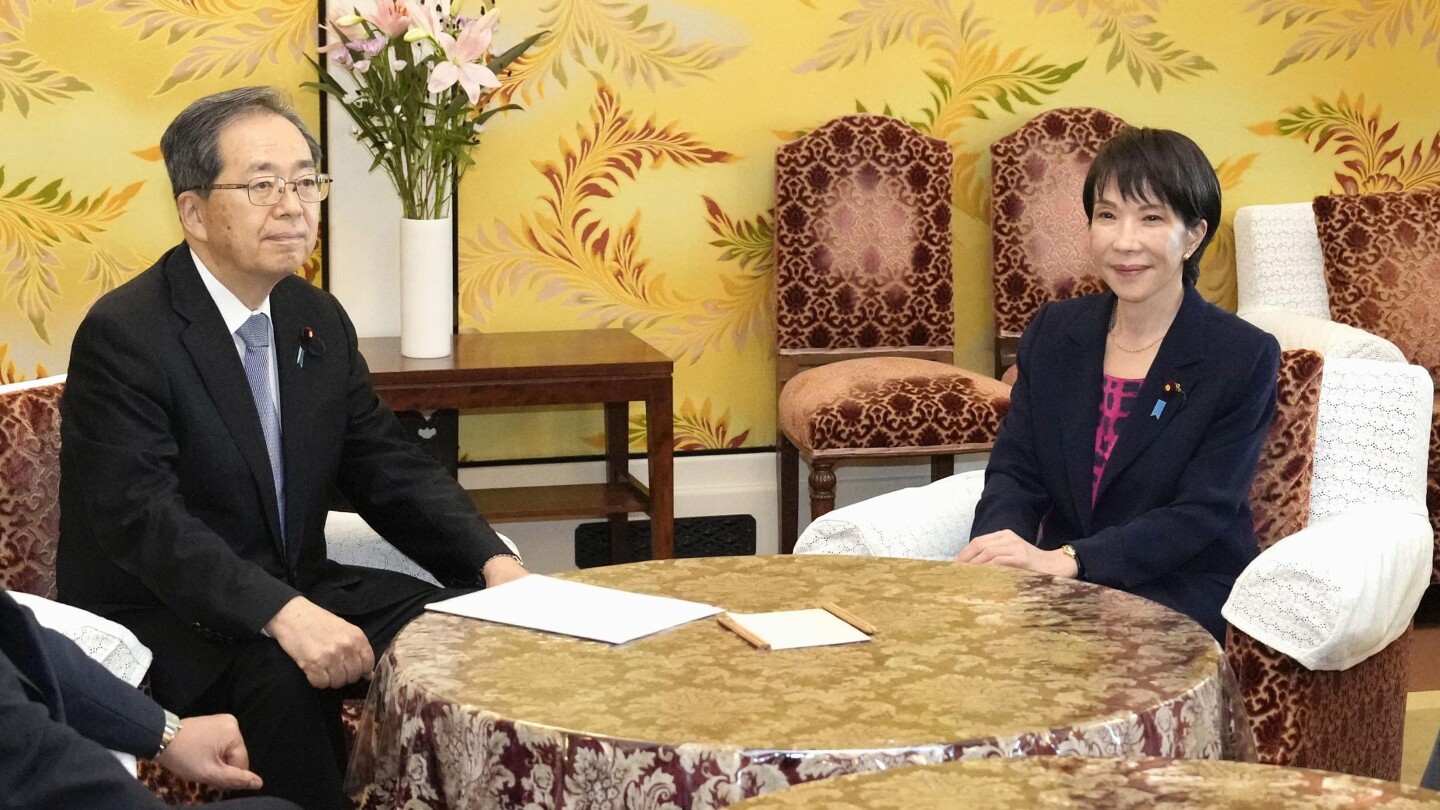
Citing unease over graft, Japan’s Komeito leaves the longstanding ruling coalition headed by the LDP
In a dramatic political shakeup, Japan’s Komeito party has announced its withdrawal from the ruling coalition led by the Liberal Democratic Party (LDP), citing deep concerns over corruption and policy disagreements. The decision, revealed by Komeito leader Tetsuo Saito on Friday, deals a significant blow to Sanae Takaichi, the ultra-conservative LDP leader poised to become Japan’s first female prime minister. This move forces the LDP to seek new coalition partners to maintain its grip on power. Takaichi expressed disappointment, stating that Saito’s decision was made unilaterally despite ongoing discussions to address Komeito’s concerns. The ruling coalition has already lost its parliamentary majorities, further complicating Takaichi’s path to leadership. Saito highlighted multiple issues, including Takaichi’s controversial stance on Japan’s wartime history, her visits to the Yasukuni Shrine, and her hardline policies toward foreigners. However, the primary catalyst for the split was the LDP’s inadequate response to corruption scandals involving political slush funds. Saito emphasized Komeito’s commitment to combating money politics, a core principle since its founding in 1964. The LDP, plagued by scandals tied to late Prime Minister Shinzo Abe’s faction, faces an uncertain future as Komeito lawmakers vow not to support Takaichi’s bid for prime minister or rally Soka Gakkai members, a key voter base for the LDP. The lower house is set to vote on a new prime minister later this month, with Saito declaring his intention to vote for himself.
-

Max Greyserman tries again in Japan to win his first PGA Tour event
YOKOHAMA, Japan — Max Greyserman is poised for redemption at the Baycurrent Classic, Japan’s sole PGA Tour event, after narrowly missing victory last year. On Friday, Greyserman delivered a stellar performance, carding an 8-under 63 to secure a four-shot lead with a two-round total of 12-under 130. Trailing him are Alex Smalley, Xander Schauffele, and Alex Noren, all tied at 8-under. The tournament, which debuted in 2019 with Tiger Woods as its inaugural champion, relocated this year from east of Tokyo to Yokohama. Greyserman, reflecting on his near-win last year, expressed confidence in his current form, stating, ‘I’ve been doing things well this week from the start, and I just need to keep doing what I’m doing.’ He also speculated that some fans might remember his close call in 2023, when he lost on the 72nd hole to Nico Echavarria. Schauffele, who struggled with gusting winds on Thursday, rebounded with a solid round, attributing his success to calmer conditions and well-rewarded shots. Meanwhile, Japan’s Kazuki Higa electrified the crowd with an 8-under 28 on his first nine holes, though he couldn’t maintain the momentum, finishing with a 64. Defending champion Echavarria remains in contention, five strokes behind Greyserman, alongside three others. Collin Morikawa, part of the losing U.S. Ryder Cup team, sits nine strokes back after a 3-under 68.
-
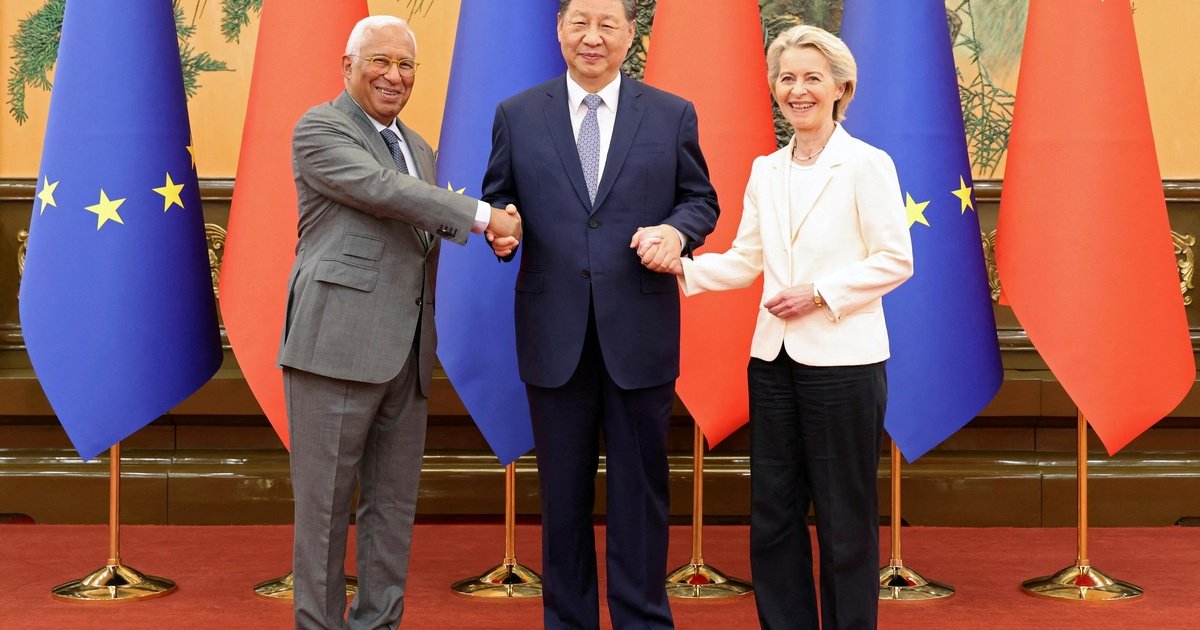
Midlife crisis as EU relationship with China turns 50?
The 50th anniversary of diplomatic relations between the European Union (EU) and China has underscored the deepening rifts between the two powers on critical issues of security and trade. At a July summit commemorating the milestone, the EU urged China to cease its support for Russia’s invasion of Ukraine and halt the influx of subsidized exports into European markets. China, however, rejected these demands, leaving the relationship at an impasse. Bridging these divides would require significant concessions from either side—either the EU compromising its security and economic interests or China altering its alliance with Russia and its trade policies. Neither scenario appears likely in the near future.
-
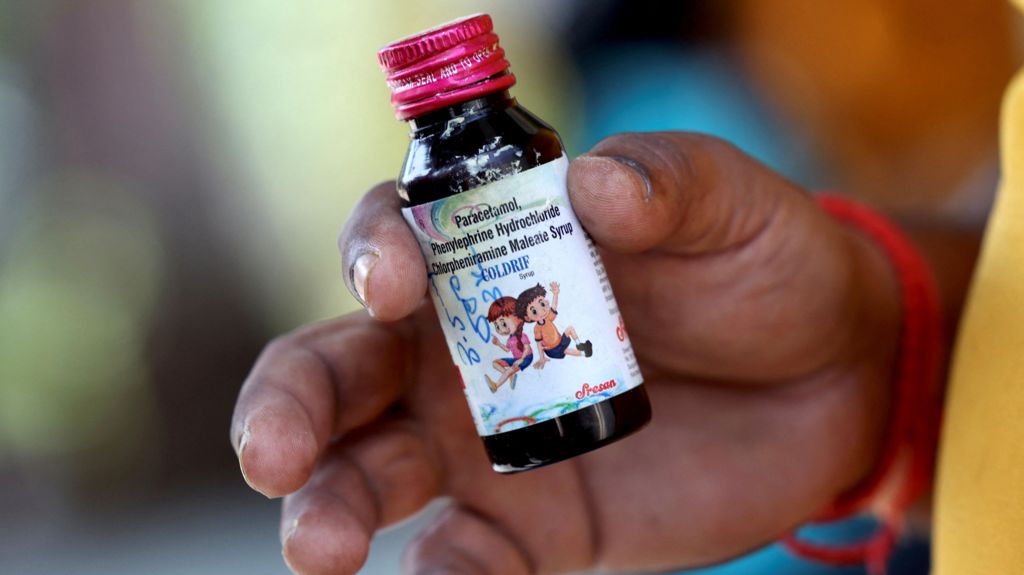
WHO flags regulation gaps after India child deaths from cough syrups
The World Health Organization (WHO) has expressed profound concern regarding lapses in India’s drug safety regulations following the tragic deaths of at least 20 children linked to contaminated cough syrups. The fatalities, reported in Madhya Pradesh and Rajasthan over the past month, have been traced to three specific syrups—Coldrif, Respifresh, and ReLife—found to contain diethylene glycol (DEG), a toxic chemical commonly used in industrial solvents. The Indian government has responded by arresting the owner of Sresan Pharmaceuticals, the manufacturer of Coldrif, halting production, and initiating a comprehensive investigation. The WHO has also warned that these tainted medicines could potentially reach other countries through unregulated distribution channels. In Tamil Nadu, health authorities have permanently revoked the manufacturing license of Sresan Pharmaceuticals after an inspection revealed 364 violations, including unhygienic storage conditions, substandard water quality, and lack of quality assurance protocols. The incident has sparked national outrage and raised concerns among parents, as oral syrups are commonly administered to children in India. This is not the first time Indian-made cough syrups have come under scrutiny; similar cases in The Gambia and Uzbekistan in 2023 resulted in the deaths of 88 children. The recurring issue highlights systemic failures in India’s pharmaceutical regulatory framework and underscores the urgent need for stricter oversight and accountability.
-
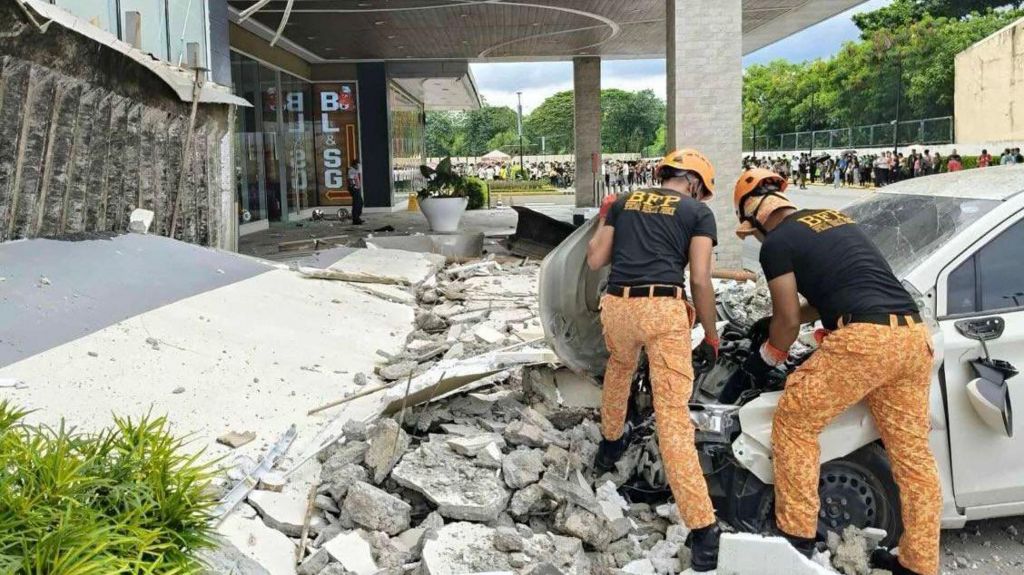
Strong 7.4 magnitude quake hits southern Philippines
A powerful 7.4 magnitude earthquake struck off the southern coast of the Philippines on Friday, prompting immediate tsunami warnings from both Philippine and Indonesian authorities. Residents in coastal towns across central and southern regions were urgently advised to evacuate, with fears of waves exceeding one meter above normal tide levels. The quake resulted in at least one fatality, widespread power outages, and the suspension of classes in affected areas. This seismic event follows closely on the heels of a 6.9 magnitude earthquake in Cebu province just over a week prior, which claimed 74 lives and left hundreds injured. Local media captured scenes of chaos, with overhead cables swaying violently and vehicles coming to a halt as the ground shook. In Davao City, near the epicenter, hospitals overflowed into parking lots as medical staff treated patients outdoors. Edwin Jubahib, governor of Davao Oriental province, reported significant building damage and described the quake as ‘very strong.’ Richie Diuyen, a local disaster agency worker, recounted the terror of the moment, stating, ‘I am still scared and shook. This was the first time I have experienced that.’ The Philippines, situated on the volatile ‘Ring of Fire,’ has been grappling with a series of natural disasters, including typhoons, volcanic eruptions, and earthquakes. Dr. Teresito Bacolcol, director of the Philippine volcanic agency Phivolcs, emphasized the need for preparedness, urging Filipinos to ‘accept our reality’ and remain vigilant. While the Pacific Tsunami Warning Center later declared the threat had passed, aftershocks continued to rattle the southern region of Mindanao. In Indonesia, minor tsunamis were detected, with the highest wave reaching 17cm in the Talaud Islands. Authorities in both nations have called for calm and advised residents to avoid damaged structures.
-
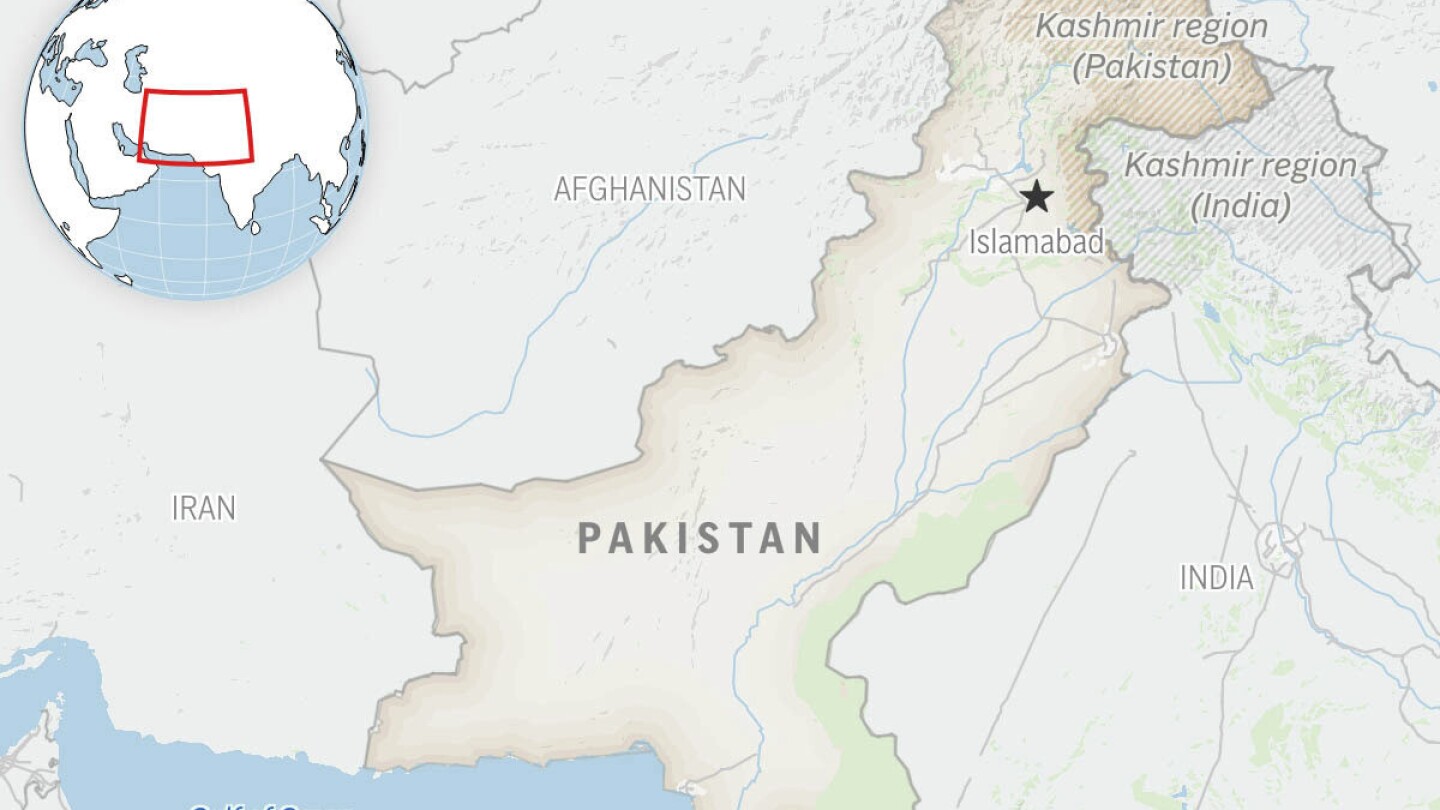
Pakistani forces kill 30 militants after deadly ambush that killed soldiers in country’s northwest
Pakistani security forces have conducted a series of targeted operations in the northwestern region, resulting in the deaths of 30 militants linked to the Pakistani Taliban, according to a military statement released on Friday. The raids were launched in response to a deadly ambush earlier this week that claimed the lives of 11 soldiers, including two senior officers, in Orakzai, a district within Khyber Pakhtunkhwa province. The military identified the slain militants as members of “Khwarij,” a term used by the government to describe groups allegedly supported by India, including the banned Tehrik-e-Taliban Pakistan (TTP).
The operations, carried out on Wednesday and Thursday, were described as a decisive response to the ambush. “These successful operations have avenged the heinous act and brought the main perpetrators to justice,” the military stated. It further emphasized that efforts are ongoing to eliminate any remaining “Indian-sponsored Khwarij” in the area, underscoring Pakistan’s resolve to eradicate terrorism.
In a separate incident on Friday night, a group of Pakistani Taliban militants, including suicide bombers, attacked a police training center in Dera Ismail Khan, another city in the northwest. Local police reported multiple blasts and an ongoing exchange of gunfire, with reinforcements dispatched to the scene. The TTP claimed responsibility for the attack, which occurred hours after Pakistan’s army spokesperson, Lt. Gen. Ahmad Sharif, urged Afghanistan’s Taliban government to prevent the use of its territory for launching attacks on Pakistan.
Pakistan has long accused India of supporting separatist movements in Balochistan and the TTP, allegations India denies. The recent surge in militant violence has strained relations between Pakistan and Afghanistan, with many TTP leaders believed to operate from sanctuaries across the Afghan border. Pakistani Defense Minister Khawaja Mohammad Asif reiterated the country’s commitment to responding decisively to such attacks, stating that Pakistan would target “those places from where insurgents attack our security forces.”
The escalation in violence comes amid a broader resurgence of militant activity in the region, with the TTP gaining momentum since the Taliban’s takeover of Kabul in 2021. The situation remains tense as Pakistani forces continue their operations to neutralize threats and restore security.
-
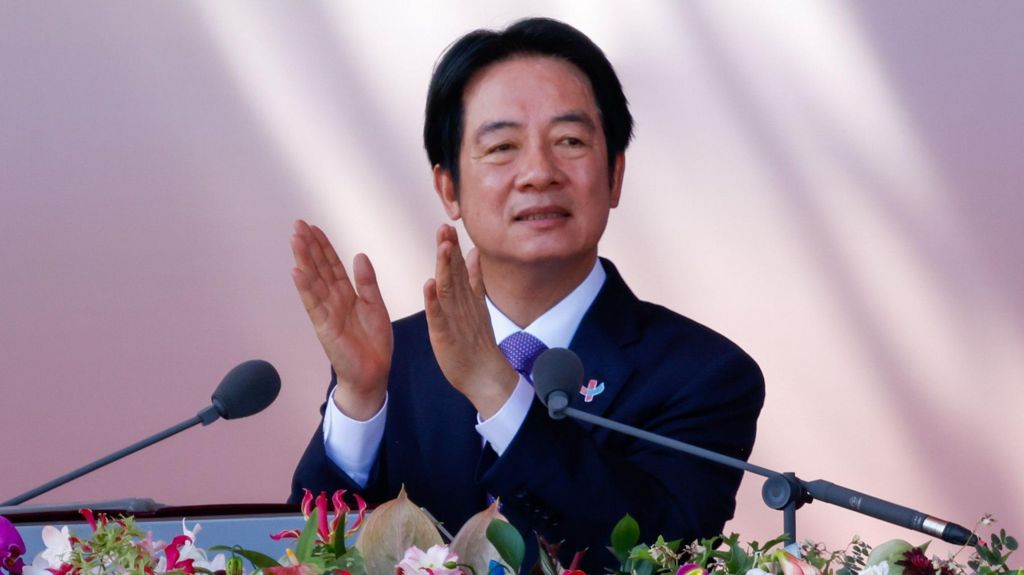
Taiwan to build air defence dome against ‘hostile threats’
Taiwanese President William Lai has announced plans to develop a cutting-edge air defense system, dubbed the ‘T-Dome,’ to counter potential threats from China. The announcement came during his National Day address, where Lai emphasized the urgent need to bolster Taiwan’s defenses in response to escalating Chinese military activities near the island. While Lai did not explicitly name China, the context was clear, given Beijing’s longstanding claim over Taiwan and its refusal to rule out the use of force to achieve reunification. The T-Dome, inspired by Israel’s Iron Dome, aims to provide multi-layered defense, advanced detection, and effective interception capabilities to safeguard Taiwanese citizens. Lai revealed that Taiwan’s defense spending will rise to over 3% of its GDP next year, with a target of 5% by 2030. However, this ambitious plan faces significant hurdles, including opposition from lawmakers who have blocked several defense-related spending bills this year. Analysts caution that implementing the T-Dome will require substantial financial resources and time, potentially extending beyond Lai’s current term. The announcement also appears to signal Taiwan’s commitment to self-defense to the United States, which is legally obligated to support Taiwan in the event of an attack. Lai urged China to act responsibly by renouncing the use of force in the Taiwan Strait, drawing parallels to the lessons of World War II. Despite Beijing’s labeling of Lai as a ‘separatist,’ his administration has taken a firmer stance against China, including significant investments in military preparedness and large-scale defense exercises.
-
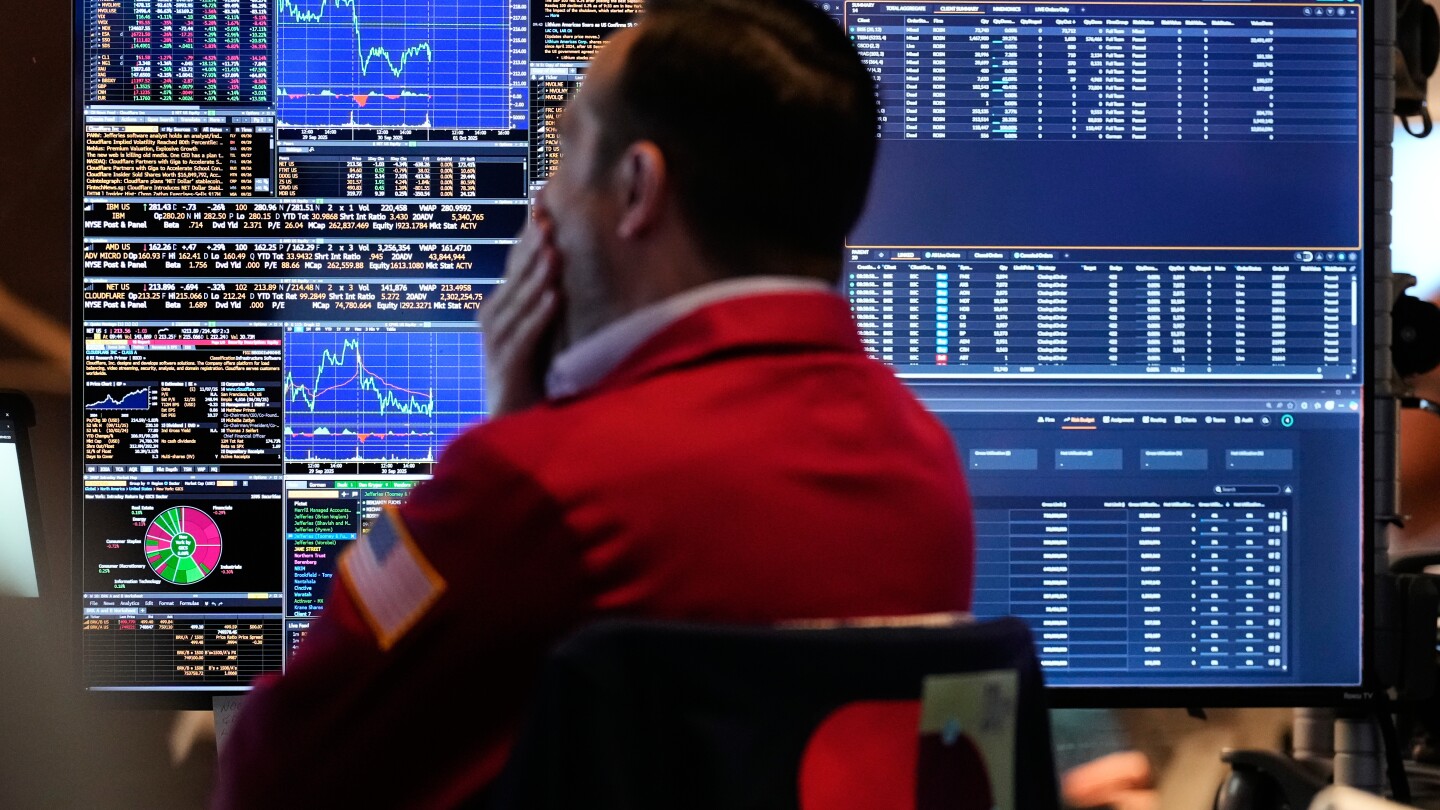
Wall Street tumbles to its worst day since April after Trump threatens more tariffs on China
The tranquility that had enveloped Wall Street for months was abruptly shattered on Friday as U.S. stocks experienced a significant downturn. This dramatic shift was triggered by President Donald Trump’s announcement that he is considering a substantial increase in tariffs on Chinese imports. The S&P 500 plummeted by 2.7%, marking its worst performance since April. Similarly, the Dow Jones Industrial Average dropped by 878 points, or 1.9%, and the Nasdaq composite fell by 3.6%. The market had initially been on a path to modest gains in the morning, but Trump’s social media post on Truth Social, where he expressed his discontent with China’s restrictions on rare earth exports, sent shockwaves through the financial world. Rare earths are crucial for manufacturing a wide range of products, from consumer electronics to jet engines. Trump’s post also indicated that a planned meeting with Chinese President Xi Jinping during an upcoming trip to South Korea might no longer be necessary. The escalation in tensions between the two largest global economies led to widespread declines across Wall Street, with nearly six out of every seven stocks in the S&P 500 falling. The downturn affected a broad spectrum of companies, from tech giants like Nvidia and Apple to smaller firms grappling with the uncertainty surrounding tariffs and trade. The market’s vulnerability to a downturn was already a topic of discussion, as the S&P 500 had experienced a nearly relentless 35% rise from its low in April, leading some critics to argue that stock prices had become excessively high. Concerns were particularly pronounced in the artificial intelligence sector, where some saw parallels to the dot-com bubble of 2000. For stock prices to appear more reasonable, either a decline in prices or an increase in corporate profits would be necessary. Levi Strauss, for instance, saw its stock price drop by 12.6% despite reporting stronger-than-expected quarterly profits. The company’s full-year profit forecast was within Wall Street’s estimates, but it faced the challenge of heightened expectations following a significant surge in its stock price earlier in the year. The S&P 500 closed at 6,552.51, down by 182.60 points, while the Dow Jones Industrial Average ended at 45,479.60, a drop of 878.82 points. The Nasdaq composite finished at 22,204.43, down by 820.20 points. The oil market also saw significant movement, with the price of benchmark U.S. crude falling by 4.2% to $58.90 per barrel. This decline was partly attributed to a ceasefire between Israel and Hamas in Gaza, which alleviated concerns about potential disruptions to oil supplies. Brent crude, the international standard, dropped by 3.8% to $62.73 per barrel. In the bond market, the yield on the 10-year Treasury fell to 4.05% from 4.14% the previous day. This decline was influenced by a report from the University of Michigan indicating that consumer sentiment remains subdued, with concerns about high prices and weakening job prospects at the forefront. The Federal Reserve had recently cut its main interest rate for the first time this year, with further cuts anticipated to provide the economy with additional support. However, Fed Chair Jerome Powell has cautioned that the central bank may adjust its course if inflation remains high. A preliminary survey from the University of Michigan offered a glimmer of hope, showing that consumers’ expectations for inflation in the coming year had slightly decreased to 4.6% from 4.7% the previous month. While still elevated, this downward trend could help the Fed manage inflationary pressures. Internationally, stock markets in Europe and Asia also experienced declines, with Hong Kong’s Hang Seng falling by 1.7% and France’s CAC 40 dropping by 1.5%. However, South Korea’s Kospi surged by 1.7% following the reopening of trading after a holiday.
-
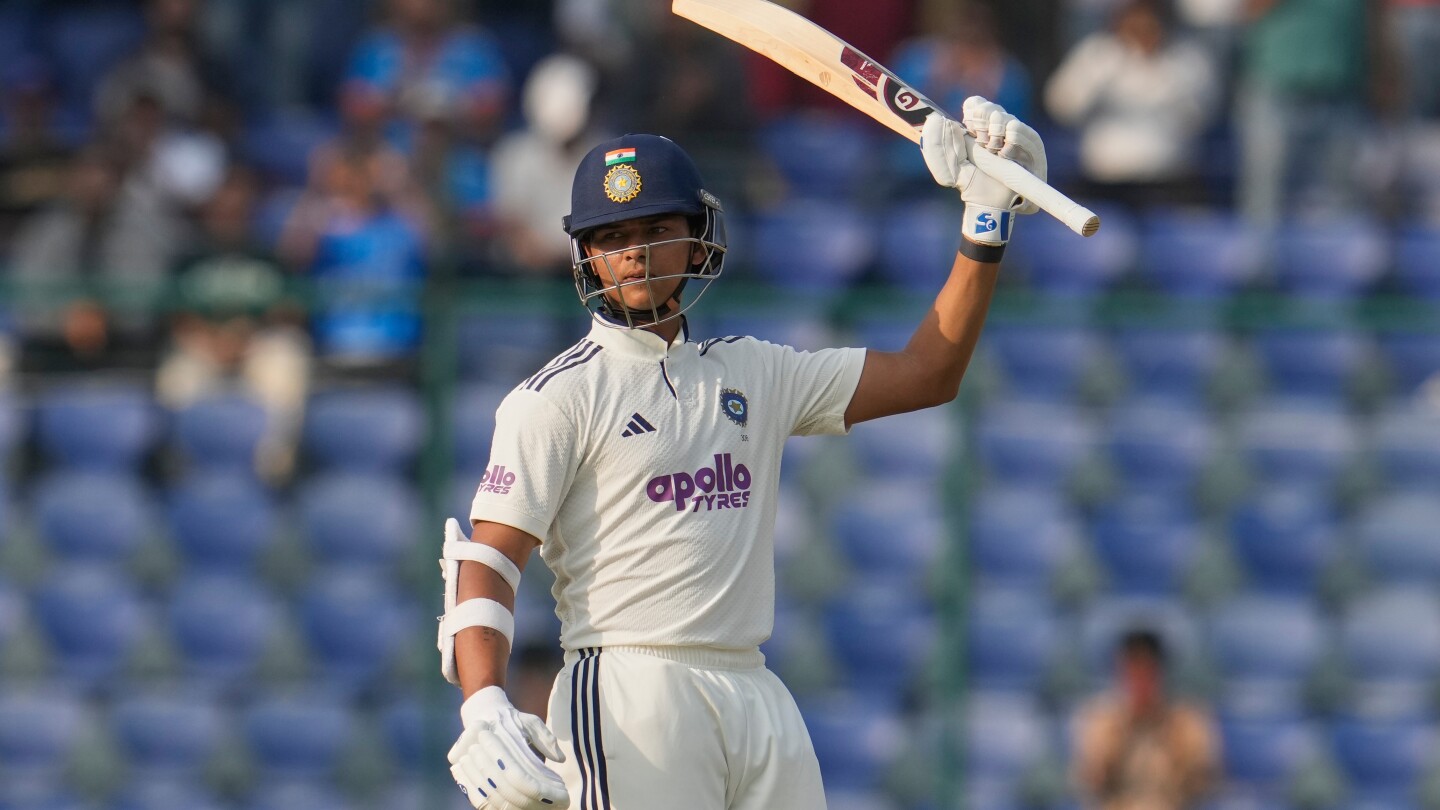
Jaiswal unbeaten on 173 as India reaches 318-2 against West Indies in second test
In a commanding display of batting prowess, Yashasvi Jaiswal led India to a strong position on the opening day of the second Test against West Indies in New Delhi. Jaiswal remained unbeaten on 173 runs, guiding India to 318-2 at stumps on Friday. The young opener notched his seventh Test century, facing 253 deliveries and showcasing remarkable resilience and skill throughout the day. Shubman Gill, captaining India for the first time in seven Tests, won the toss and elected to bat, contributing 20 not out by the close of play. India’s dominance continued after their emphatic victory in the first Test, where they won by an innings and 40 runs, taking a 1-0 lead in the two-match series. West Indies, who have not defeated India in their last 26 Tests since 2002, struggled to contain the hosts. Jaiswal reached his century off 145 balls, including 16 fours, during the second session. Earlier, India had gone to lunch at 94-1, with Lokesh Rahul dismissed for 38 off 54 balls. Sai Sudharsan, who scored a career-best 87, partnered with Jaiswal in a 193-run stand for the second wicket, propelling India to 220-1 at tea. Despite a dropped catch by West Indies’ Jomel Warrican, Sudharsan was eventually dismissed lbw in the final session. Jaiswal and Gill then steered India safely to the end of the day. Jaiswal’s innings marked the third-highest individual score by an Indian batter on the first day of a Test, trailing only Wasim Jaffer and Shikhar Dhawan. The 23-year-old left-handed opener, who has now crossed 150 five times in 48 Test innings, appears poised for further success on Saturday. India fielded an unchanged lineup, while West Indies made two changes, bringing in Anderson Phillip and Tevin Imlach.