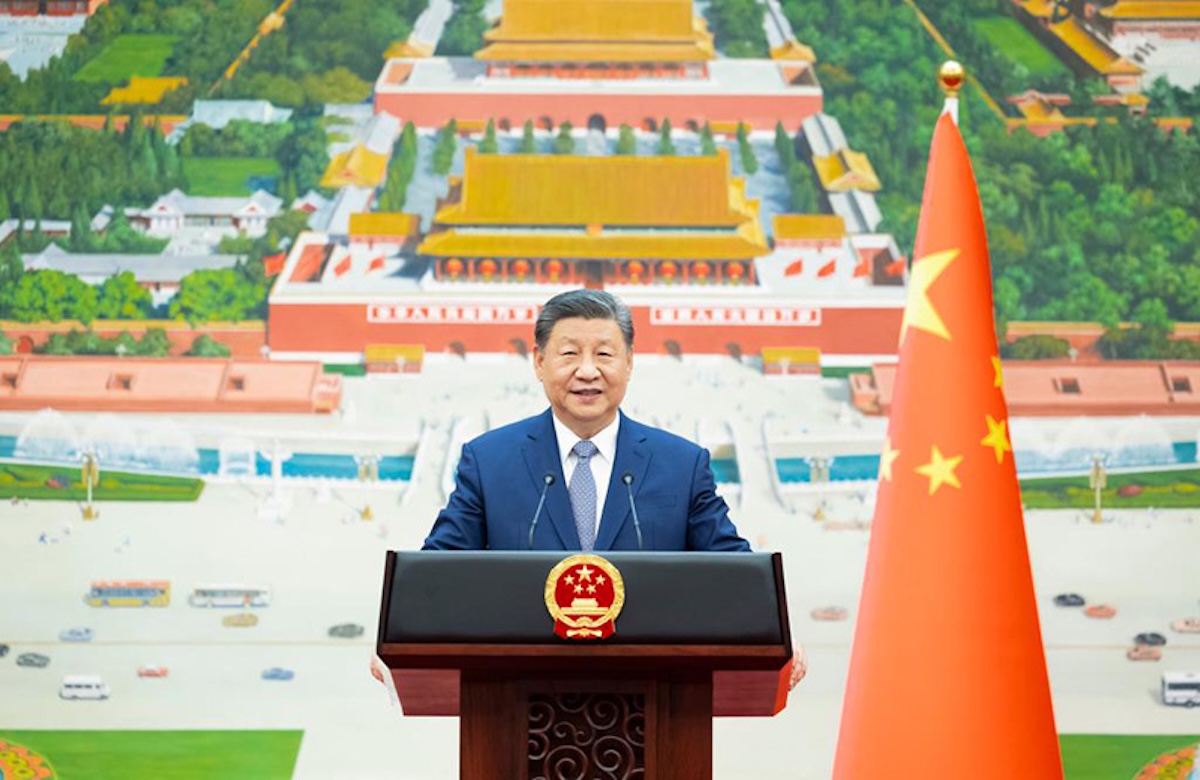
The upcoming US-China summit in Korea marks a pivotal moment in international diplomacy, as it will be the first time the People’s Republic of China (PRC) holds a strategic advantage over the United States. This shift is largely attributed to President Xi Jinping’s consolidation of power domestically and China’s dominance in the global rare earth elements market, which accounts for 70% of the world’s supply and 90% of its processing. These resources are critical for electronics manufacturing, giving China significant leverage in global industrial production. This strategic edge has brought Taiwan’s reunification closer than ever, further strengthening Beijing’s position on the global stage. Historically, the US has faced similar challenges, such as the oil crisis in the 1970s and Japan’s technological rise in the 1980s, but it remains uncertain whether China will follow the same trajectory. Domestically, Xi has overseen the largest purge in the history of the People’s Liberation Army (PLA), consolidating his authority and addressing systemic corruption. His leadership has reshaped China’s decision-making processes, drawing inspiration from both imperial history and Soviet-era governance. However, challenges remain, including bureaucratic inertia and the need to balance internal and external pressures. As China navigates these complexities, the outcome of the US-China summit will be a critical indicator of Beijing’s ability to maintain its strategic advantage in the years to come.
标签: Asia
亚洲
-

‘My hopes are dashed’: Illegal Indian migrants deported by US speak to BBC
In a recent wave of deportations under the Trump administration’s intensified crackdown on illegal immigration, several Indian migrant workers have returned home with tales of hardship, humiliation, and broken aspirations. At least 54 men, aged between 25 and 40, arrived in Delhi on Sunday after being deported from the United States. Hailing from the northern state of Haryana, these individuals had entered the US via the notorious ‘donkey route,’ a perilous pathway often exploited by human traffickers to facilitate illegal border crossings. The Indian government has yet to comment on the deportations, which are part of a broader effort by the US to curb illegal immigration, with over 2,400 Indians deported this year alone. Many of these migrants, driven by the hope of a better life, sold land or took loans to fund their journeys, only to face arrest, detention, and eventual deportation. Among them is Harjinder Singh, a farmer who spent 3.5 million rupees to reach the US four years ago, working as a cook to support his family. ‘My hopes have been dashed,’ Singh lamented, recounting the humiliation he endured during the deportation process. Another deportee, Naresh Kumar, sold his land and paid 5.7 million rupees to agents, only to spend 14 months in US custody before being sent back. The ‘donkey route,’ also known as the ‘dunki route,’ involves treacherous journeys across multiple borders, often requiring migrants to endure dangerous treks through jungles and rely on various modes of transport. Despite the hardships, none of the deportees have filed formal complaints against the agents who arranged their journeys, though authorities have pledged to take action if complaints are received. The Indian government has emphasized its efforts to raise awareness about safe and legal migration, with Prime Minister Narendra Modi highlighting the vulnerability of young Indians lured by false promises. According to India’s foreign ministry, 2,417 Indians were deported from the US between January and September 2025. This recent wave of deportations has drawn attention to the plight of undocumented Indian immigrants, who constitute the third-largest group of undocumented immigrants in the US, after those from Mexico and El Salvador.
-

Cyclone Montha weakens after battering India’s eastern coast with rain and wind
Cyclone Montha, which recently wreaked havoc along India’s eastern coastline, has begun to weaken, according to the latest updates from the Indian Meteorological Department. The storm, which made landfall near the port city of Kakinada in Andhra Pradesh late Tuesday night, brought torrential rains and gusty winds, uprooting trees, damaging infrastructure, and causing significant flooding in low-lying areas. Initial reports indicated sustained winds of up to 100 kph (62 mph), though these have since diminished to 83 kph (52 mph) as the storm moved inland. The cyclone, named by Thailand after a fragrant flower, also triggered a storm surge of up to 10 feet (3 meters) in Kakinada and surrounding regions. While authorities have yet to confirm any fatalities, local media reported one death caused by a fallen tree. Tens of thousands of residents from vulnerable areas in Andhra Pradesh and Odisha had been evacuated to relief camps prior to the storm’s arrival, showcasing India’s improved disaster preparedness in recent years. Moderate to heavy rains are expected to persist in parts of Andhra Pradesh, Odisha, Telangana, and Chhattisgarh until Thursday. India’s eastern coast has historically been prone to cyclones, but climate scientists warn that the frequency and intensity of such storms are increasing due to global warming, posing greater risks to the region.
-
Singapore faces pressure to reveal carbon tax concessions to oil giants
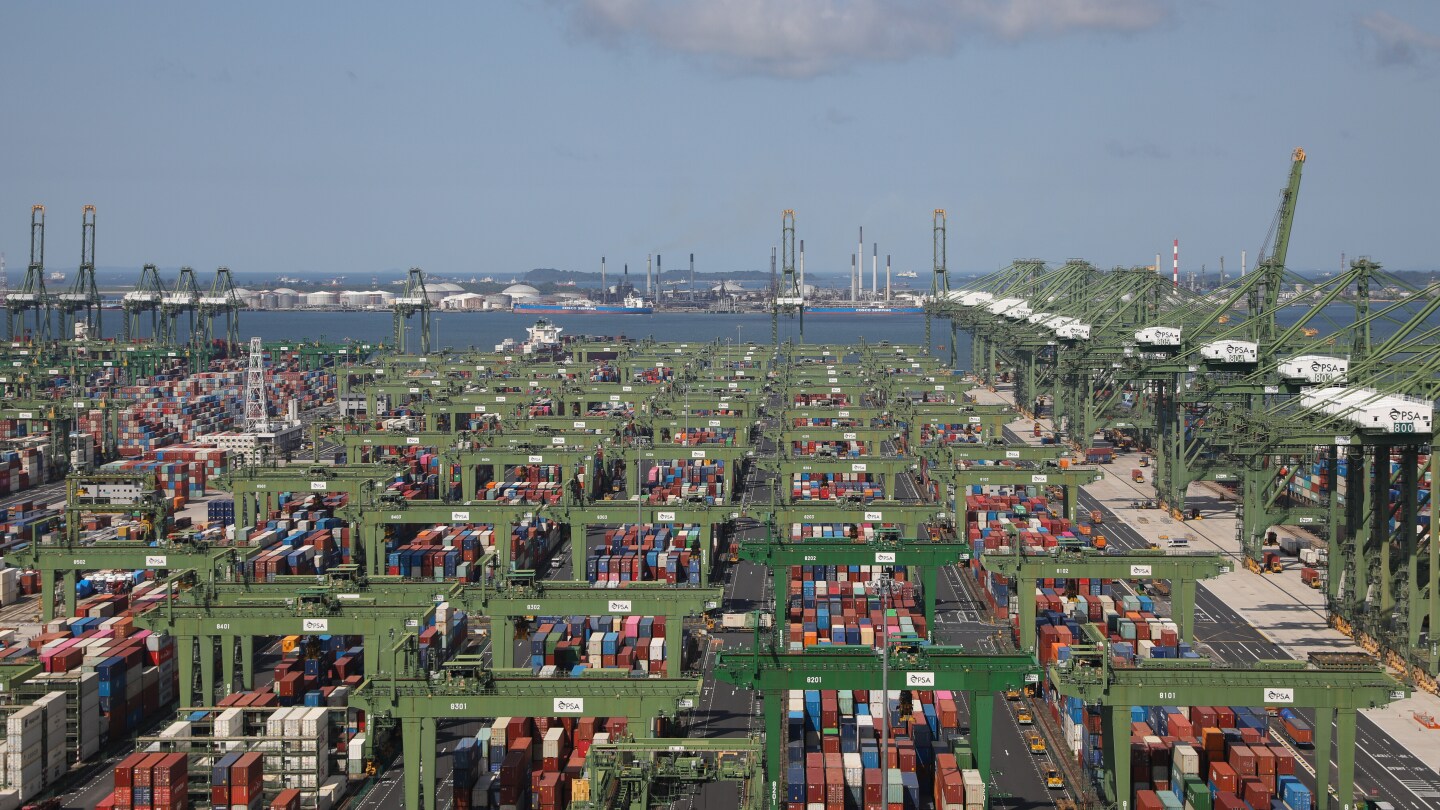
Singapore, a pioneer in Southeast Asia with its carbon tax policy, is facing growing scrutiny over concessions granted to major polluters. Environmentalists argue that these tax breaks could weaken the incentive for industries to transition to cleaner energy. Conservation groups are demanding more transparency from the government regarding the discounts awarded to corporations under the National Climate Change Secretariat (NCCS). While Singapore accounts for only 0.1% of global carbon emissions, its per capita emissions rank 27th out of 142 countries, highlighting the urgency of effective climate action. The carbon tax, introduced in 2019, is set to increase gradually, reaching 45 Singapore dollars ($34.70) per metric ton by 2026 and 50-80 Singapore dollars ($40-$60) by 2030. However, the NCCS has withheld detailed data on emissions reductions, citing concerns over corporate confidentiality. Critics argue that transparency is essential to assess the policy’s effectiveness and ensure accountability. The tax burden primarily falls on global energy giants like ExxonMobil, Shell, and Chevron, which operate significant refining facilities in Singapore. Local environmental groups warn that the costs may trickle down to households through higher utility rates, disproportionately affecting vulnerable populations. The push for greater transparency coincides with global challenges to carbon tax momentum, particularly due to the U.S. administration’s opposition to such measures. Singapore’s leadership in climate policy is seen as a critical example for the region, but its success hinges on balancing corporate interests with public accountability.
-
Qatar’s US ambassador rebukes Congressman Randy Fine after Laura Loomer interview
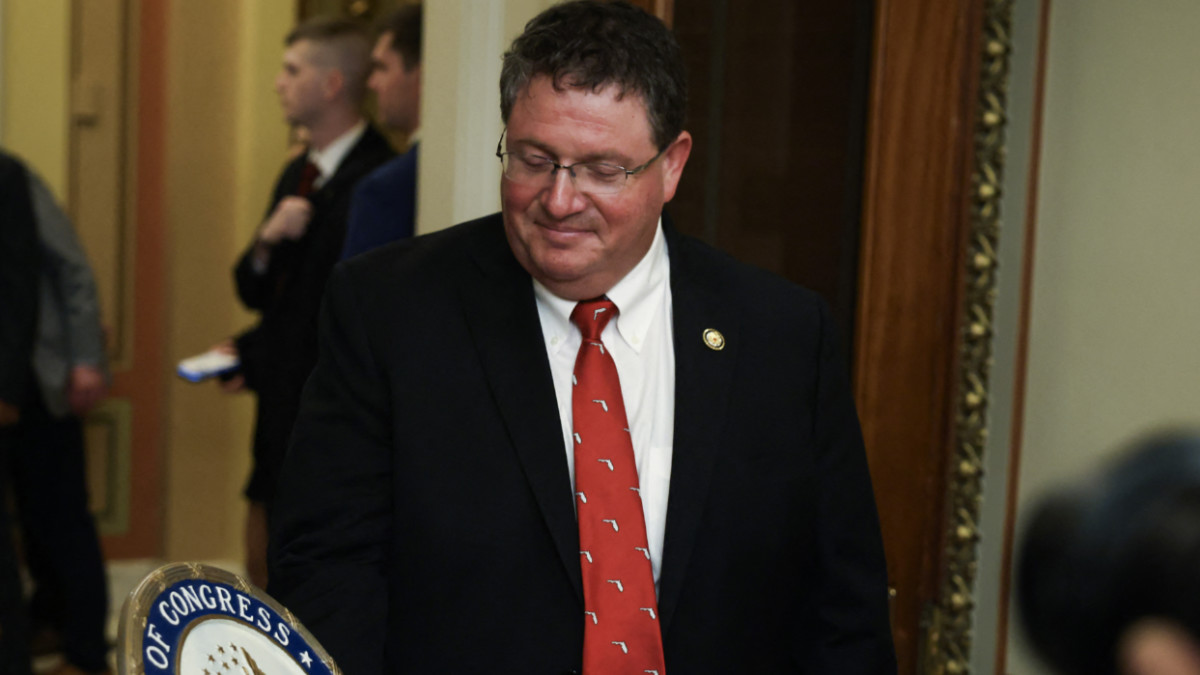
Qatar’s ambassador to the United States, Meshal al-Thani, issued a rare and direct rebuke to Republican Congressman Randy Fine for his Islamophobic and anti-Qatar comments during an interview with far-right social media personality Laura Loomer. Fine, a Jewish-American lawmaker and staunch supporter of Israel’s war on Gaza, has a history of inflammatory rhetoric, including calls for Israel to ‘nuke’ Gaza and for Palestinians to ‘starve away.’ He has also been a vocal critic of protests against Israel on US college campuses, falsely accusing Qatar of funding these demonstrations and labeling them as ‘antisemitic.’ In a letter shared on X, Ambassador al-Thani condemned Fine’s remarks, emphasizing Qatar’s commitment to combating antisemitism and all forms of religious or ethnic intolerance. He also refuted Fine’s allegations, citing a 2024 US House of Representatives report that found no evidence of Qatari involvement in campus unrest. Al-Thani further highlighted Qatar’s role as a key US ally, hosting the largest US military base in the Middle East and contributing to joint defense missions. He noted that Qatar’s F-15 purchases and support generate thousands of US jobs. The ambassador also addressed Fine’s fear-mongering about Qatari fighter pilots training in the US, stating that such arrangements are standard among allies and fully funded by Qatar. Al-Thani concluded by reminding Fine of the significant Muslim population in the US, including 127,000 in his home state of Florida.
-
Hamas denies attacking Israeli troops in Gaza
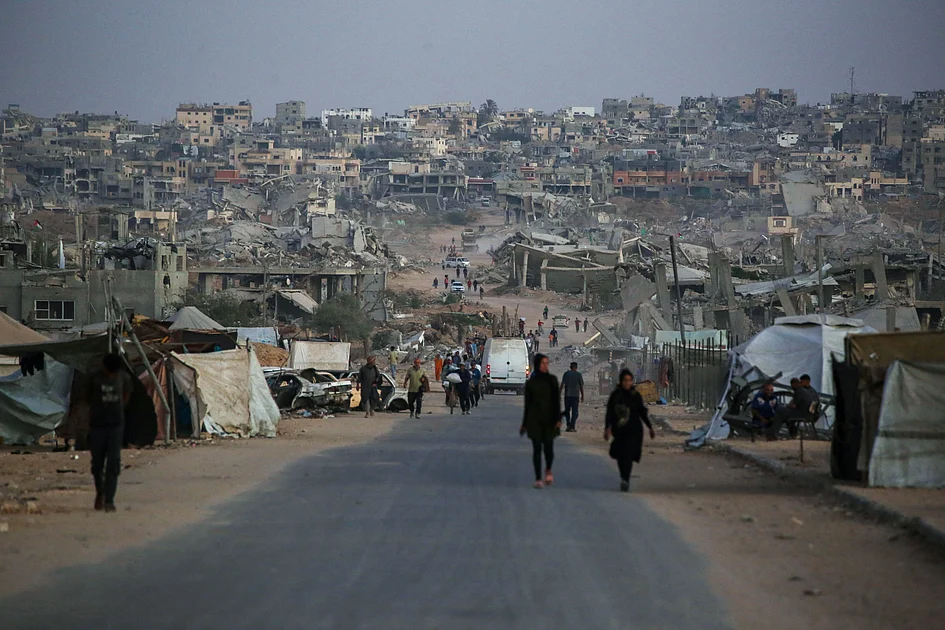
In a recent development, the Palestinian militant group Hamas has categorically denied accusations of attacking Israeli troops in Gaza. The allegations were initially made by Israeli Defence Minister Israel Katz on Tuesday, though he did not provide specific details regarding the location of the alleged incident. Hamas, in a formal statement, refuted these claims, asserting that it had no involvement in the reported shooting incident in Rafah. The group reiterated its commitment to the US-brokered ceasefire agreement with Israel, emphasizing its adherence to the terms of the truce. This denial comes amidst heightened tensions in the region, with both sides maintaining their respective positions. The situation remains fluid as further details are awaited.
-

UAE increasing support to Sudan’s RSF with new Chinese drones: Report
Recent intelligence reports from U.S. agencies reveal that the United Arab Emirates (UAE) has significantly increased its supply of advanced Chinese drones and other weapon systems to Sudan’s paramilitary Rapid Support Forces (RSF). This development, reported as recently as October, underscores the UAE’s deepening involvement in the Sudanese conflict. The RSF, accused of committing genocide in Darfur, has received a steady flow of arms, including small arms, heavy machine guns, vehicles, artillery, mortars, and ammunition, according to a Wall Street Journal (WSJ) report published on Tuesday. The UAE’s support for the RSF has been well-documented, with Middle East Eye (MEE) previously reporting in January 2024 on the UAE’s complex network of supply lines stretching across Libya, Chad, Uganda, and breakaway regions of Somalia. In May, Amnesty International confirmed the UAE’s delivery of Chinese-made weaponry, such as GB50A-guided bombs and 155mm AH-4 howitzers, to Darfur, where the RSF has been besieging cities. The RSF’s recent capture of el-Fasher in North Darfur, accompanied by documented civilian massacres, follows the collapse of U.S.-sponsored peace talks. Sources indicate that the UAE, the RSF’s primary patron, has refused to address the ongoing siege of el-Fasher, which has persisted for over 500 days. The WSJ report highlights that the UAE’s weapon supply to the RSF intensified after March, when the Sudanese Army, backed by Iran, Turkey, and Egypt, reclaimed Khartoum. MEE also reported in May that the UAE orchestrated precision drone attacks on government-controlled Port Sudan, injuring members of a Turkish technical team assisting the Sudanese military. The UAE is now supplying the RSF with advanced Chinese drones, including the CH-95 model, capable of precision strikes and long-range reconnaissance. The RSF, originally formed as the janjaweed militia under Omar Bashir’s regime, has expanded its operations in Darfur, leveraging its close ties with the UAE. RSF leader Mohamed Hamdan Dagalo, known as Hemeti, has established a commercial empire in Dubai, using the emirate to smuggle gold from Darfur’s mines under his control.
-
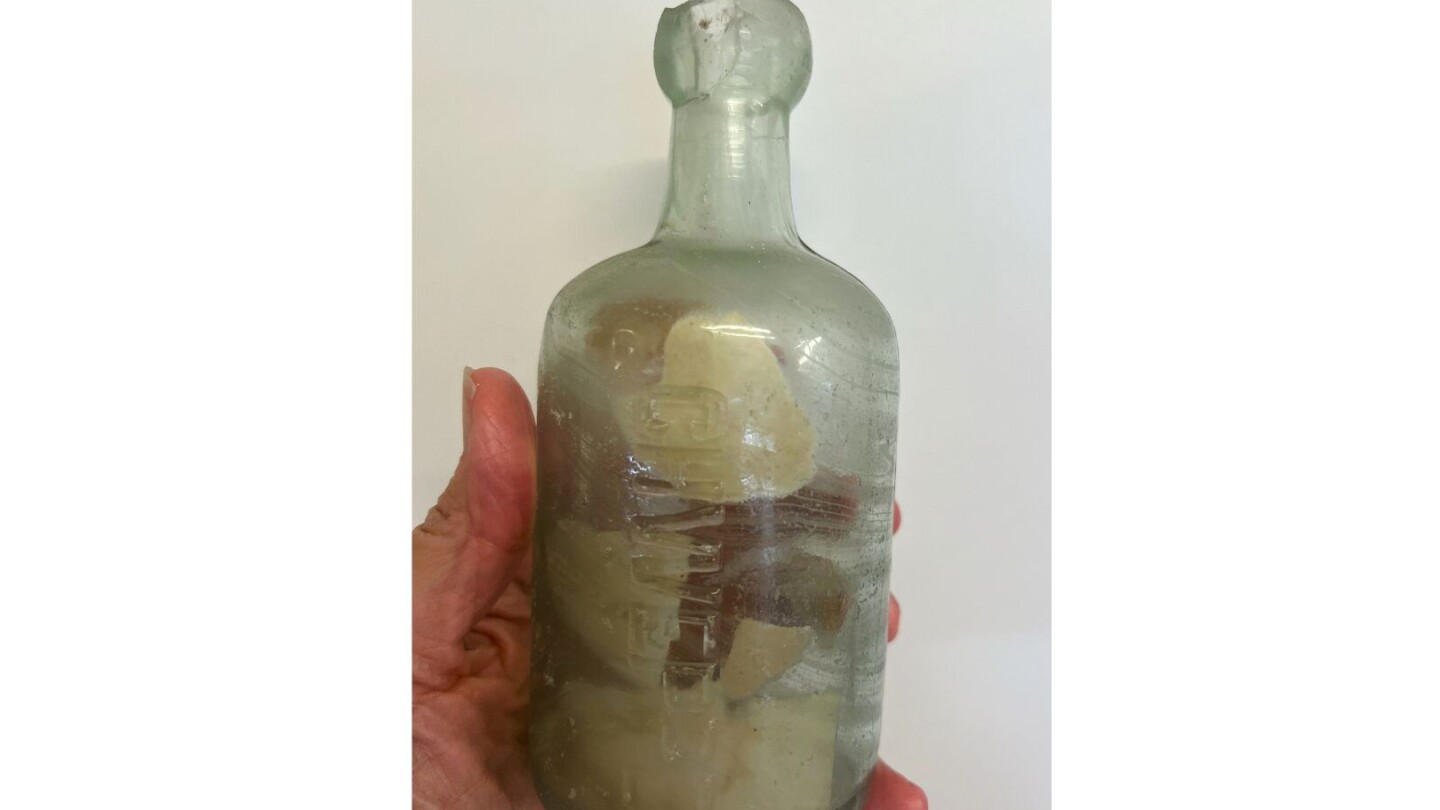
WWI soldiers’ messages in a bottle found on Australian beach more than 100 years later
In a remarkable discovery, messages in a bottle written by two Australian soldiers during World War I have been found over a century later on Australia’s coastline. The Brown family stumbled upon the Schweppes-brand bottle on October 9, 2025, during a routine beach cleanup at Wharton Beach near Esperance in Western Australia. Inside the bottle were cheerful letters penned in pencil by Privates Malcolm Neville, 27, and William Harley, 37, dated August 15, 1916. The soldiers were aboard the troop ship HMAT A70 Ballarat, which had departed Adelaide on August 12, 1916, bound for the Western Front in Europe. Neville tragically lost his life in action a year later, while Harley survived the war but succumbed to cancer in 1934, believed to be a result of being gassed in the trenches. Neville’s letter requested the finder deliver it to his mother, Robertina Neville, while Harley was content for his note to be kept by the discoverer. The bottle, found in pristine condition, likely spent decades buried in sand dunes before being dislodged by recent erosion. The legible letters have since connected the soldiers’ descendants, who expressed profound astonishment and emotional resonance with the discovery. Harley’s granddaughter described it as a ‘miracle,’ while Neville’s great nephew reflected on the pride and sorrow tied to his ancestor’s sacrifice.
-
Israel says Hamas attacked troops in Gaza, warns group will ‘pay heavy price’
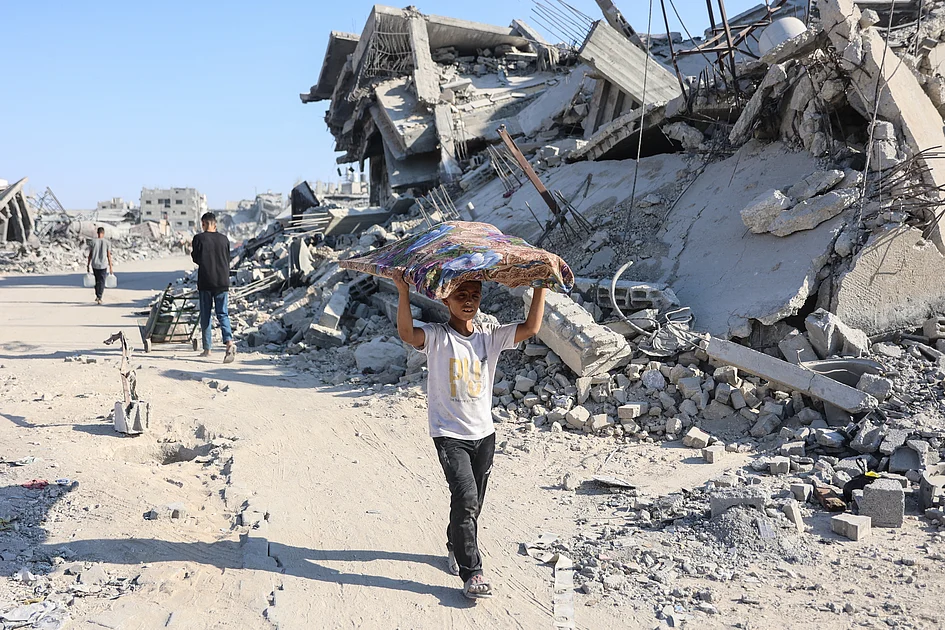
Israel has accused Hamas of launching an attack on its troops in Gaza, despite an ongoing ceasefire, and has vowed to make the group ‘pay a heavy price.’ The incident has further escalated tensions in the region, with Israeli Prime Minister Benjamin Netanyahu ordering intense military strikes on the Gaza Strip. Netanyahu accused Hamas of violating a US-brokered ceasefire agreement, which had temporarily halted hostilities. Israel’s Defence Minister, Israel Katz, condemned the attack, calling it a ‘crossing of a bright red line’ and promising a forceful response. Katz stated that Hamas would be held accountable not only for the attack on Israeli Defense Forces (IDF) soldiers but also for violating the agreement to return the bodies of hostages. The situation has reignited fears of a broader conflict, as both sides appear to be preparing for further confrontations. The ceasefire, which had been brokered to de-escalate the violence, now hangs in the balance as Israel intensifies its military operations in Gaza. The international community is closely monitoring the developments, with concerns over the potential humanitarian impact on civilians in the region.
-

Ms Rachel’s activism on Gaza lauded in Glamour Women of the Year nod
In a bold move that transcends traditional celebrity accolades, Glamour magazine’s 2025 ‘Women of the Year’ list has spotlighted two remarkable figures for their unwavering courage and moral clarity in the face of global controversy. YouTube educator Ms Rachel and actress Rachel Zegler have been celebrated for their vocal support of Palestine amidst Israel’s ongoing genocide in Gaza, a conflict that has claimed over 68,000 lives and left tens of thousands injured. Their inclusion in the prestigious list has been hailed as a cultural turning point, signaling a shift in how public figures use their platforms to advocate for justice and compassion. Ms Rachel, a beloved children’s educator known for her sing-along lessons, has faced both praise and backlash for her outspoken stance. Her recent attempt to host a party for Rahaf, a Palestinian child who survived Israeli air strikes, was met with rejection from three venues, sparking outrage online. Zegler, a rising star in Hollywood, has similarly faced criticism for her pro-Palestinian posts, including a public clash with Disney executives who reportedly sought to silence her. Despite the challenges, both women have remained steadfast in their advocacy, earning widespread admiration from fans and activists alike. Their recognition by Glamour has resonated deeply with audiences disillusioned by the silence of many public figures, offering a rare moment of moral victory and hope. This honor also reflects a broader cultural movement, as a new generation of artists, educators, and influencers continues to normalize open support for Palestinian rights, despite repression and boycotts. Ms Rachel and Zegler’s joint recognition symbolizes a shifting tide, proving that compassion and courage can still trend in an increasingly polarized world.