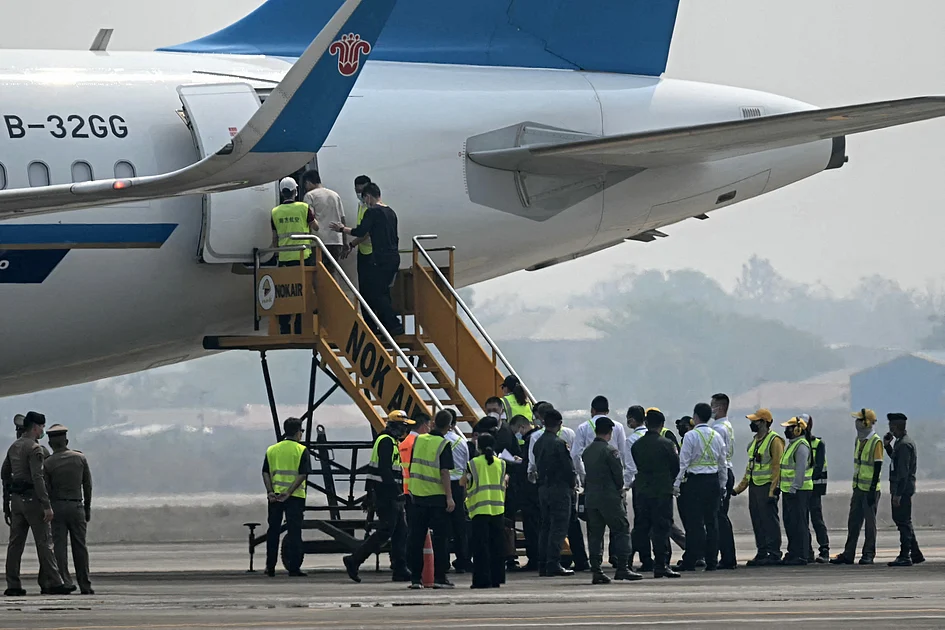
India is set to repatriate approximately 500 of its nationals who escaped a notorious cybercrime hub in Myanmar and sought refuge in Thailand, according to Thai Prime Minister Anutin Charnvirakul. The announcement came on Wednesday, following a military raid by Myanmar forces on the KK Park compound, a well-known center for transnational cyber scams. The operation, which began last week, forced hundreds of foreign workers, including Indians, to flee across the border into the Thai town of Mae Sot. Over 1,500 individuals from 28 countries are currently being sheltered by Thai authorities. Prime Minister Anutin stated that the Indian ambassador will collaborate with Thai immigration officials to expedite the legal verification process for the repatriation. An Indian aircraft is expected to land directly in Mae Sot to transport the victims back home. This marks the second such operation this year, as India previously repatriated thousands of its citizens from similar scam centers along the Thai-Myanmar border. The KK Park compound, operated primarily by Chinese criminal gangs and guarded by Myanmar-aligned militia groups, has long been a hub for online fraud and human trafficking. The United Nations estimates that billions of dollars have been generated from these illegal activities, with hundreds of thousands of people coerced into working in these centers since the COVID-19 pandemic.
标签: Asia
亚洲
-
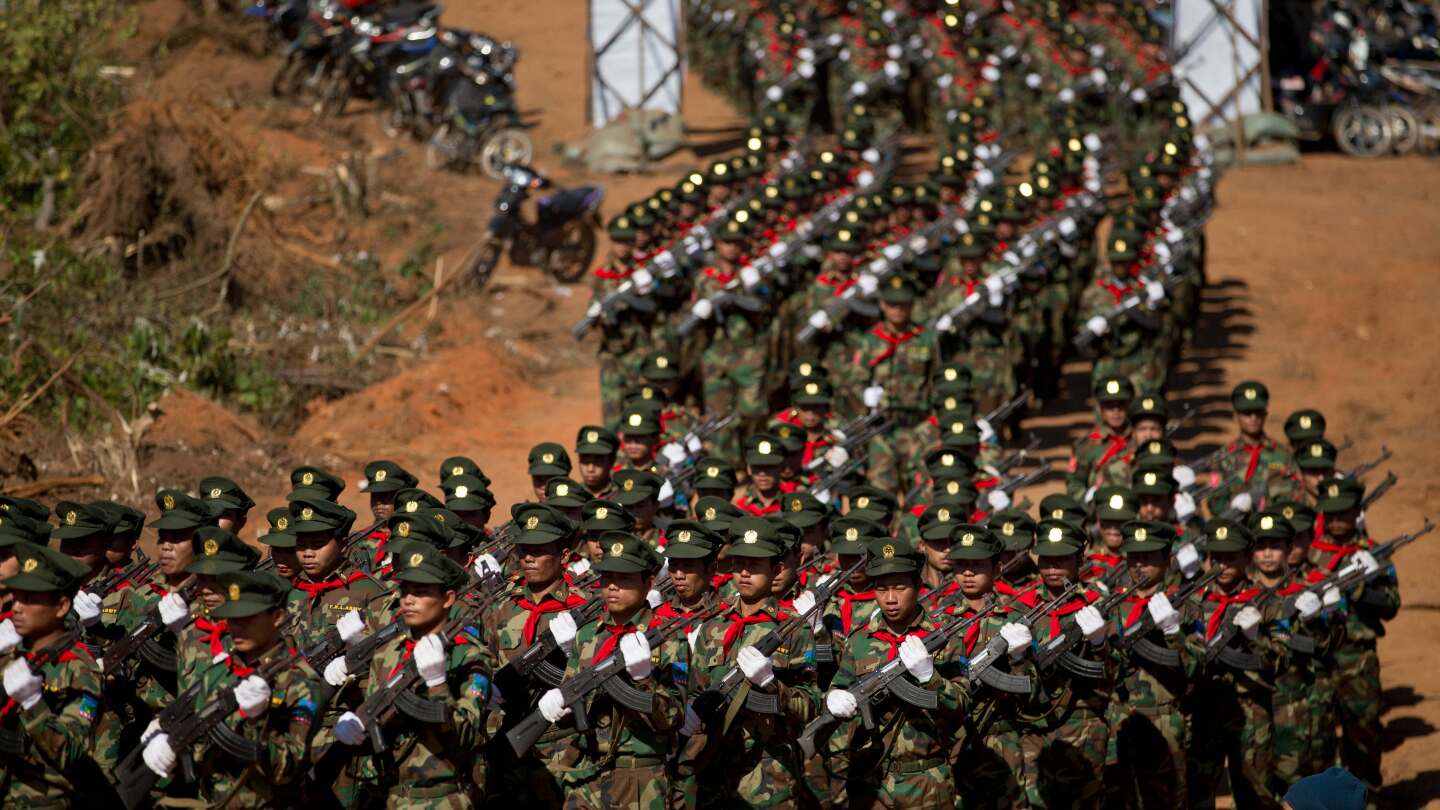
Myanmar rebels sign ceasefire with military after China-mediated talks
In a significant development aimed at reducing hostilities, the Ta’ang National Liberation Army (TNLA), a prominent ethnic rebel group in Myanmar, announced a ceasefire agreement with the country’s military government. The truce, mediated by China, was finalized during talks held in Kunming, a Chinese city near the Myanmar border, on Monday and Tuesday. This marks a pivotal moment in the ongoing conflict in Myanmar’s northeastern region, which has been plagued by intense fighting for months.
-

Trump defends Israel’s strikes on Gaza, says ‘should hit back’ if soldiers are killed
US President Donald Trump has defended Israel’s recent air strikes on Gaza, stating that Israel ‘should hit back’ if its soldiers are killed. The strikes, which resulted in at least 38 fatalities according to Gaza’s civil defence agency, were ordered by Israeli Prime Minister Benjamin Netanyahu after Hamas was accused of violating the fragile ceasefire. Hamas, however, denied the allegations and reaffirmed its commitment to the US-brokered truce. Trump emphasized that ‘nothing was going to jeopardise’ the ceasefire, even as tensions escalated. The conflict, which began with Hamas’s October 2023 attack on Israel, has already claimed thousands of lives. Despite the ceasefire, the situation remains precarious, with both sides accusing each other of breaching the agreement. The return of hostages’ bodies has become a contentious issue, with Hamas claiming it needs more time to locate the remains buried under Gaza’s war-torn landscape. Meanwhile, US Vice President JD Vance expressed confidence that the ceasefire would hold, despite the ongoing ‘skirmishes.’ On the ground, Gaza residents fear a resurgence of violence, with one local stating, ‘We want to rest. I believe the war will come back.’
-

At least 30 killed in Israeli strikes, Gaza civil defence tells AFP
In a tragic escalation of violence, Israeli air strikes in the Gaza Strip have resulted in the deaths of at least 30 people, with dozens more injured, according to Gaza’s civil defence agency. The attacks, which occurred despite an ongoing ceasefire, have left rescue teams scrambling to recover victims from the rubble. Mahmud Basal, a spokesman for the agency, confirmed the casualties to AFP, emphasizing the ongoing efforts to assist the wounded and retrieve the deceased. Israel has justified its actions by accusing Hamas of attacking its troops and breaching the ceasefire agreement. This latest surge in hostilities underscores the fragile nature of the truce and raises concerns about the potential for further violence in the region.
-
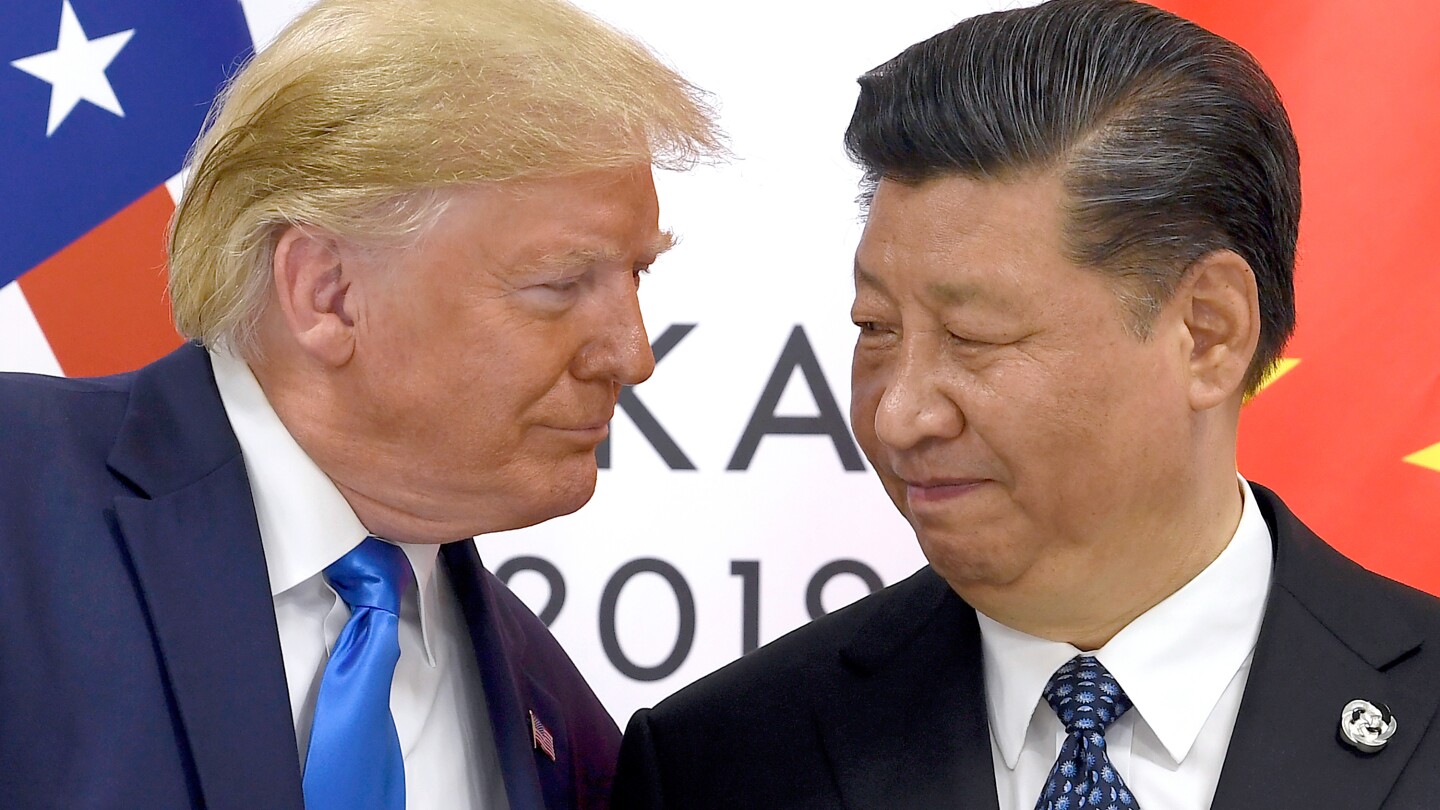
US government allowed and even helped US firms sell tech used for surveillance in China, AP finds
Since September last year, U.S. lawmakers have made four unsuccessful attempts to close a significant loophole allowing China to bypass export bans on advanced AI chips by renting them through U.S. cloud services. Despite bipartisan efforts, these proposals have been thwarted by extensive lobbying from tech companies and their trade associations, with over 100 lobbyists actively opposing the measures. The issue has become a focal point as U.S. President Donald Trump and Chinese President Xi Jinping prepare for a high-stakes meeting, with billions of dollars and technological dominance hanging in the balance. An Associated Press investigation reveals that, despite warnings about national security and human rights abuses, successive U.S. administrations have facilitated the sale of American technology to Chinese police, government agencies, and surveillance firms. For instance, in 2024, China purchased $20.7 billion worth of chipmaking equipment from U.S. companies, circumventing export controls. The tech industry’s immense lobbying power, coupled with political reluctance, has repeatedly undermined efforts to regulate these exports. Critics argue that this inaction has enabled China to strengthen its surveillance state, with American companies playing a pivotal role in its development. The AP’s findings highlight a complex interplay between economic interests, national security, and human rights concerns, raising questions about the U.S. government’s commitment to addressing these issues.
-

City showcases digital urban future
Chongqing, China’s largest megacity with over 32 million residents, has emerged as a global model for sustainable urban development through the innovative application of digital technologies. This was highlighted during the 2025 World Cities Day China Observance, held in the southwestern municipality on October 29. The event, themed ‘People-Centered Smart Cities Towards the Future,’ attracted approximately 1,200 participants, including UN representatives, foreign diplomats, officials, and industry leaders. Anaclaudia Rossbach, UN undersecretary-general and executive director of UN-Habitat, praised Chongqing’s advancements in housing, governance, infrastructure, and public services, calling them a blueprint for other megacities worldwide. The two-day event featured forums, exhibitions, and field visits focusing on urban renewal, community governance, ecological restoration, and industrial heritage protection. Chongqing, designated as China’s fourth municipality in 1997, has transformed from an outdated industrial base to a hub of intelligent manufacturing and international exchange. In 2023, the city partnered with Alibaba to launch China’s first large AI model for urban operations and governance. A voluntary local review shared during the event detailed Chongqing’s decade-long progress in leveraging digital technologies for urban transformation. Vice-Mayor Xu Jian emphasized the city’s enhanced competitiveness and growing global reputation. This year’s observance marked the first time the event was hosted in China’s less-developed central and western region, underscoring the nation’s commitment to balanced regional development.
-
Pakistan’s Defense Minister warns Afghanistan of stern response to any new militant attacks
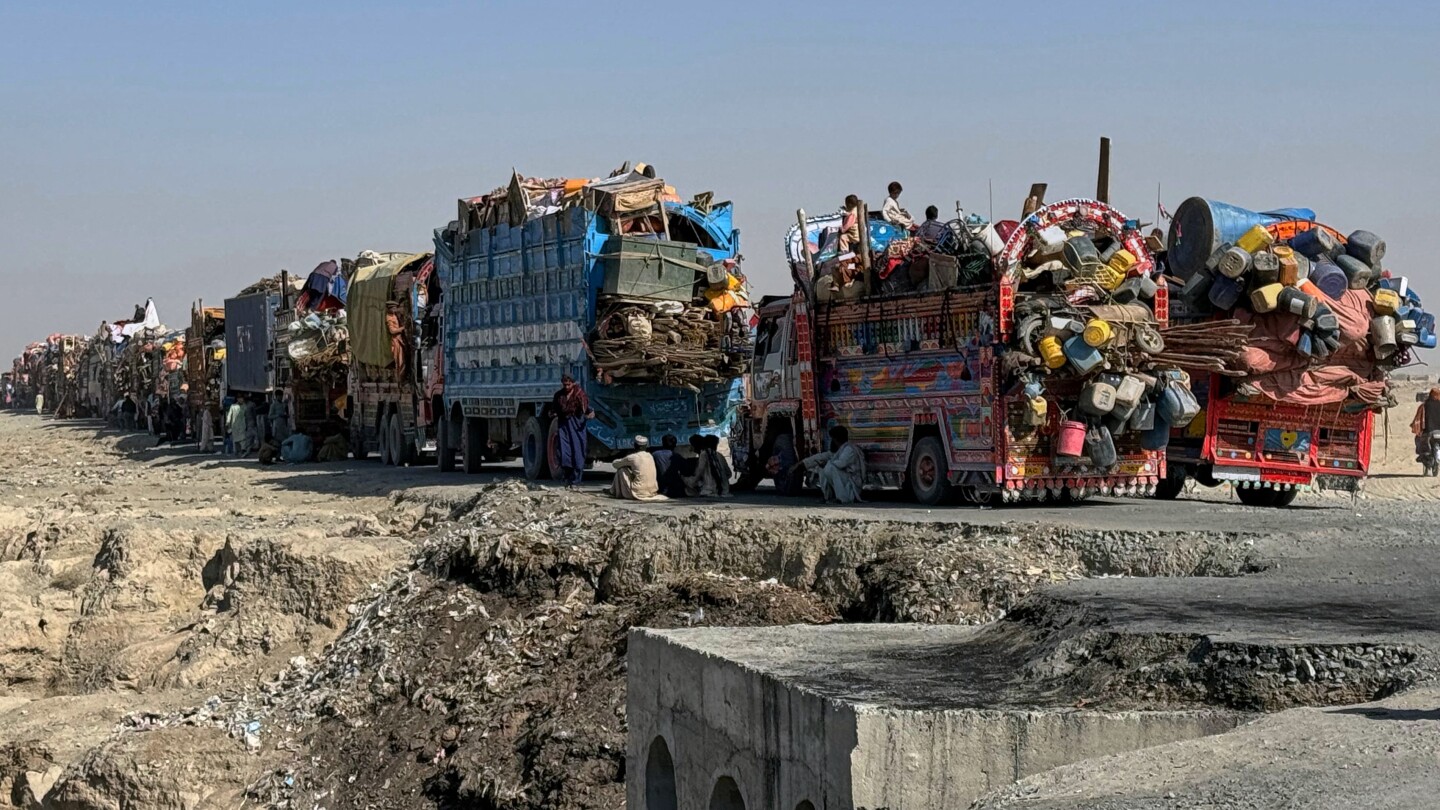
Pakistan’s Defense Minister Khawaja Mohammad Asif issued a stark warning to Afghanistan’s Taliban government on Wednesday, vowing a severe response to any future “terrorist or suicide attack” on Pakistani soil. This comes hours after peace talks in Istanbul concluded without a resolution. The negotiations, mediated by Qatar and other nations, followed a brief ceasefire agreement on October 19 in Doha. However, the discussions failed to bridge the growing tensions between the two neighboring countries. Earlier this month, Pakistan’s military conducted strikes on alleged Pakistani Taliban hideouts in Afghanistan, claiming to have killed dozens of insurgents. Afghanistan countered by stating that civilians were killed and retaliated with attacks on Pakistani military posts, allegedly resulting in the deaths of 58 Pakistani soldiers. Pakistan acknowledged losing 23 soldiers in the border clashes. In a post on X, Asif accused the Taliban government of enabling militant activities and warned of dire consequences if attacks persisted. Afghanistan’s state broadcaster RTA reported that the talks collapsed due to what it termed “irrational demands” from Pakistan, including assurances that no attacks would originate from Afghan territory. The Taliban delegation maintained that the Pakistani Taliban, or Tehrik-e-Taliban Pakistan, is an internal issue for Islamabad. Pakistan has long accused Afghanistan’s Taliban government of harboring militants, a claim Kabul denies. The recent surge in militant attacks in Pakistan, primarily claimed by the Pakistani Taliban, has heightened tensions. Despite the failed talks, the ceasefire remains intact, though major border crossings are closed, leaving hundreds of trucks and refugees stranded. At the Chaman border crossing in Balochistan, Afghan refugees and traders expressed frustration and fear over the uncertain future. “We are returning to Afghanistan, but it’s a scary situation,” said Ajab Khan, an Afghan refugee. “We don’t know how we will survive there.”
-

China records 50.6 billion cross-regional passenger trips in the first three quarters
China has witnessed a significant surge in cross-regional passenger travel during the first three quarters of 2025, with a total of 50.6 billion trips recorded. This marks a 3.1% increase compared to the same period in the previous year, reflecting the country’s robust transportation network and growing mobility demands. The data underscores the continued recovery and expansion of China’s domestic travel sector, driven by improved infrastructure, economic growth, and the easing of travel restrictions. The rise in passenger trips also highlights the increasing interconnectedness of regions across the nation, facilitating economic and cultural exchanges. This trend is expected to bolster related industries, including tourism, hospitality, and transportation services, contributing to the overall economic vitality of the country.
-

HDFC Bank puts staff on gardening leave after DFSA restricts Dubai operations
India’s largest private lender, HDFC Bank, has placed two senior executives on gardening leave following an internal investigation into the mis-selling of Credit Suisse Additional Tier-1 (AT1) bonds. This development comes weeks after Dubai’s financial regulator, the Dubai Financial Services Authority (DFSA), restricted the bank’s DIFC branch from onboarding new clients due to concerns over the promotion of high-risk financial products to UAE-based customers. The executives in question were reportedly involved in trades linked to Credit Suisse’s AT1 bonds, which were written off to zero during the bank’s rescue merger with UBS in 2023, resulting in significant losses for investors globally, including in the UAE. While an HDFC spokesperson stated that the bank has not identified any instances of mis-selling, the decision to place the executives on leave underscores the gravity of the situation. The DFSA’s earlier findings highlighted systemic weaknesses in documentation and client classification at the bank’s DIFC branch, mirroring complaints from UAE investors who alleged their KYC profiles were manipulated to facilitate the sale of these high-risk bonds. The internal investigation is nearing its conclusion, with regulatory scrutiny also underway in India.
-

Methanol poisoning survivor says influencer campaign not enough
Bethany Clarke, a survivor of a mass methanol poisoning incident in Laos, has expressed concerns that current efforts to educate young travelers about the dangers of methanol are insufficient. Last November, Bethany and her friend Simone White were among a group of backpackers who consumed tainted shots in Laos. Tragically, Simone, along with five others, lost their lives. Methanol, a toxic chemical not meant for human consumption, can cause severe symptoms such as blurred vision, dizziness, and vomiting, and can be fatal if untreated.
The UK government has launched a campaign using social media influencers and student ambassadors to spread awareness about methanol poisoning. Bethany acknowledges this as a positive step but worries that the message may not reach all those at risk. She advocates for more direct and widespread education, including warnings in schools and airports.
The Foreign Office has updated its travel advice for Laos and other countries where methanol poisonings involving British nationals have been reported. They are also collaborating with influencers like Lia Groves, a content creator with a significant social media following, to produce safety videos. Lia, who has begun a six-month backpacking trip, has vowed to avoid homemade alcohol and free bar shots, citing the campaign’s impact on her travel habits.
Despite these efforts, Bethany criticizes the government’s reliance on social media algorithms, arguing that the information may not reach enough people. She suggests adopting more visible measures, such as signage in airports and hostels, similar to those in Australia. The Foreign Office has responded by stating they are using a wide range of methods, including QR codes and partnerships with influencers, to disseminate safety information.
Bethany’s petition for more comprehensive methanol safety warnings highlights the ongoing need for greater awareness and action to prevent future tragedies.