
The Philippines is grappling with the aftermath of Typhoon Kalmaegi, one of the most powerful storms to hit the region this year. As of Thursday, the death toll has climbed to at least 114, with 127 people still missing and 82 injured, according to authorities. The typhoon caused catastrophic flooding across Cebu, the country’s most populous island, where 71 fatalities were reported. Provincial authorities in Cebu have confirmed an additional 28 deaths, which were not included in the national civil defense office’s initial tally. Kalmaegi has since exited the Philippines and is now heading toward central Vietnam, where residents are already dealing with severe flooding that has claimed dozens of lives. The storm unleashed torrents of muddy water, sweeping through towns and cities, leaving behind widespread destruction. Residential areas in Cebu were particularly hard-hit, with many small buildings destroyed and thick layers of mud covering the landscape. Local officials described the devastation as ‘unprecedented.’ Residents returning to their homes are struggling to cope with the aftermath. Jel-an Moira Servas, a business owner from Mandaue city, recounted her harrowing experience of being waist-deep in water within minutes and evacuating with her family. ‘Our houses are filled with mud, and everything is in shambles,’ she said. ‘We don’t even know where to start cleaning.’ The national disaster agency reported that over 400,000 people have been displaced in Cebu, home to 2.5 million residents. The death toll also includes six crew members of a military helicopter that crashed during relief operations on Mindanao island. Volunteer rescuer Carlos Jose Lañas described the situation as the worst flood he has ever witnessed, with emergency responders overwhelmed by the scale of the disaster. Kalmaegi, locally known as Tino, is the 20th tropical cyclone to strike the Philippines this year, a country frequently battered by powerful storms. This disaster follows closely on the heels of back-to-back typhoons in September that killed over a dozen people and caused significant damage to infrastructure and crops. The region has also faced an unusually wet monsoon season, exacerbating the crisis and sparking public outrage over inadequate flood control systems. As Kalmaegi strengthens, with winds reaching 155 km/h, it is expected to make landfall in central Vietnam on Friday, where more than 50 flights have already been canceled or rescheduled. Thailand is also preparing for potential impacts, including flash floods and landslides.
标签: Asia
亚洲
-

NRIs in UAE: India’s fintech sector continues on strong growth path
India’s fintech sector is experiencing unprecedented growth, driven by technological innovation and strategic government initiatives. With over 10,000 companies and $40 billion in investments, the sector has become a cornerstone of India’s digital economy. The Reserve Bank of India (RBI) recently unveiled the Unified Market Interface, a groundbreaking platform enabling instant trading of financial assets as digital tokens, settled through the central bank’s digital currency. This development marks a pivotal moment in India’s digital finance ecosystem, which is further bolstered by advancements in data integration, asset tokenization, artificial intelligence (AI), and cybersecurity. The account aggregator framework currently serves 160 million accounts, enhancing financial inclusivity and transparency. Additionally, the Unified Lending Interface has bridged India’s credit gap, sanctioning 3.2 million loans worth Rs. 1.7 trillion since its launch. The retail digital e-rupee, adopted by 19 banks and 7 million users, has also emerged as a critical component of India’s digital public infrastructure. Despite lower R&D spending compared to the US and China, India is leveraging AI to accelerate innovation in life sciences, climate resilience, and space technology. The automotive sector is also thriving, with vehicle exports growing by 20% in the first half of 2025, driven by global demand for electric vehicles and SUVs manufactured in India. Companies like Suzuki, Hyundai, and Nissan are leading this export surge, positioning India as a global manufacturing hub.
-

China’s bet on self-reliance won’t fix an unbalanced economy
Since 1953, China has periodically introduced five-year plans to guide its economic transformation. The 15th five-year plan, unveiled in October 2025, aims to address sluggish domestic growth and intensifying geopolitical rivalry by emphasizing technological self-reliance, industrial modernization, and expanded domestic demand. President Xi Jinping and other leaders are betting on innovation-driven growth to secure China’s future, despite concerns about weak consumer spending and economic risks. The plan prioritizes advanced manufacturing, tech innovation, and green industries, such as aerospace, renewable energy, and quantum computing. Beijing’s focus on indigenizing critical technologies and military-civil fusion underscores its dual goals of economic and national security. However, the plan’s limited attention to boosting domestic demand and household consumption raises questions about its ability to rebalance the economy. While China’s push for high-tech industries could reshape global supply chains, it may also exacerbate trade frictions with advanced economies. The success of this ambitious plan will ultimately depend on whether it improves the lives of Chinese citizens by 2030.
-
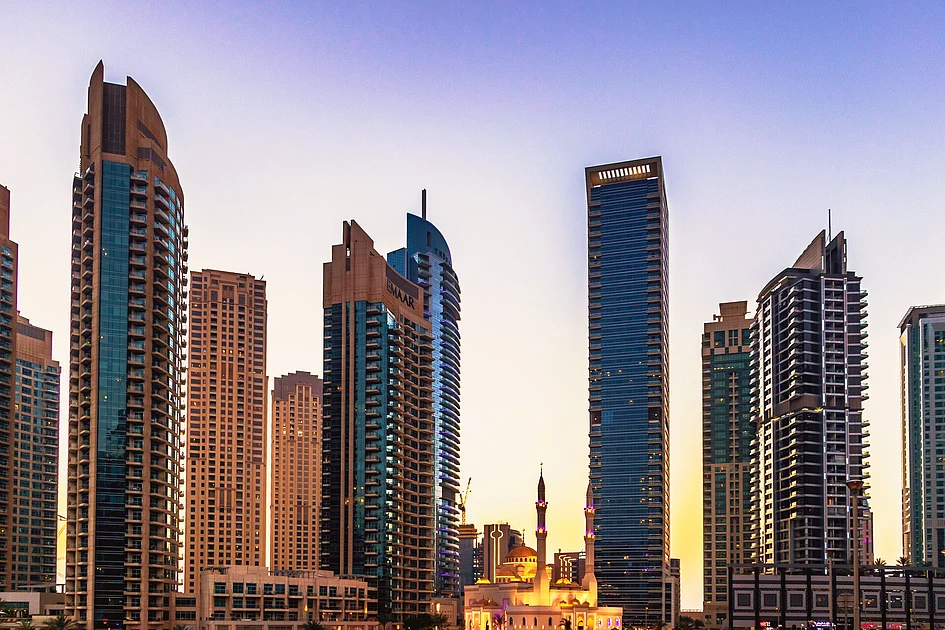
Dubai emerges as a global wealth nexus, bridging Asia and the Middle East
Dubai is rapidly emerging as a global nexus for wealth, strategically bridging the financial ecosystems of Asia and the Middle East. This transformation is driven by a surge in cross-border investments and the growing influence of globally minded families seeking diversified wealth management solutions. According to Derrick Tan, Group Executive Chairman of WRISE Group, Dubai is uniquely positioned to serve the next generation of Asian wealth, which is mobile, sophisticated, and increasingly interconnected.
-

ASB Capital and Xtrackers by DWS launch XASB Sukuk ETF on London Stock Exchange
In a significant development for the global financial markets, ASB Capital, a purpose-driven asset management firm with $5.8 billion in assets under management (AUM), has partnered with Xtrackers by DWS, a leading European provider of exchange-traded funds (ETFs), to launch the XASB Sukuk ETF on the London Stock Exchange (LSE). This marks ASB Capital’s first Shari’a-compliant ETF and a milestone for Xtrackers by DWS, offering investors regulated, cost-efficient, and diversified access to the growing Sukuk market. The ETF provides exposure to over 150 Sukuk, addressing historical barriers such as high minimum investment requirements and limited product innovation. Sukuk, which represent 45% of the $2.5 trillion USD-denominated debt market, are forecasted to exceed $2 trillion by 2030, driven by their asset-backed nature and consistent performance. The partnership leverages Xtrackers’ expertise in ETF structuring and ASB Capital’s regional influence, creating a gateway for global investors to participate in this resilient asset class. Hichem Djouhri, Senior Executive Officer at ASB Capital, emphasized the firm’s commitment to innovative and accessible investment solutions, while Houda Ennebati, Head of Xtrackers ETF Sales – France & MENA, highlighted the ETF’s role in broadening investor participation in economic development. ASB Capital, licensed by the Dubai Financial Services Authority (DFSA), continues to strengthen its position as a regional leader with global reach.
-
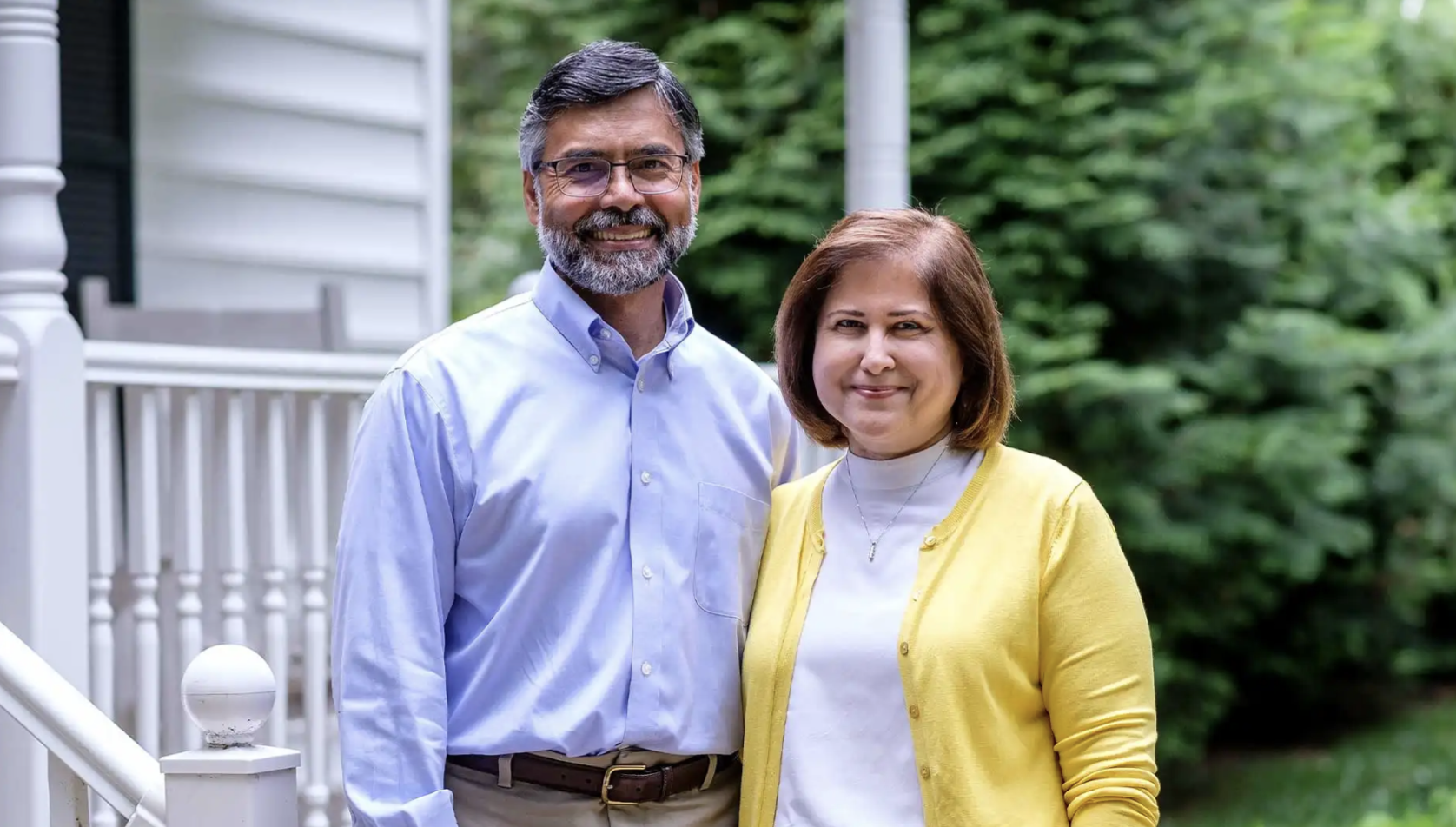
US: Ghazala Hashmi becomes first Muslim woman to serve as lieutenant governor
In a landmark election cycle, Muslim Americans achieved significant victories in state and local elections across the United States, marking a pivotal moment in the nation’s political landscape. Among the most notable wins was Ghazala Hashmi, who became the first Muslim woman to be elected as lieutenant governor of Virginia. Hashmi, a state senator since 2019, will be sworn in on January 17, serving alongside Governor-elect Abigail Spanberger, who also secured a decisive victory in a race widely seen as a rebuke of former President Donald Trump’s policies. Both Hashmi and Spanberger are Democrats, with Hashmi’s campaign focusing on affordability, housing, and education, rather than positioning herself as an anti-Trump candidate. Her success underscores a broader trend of Muslim Americans gaining political influence by addressing local issues rather than engaging in partisan rhetoric. Meanwhile, in Michigan, three Muslim Americans won mayoral races in predominantly Arab American suburbs of Detroit. Mo Baydoun was elected mayor of Dearborn Heights, succeeding Bill Bazzi, who was appointed U.S. ambassador to Tunisia. In Dearborn, Abdullah Hammoud was re-elected with a commanding majority, despite his refusal to endorse President Joe Biden due to the administration’s stance on Israel’s actions in Gaza and Lebanon. In Hamtramck, Adam Alharbi is set to become mayor, continuing a trend of Yemeni American leadership in the area. These victories come amid a backdrop of anti-Muslim sentiment, which has historically been weaponized in elections. However, candidates like Hashmi and Baydoun have demonstrated that focusing on community needs can overcome such challenges. In Minnesota, Omar Fateh, a Somali-American state senator, narrowly lost the Minneapolis mayoral race to incumbent Jacob Frey. Despite the loss, Fateh’s campaign highlighted the resilience of Muslim candidates in the face of racist attacks and misinformation. The successes of these candidates reflect a growing acceptance of Muslim Americans in public office and a shift toward issue-based campaigns that resonate with diverse electorates. As Muslim Americans continue to break barriers, their victories signal a transformative moment in U.S. politics, where representation and community-focused leadership take center stage.
-

Iconic New York-based pizzeria launches its first Dubai outlet at Silicon Central Mall
Grimaldi’s Pizzeria, a legendary New York-based establishment celebrated for its coal-fired brick-oven pizzas, has officially opened its first Dubai location at Silicon Central Mall. This expansion marks a significant milestone as the pizzeria introduces its century-old Brooklyn pizza-making tradition to the UAE, offering residents and visitors an authentic taste of New York. Founded on the principles of hand-tossed fresh dough and premium ingredients, Grimaldi’s prides itself on its signature coal-fired brick ovens, which deliver unparalleled flavor and crispness. The restaurant features an open kitchen, allowing guests to witness the artistry behind each pizza, and provides a family-friendly, casual yet upscale ambiance suitable for any occasion. In addition to its award-winning pizzas, the Dubai menu includes a variety of appetizers and daily-made desserts. Grimaldi’s has consistently earned the American Academy of Hospitality Sciences 5 Star Diamond Award for eight consecutive years in the U.S. Joseph Ciolli, CEO of Grimaldi’s Pizzeria, expressed excitement about bringing the authentic New York pizza experience to Dubai, emphasizing the brand’s commitment to quality, tradition, and creating a welcoming environment for families and friends. With over 100 years of pizza-making heritage and international acclaim, Grimaldi’s continues to expand its global footprint, sharing its passion for pizza with new communities.
-

Full moon through lenses across China
On the evening of November 5, 2025, a breathtaking celestial event unfolded as the full moon reached its peak phase at 9:19 pm Beijing Time. This particular full moon was the closest to Earth in 2025, making it the largest and most visually striking lunar display of the year. Across China, photographers and stargazers alike seized the opportunity to capture the moon’s radiant glow against iconic backdrops. One such image, taken by photographer Zou Hong, showcased the full moon hovering above the White Lotus Tower in Wuzhen’s Xizha scenic area in Zhejiang province. The photograph, shared by chinadaily.com.cn, highlights the moon’s majestic presence as it illuminated the night sky. This astronomical phenomenon not only drew attention from astronomy enthusiasts but also served as a reminder of the beauty and wonder of the natural world. The event was widely celebrated, with social media platforms flooded with images and videos of the moon from various locations across the country.
-

Indian pilgrims find ‘warm welcome’ in Pakistan despite tensions
In a remarkable display of cross-border unity, approximately 40,000 Sikh pilgrims from India were warmly welcomed in Nankana Sahib, Pakistan, to celebrate the 556th birth anniversary of Guru Nanak, the founder of Sikhism. This pilgrimage marks the first major religious gathering since deadly clashes in May 2025 temporarily closed the land border between the two nuclear-armed neighbors. Despite ongoing political tensions, the atmosphere in Nankana Sahib was one of devotion and camaraderie. The streets were meticulously cleaned, and banners adorned the city, creating a festive ambiance. Pilgrims expressed their gratitude for the hospitality, with many noting the stark contrast between the warmth of the people and the strained relations between their governments. Inside the shrine complex, marigold flowers decorated the walls, and the air resonated with religious hymns. Devotees prayed fervently, some performing ritual dips in a sacred pond. The event also witnessed emotional reunions, such as the heartfelt meeting between 90-year-old Muhammad Bashir and Sharda Singh, whose families had been separated during the 1947 partition. The festival, which continues through November, serves as a powerful reminder of shared humanity and the potential for peace amidst political discord.
-
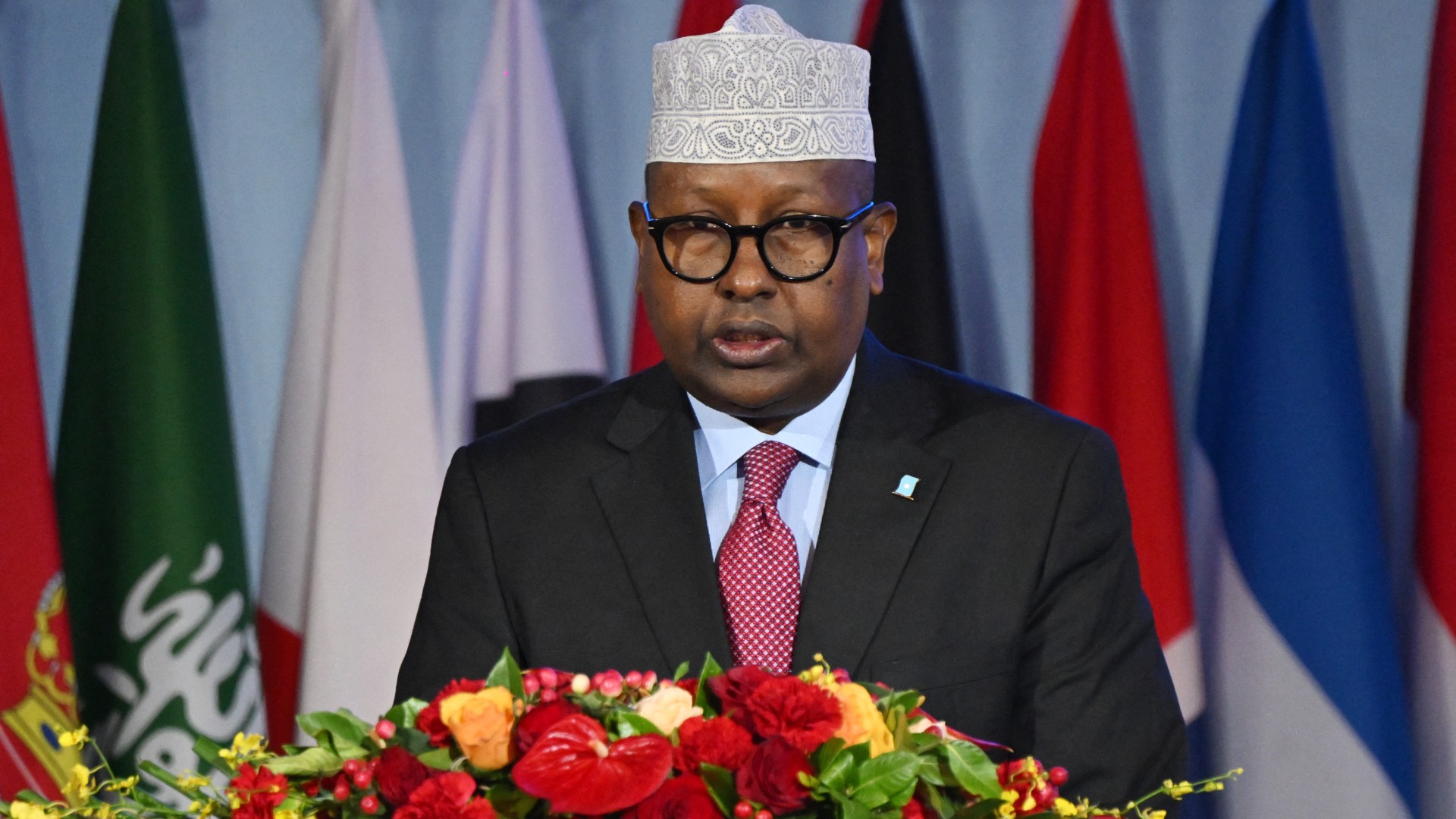
Somali defence minister confirms MEE report of flights from Bosaso to Sudan
Somalia’s Defence Minister, Ahmed Moallim Fiqi, has confirmed that transport aircraft carrying undisclosed cargo have been flying between Bosaso Airport in Somalia’s Puntland region and western Sudan. This admission follows a Middle East Eye (MEE) report last week, which detailed the use of Bosaso Airport by the United Arab Emirates (UAE) to support Sudan’s paramilitary Rapid Support Forces (RSF). The RSF has been engaged in a brutal conflict with the Sudanese Armed Forces (SAF) since April 2023, with allegations of genocide and widespread human rights abuses, including rape and murder of civilians in North Darfur’s el-Fasher city. MEE’s investigation revealed that heavy logistical materials were offloaded at Bosaso Airport before being transported to Sudan via neighboring countries. Additionally, Colombian mercenaries, reportedly fighting alongside the RSF, have been observed transiting through Bosaso Airport. Flight tracking data and satellite imagery suggest the UAE as the origin of these operations. The UAE has long funded Puntland’s regional security forces, and the semi-autonomous region maintains close ties with Abu Dhabi. Somalia’s federal government, which controls the country’s airspace, has not openly confronted the UAE over its activities in Puntland. Former Somali Foreign Minister Abdisaid Muse Ali accused Somalia of complicity in the genocide in Sudan, stating that the use of Bosaso as a logistical hub implicates Somalia in sustaining the RSF’s operations. The report has sparked widespread debate in Somali and regional media, with prominent figures condemning the alleged involvement of Bosaso Airport in Sudan’s conflict. Despite historical support from Sudan, including scholarships for Somali students, Somalia’s role in the war has drawn criticism and calls for accountability.