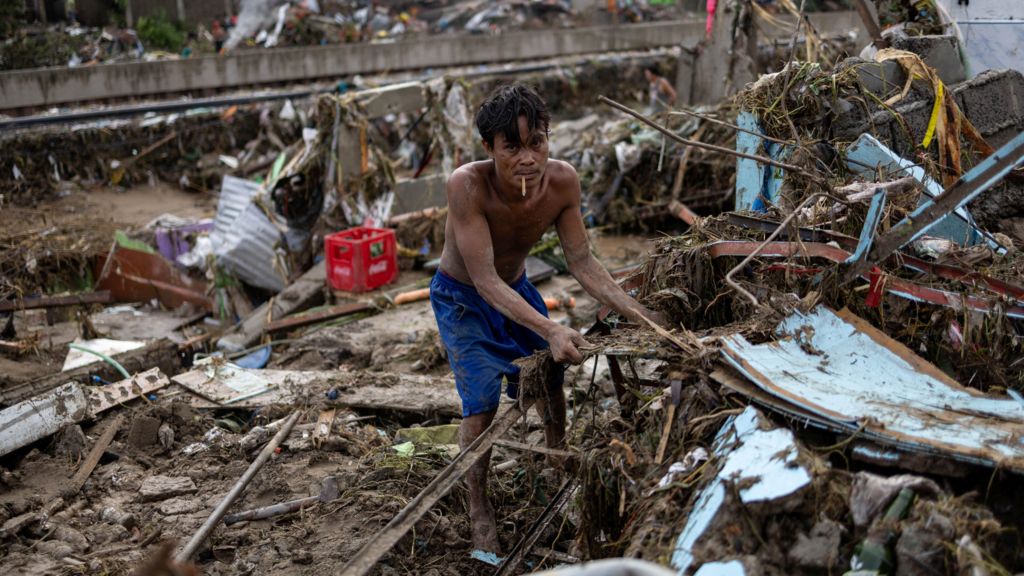
Typhoon Kalmaegi, one of Asia’s most powerful storms this year, has wreaked havoc across the Philippines and Vietnam, claiming at least 114 lives and displacing tens of thousands. The typhoon first struck the Philippines, particularly affecting central regions like Cebu, where entire towns were submerged, and vehicles were swept through flooded streets. President Ferdinand Marcos Jr. declared a state of emergency in response to the widespread destruction, which included significant property damage and disruptions to livelihoods.
标签: Asia
亚洲
-

Dubai-based Indian travel influencer Anunay Sood passes away; family issues statement
The travel and social media community is mourning the sudden loss of Anunay Sood, a prominent Indian travel influencer based in Dubai, who passed away at the age of 32. The tragic news was confirmed by his family through a statement shared on his official social media account. Anunay was in Las Vegas attending the Strip Shutdown event at Wynn Las Vegas, which featured automotive icons Horatio Pagani and Christian Von Koenigsegg. His final Instagram post, captioned ‘Still can’t believe I spent the weekend surrounded by legends and dream machines,’ reflected his passion for travel and adventure. The cause of his death on November 4 remains undisclosed. Anunay, a Golden Visa holder and longtime UAE resident, was known for his inspiring travel vlogs, including his challenging journey to Spiti, which he described as ‘paradise.’ He also appeared on ‘Seat 07A,’ a podcast hosted by UAE Ambassador to India Abdulnasser Alshaali, where he shared his belief that ‘travel changes everyone.’ His family has requested privacy during this difficult time, urging well-wishers to respect their need for space. Anunay is survived by his parents, Rahul Sood Kuthiala and Ritu, and two sisters, who are also Dubai residents. Tributes have poured in from fans and followers, expressing shock and grief over his untimely demise.
-
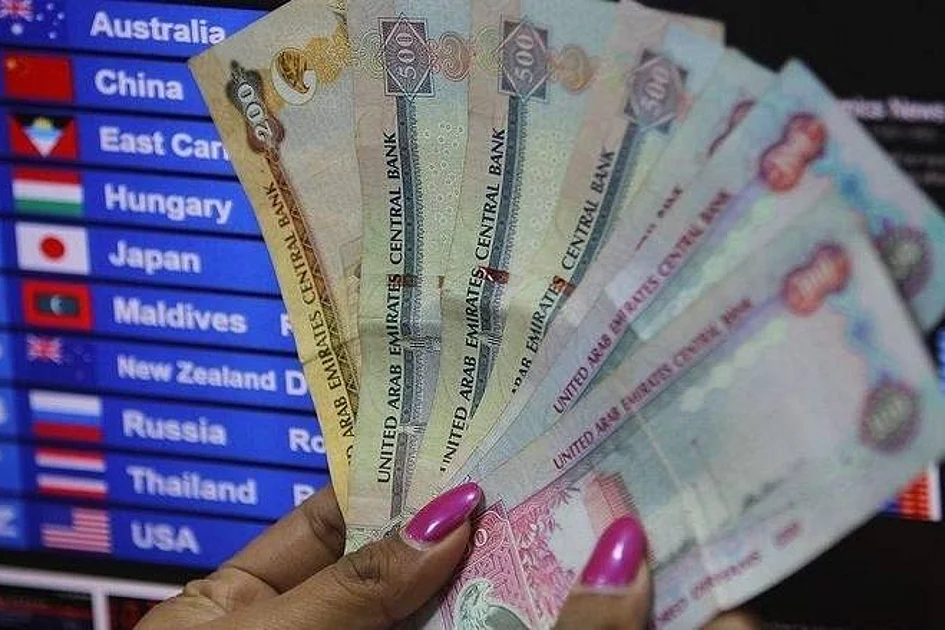
UAE inflation holds steady amid global uncertainty, GCC follows suit
In a testament to economic resilience, the United Arab Emirates (UAE) has sustained stable inflation levels despite global economic volatility. According to the International Monetary Fund’s (IMF) Regional Economic Outlook, the UAE’s inflation is projected to average 1.6% in 2025, slightly lower than the 1.7% recorded in 2024, with a modest rise to 2.0% anticipated in 2026. This trajectory remains well within the central bank’s target, underscoring the nation’s effective fiscal management and price stability. Dubai’s Consumer Price Index (CPI) rose to 2.9% year-on-year in September 2025, up from 2.4% in August, driven primarily by significant increases in the Housing, Water, Electricity, and Gas category, which surged by 5.8%. Other contributing factors included rebounds in Recreation and Culture, alongside modest rises in Education and Food & Beverages. However, declining Transport costs helped temper overall inflation. The broader Gulf Cooperation Council (GCC) region has mirrored this stability, with inflation expected to remain below or at the 2% target through 2026. Saudi Arabia, the GCC’s largest economy, recorded a 2.2% year-on-year inflation rate in September 2025, with notable increases in Personal Goods & Services and Housing. The Kingdom’s central bank aligned with the U.S. Federal Reserve’s rate cut, reducing its repo and reverse repo rates by 25 basis points. Other GCC nations, including Bahrain, Oman, and Qatar, reported mild inflation figures, supported by increased oil production and stabilized energy prices. Globally, inflation dynamics remain complex, with the U.S. experiencing a 3% year-on-year rise in September, prompting the Federal Reserve to cut rates. Meanwhile, declining global food prices, as indicated by the FAO Food Price Index, have provided some relief to import-dependent economies. However, geopolitical tensions and trade disruptions continue to pose risks. The GCC’s inflation outlook remains cautiously optimistic, with regional stability offering a buffer against global economic challenges.
-
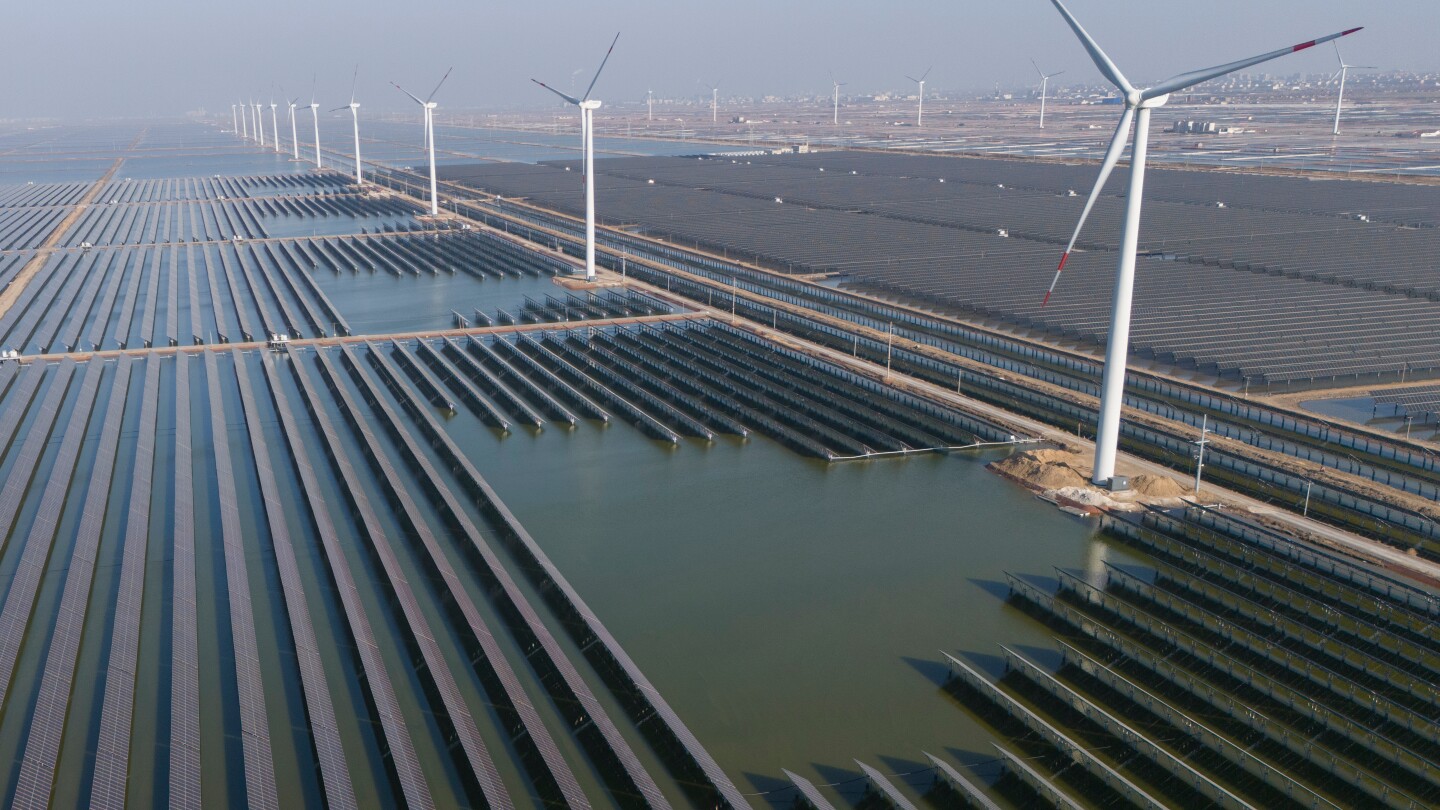
China, world’s top carbon pollutor, likely to overdeliver on climate goals. Will that be enough?
As the United Nations Climate Conference (COP30) kicks off in Brazil, China’s updated climate commitments have come under scrutiny. The world’s largest emitter of greenhouse gases recently unveiled its 2035 climate goals, detailing plans to reduce emissions by 7% to 10%. While this marks the first time China has set a specific emissions reduction target, experts argue it falls short of the 30% cut needed to align with the Paris Agreement’s aim of limiting global warming to 1.5°C. China’s role is pivotal, not only as the top emitter but also as a global leader in green technologies like solar, wind, and electric vehicles. The nation’s goals include raising non-fossil fuel energy consumption to 30%, achieving 3,600 gigawatts of solar and wind capacity, and mainstreaming electric vehicles. However, the absence of specific targets for coal power capacity raises concerns, as coal remains a cornerstone of China’s energy strategy. Despite these challenges, China has a history of surpassing its climate targets, such as exceeding its renewable energy goals six years ahead of schedule. Whether its latest commitments will suffice to combat global warming remains a critical question as the world watches COP30 unfold.
-
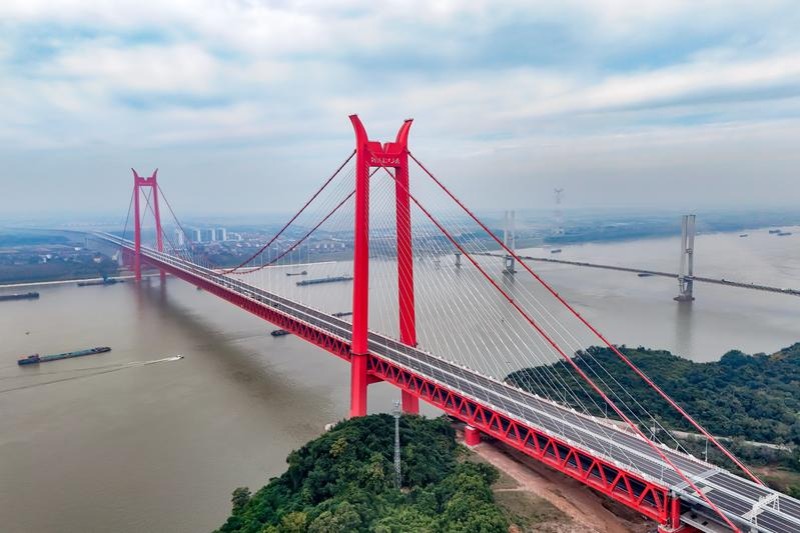
China’s first double-deck cable-stayed suspension bridge opens to traffic over Yangtze
In a landmark achievement for infrastructure development, China has inaugurated its first double-deck cable-stayed suspension bridge, the Tongling Yangtze River Third Bridge, in Tongling city, Anhui province. This engineering marvel, which opened to traffic on November 6, 2025, spans an impressive 11.9 kilometers and serves as the 11th bridge over the Yangtze River in the region. The bridge uniquely integrates expressways, intercity railways, and freight lines, facilitating seamless intermodal transport between rail and water networks. Strategically located, the bridge traverses the Tongling River Dolphin National Nature Reserve and a protected drinking water source area, reflecting its adherence to stringent ecological standards. Authorities anticipate that the bridge will significantly enhance the comprehensive transportation system in the Yangtze River Delta, fostering regional economic growth and connectivity. This project underscores China’s commitment to innovative and sustainable infrastructure development, setting a new benchmark for future endeavors.
-

China-Arab States Forum on Radio and TV opens in Chongqing
The 7th China-Arab States Forum on Radio and Television Cooperation commenced on Wednesday in Chongqing, Southwest China, marking a significant milestone in media collaboration between China and the Arab world. The event drew around 300 participants, including representatives from radio and television authorities, media organizations, international bodies, diplomatic missions, enterprises, and academic think tanks across China and 16 Arab nations.
During the forum, Arab representatives delivered keynote speeches, and participants engaged in extensive discussions on audiovisual content cooperation and technological advancements in the industry. The opening ceremony featured the release of a joint declaration, emphasizing enhanced cooperation in policies, content, technology, and personnel exchanges between China and Arab states.
Ahmed Aboul Gheit, Secretary-General of the Arab League, praised the forum’s progress in a video address, highlighting its role as a vital platform for fostering friendships and exchanging information, knowledge, and experiences between media leaders and professionals from both regions. He underscored the importance of media in connecting people, particularly in the context of rapid technological and digital advancements, and called for strengthened cooperation to build a new media ecosystem.
The forum also showcased over 50 collaborative achievements in the audiovisual field and announced the winners of the 4th China-Arab States Short Video Contest. Additional highlights included content and technology exchange exhibitions, a concert, media tours, and a drone light show themed on China-Arab cooperation, which illuminated Chongqing’s sky on Wednesday night.
In support of the forum and the upcoming China-Arab States Summit, Chinese and Arab media will continue a selected audiovisual program exchange from September this year to June next year. This initiative will feature outstanding programs from Arab countries on mainstream media platforms in both regions, enriching the viewing experience for audiences and narrating stories of China-Arab friendship and cooperation.
The forum was co-hosted by the National Radio and Television Administration, the Chongqing municipal government, the General Secretariat of the Arab League, and the Arab States Broadcasting Union.
-

China’s Global Mangrove vision takes root in Shenzhen
In the heart of Shenzhen, Guangdong province, the International Mangrove Center has become a beacon of global collaboration in mangrove conservation. Established just a year ago, the center has successfully united 20 member countries in a shared mission to protect one of the planet’s most vital yet vulnerable ecosystems. Mangroves, which thrive along tropical and subtropical coastlines, serve as natural defenses against storms, purify seawater, sequester carbon, and support diverse marine life. China stands out as one of the few nations to achieve a net increase in mangrove coverage, thanks to extensive restoration initiatives and robust wetland protection legislation. The center’s efforts underscore the importance of international cooperation in safeguarding these critical habitats for future generations.
-
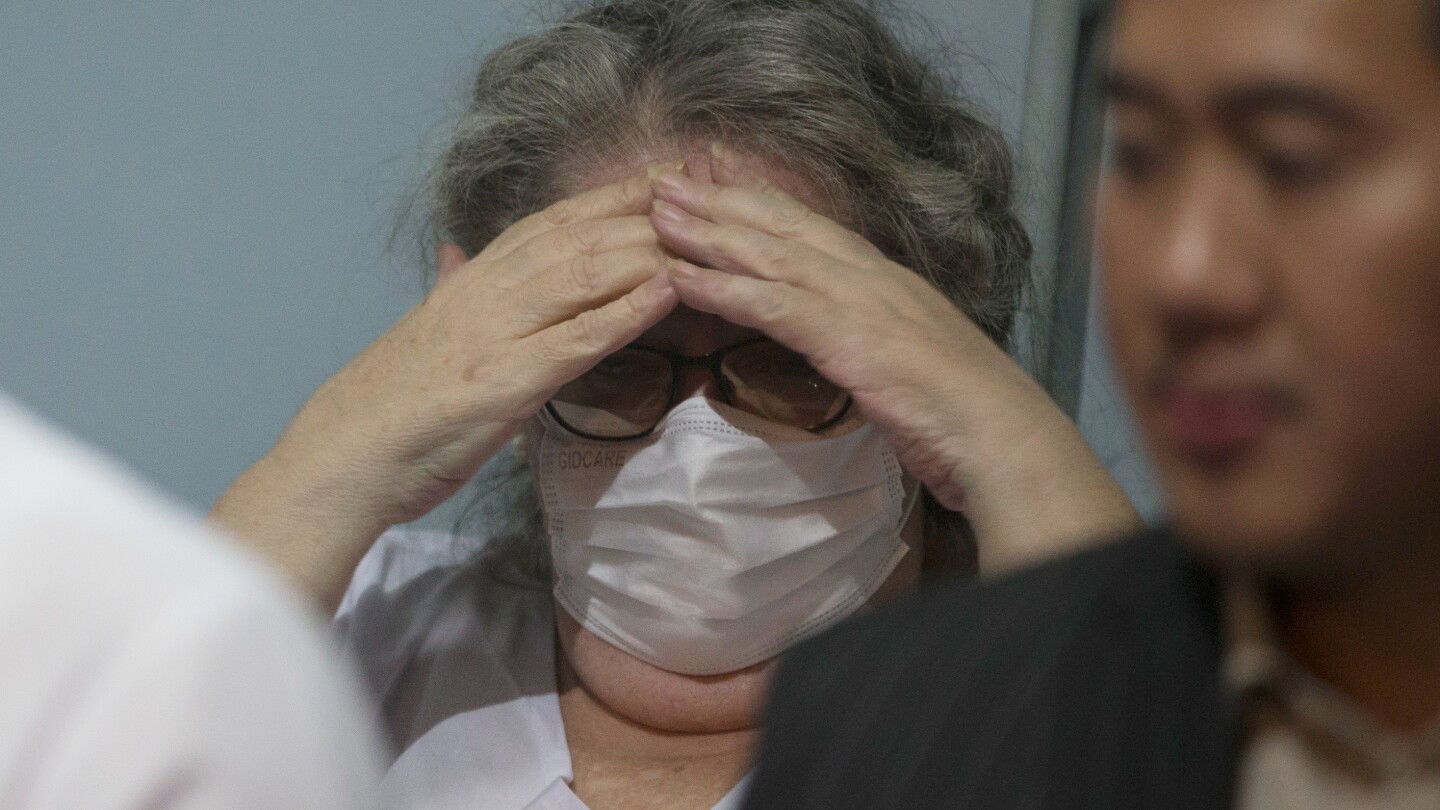
Indonesia to send home two ailing Britons serving prison terms on drug charges
Two British nationals, Lindsay Sandiford and Shahab Shahabadi, who were imprisoned in Indonesia on drug-related charges, are set to return to the United Kingdom following a bilateral agreement between the two nations. The repatriation, facilitated by Indonesian authorities, marks a significant development in international legal cooperation. Sandiford, 69, was arrested in 2012 and sentenced to death for smuggling 3.8 kilograms of cocaine into Bali. Shahabadi, 35, received a life sentence in 2014 for his involvement in an international drug trafficking network. Both individuals were escorted to Bali’s airport on Thursday evening and are scheduled to depart early Friday, with a layover in Doha before reaching London. The decision to repatriate them was influenced by their severe health conditions—Sandiford suffers from diabetes and hypertension, while Shahabadi has mental health issues. The agreement, signed on October 21 by Indonesian Coordinating Minister Yusril Ihza Mahendra and British Foreign Secretary Yvette Cooper, underscores Indonesia’s commitment to humanitarian considerations in its legal framework. Deputy Minister I Nyoman Gede Surya Mataram emphasized that the process reflects Indonesia’s credibility in international legal cooperation. The British government expressed gratitude for the transfer and signaled openness to discussing similar arrangements for Indonesians imprisoned in the UK. Indonesia, under President Prabowo Subianto, has previously repatriated foreign prisoners, including individuals from the Philippines, Australia, and France, under similar bilateral agreements. The country’s strict drug laws have resulted in over 530 individuals on death row, predominantly for drug-related offenses, including nearly 100 foreigners.
-
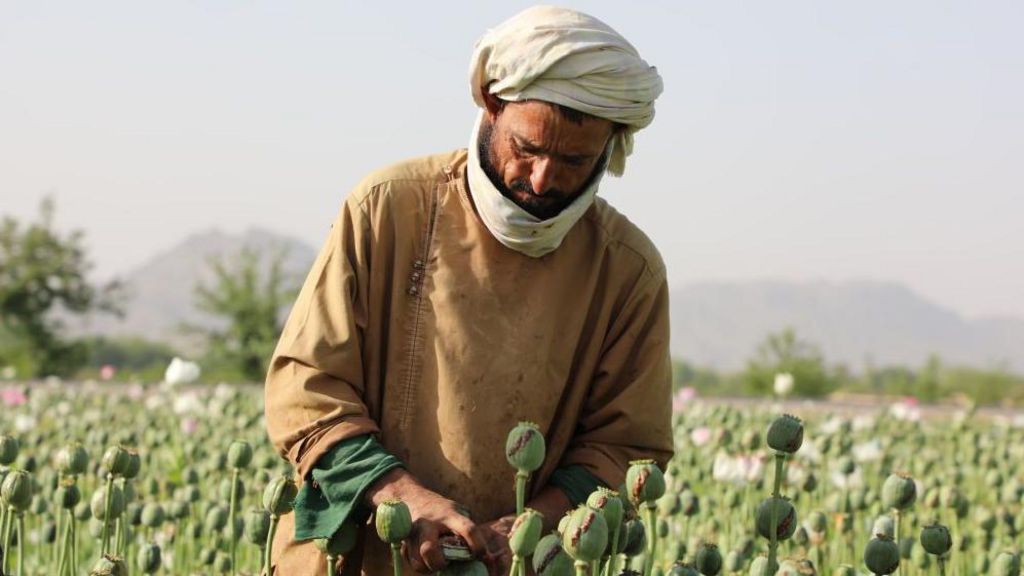
Afghan opium crop plummets after Taliban ban – UN report
Afghanistan, once responsible for over 80% of the world’s opium supply, has seen a dramatic decline in opium farming since the Taliban imposed a ban in April 2022. According to a recent survey by the United Nations Office on Drugs and Crime (UNODC), the area dedicated to opium poppy cultivation has shrunk by 20% compared to last year, while opium production has dropped by 32%. The Taliban justified the ban by citing opium’s harmful effects and its contradiction with their religious beliefs. Despite severe economic challenges, most Afghan farmers have complied with the ban, shifting to cereal farming. However, poppy cultivation remains far more profitable than legitimate crops, leaving many farmers in dire straits. Over 40% of farmland lies fallow due to a lack of profitable alternatives, limited agricultural output, and adverse climate conditions. The total area under opium poppy cultivation this year is estimated at 10,200 hectares, primarily in the north-eastern region, with Badakhshan province leading. This marks a stark contrast to pre-ban figures, which exceeded 200,000 hectares. Four provinces previously known for opium cultivation—Balkh, Farah, Laghman, and Uruzgan—were declared poppy-free in 2025, highlighting the ban’s scale and durability. However, enforcement has not been without conflict. The Taliban’s efforts to destroy opium fields have occasionally sparked violent resistance, particularly in Badakhshan, where clashes have resulted in casualties. Despite these challenges, the majority of farmers adhere to the ban, though many express frustration over the lack of support for alternative livelihoods. ‘If we violate the ban, we face prison. If we comply, we face destitution,’ lamented an unnamed farmer in Helmand province. While opium production has declined, the UNODC reports a rise in synthetic drug trafficking, with methamphetamine seizures increasing by 50% in late 2024 compared to the previous year. Organized crime groups favor synthetic drugs due to their ease of production and resilience to climate shocks.
-
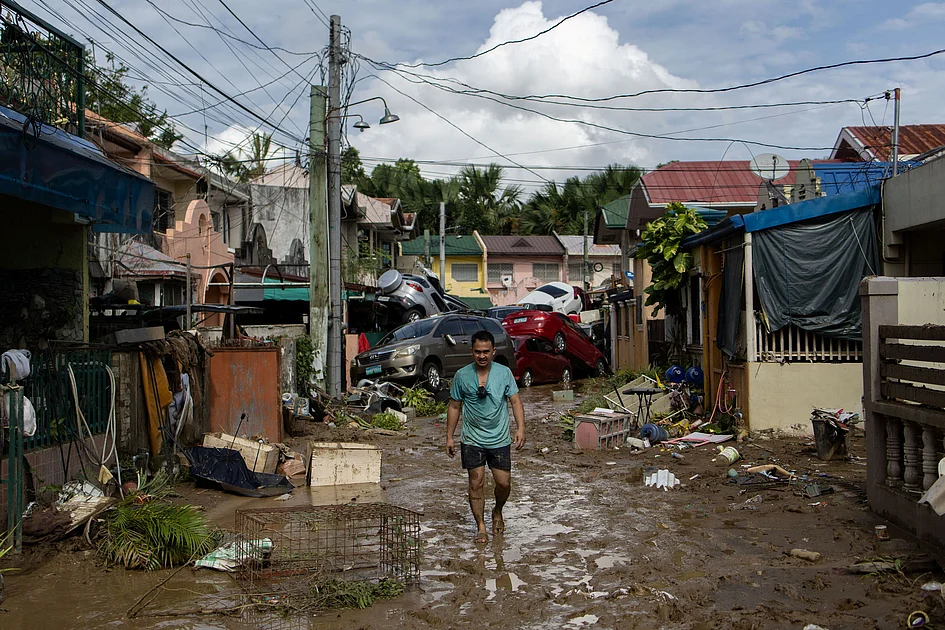
Philippines: Typhoon Kalmaegi kills 140; 127 missing after devastating floods
Typhoon Kalmaegi has wreaked havoc across the central Philippines, resulting in at least 140 fatalities and leaving 127 individuals unaccounted for, according to official reports released on Thursday. The storm, now en route to Vietnam, unleashed unprecedented flooding in Cebu province, sweeping away vehicles, riverside shanties, and even massive shipping containers. The national civil defence office confirmed 114 deaths, with an additional 28 reported by Cebu provincial authorities. In Liloan, a town near Cebu City, 35 bodies were recovered from flood-ravaged areas, where cars were piled atop each other and roofs were torn off buildings. Residents are struggling to recover from the devastation, with many recounting harrowing tales of survival. Christine Aton, 29, described the tragic loss of her sister Michelle, who was trapped in her bedroom as floodwaters rose. On Negros Island, at least 30 people perished as heavy rains triggered volcanic mudflows that buried homes in Canlaon City. The national death toll also includes six crew members of a military helicopter that crashed during a relief mission. Scientists attribute the increasing intensity of such storms to human-driven climate change, with warmer oceans and a more moisture-laden atmosphere exacerbating their impact. Nearly 800,000 people were evacuated from the typhoon’s path. As Kalmaegi approaches Vietnam, fears are mounting that it could compound the damage from recent flooding that has already claimed 47 lives. The storm, with windspeeds of 155 kph and gusts up to 190 kph, is forecast to make landfall in central Vietnam late Thursday, bringing waves as high as eight meters and powerful storm surges. Deputy Prime Minister Tran Hong Ha has urged local authorities to treat the situation as ‘urgent and dangerous,’ labeling Kalmaegi as ‘a very abnormal’ storm. The Philippines has already experienced its average of 20 such storms this year, with at least ‘three to five more’ expected by December’s end.